
Taste, Technology and What Happened to the Individual Eye
I think About This A Lot… by Birgitte Hahn-Etc
There comes a point in middle age when one catches oneself looking at a group of twenty-somethings and thinking something one had promised never to think: Why are they all dressed like that? This is treacherous territory. Every generation eventually decides that the one following it has ruined music, language, manners or trousers, and nothing ages a person quite so efficiently as complaining about the young.
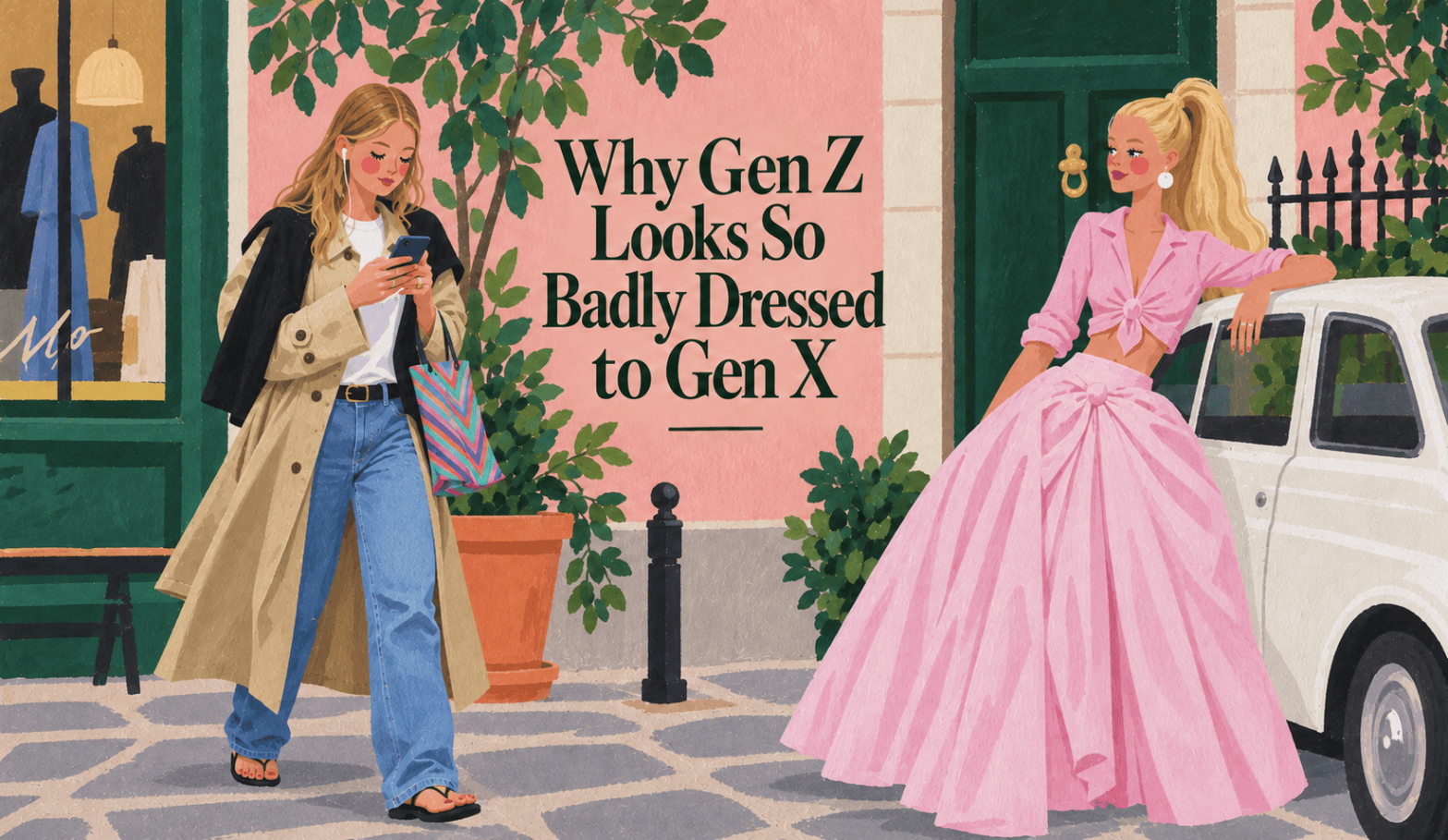
Yet from a Generation X perspective, the striking thing about Gen Z fashion is not simply that it looks different. Young people are supposed to look different. It is that so many of them appear to look extraordinarily generic.
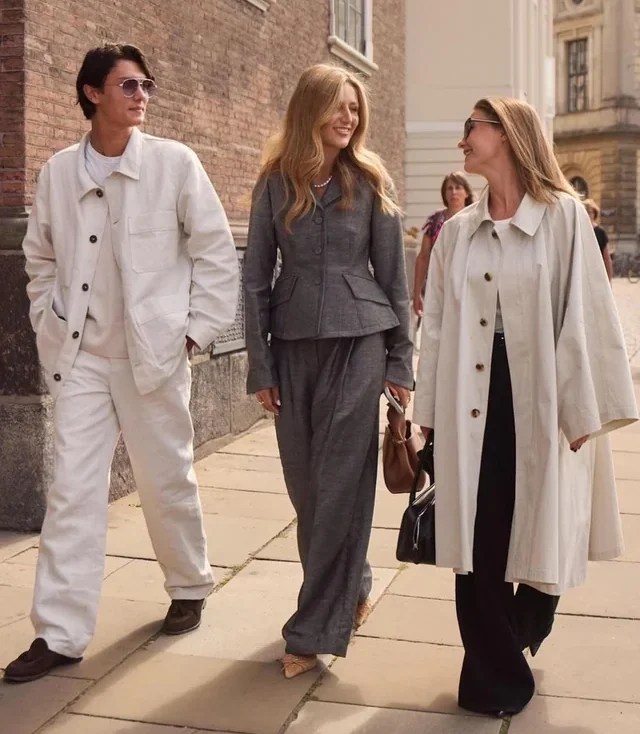
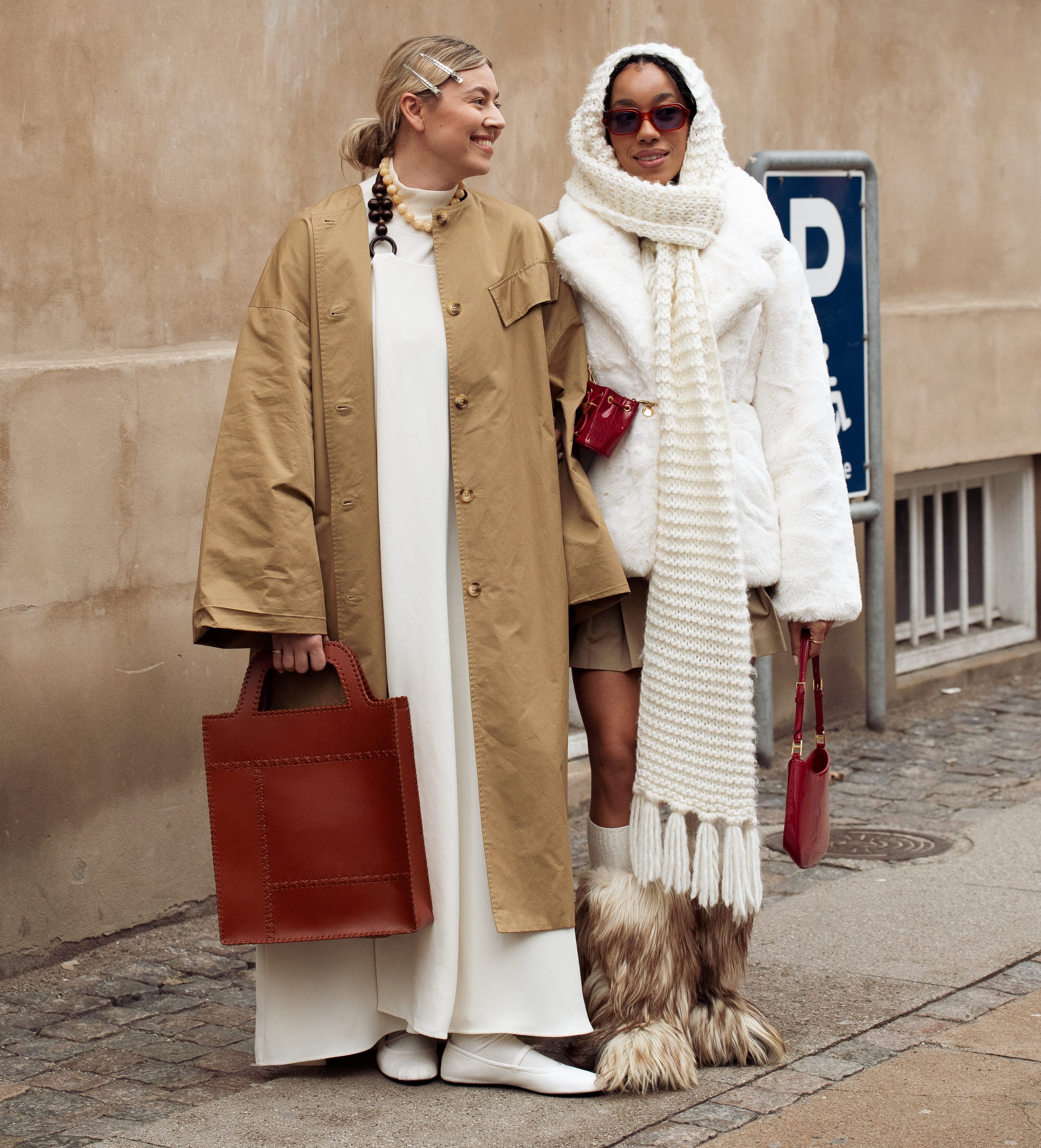
The same oversized trench coat. The same high-street loafers. The same baggy jeans with the same oversized shirt or jumper. The tote bag sourced from the recently aired American Love Story, visible socks, insta-tan and carefully coiffed extra-long bronde hair. Even apparent eccentricity seems to arrive in recognisable packages. A generation surrounded by the language of individual identity has somehow produced a remarkably standardised visual culture.
The easy conclusion would be that Gen Z simply has bad taste. The more interesting possibility is that taste itself is being formed under completely different conditions, and that what looks like a change in clothes is really a change in how judgement gets made at all.
Generation X learned style in a world of scarcity, physical social life, cultural gatekeeping, subcultures, magazines and chance encounters. Gen Z has come of age in a world of superabundance, instant availability, pandemic lock-downs, algorithmic recommendation and unprecedented visual access. Neither environment is morally superior. But they cultivate different habits of mind, and clothes reveal those habits with unusual clarity.
I. When Style Meant Interpretation
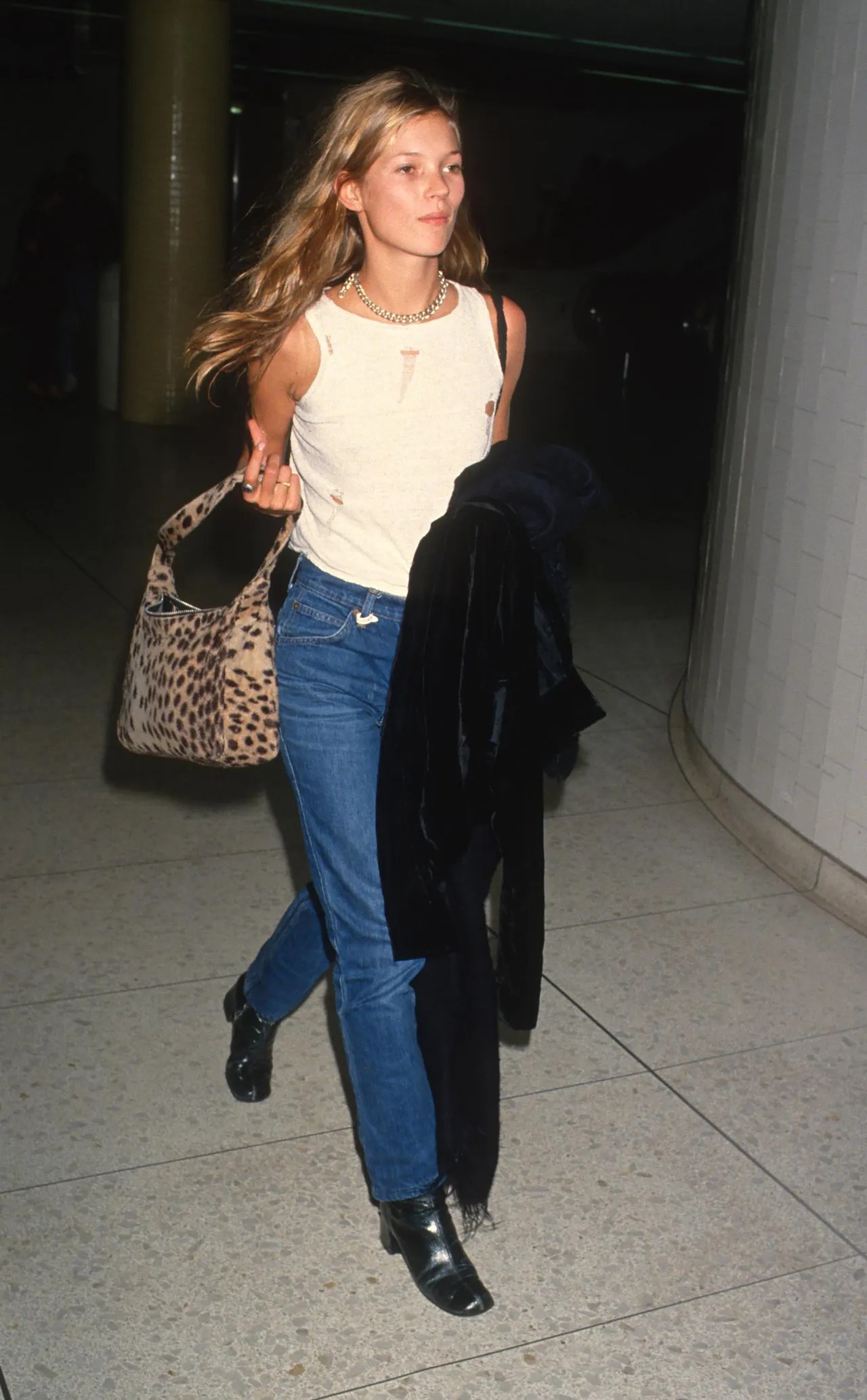
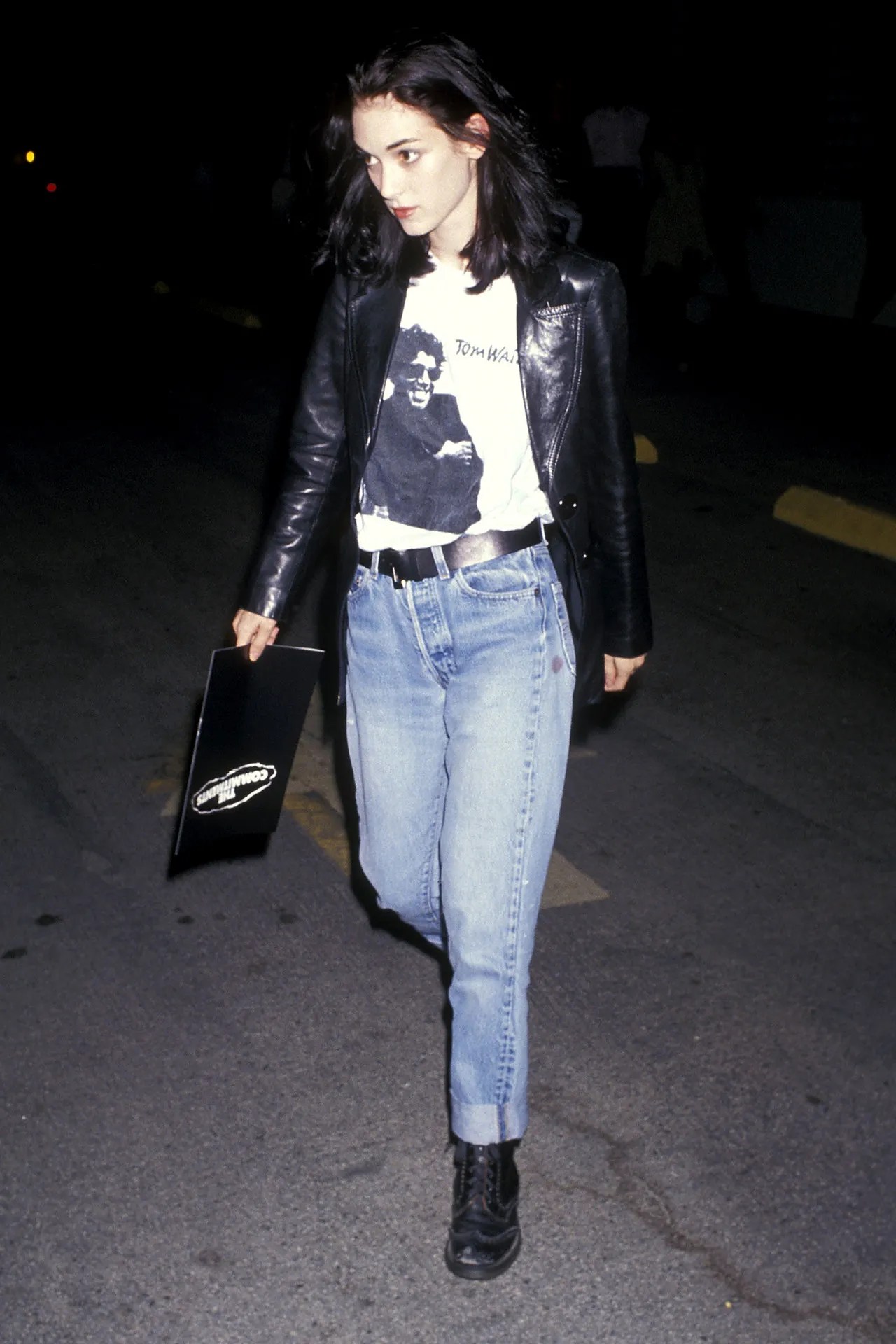
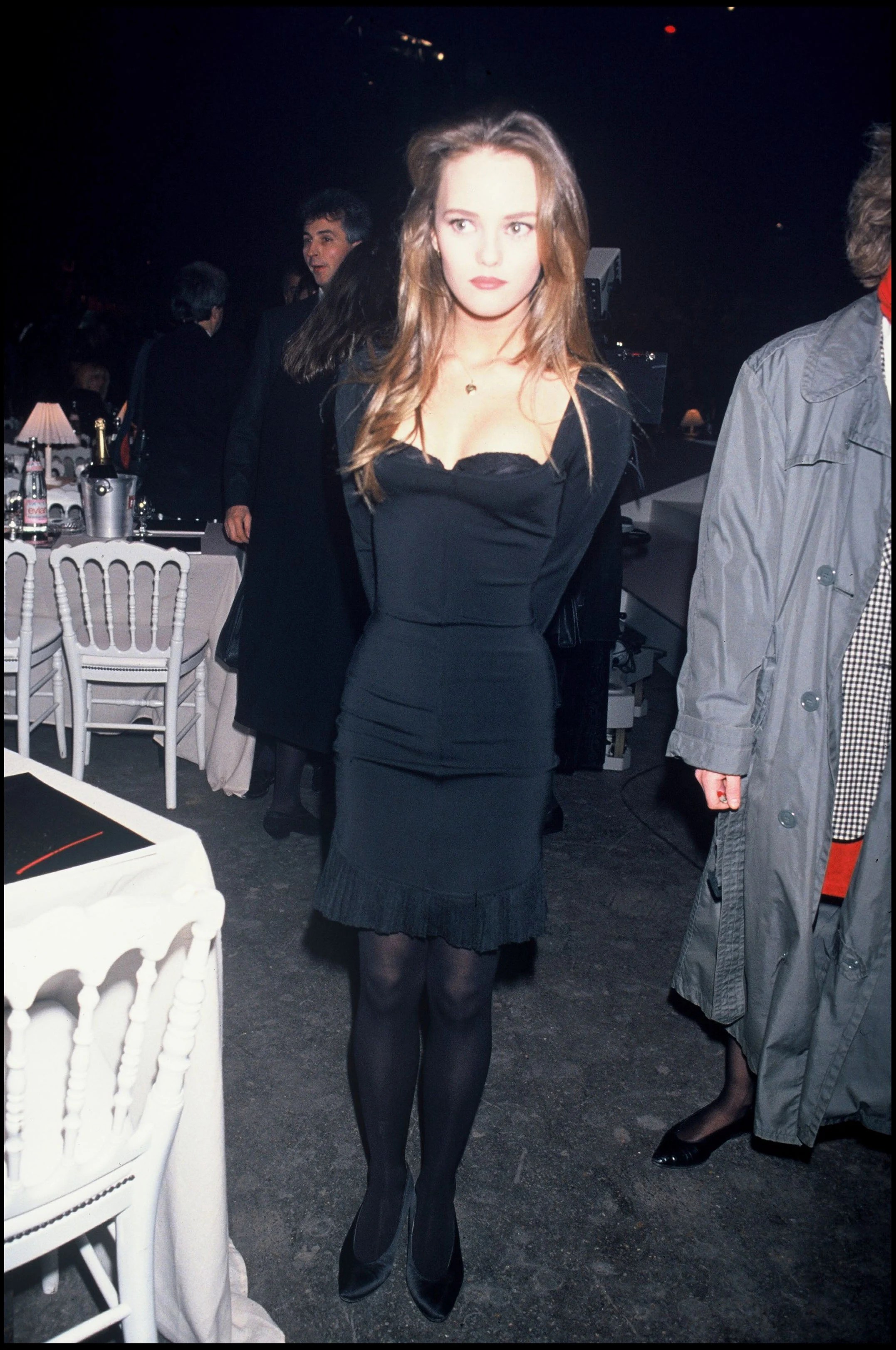
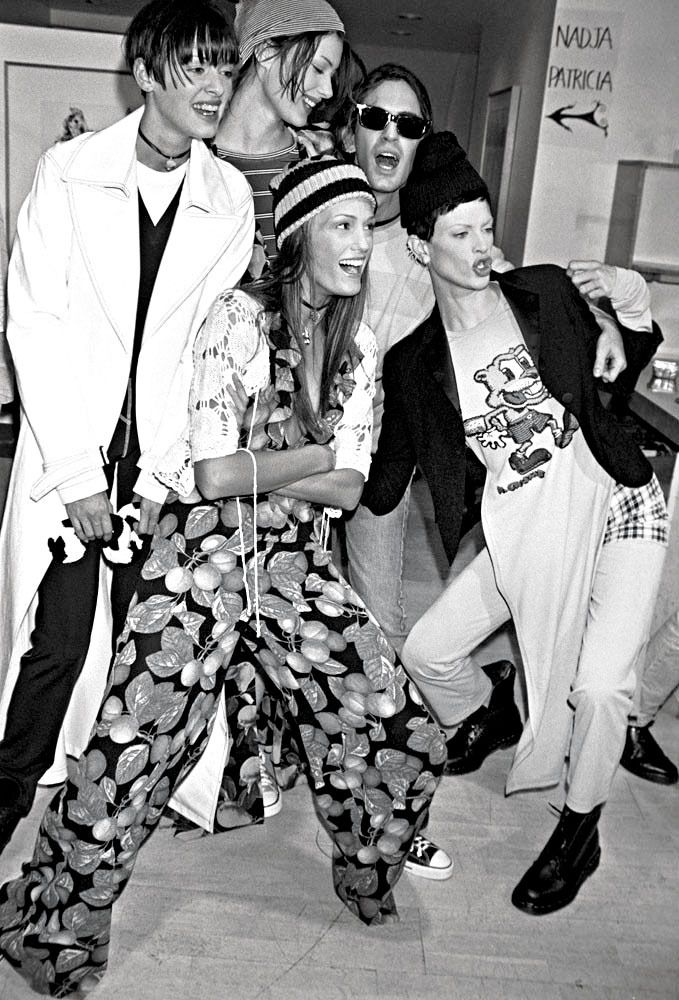
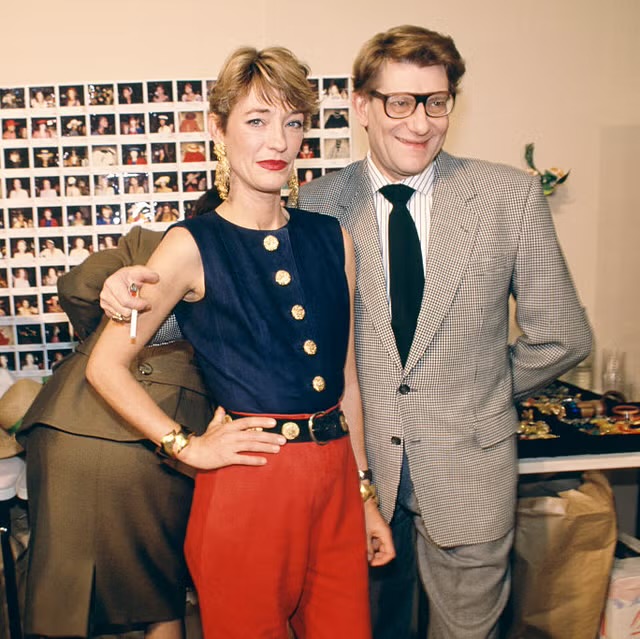
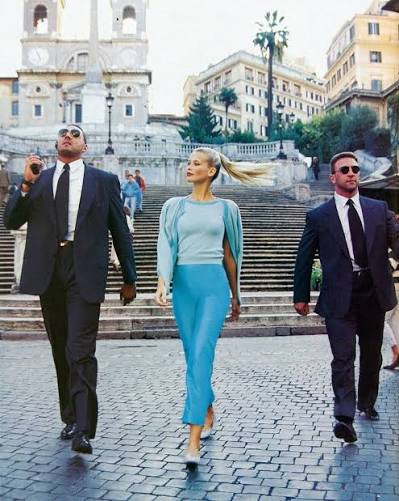
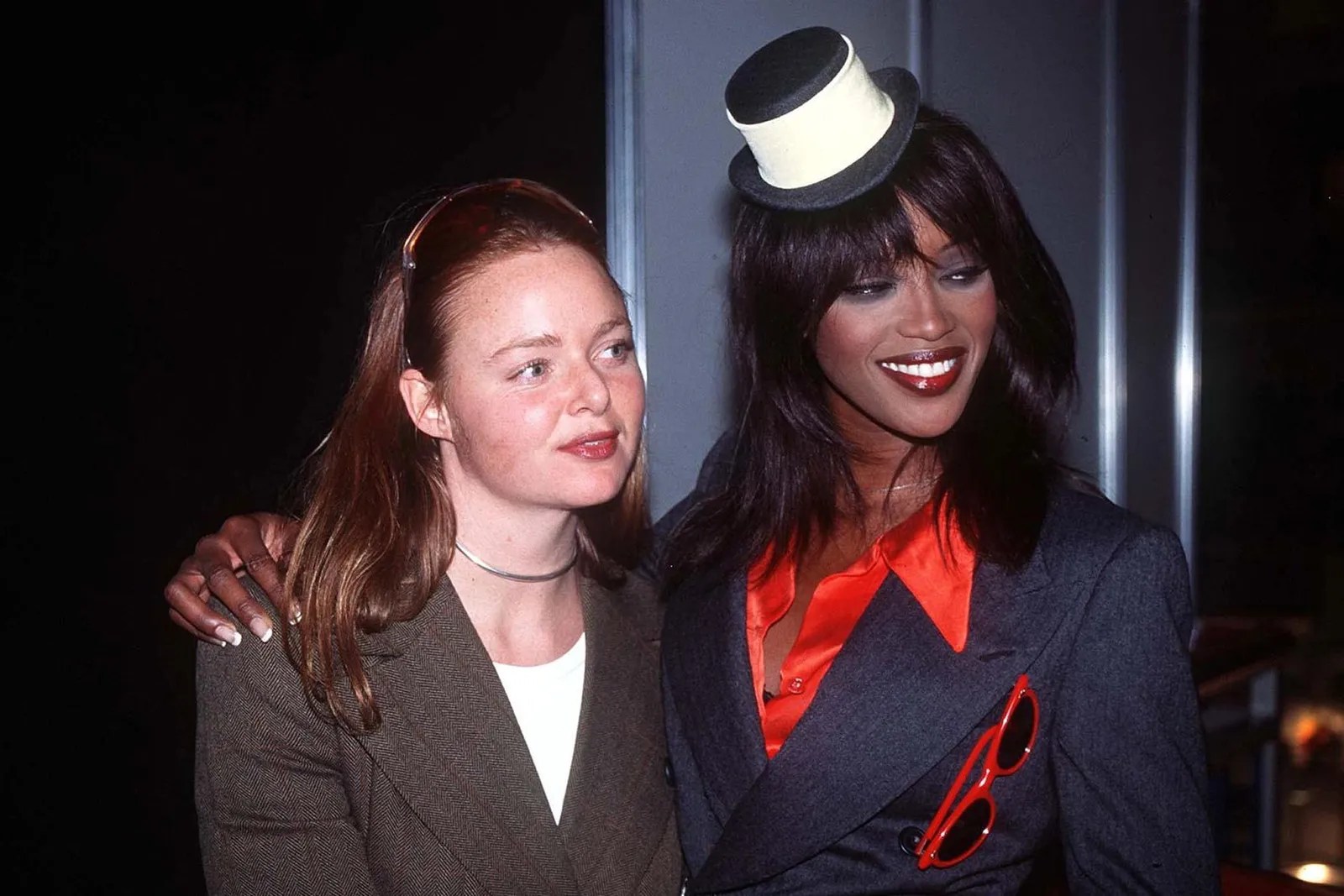
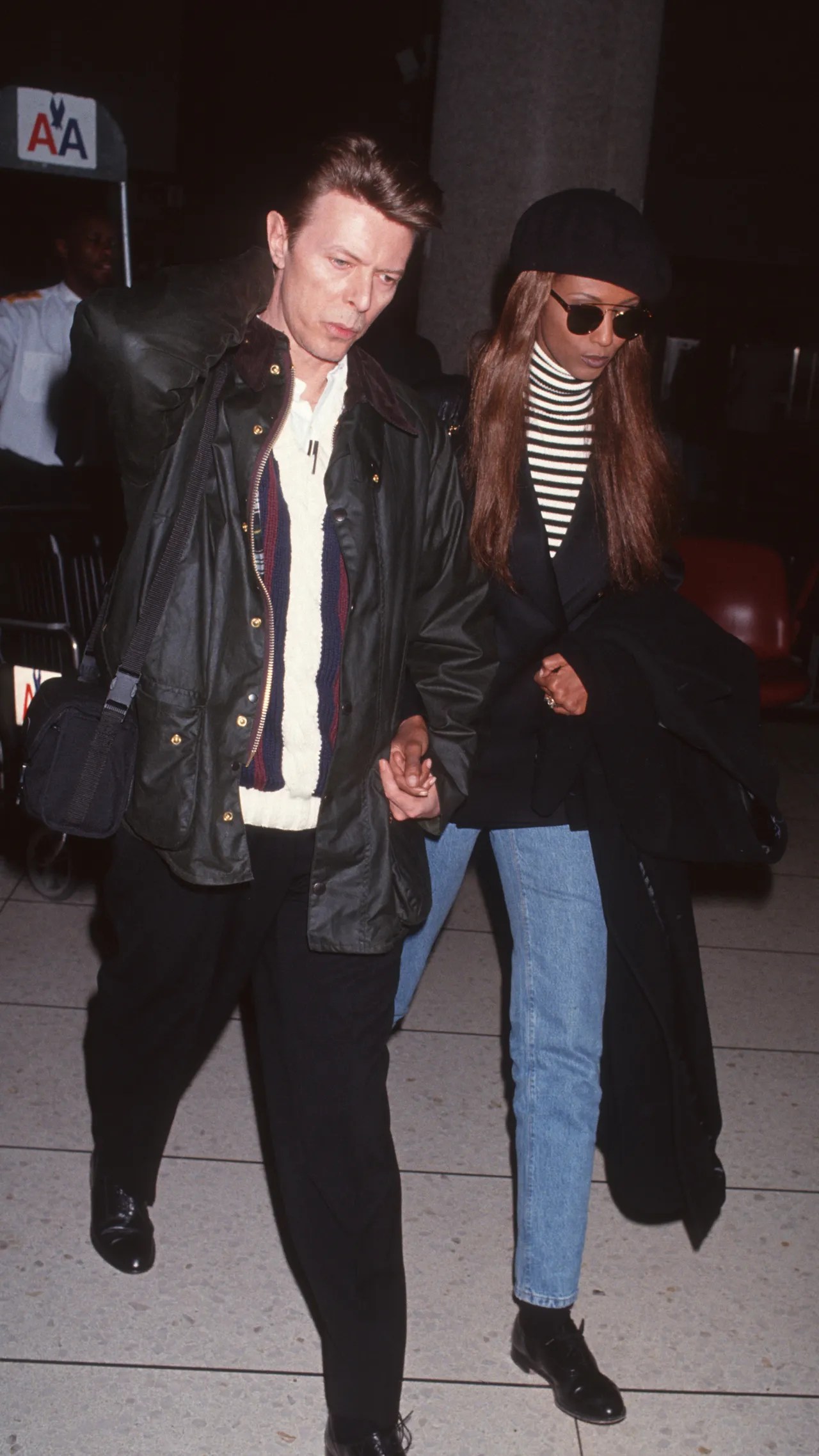
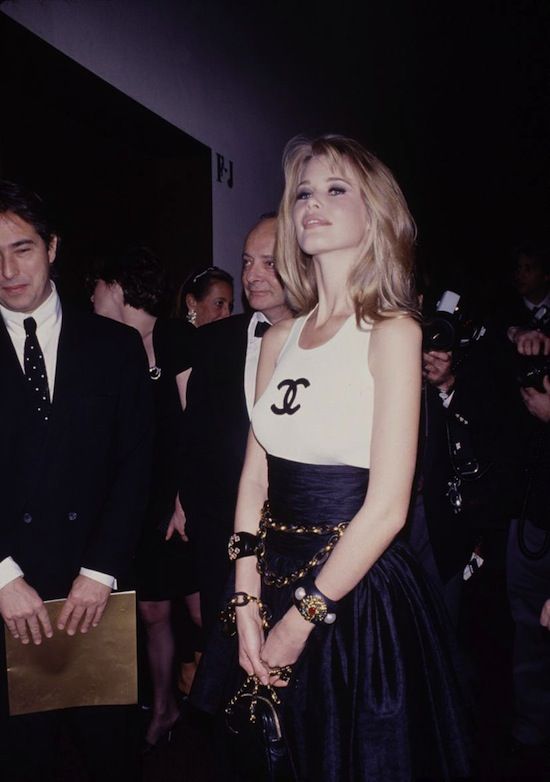
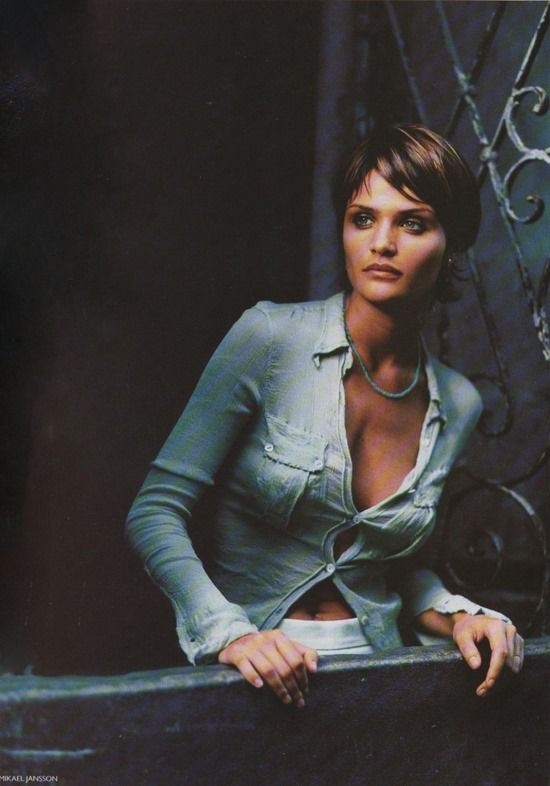
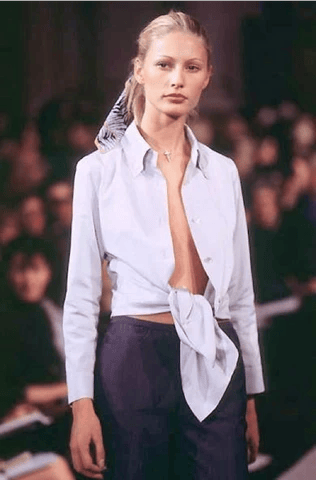
Generation X followed fashion. We wore Levi’s, pencil skirts, tuxedo jackets à la 1970s YSL, ballet flats, Gucci loafers, Moschino belts, Lacoste shirts, Chanel moon-boots, and plenty else that travelled through the population with impressive speed. We were not resistant to conformity simply because Instagram had not yet been invented.
But there was another ideal running alongside fashion: you were supposed to make things your own.
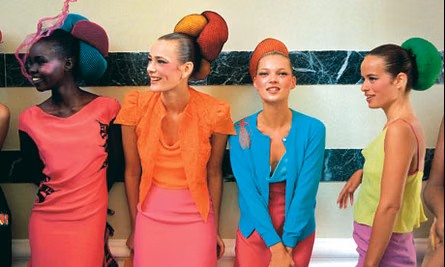
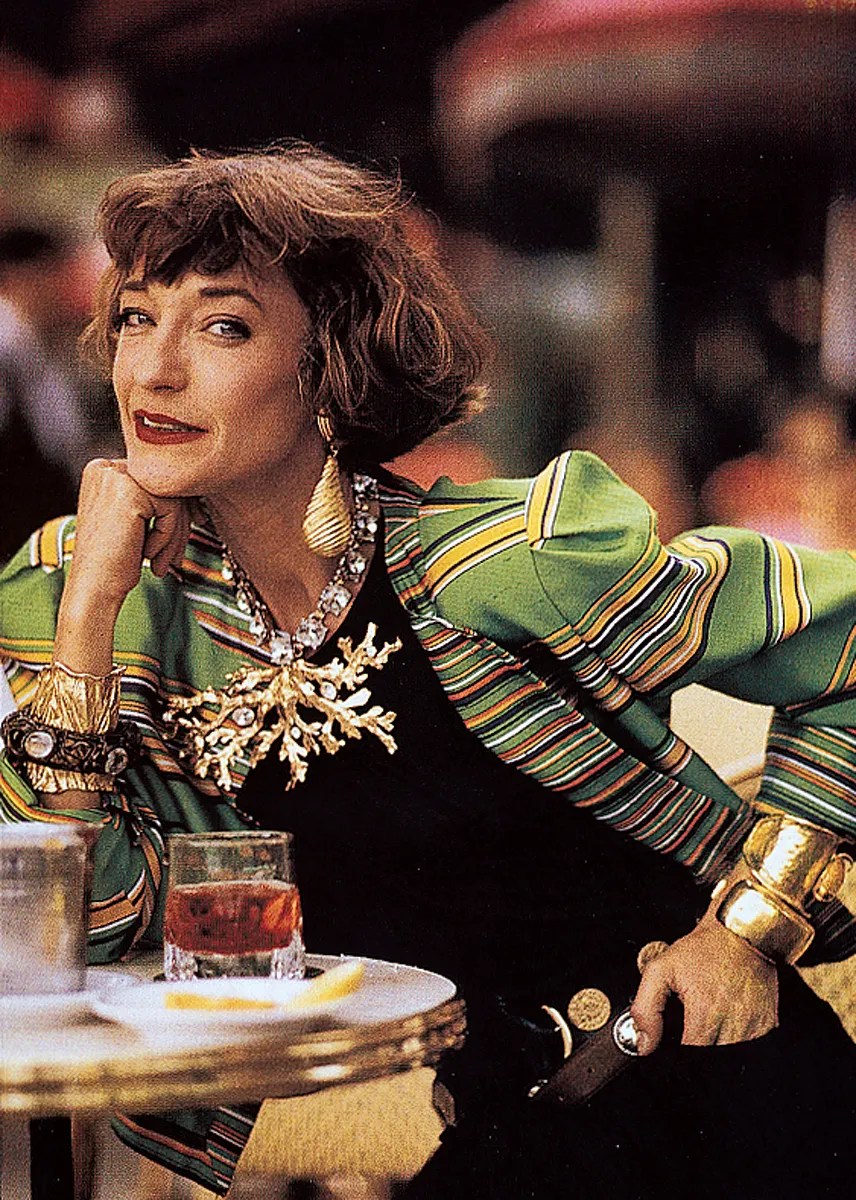
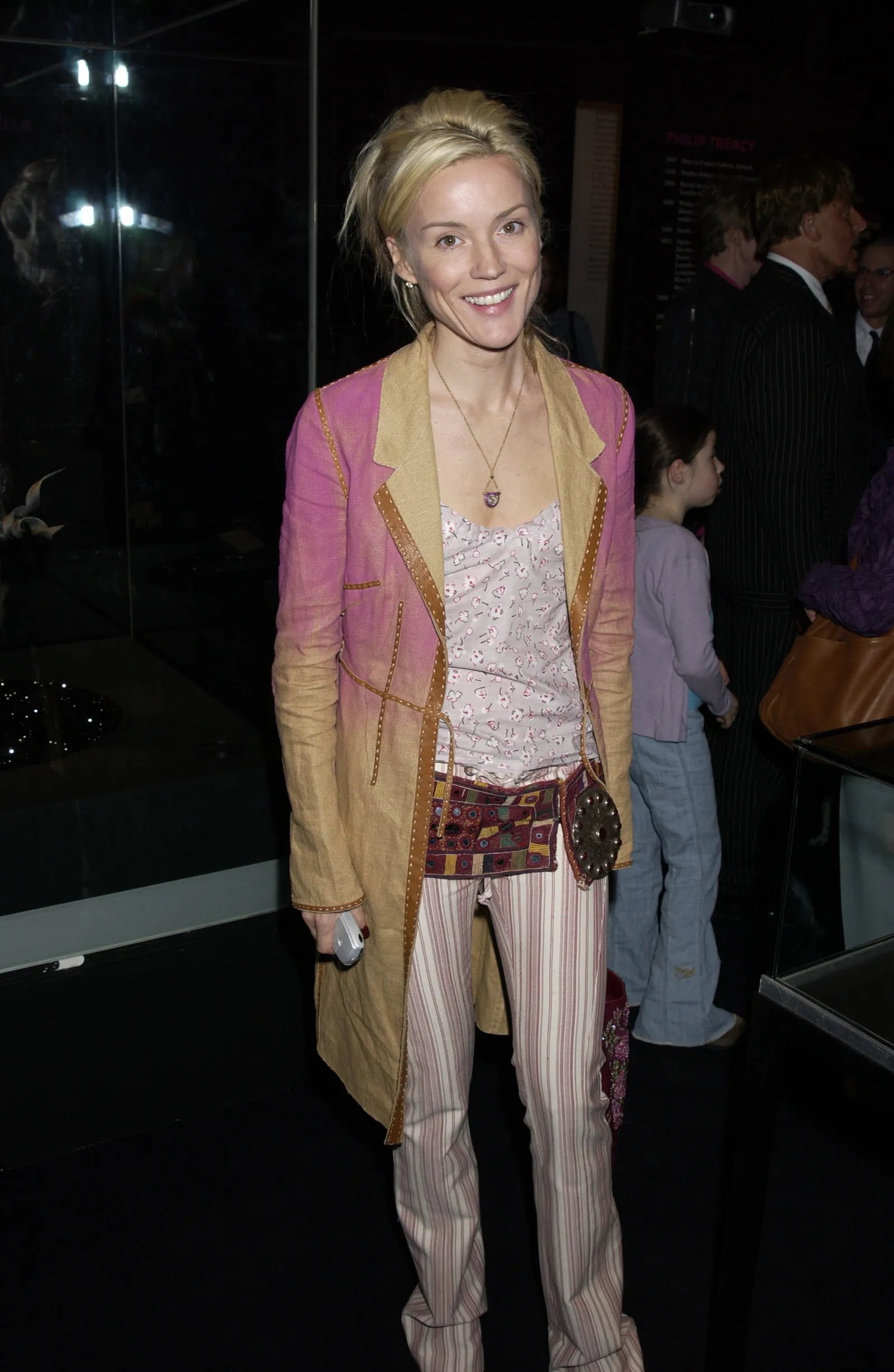
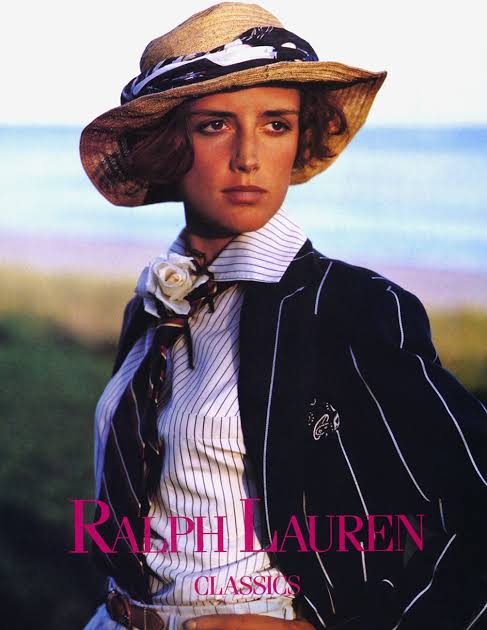
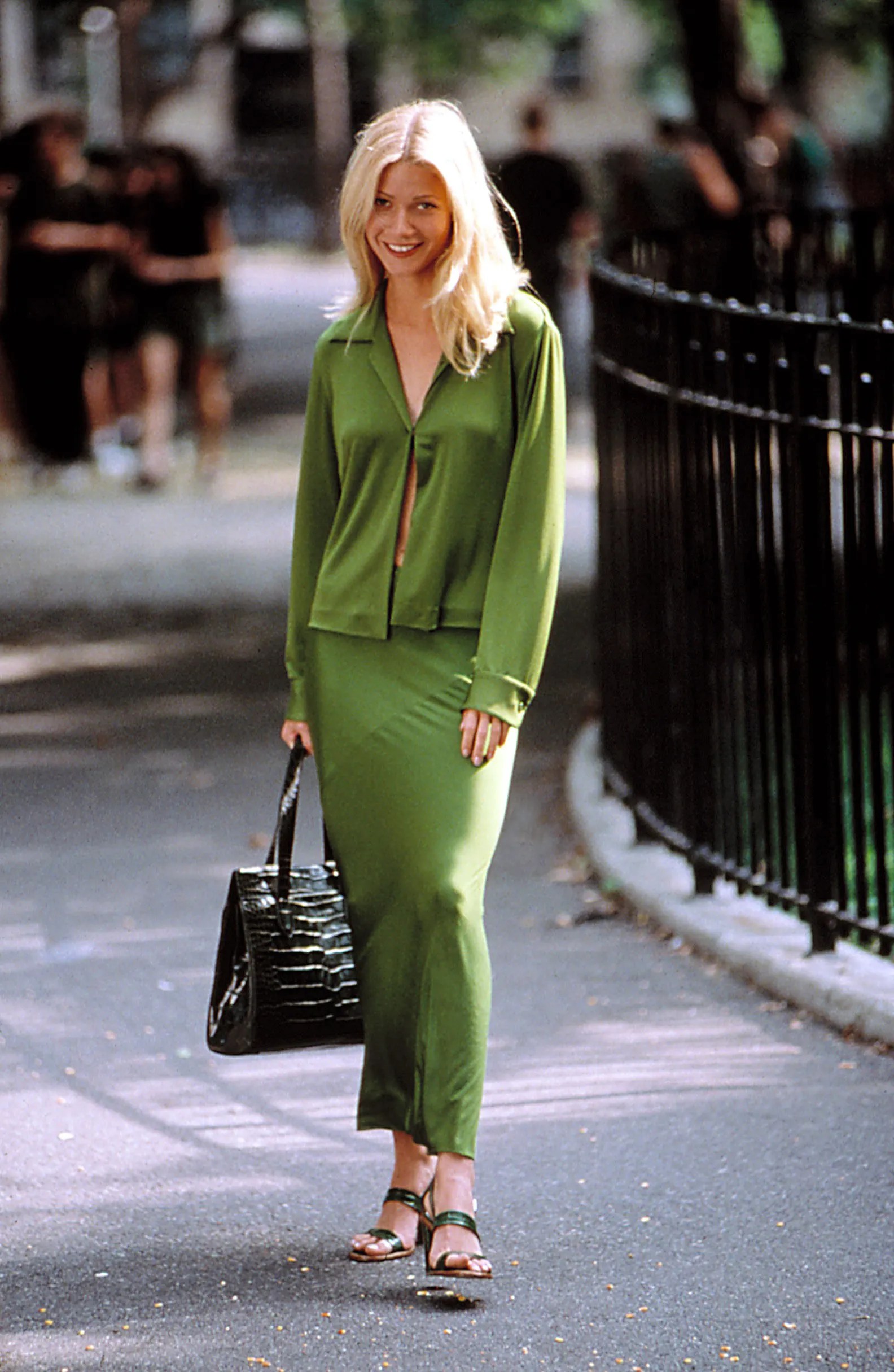
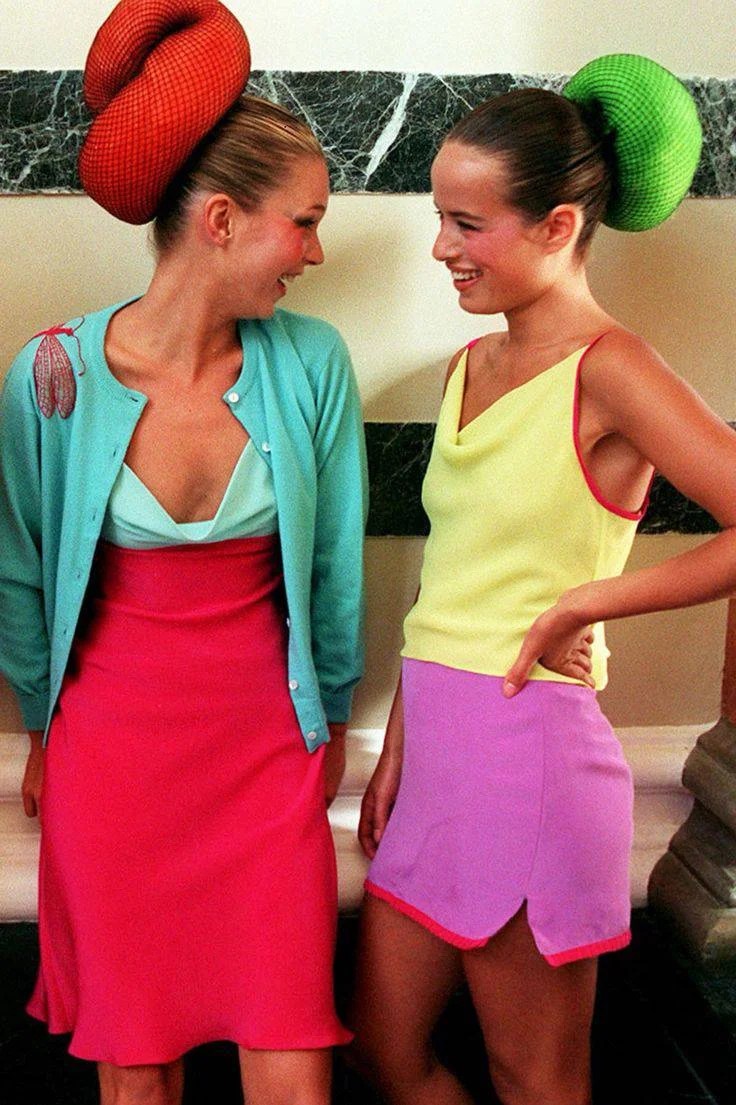
The Gen X It-Girl was not necessarily the person who possessed the most fashionable object. She was the person who could do something with it. She understood that red might look unexpectedly beautiful beside fuchsia pink; that an old uniform jacket could transform a slip dress; that an inherited brooch might be more interesting than the necklace everybody else had bought. Sometimes she knew that the shoes conventionally regarded as “right” were precisely the shoes that would make the outfit boring.
Taste resided in the judgement between the objects, not in the objects themselves.
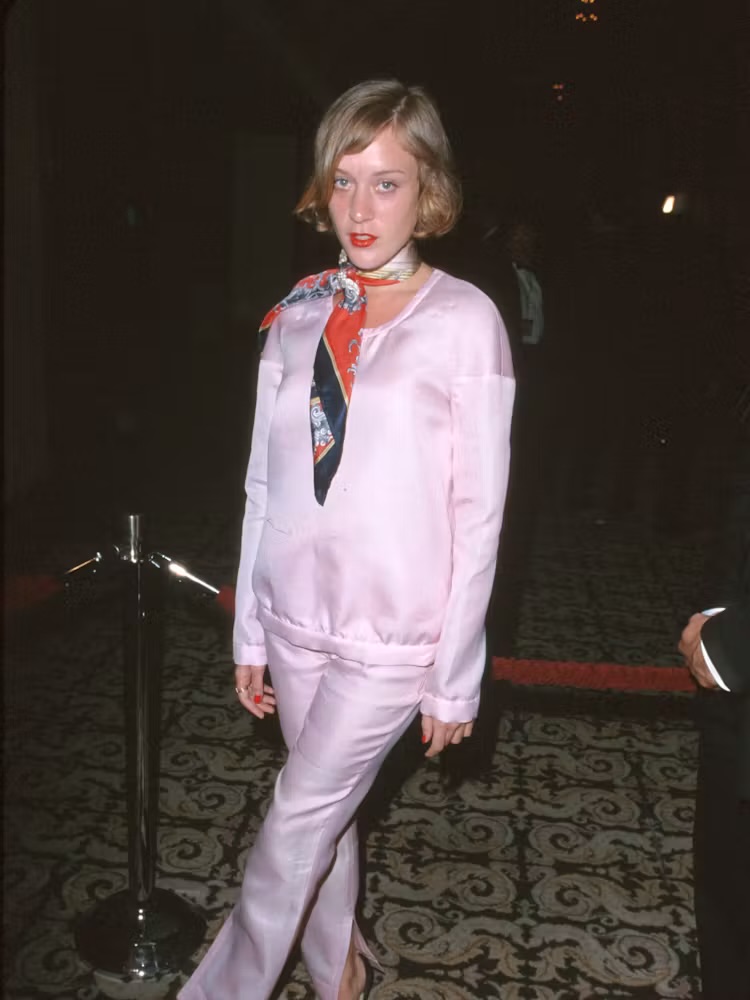
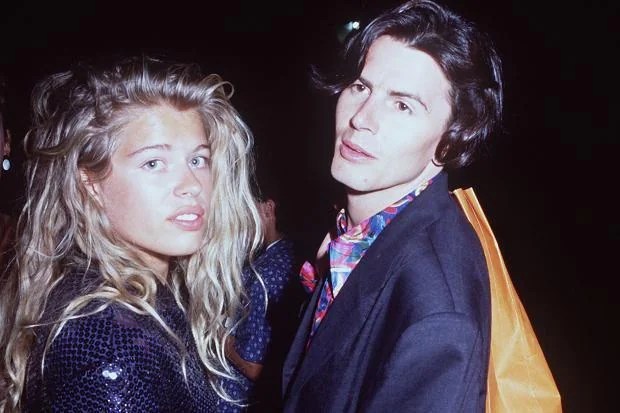
As a rule, there always had to be one thing not quite put together correctly in an outfit. That’s how I grew up. You never wanted to look too perfect. It was embarrassing to care too much. The make-up, if any, was natural — I went through the nineties with a cream foundation, a blush and one duo eyeshadow in cream and brown, Juicy Tube gloss from Lancôme for every day and, for parties, the Bobbi Brown Ruby Stain did the trick. Skincare was Clinique’s three-step formula: soap, toner, moisturiser. That was it. Less was the whole point, and it worked. In the summer-time I would not wear any make-up at all. I was bronzed. It was a time when tanning was a five-star occupation.
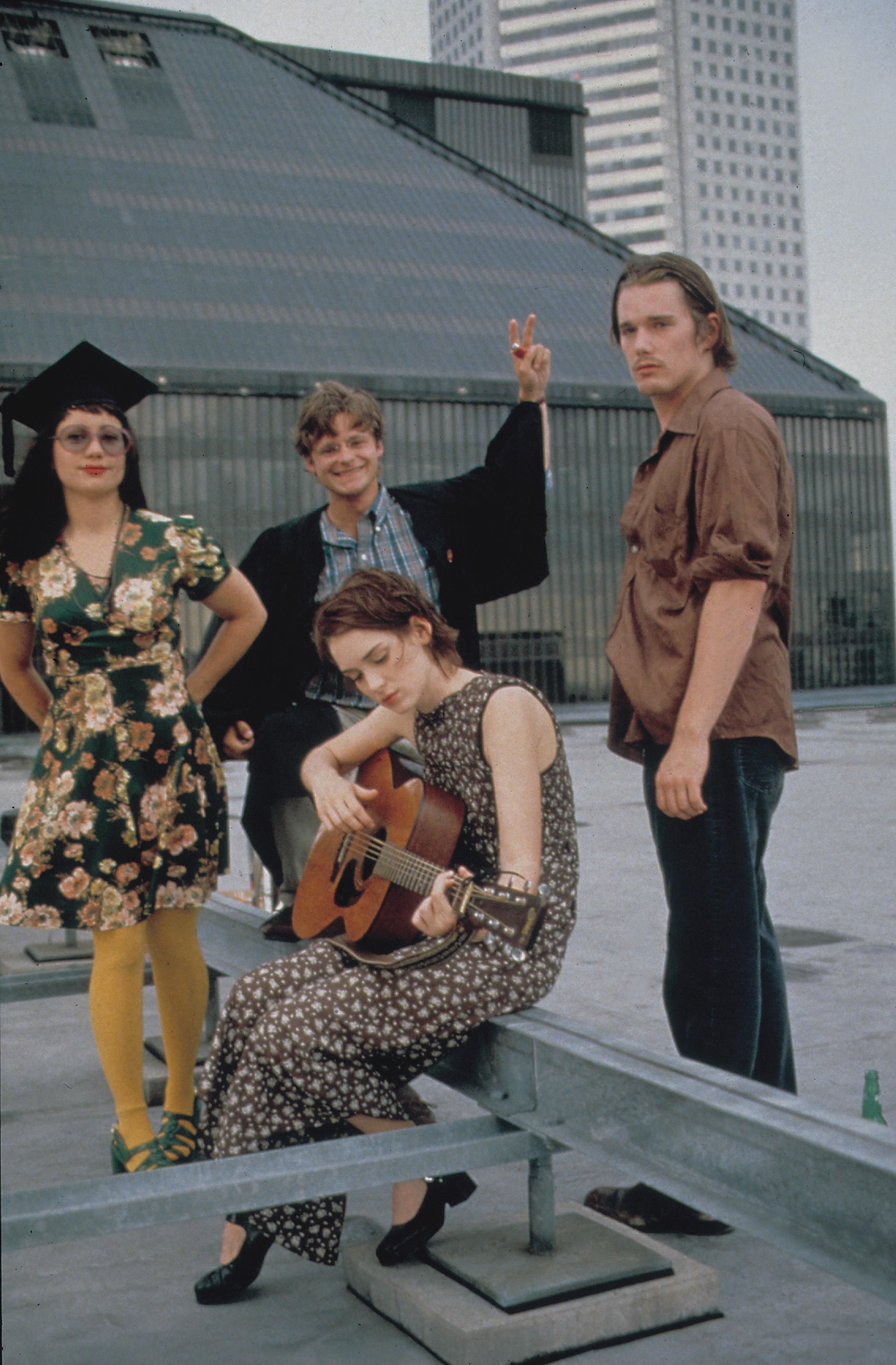
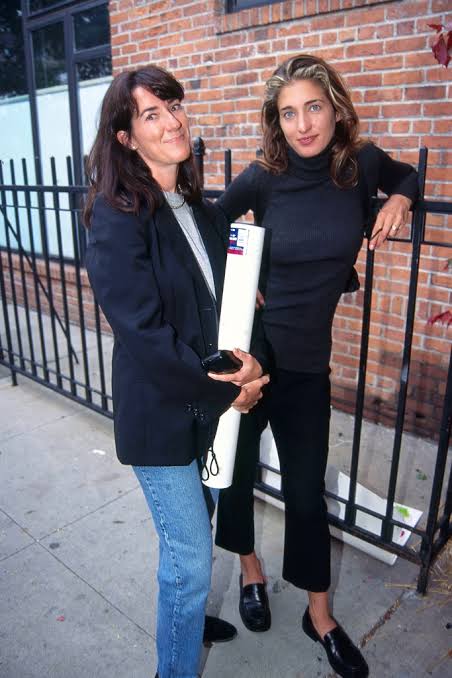
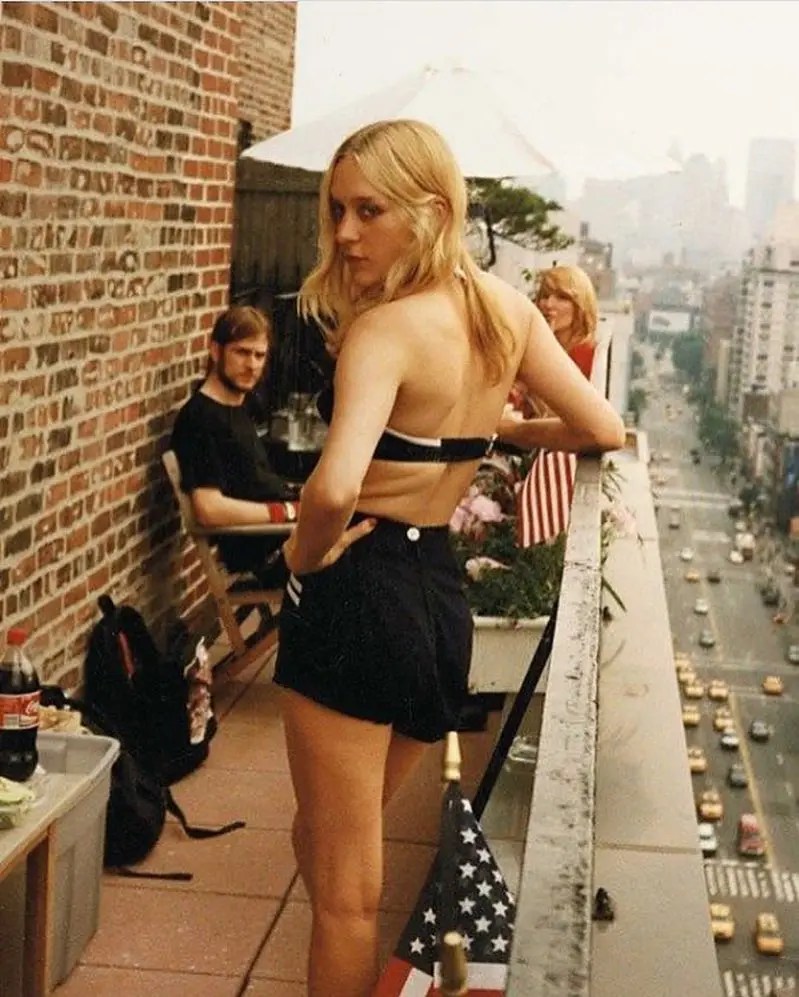
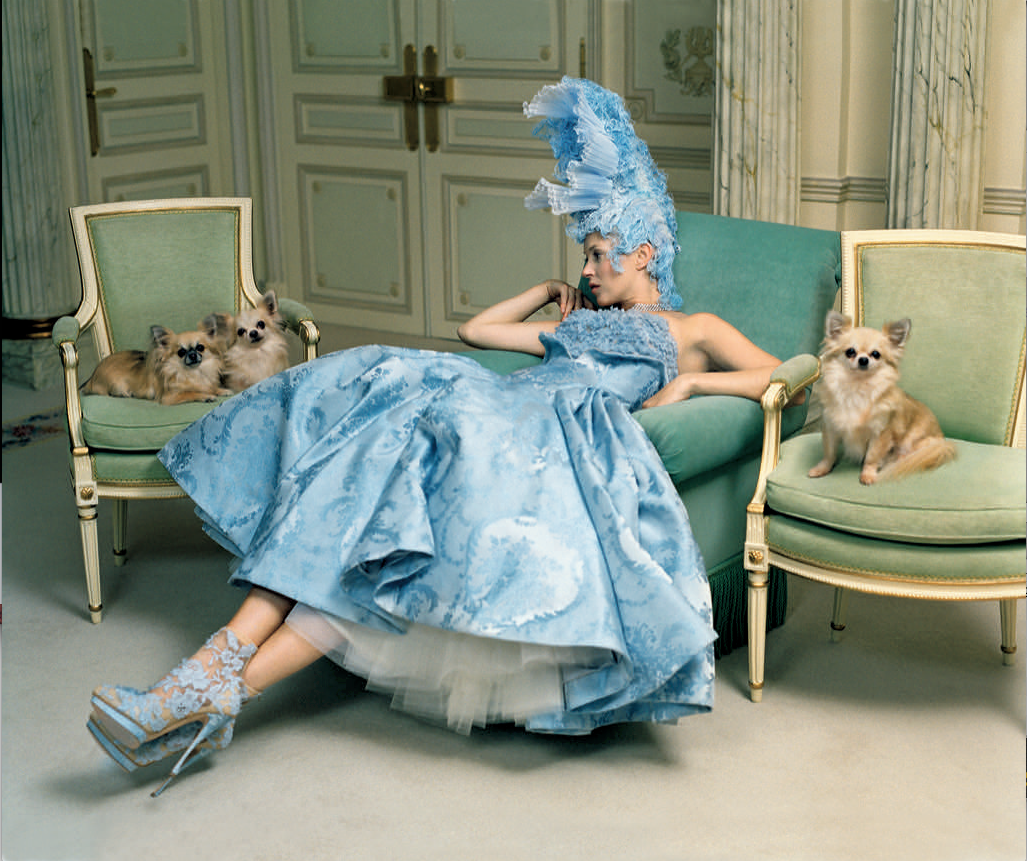
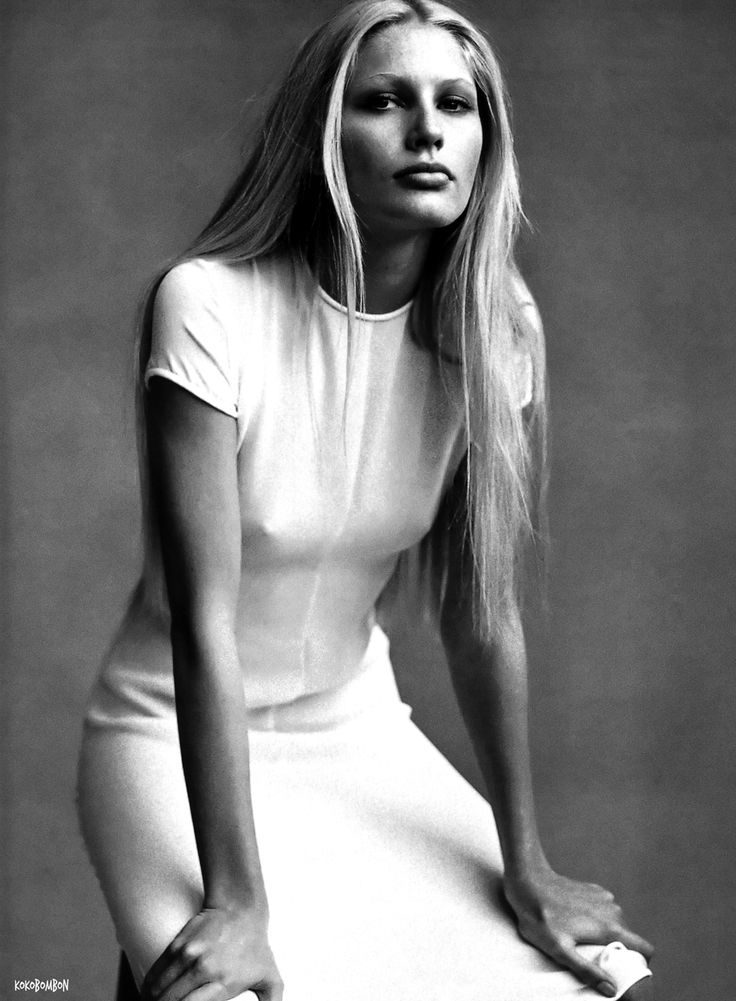
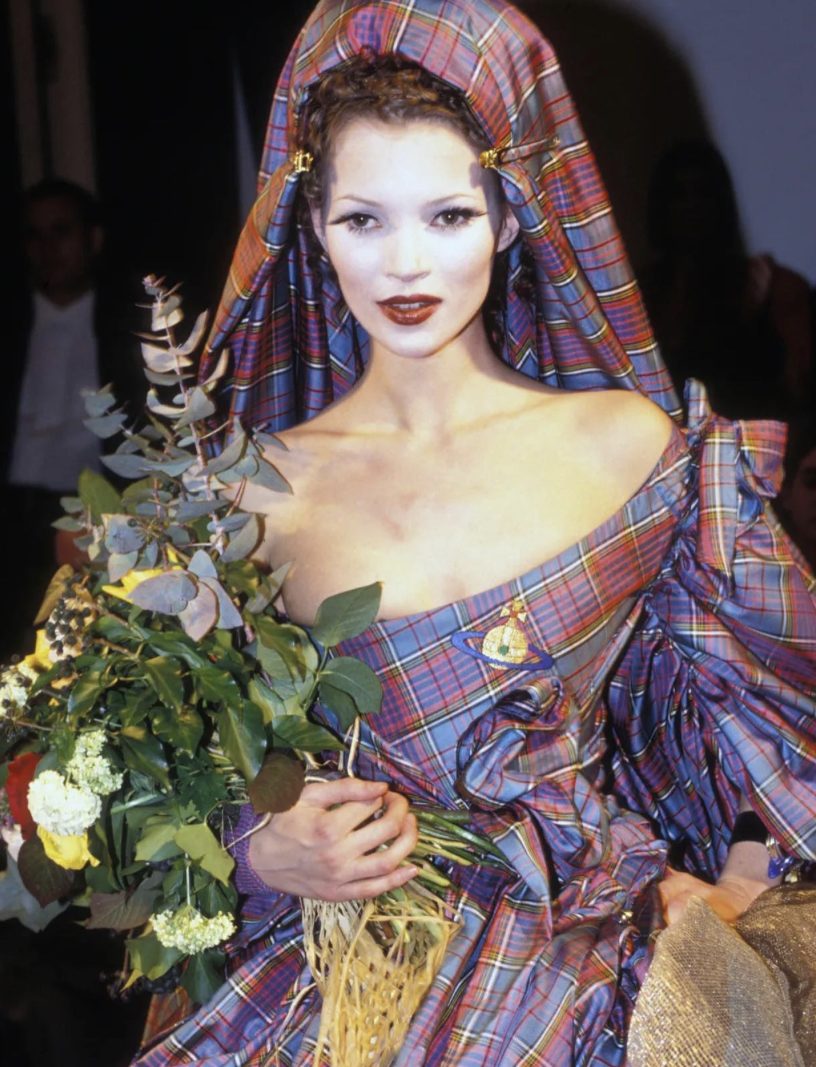
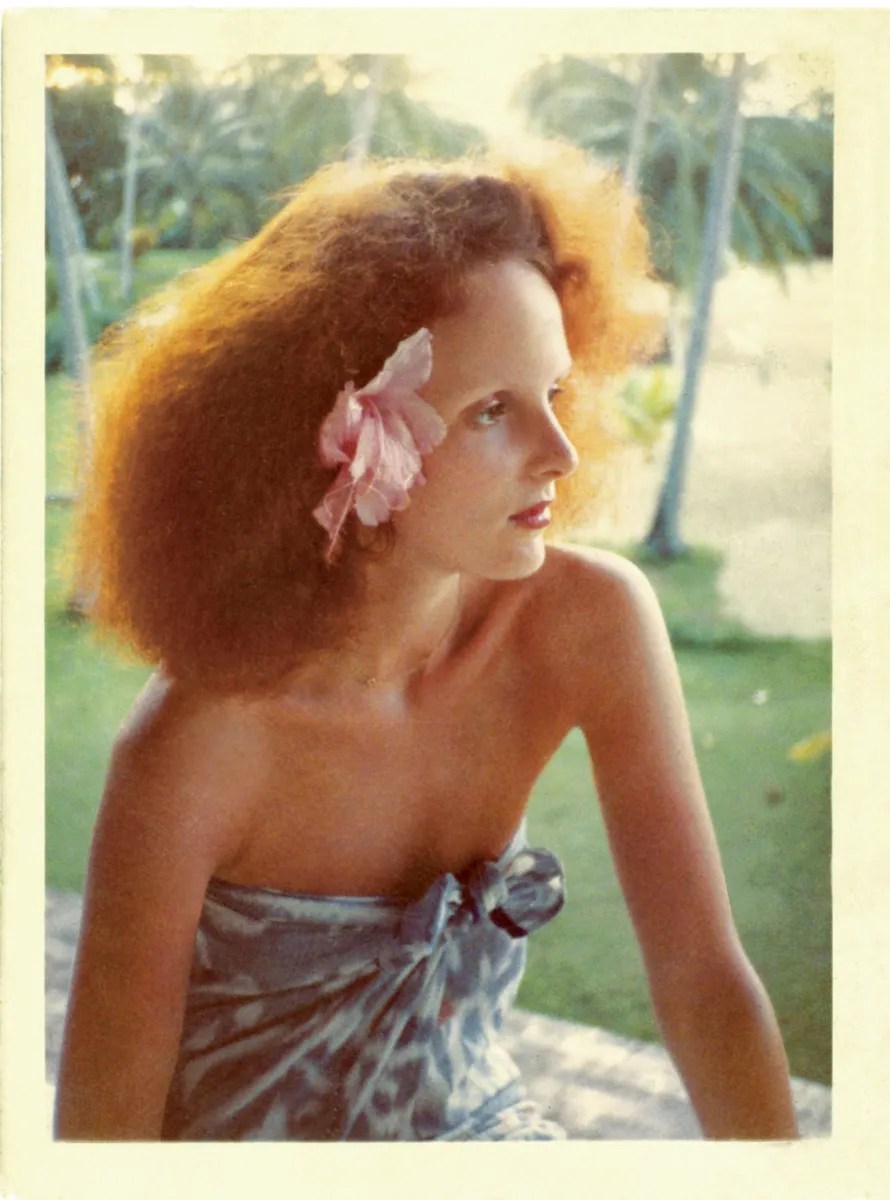
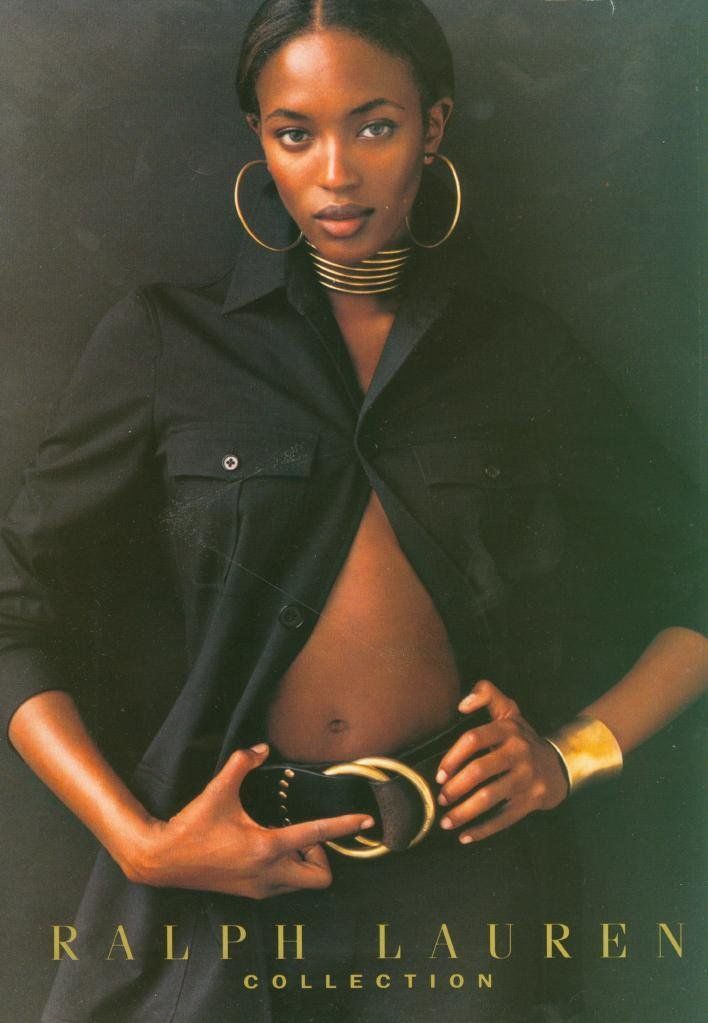
The cool girl’s influences accumulated gradually: something from Vogue, something from her mother, something from a woman she had seen at an opening, a boyfriend’s jacket, a charity shop on the King’s Road, Anita Pallenberg, Bianca- and Jade Jagger, Kate Moss. Eventually those references stopped looking borrowed, because the act of combining them had become personal. That was style. She often inspired the designer, not the other way around.
The contemporary cool girl arrives already decoded: shoes, jeans, perfume, handbag, haircut, sometimes even the books and candles on her bedside table, itemised for anyone who wants to reproduce her. She isn’t just more influential than her predecessor. The influence runs the other way now, from brand to influencer to consumer, with the look assembled before it ever reaches the person wearing it. We’ll come back to her, because the gap between those two cool girls turns out to be larger than clothes.
II. Scarcity Made Us Inventive
Part of the difference is embarrassingly practical: we could not get everything. We also did not feel the need to. We had not been fed through the machine that way.
You might see an extraordinary outfit in a magazine and have no idea where any of it came from. Even if you knew, you probably could not afford it. There was no reverse-image search, no resale platform containing half the world’s wardrobes, no creator linking every garment and no inexpensive approximation waiting to arrive two days later.
Frustrating as that was, it performed an accidental educational function: if you could not have the thing, you had to understand the idea. Perhaps what you loved in a photograph was not the jacket itself but the masculine shape of it against a silk skirt. Perhaps it was a collision of textures, an odd proportion, an unfamiliar colour combination. Unable to reproduce the original, you had to translate its principle using what was available. Translation produces difference.
Your dad’s old shirt acquired another purpose. It was cool for things to be frayed and worn; it added texture and a casual quality that read as nonchalance. Something inherited was altered. Second-hand clothes did not arrive as coordinated wardrobes, so you had to make them belong together.
It would be sentimental nonsense to claim Gen X was somehow born more creative. We were not. Our circumstances simply required more creative problem-solving.
Today access removes much of that friction. One can see the look, identify every component, find an affordable version and watch somebody demonstrate how to wear it within minutes. That is wonderfully democratic. Fashion knowledge that once depended on geography, money and gatekeepers is available to millions who would previously have been excluded from it. But democratising access and cultivating taste are not the same process.
Scarcity demanded interpretation. Abundance allows reproduction.
III. The Phone and the Disappearance of Creative Friction
The smartphone has changed more than shopping. It has altered the conditions under which individual judgement develops.
Our generation lived with enormous stretches of unoccupied time. We waited for friends. Walked through cities. Listened to entire albums in our bedrooms, reading the lyric sheets. Cut up magazines. Rearranged rooms. Tried clothes on without photographing ourselves. We were frequently bored.
Boredom is not automatically creative, and there is little value in pretending the pre-digital world was an artistic utopia. But there were far more periods during which stimulation did not arrive automatically. The mind had to contribute something.
The phone can fill virtually every such interval. Waiting for somebody? Scroll. Unsure how to wear something? Search. Considering cutting your hair? Watch forty women with the same haircut on TikTok. The problem isn’t information. Information is useful. The problem is that the answer can now arrive before you’ve been required to formulate one yourself.


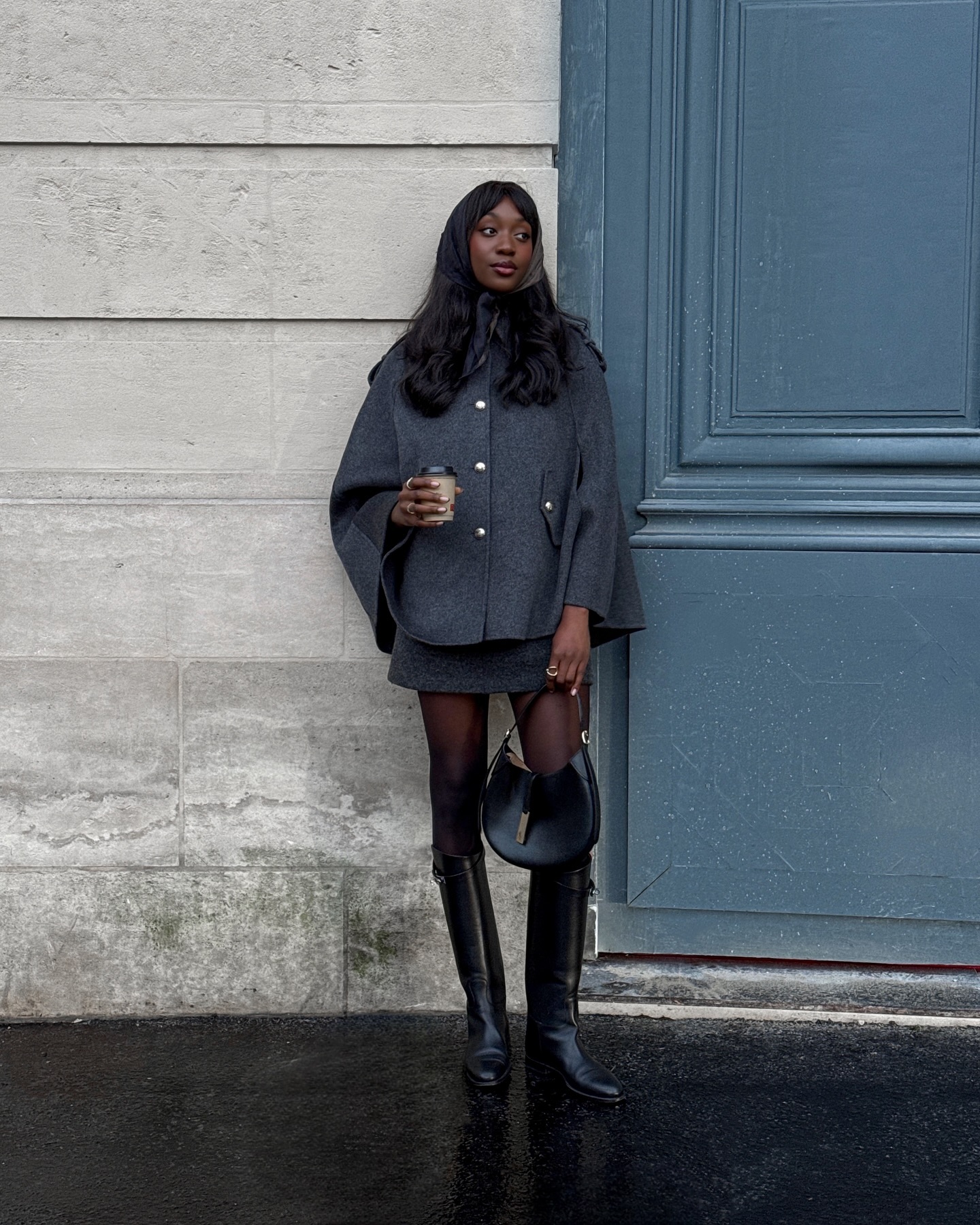
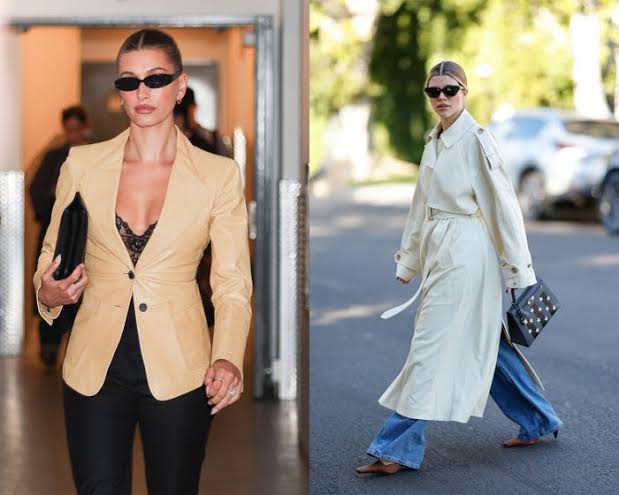

Recognition and judgement get treated as the same mental act, but they aren’t, even though they can feel identical from the inside. Recognition is matching something to a category you already hold: that’s the shoe, that’s the aesthetic, that’s the vibe. Judgement is slower and more exposed. You hold two things side by side with no guarantee they belong together, and you decide, alone, whether they work. It asks you to sit with a stretch of time in which you don’t yet know what you think, and recognition simply skips that part.
Taste is built from thousands of these small, unsupported, privately incubated decisions. You put two colours together and decide whether they work. You try something slightly wrong. You realise that something everybody loves does nothing for you. You encounter a designer nobody around you understands and decide you’re obsessed anyway. Those tiny acts accumulate into an eye.
Algorithmic culture is extraordinarily good at recognition and correspondingly hostile to the incubation judgement needs. Before we have decided whether we like the shoe, we already know it is the shoe. We have seen it thirty times, watched it styled, learned which celebrities own it and where to find the dupe. Consensus arrives before judgement. That is a far more consequential fact than whether this season’s trousers are attractive.
IV. Fashion Once Pointed Beyond Fashion
There was another kind of education operating during the formative years of Gen X: the arts carried cultural prestige, and we were taught how to digest them. Fashion was not understood as a sealed world of products. It existed in conversation with painting, cinema, photography, architecture, literature, music, theatre and design.
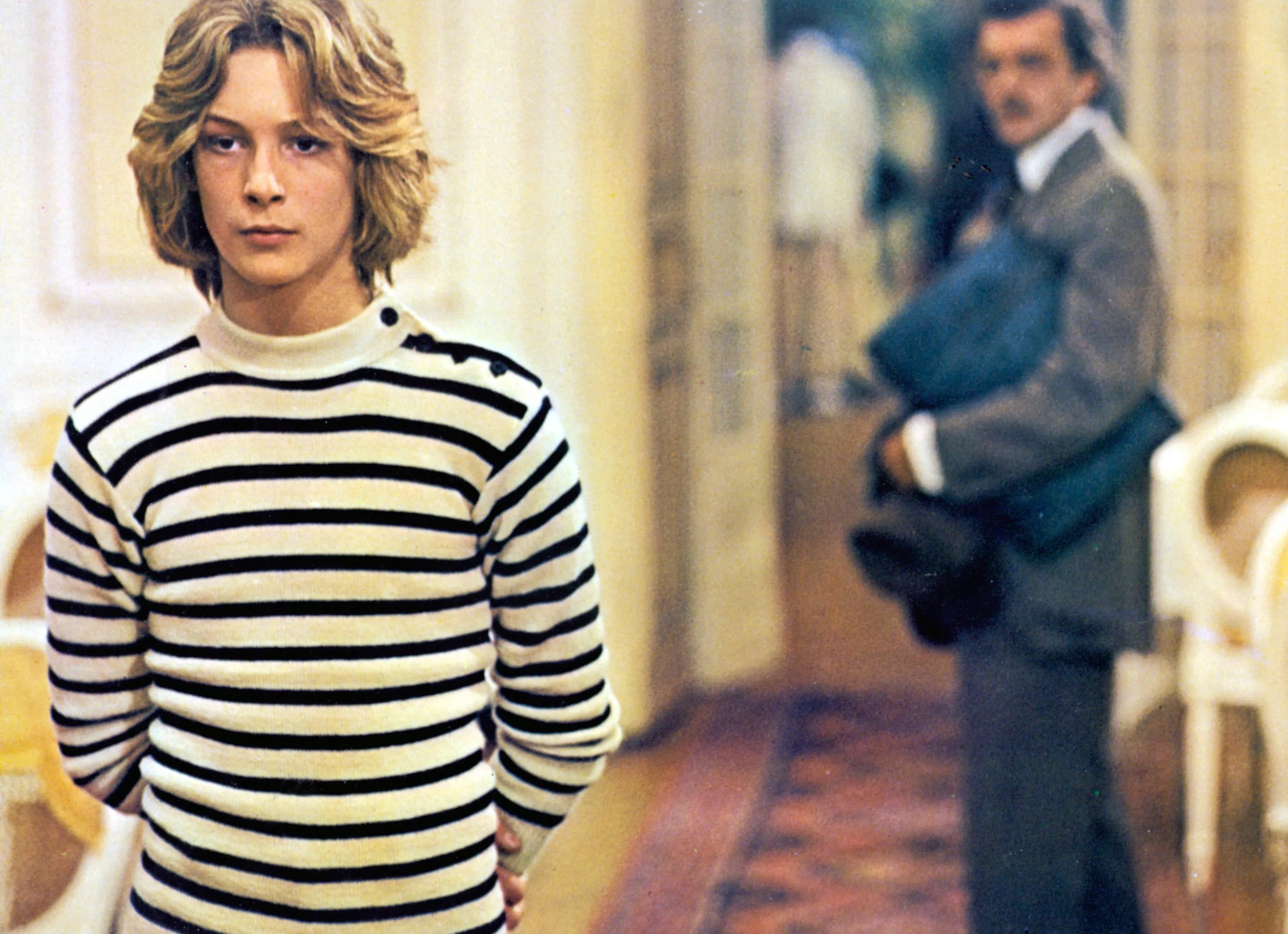
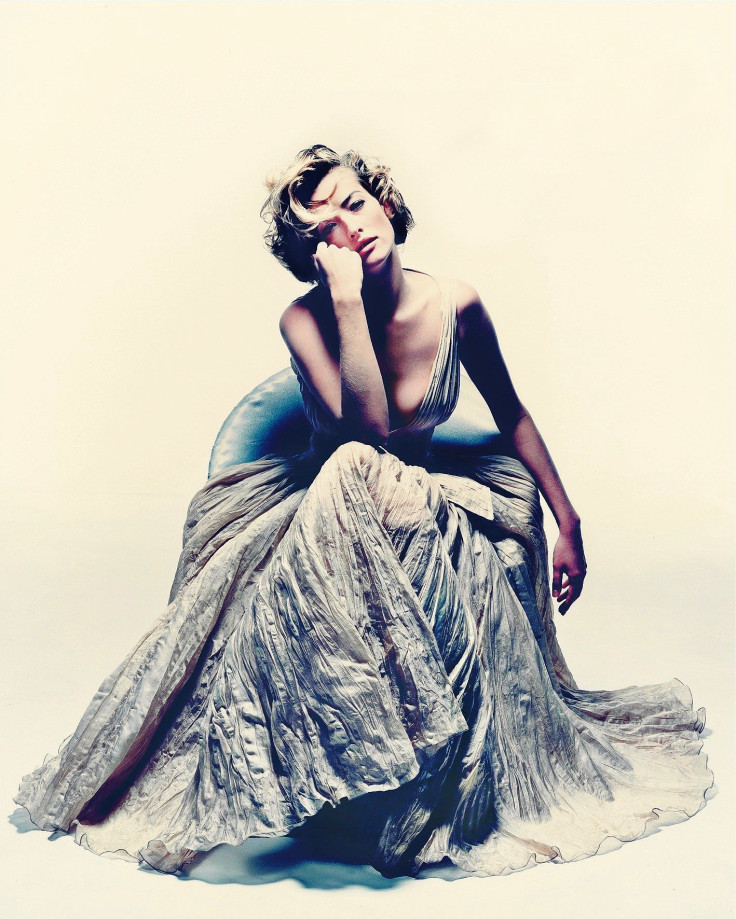
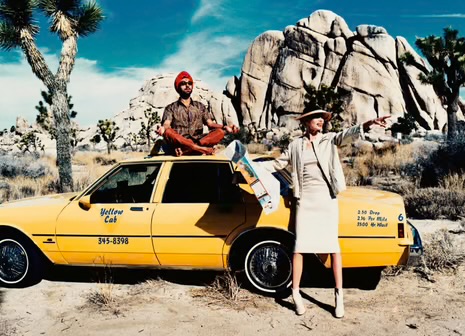
Fashion magazines were important partly for this reason. A serious editorial did not merely tell you what to buy; often you could afford almost nothing in it. Instead, it taught you to look: the photography, the composition, the fabric, the way a colour changed beside another colour, the dream visualised in a Grace Coddington shoot. A reference might lead to Visconti, then to Italian interiors, then to a colour palette, then to a completely unrelated object you eventually incorporated into the way you dressed. Fashion opened doors into other disciplines.
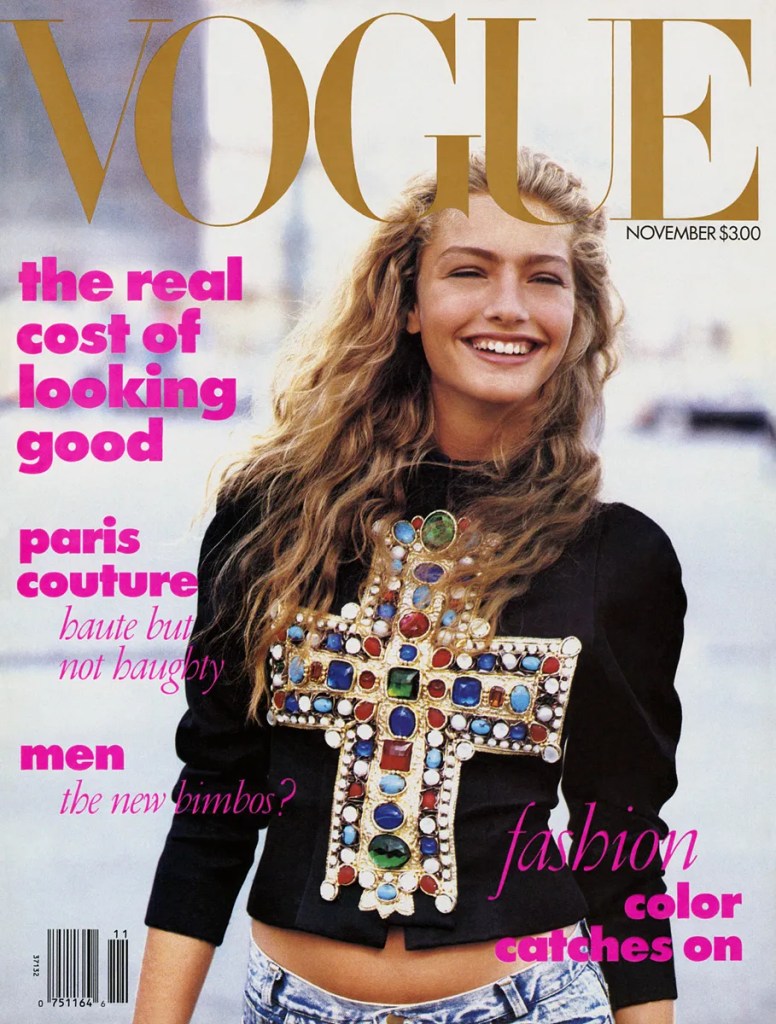
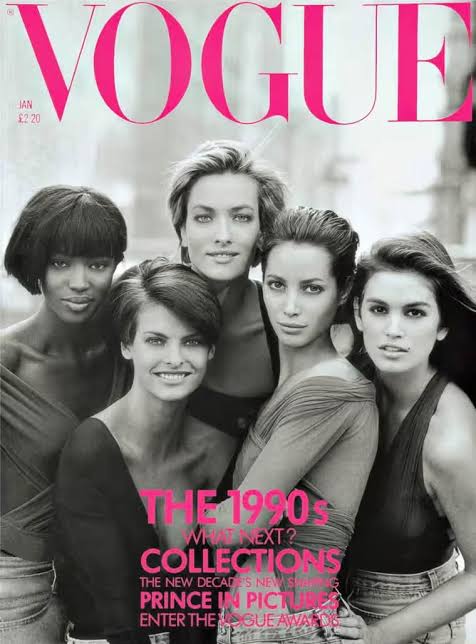

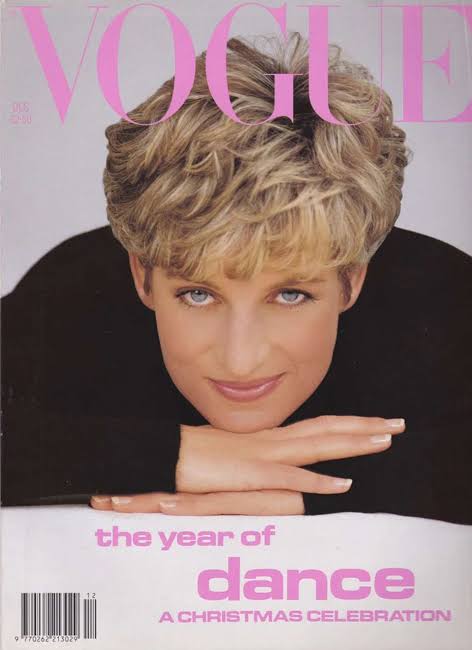
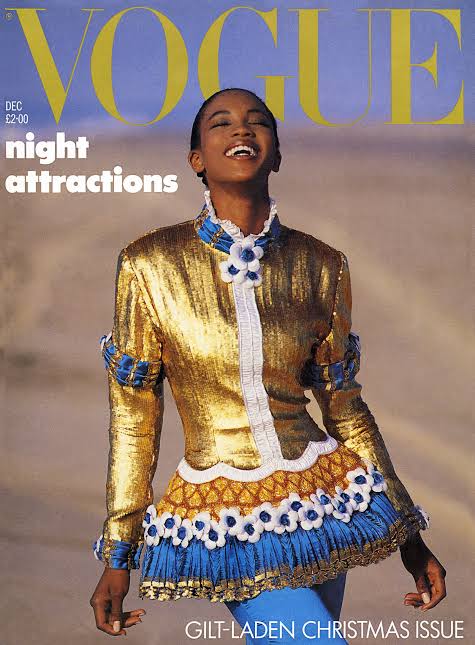
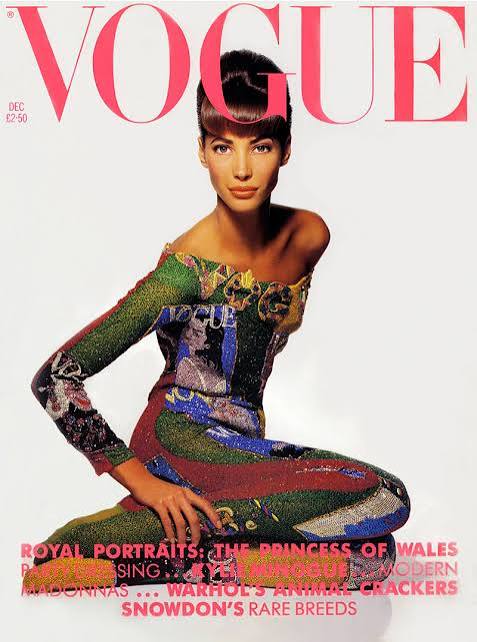
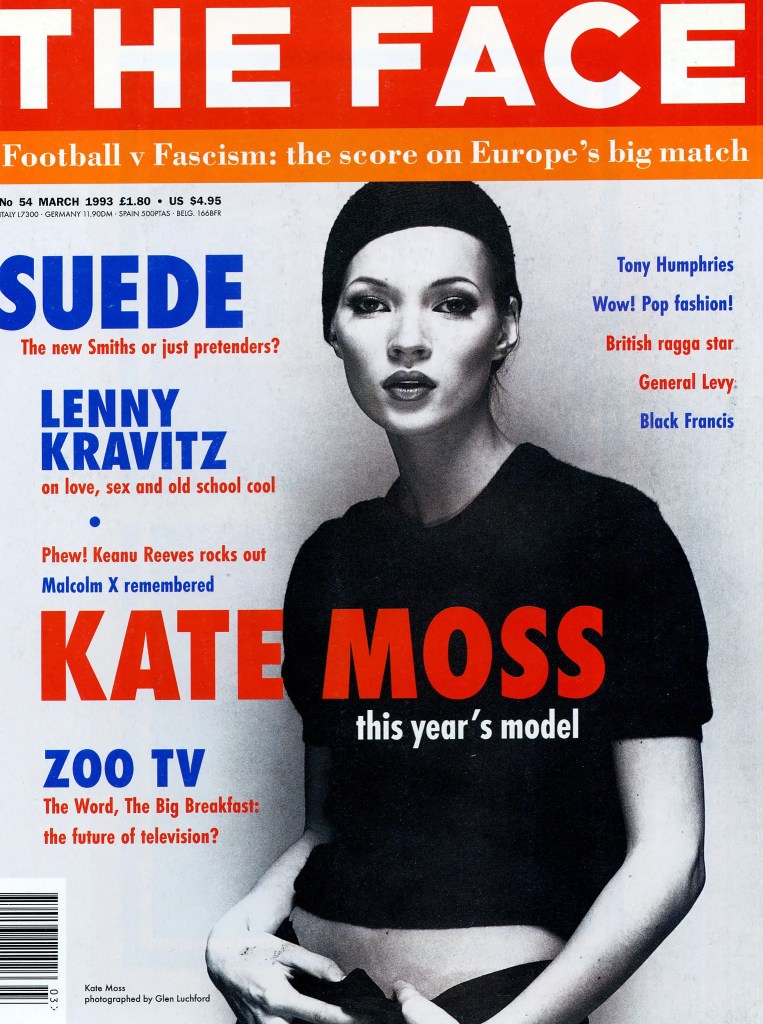
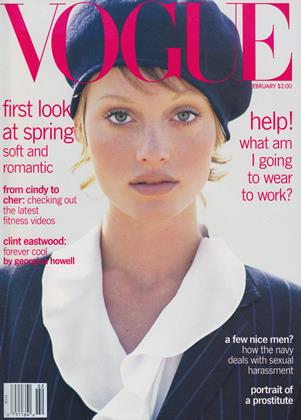
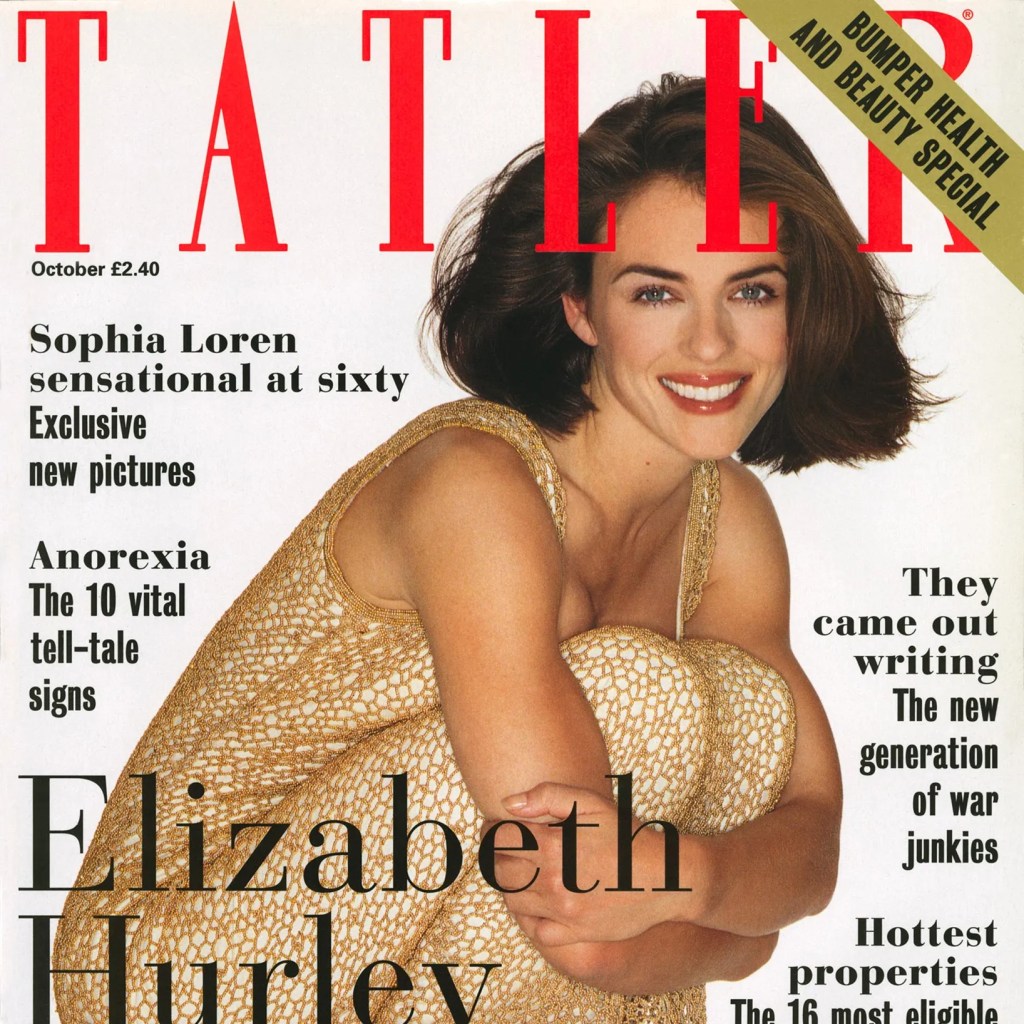
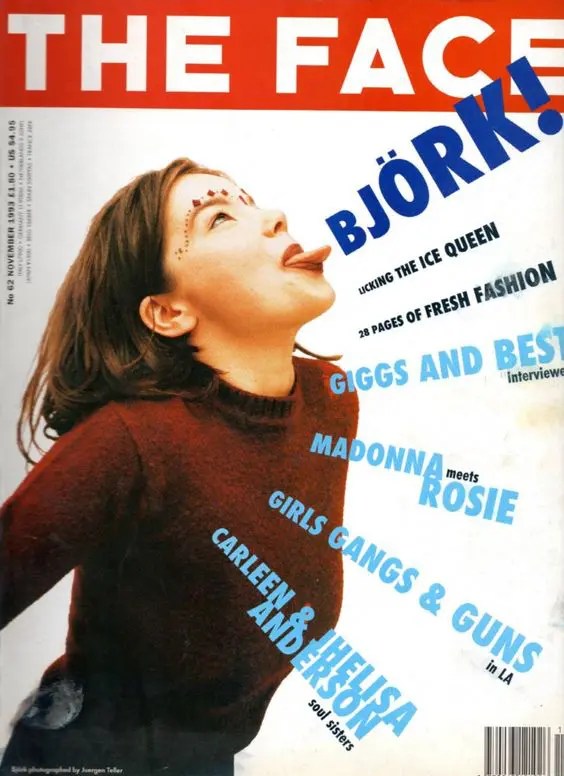
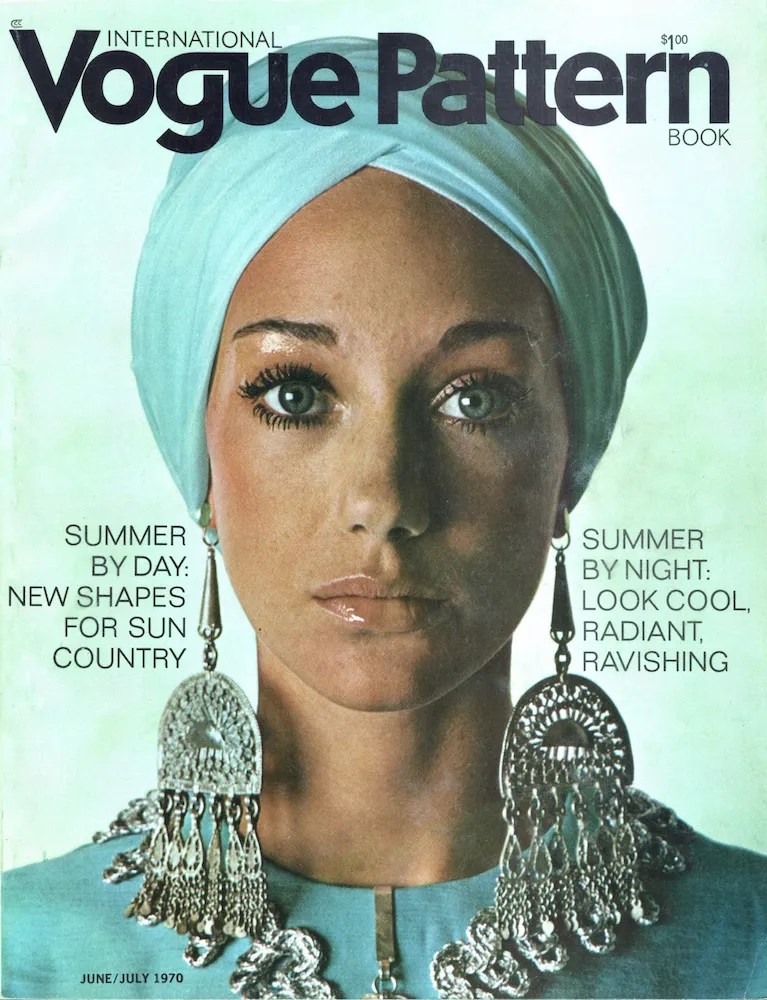
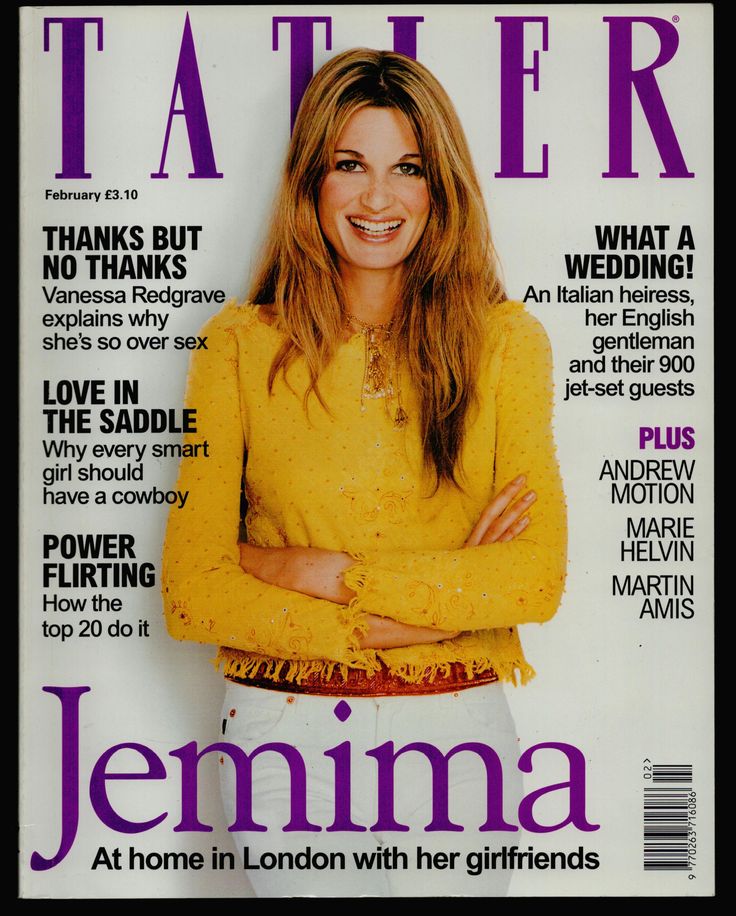
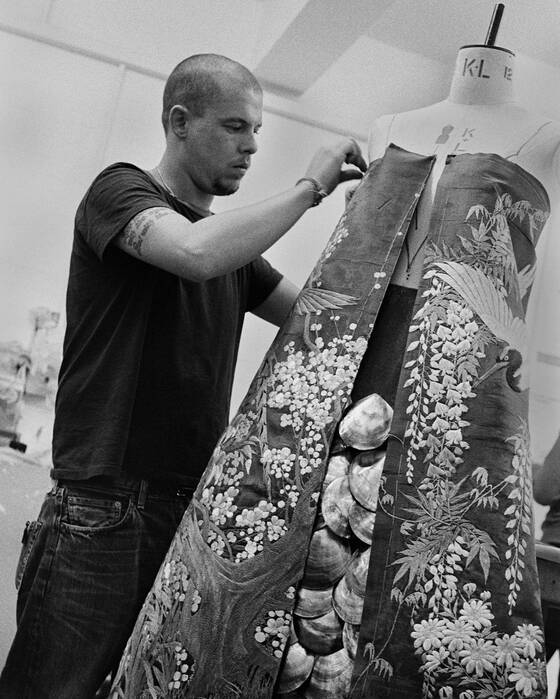
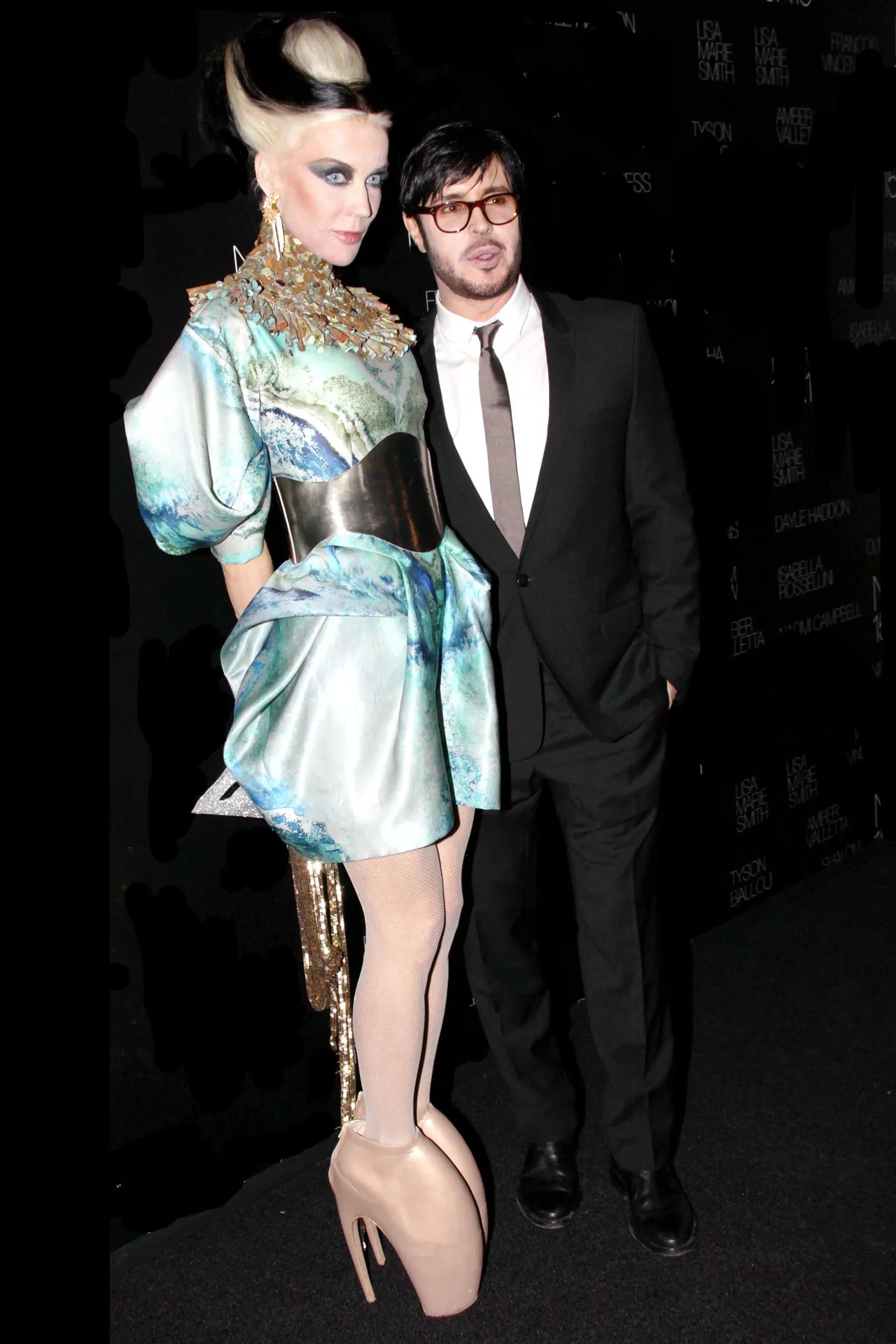
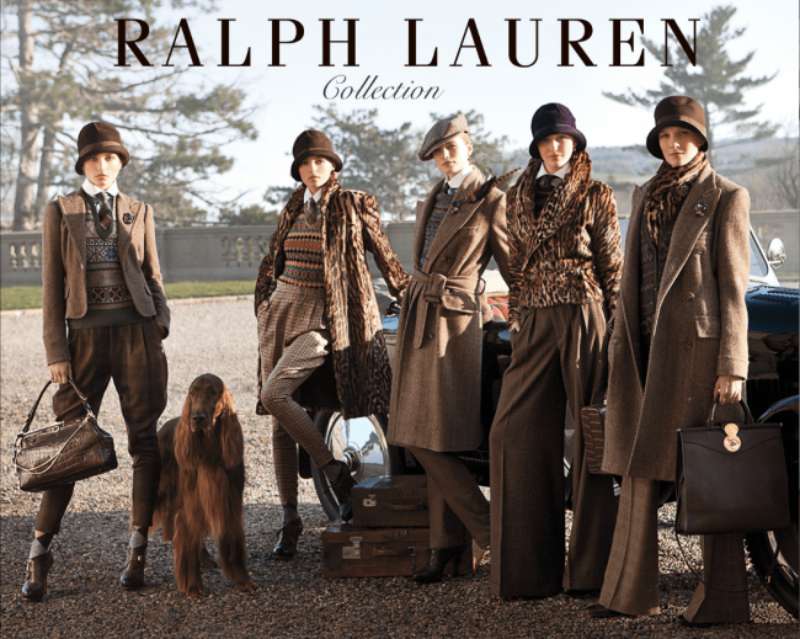
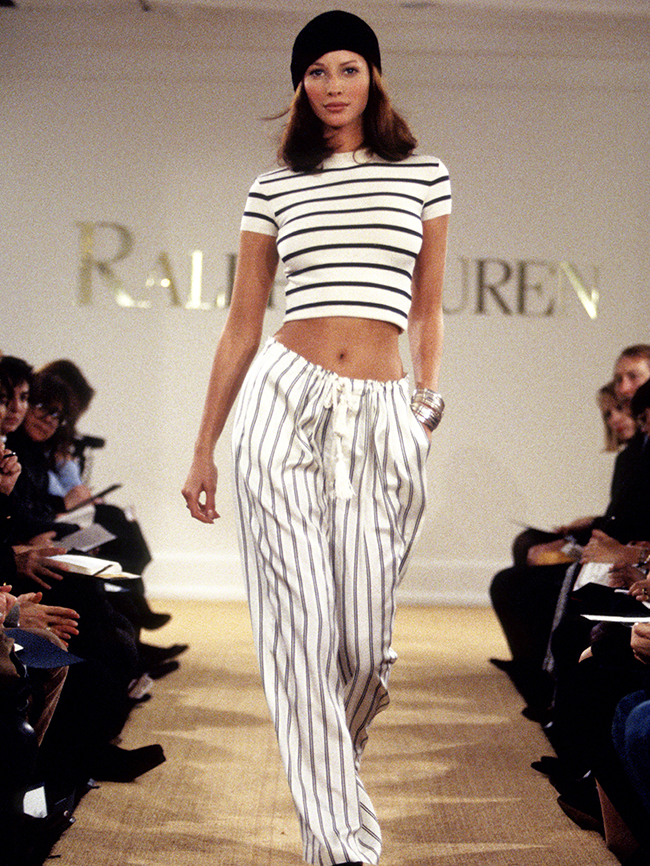
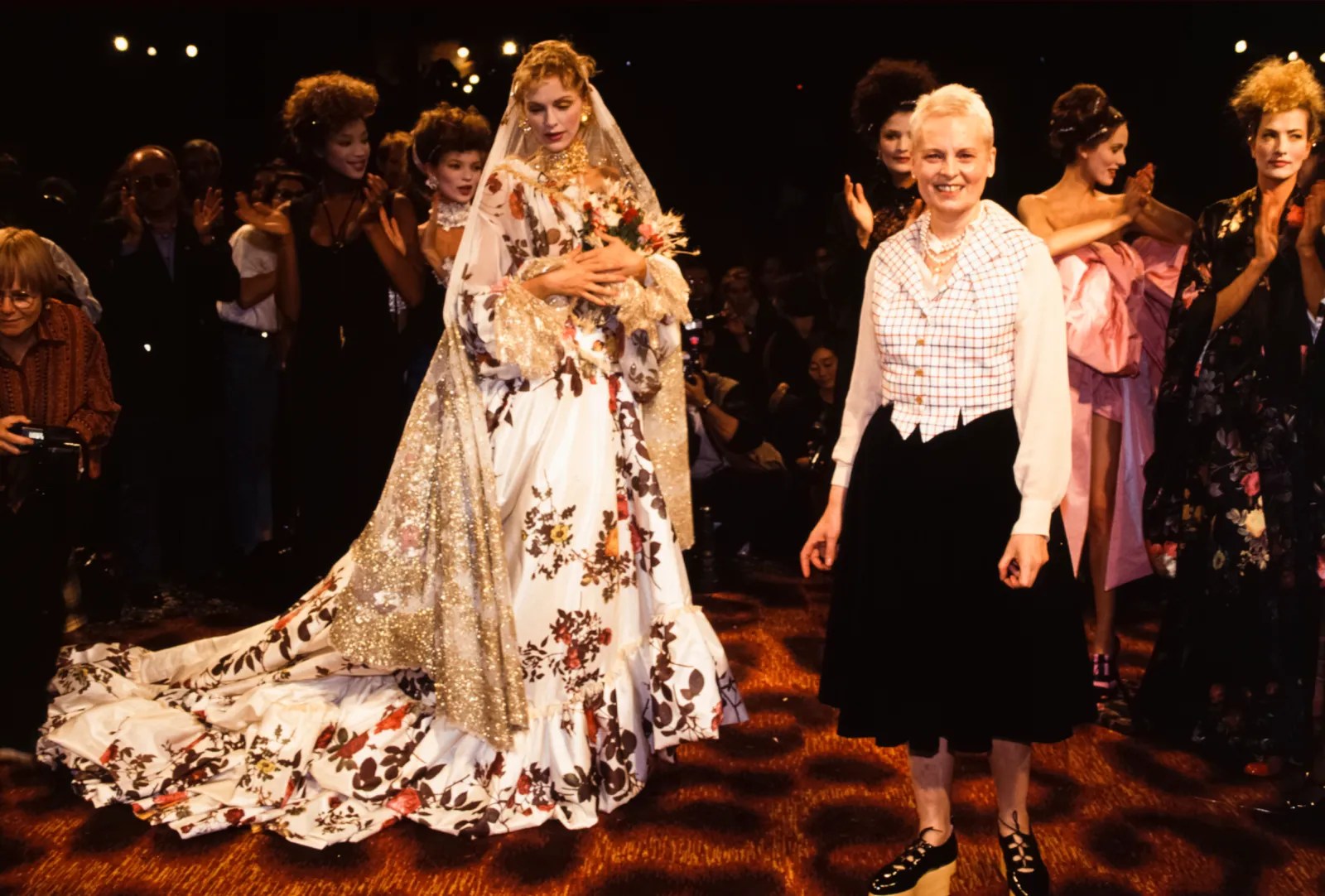
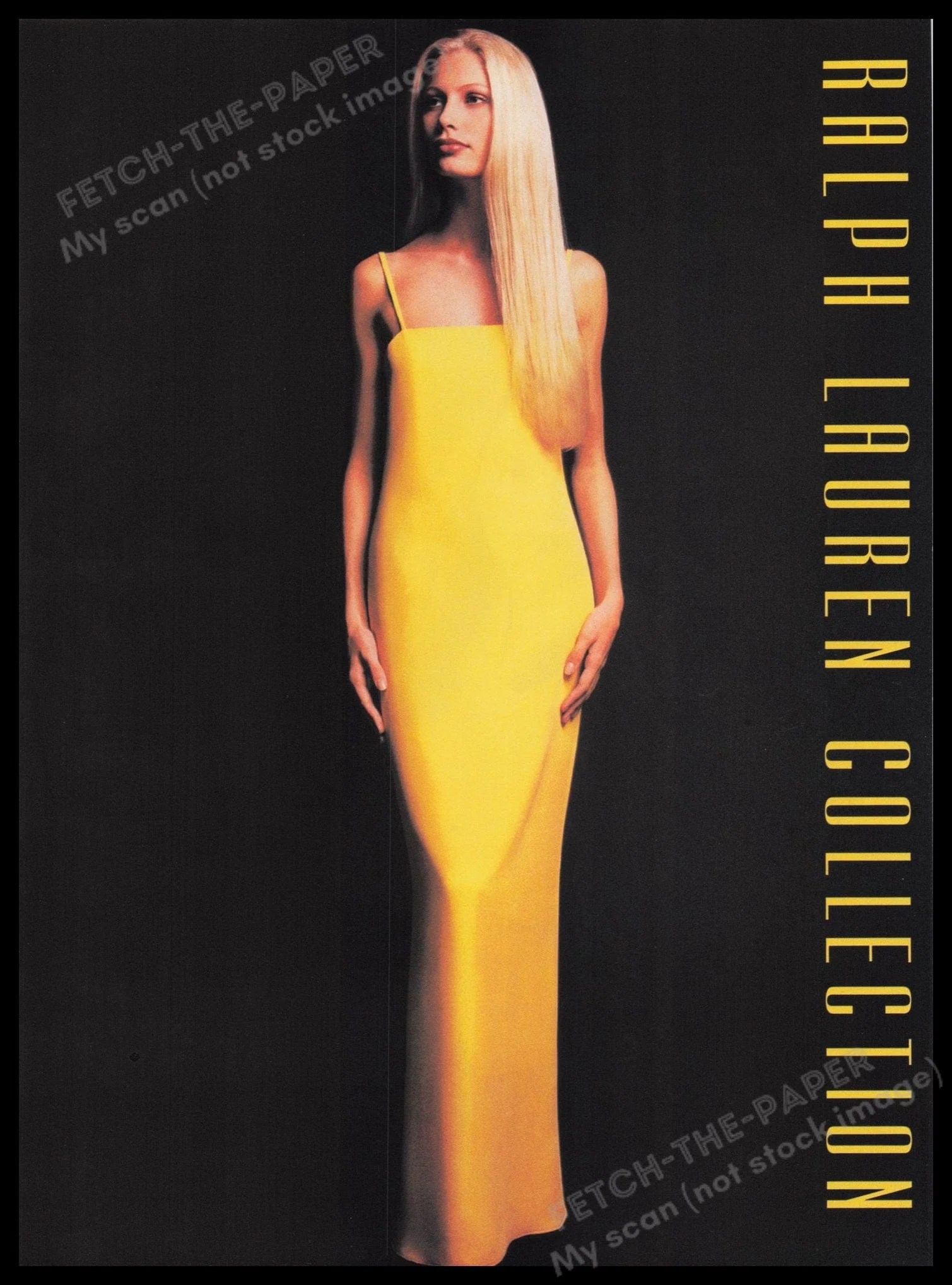
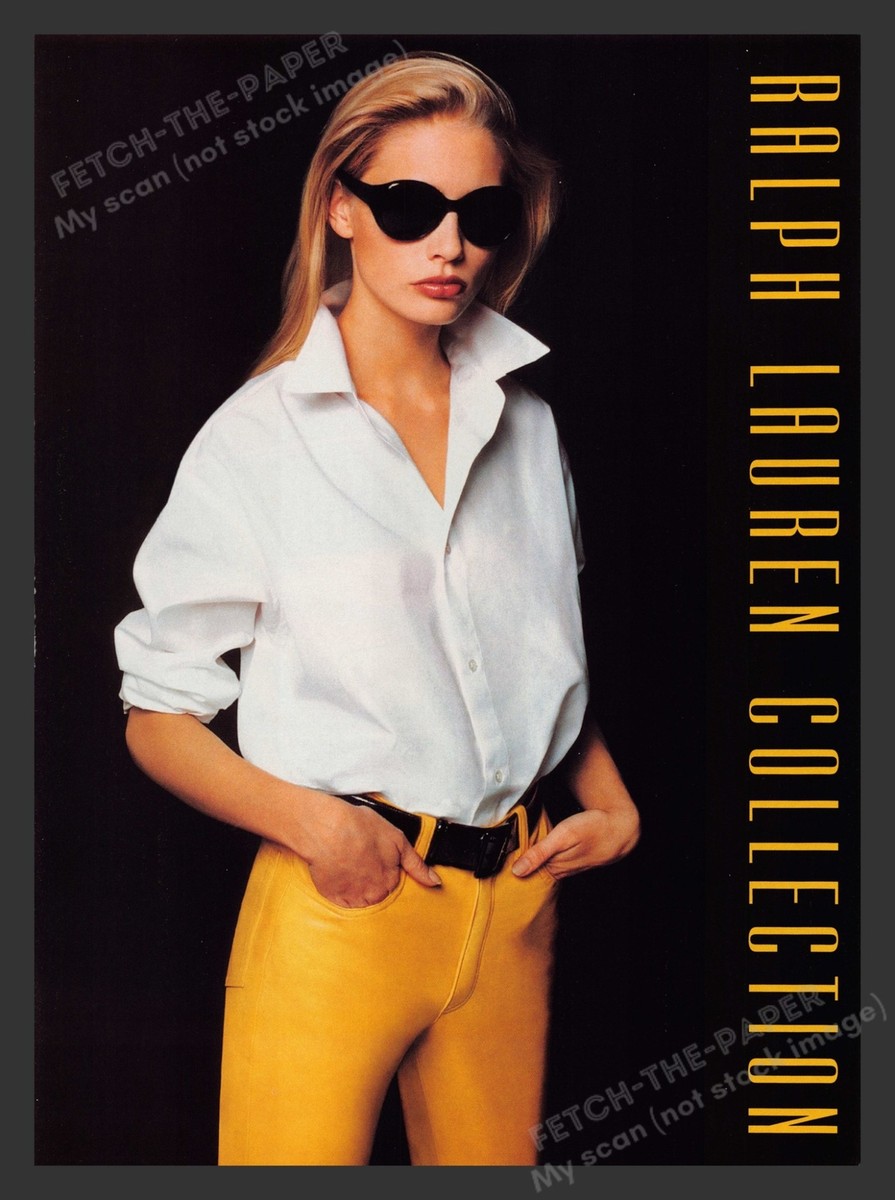
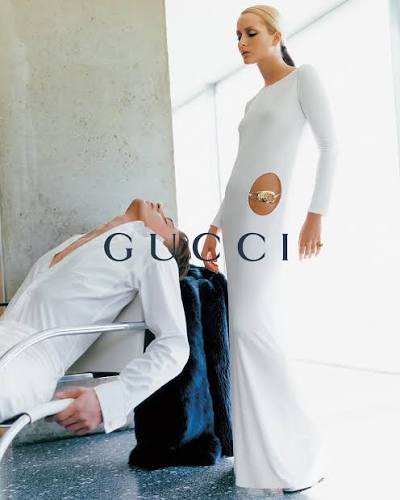
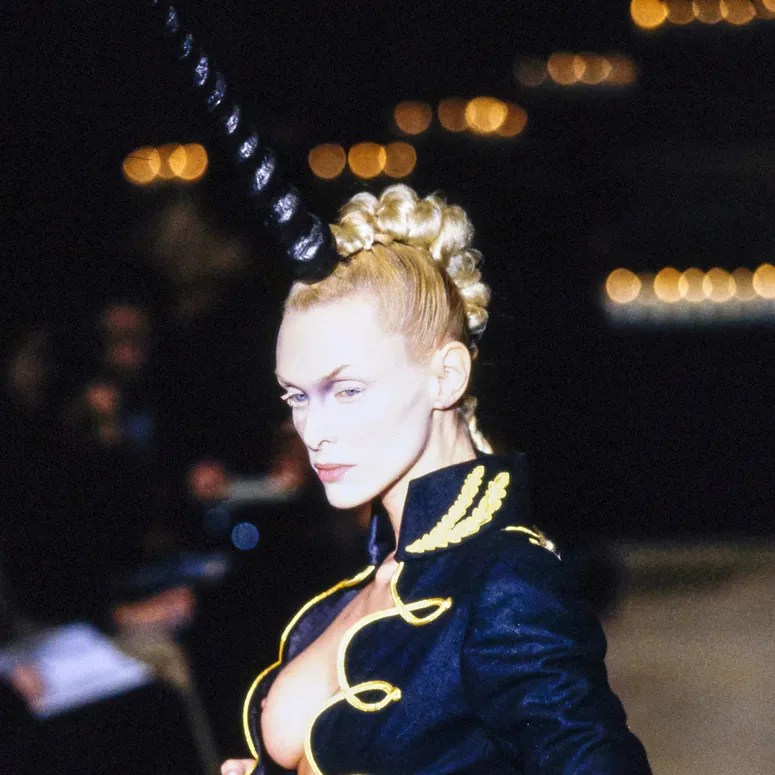
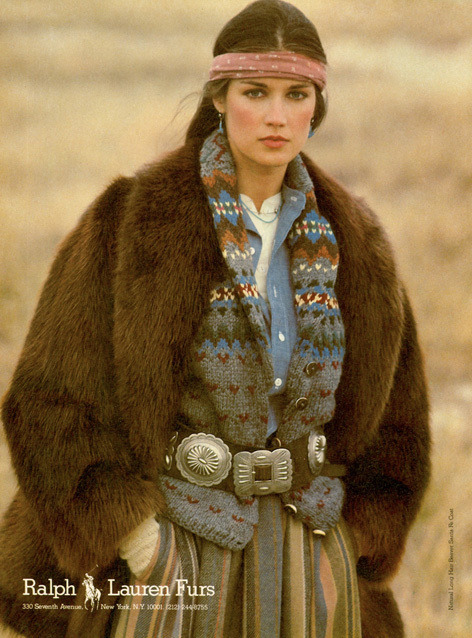
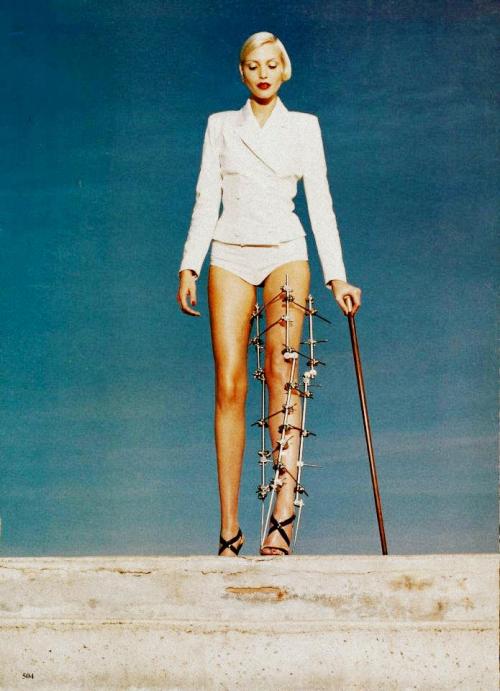
The major houses operated similarly. McQueen, Galliano, Westwood, Gaultier, Prada, Lagerfeld for Chanel, Donna Karan, Ralph Lauren, Calvin Klein, Tom Ford for Gucci and their contemporaries did not merely manufacture seasonal objects. At their best they interpreted culture, and the clothes arrived carrying references. A painting could teach colour. A film could teach atmosphere. Architecture could teach proportion. An individual visual language becomes richer when it is nourished from outside fashion. If fashion principally references other fashion, the system gradually becomes circular. It was before the time when big conglomerates made it only about the money.
The internet contains more aesthetic material than any archive available to us in our youth. Yet infinite access does not necessarily produce depth. Images circulate after their meanings have been stripped away: a historical style becomes an “aesthetic,” a subculture becomes a shopping category, a complex tradition becomes five visual signifiers. An archive supplies material. Education supplies the relationships between it. Only one of those actually builds an eye.
V. We Were Out in the World
Perhaps the largest difference was not technological at all. It was social.
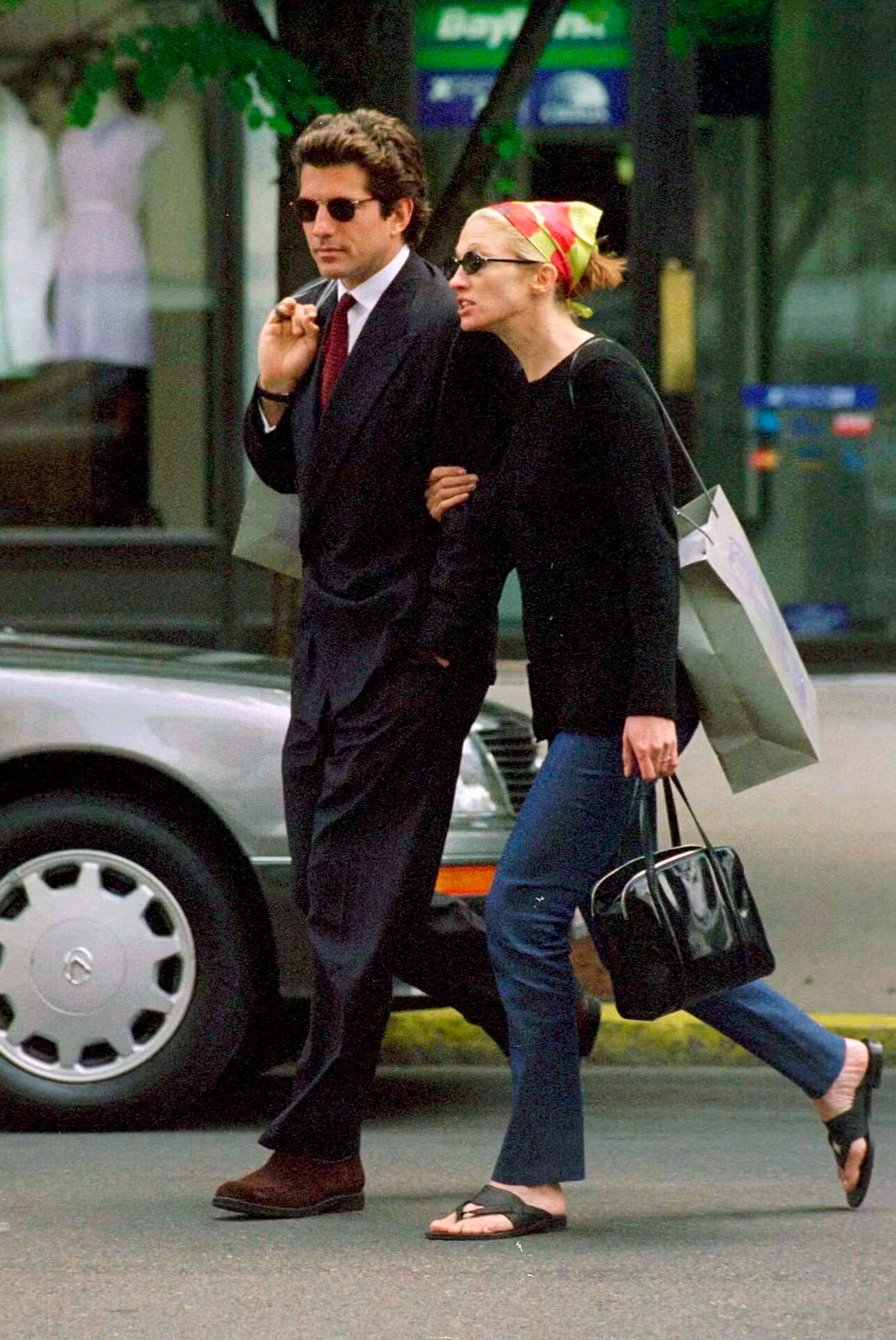
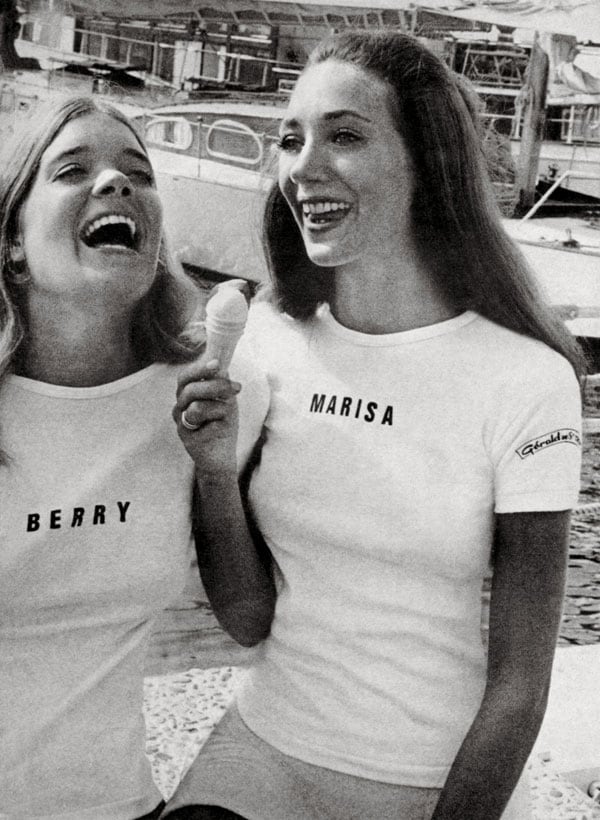
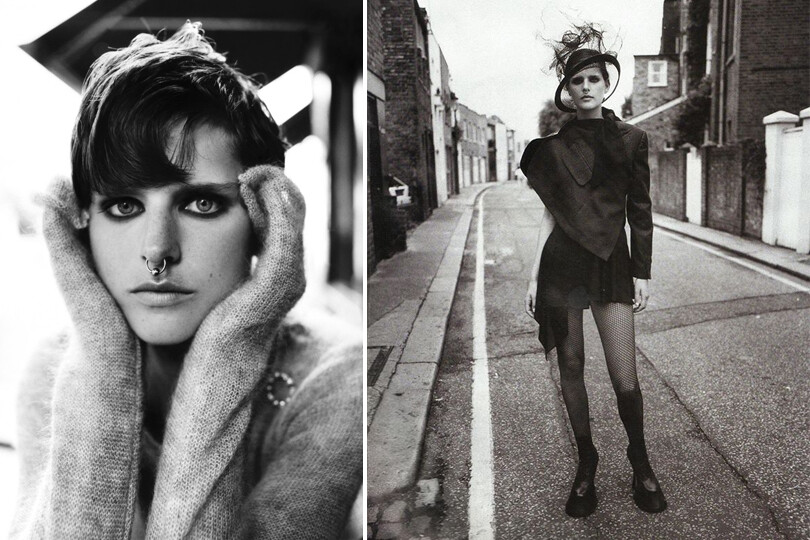
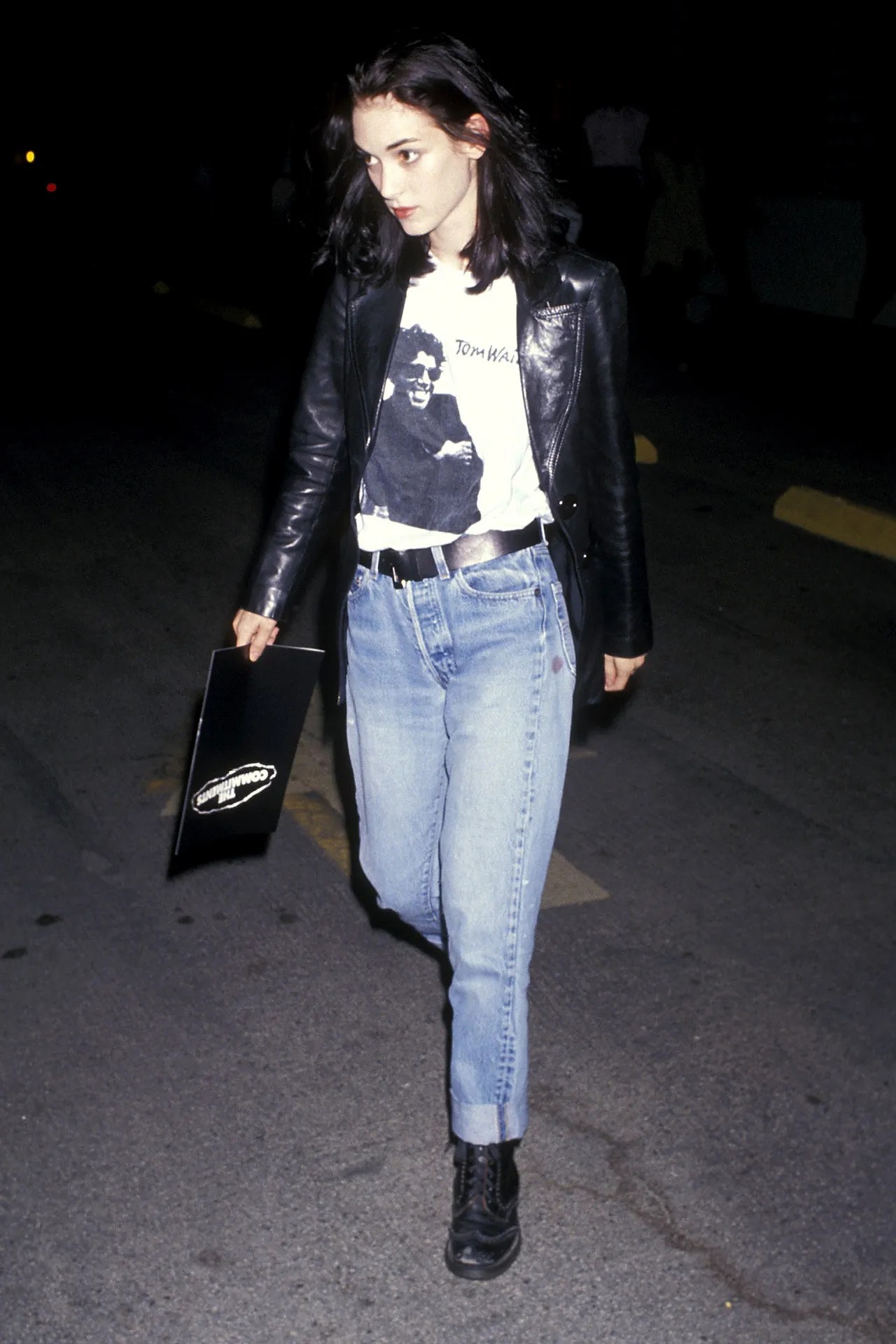
In our twenties in the 1990s and early 2000s, life did not retreat neatly into the weekend. We were out all week: gallery openings, film screenings, launches, dinners, house parties, somewhere someone knew someone was playing a gig. You met after work, changed plans halfway through the evening, moved from one place to another and frequently ended up somewhere you had not intended to be. The Colony Room or the Groucho, San Lorenzo or La Famiglia, Chelsea Arts Club or Notting Hill, Bar Italia at 3am, The White Cube in Hoxton Square, Soho, Mayfair — you met people from all walks of life and went on to the after-party of the after-party.
Social life had momentum. And it had very little to do with documenting the fact that one was having one. You were simply there.
This meant aesthetic information arrived constantly through actual people. You met someone from another country who wore colours differently from anybody you knew. You saw a man with no money and extraordinary style. You saw someone wearing something you had previously dismissed and suddenly understood it. Clothes had gait, voice, posture, cigarette smoke, humour, arrogance, shyness and movement attached to them. An outfit was never an #OOTD. The Cool Girl of the 90s would never dream of putting herself on TikTok to do a choreographed dance.
And because these people had not been chosen for us by an algorithm, they were often precisely the people we would never consciously have searched for. That was the point.



VI. Weekends, Houses and Other People’s Worlds
The weekend had a different rhythm entirely. In certain metropolitan circles, staying in town to “go out” on Friday and Saturday was regarded as faintly provincial, bridge-and-tunnel territory. The city belonged to the working week. At the weekend, one got out.
By Friday evening, people were leaving: motorways, cigarettes, giggling in the back seat, badly folded maps, arguments over directions, the faint possibility that nobody was completely certain who had actually invited whom. And then there were the houses. Long lunches that became dinner, dinner that became dancing, people sleeping in strange bedrooms, Sunday roasts in country pubs with all the papers, dogs everywhere, an uncle with alarming political opinions, a father who seemed to know everything about Chesterton and nothing about anything in the real world.
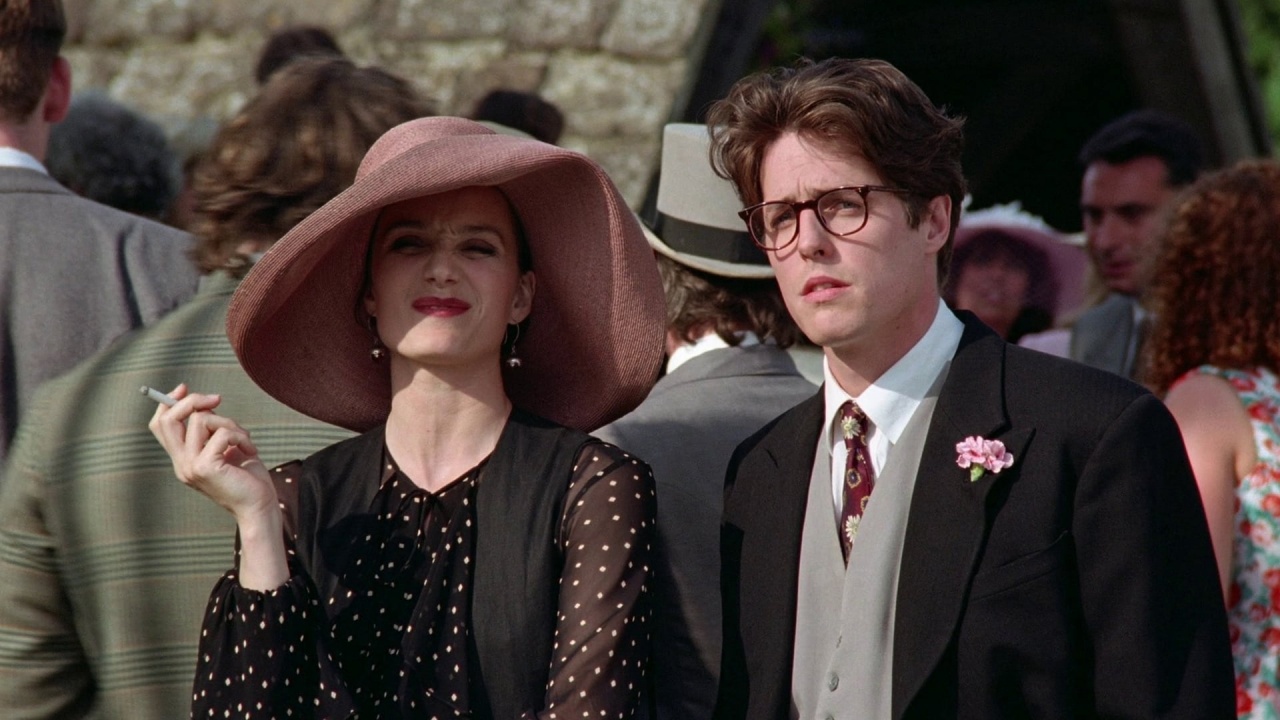
The house party was a temporary social laboratory. Urban tribes loosened. Ages mixed. Classes mixed. Someone you knew only from a nightclub acquired parents, siblings, childhood photographs and an entirely different accent. A person who had seemed impossibly cool at three in the morning in Soho might spend Saturday afternoon helping somebody’s mother carry plates into the garden. You learned more about people because you saw them in more than one context. And context complicates judgement.
It also meant we repeatedly crossed the thresholds of other people’s actual lives, rather than their curated ones. We saw drawing rooms and tiny kitchens, grand houses with threadbare upholstery, bohemian flats where every surface held something interesting, austere homes, vulgar homes, houses whose lack of taste was itself educational, because all taste is a form of education, including the negative kind. Interiors and fashion are different expressions of the same way of looking. The faded rug beside the modern chair, the broken chair everybody loves rather than the precious one nobody sits on, teach exactly the lesson an extraordinary outfit teaches when it’s assembled from things never meant to coexist.
We absorbed rooms as we absorbed people, not as content but as experience. A photograph of a room shows you what it looks like. Being inside it tells you how it lives: the floorboards, what has faded, what’s been repaired rather than replaced. Objects acquire biography. So do clothes.
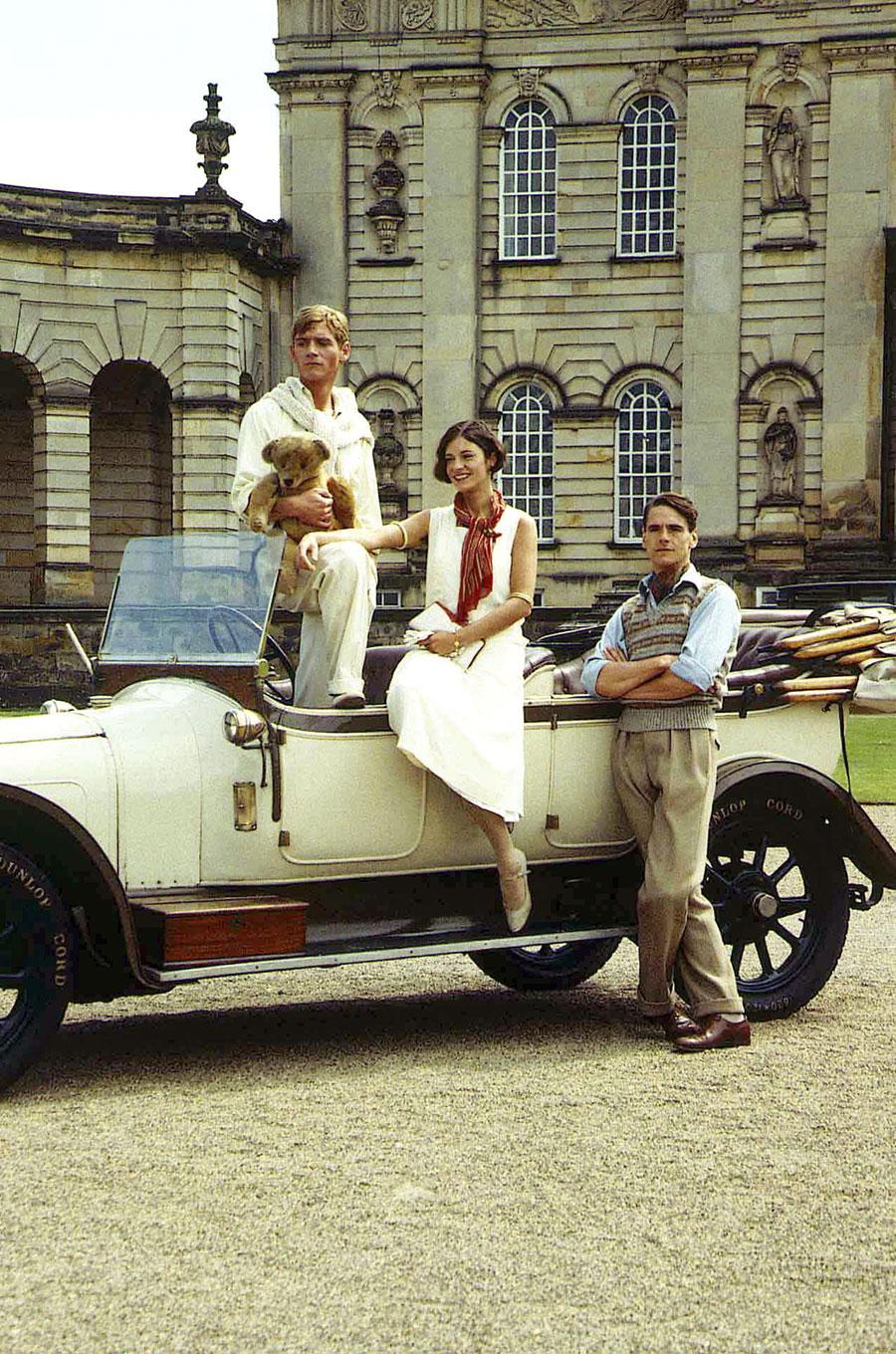
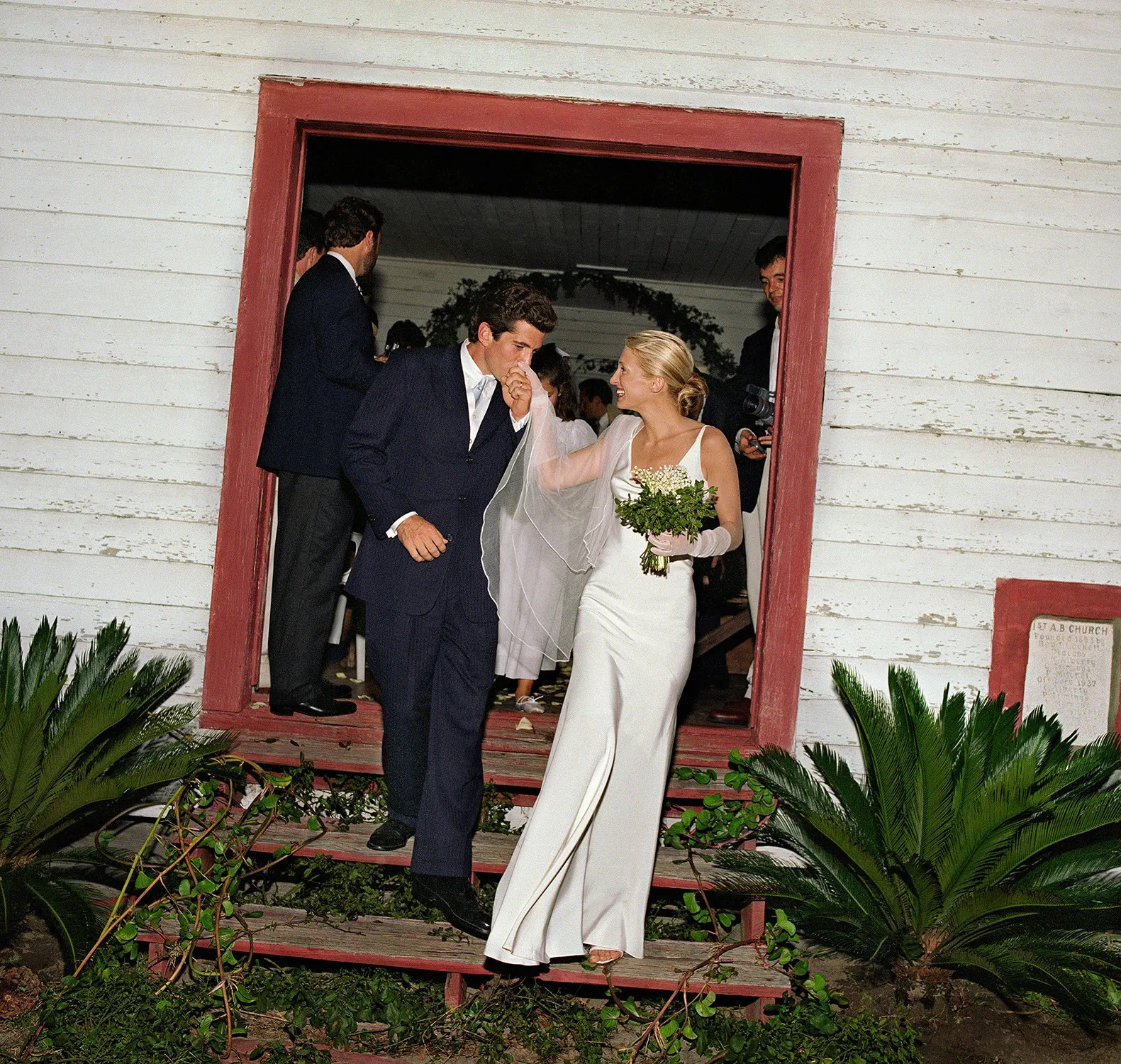
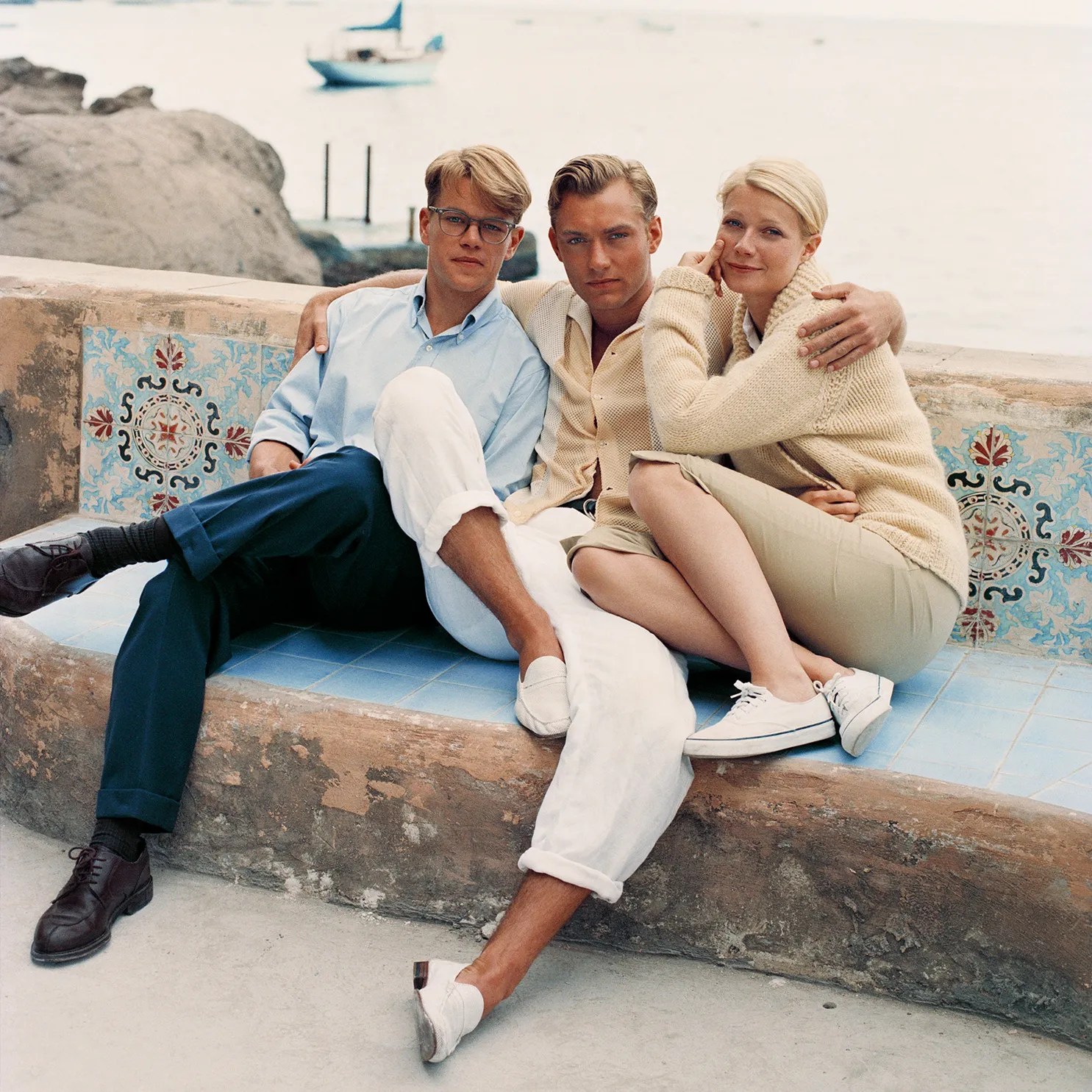
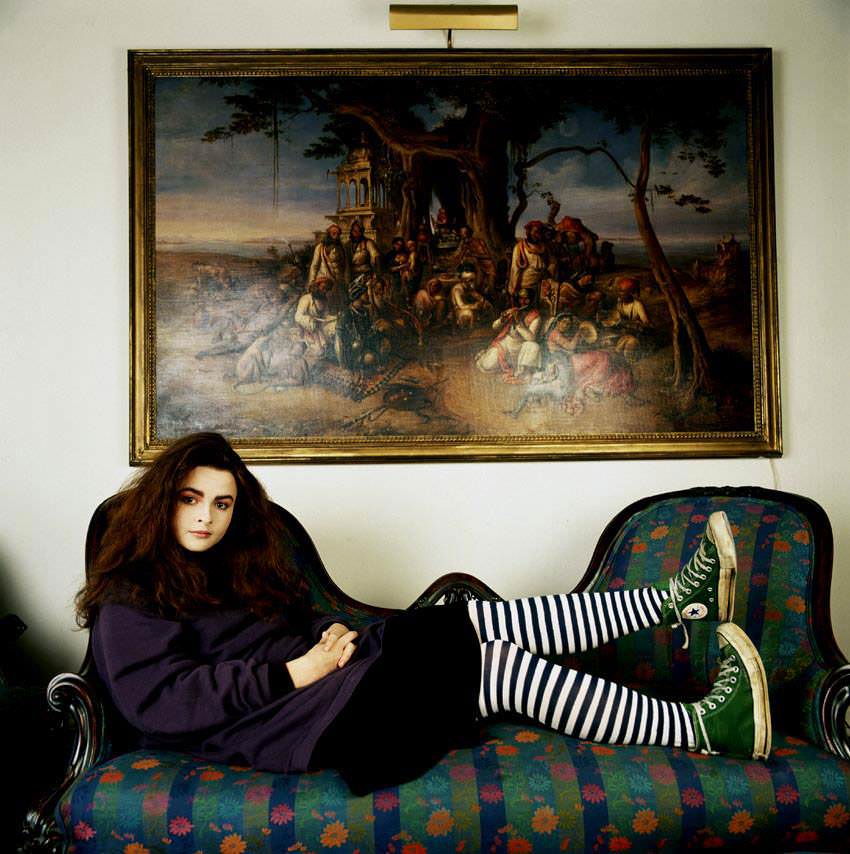
VII. Encounter Before Selection
Our romantic lives worked much the same way. People met lovers at work, through friends, at parties, at gigs, by accident. You encountered the person before you encountered their specifications. Attraction therefore contained large quantities of information nobody had pre-sorted: voice, timing, posture, wit, awkwardness, the way somebody entered a room, the way they behaved towards somebody from whom they had nothing to gain. You could discover yourself attracted to precisely the person you would never have thought to request.
That principle extended far beyond romance. Everyday life repeatedly put us beside people we had not chosen: different classes, backgrounds, ages, politics, assumptions about what constituted a good life. Sometimes those people were irritating. That too was useful. Other people kept you intellectually and aesthetically alert because they complicated your certainty.
Digital culture theoretically exposes us to more human beings than any generation in history. Yet it also gives us unprecedented capacity to filter them. Dating apps sort. Social media personalises. Recommendation systems learn. We increasingly meet people, music, fashion and ideas through systems designed to maximise relevance. But relevance and discovery are not the same thing. Some of the most formative things in life are things one would never have thought to request.

VIII. The Art of Collision
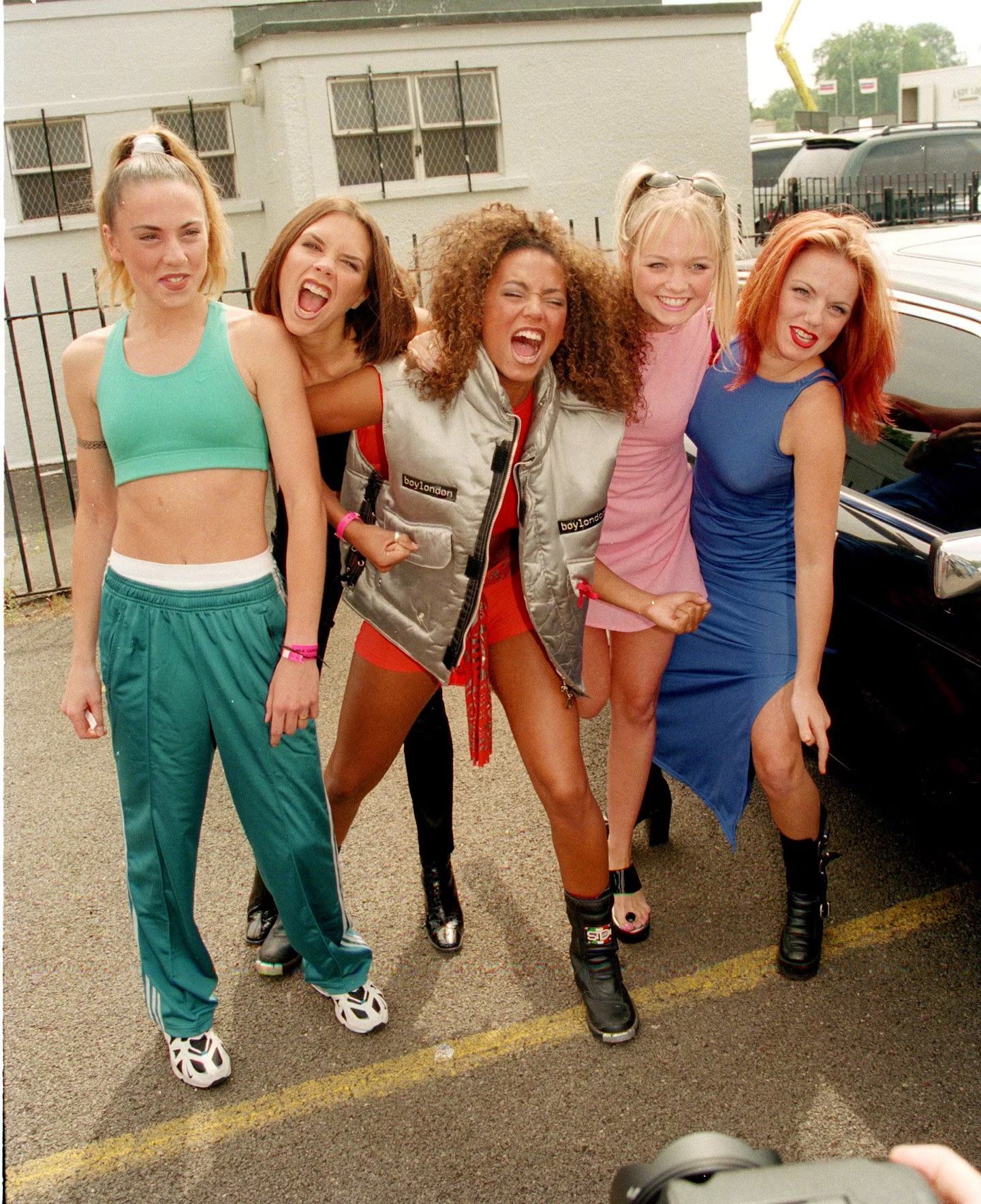
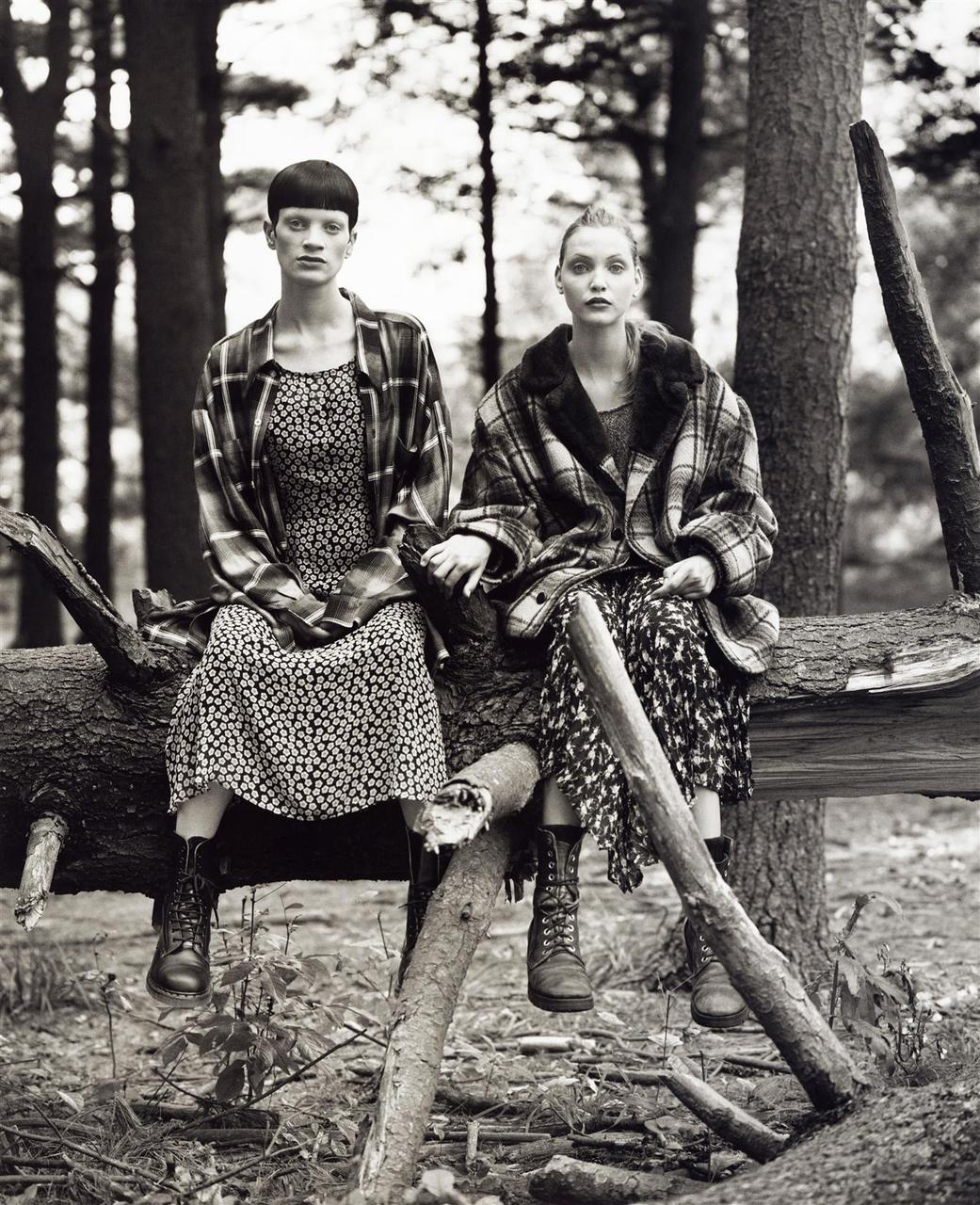
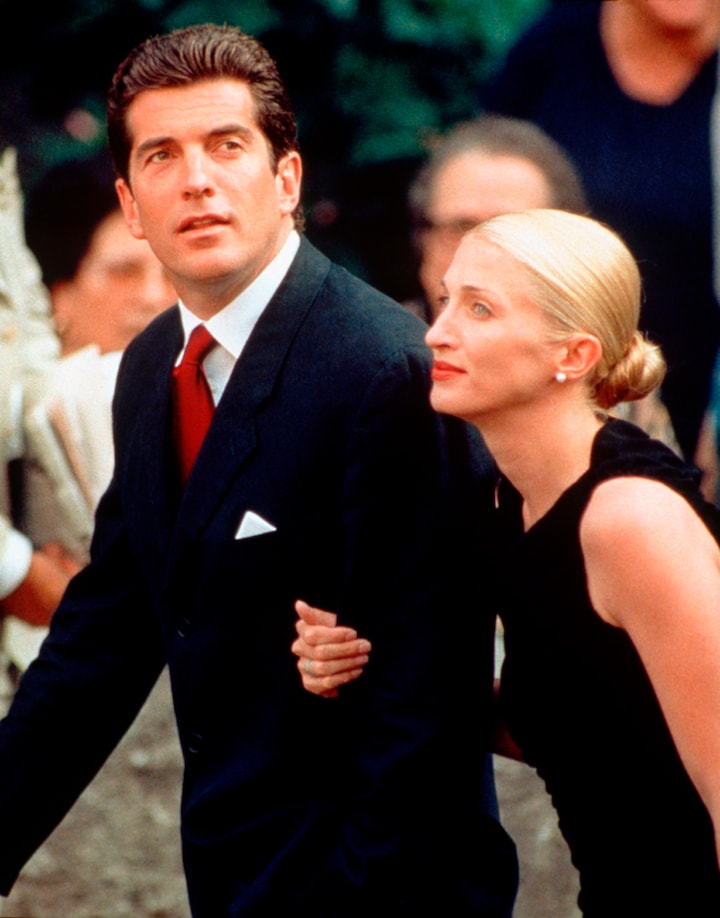
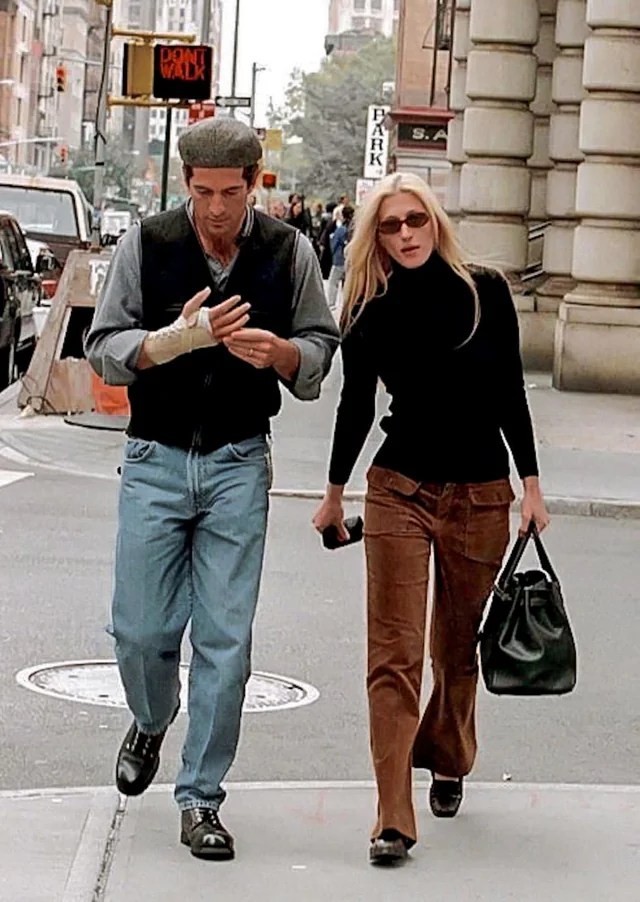
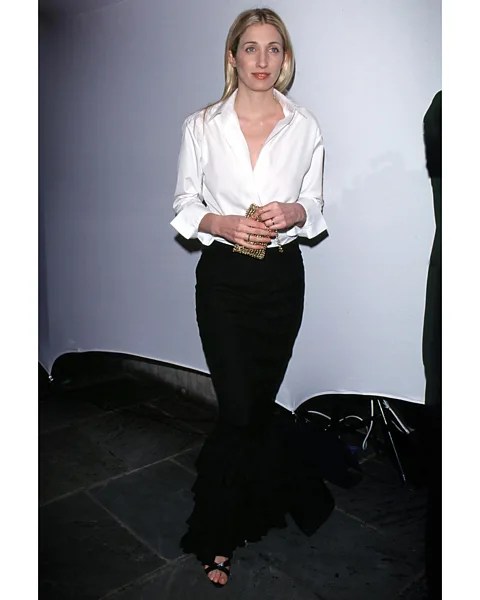
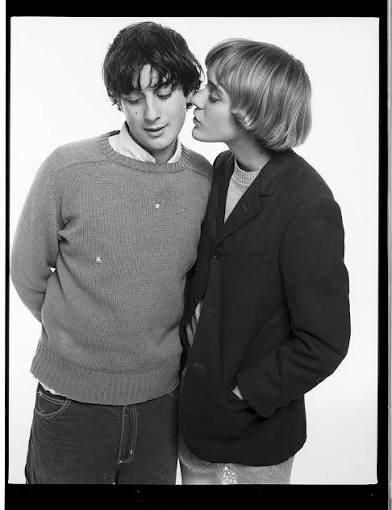
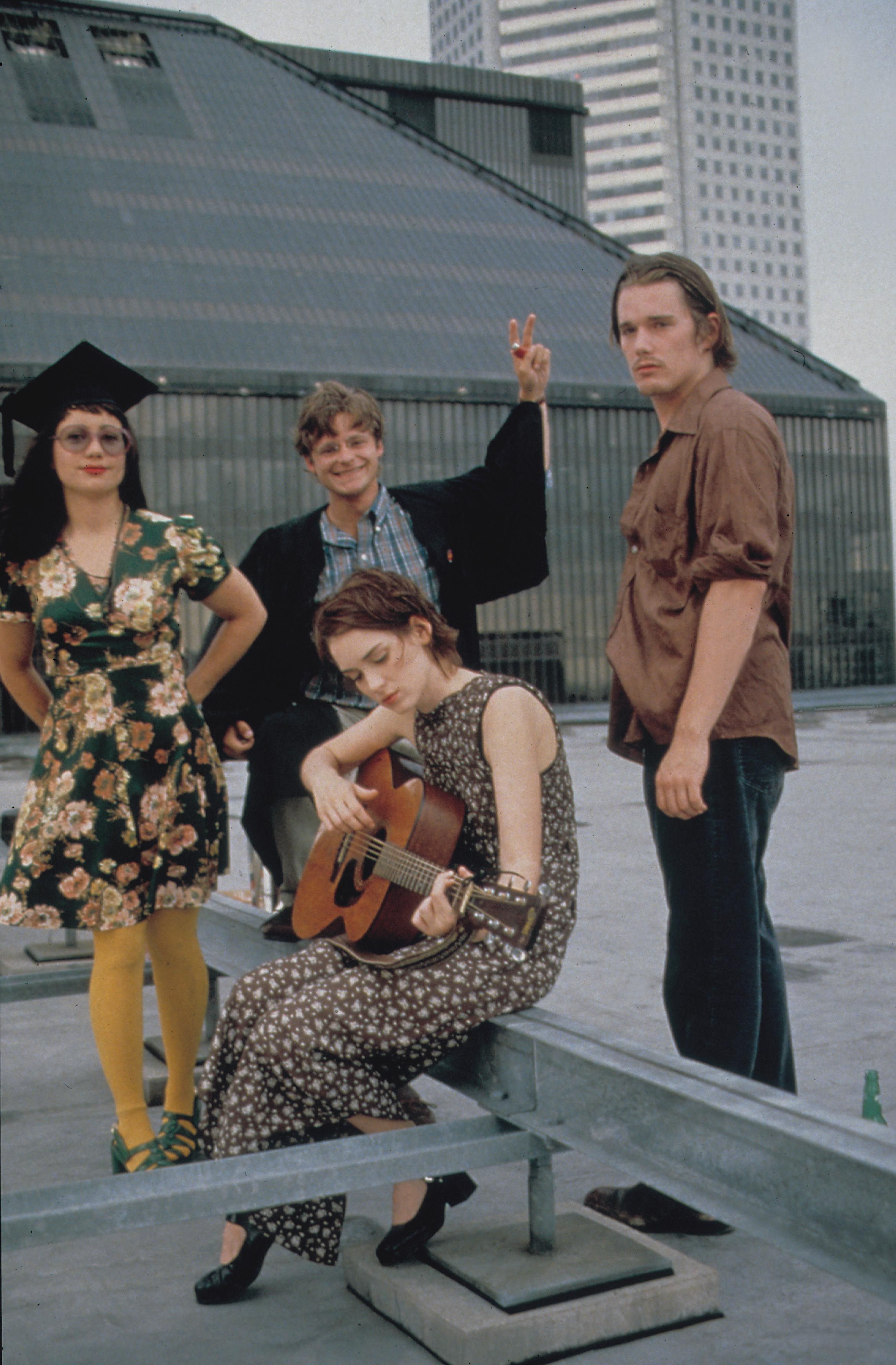
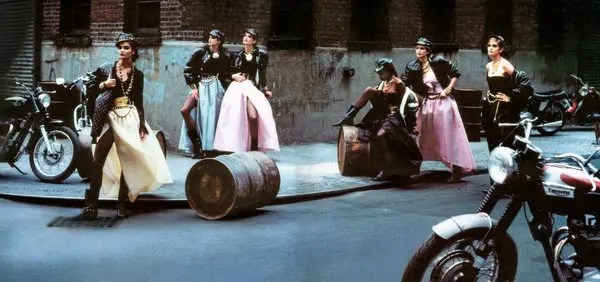
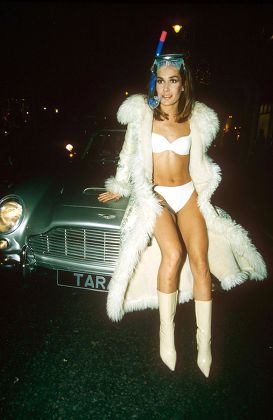
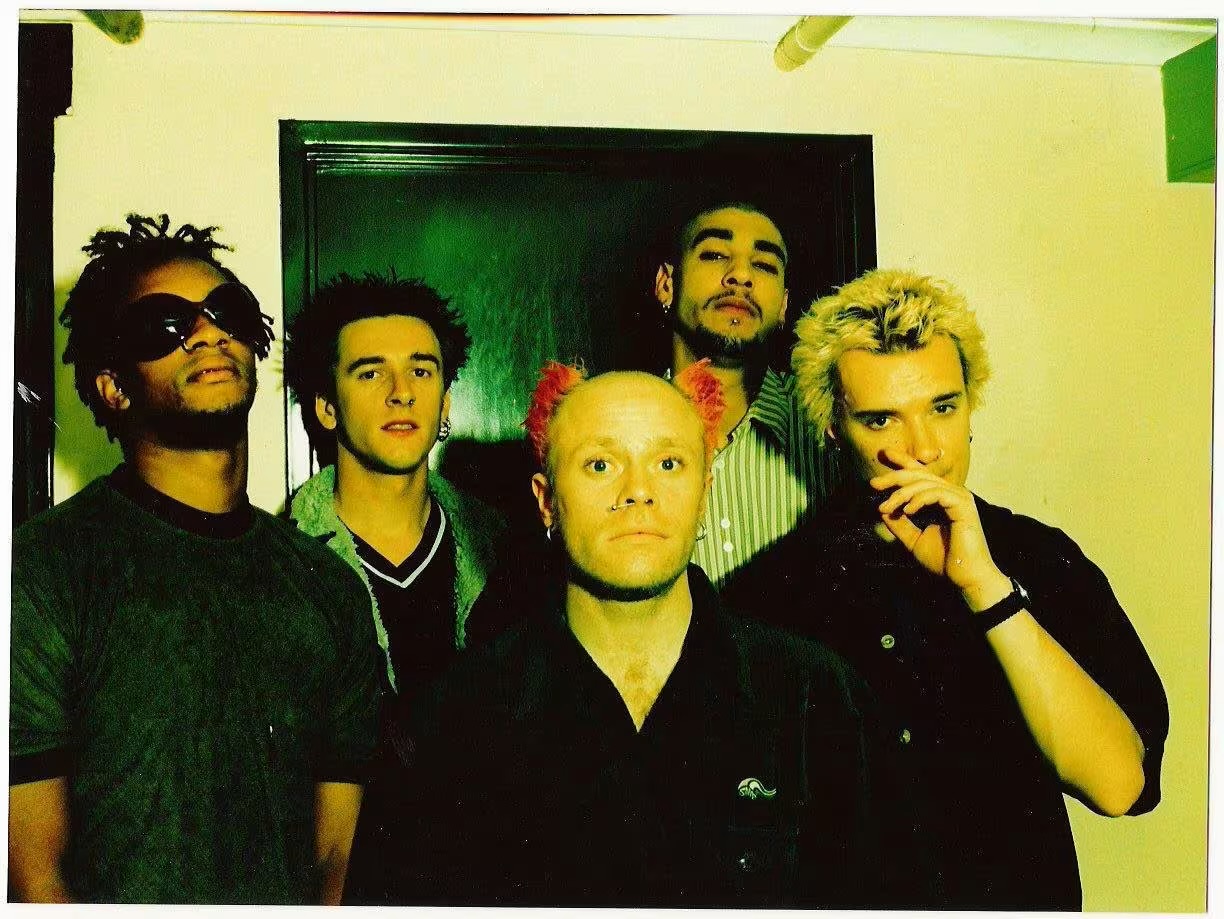
This helps explain why Gen X style so often emerged through mixing. The 1990s were full of collisions between class, culture, music, sexuality and social structure. Sportswear met tailoring. Slip dresses met army jackets. Pearls appeared with your boyfriend’s old shirt. Grunge elevated thrift-store clothes; rave culture scrambled established ideas about class, gender and respectability. High fashion stole from clubs and streets, and streets stole back. Someone wore an heirloom ring with trainers and nobody needed to give the combination a name.
This was not some glorious classless paradise. Britain remained saturated with class, and inequality was real. But cultural spaces could be remarkably porous. The movement between a club on Wednesday, Bond Street on Thursday, Portobello on Saturday morning and somebody’s country house by Saturday afternoon meant one repeatedly moved through different aesthetic and social vocabularies. Those vocabularies contaminated one another, and the contamination produced interest. The battered Land Rover and the Westwood jacket could enter the same frame. Someone’s extraordinary grandmother could be as influential as a fashion editor.
We mixed codes because life itself mixed them for us. Contemporary algorithmic aesthetics tend to run the opposite way. Once an aesthetic is named, everything is expected to confirm it, and clothes, hair, handbag, coffee and holiday destination line up obediently beneath the same heading. Identity becomes instantly legible. But style often begins precisely where legibility breaks down. Mixing takes judgement. Naming only takes recognition, and recognition is what the algorithm was built to reward.




IX. A Lived World Is Not an Aesthetic
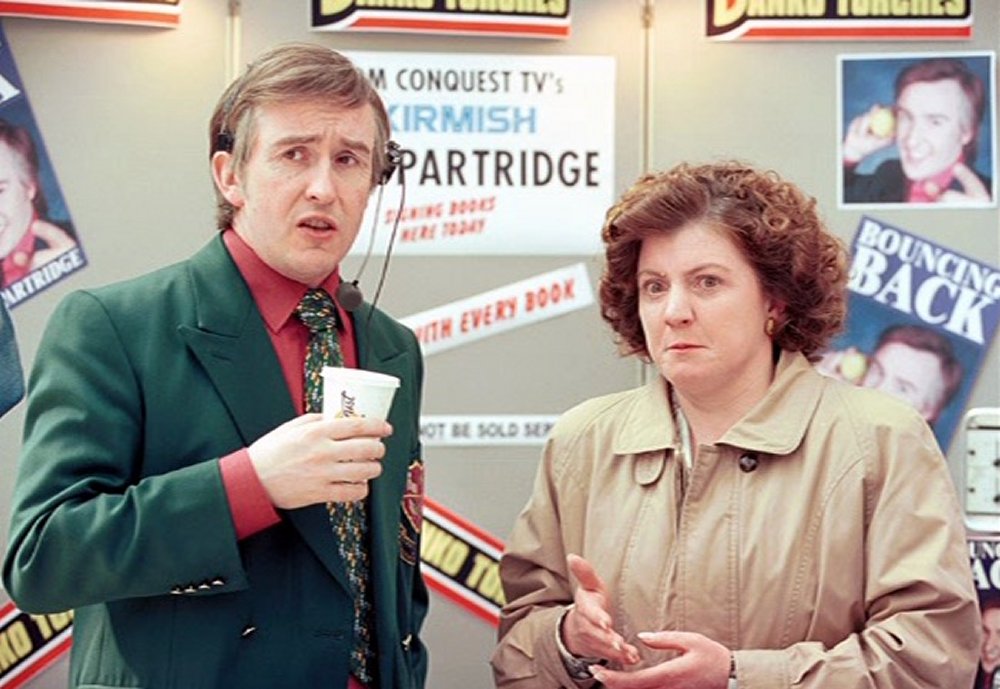
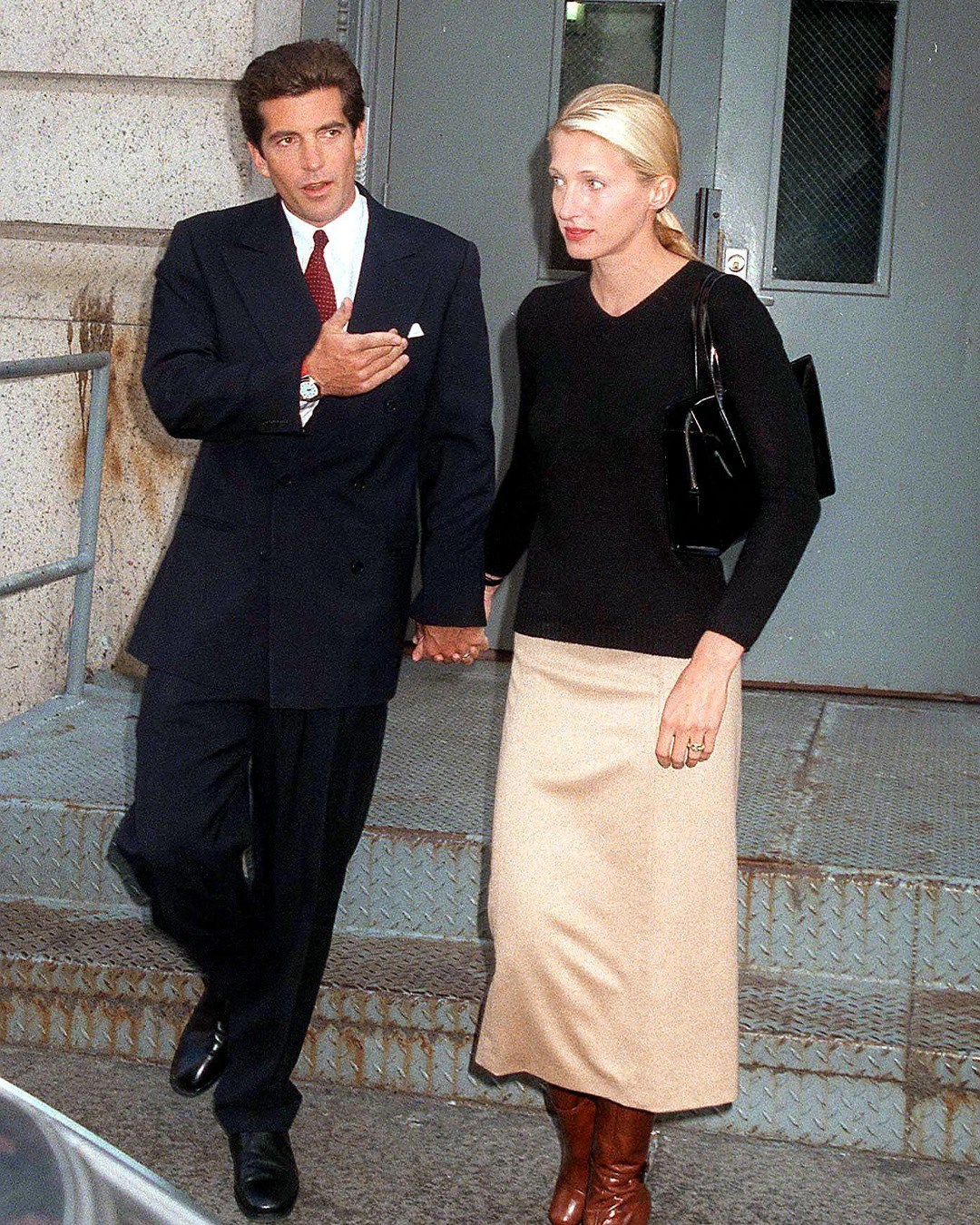
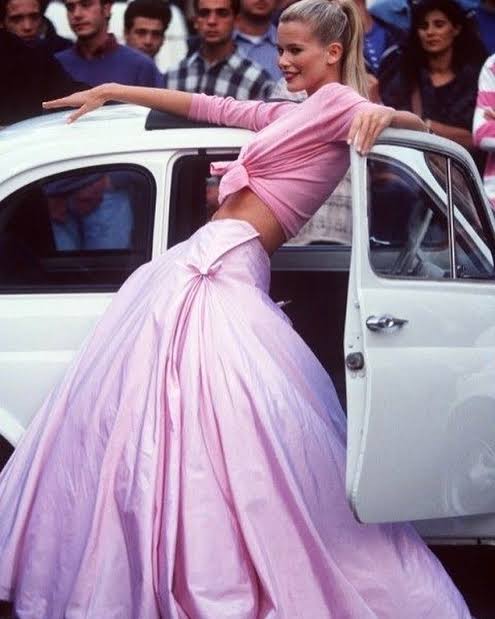
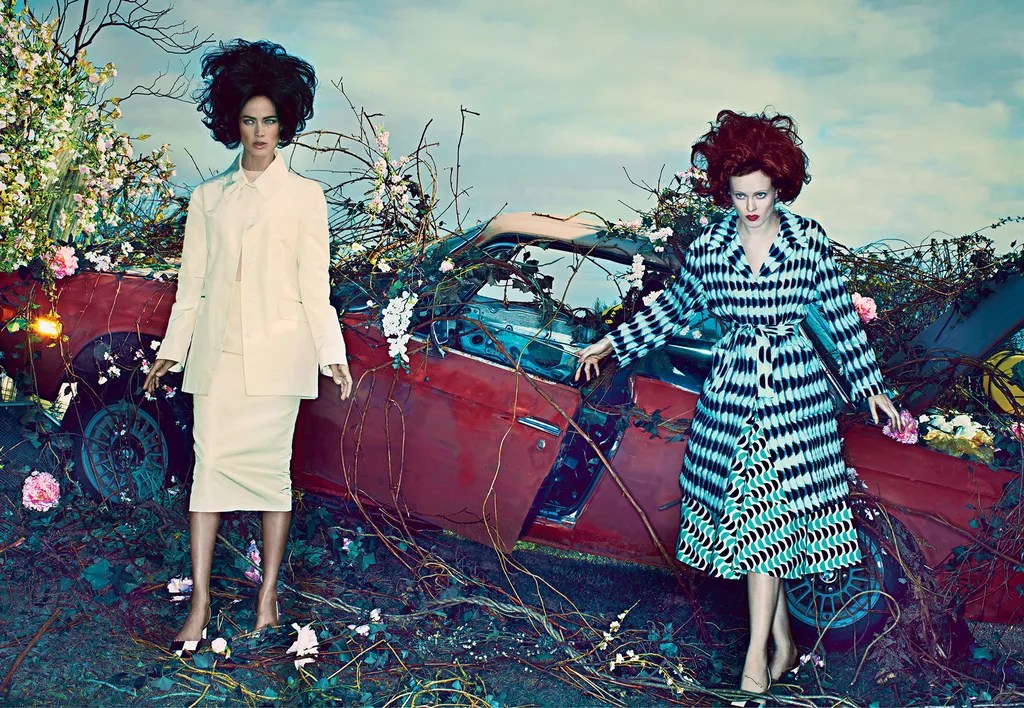
There is another reason the contemporary revival of the 1990s can look slightly wrong to those of us who lived through it: we did not encounter the decade retrospectively as an aesthetic. We inhabited it as a social world. What now appears online as an aesthetic was then simply context. The battered car was actually battered. The old jacket had genuinely belonged to somebody else. The country house belonged to somebody’s parents, with all the family complication that implied. The jewellery was old because it had been worn, generation after generation, not because it had been sourced to look that way. The eccentric person was not performing eccentricity for an audience; she had been behaving like that for years and everyone around her was faintly exhausted by it.
This is why Gen Z versions of the “1990s aesthetic” can look strangely wonky to me even when every individual reference is technically correct. The problem isn’t the pieces. It’s the syntax. The 1990s were never one coherent aesthetic. A little black dress, rave sportswear, Sloane codes, grunge, art-school dressing, hip-hop luxury and an old Barbour did not all signify the same social thing merely because they existed during the same decade. They belonged to different people, classes, subcultures and streets. Actual life brought those codes into contact, which is why the collisions could work. A contemporary reconstruction can take the correct visual vocabulary and reorganise it according to a completely different grammar: something from art school beside something from a very particular upper-middle-class world, beside an American Y2K reference, all filed under “90s.” To somebody looking backwards, the result may appear perfectly plausible. To somebody who lived inside the original culture, something can feel subtly out of joint, like hearing the correct words spoken in the wrong accent.
This doesn’t mean younger people have no right to reinterpret the past. Every generation does, and the mistakes are often the most interesting part. But it does reveal what happens when a lived culture becomes an image bank: the visual signs survive while the social relationships between them disappear. It can reproduce the object while losing the biography. It can reproduce the look while losing the life.
X. The Cool Girl Was Never Just an Outfit
This is where the generational difference becomes clearest.
The Gen X cool girl was not an OOTD. She was a person. Her clothes mattered only because of everything attached to them. She had cigarettes she’d brought back from abroad. She drove too fast and with irritating nonchalance. Her hair was never quite finished, but she always had her roots freshly done. She knew some obscure music scene you’d never heard of and loved EastEnders with equal sincerity. She could be intellectually intimidating and dumb as a post. She might look aloof and turn out to possess a startling generosity of spirit. The shrug was post-punk. The kindness underneath it was the surprise. Contradiction was the point.
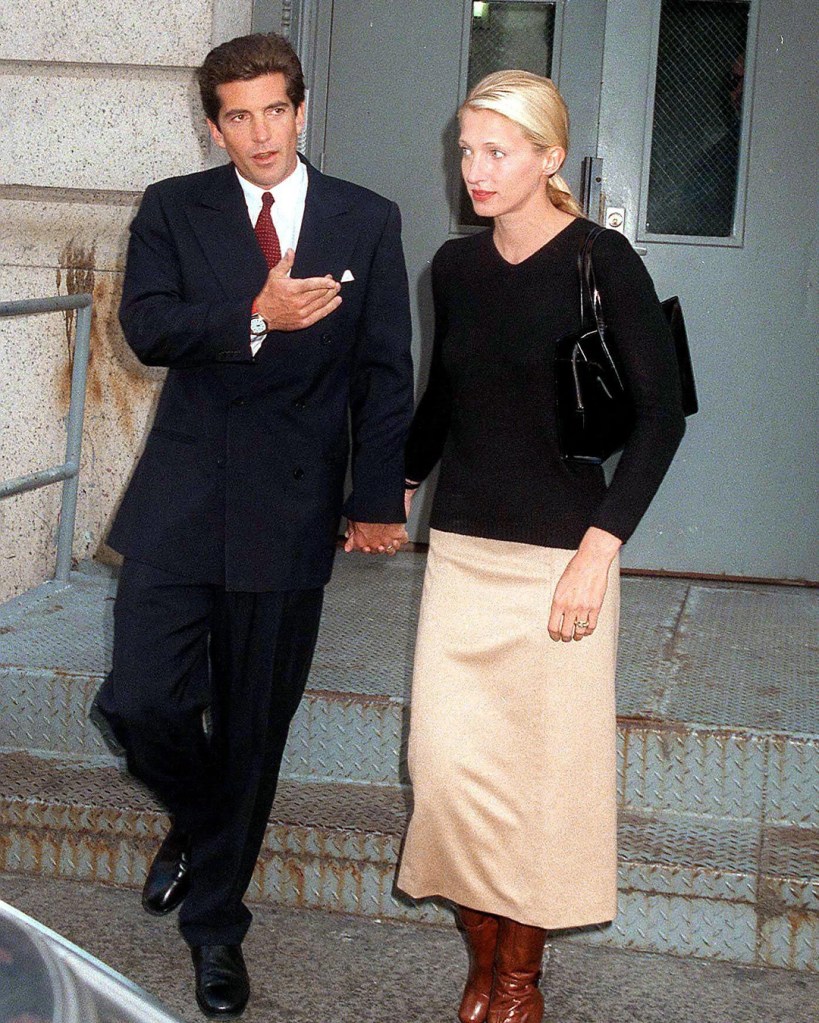
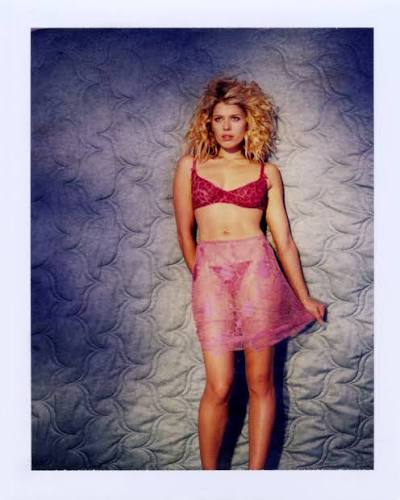
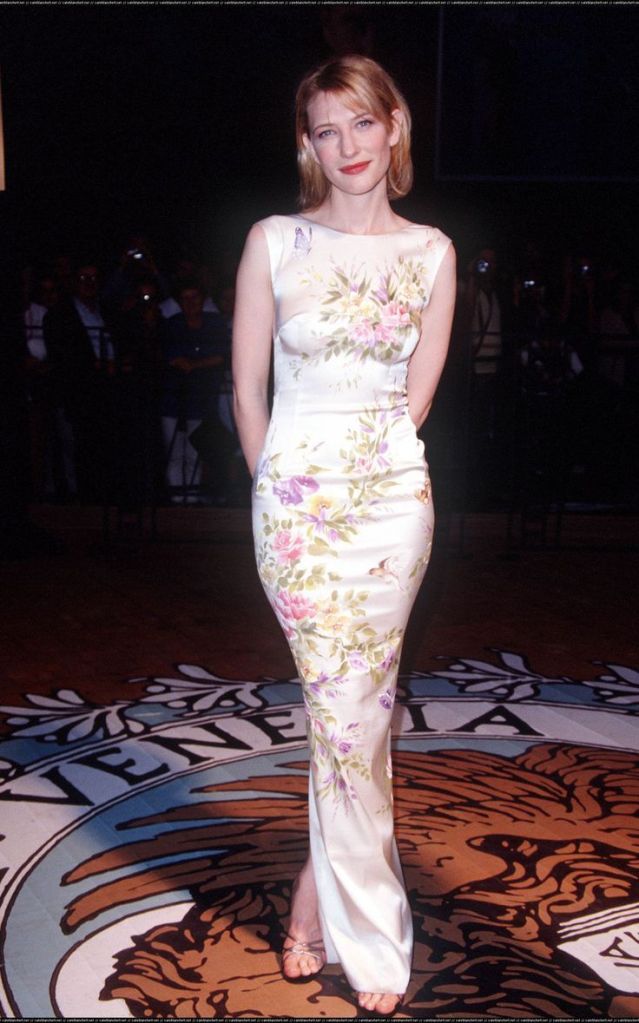
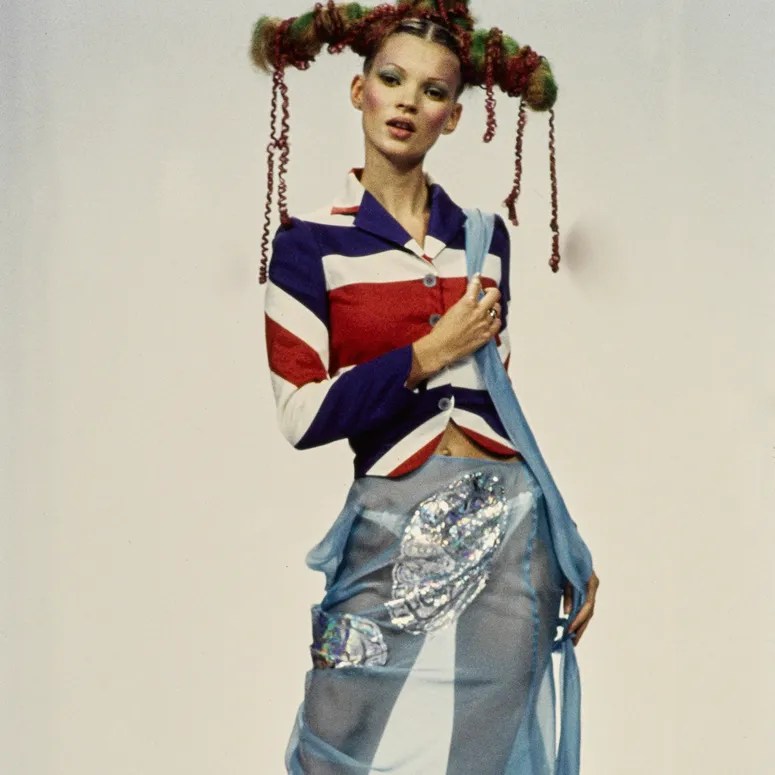



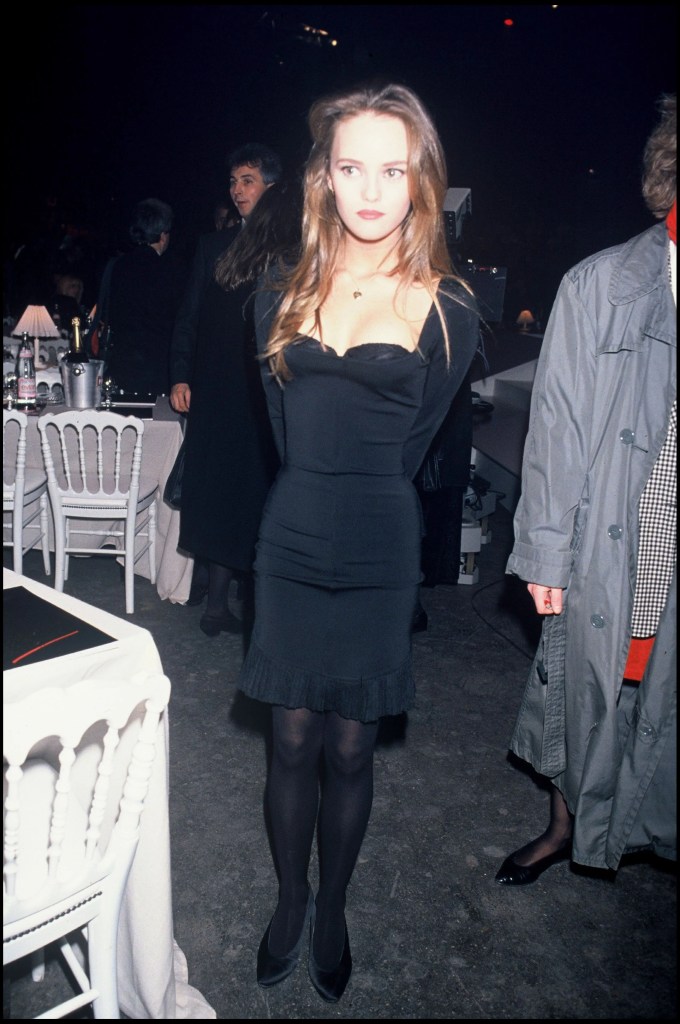
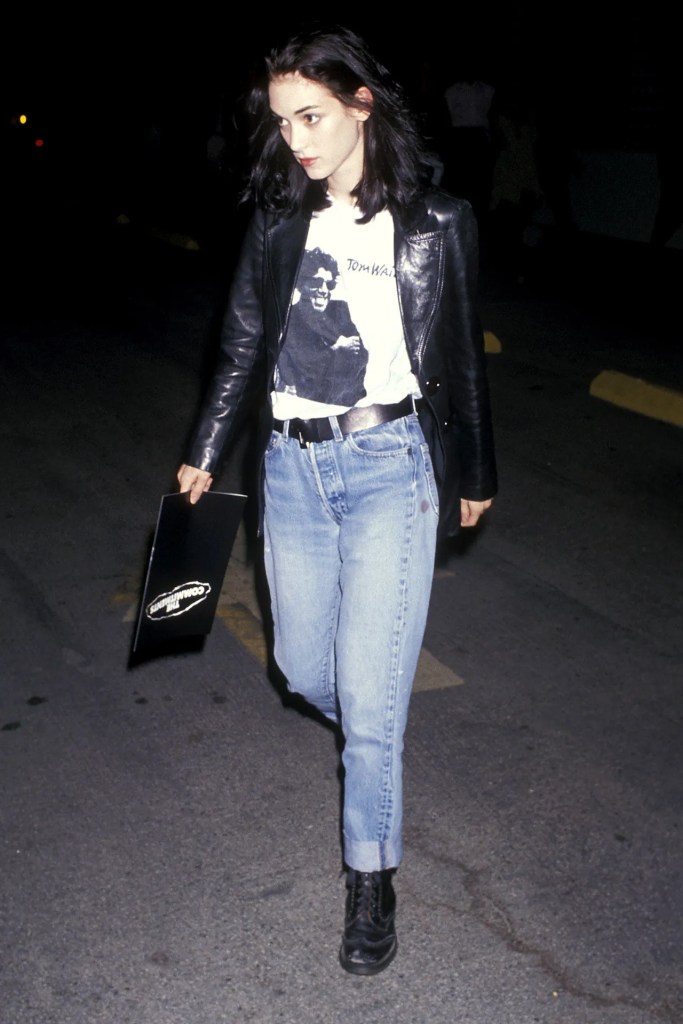
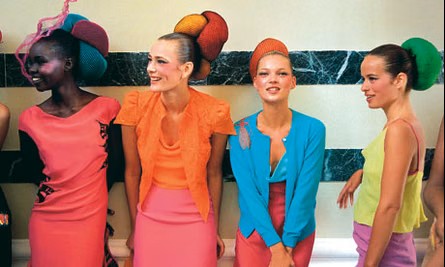
Coolness was not a shopping category. It was the cumulative effect of biography, temperament, curiosity, habit, accident and social confidence. You could copy her coat. You could not copy the life that made the coat convincing: the books she’d read, the homes she’d entered, the records somebody had played her, the mistakes she’d made and the strange things that had somehow stuck. Her style was biographical.
Digital culture tends to reverse that relationship, extracting the visible signs and treating them as causes: buy the jacket, get the haircut, find the sunglasses, carry the bag. But persona cannot be linked. Attitude cannot be delivered overnight. Generosity of spirit is not an accessory, and neither is contradiction.
Styling is the arrangement of objects. Style is the relationship between objects and a person.
XI. Outsourcing Judgement
It would be intellectually lazy to blame one platform for changes produced by technology, commerce, global retail, changing social habits and weakened arts education, and Gen Z is clearly not incapable of creativity. Some of the most interesting contemporary artists, dressers and designers are young, and social media has democratised fashion in ways from which earlier generations would have benefited enormously.
The issue is structural. The digital environment rewards speed, recognisability and repetition, while taste requires time, comparison, ambiguity and enough confidence to reject an approved answer. Gen Z can think critically; that was never the question. The trouble is that contemporary platforms reduce the number of occasions on which independent aesthetic judgement actually gets exercised. By the time you meet the shoe, it has already been named, its components identified, and fifty thousand people have confirmed the decision before you arrive at it.
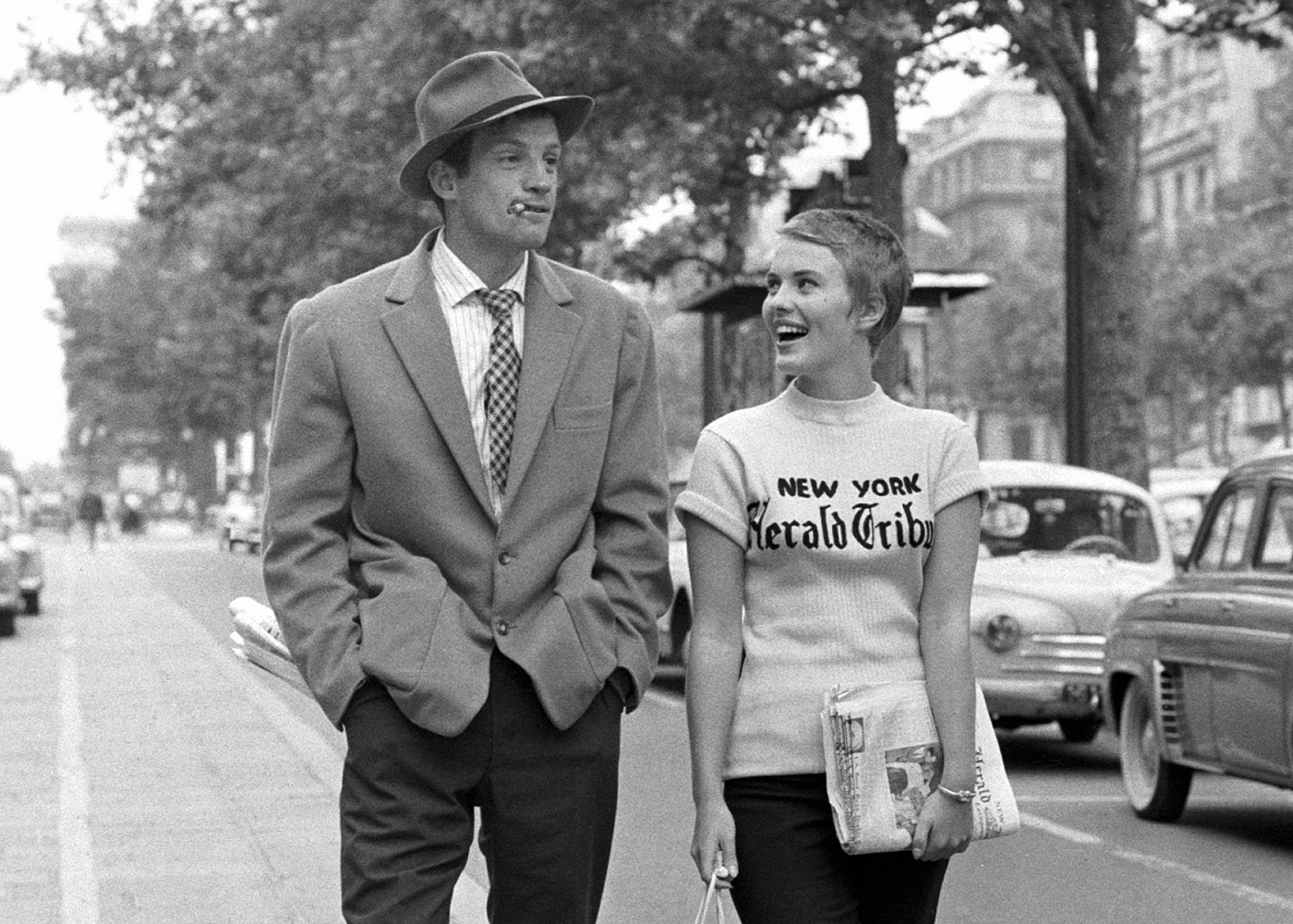
There’s a particular experience Gen X will recognise: watching Johnny Guitar, Death in Venice or Breathless, often years after the fact, and only then realising how much of what you already knew, and were still learning, had been quietly built on them — shapes, moods, whole editorials and shows borrowing from films most of the room hadn’t seen. The connection arrived late and unannounced, and that lag was exactly what made it feel earned rather than supplied. A “get ready with me” video today names the coat, the brand, the price and the stockist in the caption before the clip has even finished loading. Nothing is hidden, which is precisely the problem. Nothing has to be found.
Traditional fashion publishing had plenty of commercial motives and gatekeepers of its own, but at its best it supplied a route, not just a result: if a collection drew on an obscure film or painter, you were expected to go and find out why. The feed circulates the visible result efficiently and loses the route almost entirely, so what you get is fashion referencing fashion, referencing an influencer, referencing an aesthetic that is itself the residue of some earlier, uncredited world. The archive is infinite. Infinity isn’t depth. Having access to everything is not the same as knowing how things relate.

XII. A London Education
I grew up in the London of Cool Britannia, among artists, creatives, West London poshos, bitter and twisted working-class northerners, ponces, poseurs, the wildly privileged and the genuinely deprived. Hardly a harmonious social democracy, which was precisely why it was interesting. Yet, the gap between us in 1996 was not as wide as it has become in 2026.
We gallery-hopped. We shopped on Portobello Road and Bond Street without imagining that the high street cancelled out high fashion. We saw films constantly. We all read books, genuinely — what else were you supposed to do on the Tube? We were culture vultures, and undoubtedly intellectually up our own arses, but even that vanity had a productive side: it pushed us towards knowledge. Someone had seen the film you hadn’t. Someone had discovered a writer, or knew what Vogue was referencing, or had just come back from somewhere with a completely different way of seeing things. You wanted to catch up.
Taste consequently became larger than clothes: films, rooms, books, records, restaurants, conversation, manners, humour, people. It was a way of organising one’s response to the world. England added one more peculiar ingredient, its traditional affection for the eccentric — brutally conformist in most respects, yet reserving particular admiration for the person who follows an obsession far beyond the point of normality. That permission mattered. It suggested individuality didn’t require inventing oneself from nothing, only following one’s peculiarities far enough that they became coherent: becoming more specifically oneself, rather than more conventional. The eccentric doesn’t ask what belongs to the look. She follows what interests her until the look appears as a by-product.
I am not arguing our world was better. It was snobbish, exclusionary, class-ridden, cruel about bodies and wildly unequal in its access. But it was, I think, more satisfying for the soul, because we experienced culture as something one pursued rather than something continuously supplied. And pursuit changes the pursuer.

XIII. From Formation to Formatting
The larger difference, then, may not really be between two generations of clothes. It may be between two systems of formation.
That word, formation, costs more than it sounds like it should. The Gen X “eye” this essay keeps circling back to was never a natural human faculty that abundance has simply eroded. It was a specific historical product, built from a specific and largely unrepeatable set of conditions: scarcity, physical mobility, unstructured time, and a porous class system that kept throwing strangers into the same rooms. That eye was also, quite plainly, a luxury, expensive in time if not always in money, and available mostly to people with enough freedom to be bored, enough mobility to leave the city, enough security to spend an evening among people who could not immediately be Googled. Gen Z has inherited real advantages Gen X did not have: wider access, greater representation, enormous cultural archives, freedoms around gender, bodies and identity we would have benefited from ourselves. Superabundance simply hands back a different problem in exchange.
When everything can be supplied, searched, sorted and recommended, what happens to the parts of the self that were once formed precisely because nobody had yet supplied the answer? A personalised feed can show us more of the world while letting less of the genuinely unfamiliar world reach us. Personal style, like any small act of authorship, needs influences, but it also needs distance from them: a private space where they can be misremembered, rejected, combined, misunderstood and transformed before they’re declared. Take away the distance and the transformation, and what’s left is only the influence, worn correctly.
None of this is an argument for nostalgia. The harder question is whether an eye can still be built the same way on purpose, by choosing incompleteness in a world that no longer imposes it: closing the tab before the answer loads, buying the wrong thing deliberately, spending an evening among people who cannot be summarised in advance. Scarcity may have to stop being an accident of history and become, for anyone who actually wants the eye rather than the outfit, a discipline.
Because the great cool girl of the twentieth century was never cool because she had the correct handbag. She was cool because she had developed an eye, a persona and a life, formed by paintings and films, a frivolous university degree, weekday nights and country weekends, parents and lovers, grand houses and shabby flats, books on the Tube, boredom, arguments, mistakes, obscure records, generosity, eccentricity and Sobranie Cocktail cigarettes. She was formed by contradiction and friction, by actually being out in the world.
What Gen X may be recognising, when it looks at the strange uniformity of contemporary fashion, is not simply a change in clothes. It’s the residue of a culture in which more and more of the world now arrives pre-selected, and the quieter question of who still has the will to send it back.


Discover more from My World of Interiors
Subscribe to get the latest posts sent to your email.


One thought on “Why Gen Z Looks So Badly Dressed to Gen X”