
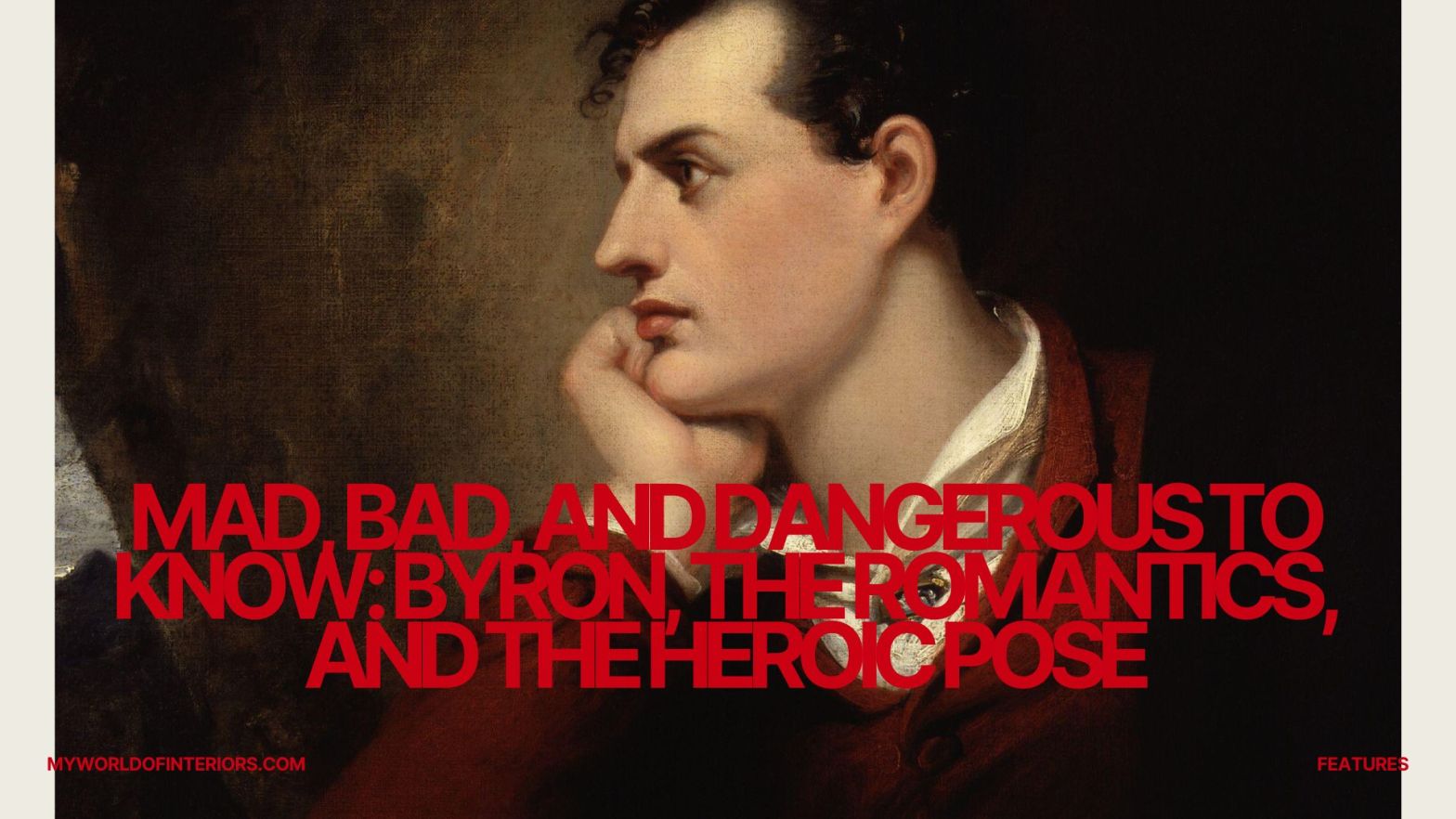
They were young, they were beautiful, they were consumed by their own myths and their own fevers before any of them reached forty. Byron, Shelley, and Keats between them invented the idea of the artist as hero — as outcast, visionary, martyr to beauty and freedom. The invention was magnificent and partly fraudulent and changedContinue reading “Mad, Bad, and Dangerous to Know: Byron, the Romantics, and the Heroic Pose”
Category Archives: Essay
Leonard Cohen & David Bowie
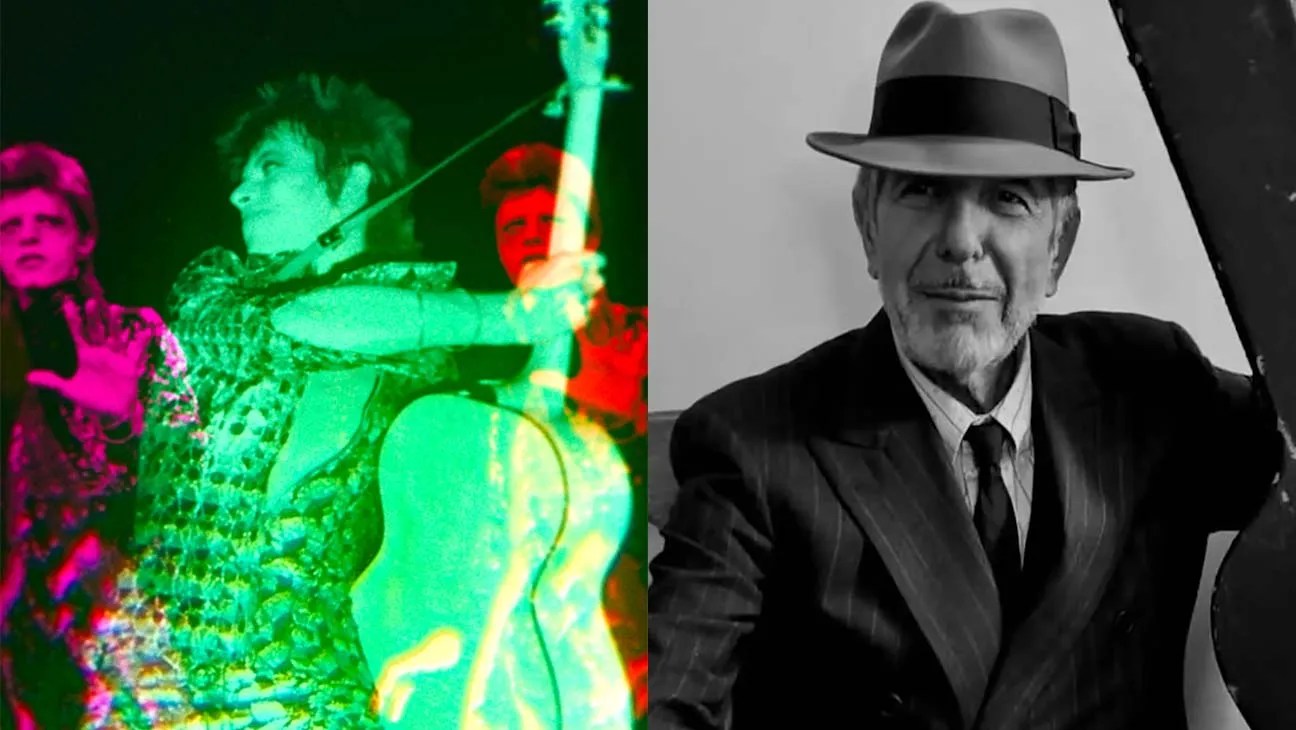
Essay · Music & Ideas Two Ways of Dying in Public Leonard Cohen and David Bowie both knew they were dying when they made their final albums. Both kept the knowledge largely to themselves. Both produced, from that knowledge, work of extraordinary quality that addressed mortality directly and without evasion. And there the similarity endsContinue reading “Leonard Cohen & David Bowie”
Ovartaci
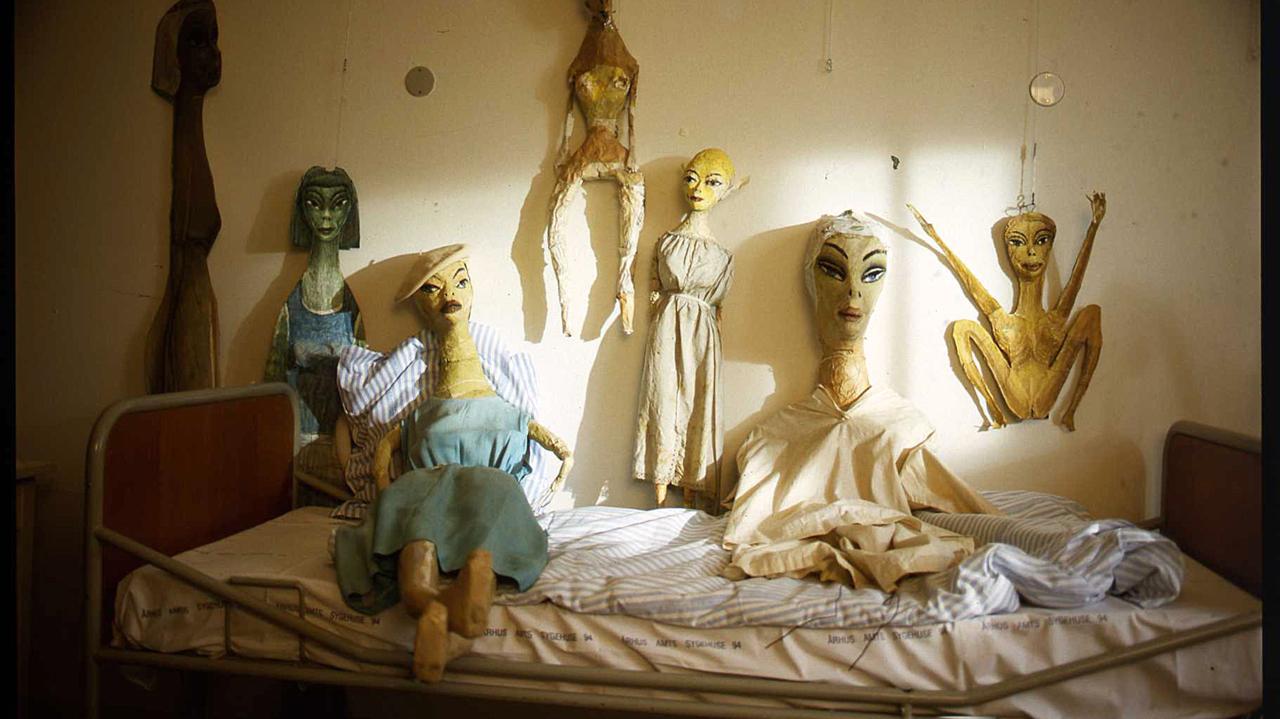
Essay · Art & Lives The Chief Loon and the World Inside the World Ovartaci lived for fifty-six years inside a psychiatric hospital in Risskov, near Aarhus, and made, in those fifty-six years, approximately a thousand works of extraordinary formal intelligence and phantasmagoric density — paintings, drawings, sculptures, mixed media pieces built from whatever materialsContinue reading “Ovartaci”
The Human Condition According to Dostoevsky
By Bergotte The series has been moving, in its way, toward this. Homer gave us mortality without consolation. Ovid gave us transformation without stability. Dante gave us love as the architecture of the universe. Shakespeare gave us the self as performance, unmoored from any fixed ground. What Dostoevsky gives us is the consequence of allContinue reading “The Human Condition According to Dostoevsky”
Woodstock Music and Art Fair, 1969
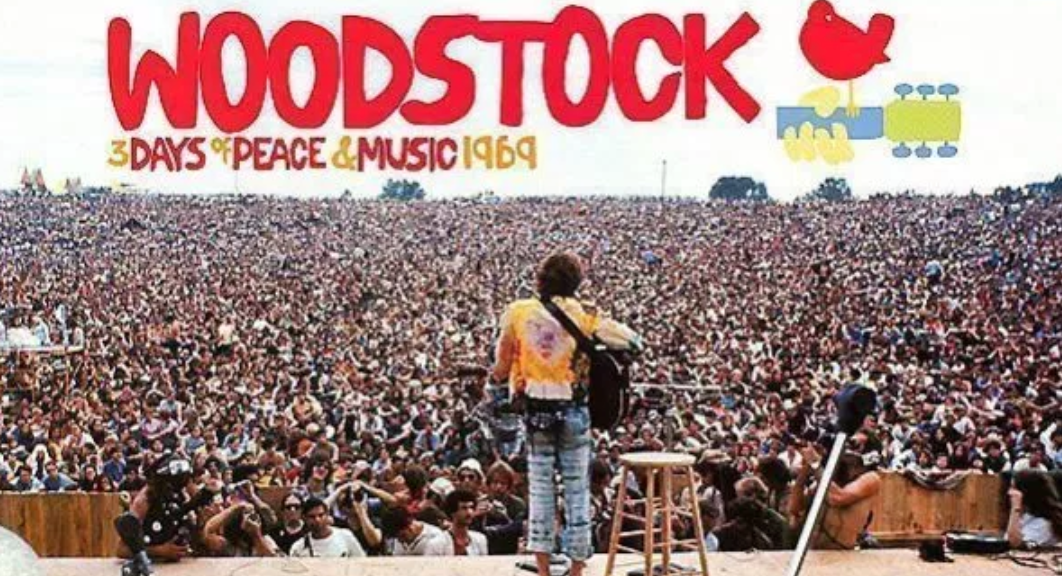
Essay · Music & History Four Days on Max Yasgur’s Farm Woodstock was not what it was advertised to be. It was not three days of peace and music — it was four days, the weather was frequently terrible, the organisation collapsed almost immediately, the food ran out, the sound system failed repeatedly, and atContinue reading “Woodstock Music and Art Fair, 1969”
Speaking for God: How Medieval Women Seized Power Through Divine Voice
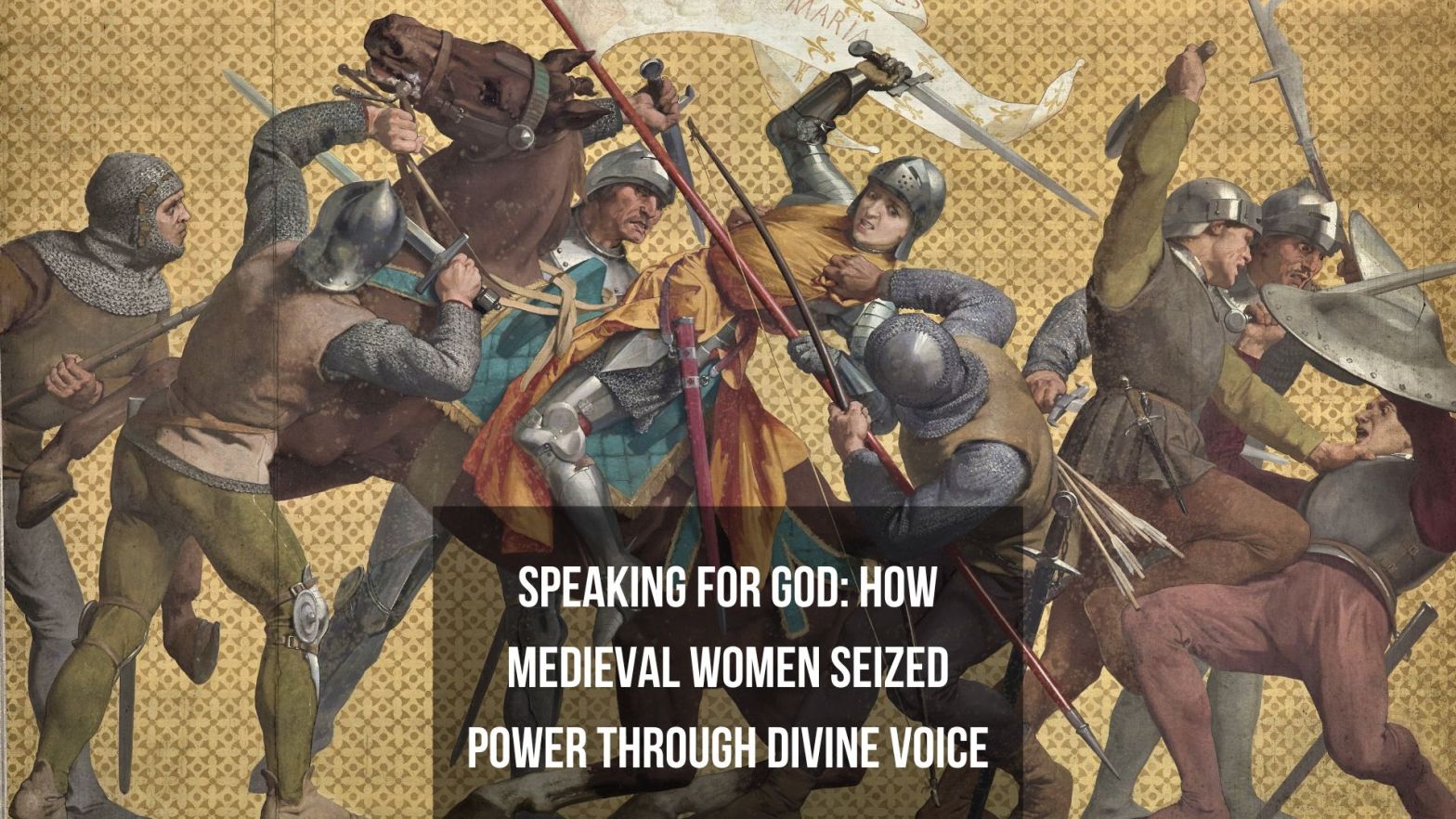
They had no pulpit, no vote, no university, no legal standing, and no legitimate path to public authority in any institution their world recognised. So they found the one loophole the medieval Church could not easily close — the direct line to God — and they used it to address popes, command armies, reshape theology,Continue reading “Speaking for God: How Medieval Women Seized Power Through Divine Voice”
Ian Fleming’s Bond
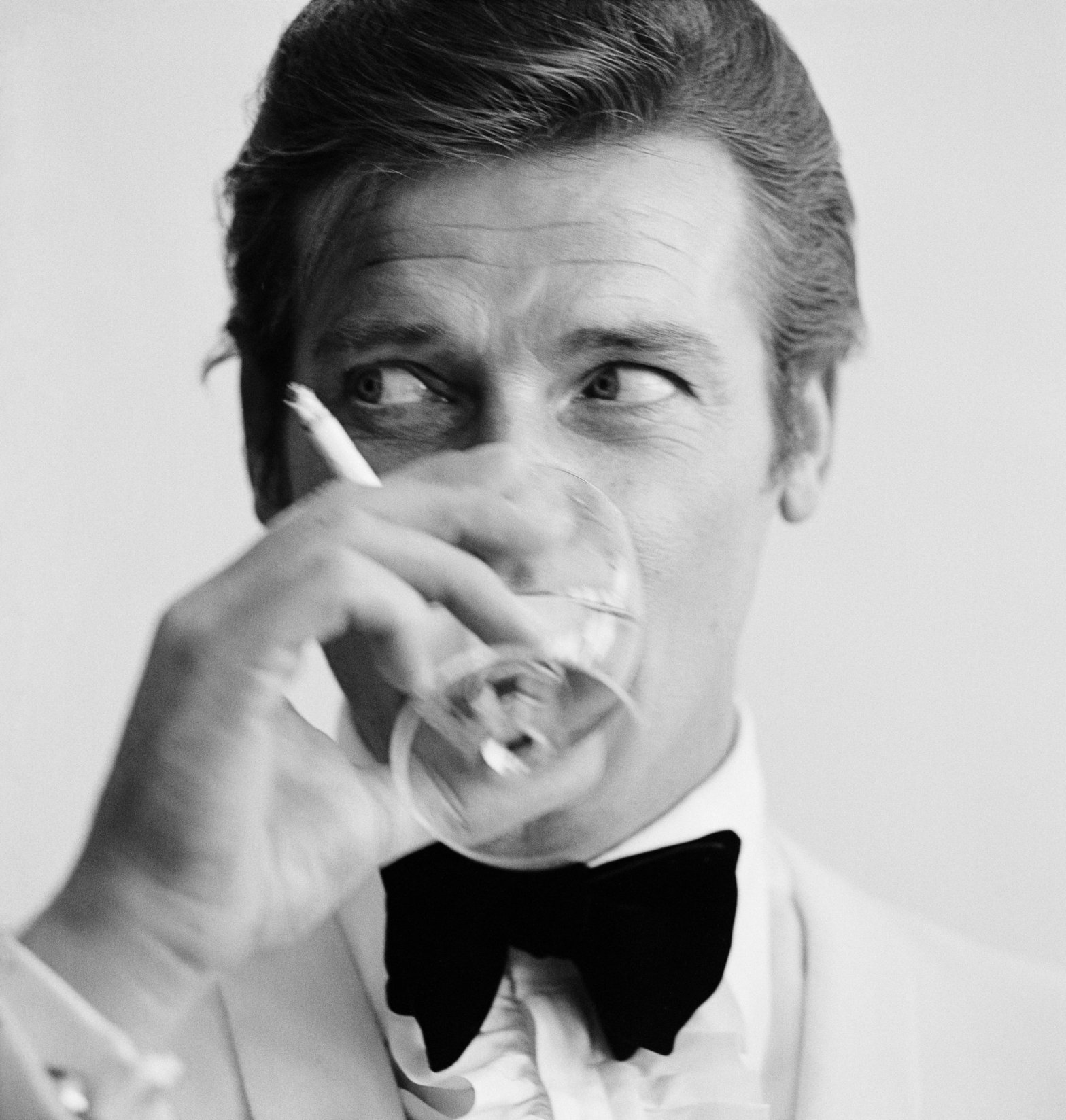
Essay · Literature & Culture The Man Who Cannot Be Killed James Bond was created in 1952 by a bored, unhappy, recently married former intelligence officer writing his first novel in a Jamaican house he had built to escape from England, and he has refused to die for seventy years. The refusal is the mostContinue reading “Ian Fleming’s Bond”
Georges-Eugène Haussmann
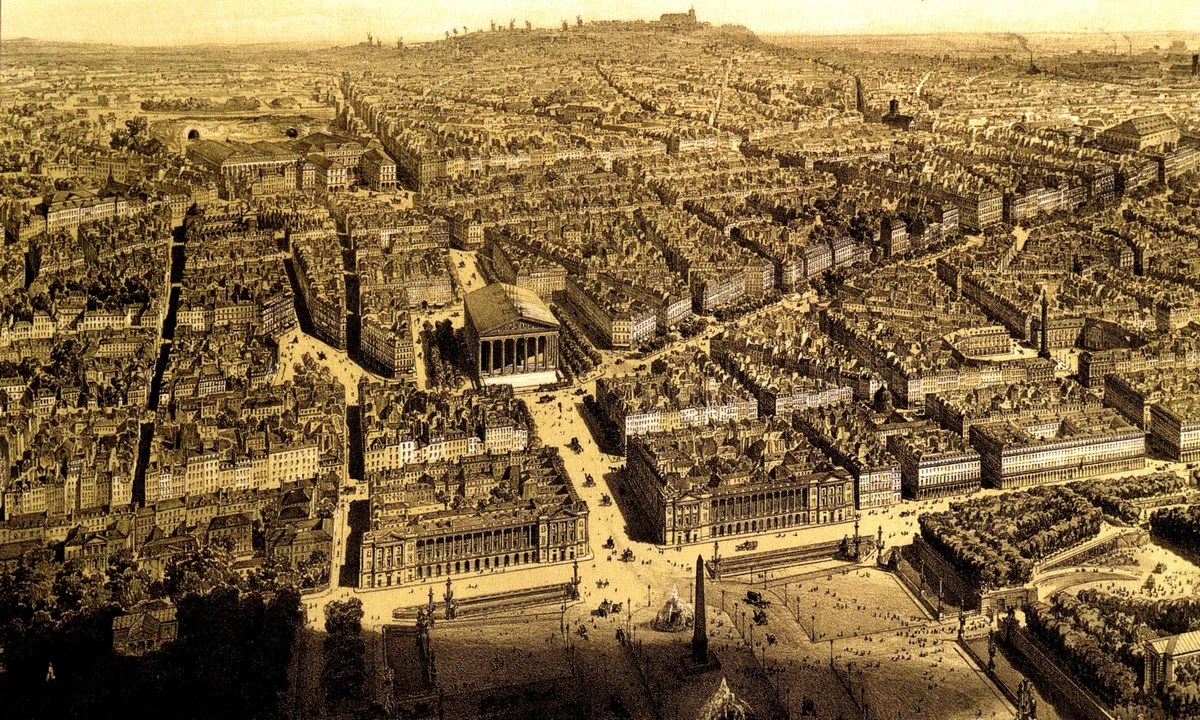
Essay · Architecture & History The Man Who Demolished Paris to Save It Georges-Eugène Haussmann did not build Paris. He destroyed it, systematically and at enormous speed and with the full authority of an emperor behind him, and what he built in its place was something that had not previously existed: the modern city, withContinue reading “Georges-Eugène Haussmann”
Arthur Jafa

Essay · Art & Ideas The Question He Has Been Asking for Thirty Years Arthur Jafa has organised his entire artistic life around a single question: how do you make a Black cinema with the power, beauty, and alienation of Black music? The question sounds like a problem of aesthetics. It is, in fact, aContinue reading “Arthur Jafa”
The Human Condition According to Shakespeare
By Bergotte The series has moved, so far, through poets who held clear philosophical positions: Homer’s unflinching mortality, Ovid’s philosophy of change, Dante’s architecture of love. William Shakespeare holds no clear philosophical position. He holds all of them. He is the writer who most completely refused the consolation of a settled view, who gave theContinue reading “The Human Condition According to Shakespeare”
 My World of Interiors