Category: Essay
-
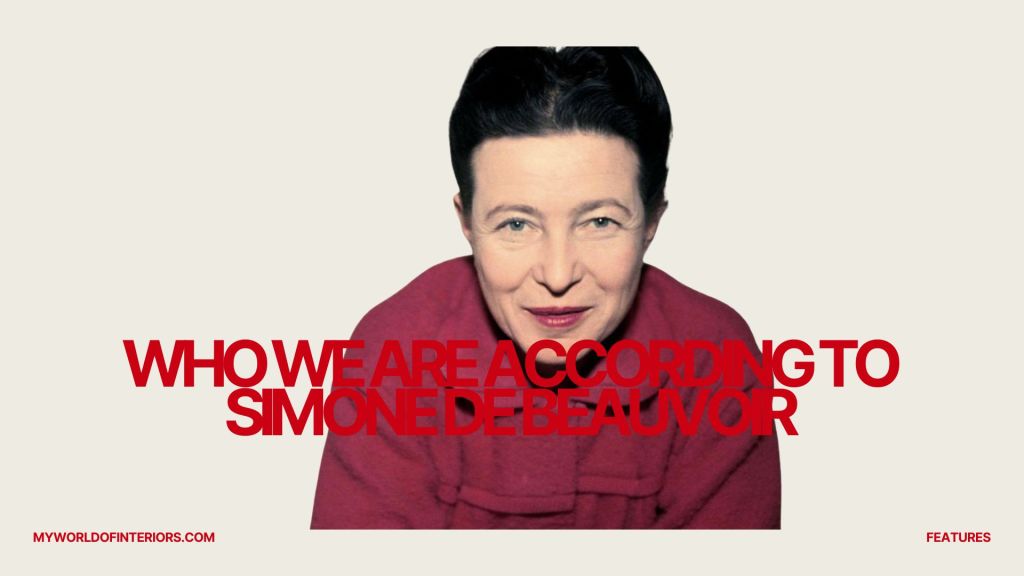
One Is Not Born: Who We Are According to Simone de Beauvoir
She wrote the book that changed what women thought they were allowed to want. She lived a life that her own philosophy would judge with considerable severity. She was the most important philosopher of freedom of the twentieth century, and she spent decades in the gravitational field of a man who made her smaller. The…
-
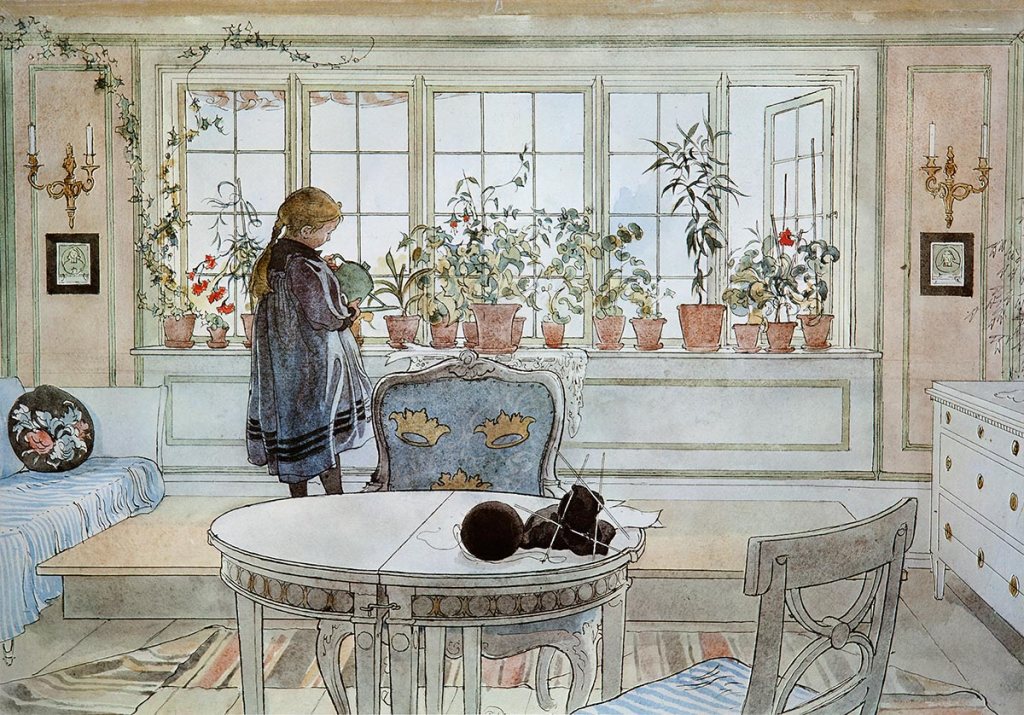
Carl Larsson
The House That Light Built Carl Larsson painted the same home, the same wife, the same children, hundreds of times. The result was not repetition. It was an argument — about beauty, about Sweden, about what a life is allowed to look like. There is a house in Sundborn, in the Swedish province of Dalarna,…
-
The Reel Argument: Carl Theodor Dreyer
By Bergotte There is a filmmaker most people have never seen whose work contains some of the most powerful images in the history of cinema, and his name is Carl Theodor Dreyer. He made fewer than a dozen surviving features across forty years, worked in almost complete opposition to every commercial instinct the film industry…
-
The Human Condition According to Pushkin
By Bergotte To understand Russian literature is, in the end, to understand Pushkin — which is to say that it cannot be fully done from the outside. Alexander Sergeyevich Pushkin is the writer whom every Russian author who followed him claimed as a father, a standard, and an impossibility: the source from which a whole…
-
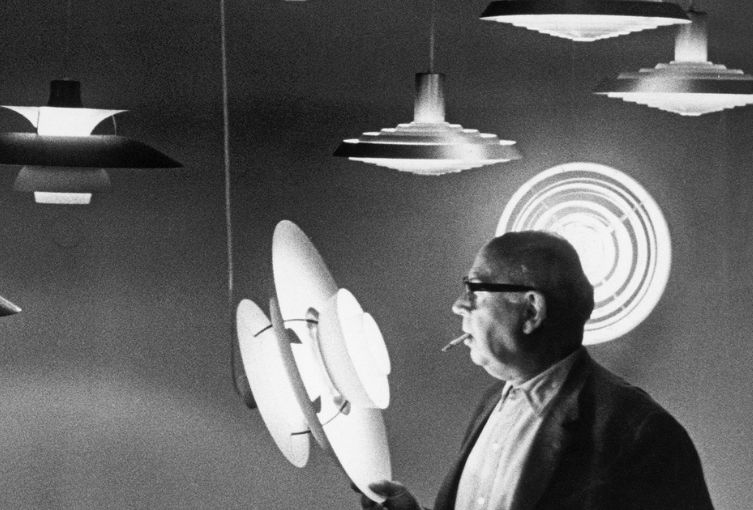
Poul Henningsen
Makers & Rooms — Essay I The Light He Couldn’t Stop Arguing About Poul Henningsen designed the most beloved lamp in the world. He also wrote cabaret songs, picked fights with the bourgeoisie, and fled to Sweden ahead of the Gestapo. The lamp was almost the least interesting thing about him. By Bergotte There is…
-
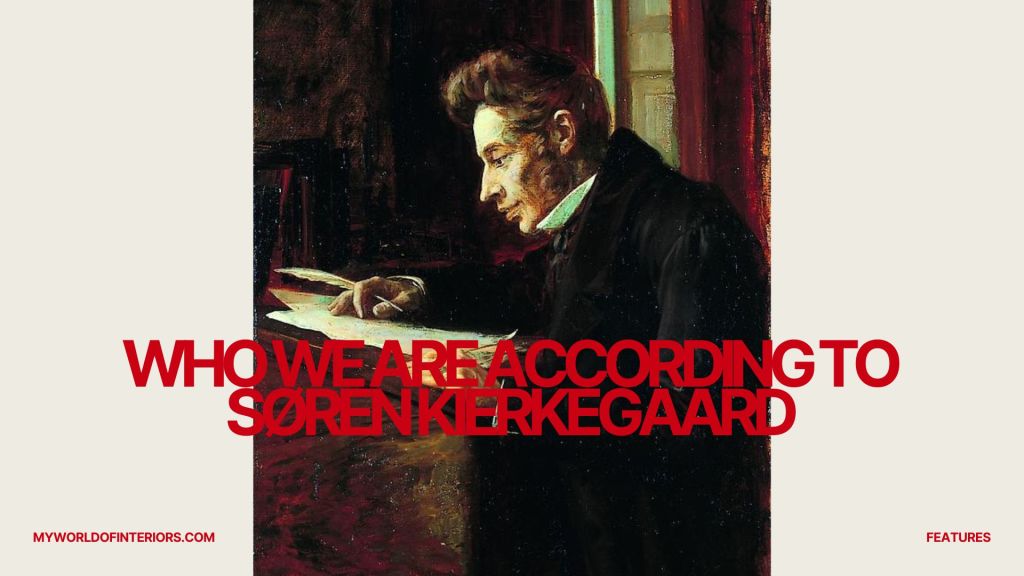
The Self That Must Be Chosen: Who We Are According to Søren Kierkegaard
He wrote under false names, spoke in riddles, and refused to give answers. He died at forty-two having produced, in a little over a decade, the most searching account of what it means to be a human being that Western philosophy has ever attempted. Kierkegaard did not want to make things easy for you. He…
-

Sophie Calle
Encounters · No. 1 The Art of Following Someone Sophie Calle has spent forty years turning other people’s lives — and her own grief — into something that looks, uncomfortably, like art. By Bergotte In January 1980, Sophie Calle followed a stranger to Venice. She had met him briefly at a party in Paris, not…
-

The Reel Argument: Ingmar Bergman
By Bergotte Ingmar Bergman made films about the things we cannot say to each other, and he made them with a directness that is almost unbearable. He is routinely described as a difficult filmmaker — demanding, austere, heavy — and this reputation has kept more people from him than it has drawn in, which is…
-
The Human Condition According to Tolstoy
By Bergotte Leo Tolstoy is the writer who makes other great writers feel provincial. Not because his books are the longest, though two of them are among the longest ever written, and not because his range is the widest, though it extends from the ballrooms of Moscow to the battlefields of Austerlitz to the peasant…
-

Issey Miyake
Encounters · No. 6 A Piece of Cloth Issey Miyake survived the atomic bomb at seven years old and spent the rest of his life making clothes that felt like freedom. These two facts are not unrelated. By Bergotte On the morning of August 6, 1945, Issey Miyake was seven years old and standing close…

