
I have never much minded what people think of me. I don’t read a room for approval, and being ignored has never cost me (much) sleep. Which is what makes the last fifteen years interesting to me in a way that has almost nothing to do with vanity: I ran an accidental experiment on howContinue reading “The Weight of Being Seen”
Category Archives: Essay
One Must Imagine Sisyphus Happy: Who We Are According to Albert Camus
He is the last philosopher in this series and the one who answers the question the series has been building toward. Not the question of what the self is, or how it is made, or what it is condemned to. The question that Sartre’s radical freedom leaves ringing in the air: given all of thisContinue reading “One Must Imagine Sisyphus Happy: Who We Are According to Albert Camus”
Sophia Luna Portra
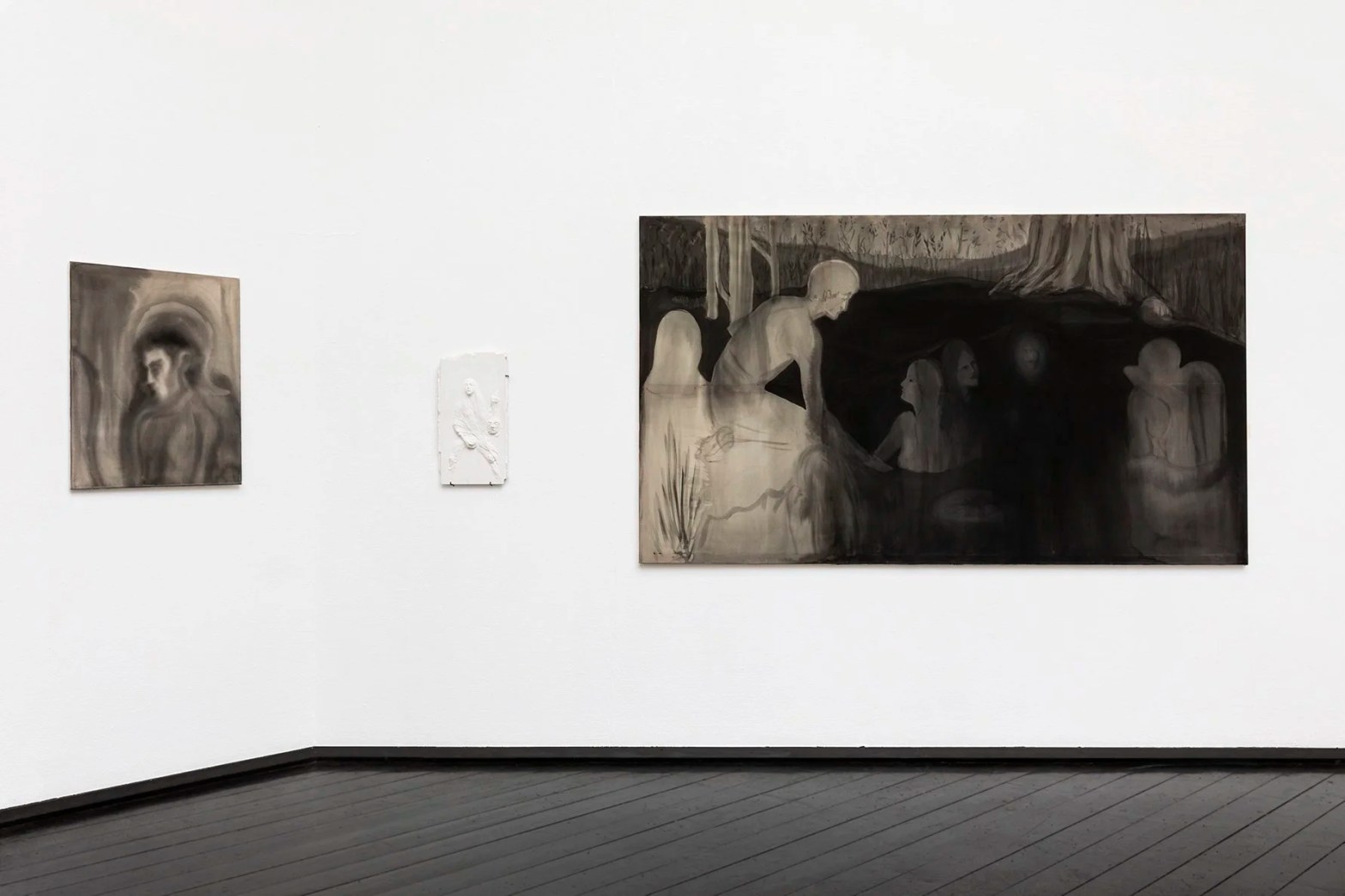
Encounters · No. 8 Snake Skin, Warm Blanket Sophia Luna Portra makes sculptures from muslin and coffee, sings gothic folk songs about transformation, and thinks about clothes the way a philosopher thinks about the self. She is at the beginning of something. By Bergotte A note on this essay: the preceding pieces in this seriesContinue reading “Sophia Luna Portra “
The Reel Argument: Agnès Varda

By Bergotte Agnès Varda spent sixty years making films about the people and things that the world had decided did not matter, and she did it with a curiosity so genuine and a formal intelligence so complete that the combination amounts to something close to a philosophy of cinema — a sustained argument, made inContinue reading “The Reel Argument: Agnès Varda”
The Human Condition According to Mark Twain
By Bergotte Mark Twain understood that civilisation is a confidence trick. Not a failed experiment or a work in progress or a fragile achievement requiring defence, but a sustained, organised, multigenerational deception in which human beings persuade themselves and each other that the cruelties they practise are either necessary, natural, or invisible. His comedy —Continue reading “The Human Condition According to Mark Twain”
Jonathan Anderson: The Intelligent Disruptor

How a boy from Northern Ireland transformed Loewe, dismantled the boundaries between fashion and culture, and arrived at Dior with more creative power than any designer since Christian Dior himself By Bergotte Fashion periodically decides that one designer matters more than everybody else. The reasons are never entirely aesthetic. A designer becomes important because heContinue reading “Jonathan Anderson: The Intelligent Disruptor”
Alessi
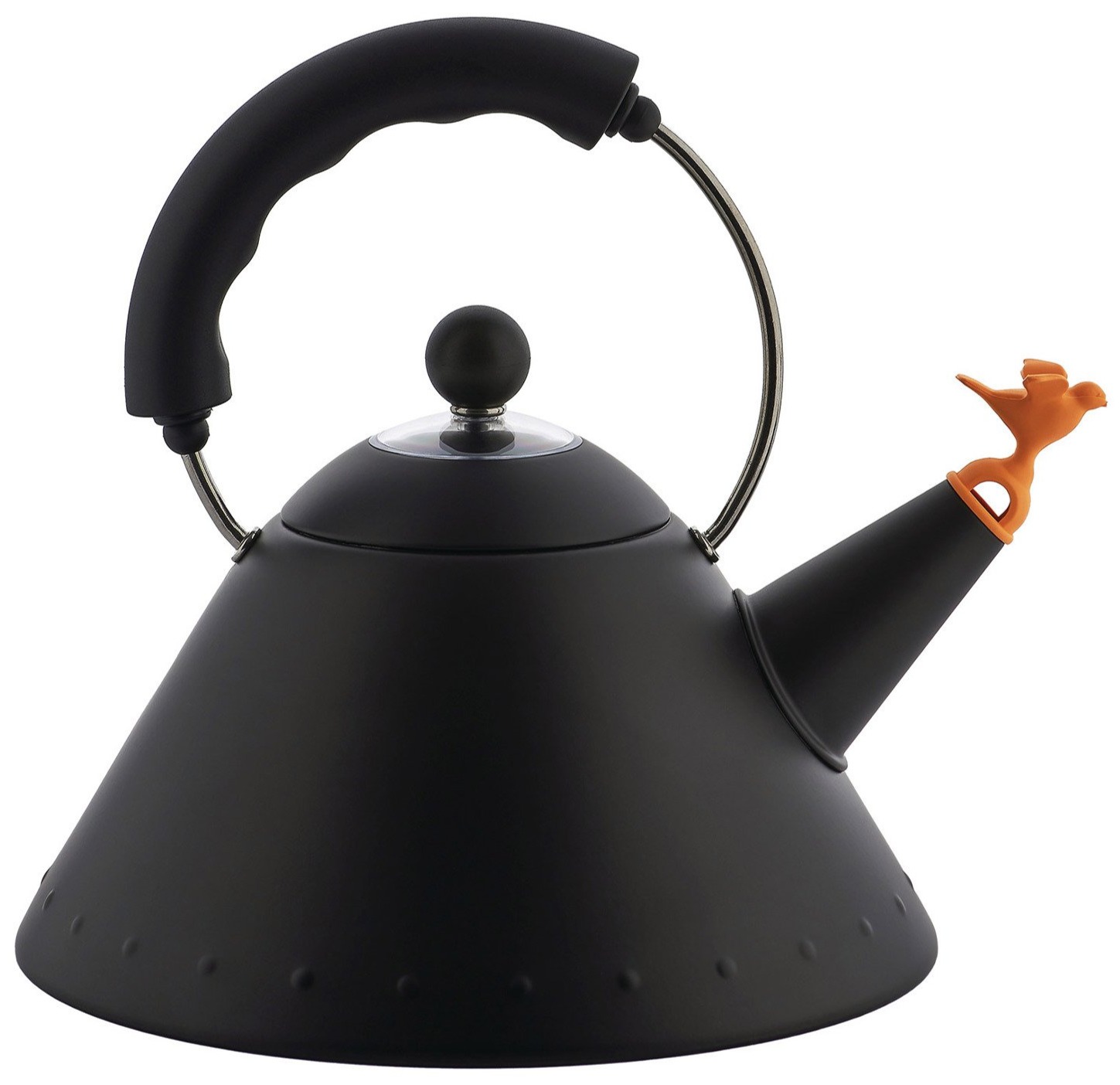
Makers & Rooms — Essay VI The Dream Factory on the Lake For a century, the Alessi family has been making things for the kitchen and the table. Alberto Alessi turned that inheritance into something stranger and more ambitious: a theory of what objects are for, a laboratory for the most original design minds ofContinue reading “Alessi”
What’s So Special About Miriam Makeba
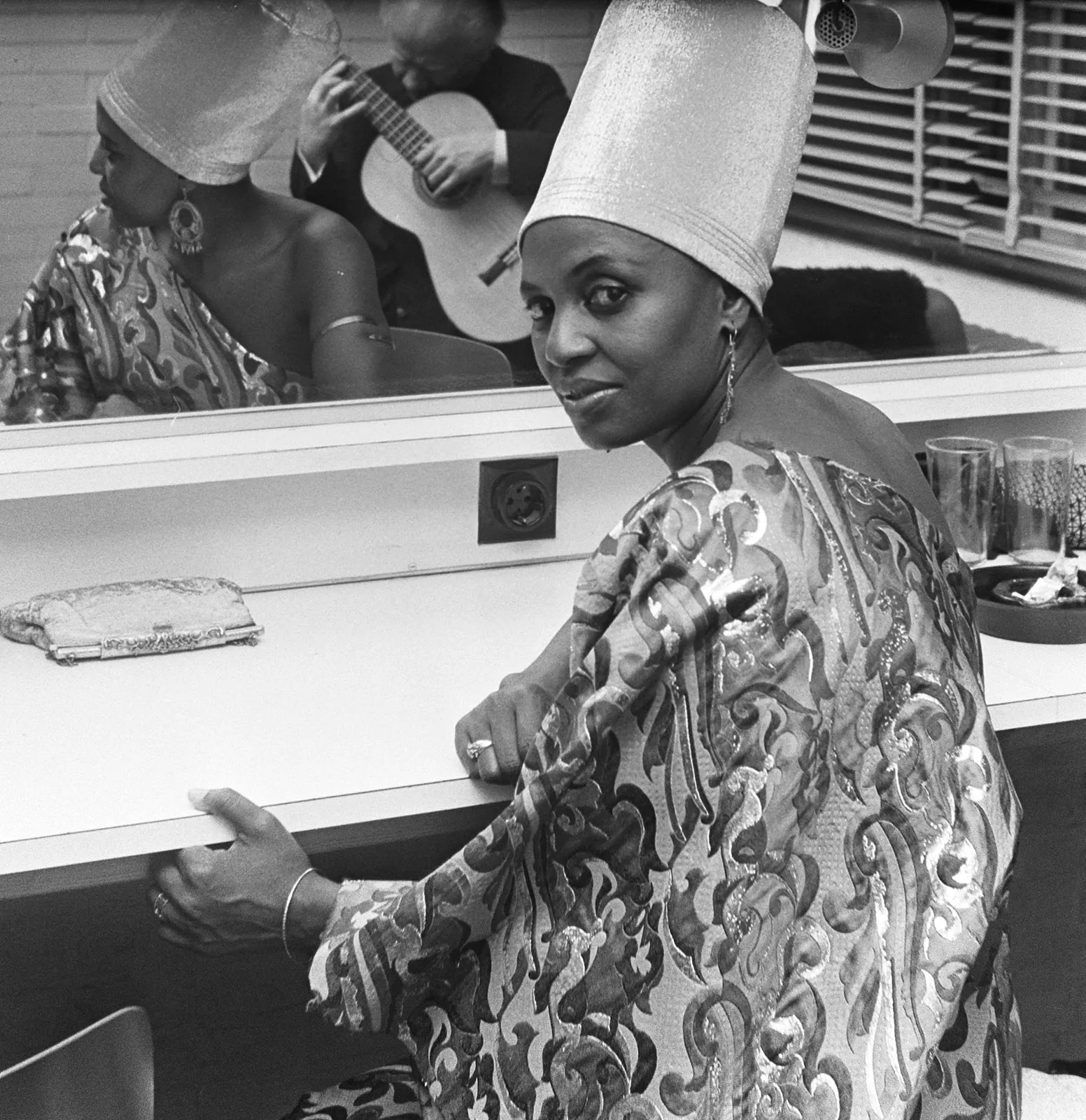
By Bergotte Miriam Makeba was exiled from her country for thirty-one years. She was stripped of her passport, banned from attending her mother’s funeral, and prevented from returning home to South Africa by a government that understood, correctly, that her voice was more dangerous to apartheid than most weapons available to the opposition. She respondedContinue reading “What’s So Special About Miriam Makeba”
The Post-Compliance Generation

I think about this a lot… by Bergotte What Gen Z Gets Right There is an ungenerous and emotionally immature kind of pleasure available to every ageing generation: the discovery that the young are doing everything incorrectly. Their clothes are wrong, their language is absurd, their music is noise, their manners have deteriorated and theirContinue reading “The Post-Compliance Generation”
Why Gen Z Looks So Badly Dressed to Gen X
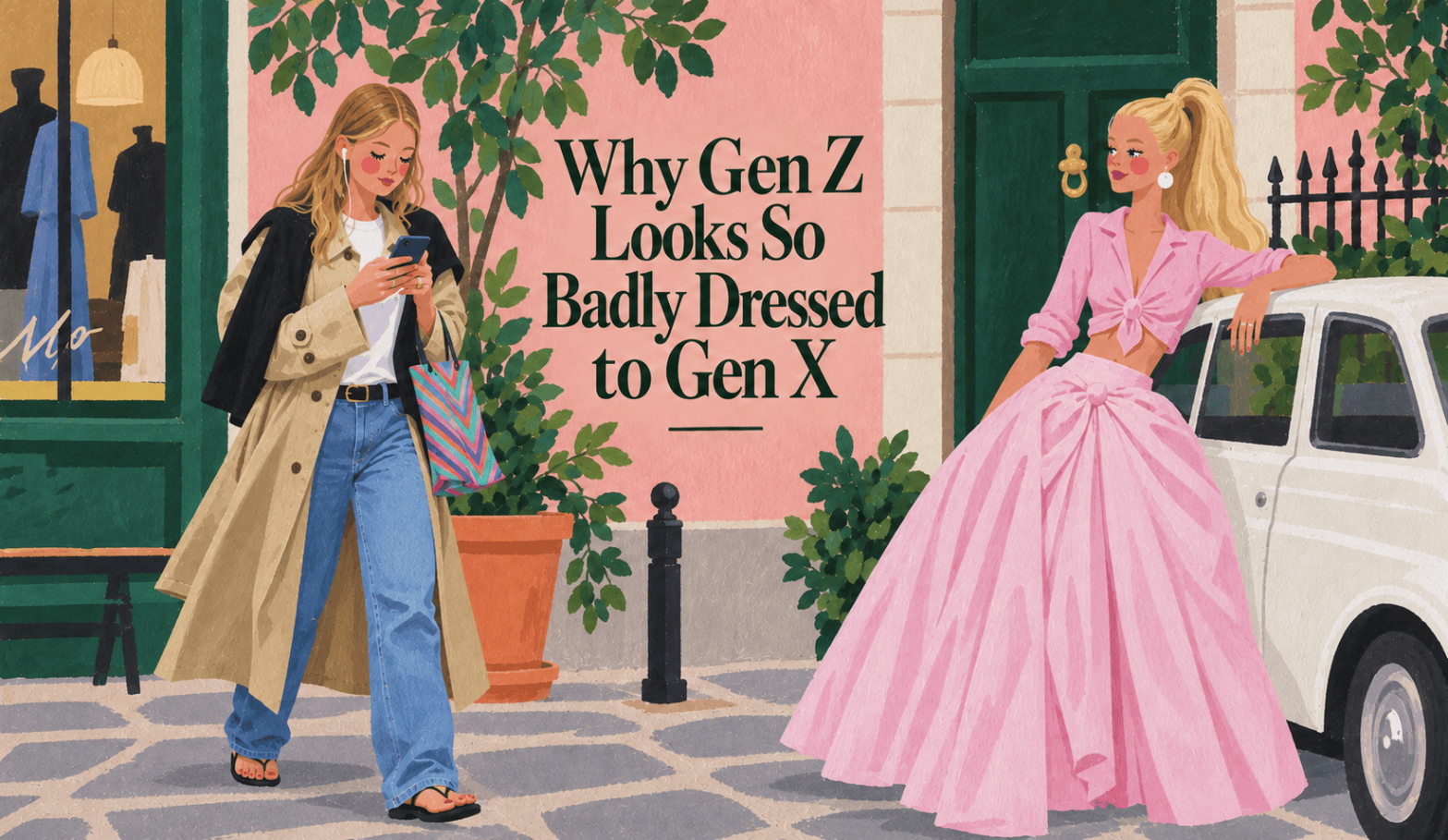
Taste, Technology and What Happened to the Individual Eye I think About This A Lot… by Birgitte Hahn-Etc There comes a point in middle age when one catches oneself looking at a group of twenty-somethings and thinking something one had promised never to think: Why are they all dressed like that? This is treacherous territory.Continue reading “Why Gen Z Looks So Badly Dressed to Gen X”

