
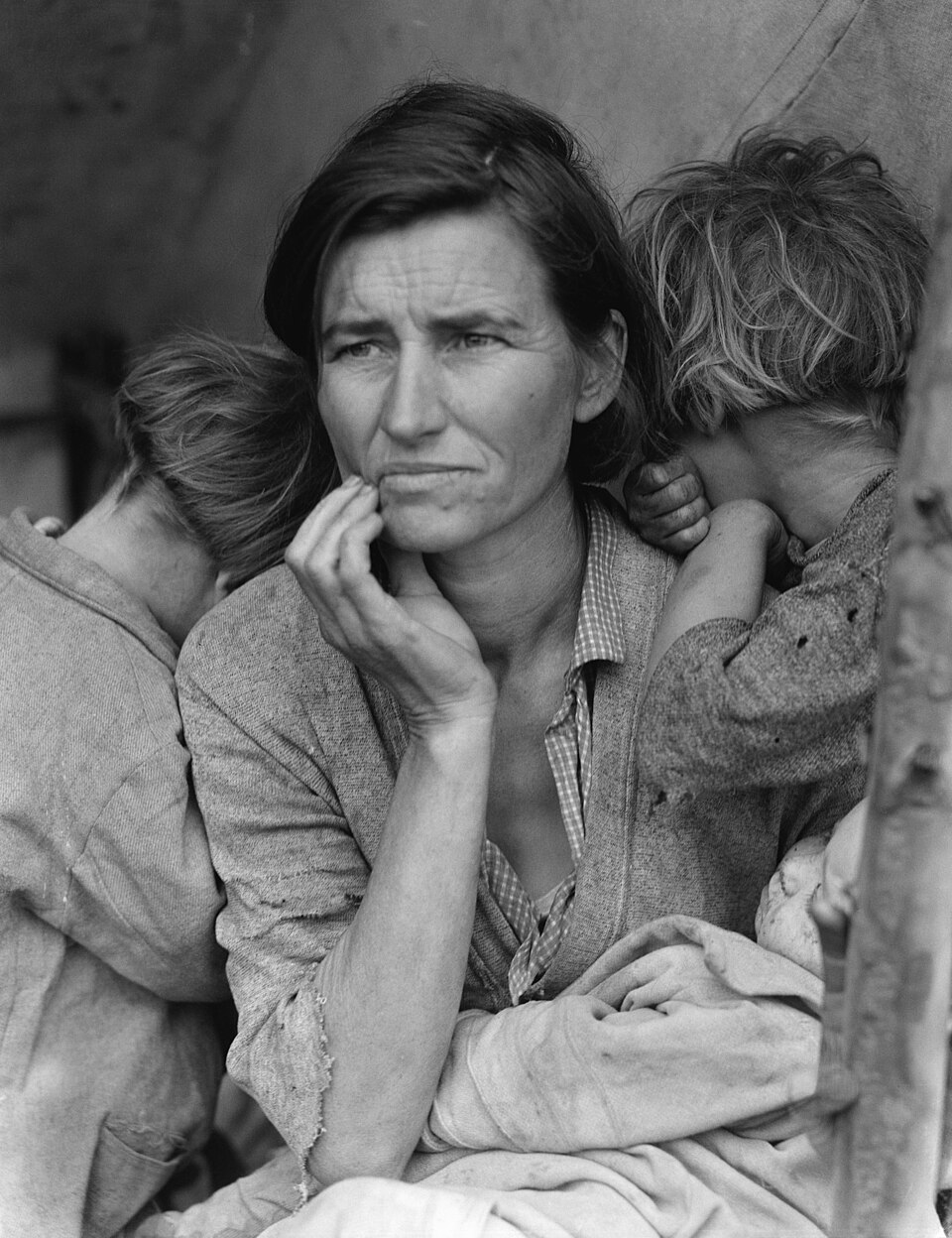
America has always been a country obsessed with images of itself. It is not enough for America to exist; it must be seen existing. It must be staged, framed, printed, reproduced, circulated, believed. From the battlefield photograph to the fashion spread, from the Depression migrant to the moonlit desert, from the civil-rights witness to theContinue reading “The Ten Photographs That Capture the Soul of America”
Category Archives: Blog
The Ten Songs That Capture the Soul of America
America has often sung what it could not admit in speech. Its songs have carried grief before the law recognised suffering, desire before society permitted freedom, rage before politics found language, and longing before the country had earned the ideals it claimed for itself. If the American novel is a courtroom of conscience, and AmericanContinue reading “The Ten Songs That Capture the Soul of America”
The Ten Novels That Capture the Soul of America
America has always been a country unusually dependent on story. Before it became a superpower, before it became a marketplace, before it became a screen onto which the rest of the world projected desire and dread, it was already narrating itself: as wilderness, covenant, republic, frontier, refuge, opportunity, innocence, exception, destiny. No nation has beenContinue reading “The Ten Novels That Capture the Soul of America”
The Ten Films That Capture the Soul of America
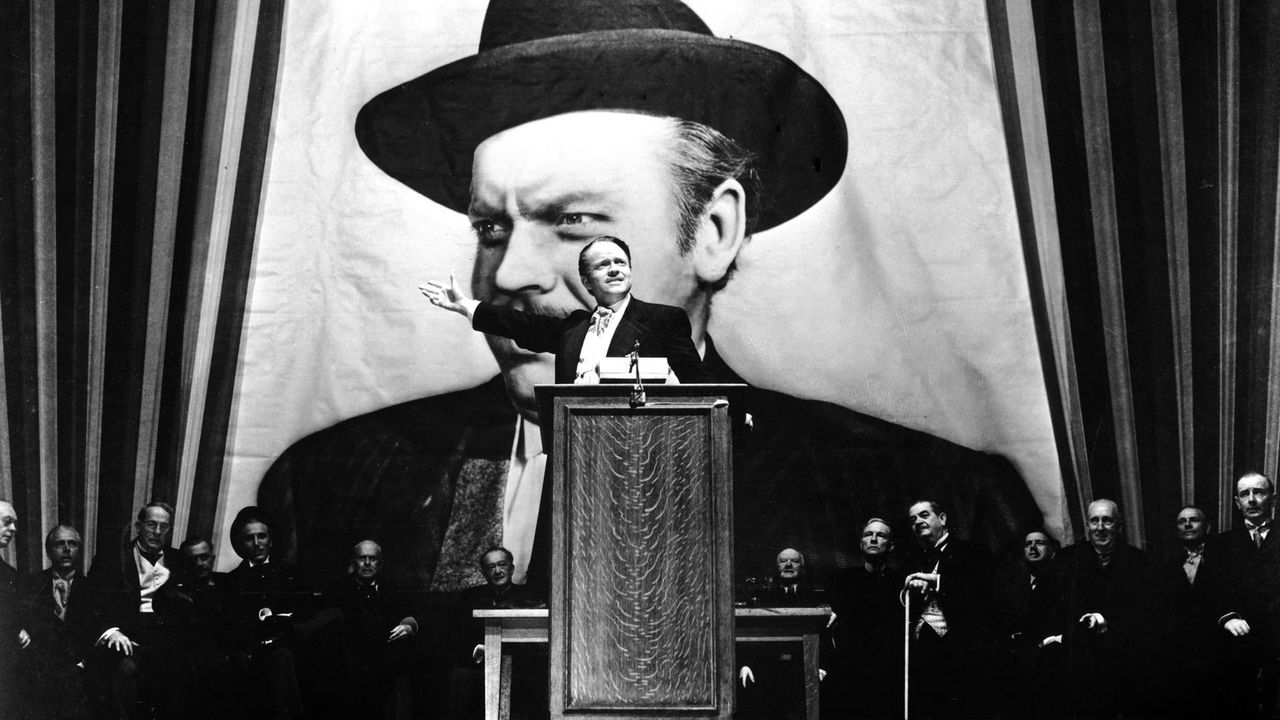
America did not merely invent Hollywood. It invented one of the most persuasive dream machines in human history. More than any other modern art form, cinema allowed America to export itself: its landscapes, faces, appetites, terrors, fantasies, violence, tenderness, vulgarity, idealism and loneliness. The American film is not simply entertainment. At its most revealing, itContinue reading “The Ten Films That Capture the Soul of America”
The Ten Paintings That Capture the Soul of America
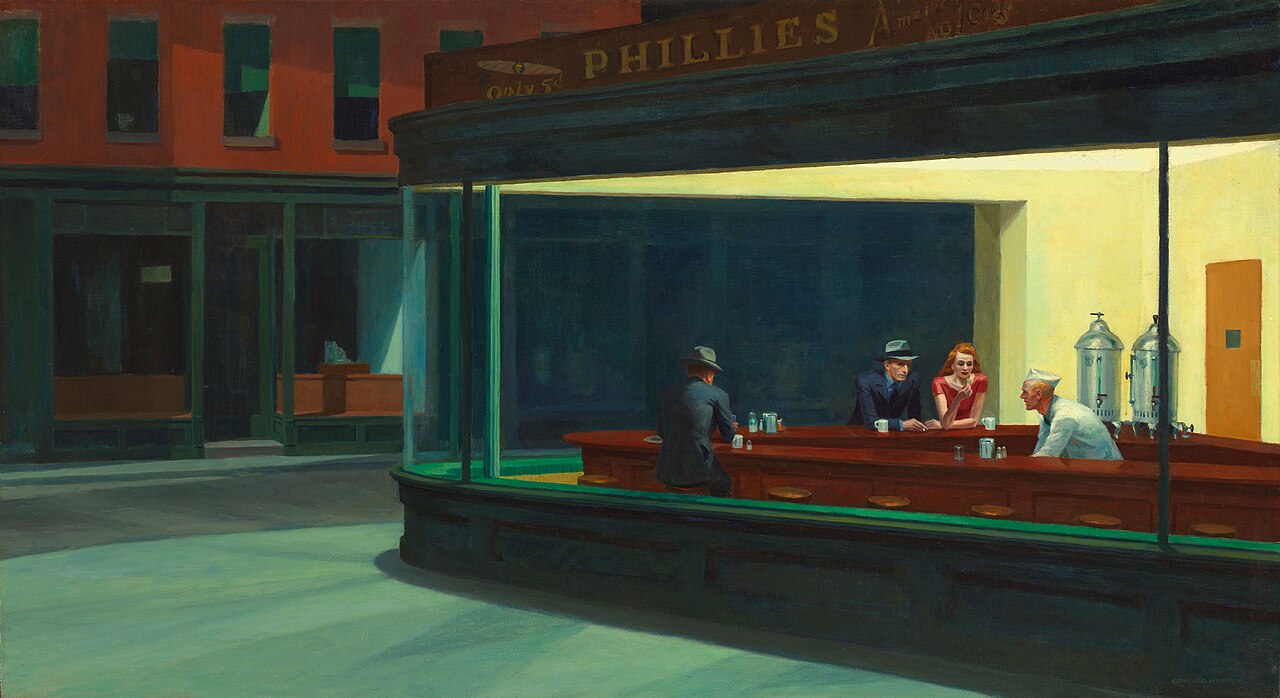
America has often explained itself through words: declarations, amendments, sermons, speeches, songs, campaign slogans, courtroom arguments, advertising copy. But its deeper truths have often appeared first as images. Paintings, unlike political speeches, do not have to pretend to resolve contradiction. They can hold opposites in the same frame: liberty and violence, innocence and denial, lonelinessContinue reading “The Ten Paintings That Capture the Soul of America”
The American Imagination: 100 Groundbreaking Moments in the Arts
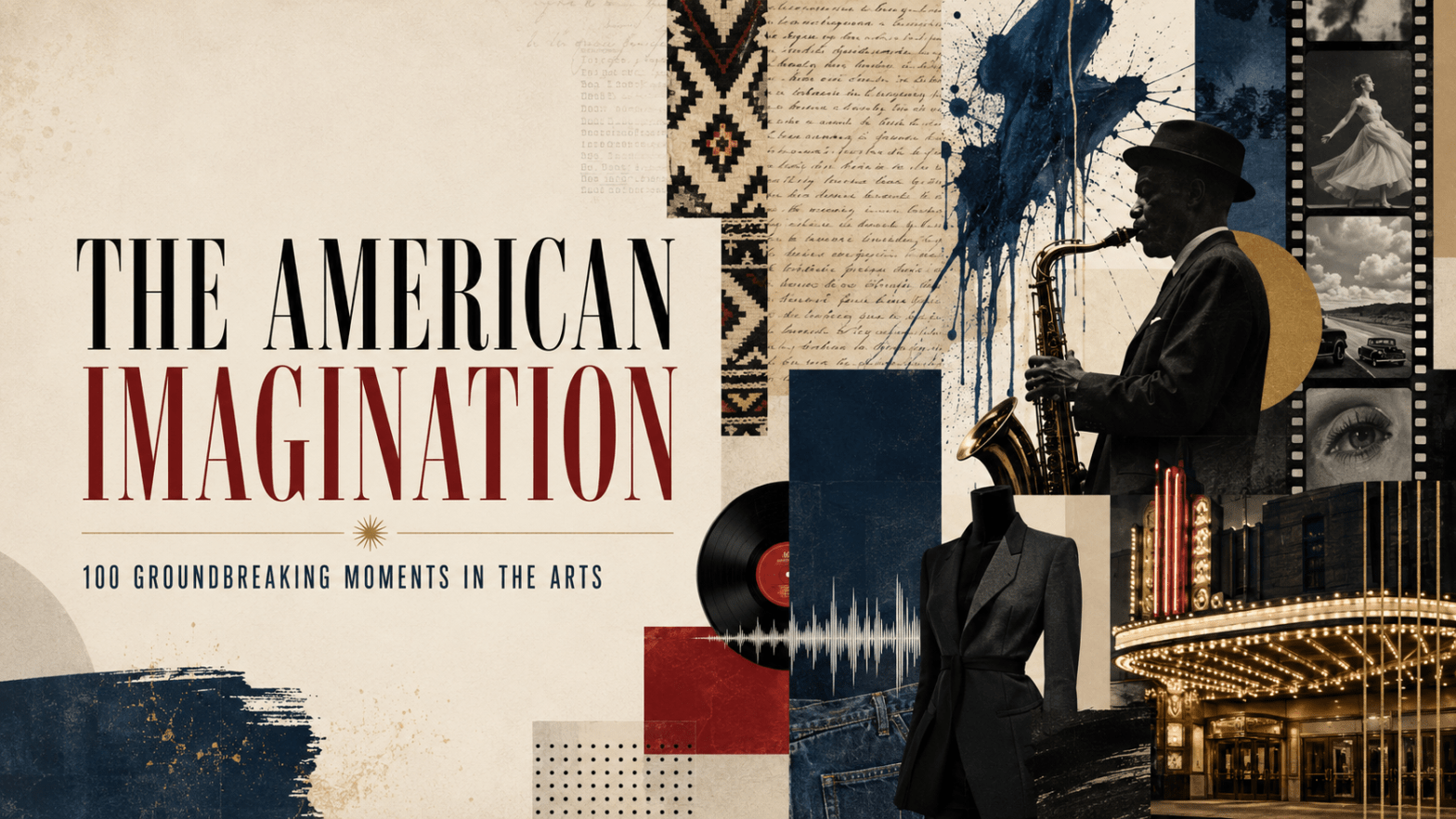
American art has never been a single tradition. It is not one style, one canon, one language, one race, one city, one market, one mythology, or one moral direction. It is a field of struggle: Indigenous geometry and settler expansion, enslaved song and constitutional rhetoric, Puritan severity and surrealist nightmare, Black rhythm and white appropriation,Continue reading “The American Imagination: 100 Groundbreaking Moments in the Arts”
The American Conscience
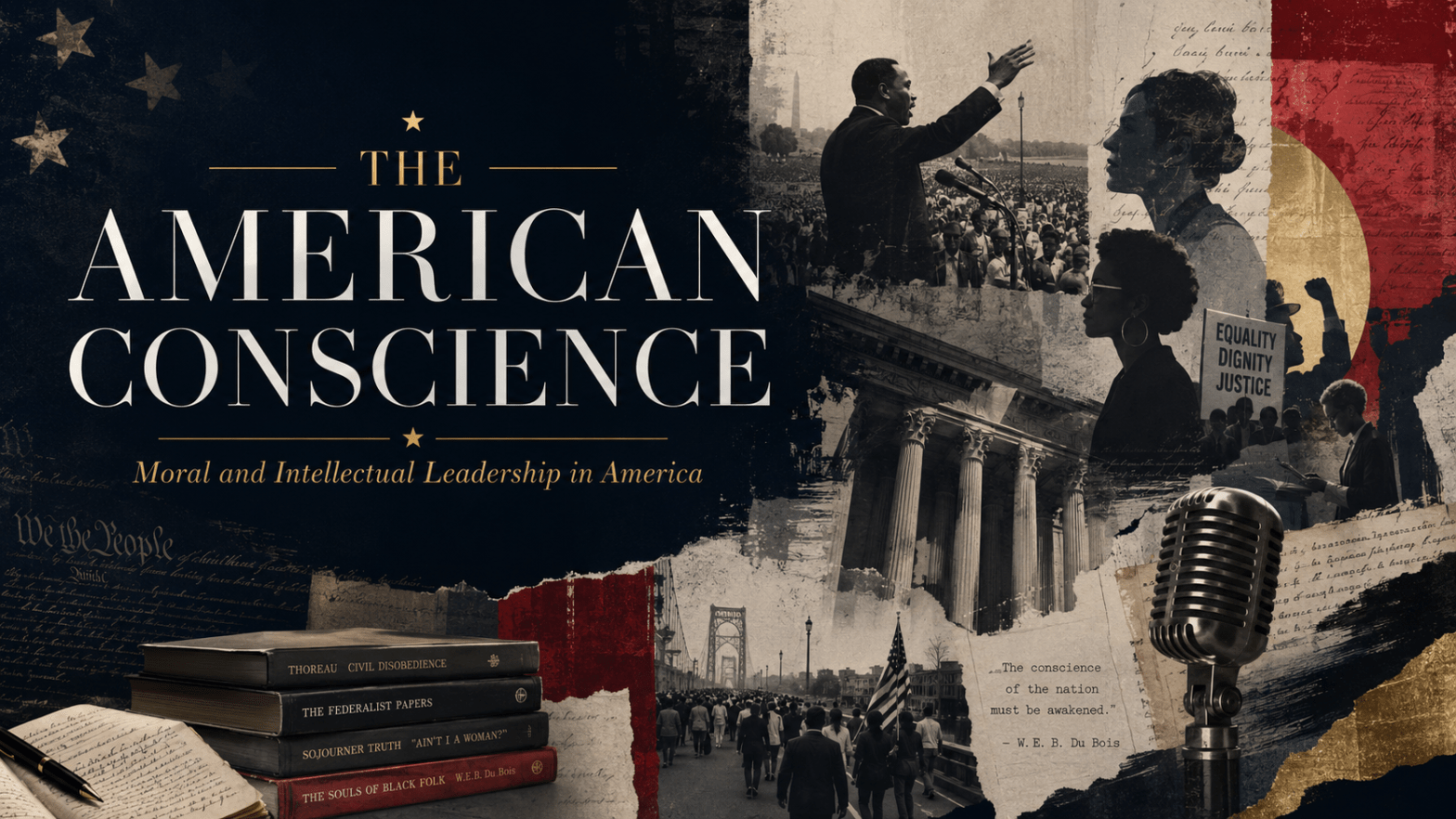
America’s finest leadership has not always come from the White House. Sometimes it has. There have been moments when presidents restrained themselves, widened the law, rebuilt former enemies, defended constitutional order or placed human dignity above immediate popularity. But more often, the moral leadership of America has come from those outside formal power: abolitionists, fugitives,Continue reading “The American Conscience”
Happy Birthday, America — The Best of You Has Always Fought the Worst of You
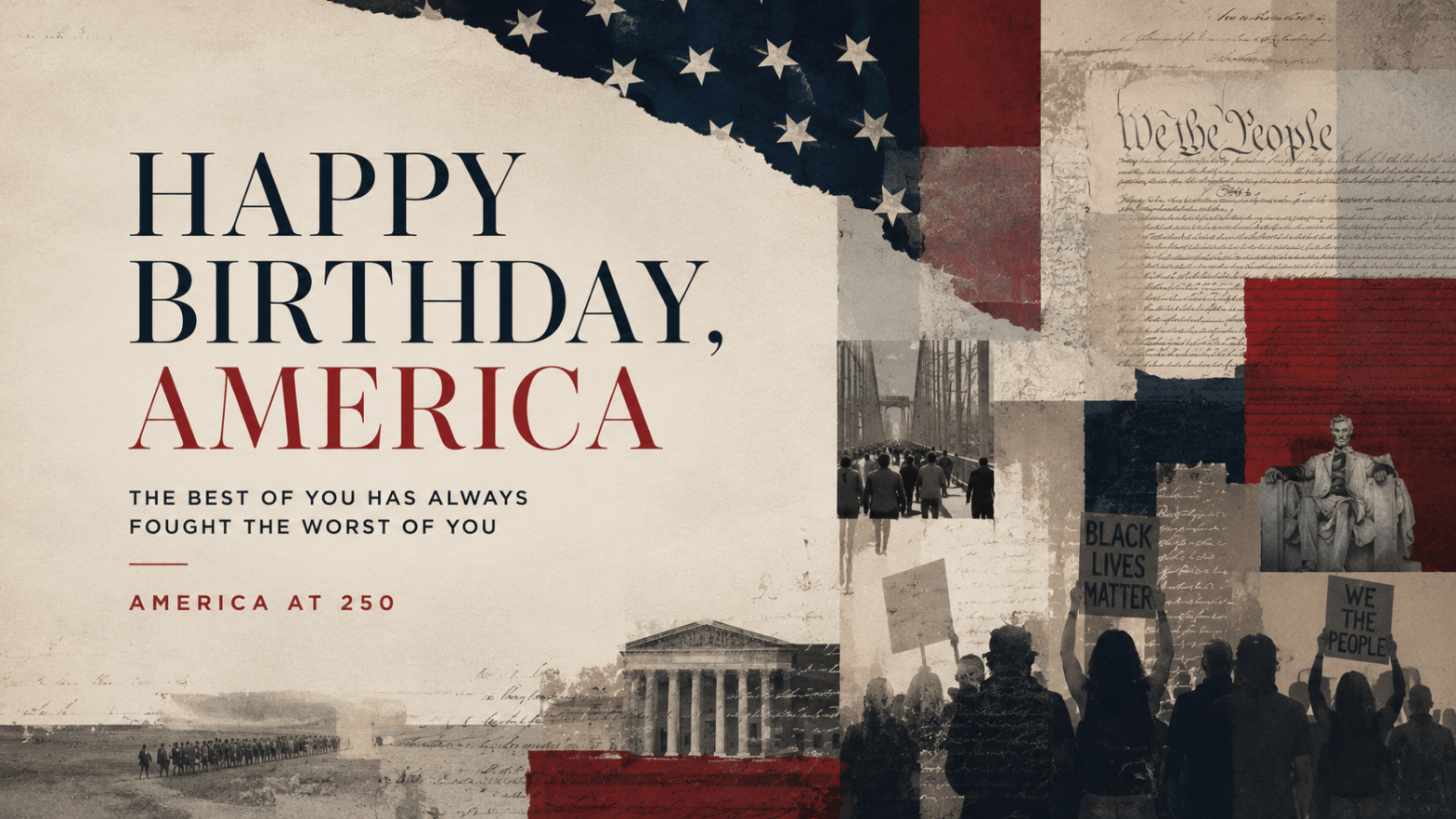
Happy birthday, America — though the words do not come easily this year. On 4 July 2026, the United States marks 250 years since the signing of the Declaration of Independence. Officially, it is a commemoration of the birth of the republic, the semiquincentennial of the moment when thirteen colonies declared themselves no longer subjectsContinue reading “Happy Birthday, America — The Best of You Has Always Fought the Worst of You”
We The People – The United States of America at 250
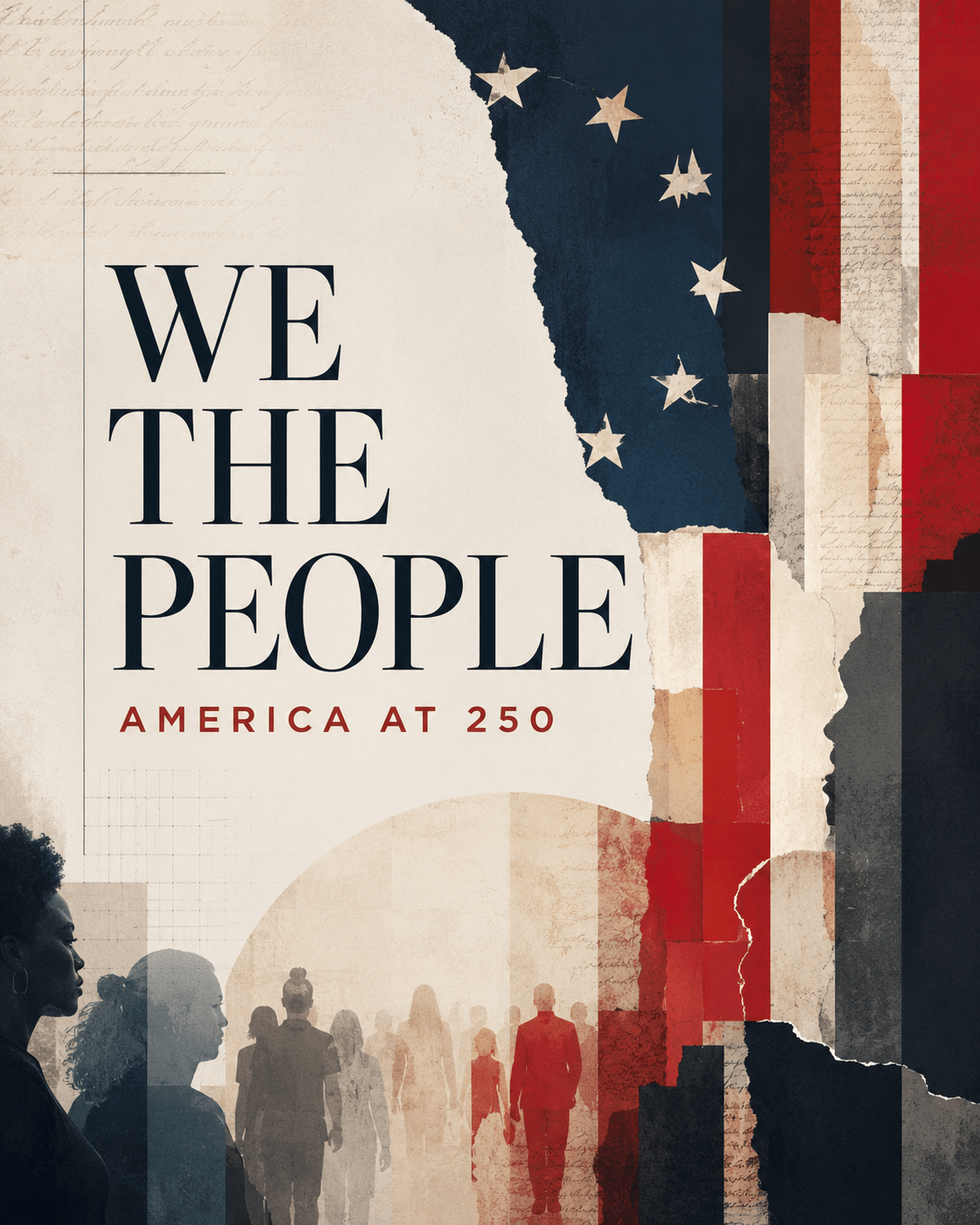
The Unfinished We Today, the United States turns 250 years old. Officially, the occasion marks the semiquincentennial of the signing of the Declaration of Independence, the founding document by which thirteen colonies announced themselves as a nation. But an anniversary is never only a celebration. It is also an interrogation. It asks not merely whatContinue reading “We The People – The United States of America at 250”
The Culture Now: Lebanon

A country that keeps rebuilding its culture before it finishes rebuilding anything else There is a version of Beirut that exists mostly in retrospect — golden light, café terraces, a cosmopolitan capital briefly nicknamed the Switzerland of the Middle East. That version keeps reappearing in the culture discussed below, not as nostalgia exactly, but asContinue reading “The Culture Now: Lebanon”

