Category: Biography
-
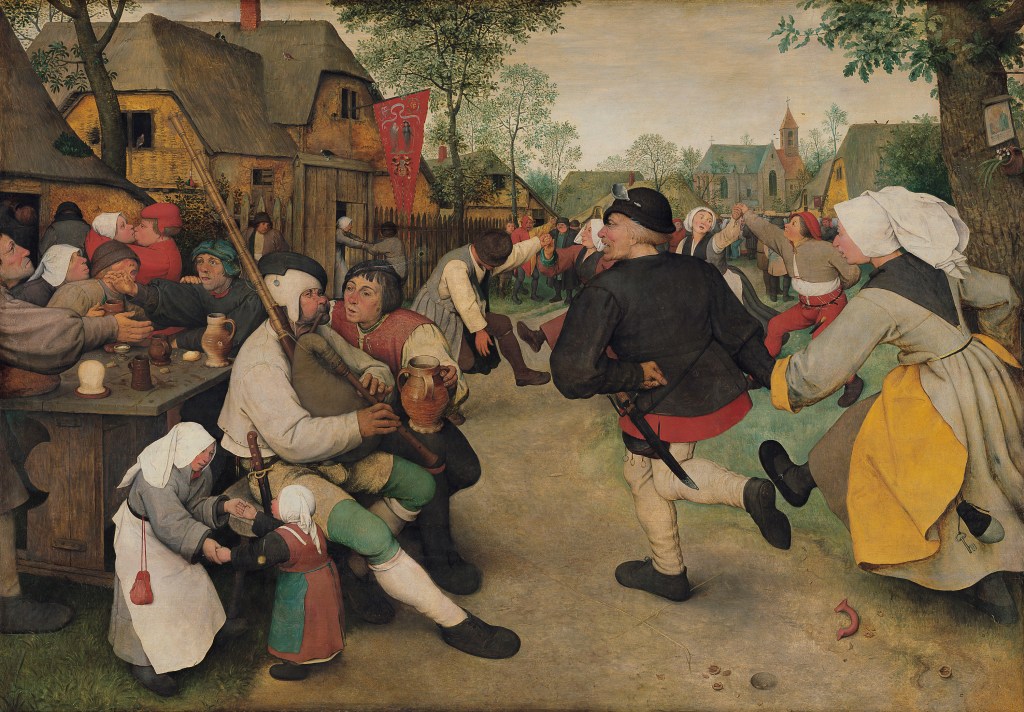
Pieter Bruegel the Elder
Everyone, All at Once Pieter Bruegel the Elder painted crowds, seasons, proverbs, and catastrophes. He was the first painter to look at ordinary people and decide that their lives were the whole subject. Five centuries later, no one has done it better. In the lower right corner of a painting completed around 1558, a pair…
-
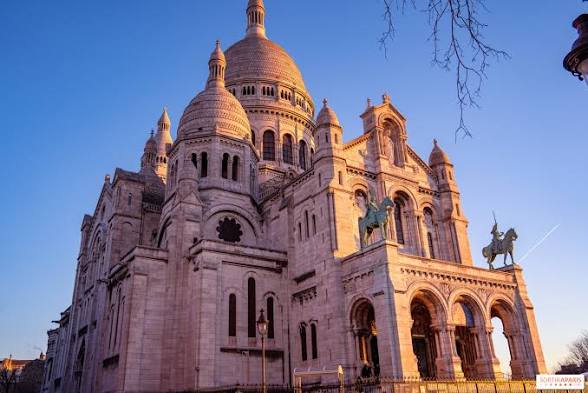
Sacré-Cœur: Faith, Politics and a Night Above Paris
Sacré-Cœur occupies an unusual place in the imagination of Paris. Its white domes are immediately recognisable, yet the familiarity of the silhouette can obscure the complexity of the building beneath it. Above Montmartre’s streets, the basilica brings together religious devotion, nineteenth-century political conflict and an architecture designed to make belief visible across a city. Its…
-
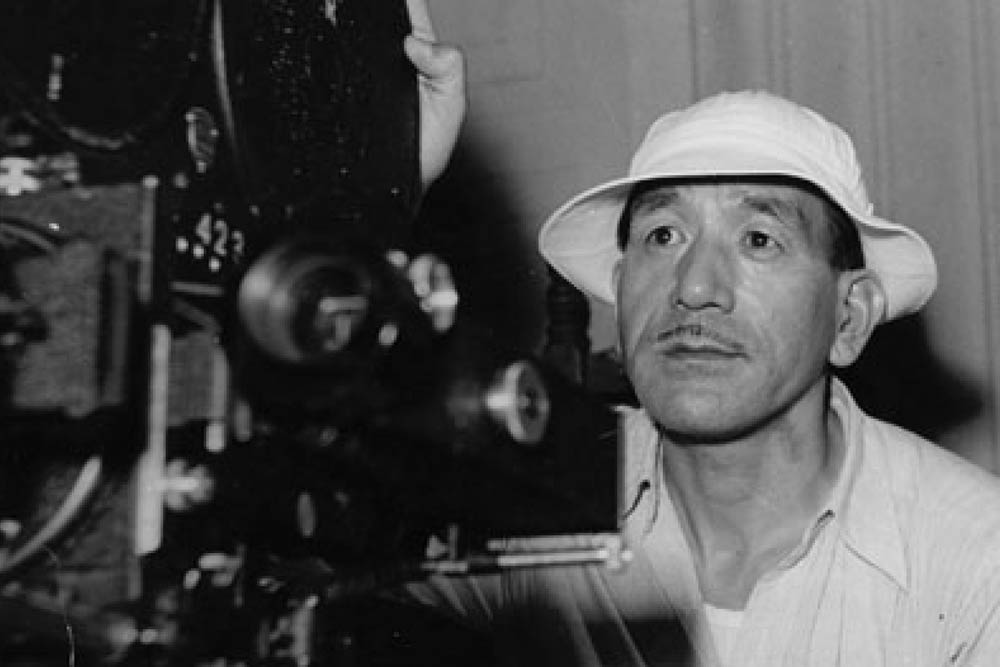
The Reel Argument: Yasujirō Ozu
Yasujirō Ozu made films about the same thing for forty years — the Japanese family, its dissolution, the grief of parents watching children leave, the quiet devastation of time — and he made them with a formal consistency so extreme that critics spent decades arguing about whether it was a limitation or an achievement, before…
-
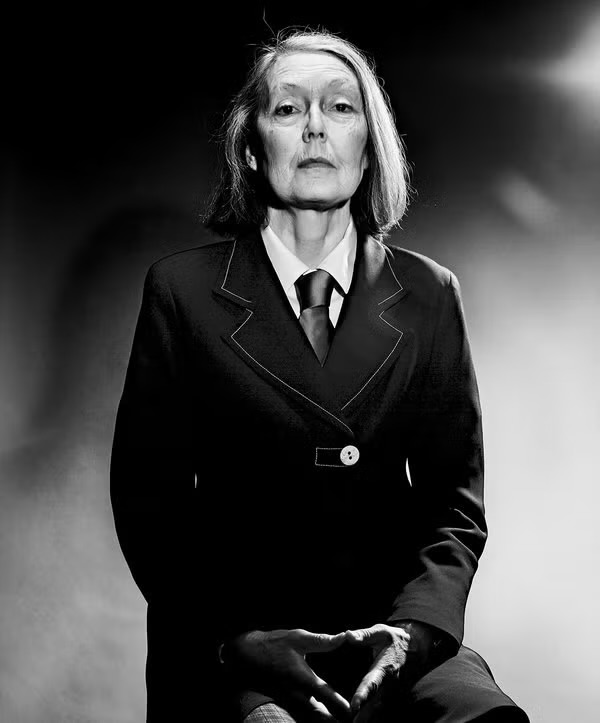
Anne Carson: The Intelligence of Desire
The 2026 Nobel laureate has brought classical scholarship, poetry and the essay into a sustained inquiry into desire, grief and the limits of knowledge. Her achievement changes how we understand the relationship between intellectual life and emotional experience. The award of the 2026 Nobel Prize in Literature to Anne Carson, announced on 8 October, recognises…
-
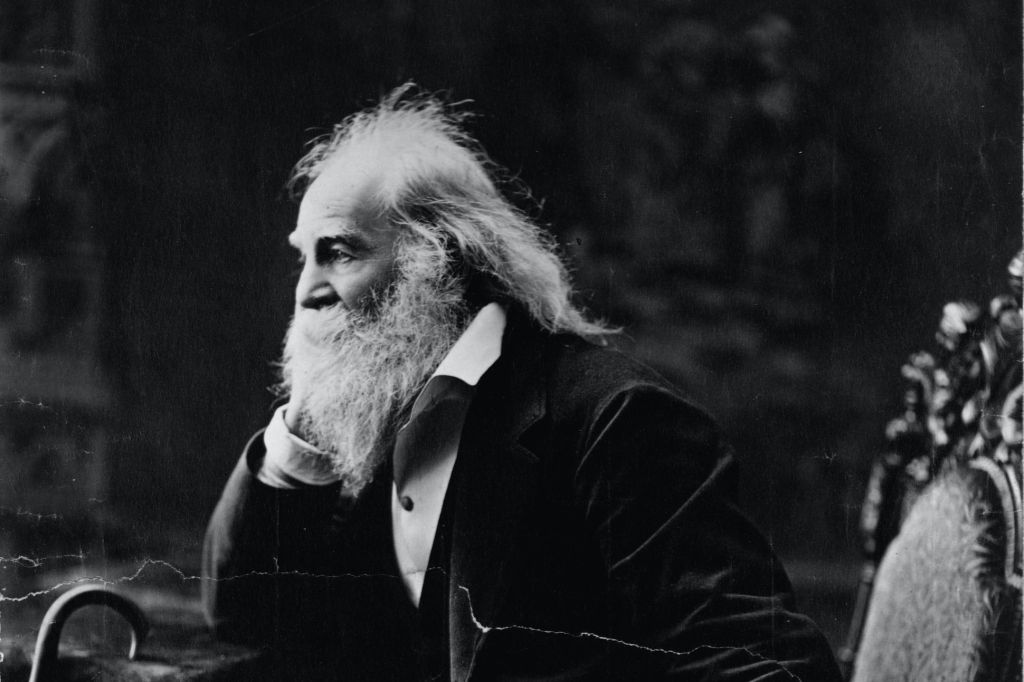
The Human Condition According to Walt Whitman
By Bergotte Walt Whitman’s answer to the human condition is the most audacious in all of literature: yes. Not the qualified yes of the philosopher who has weighed the evidence, not the fragile yes of the survivor who has come through suffering and found something on the other side, but the absolute, prior, unconditional yes…
-
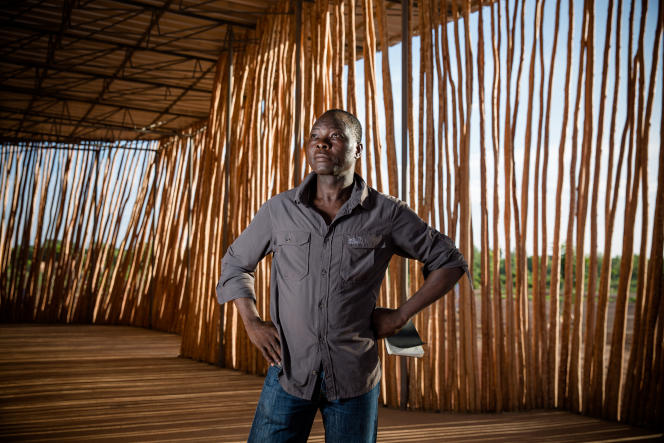
Diébédo Francis Kéré: Building With the Village
Diébédo Francis Kéré grew up in a village in Burkina Faso with no electricity and no school. He went to Berlin on a scholarship, became an architect, and came back to build one. What he discovered in that act — about materials, about community, about what architecture is actually for — has been reshaping the…
-
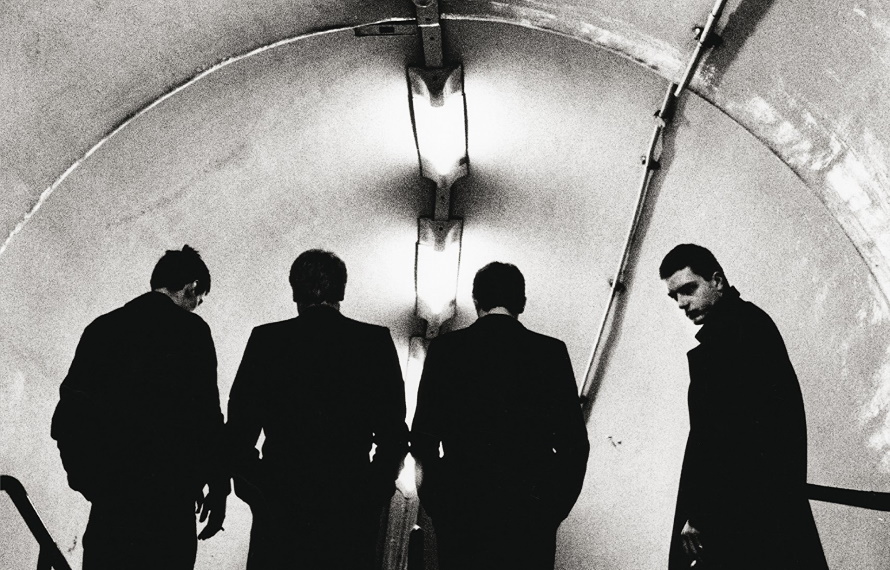
What’s So Special About Joy Division
By Bergotte Joy Division made two studio albums and a handful of singles between 1978 and 1980, and their singer Ian Curtis hanged himself in his kitchen in Macclesfield on the eve of the band’s first American tour, at the age of twenty-three. It would be easy — it has been easy, for forty years…
-
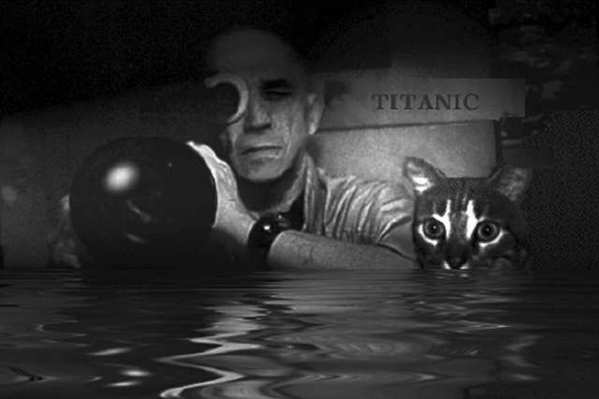
The Reel Argument: Chris Marker
By Bergotte Chris Marker made films about memory the way a philosopher makes arguments — with total rigour and total freedom simultaneously, following thought wherever it led without the obligation to arrive anywhere comfortable. He is the most intellectually radical filmmaker in the history of the medium and also, paradoxically, one of the most personal,…
-
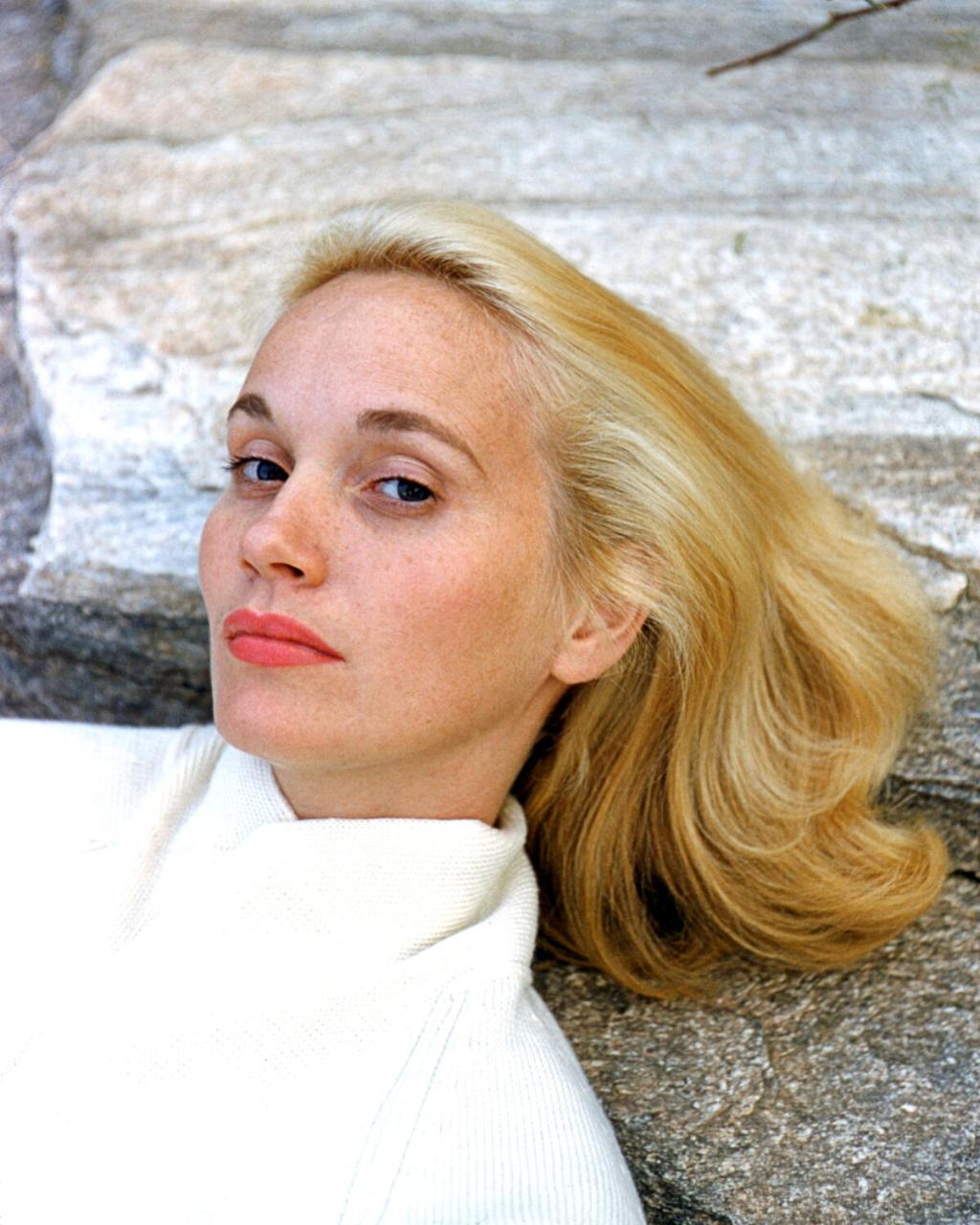
Eva Marie Saint, 1924–2026: The Intelligence of Grace
Eva Marie Saint belonged to that rare category of actor whose place in cinema history could have been secured by two performances alone. As Edie Doyle in Elia Kazan’s On the Waterfront in 1954, she brought moral clarity and emotional delicacy to one of the defining films of post-war American cinema. Five years later, as…
-
The Human Condition According to Ernest Hemingway
By Bergotte Where Fitzgerald reached for the green light, Hemingway turned away from it. His response to the same historical moment — the same lost generation, the same aftermath of a war that had destroyed the language of heroism and left nothing official in its place — was the opposite of enchantment: a radical stripping…

