Category: Biography
-
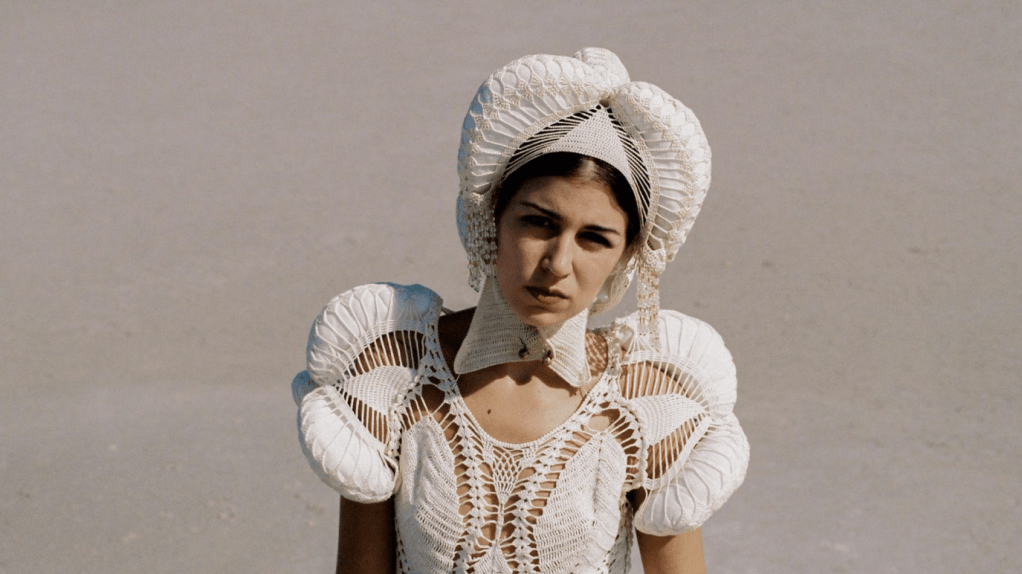
MARINA HERLOP: MUSIC THAT REFUSES TO BECOME CONTENT
With Dja Dja, released on 9 October 2026, Catalan composer Marina Herlop has produced one of the year’s most adventurous albums: a dazzling, occasionally bewildering collision of classical composition, experimental electronics, invented languages and Balinese gamelan. Three years in the making, it arrives with an unusually pointed argument about the state of contemporary music. At…
-
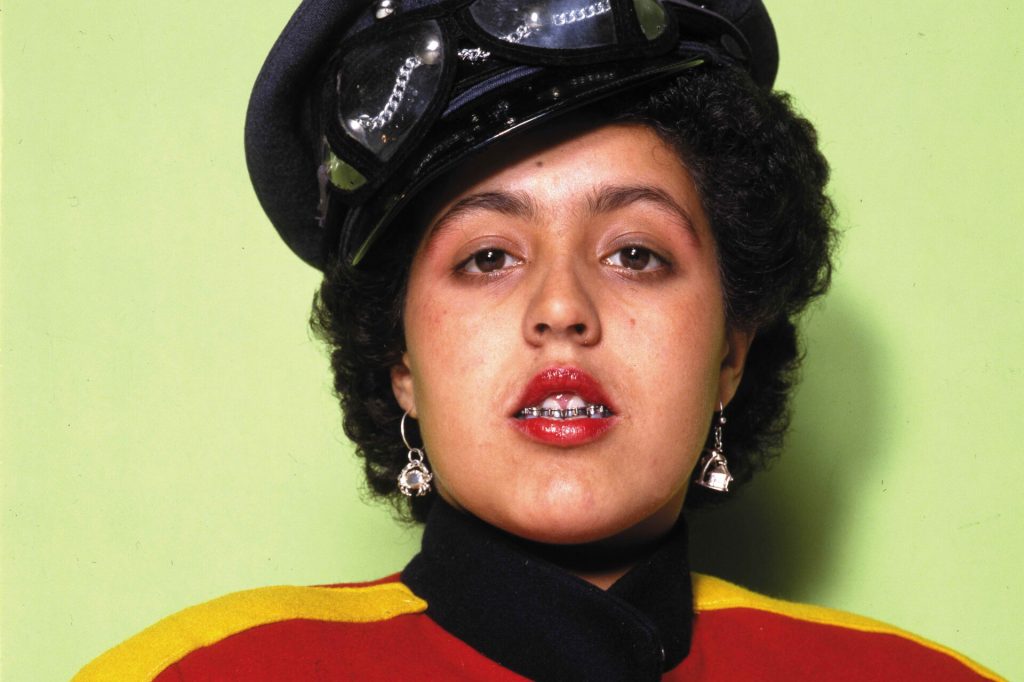
GOD SAVE THE QUEENS: THE WOMEN WHO INVENTED PUNK’S FUTURE
Fifty years after punk erupted into British cultural life, a landmark exhibition at London’s Museum of Youth Culture challenges one of popular music’s most persistent historical distortions. Through previously unseen archives, photography, fashion and fine art, God Save the Queens restores the women who shaped punk to their rightful place: not at the margins of…
-
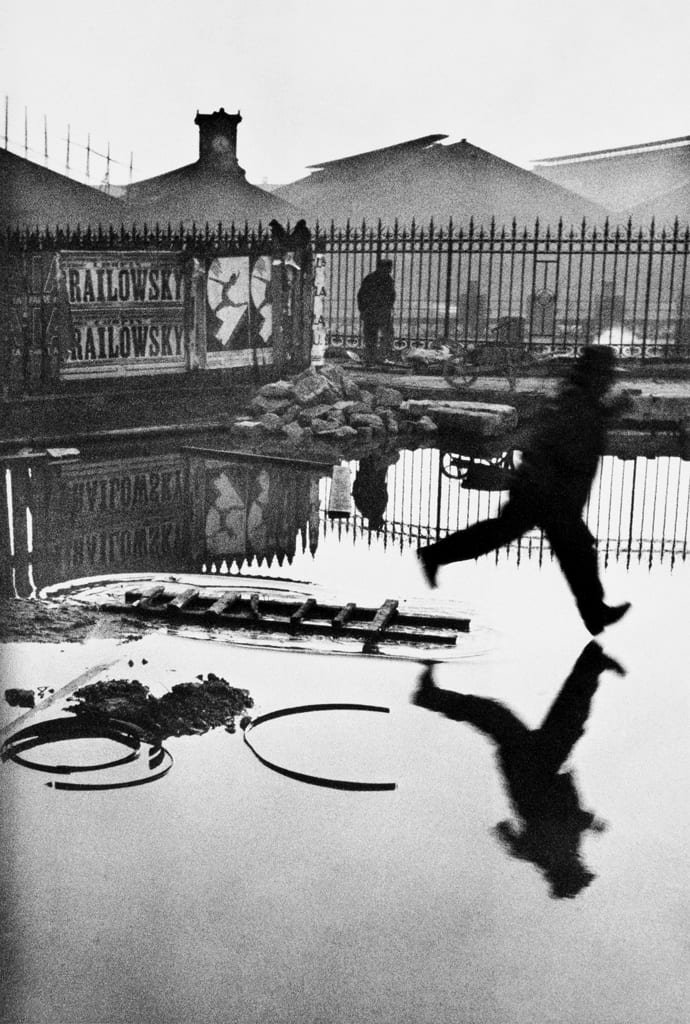
Henri Cartier-Bresson
The Geometry of the Instant Henri Cartier-Bresson invented a way of seeing so complete that it became the unconscious grammar of photography itself. Then, quietly, he put down the camera and went back to drawing. He had always said it was a sketchbook, not a vocation. He meant it. Behind the Gare Saint-Lazare in Paris,…
-
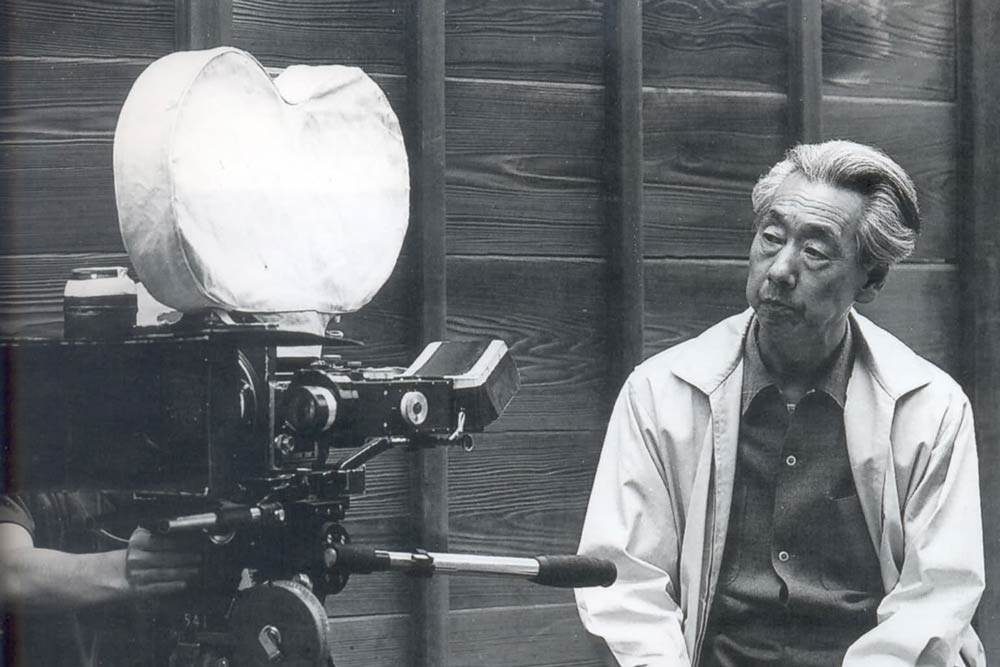
The Reel Argument: Kenji Mizoguchi
Kenji Mizoguchi made films about women being destroyed by the world, and he made them with a camera that moves like a conscience — slowly, continuously, unable to look away. He is the greatest filmmaker Japan has produced on the subject of female suffering, which is to say he is the greatest filmmaker Japan has…
-
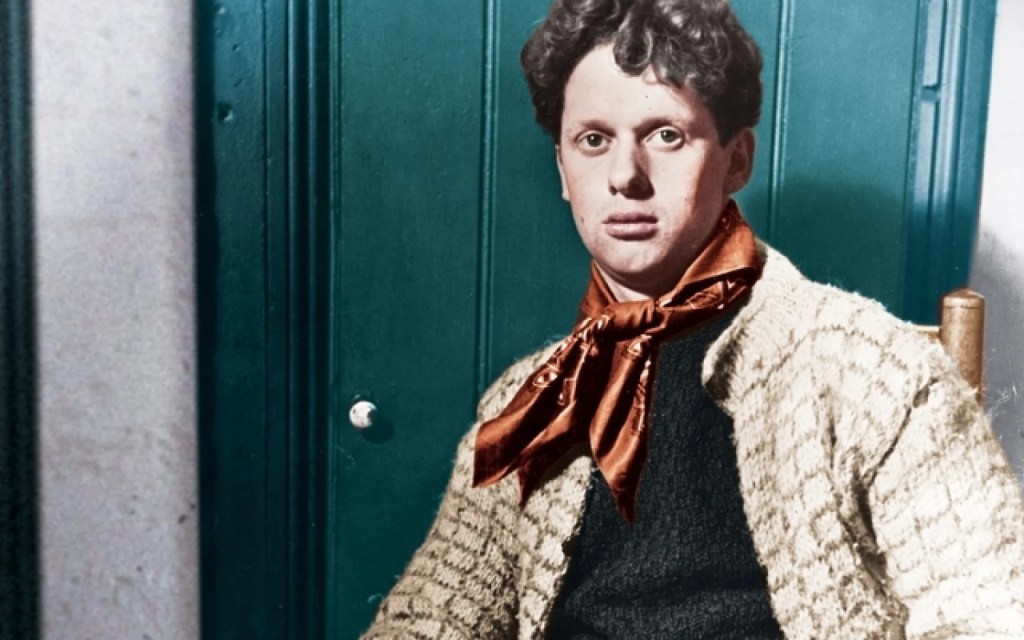
The Human Condition According to Dylan Thomas
Dylan Thomas believed that language was not the instrument through which experience was described but the medium in which it was created — that the poem did not report on the world but summoned it, called it into existence through the sheer incantatory force of sound and rhythm and the collision of unexpected words. This…
-
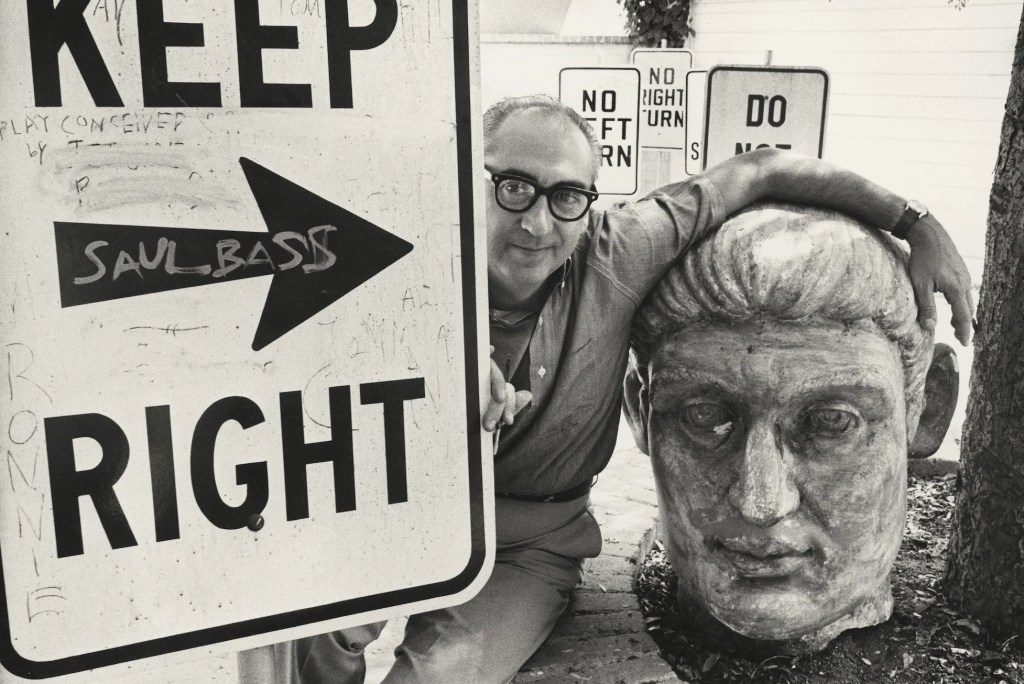
Saul Bass & The Seventy Seconds That Changed Everything
Saul Bass did not invent the film title sequence. He did something more consequential: he convinced Hollywood that the audience’s first minute and a half was not dead time to be tolerated but a work of art to be made. Everything that followed — in cinema, in corporate identity, in the visual culture of the…
-
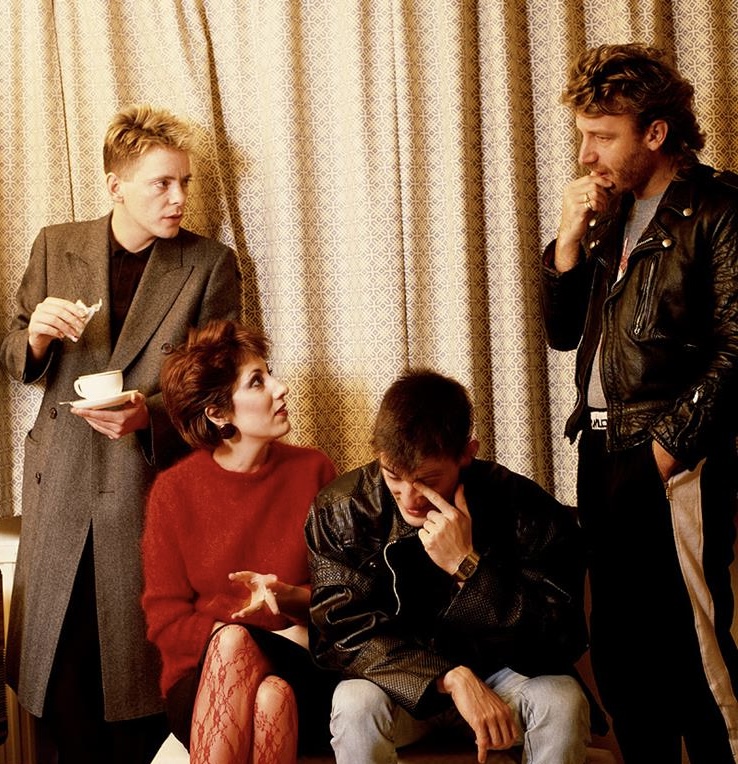
What’s So Special About New Order
New Order made the most unlikely record in the history of popular music. Three people whose previous band had defined the outer limits of post-industrial English despair, whose singer had hanged himself eight months before the recording sessions began, whose entire artistic identity had been built on darkness and weight and the refusal of consolation…
-
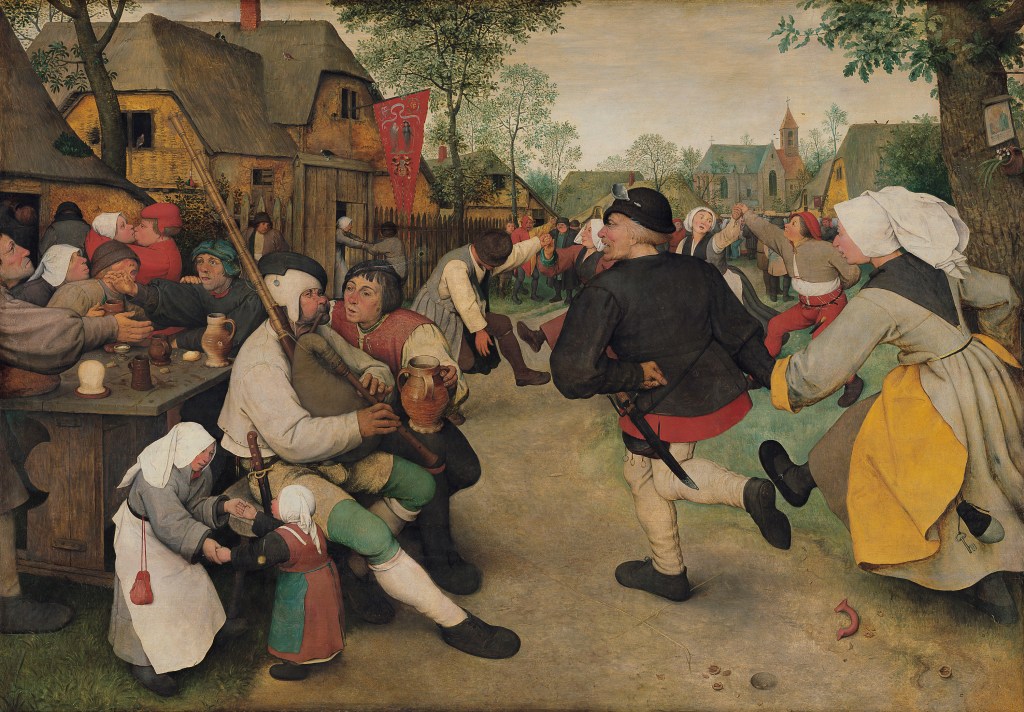
Pieter Bruegel the Elder
Everyone, All at Once Pieter Bruegel the Elder painted crowds, seasons, proverbs, and catastrophes. He was the first painter to look at ordinary people and decide that their lives were the whole subject. Five centuries later, no one has done it better. In the lower right corner of a painting completed around 1558, a pair…
-
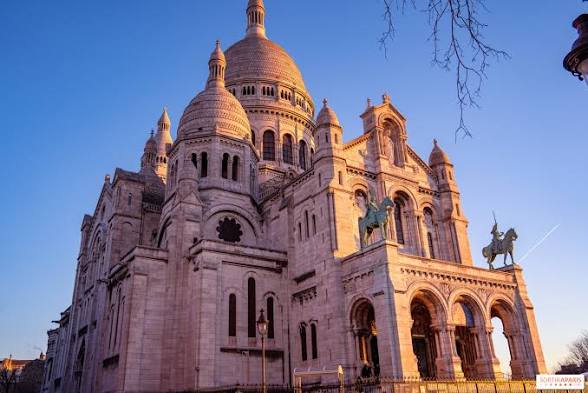
Sacré-Cœur: Faith, Politics and a Night Above Paris
Sacré-Cœur occupies an unusual place in the imagination of Paris. Its white domes are immediately recognisable, yet the familiarity of the silhouette can obscure the complexity of the building beneath it. Above Montmartre’s streets, the basilica brings together religious devotion, nineteenth-century political conflict and an architecture designed to make belief visible across a city. Its…
-
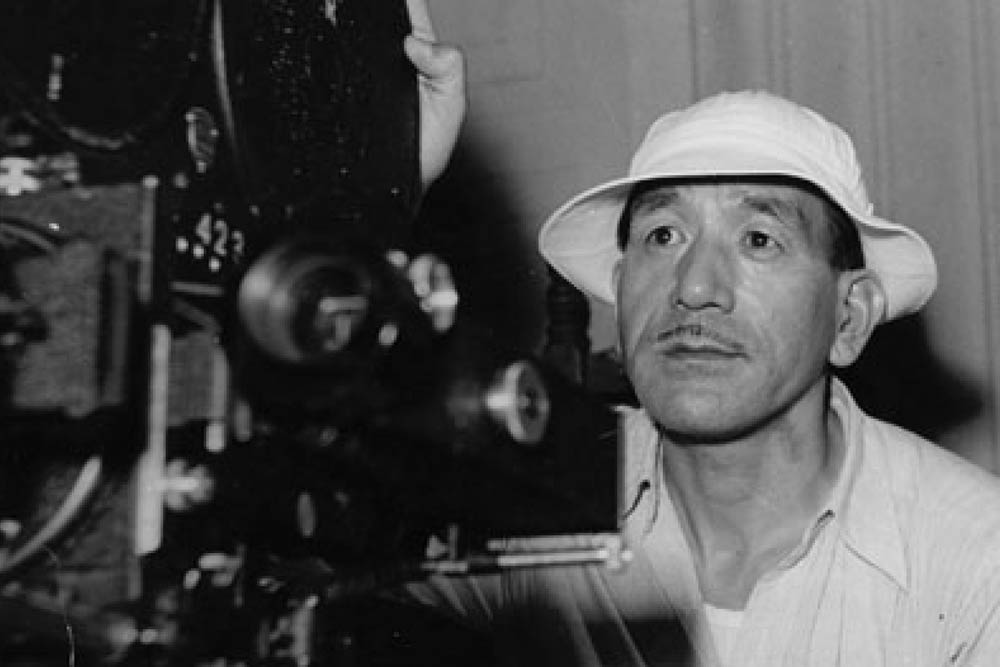
The Reel Argument: Yasujirō Ozu
Yasujirō Ozu made films about the same thing for forty years — the Japanese family, its dissolution, the grief of parents watching children leave, the quiet devastation of time — and he made them with a formal consistency so extreme that critics spent decades arguing about whether it was a limitation or an achievement, before…
