Author: My World of Interiors
-
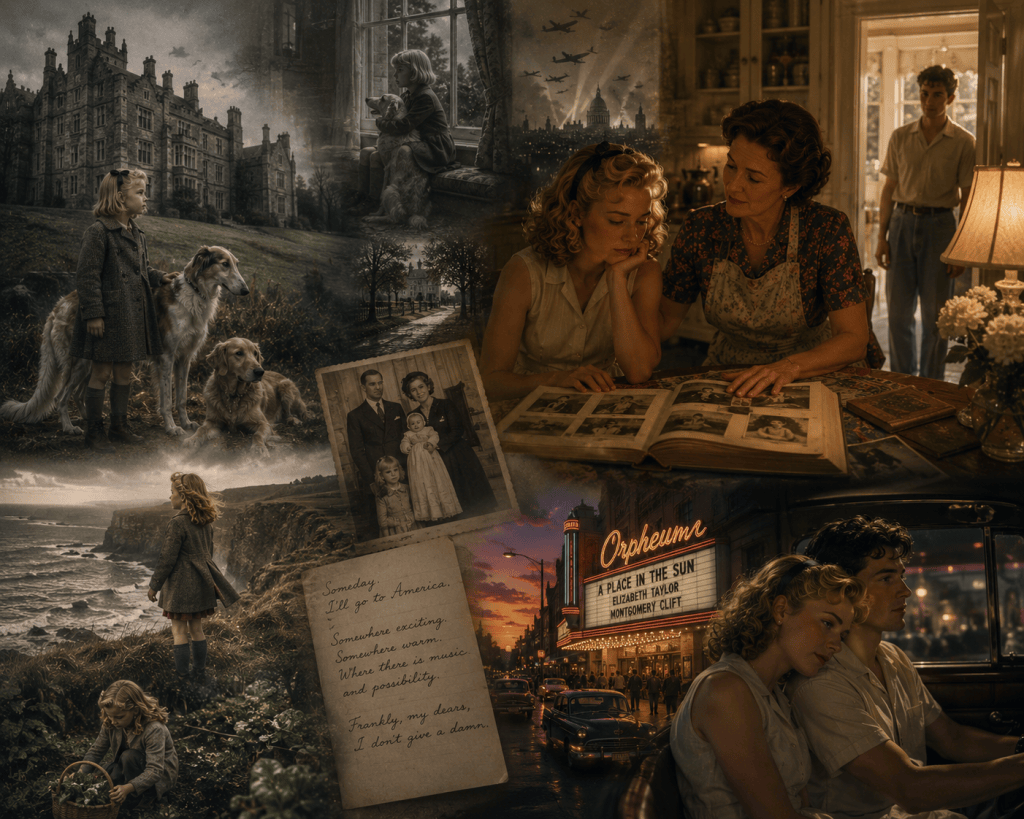
Chapter 17: Out of the Cradle Endlessly Rocking
“I don’t remember my life before America anymore. Not really,” I tell Miss Mary. “But dearheart,” she says, “you are still so young.” She thinks for a moment while I look down, trying to summon it, but it doesn’t come. Miss Mary has an idea and fetches an old photo album from the library. “Let’s…
-

What We Lose When We Love: The Way We Were and the Myth of the Perfect Compromise
It was sold as a love story. It was actually an argument about America — about politics, memory, and the terrible cost of choosing comfort over conviction. By Bergotte There is a moment near the end of The Way We Were, Sydney Pollack’s 1973 film, that has lodged itself in the cultural memory with a…
-
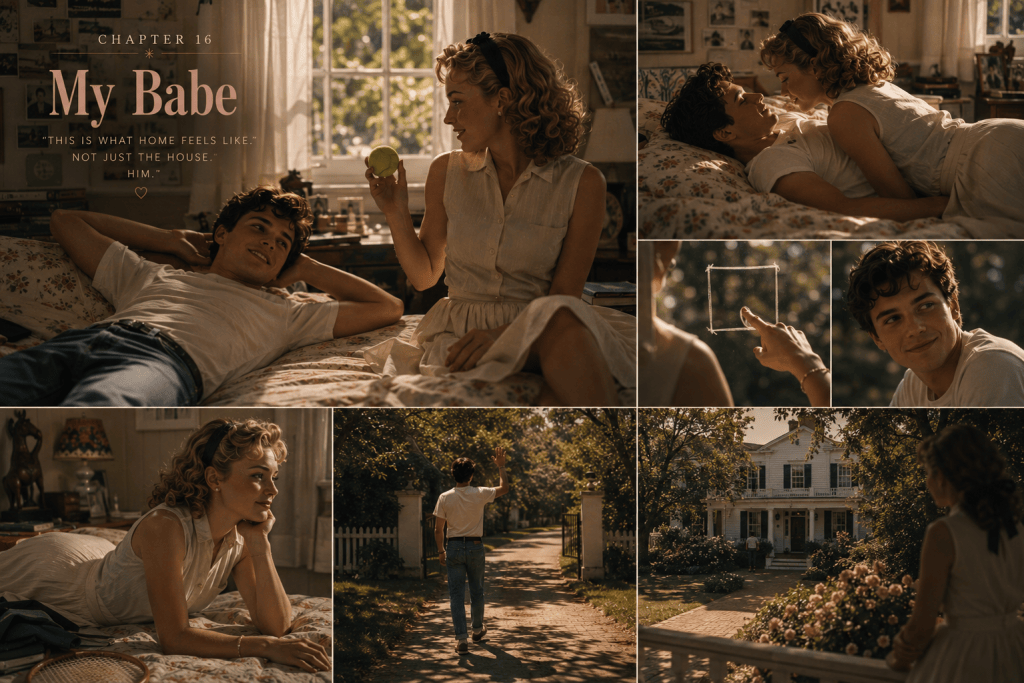
Chapter 16: My Babe
The boy tells me about his summer job, saying it’s been fun and the folks are real nice. I listen, and imagine what it must be like to have a manual-labouring job like that. “You gotta let me do it soon,” he says, lying back in my room after we’ve laughed ourselves breathless about something.…
-
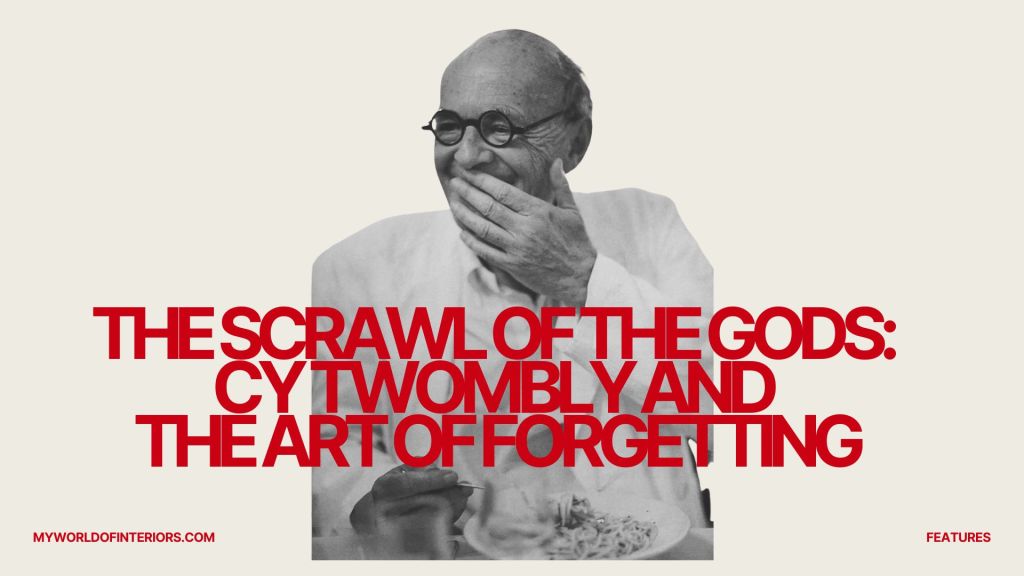
The Scrawl of the Gods: Cy Twombly and the Art of Forgetting
He made paintings that looked like vandalism, drawings that resembled the work of a distracted child, and sculptures that seemed to be falling apart. He also changed the course of Western art. By Bergotte There is a canvas in the Menil Collection in Houston, twelve feet wide, that appears, at first glance, to have been…
-

Chapter 15: Home Is Where the Heart Is
It’s the summer when I turn sixteen.I haven’t been home since Christmas, and I haven’t seen very much of the boy since last summer’s tiff. We made up before I went back to school, he accepted my apology and the letter; we even went back to watching movies in the screening room, and to holding…
-
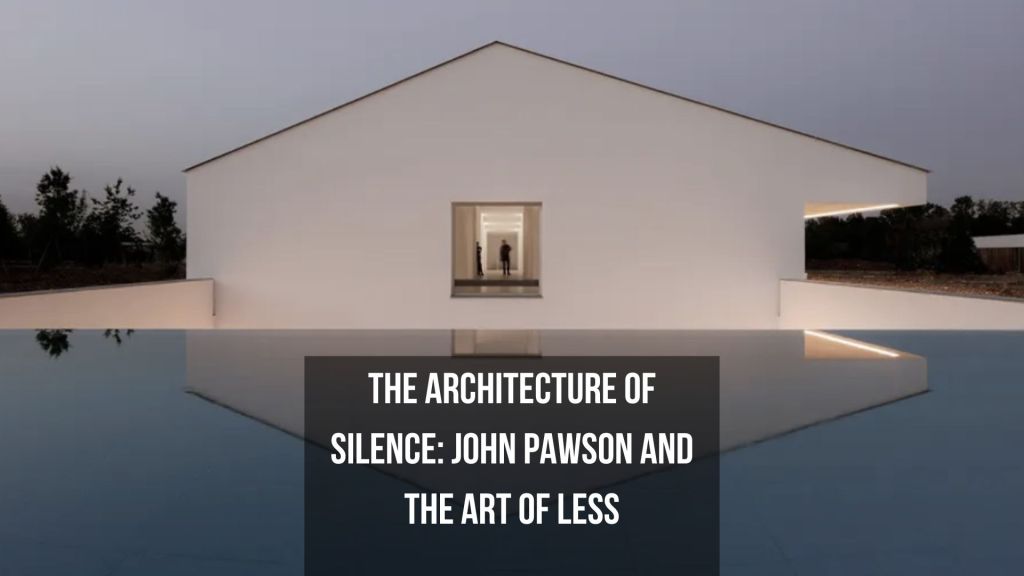
The Architecture of Silence: John Pawson and the Art of Less
He has built monasteries, fashion temples, and homes for the hyper-wealthy. But John Pawson’s real subject has always been the same: what happens when you take everything away. By Bergotte There is a room in the Czech countryside, an hour south of Prague, that has no decoration whatsoever. Its walls are limestone. Its floor is…
-
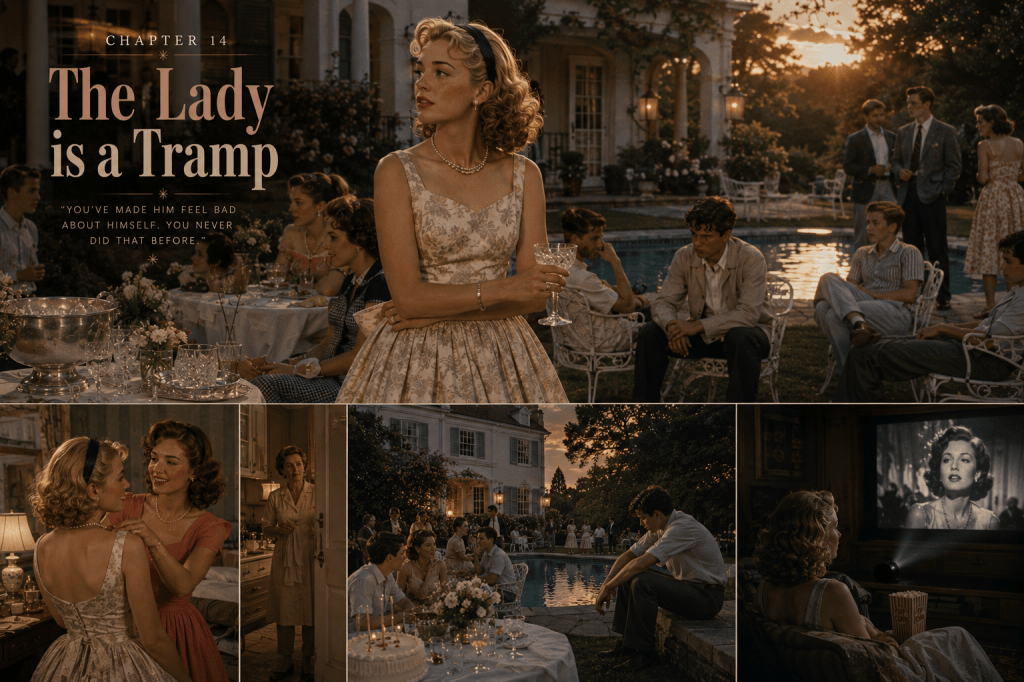
Chapter 14: The Lady is a Tramp
Everyone says I look great, that I have become more sophisticated and cool, that my new fashionable hair-do and subtle makeup suit me – that I look like a real lady now – not just plain old English as I did before.Mabel especially thinks it’s wild how much I have changed. “Let’s go shopping,” she…
-
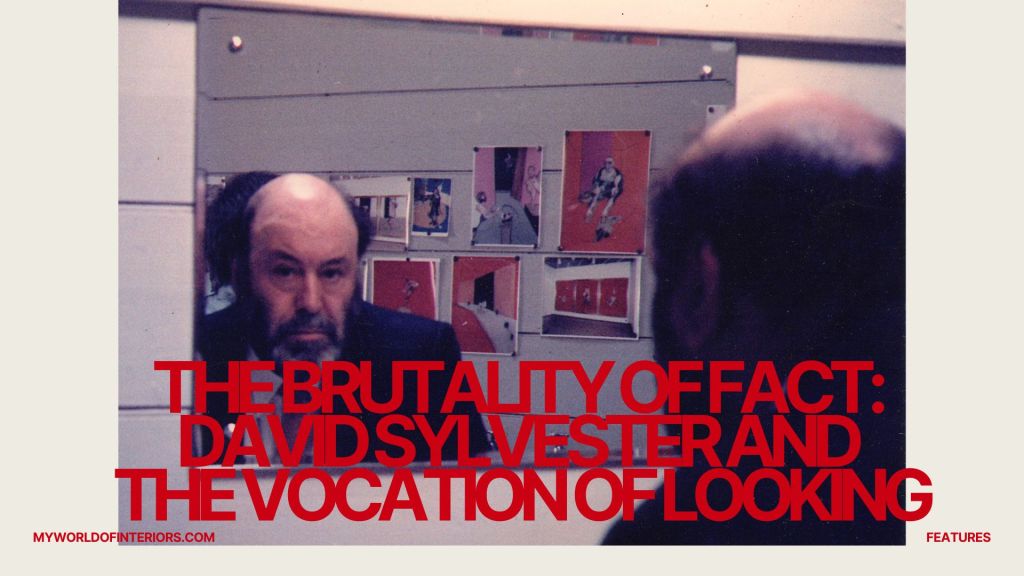
The Brutality of Fact: David Sylvester and the Vocation of Looking
The greatest British art critic of the twentieth century never wrote a book he was satisfied with. What he left behind instead was something rarer — a model of attention so exacting it changed what art could ask of its audience. By Bergotte There is a way of sitting in front of a painting that…
-

Chapter 13: Follow That Dream
“Where do you usually summer?” asks a man in his early thirties. He has a mess of sandy hair and a broad grin and has stopped to chat on the beach. He introduces himself to me as Jack. He looks familiar, though I can’t place him. I hesitate, half amused, half at a loss. I…
-
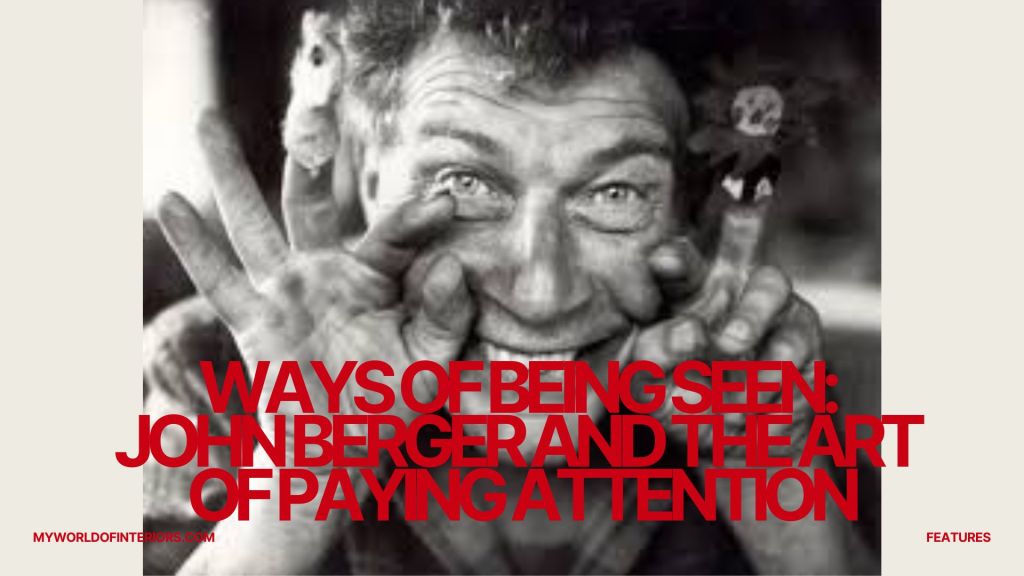
Ways of Being Seen: John Berger and the Art of Paying Attention
Eight years after his death, the critic, novelist, and storyteller who changed how we look at art remains the most generous — and the most radical — writer England ever produced. By Bergotte There is a moment in the first episode of Ways of Seeing — the 1972 BBC television series that made John Berger,…

