

June Newsletter A change of pace this month. I submitted myself to the famous Proust Questionnaire — the parlour game of confession and self-portraiture that Marcel Proust answered as a young man, and that Vanity Fair has run on its back page for decades. Thirty-three questions, answered honestly and briefly. What is your idea ofContinue reading “The Proust Questionnaire”
Author Archives: My World of Interiors
Chapter 12: Celluloid Heroes

I’m out in New York City with Cary Grant, who confides that he’s lonely. I’ve come to the city with Tilly, though her parents have whisked her and her siblings away to a christening. Mr Grant, in town on movie-star business, has offered to take me out for dinner. We spend the afternoon strolling throughContinue reading “Chapter 12: Celluloid Heroes”
The Wound and the Camera: Susan Sontag and the Unfinished Project of Seeing

Twenty years after her death, the great critic’s ideas about images, suffering, and the moral life feel less like history than like prophecy. By Bergotte There is a photograph that Susan Sontag never saw — or rather, she could not have seen it in the form we now encounter it, scrolling past it on aContinue reading “The Wound and the Camera: Susan Sontag and the Unfinished Project of Seeing”
Chapter 11: True Love Travels on a Gravel Road
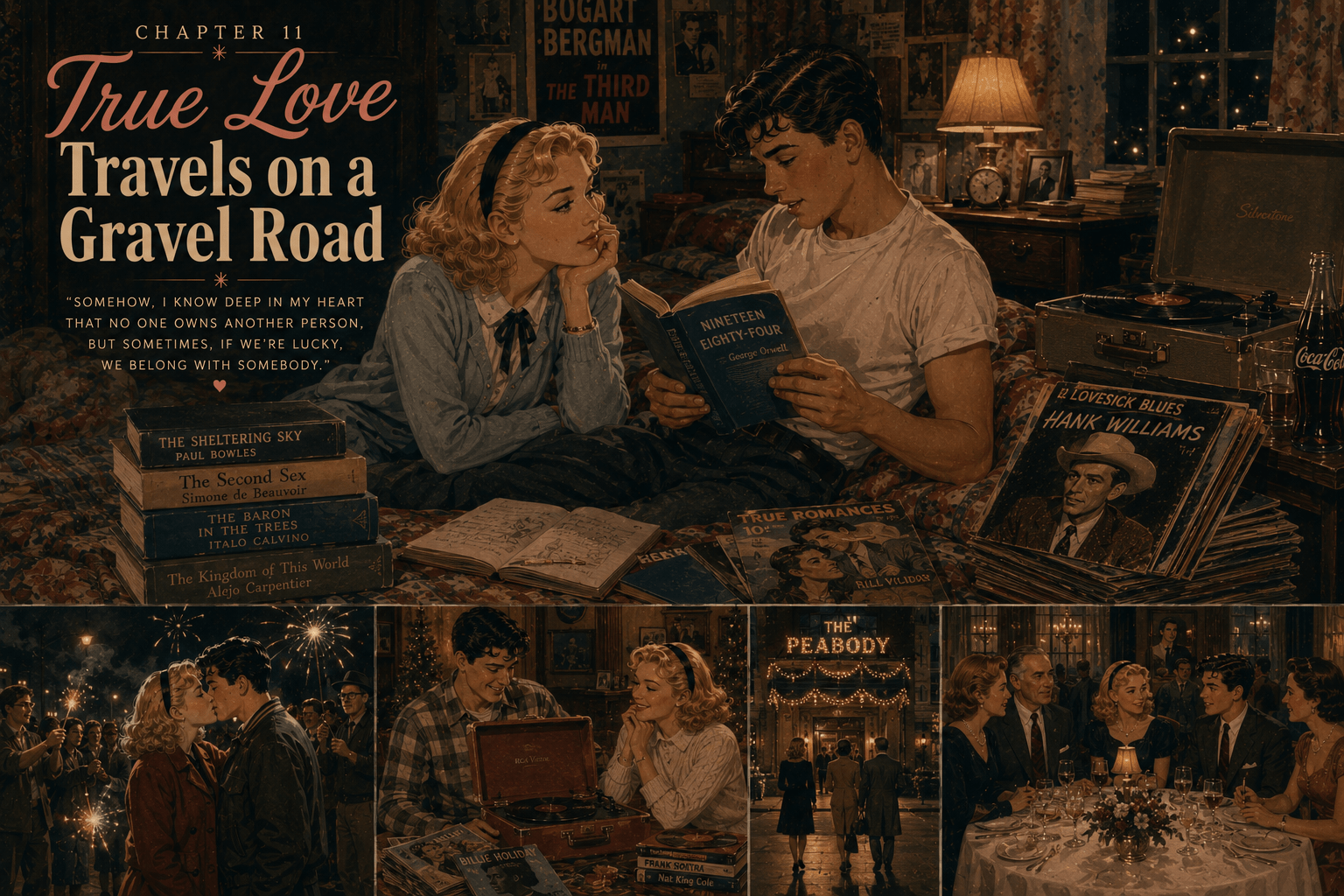
Somehow, I know deep in my heart that no one owns another person, that we belong to no one. But sometimes, if we’re lucky, we belong with somebody. The boy weeps when I share this philosophy. I think I’m being profound; he thinks I’m being callous. He truly believes we belong together, that we should,Continue reading “Chapter 11: True Love Travels on a Gravel Road”
Ripley Part II: The Many Lives of Tom Ripley: From Highsmith’s Novels to Screen Legends
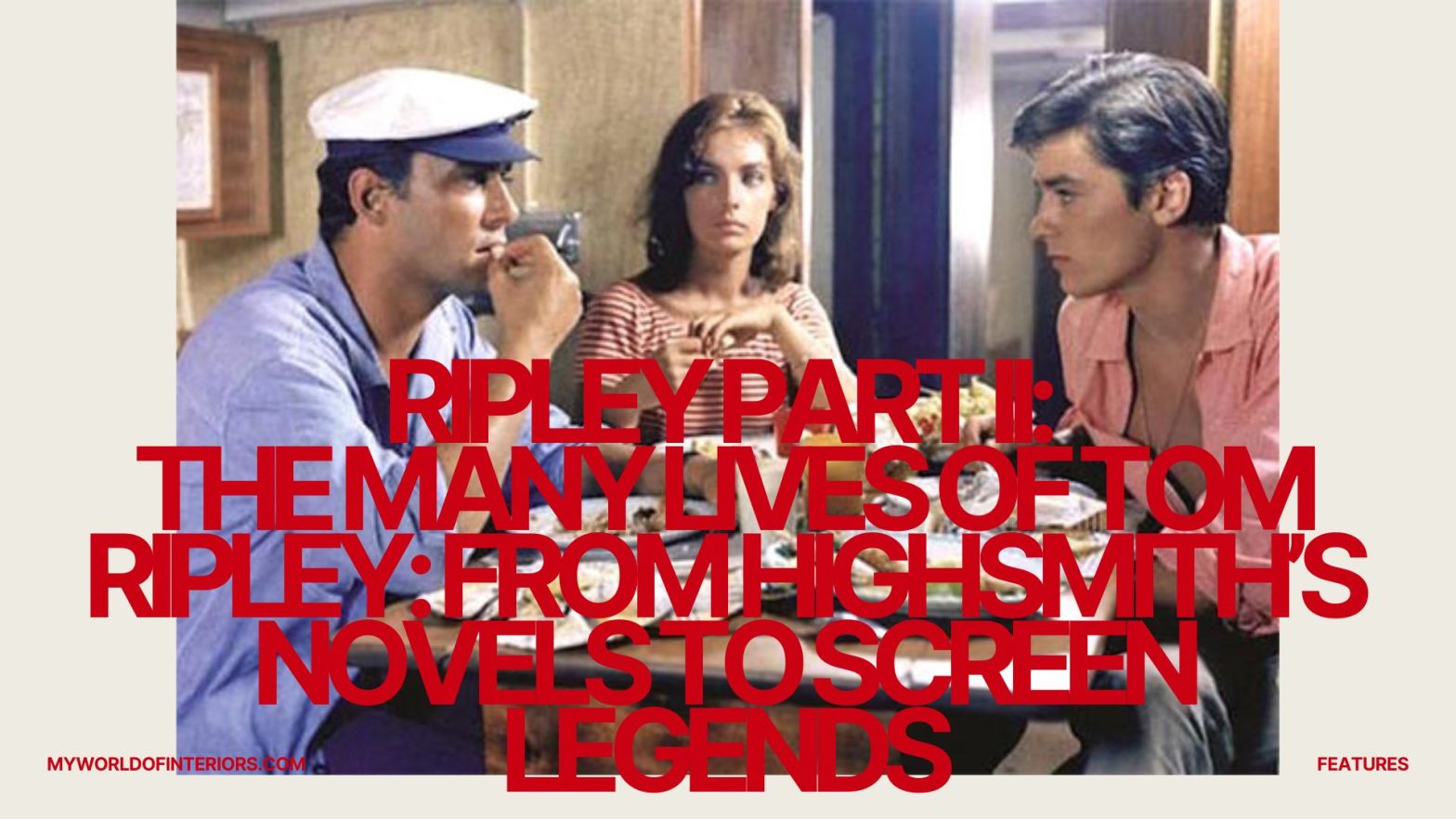
When Patricia Highsmith published The Talented Mr. Ripley in 1955, she created a new kind of antihero: elegant, amoral, adaptable, and disturbingly successful. Tom Ripley not only survives but thrives, slipping into identities, murdering when necessary, and always convincing us — against our better judgment — to follow him. Over five novels (collectively known asContinue reading “Ripley Part II: The Many Lives of Tom Ripley: From Highsmith’s Novels to Screen Legends”
Chapter 10: I’ll Be Home for Christmas

“You seem different.” The boy looks amused as I wave from the drive. I’ve been waiting, impatient to see him, on the steps outside the front door.“Do I?” I do a jazzy walk towards him to make him laugh.“Yeah. You grown some?” He jokily pats me on the head.“Yeah, haven’t you?” I mirror his gesture.“IContinue reading “Chapter 10: I’ll Be Home for Christmas”
The Human Condition According to Joseph Conrad
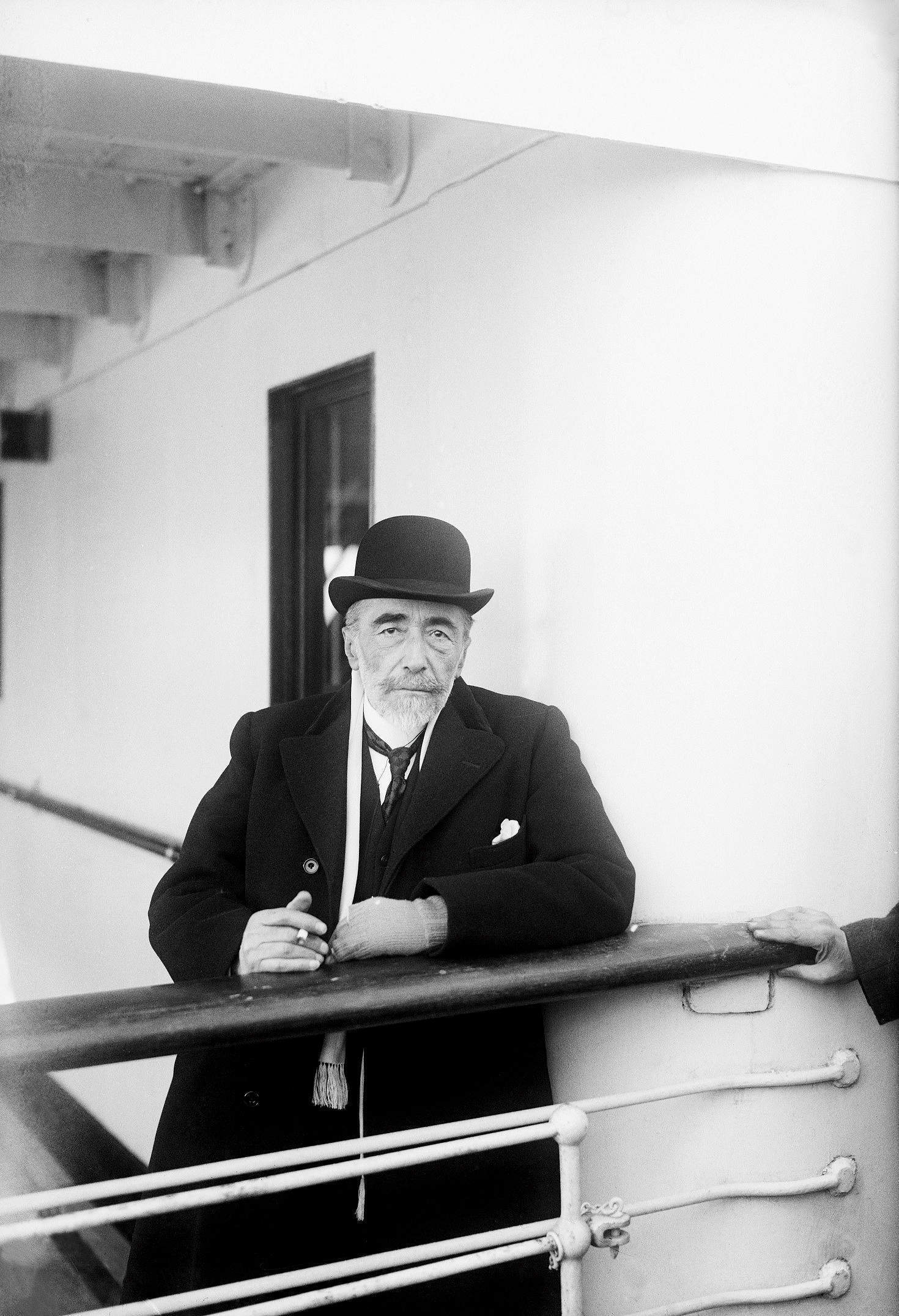
By Bergotte Joseph Conrad wrote about the darkness at the centre of things — not as a metaphor, not as a philosophical proposition to be argued and defended, but as a lived reality that his own extraordinary life had given him direct and repeated access to. He was a Polish nobleman who became a BritishContinue reading “The Human Condition According to Joseph Conrad”
Ripley Part I: The Two Talented Mr. Ripleys: Page, Screen, and the Art of Ambiguity

Patricia Highsmith’s The Talented Mr. Ripley is one of the most enduring crime novels of the twentieth century. Published in 1955, it introduced Tom Ripley, a young conman who insinuates himself into the lives of the wealthy and, through a combination of charm and violence, takes their place. The book was a revelation: not aContinue reading “Ripley Part I: The Two Talented Mr. Ripleys: Page, Screen, and the Art of Ambiguity”
Chapter 9: A Bite of the Big Apple

I go to New York with Tilly on leave weekends, and write to the boy whenever I remember, usually in the mornings after I’ve dreamt about him at night, or when I see something that would make him laugh. When I do, I send him presents: records, magazines, books. Lovesick Blues by Hank Williams. IContinue reading “Chapter 9: A Bite of the Big Apple”
Werner Herzog: The Poet of the Obsessive

Werner Herzog walks through cinema like an adventurer through uncharted territory. Born in 1942 in Bavaria and raised in a remote village without electricity, he grew up with little sense that cinema even existed. When he first encountered film as a teenager, it struck him like lightning. By nineteen he had “borrowed” a camera fromContinue reading “Werner Herzog: The Poet of the Obsessive”

