

Stanley Kubrick’s The Shining (1980) is remembered for its haunting images — Jack Nicholson’s manic grin, Danny’s tricycle in the corridor, the tide of blood spilling from an elevator. But beneath the horror lies another, subtler masterpiece: the interiors of the Overlook Hotel. Designed with meticulous care, these spaces are not mere backdrops but charactersContinue reading “The Shining: Interiors of Unease”
Author Archives: My World of Interiors
Dada: The Art of Unreason
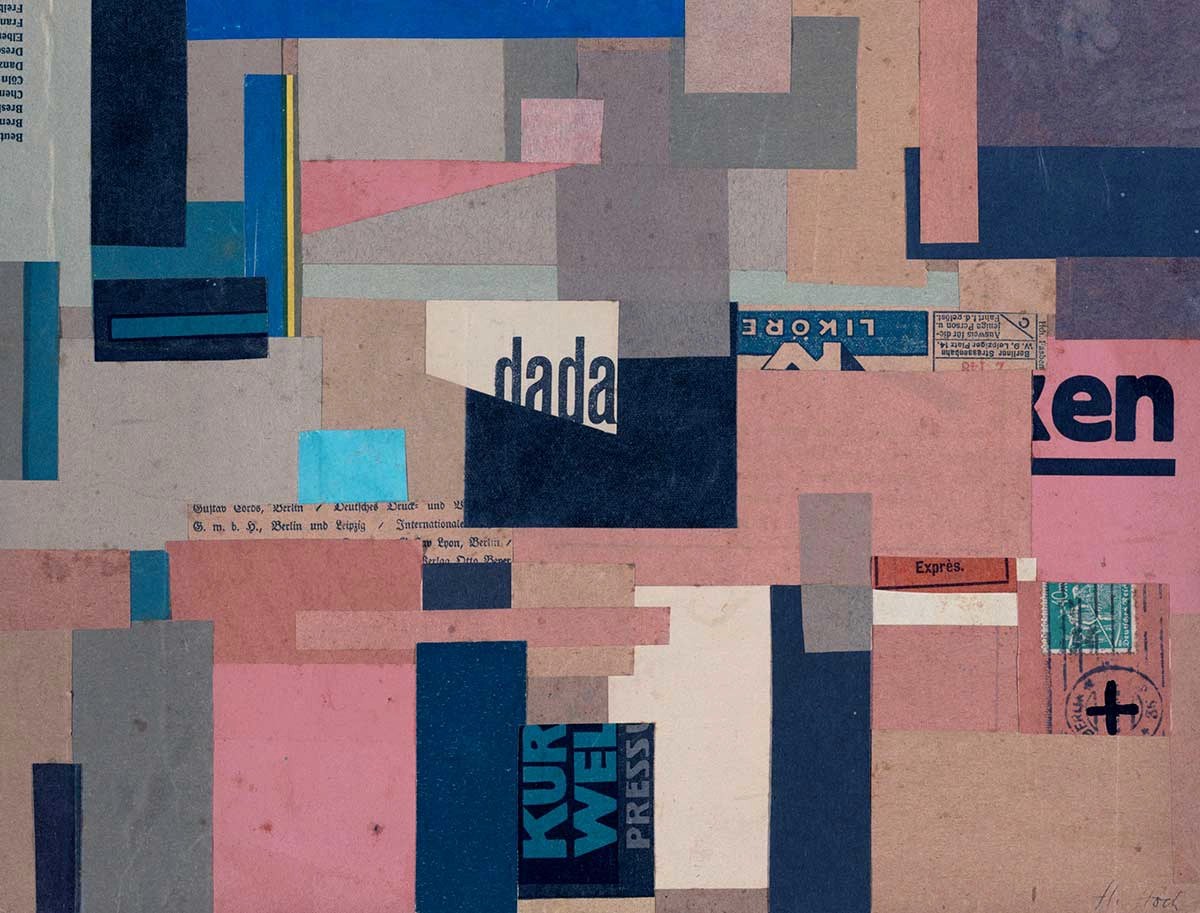
In the wreckage of World War I, amid the disillusionment of a generation, a radical new art movement was born: Dada. Emerging in Zürich in 1916, Dada rejected logic, tradition, and aesthetic convention in favor of absurdity, spontaneity, and provocation. Its practitioners — poets, painters, performers — sought not to create beauty but to explodeContinue reading “Dada: The Art of Unreason”
Martha Stewart: The Making of a Lifestyle Empire
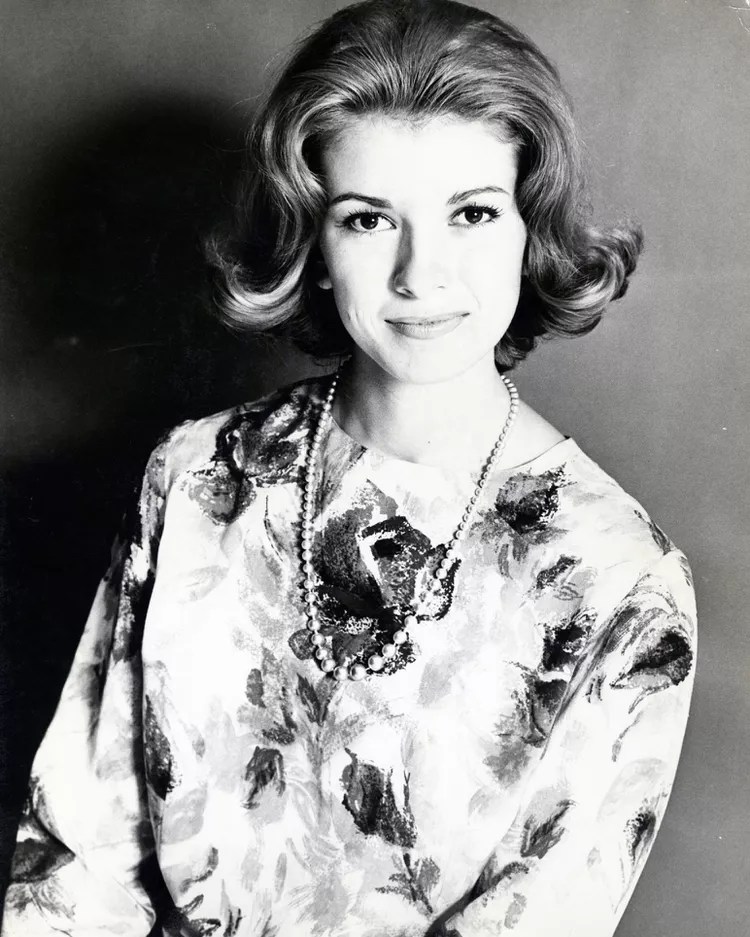
In the landscape of American lifestyle, one name stands above all: Martha Stewart. Entrepreneur, tastemaker, television host, cookbook author, and brand-builder, Stewart transformed domesticity into empire. Over the course of four decades, she redefined how America cooks, gardens, decorates, and entertains — making the home not merely private space but a stage for beauty, order,Continue reading “Martha Stewart: The Making of a Lifestyle Empire”
Siena: A Medieval Masterpiece in the Heart of Tuscany
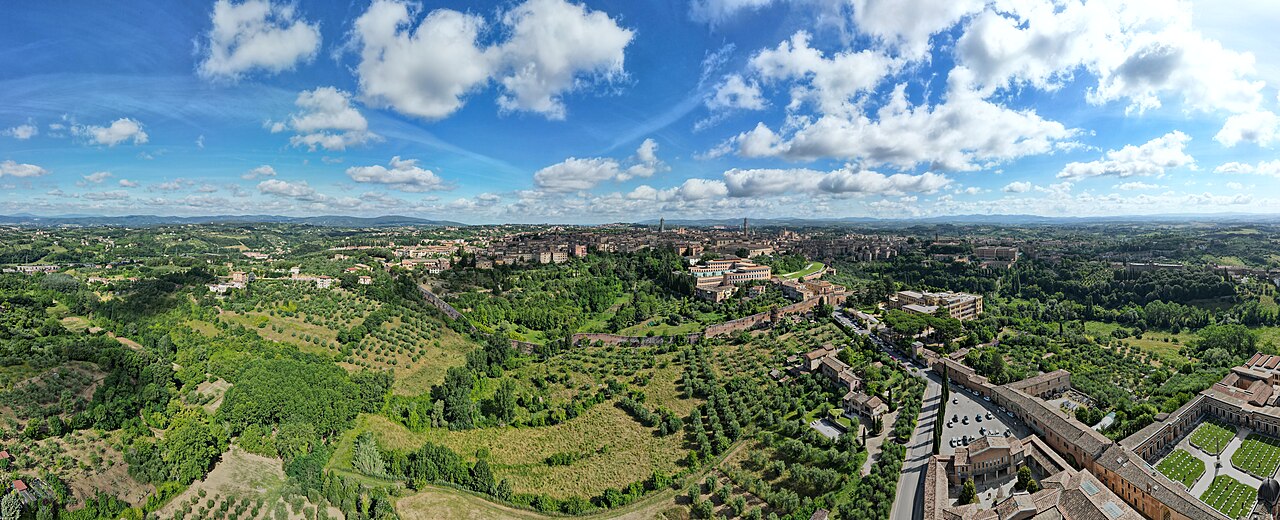
If Florence is the Renaissance jewel of Tuscany, Siena is its medieval soul. A city of terracotta brick and Gothic spires, winding alleys and sudden piazzas, Siena seems suspended in time, as if the 14th century never ended. Its streets breathe with ritual and rivalry, its architecture glows with harmony, and its traditions — mostContinue reading “Siena: A Medieval Masterpiece in the Heart of Tuscany”
Valentino Garavani (1932–2026)
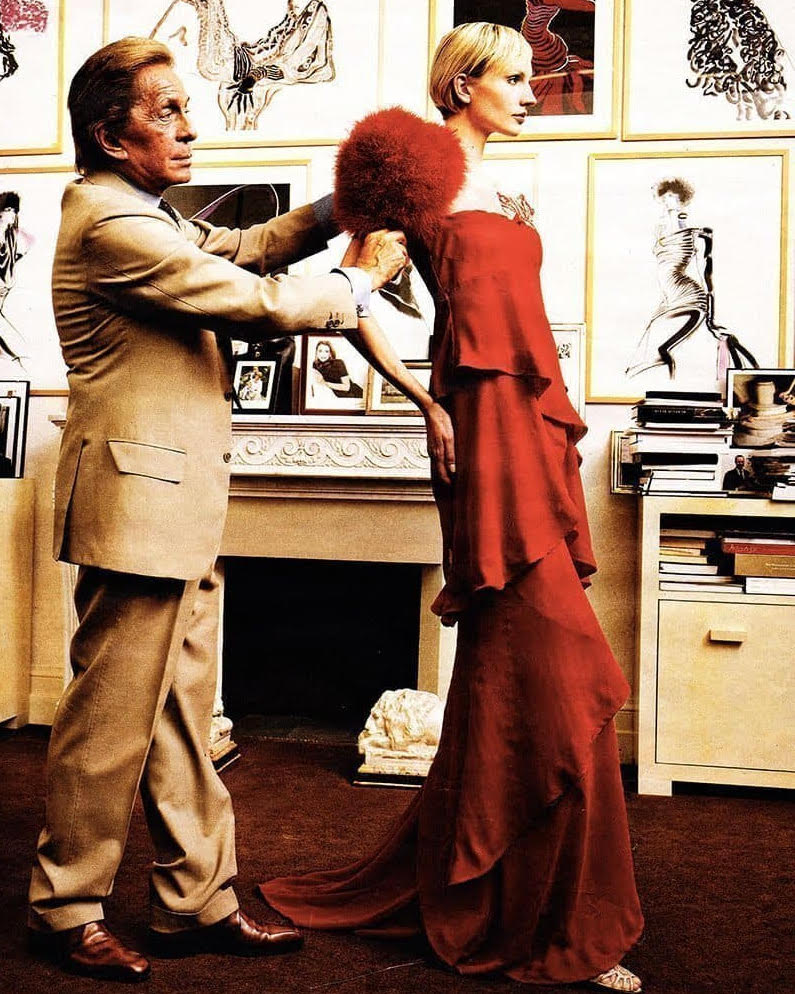
Italian Couturier and Founder of the House of Valentino Valentino Clemente Ludovico Garavani, the Italian fashion designer known globally as Valentino, died on 19 January 2026 in Rome at the age of 93. He passed away peacefully at his home, surrounded by those close to him. Born on 11 May 1932 in Voghera, Italy, ValentinoContinue reading “Valentino Garavani (1932–2026)”
Affordable Style: Masserias and Guesthouses of Puglia
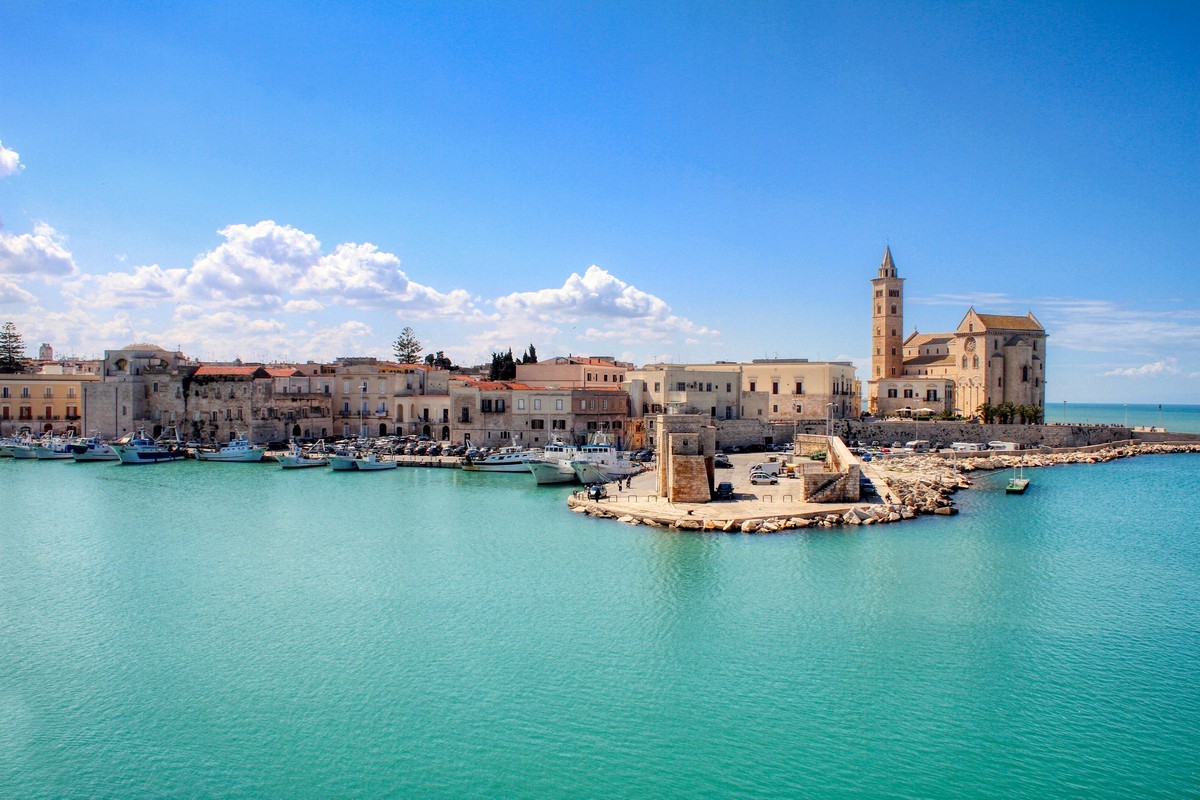
At the heel of Italy’s boot, Puglia is a region of whitewashed towns, olive groves that stretch to the horizon, and seas the color of sapphire. Known for its dramatic coastline and baroque cities, it has in recent years become a design-forward destination — yet much of its charm remains in rustic guesthouses and masserie:Continue reading “Affordable Style: Masserias and Guesthouses of Puglia”
Sister Parish: The First Lady of American Interior Design
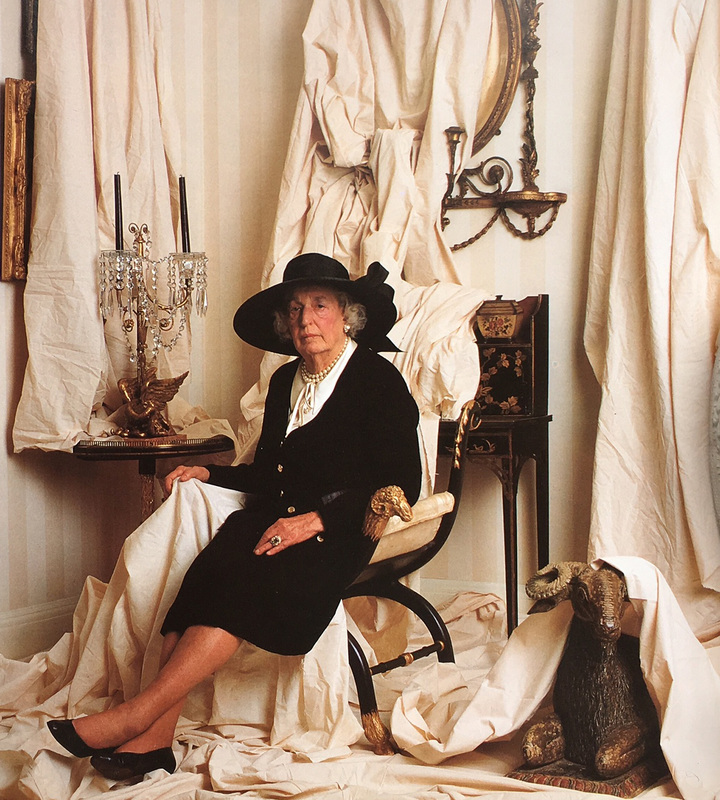
In the story of American interiors, Sister Parish (1910–1994) holds a singular place. She was the decorator who brought comfort and informality back into the home, championing chintz and patchwork at a time when grand houses risked becoming stiff museums. As co-founder of Parish-Hadley Associates, she helped shape the look of the Kennedy White HouseContinue reading “Sister Parish: The First Lady of American Interior Design”
Man Ray: The Alchemist of the Lens
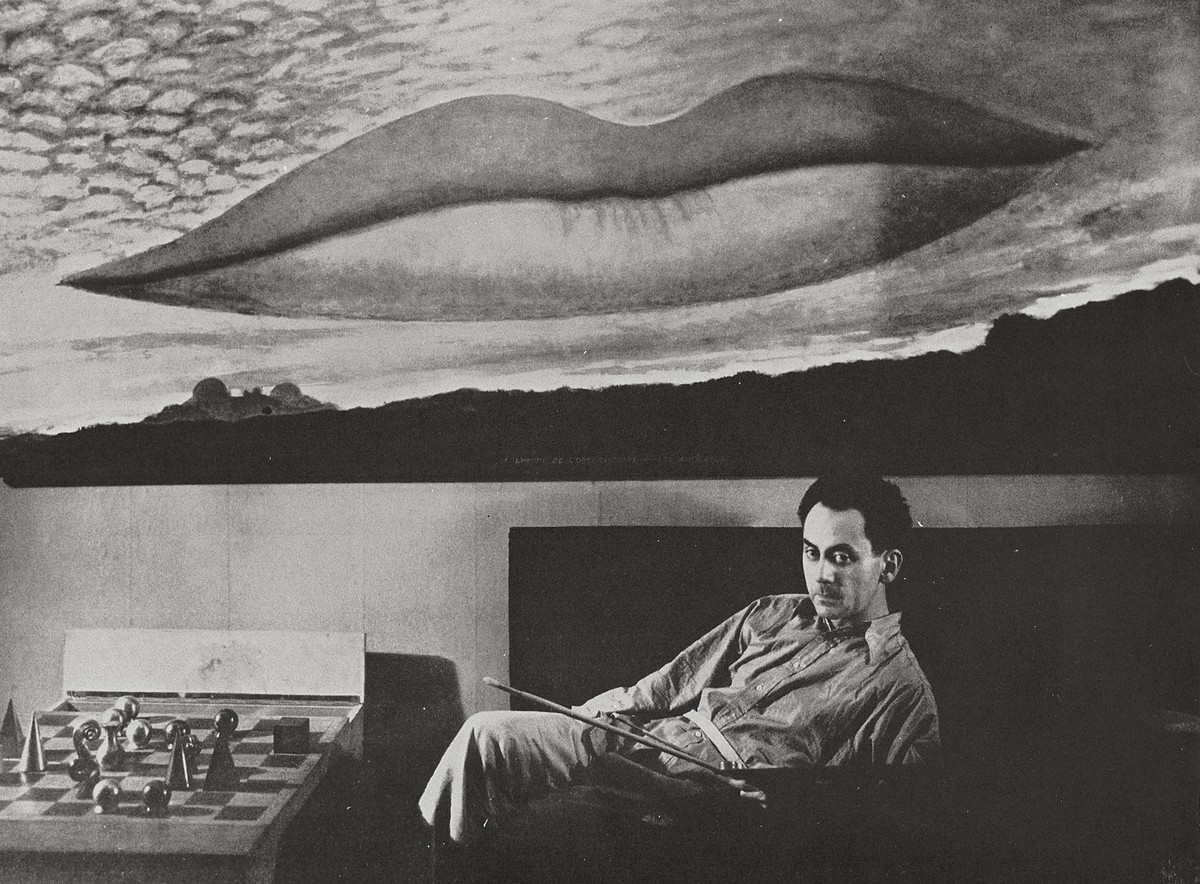
No artist embodied the restless experimentation of the twentieth century quite like Man Ray (1890–1976). Painter, photographer, filmmaker, and Surrealist provocateur, he refused categories, moving fluidly between avant-garde circles in New York, Paris, and Hollywood. His work transformed the camera from a tool of documentation into an instrument of imagination — a device capable ofContinue reading “Man Ray: The Alchemist of the Lens”
Post Ranch Inn: Where Earth Meets Sky in Big Sur
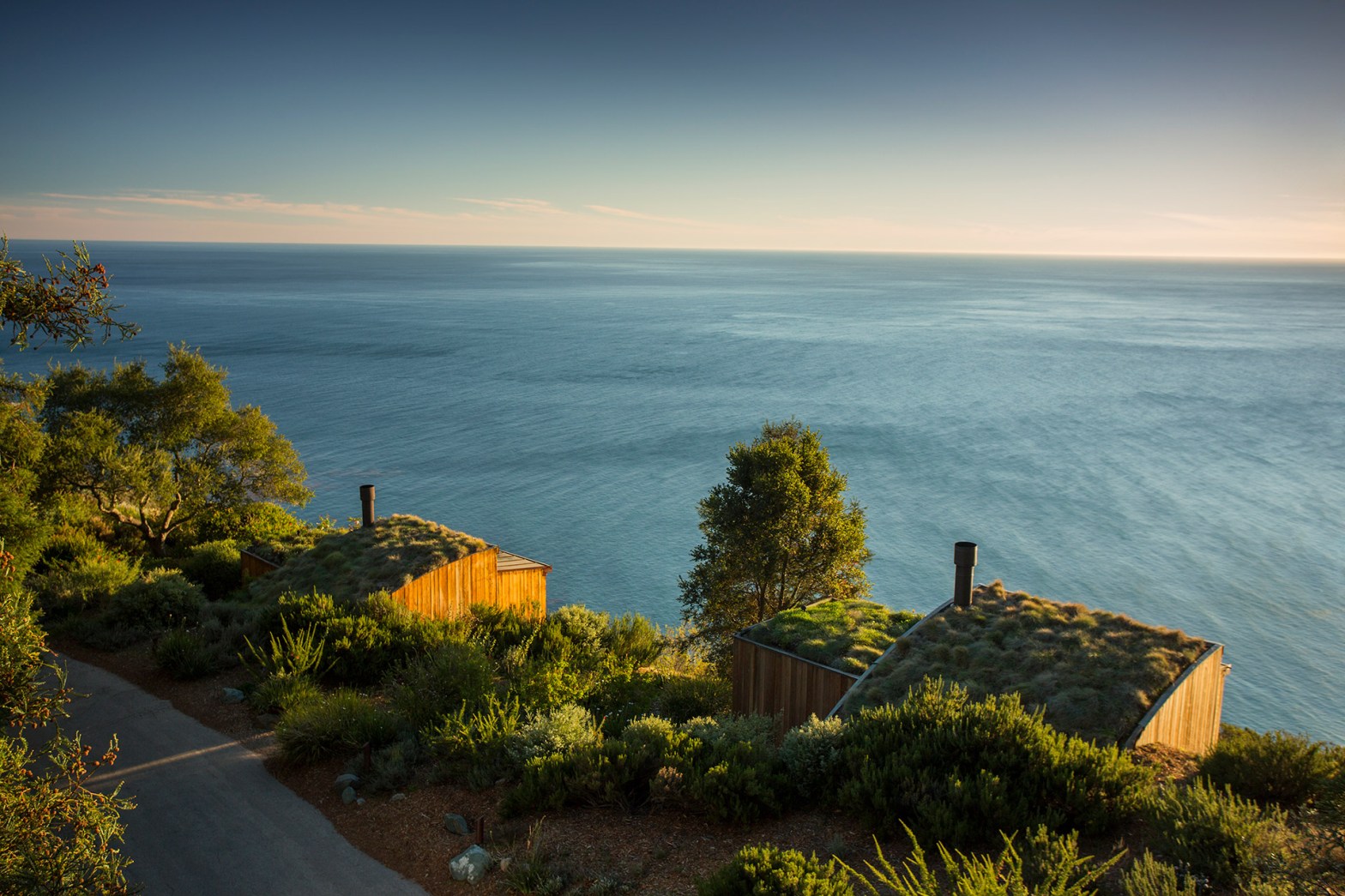
Perched on the cliffs of Big Sur, Post Ranch Inn is less a hotel than a meditation on landscape. Glass, redwood, and stone rise from the bluff as if grown from the earth itself, dissolving into the vast horizon of the Pacific. Here, luxury is defined not by opulence but by stillness, by the elementalContinue reading “Post Ranch Inn: Where Earth Meets Sky in Big Sur”
Marcello & Sophia: The Cinema of Chemistry
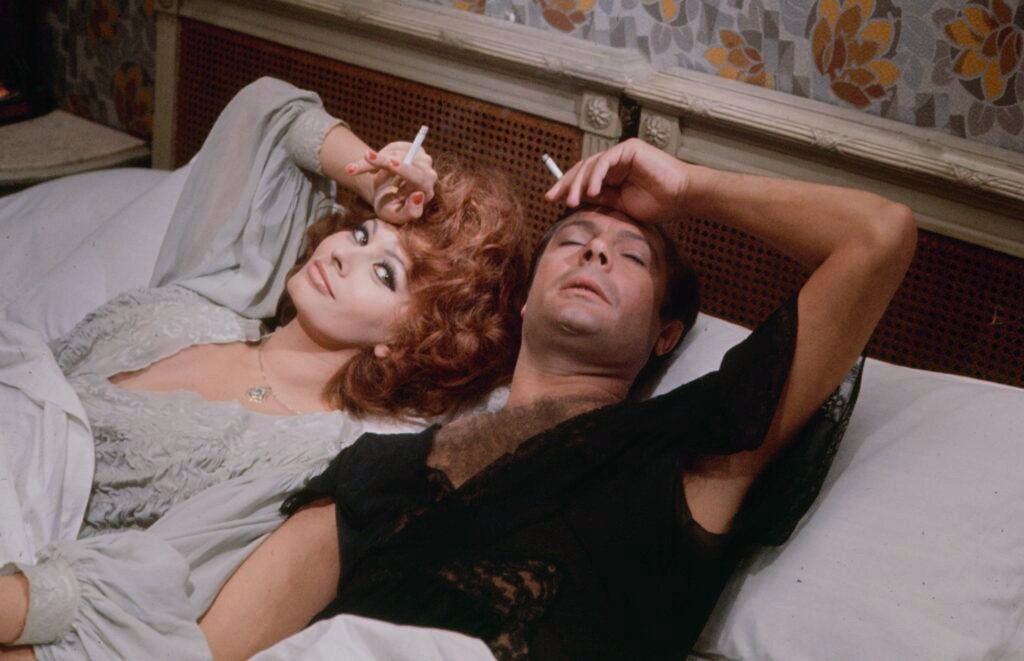
Few cinematic partnerships radiate as much charm, wit, and sensual electricity as Marcello Mastroianni and Sophia Loren. For more than three decades, they embodied the vitality of Italian cinema, appearing together in 14 films that spanned neorealism, romantic comedy, and social satire. Their on-screen chemistry was as natural as it was carefully crafted, turning themContinue reading “Marcello & Sophia: The Cinema of Chemistry”
 My World of Interiors