
Before Instagram posts and glossy adverts, the Christmas card was the medium through which the season’s spirit was captured and shared. Sent across continents and tucked into mantelpieces, these small works of art carried not only festive greetings but also the design sensibilities of their age. Today, they remain symbols of both tradition and creativity — tiny canvases that distill the visual language of Christmas.
Victorian Origins
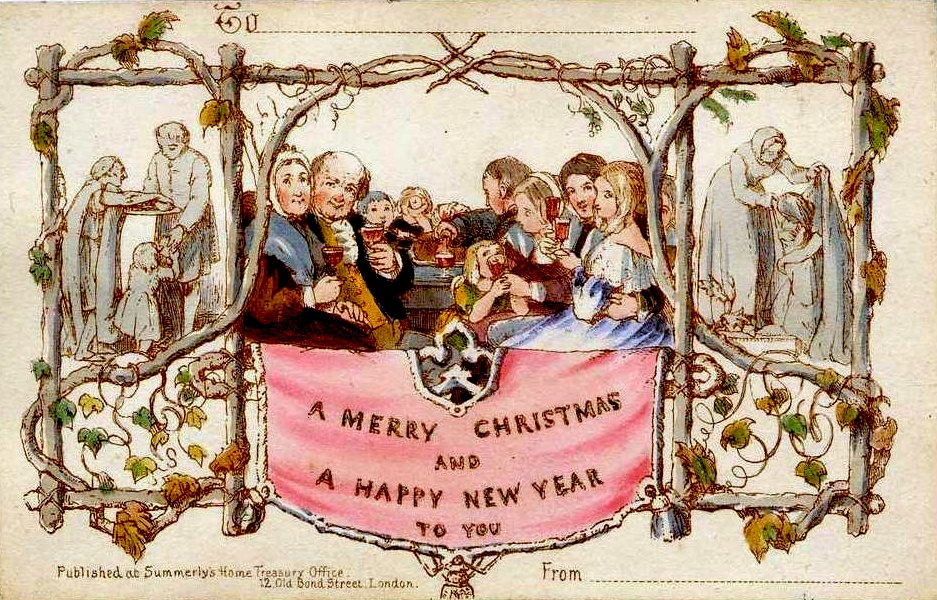
The first commercial Christmas card was commissioned in London in 1843 by Sir Henry Cole, designed by illustrator John Callcott Horsley. Printed on stiff card and hand-coloured, it depicted a family gathered around a table — and caused mild scandal for showing a child sipping wine. From there, the fashion spread rapidly, with cards becoming staples of the season by the 1860s.
A Showcase of Artistry
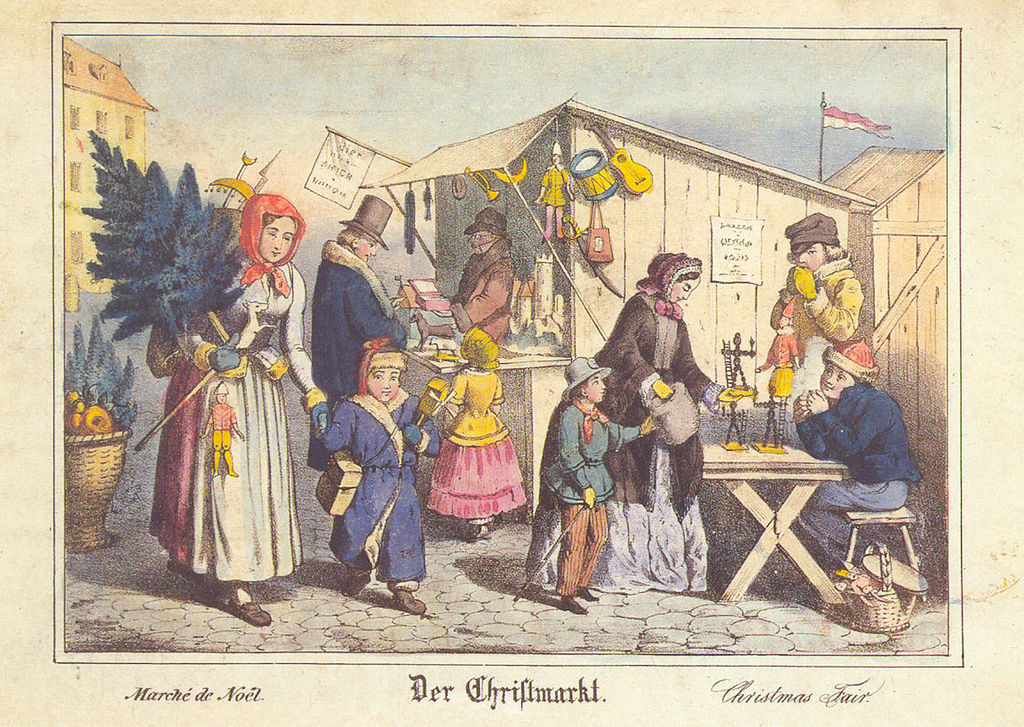
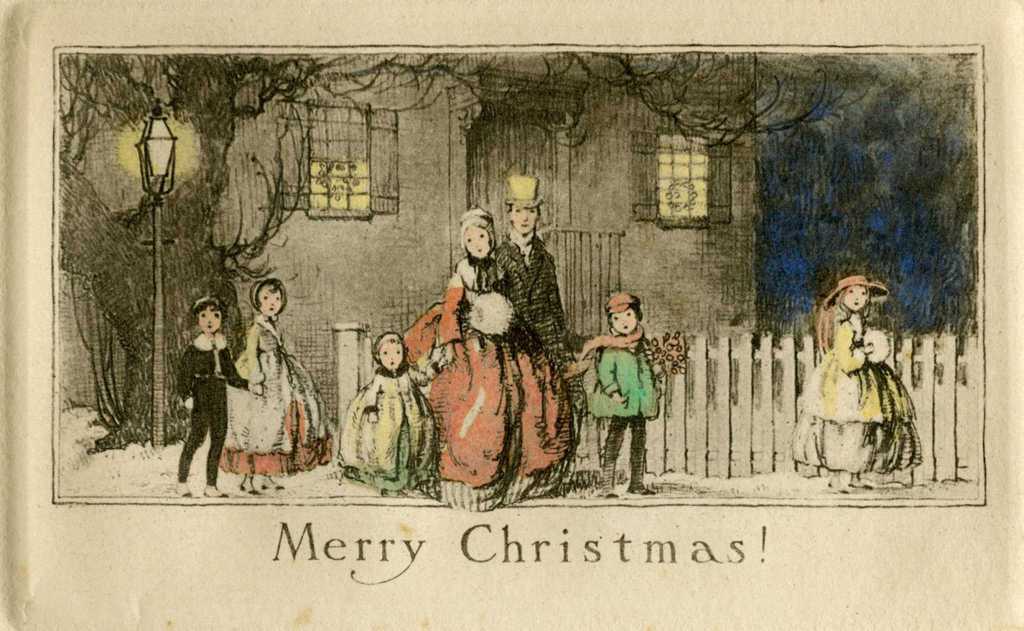
In the late 19th century, cards evolved into miniature works of art. Lithography allowed for bright colour, while gilt edges and embossed paper gave them luxury appeal. Some were whimsical, featuring robins in waistcoats or cats pulling sledges; others were devotional, with nativity scenes framed in holly and ivy. They were as much about design as about message, reflecting trends in printing, illustration, and even politics.
Mid-Century Modern
By the 1950s and ’60s, Christmas cards became bolder, with graphic lines, playful typography, and bright colour palettes. Designers like Charles and Ray Eames, or illustrators influenced by Scandinavian modernism, brought festive minimalism to the mantel. In America, Hallmark and American Greetings mass-produced cards that spread mid-century optimism across millions of households.

The Collector’s Eye
Today, antique cards are highly collectible, with institutions like the Victoria and Albert Museum and the Metropolitan Museum of Art preserving them as cultural artefacts. They provide not just seasonal nostalgia but also a record of evolving design — proof that even the most ephemeral objects can hold enduring value.
The Modern Revival
In an age of digital greetings, the physical card endures because of its tactility. Independent stationers and heritage houses alike continue to create designs that marry tradition with contemporary flair. A handwritten card, after all, is a keepsake: something to pin above a desk, slip into a book, or rediscover years later in a drawer.
December Picks:
Historic & Museum Collections
- V&A Museum, London – Holds one of the largest collections of historic Christmas cards.
- Metropolitan Museum of Art, New York – Exhibits 19th- and 20th-century cards as part of its design archives.
Stationery Houses
- Smythson – Luxury British stationer offering engraved holiday cards on signature blue paper.
- Cavallini Papers & Co. – Vintage-inspired designs featuring archival illustrations.
- Papier – Contemporary customisable cards with chic, modern graphics.
Artisan Printers
- Letterpress de Paris – French studio reviving traditional letterpress techniques for modern designs.
- Prantl – Munich’s historic printer, creating embossed and gilt cards since 1797.
- Archivist Gallery – British brand known for witty, design-forward festive cards.
TL;DR
Christmas cards are more than seasonal greetings: they are design artefacts, carriers of memory, and miniature works of art. From Victorian lithographs to mid-century graphics and today’s artisanal letterpress, they embody the creativity of their time. To send a card is to share not just a wish but a tradition — one that remains timeless, tactile, and enduringly stylish.
Discover more from My World of Interiors
Subscribe to get the latest posts sent to your email.

