Category: Literature
-
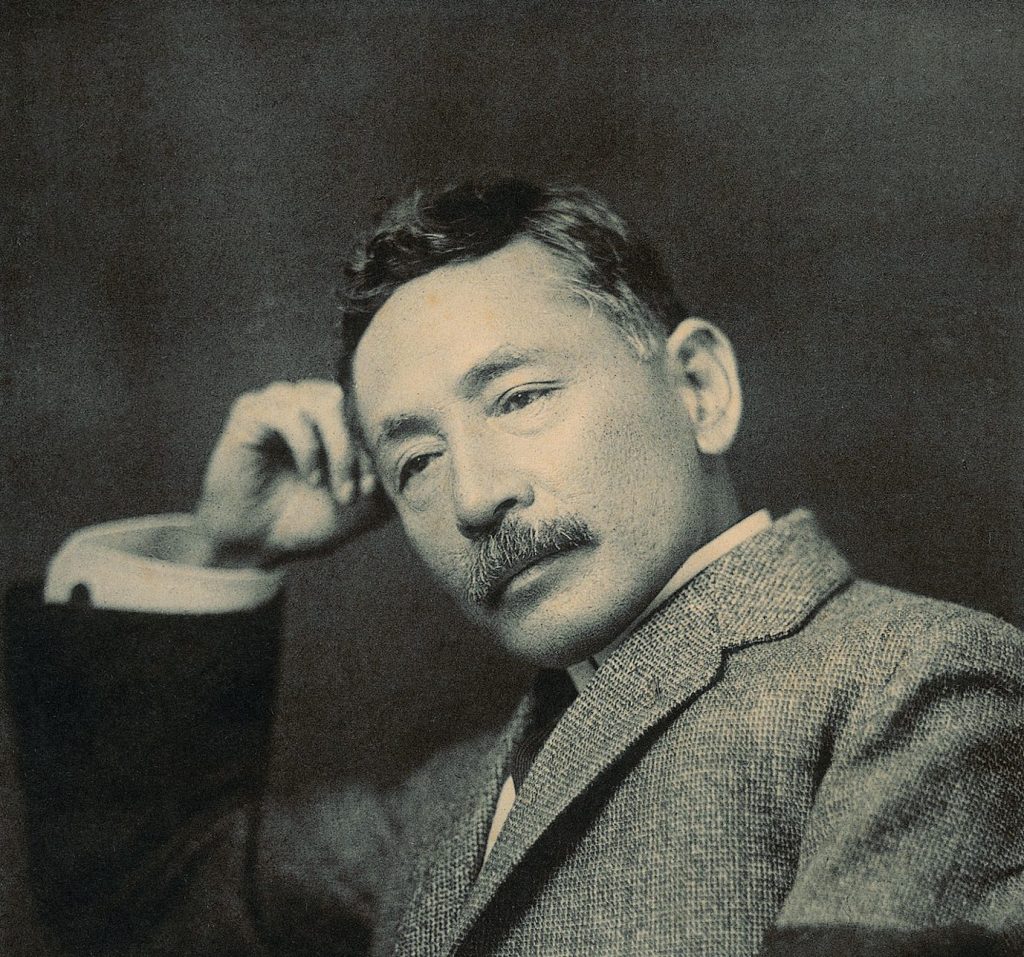
The Human Condition According to Natsume Soseki
Natsume Soseki wrote at the hinge point of Japanese history — the Meiji era, when Japan was dismantling a feudal world and replacing it, with extraordinary speed and deliberate violence, with a Western one — and the hinge is felt in every page he wrote. His novels are about the cost of that replacement: what…
-
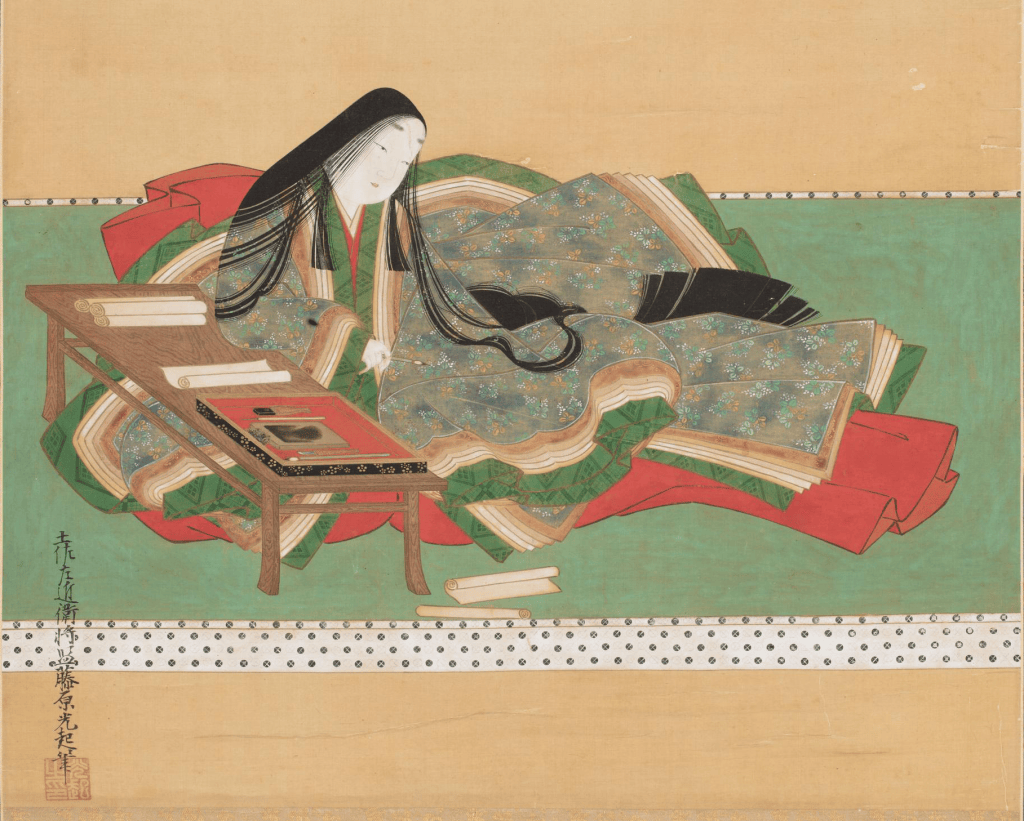
The Human Condition According to Murasaki Shikibu
Sometime around the year 1000, a woman sitting in the imperial court of Heian Japan wrote the world’s first psychological novel. She did not know she was doing this. The category did not exist. She was writing about the emotional life of people she knew, about the way desire moved through a highly ritualised society…
-
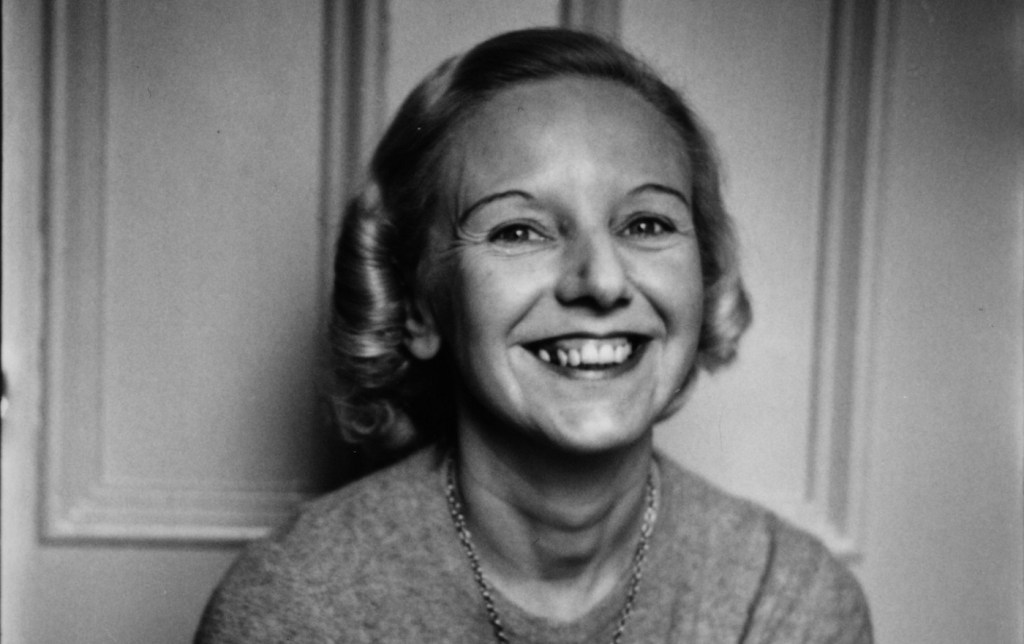
Anna Kavan: Where Reality Loses Its Authority
Two major reissues in 2026 have returned one of the twentieth century’s most unsettling writers to the literary conversation. Anna Kavan’s fiction of psychological captivity, environmental catastrophe and arbitrary power seems remarkably attuned to our present moment. In September 2026, Pushkin Press published a new edition of Anna Kavan’s I Am Lazarus, a collection of…
-
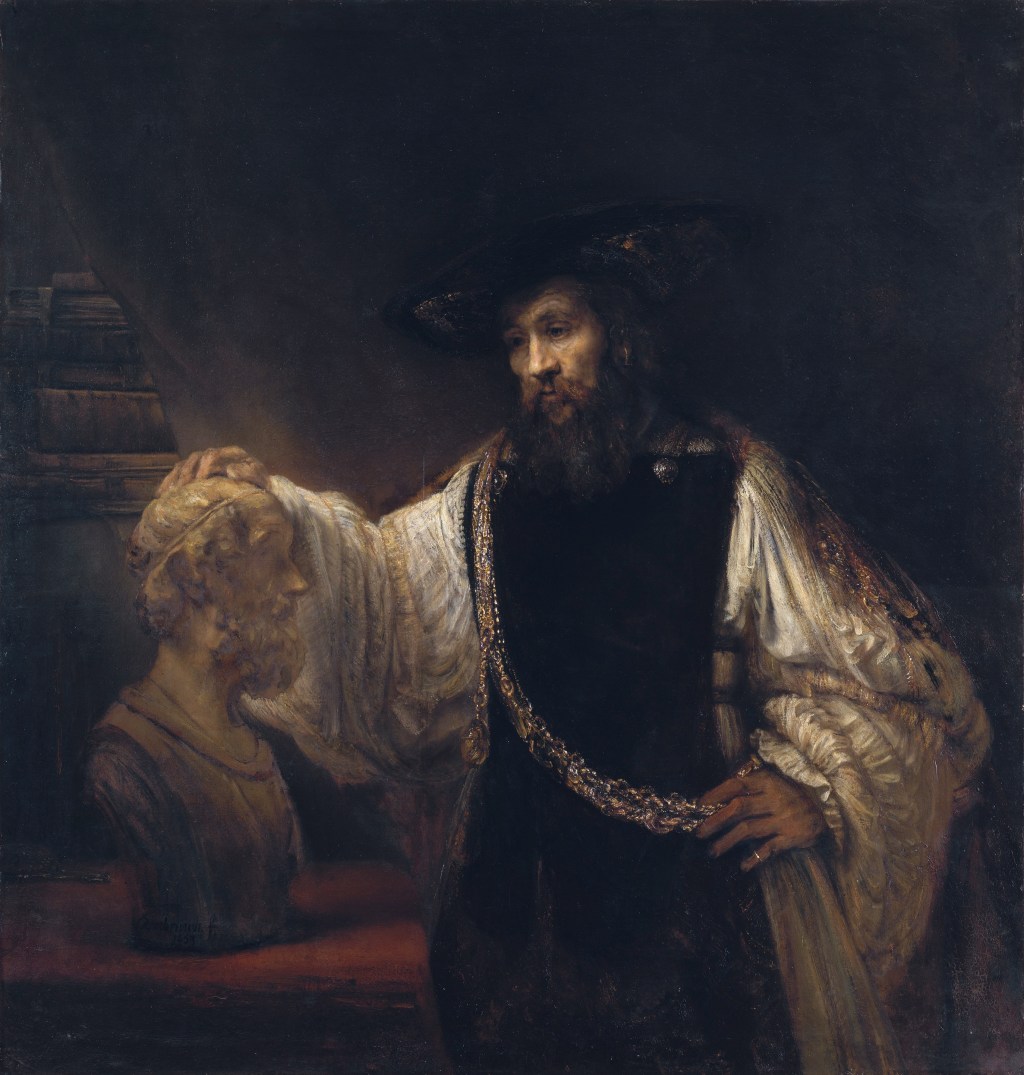
The World as It Is: Who We Are According to Aristotle
He spent twenty years in Plato’s Academy, absorbing everything, and then he disagreed with almost all of it. He brought the Forms back down from the heavens and put them inside the things themselves. He said the soul was not imprisoned in the body but was the body’s form — what the body does when…
-
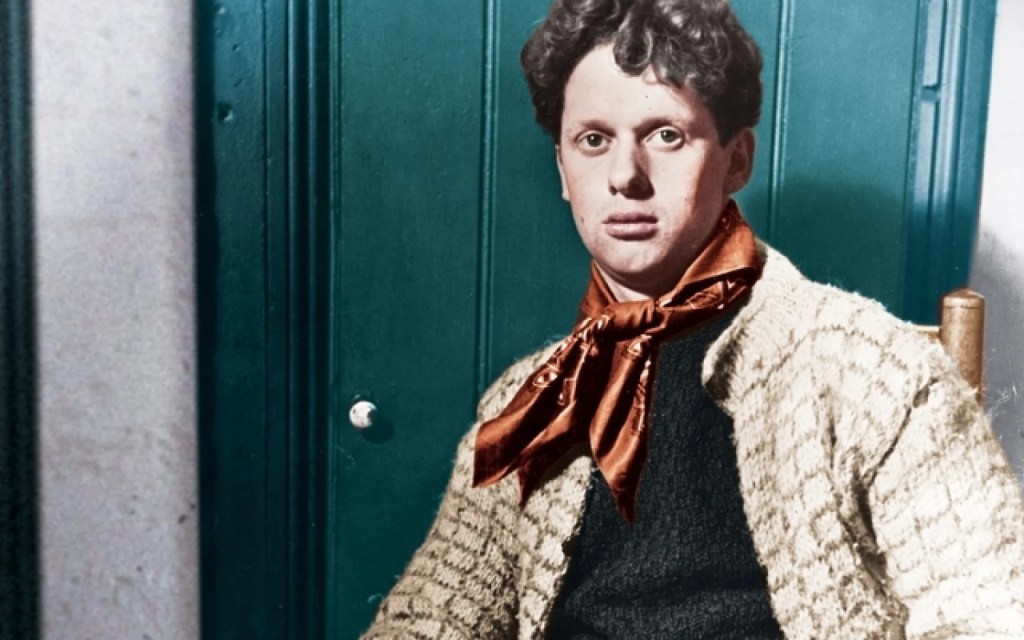
The Human Condition According to Dylan Thomas
Dylan Thomas believed that language was not the instrument through which experience was described but the medium in which it was created — that the poem did not report on the world but summoned it, called it into existence through the sheer incantatory force of sound and rhythm and the collision of unexpected words. This…
-
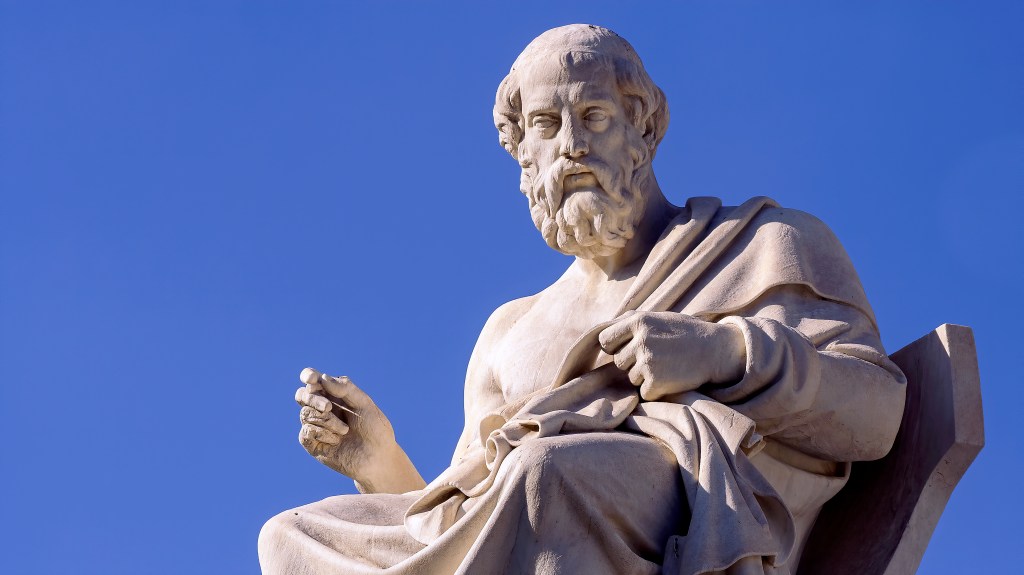
The Shadow and the Sun: Who We Are According to Plato
He was the most gifted prose writer in the history of philosophy and the most dangerous thinker in the Western tradition. He gave us the Forms, the cave, the immortal soul, the philosopher-king, and the suspicion — never quite extinguished in the two and a half thousand years since — that the world we see…
-
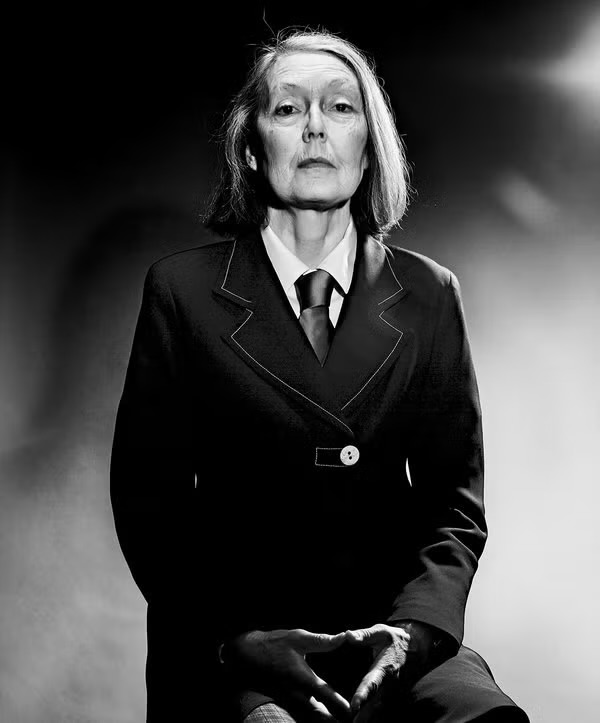
Anne Carson: The Intelligence of Desire
The 2026 Nobel laureate has brought classical scholarship, poetry and the essay into a sustained inquiry into desire, grief and the limits of knowledge. Her achievement changes how we understand the relationship between intellectual life and emotional experience. The award of the 2026 Nobel Prize in Literature to Anne Carson, announced on 8 October, recognises…
-

THE LAND AND ITS PEOPLE
There is a particular kind of intelligence required to notice what everybody else has agreed not to notice. David Sedaris has built a career from it. For more than three decades, he has observed families, airports, shop assistants, lovers, language lessons, neighbours, strangers and himself with the peculiar concentration of an anthropologist who has somehow…
-
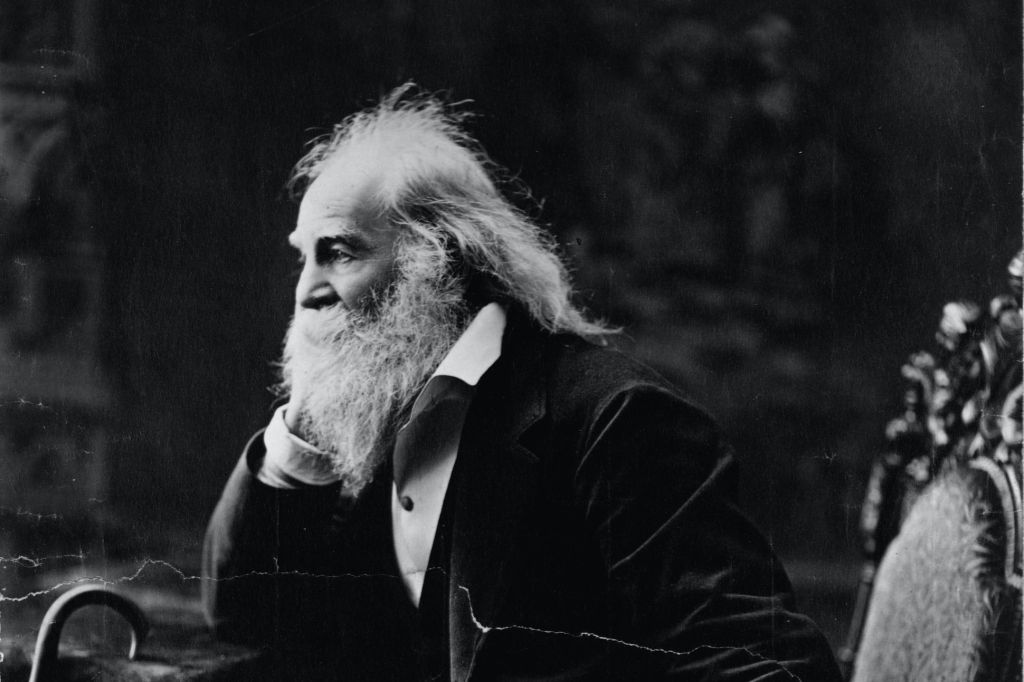
The Human Condition According to Walt Whitman
By Bergotte Walt Whitman’s answer to the human condition is the most audacious in all of literature: yes. Not the qualified yes of the philosopher who has weighed the evidence, not the fragile yes of the survivor who has come through suffering and found something on the other side, but the absolute, prior, unconditional yes…
-
Everything Flows: Who We Are According to Heraclitus
He wrote one book, deposited it in the temple of Artemis at Ephesus, and walked into the mountains. What survives of the book is approximately a hundred and thirty fragments — sentences, half-sentences, paradoxes, riddles — that have been puzzling serious readers for two and a half thousand years. He is the most difficult and…

