Category: Aesthetics
-
The Human Condition According to Dostoevsky
By Bergotte The series has been moving, in its way, toward this. Homer gave us mortality without consolation. Ovid gave us transformation without stability. Dante gave us love as the architecture of the universe. Shakespeare gave us the self as performance, unmoored from any fixed ground. What Dostoevsky gives us is the consequence of all…
-
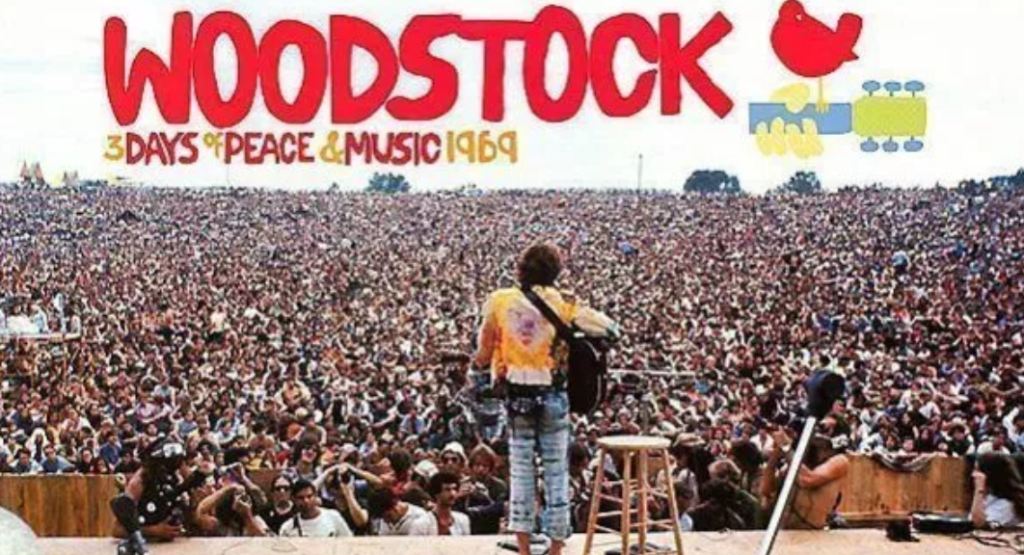
Woodstock Music and Art Fair, 1969
Essay · Music & History Four Days on Max Yasgur’s Farm Woodstock was not what it was advertised to be. It was not three days of peace and music — it was four days, the weather was frequently terrible, the organisation collapsed almost immediately, the food ran out, the sound system failed repeatedly, and at…
-
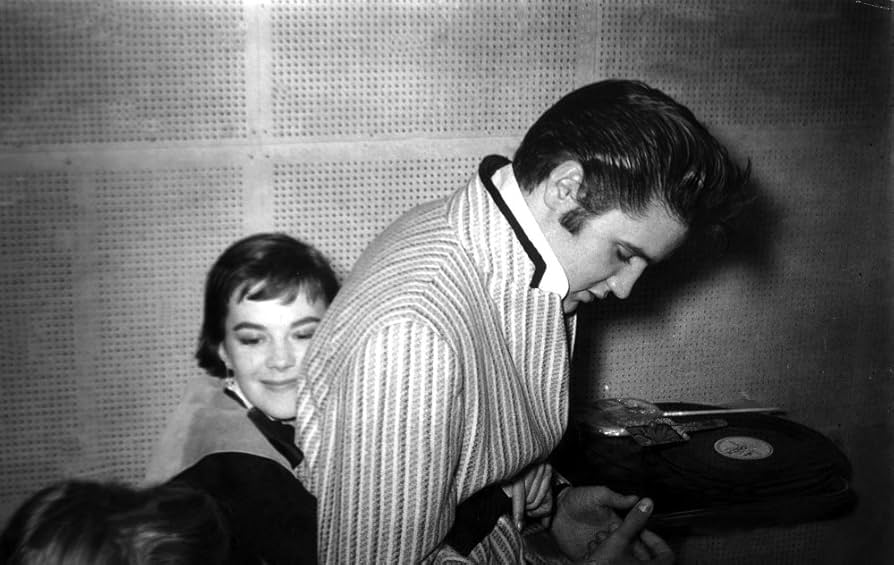
Natalie Wood
Essay · Film & Lives The Girl Who Never Quite Belonged to Herself Natalie Wood was one of the most naturally gifted actresses of the Hollywood studio era, a woman who made the transition from child star to adult performer with a completeness that almost no one manages, who received three Academy Award nominations before…
-
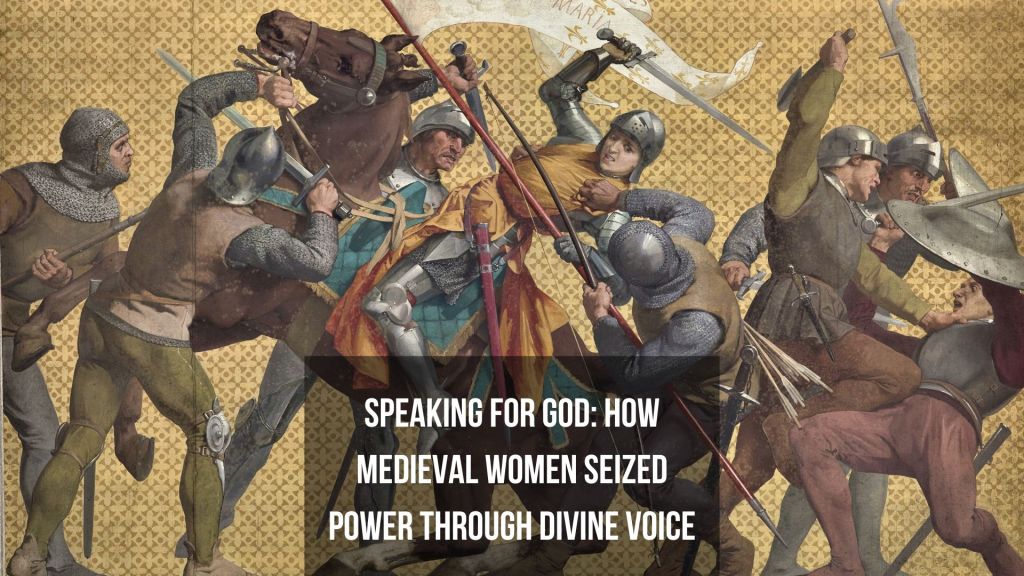
Speaking for God: How Medieval Women Seized Power Through Divine Voice
They had no pulpit, no vote, no university, no legal standing, and no legitimate path to public authority in any institution their world recognised. So they found the one loophole the medieval Church could not easily close — the direct line to God — and they used it to address popes, command armies, reshape theology,…
-
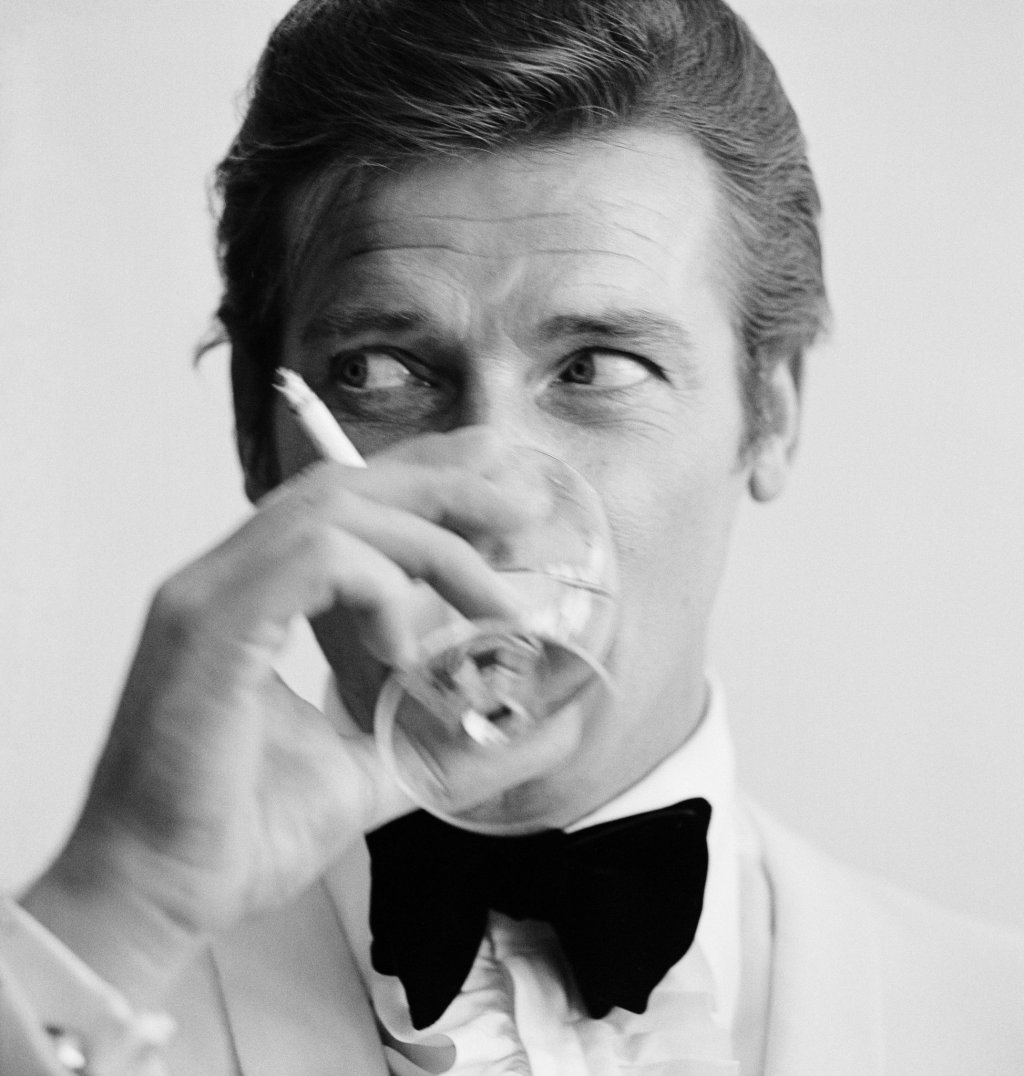
Ian Fleming’s Bond
Essay · Literature & Culture The Man Who Cannot Be Killed James Bond was created in 1952 by a bored, unhappy, recently married former intelligence officer writing his first novel in a Jamaican house he had built to escape from England, and he has refused to die for seventy years. The refusal is the most…
-
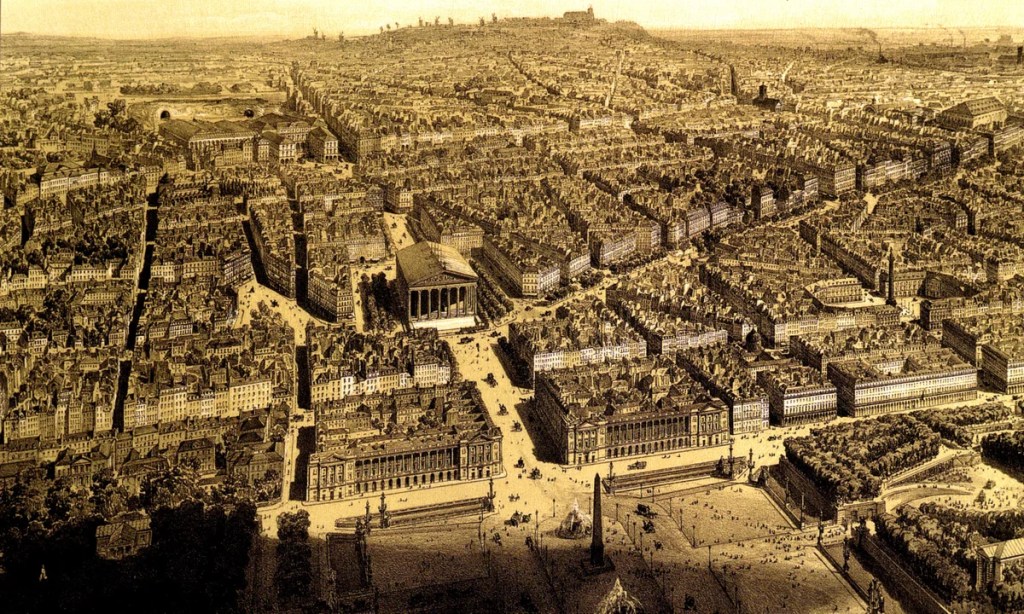
Georges-Eugène Haussmann
Essay · Architecture & History The Man Who Demolished Paris to Save It Georges-Eugène Haussmann did not build Paris. He destroyed it, systematically and at enormous speed and with the full authority of an emperor behind him, and what he built in its place was something that had not previously existed: the modern city, with…
-

Arthur Jafa
Essay · Art & Ideas The Question He Has Been Asking for Thirty Years Arthur Jafa has organised his entire artistic life around a single question: how do you make a Black cinema with the power, beauty, and alienation of Black music? The question sounds like a problem of aesthetics. It is, in fact, a…
-
The Human Condition According to Shakespeare
By Bergotte The series has moved, so far, through poets who held clear philosophical positions: Homer’s unflinching mortality, Ovid’s philosophy of change, Dante’s architecture of love. William Shakespeare holds no clear philosophical position. He holds all of them. He is the writer who most completely refused the consolation of a settled view, who gave the…
-
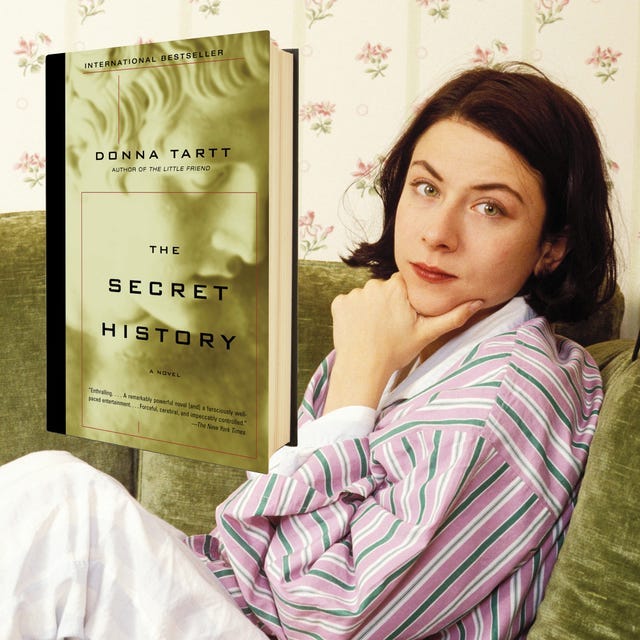
The Secret History
Essay · Literature & Ideas Beauty Will Save Us, or It Will Destroy Us First Donna Tartt published The Secret History in 1991, at twenty-eight, and it arrived as something the literary culture had not quite seen before: a novel that was simultaneously a page-turner and a meditation on moral philosophy, that took seriously both…
-
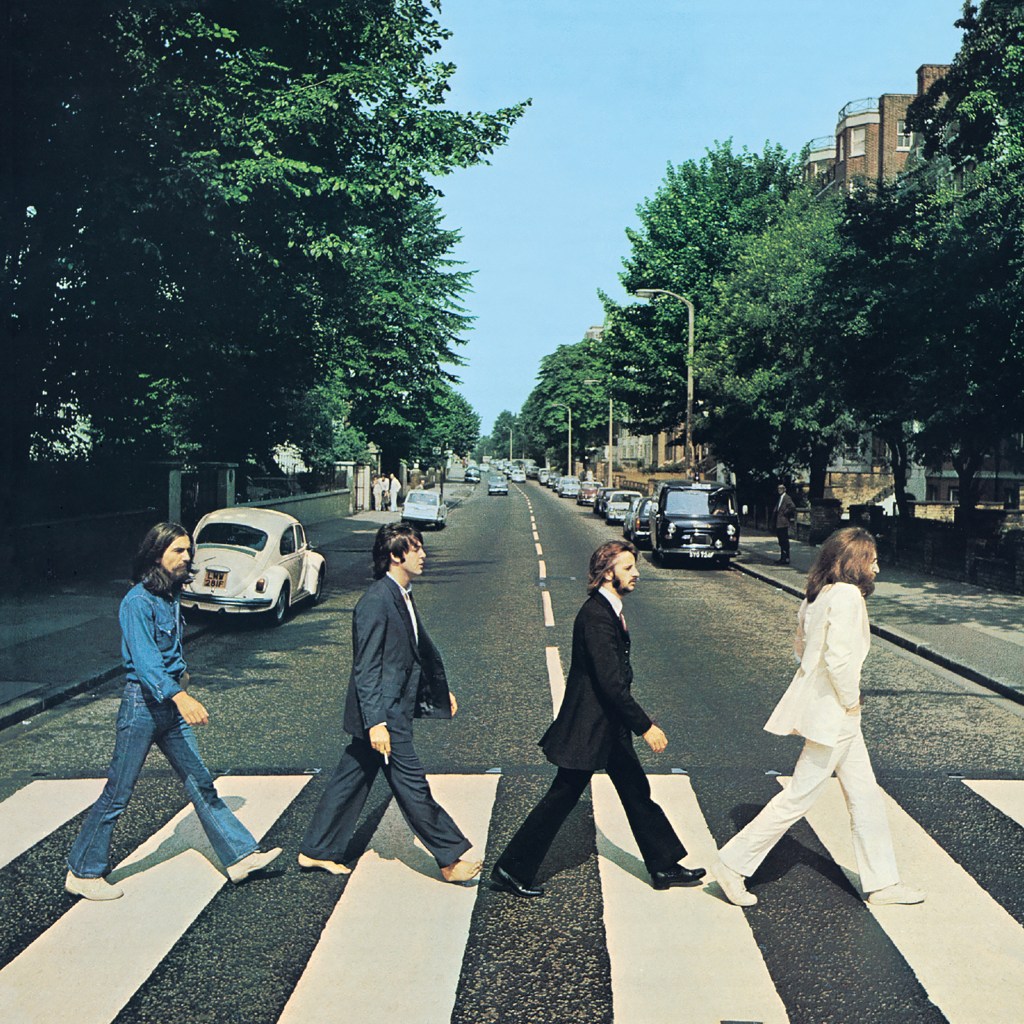
The Beatles
Essay · Music & Ideas Four Men and the Thing They Were Saying The Beatles did not set out to have a message. They set out to make girls scream, to get out of Liverpool, to be bigger than Elvis, and they achieved all three with a speed and a completeness that left them, by…

