
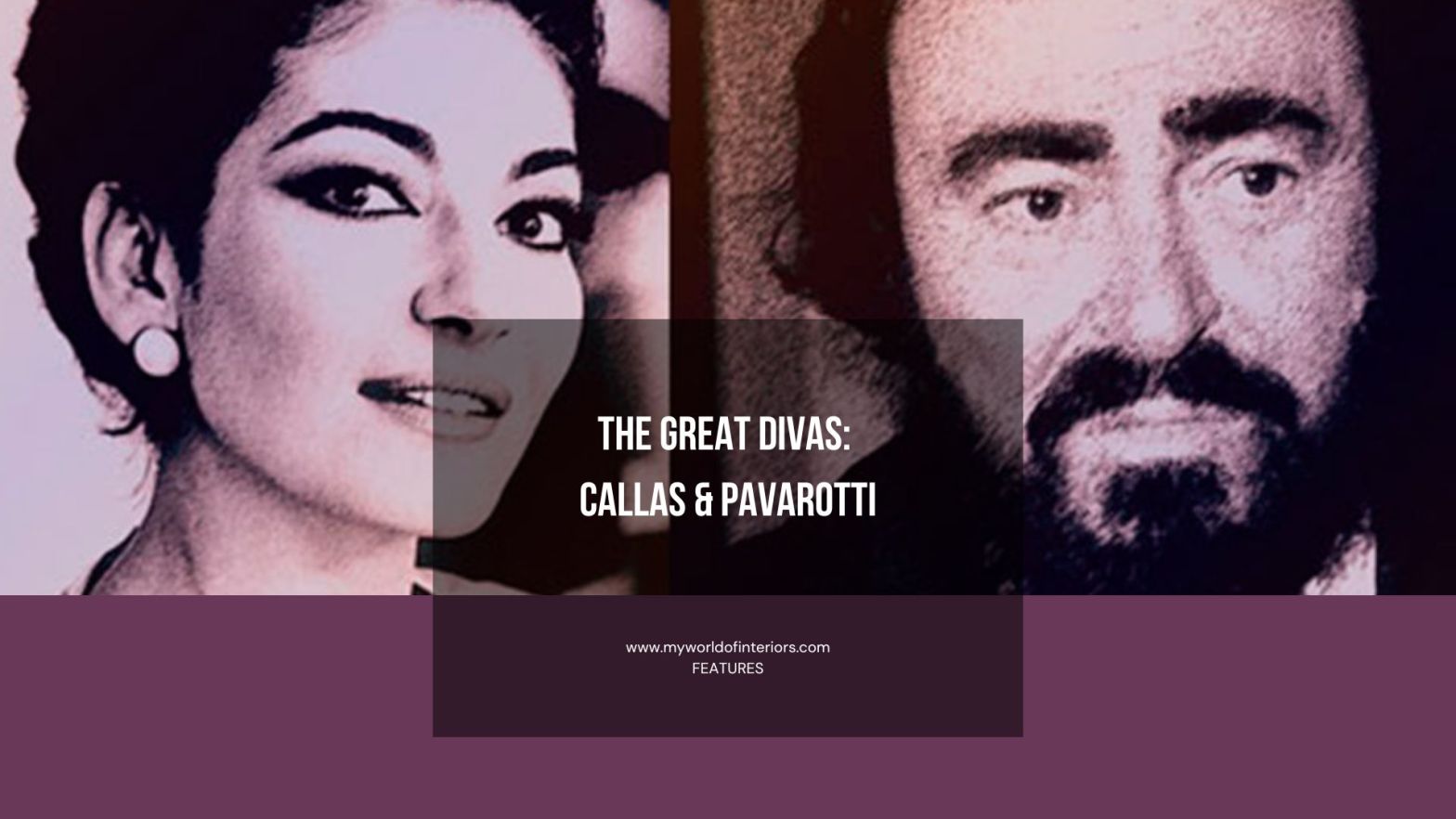
Opera, more than any other art form, thrives on the cult of personality. Its singers are not merely interpreters of music but embodiments of myth: voices that overwhelm, presences that dominate, temperaments that fascinate. To speak of opera’s “great divas” is to conjure not only vocal brilliance but also charisma, drama, and aura. In theContinue reading “The Great Divas: Maria Callas and Luciano Pavarotti”
Category Archives: Art
Where to Start with Opera: An Introduction to the Grandest Art
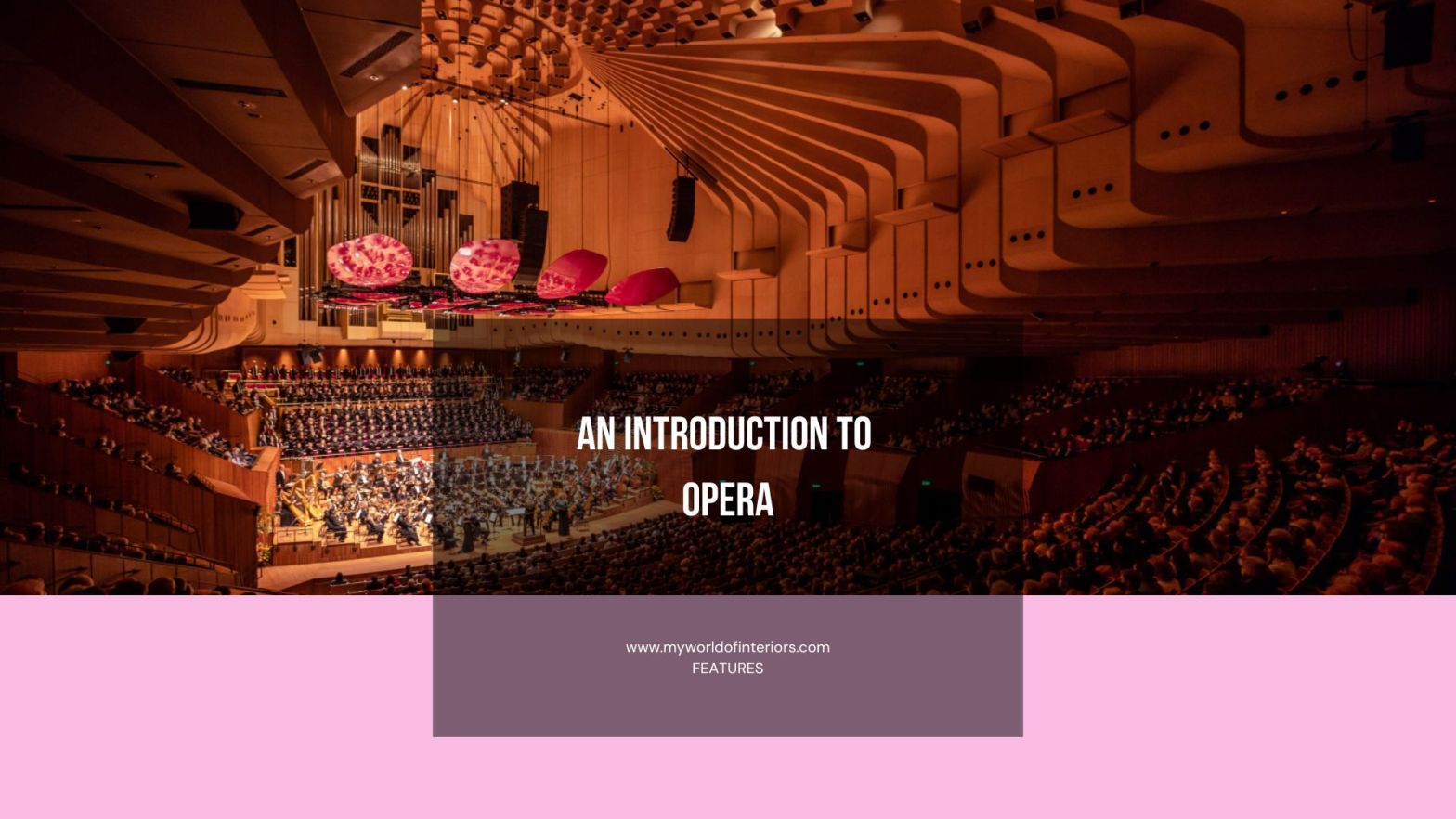
Opera has always carried an aura of mystery. For some, it is the pinnacle of artistic achievement — a union of music, theatre, architecture, and costume that overwhelms the senses. For others, it is intimidating: a world of long evenings, foreign languages, elaborate etiquette, and names that feel heavy with history. But to step intoContinue reading “Where to Start with Opera: An Introduction to the Grandest Art”
Eartha Kitt: Icon, Innovator, and Provocateur
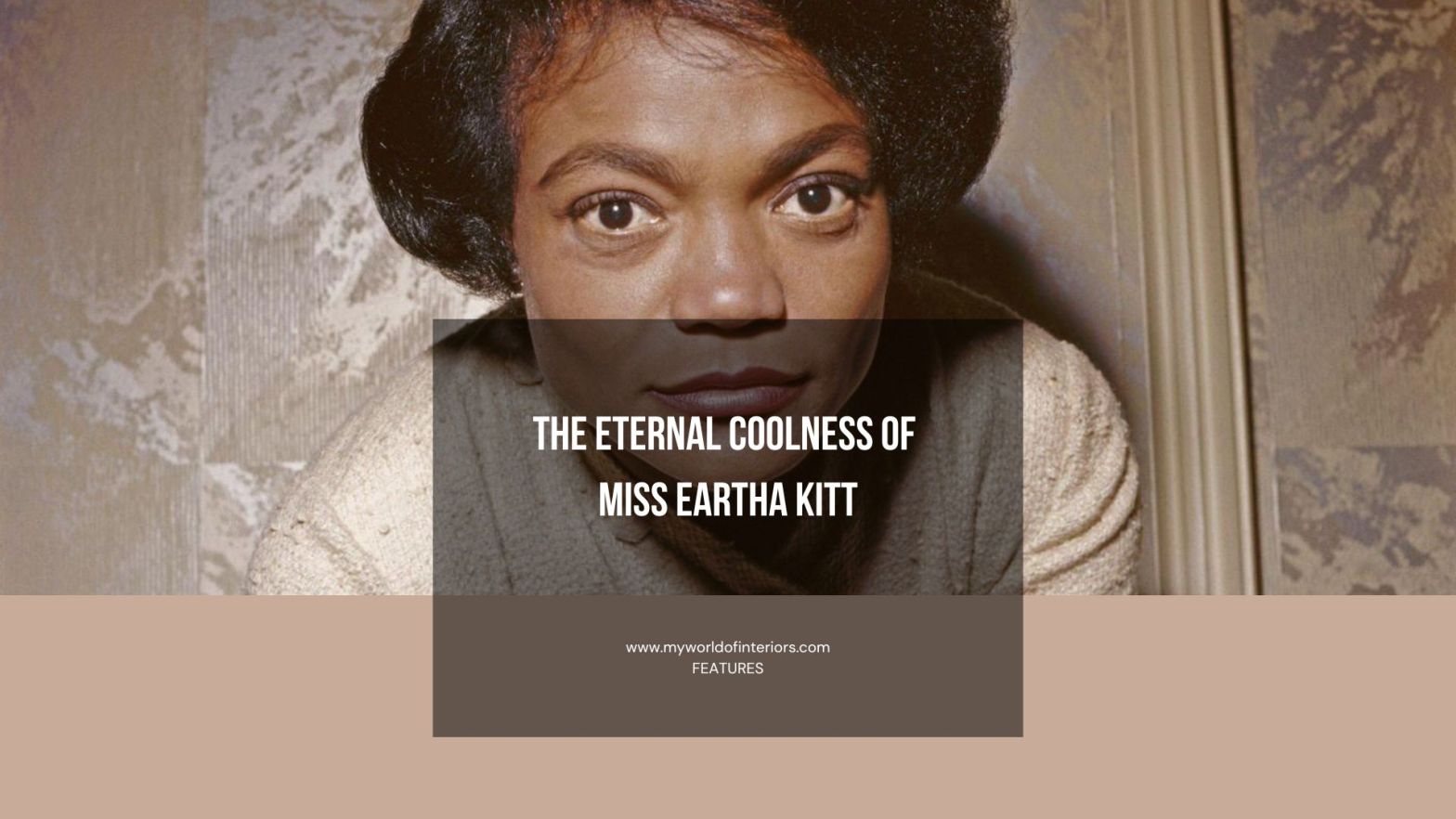
Eartha Kitt never fit into a category. She purred, she prowled, she sang, she danced, she acted, she provoked. To call her a singer, actress, or dancer is inadequate; she was an auteur of persona, a master of the stage who transformed each performance into a commentary on race, gender, and desire. Her genius layContinue reading “Eartha Kitt: Icon, Innovator, and Provocateur”
Futurism: The Art of Acceleration
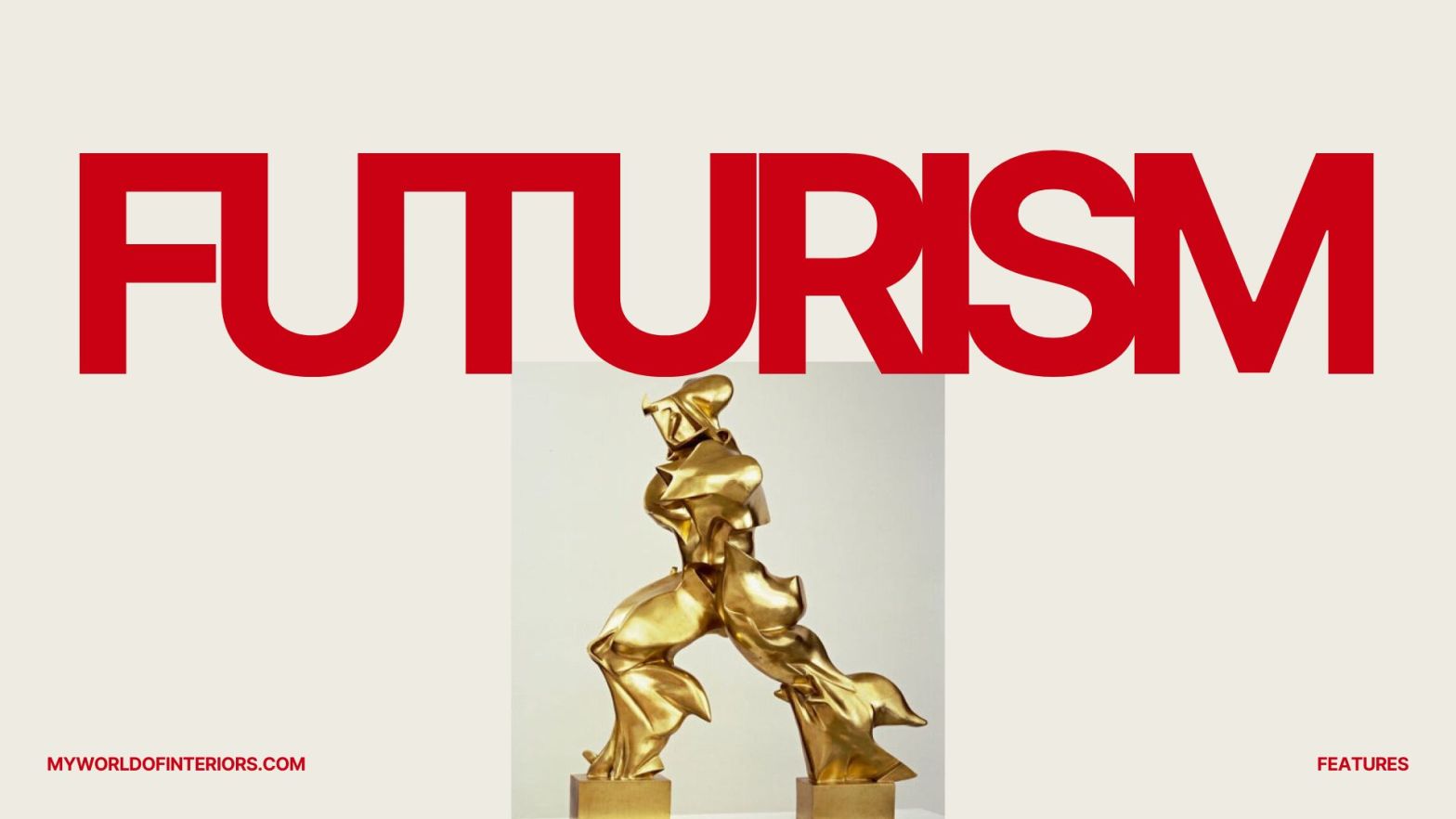
At the dawn of the twentieth century, a manifesto shook European culture like a thunderclap. Published in Le Figaro on February 20, 1909, Filippo Tommaso Marinetti’s Manifesto of Futurism declared war on the past and consecrated a new aesthetic: speed, violence, machinery, the beauty of the modern city, and the intoxicating promise of technology. “AContinue reading “Futurism: The Art of Acceleration”
Basquiat & Warhol: Collision, Collaboration, and the Making of Modern Myth
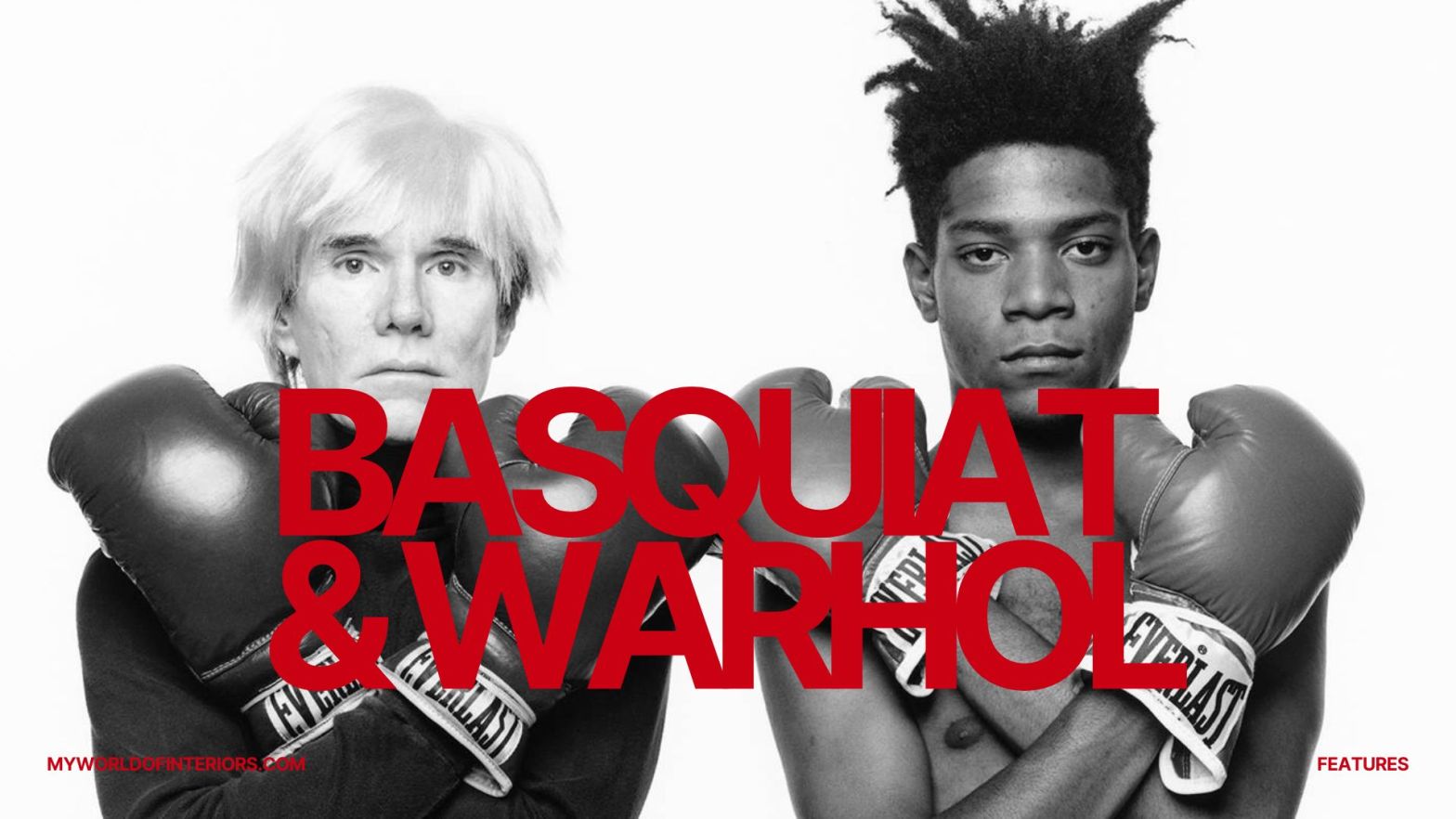
Art history is rich with encounters between generations, but few have provoked as much fascination, controversy, and enduring debate as the working friendship between Andy Warhol and Jean-Michel Basquiat. On one side stood Warhol, the established oracle of Pop, a man whose silkscreens of soup cans, celebrities, and consumer logos had redefined art’s relationship toContinue reading “Basquiat & Warhol: Collision, Collaboration, and the Making of Modern Myth”
Fra Angelico: Painter of Light and Grace
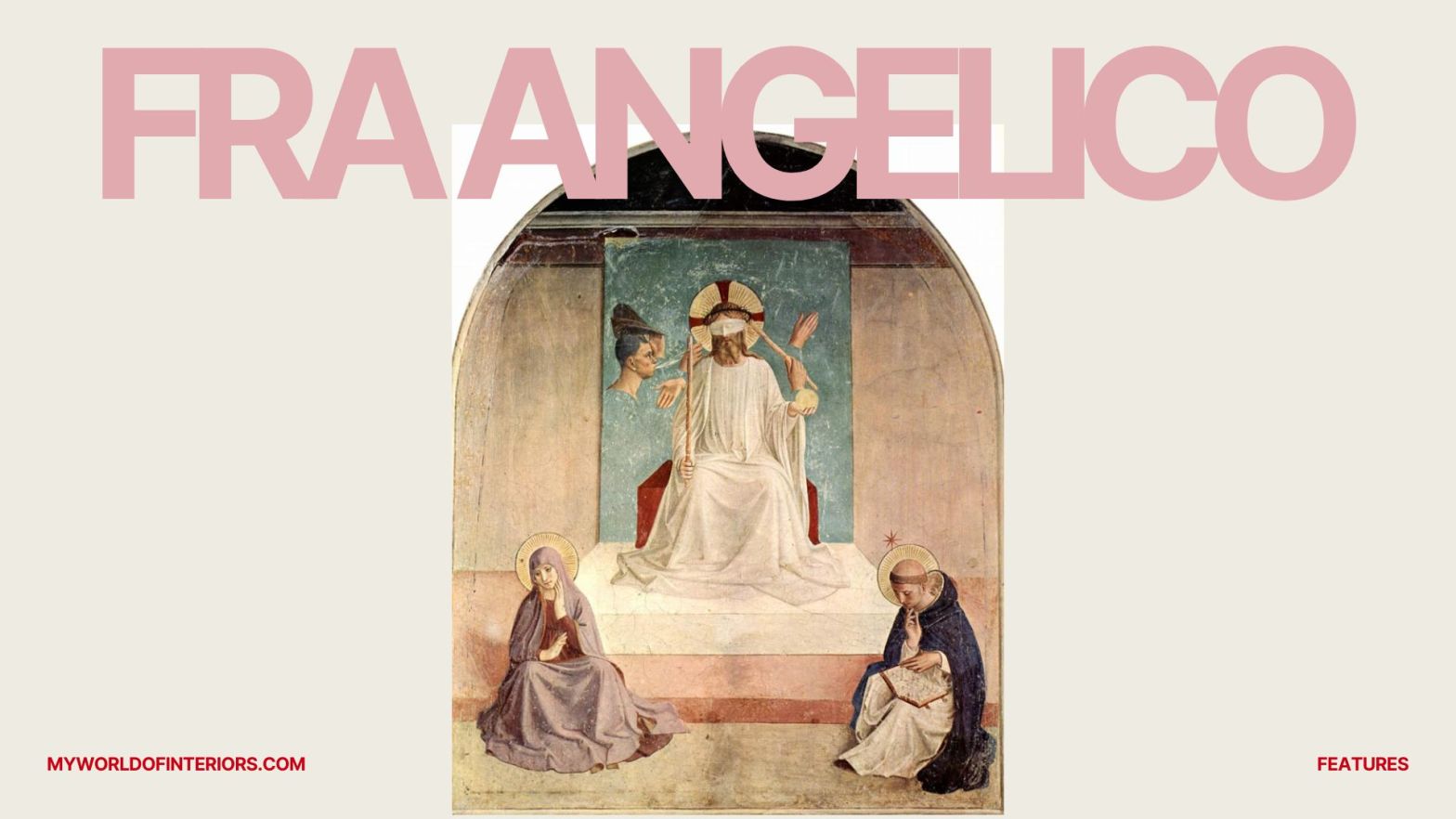
In the vast history of Western art, few figures embody the seamless marriage of devotion and innovation as fully as Fra Angelico. Born Guido di Pietro around 1395 near Florence, he entered the Dominican Order at Fiesole and became known simply as Fra Angelico — the Angelic Brother. His works, suffused with luminous color andContinue reading “Fra Angelico: Painter of Light and Grace”
Jazz: The Sound That Shaped the Modern Century
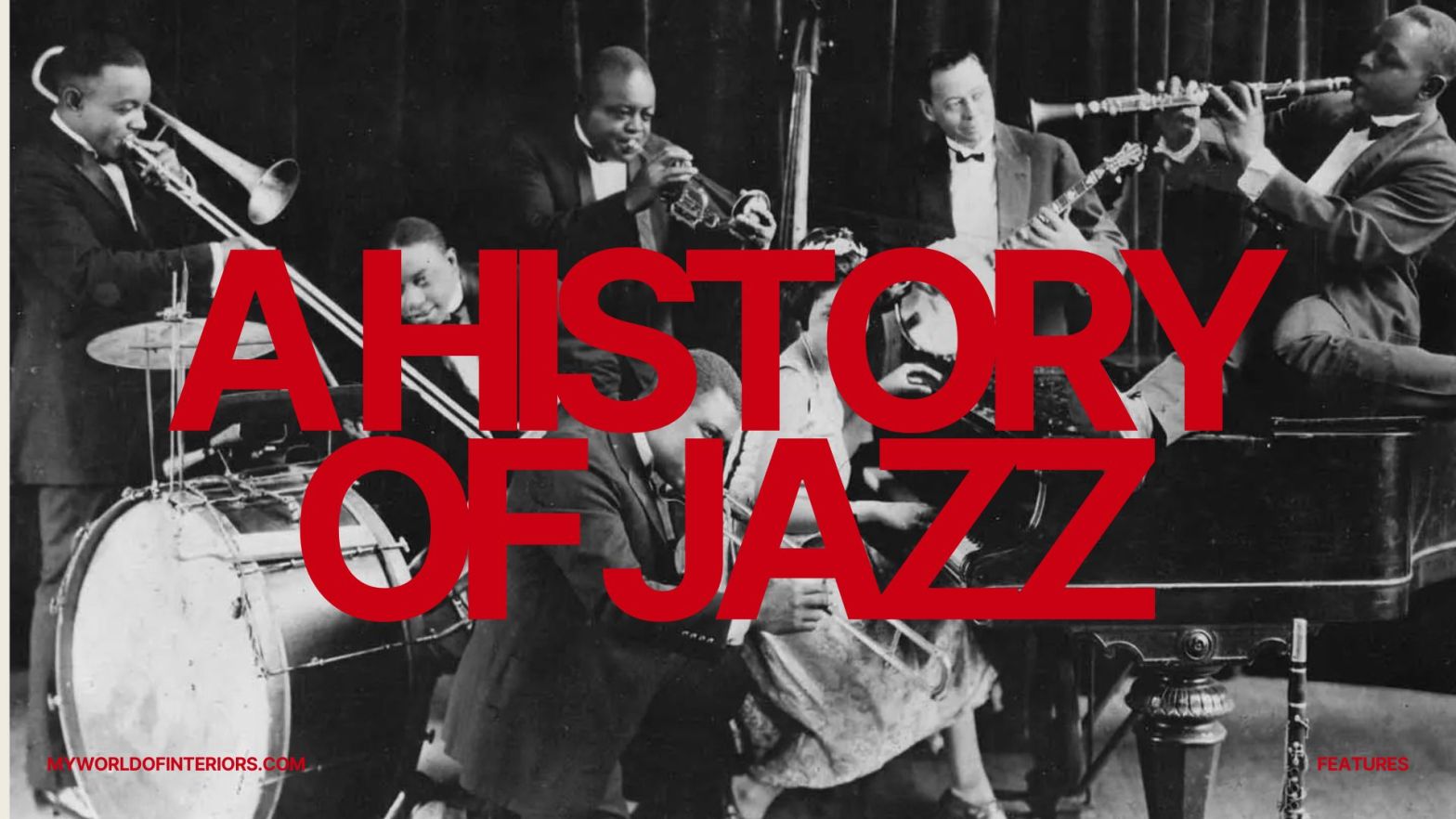
Jazz has always been more than music. It is improvisation, rebellion, conversation, and seduction — the soundtrack of the 20th century’s upheavals and freedoms. Born in the crucible of Black experience in America, it spread across continents, infiltrated fashion, cinema, literature, and politics, and became the lingua franca of modernity. To trace the history ofContinue reading “Jazz: The Sound That Shaped the Modern Century”
Bauhaus: The School That Changed Modern Life
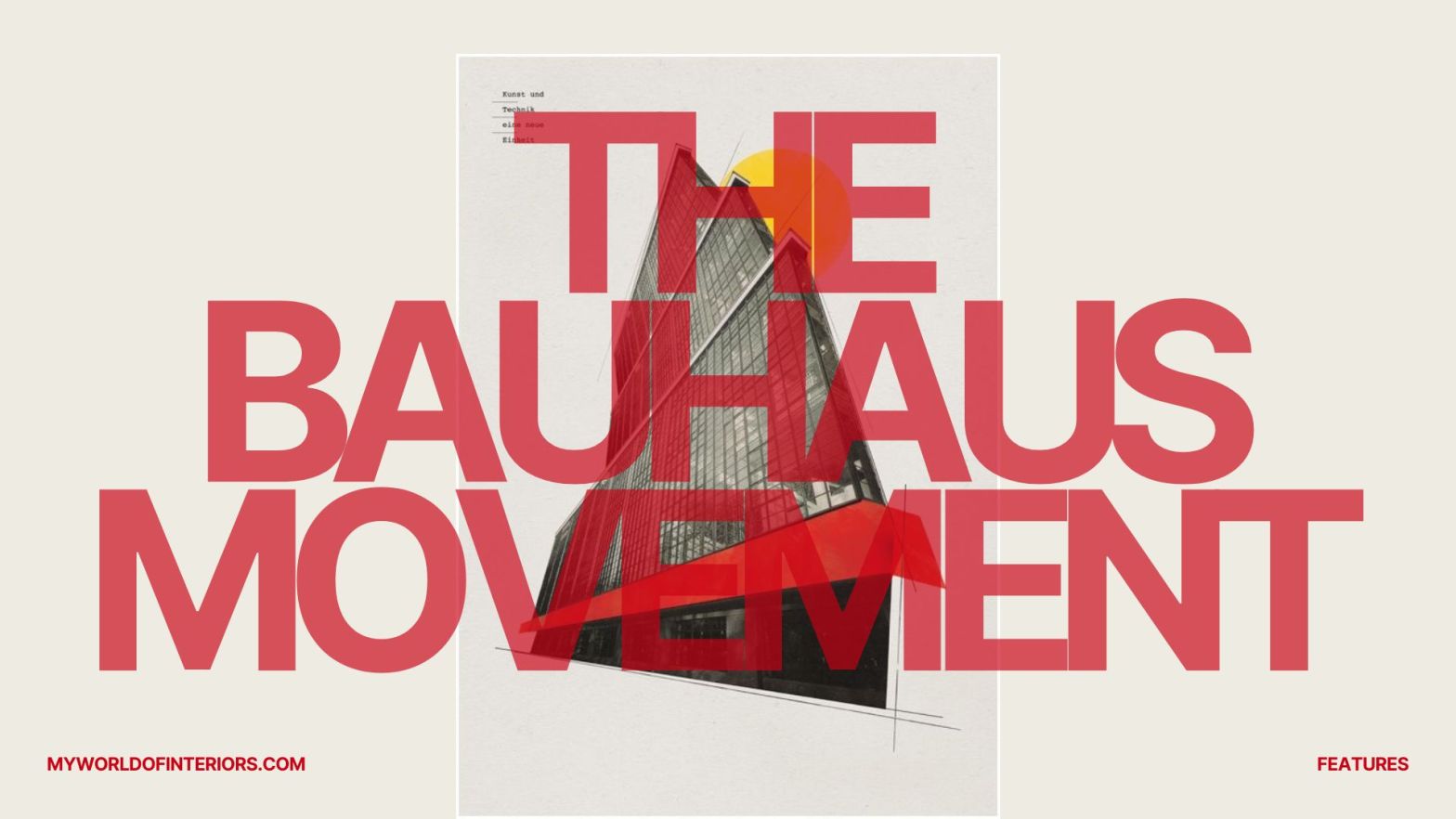
No movement in modern design carries quite the resonance of the Bauhaus. More than a school, it was a revolution in how we think about art, architecture, craft, and everyday life. Founded in 1919 in Weimar, Germany, by architect Walter Gropius, the Bauhaus lasted only fourteen years before the Nazis closed it in 1933. YetContinue reading “Bauhaus: The School That Changed Modern Life”
David Bowie: The Man Who Fell to Earth and Never Stopped Shaping It
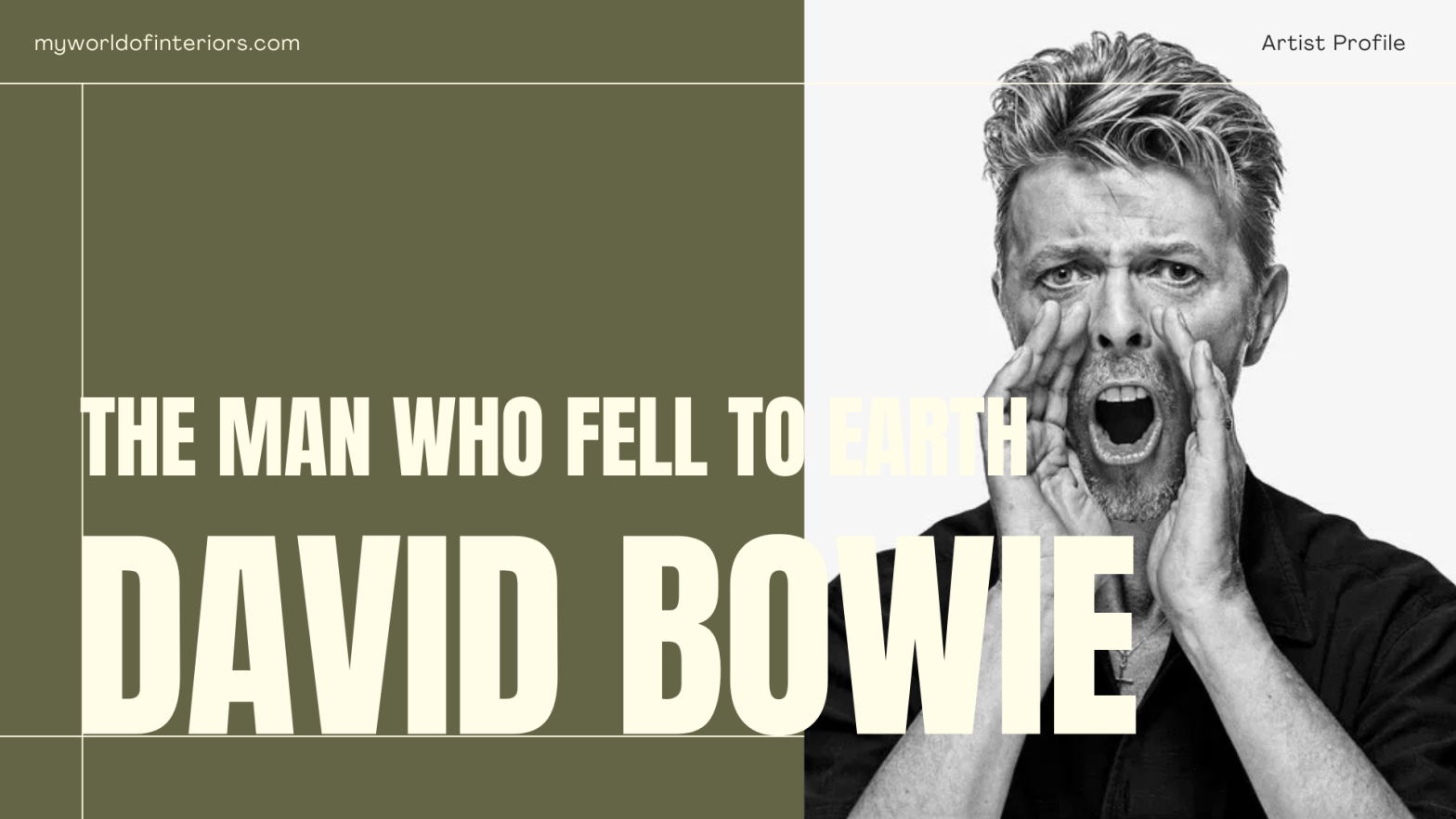
Few artists of the 20th century lived as many lives — and left as many indelible marks — as David Bowie. Singer, songwriter, actor, painter, fashion icon, and cultural shape-shifter, Bowie was more than a musician: he was a prism through which entire generations refracted their desires, anxieties, and dreams. From Ziggy Stardust to theContinue reading “David Bowie: The Man Who Fell to Earth and Never Stopped Shaping It”
Dora Maar: The Radical Eye of Surrealism
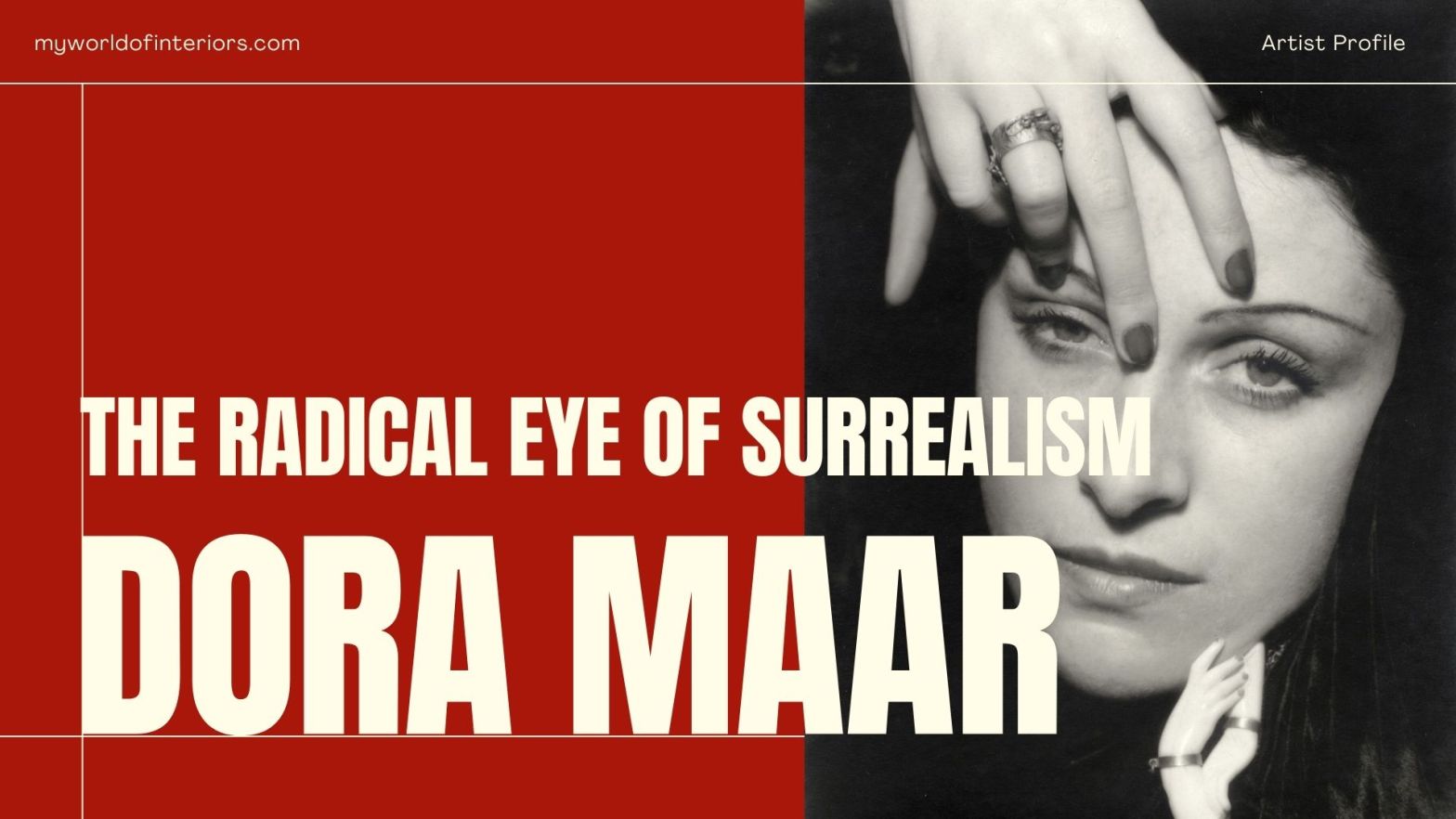
In the pantheon of 20th-century modernism, few figures are as enigmatic as Dora Maar. For decades she was remembered primarily as Pablo Picasso’s lover — immortalized in fractured portraits of weeping women, her anguish refracted through the painter’s cubist lens. But Dora Maar was far more than a subject in someone else’s story. She wasContinue reading “Dora Maar: The Radical Eye of Surrealism”
 My World of Interiors