Category: Literature
-
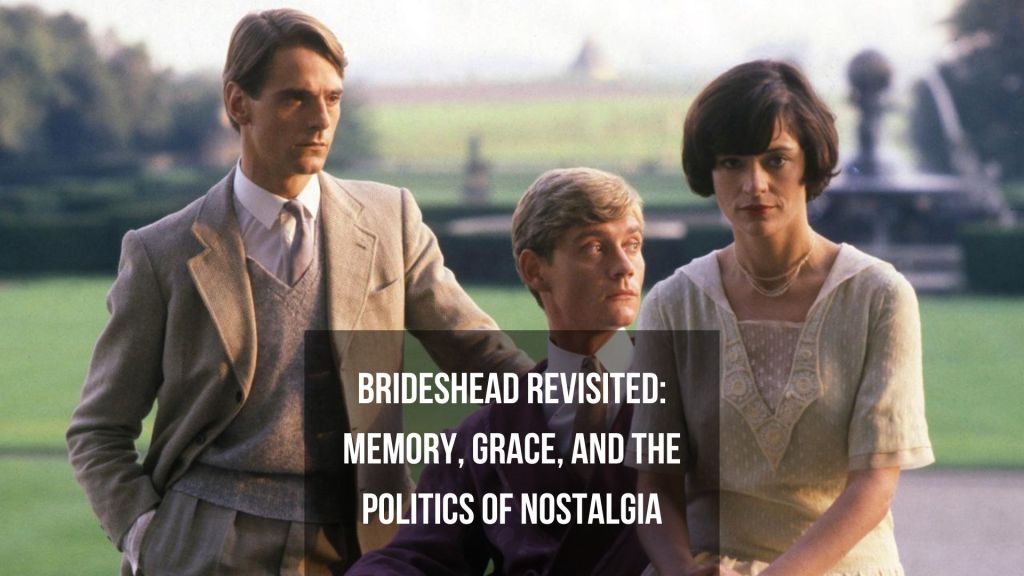
Brideshead Revisited: Memory, Grace, and the Politics of Nostalgia
To approach Brideshead Revisited is to enter a layered architecture: a country house that is also a theology, a love story that is also a meditation on class, and a memoir that is also an argument about memory. Evelyn Waugh published the novel in 1945, in the wreckage of war and rationing; he later pruned…
-
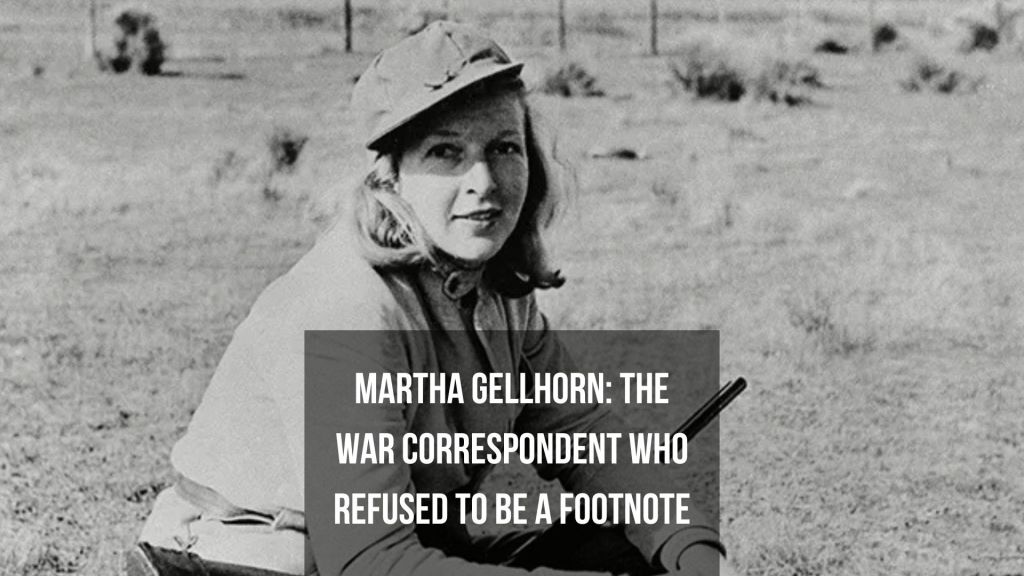
Martha Gellhorn: The War Correspondent Who Refused to Be a Footnote
Martha Gellhorn never liked being remembered as Ernest Hemingway’s wife. She was, as she often reminded anyone who asked, “a writer before I met him, and a writer after I left him.” Indeed, over the course of nearly six decades, Gellhorn became one of the 20th century’s most formidable war correspondents—a woman who witnessed the…
-
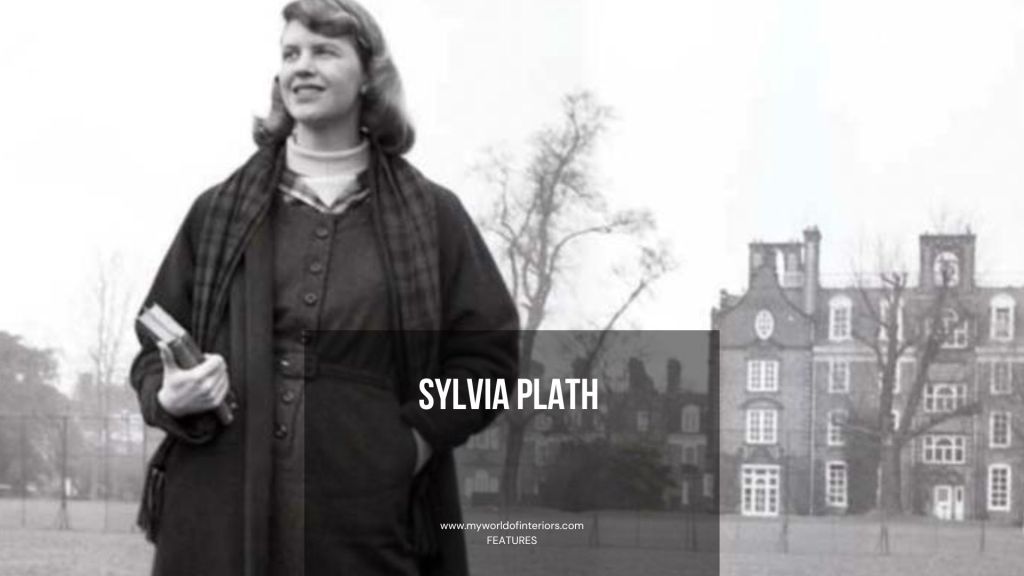
Sylvia Plath: The Mirror and the Flame
Sylvia Plath occupies a singular place in modern literature: a poet whose voice is at once crystalline and combustible, whose life and death have become inseparable from her art, and whose influence continues to radiate across generations. To speak of Plath is to confront both her genius and her mythology. She is remembered as a…
-
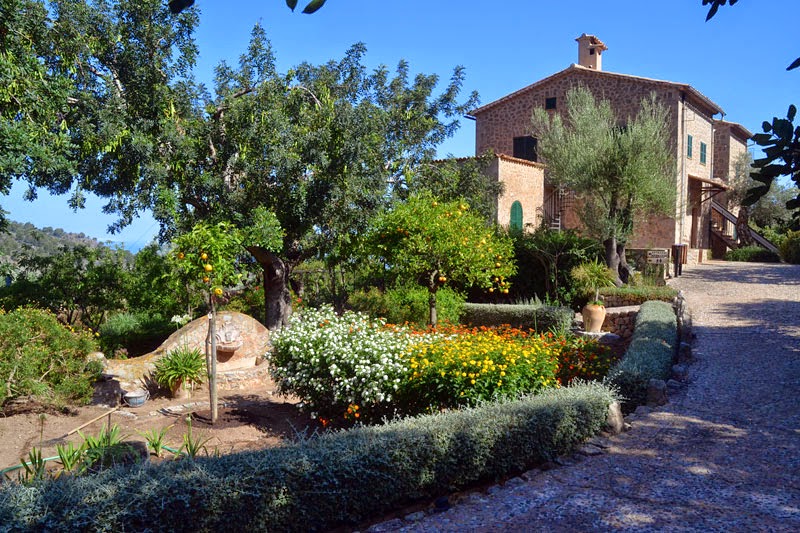
Robert Graves’s Villa in Mallorca: A Poet’s Sanctuary in Deià
On the steep, pine-scented slopes of Mallorca’s Tramuntana mountains lies the village of Deià—a place that has long drawn artists, musicians, and wanderers in search of inspiration. Among its most storied residents was Robert Graves, the English poet, novelist, and classicist, who made a house here in 1929 and turned it into one of the…
-
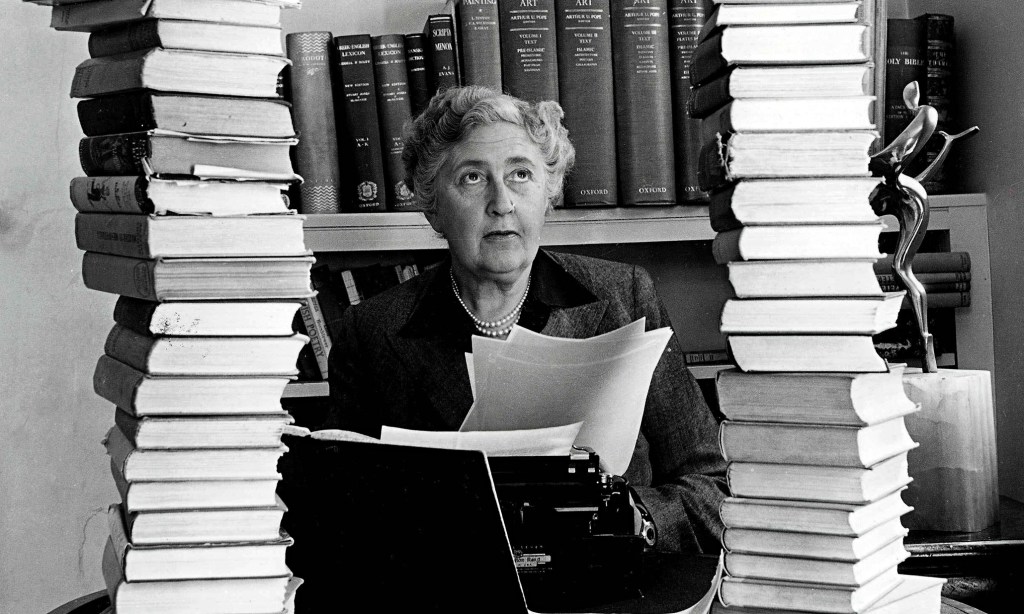
Agatha Christie: The Queen of Crime and the Enduring Spell of Hercule Poirot
Agatha Christie remains the most widely read novelist in history, outsold only by the Bible and Shakespeare. Known as the “Queen of Crime,” she transformed detective fiction from pulp entertainment into a global art form. Her tightly constructed plots, eccentric sleuths, and elegant prose made murder an intellectual puzzle as much as a narrative shock.…
-
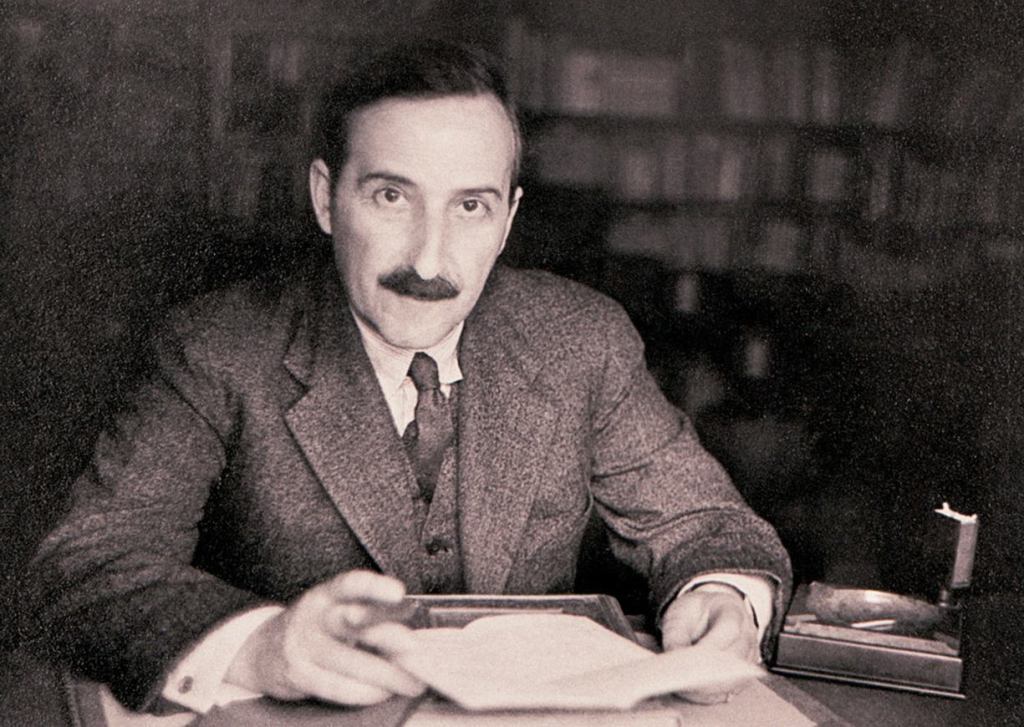
Stefan Zweig: The Last Cosmopolitan
Stefan Zweig remains one of the most haunting figures of twentieth-century literature. A chronicler of human passions, a biographer of geniuses, a novelist of psychological insight, and ultimately an exile undone by history, his life reads like a parable of modernity itself: brilliance shadowed by catastrophe. Vienna and the Belle Époque Born in Vienna in…
-

To See Someone Truly: On Great Are the Myths
There is a moment near the beginning of this novel that contains, in miniature, everything the novel will spend three hundred pages unfolding. The boy has come to visit Birdie’s house for the first time. He is thirteen, working-class, new to Memphis, not entirely sure why he has been invited. The house is enormous —…
-
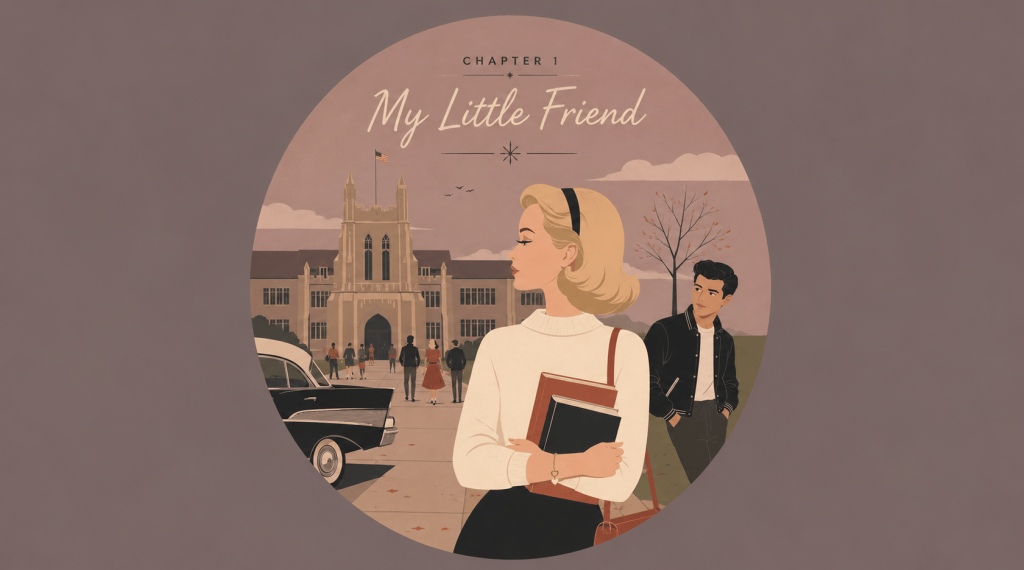
The Second Novel: On the Chapter Titles of Great Are the Myths
Great Are the Myths has sixty-six chapters. It also has a prologue, a section heading, a commencement, a coda, and an author’s note. But before any of that — before the first sentence, before Birdie’s voice begins — there is a title. And then another. And then sixty-four more. Read in sequence, the chapter titles…
-

The Companion Who Lives in Your Head: Imaginary Friends, Spirit Guides, and the Inner Life of the Boy
An Essay on Reading Great Are the Myths “What if you’re my imaginary friend?” The boy asks this near the very end. They are lying side by side on sun loungers in the California desert, covered in blankets, the way they used to lie in the garden in Memphis when they were thirteen and fourteen…
-
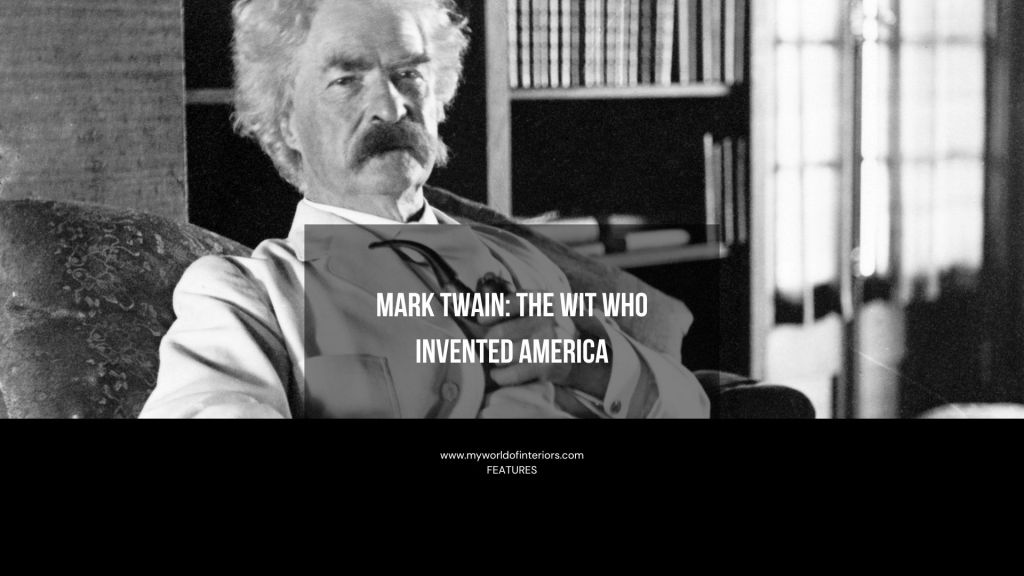
Mark Twain: The Wit Who Invented America
Mark Twain was not merely a writer; he was a voice so distinct, so irreverent, that it seemed to belong to America itself. Born Samuel Langhorne Clemens in 1835 on the banks of the Mississippi River, Twain became the first truly national humorist, a man who captured the cadences of ordinary speech, the hypocrisies of…
