Category: Literature
-

Hans Christian Andersen: The Story of a Mother
Grief, Sacrifice, and the Limits of Maternal Love: Jørgen Vestergaard’s Historien om en moder (1977) By Bergotte The Story of a Mother Here is a film that is seared into my memory from childhood: Jørgen Vestergaard’s 1977 Danish stop-motion animated short Historien om en moder (The Story of a Mother) represents one of the most…
-
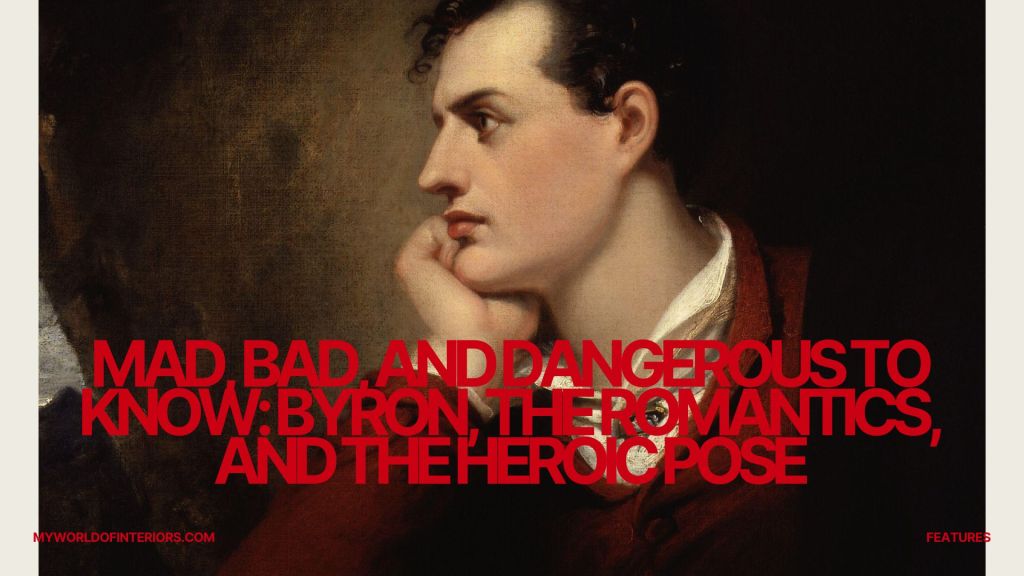
Mad, Bad, and Dangerous to Know: Byron, the Romantics, and the Heroic Pose
They were young, they were beautiful, they were consumed by their own myths and their own fevers before any of them reached forty. Byron, Shelley, and Keats between them invented the idea of the artist as hero — as outcast, visionary, martyr to beauty and freedom. The invention was magnificent and partly fraudulent and changed…
-
The Human Condition According to Dostoevsky
By Bergotte The series has been moving, in its way, toward this. Homer gave us mortality without consolation. Ovid gave us transformation without stability. Dante gave us love as the architecture of the universe. Shakespeare gave us the self as performance, unmoored from any fixed ground. What Dostoevsky gives us is the consequence of all…
-
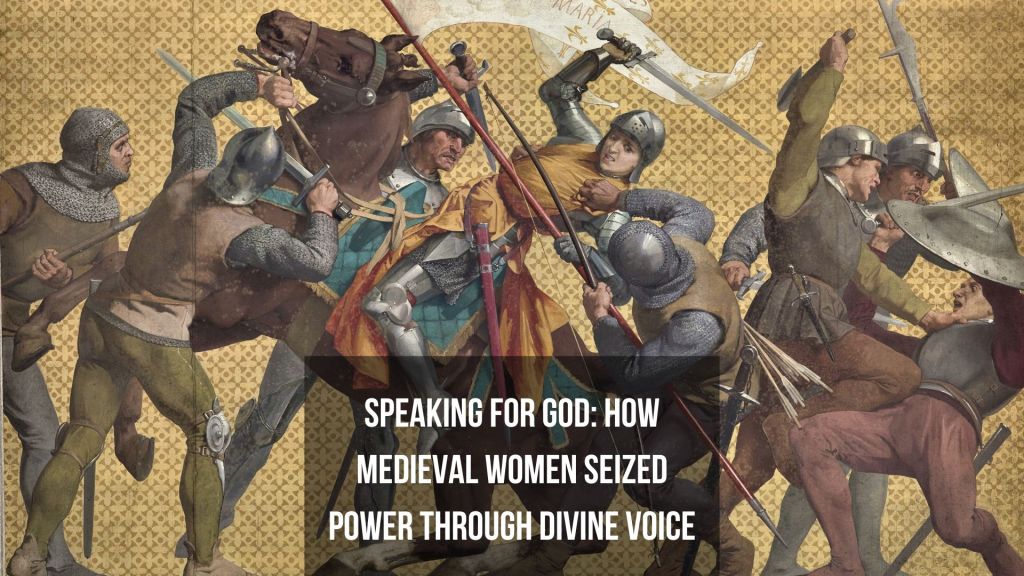
Speaking for God: How Medieval Women Seized Power Through Divine Voice
They had no pulpit, no vote, no university, no legal standing, and no legitimate path to public authority in any institution their world recognised. So they found the one loophole the medieval Church could not easily close — the direct line to God — and they used it to address popes, command armies, reshape theology,…
-
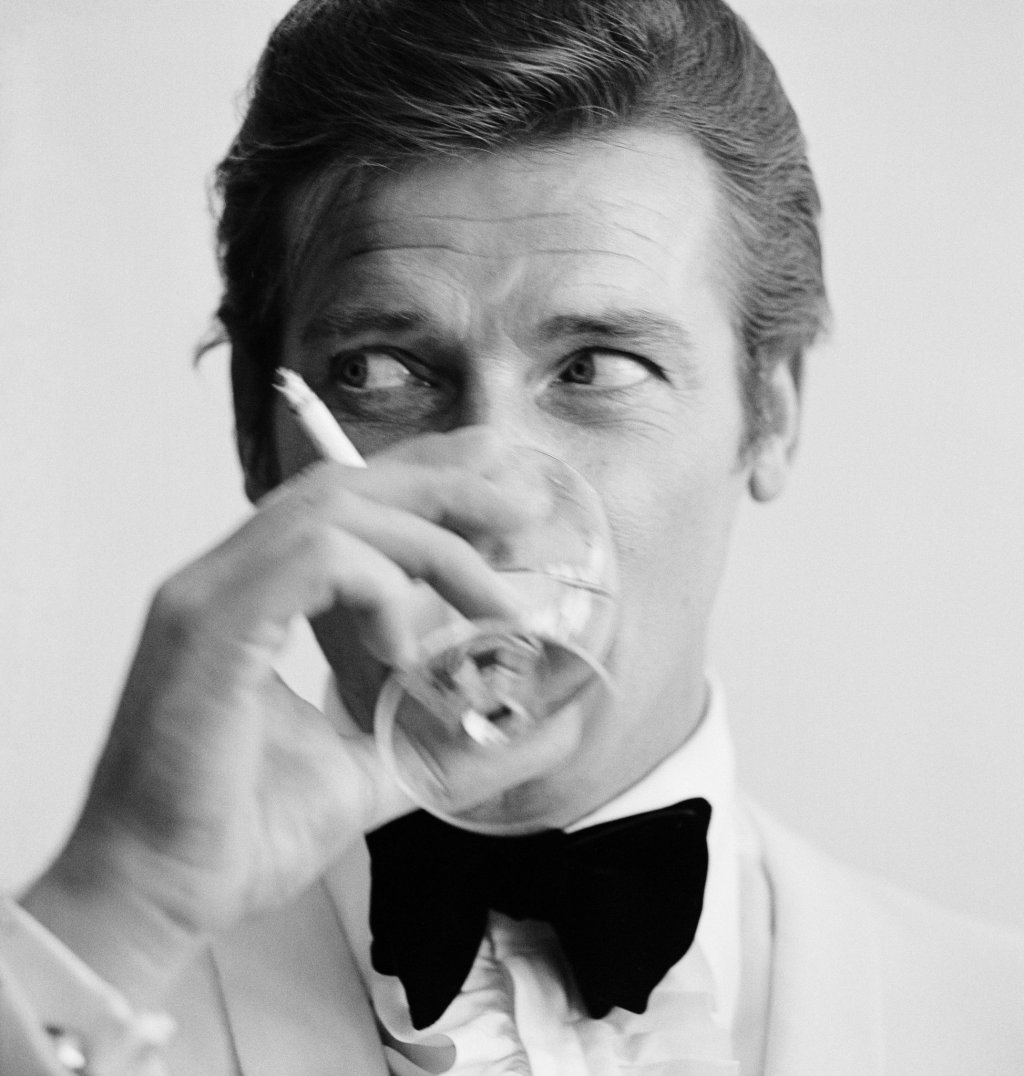
Ian Fleming’s Bond
Essay · Literature & Culture The Man Who Cannot Be Killed James Bond was created in 1952 by a bored, unhappy, recently married former intelligence officer writing his first novel in a Jamaican house he had built to escape from England, and he has refused to die for seventy years. The refusal is the most…
-
The Human Condition According to Shakespeare
By Bergotte The series has moved, so far, through poets who held clear philosophical positions: Homer’s unflinching mortality, Ovid’s philosophy of change, Dante’s architecture of love. William Shakespeare holds no clear philosophical position. He holds all of them. He is the writer who most completely refused the consolation of a settled view, who gave the…
-
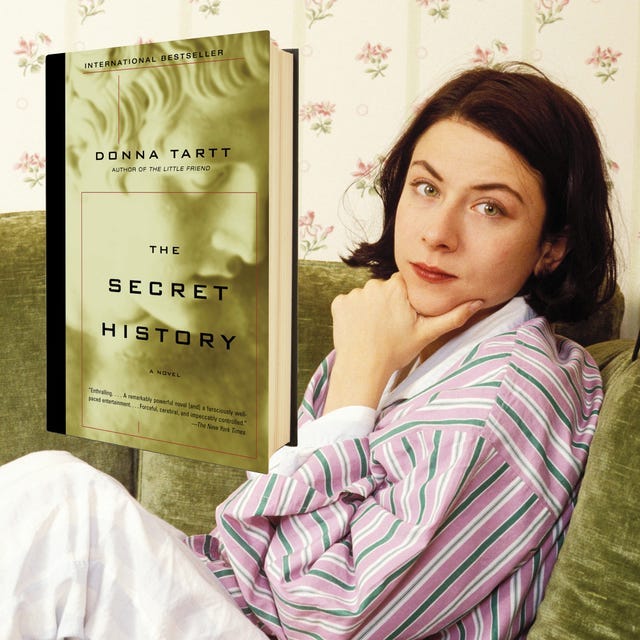
The Secret History
Essay · Literature & Ideas Beauty Will Save Us, or It Will Destroy Us First Donna Tartt published The Secret History in 1991, at twenty-eight, and it arrived as something the literary culture had not quite seen before: a novel that was simultaneously a page-turner and a meditation on moral philosophy, that took seriously both…
-
The Human Condition According to Dante
By Bergotte No work of literature begins more universally than the Divine Comedy. Not with a king or a war or a cosmogony, but with a man — any man, every man — who has lost his way in the middle of his life. Dante Alighieri wrote the greatest poem of the Middle Ages and…
-
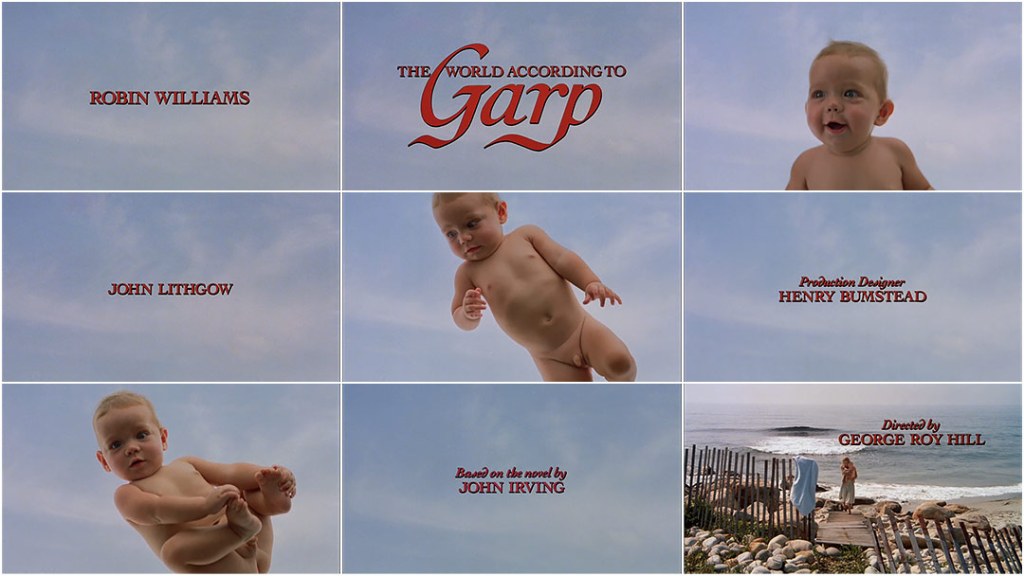
The World According To Garp
Essay · Literature & Ideas A Novel About Everything That Can Go Wrong, Written With Love The World According to Garp is a novel about a novelist, which gives John Irving permission to make it about everything else: about mothers and sons, about feminism and its discontents, about the randomness of violent death, about the…
-
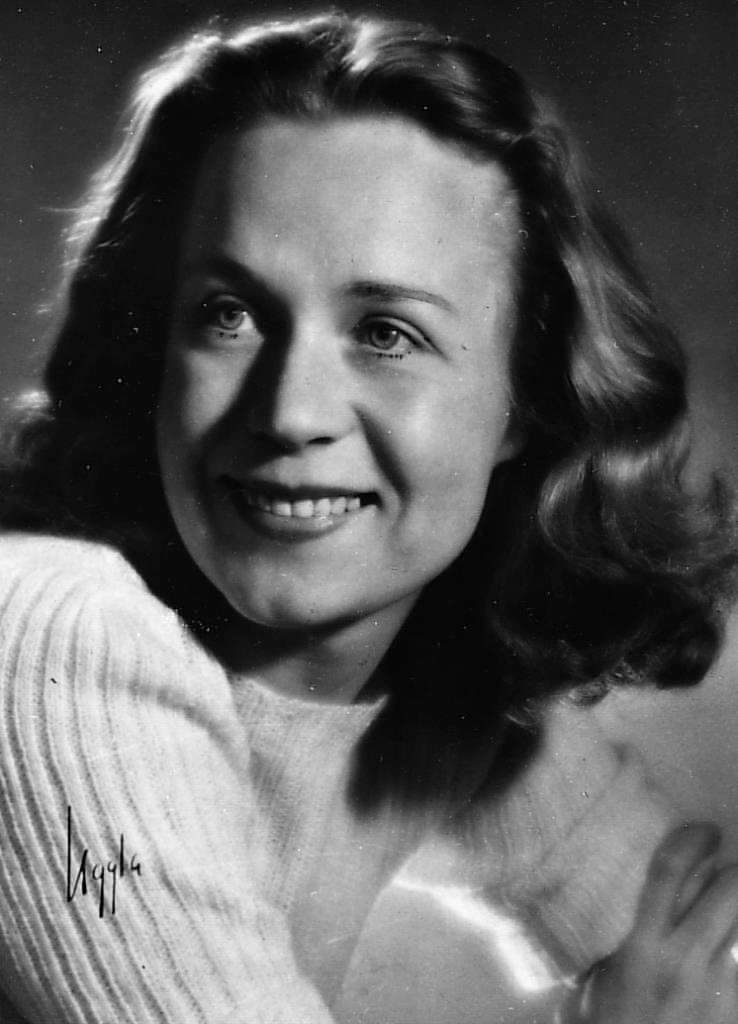
Tove Ditlevsen
Essay · Literature & Lives The Copenhagen Trilogy and the Cost of Seeing Clearly Tove Ditlevsen wrote about the interior lives of women — their desires, their loneliness, their addiction, their marriages, their children, their slow suffocation inside the arrangements that society had made for them — with a directness and a formal precision that…
