Category: Literature
-
The Human Condition According to F. Scott Fitzgerald
By Bergotte F. Scott Fitzgerald understood enchantment better than any other American writer — understood it not as a pleasant illusion to be gently corrected but as a fundamental feature of human consciousness, the capacity to project onto the world a beauty and a meaning and a promise that the world does not independently possess,…
-
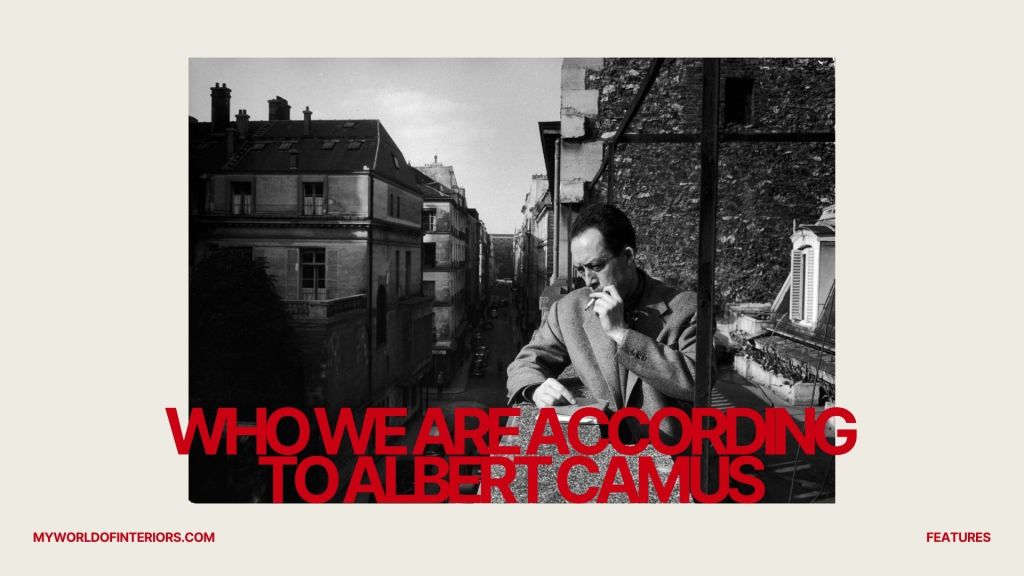
One Must Imagine Sisyphus Happy: Who We Are According to Albert Camus
He is the last philosopher in this series and the one who answers the question the series has been building toward. Not the question of what the self is, or how it is made, or what it is condemned to. The question that Sartre’s radical freedom leaves ringing in the air: given all of this…
-
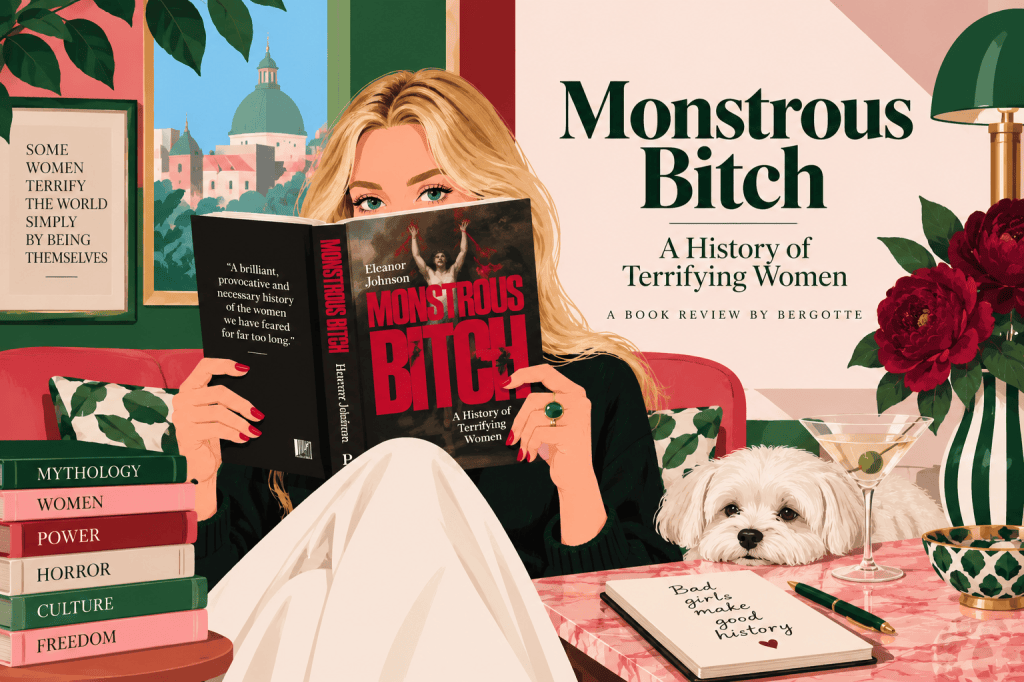
Monstrous Bitch
Who Gets to Be a Monster? Book: Monstrous Bitch: A History of Terrifying WomenAuthor: Eleanor JohnsonPublisher: Princeton University PressPublication: 6 October 2026Pages: 344ISBN: 9780691291666Genre: Cultural history / Feminist criticism / Mythology There are monsters, and then there are women who have been made monstrous. The distinction lies at the heart of Eleanor Johnson’s wonderfully provocative…
-
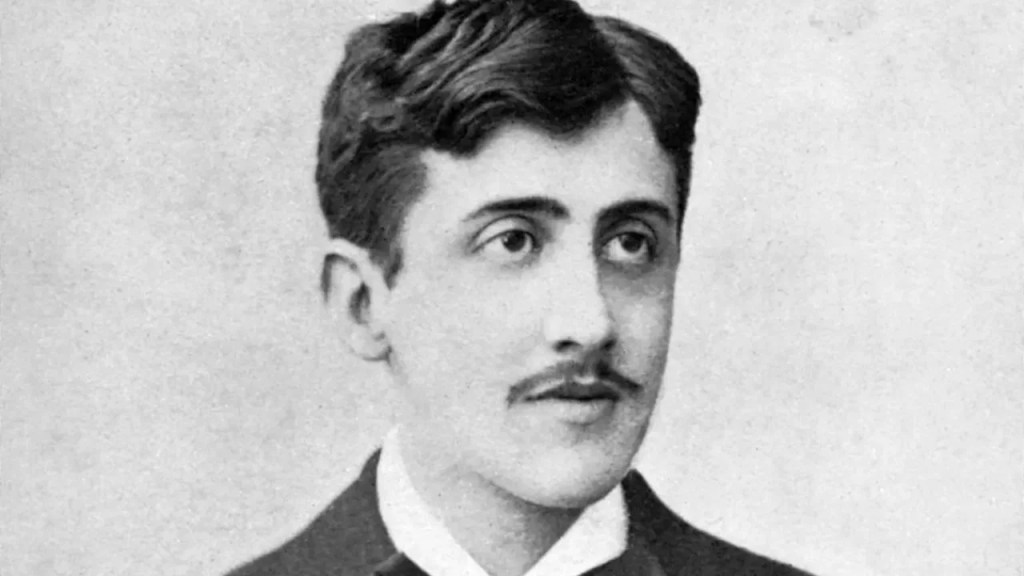
How Proust Can Change Your Life
How Proust Can Change Your Life In 2000, the BBC made the rather unlikely decision to turn Alain de Botton’s book How Proust Can Change Your Life into a television film, with Ralph Fiennes playing Marcel Proust. The result is neither straightforward biography nor literary adaptation, but something more curious: an attempt to ask what…
-
The Human Condition According to Mark Twain
By Bergotte Mark Twain understood that civilisation is a confidence trick. Not a failed experiment or a work in progress or a fragile achievement requiring defence, but a sustained, organised, multigenerational deception in which human beings persuade themselves and each other that the cruelties they practise are either necessary, natural, or invisible. His comedy —…
-
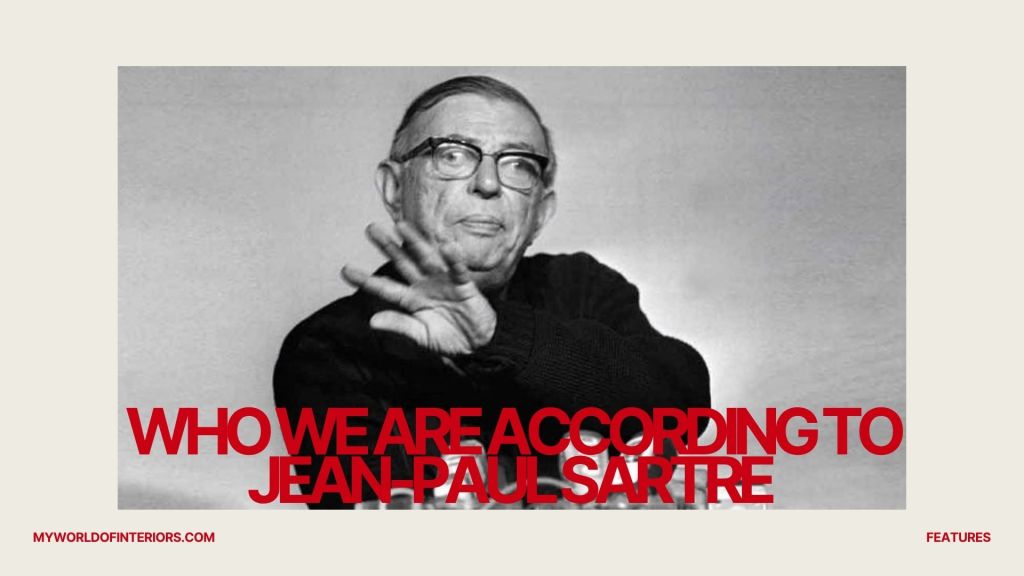
Condemned to Be Free: Who We Are According to Jean-Paul Sartre
Every philosopher in this series has made demands. Kierkegaard demanded genuine decision. Beauvoir demanded resistance to structural power. Nietzsche demanded value-creation in the void. Heidegger demanded ownership of one’s own being. Sartre takes all of these demands, strips away every remaining support, and arrives at the most terrifying and the most liberating position in the…
-
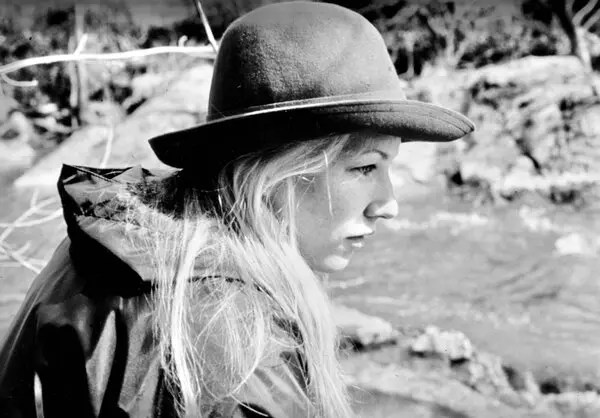
Annie Dillard, 1945–2026: The Fierce Attention of a Life
The Pulitzer Prize-winning author of Pilgrim at Tinker Creek, whose ecstatic, exacting prose transformed the observation of nature into an inquiry into consciousness, faith and existence, has died aged 81. Annie Dillard, one of the most singular voices in postwar American literature, died on 15 September 2026 at her home in South Wellfleet, Massachusetts. She…
-
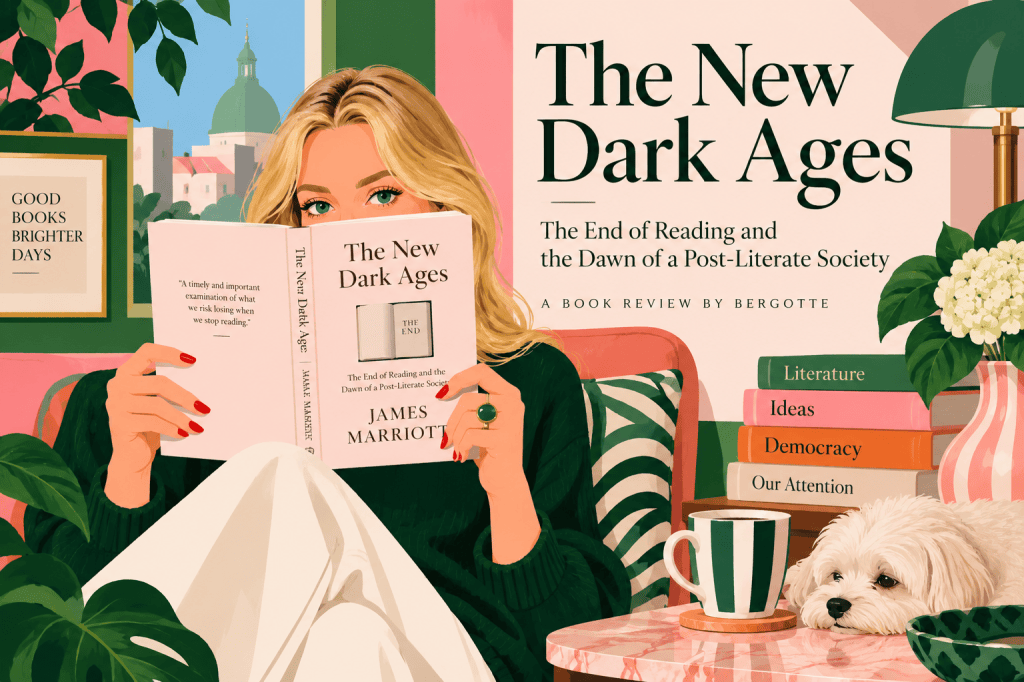
The New Dark Ages
What We Lose When We Stop Reading Book: The New Dark Ages: The End of Reading and the Dawn of a Post-Literate SocietyAuthor: James MarriottPublisher: The Bodley HeadPublication: 3 September 2026Pages: 208ISBN: 9781847929518Genre: Cultural criticism / Social commentary / Media studies There is something almost quaint about worrying about the death of reading. We have…
-
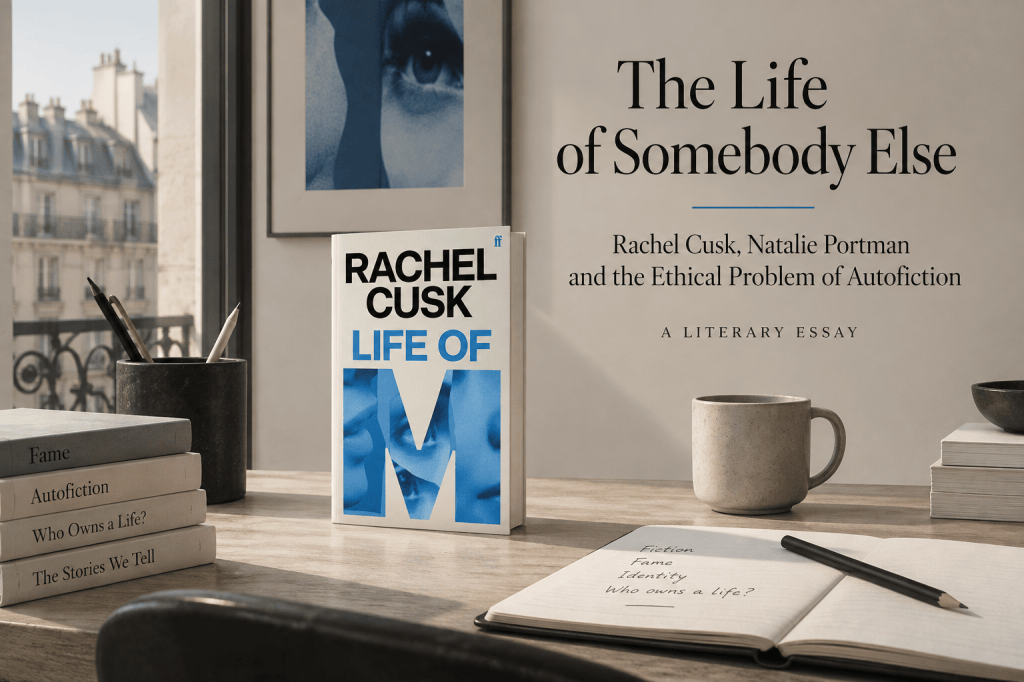
The Life of Somebody Else
Rachel Cusk, Natalie Portman and the Ethical Problem of Autofiction Rachel Cusk’s Life of M has produced one of the strangest literary controversies of the year. Its famous actress is fictional, yet recognisably assembled from details belonging to Natalie Portman. The resulting argument is larger than celebrity gossip: it asks who owns a life, what…
-
The Human Condition According to Henry James
By Bergotte Henry James believed that consciousness was the most important thing in the world. Not action, not achievement, not the accumulation of experience in the traveller’s sense — the places visited, the people met, the events survived — but the quality of attention brought to experience, the precision and depth with which a mind…
