Category: Film
-
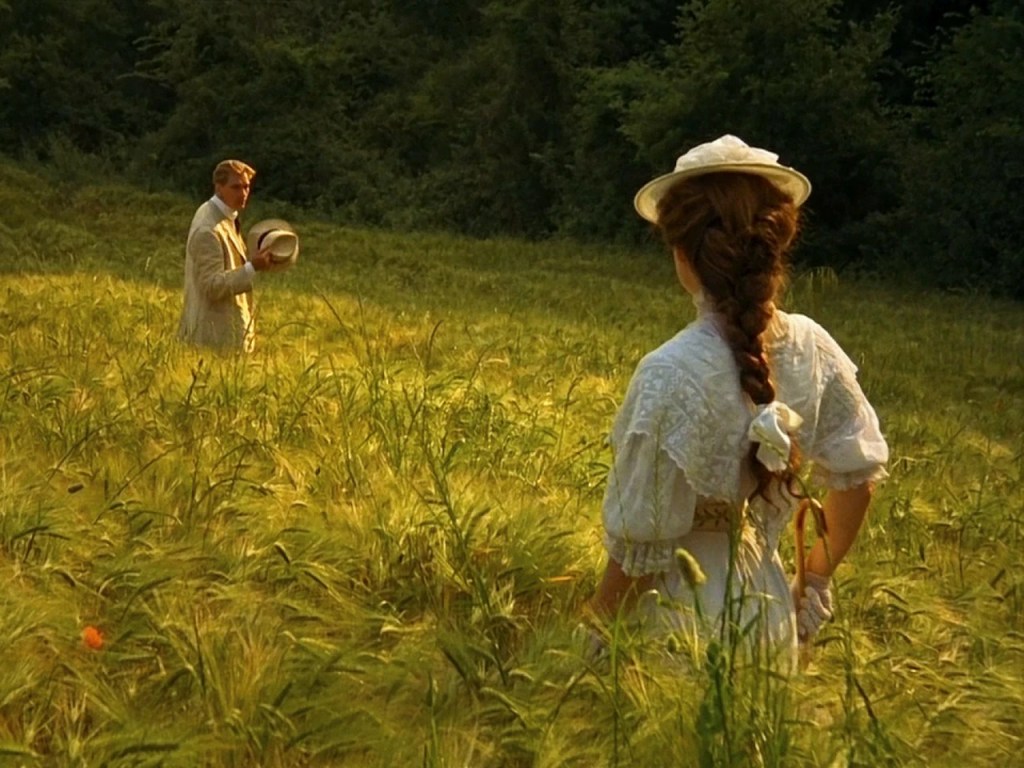
A Room with a View
Essay · Literature & Ideas The View From the Window and the Cost of Looking A Room with a View is a comedy, and it is a love story, and it is a novel about Florence, and it is a sustained philosophical argument about the relationship between the body and the soul that Forster dressed…
-
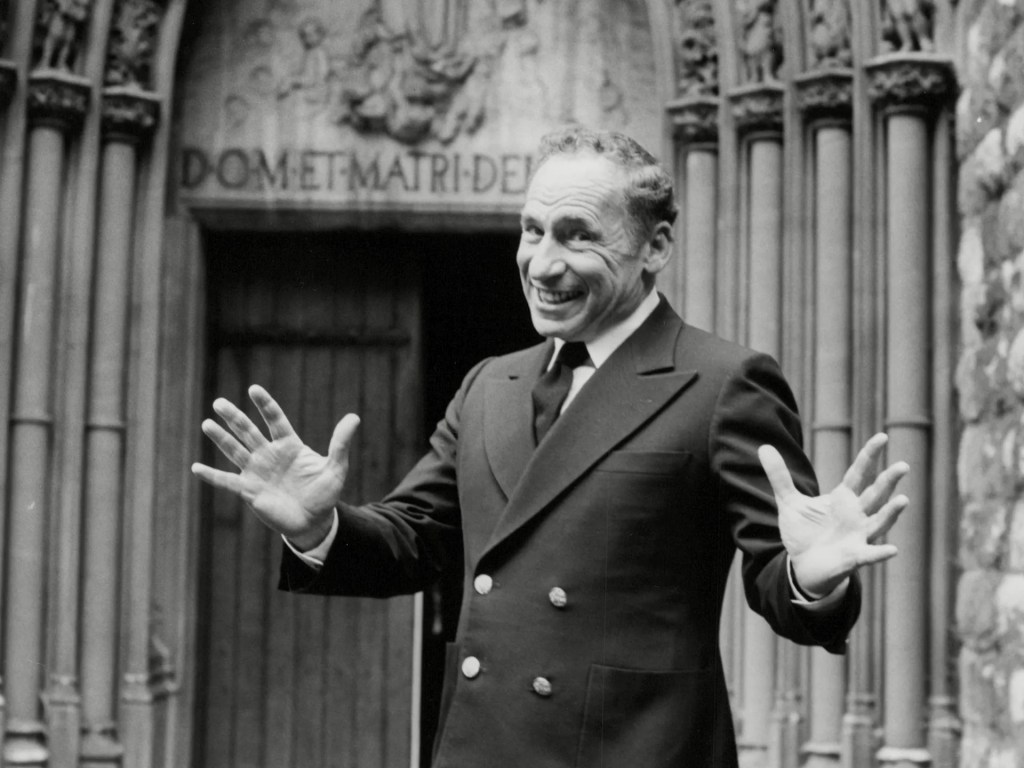
Mel Brooks at 100: the Brooklyn kid who turned laughter into a weapon
As the last surviving titan of America’s golden age of comedy reaches his centenary, we celebrate a man who spent eight decades proving that the surest way to defeat a monster is to make a room full of strangers laugh at it There is a story Mel Brooks likes to tell about The Producers. A…
-

HBC
Essay · Film & Lives The Woman Who Would Not Be Placed Helena Bonham Carter has spent forty years systematically refusing the career that her face, her name, and her early notices seemed to have arranged for her. That the career she built instead — stranger, darker, funnier, and more various than anything the corset-drama…
-
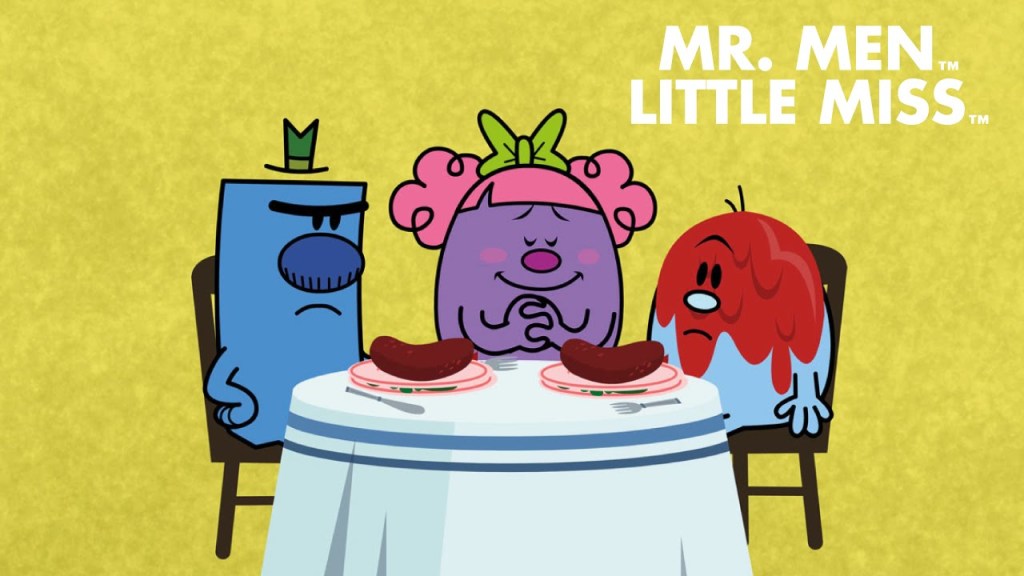
Roger Hargreaves’ The Mr. Men
Essay · Literature & Ideas Little Books, Absolute Selves Roger Hargreaves set out in 1971 to answer his son’s question about what a tickle looks like, and in doing so produced one of the stranger philosophical projects of the twentieth century: a universe populated entirely by beings who are identical to their own single quality,…
-
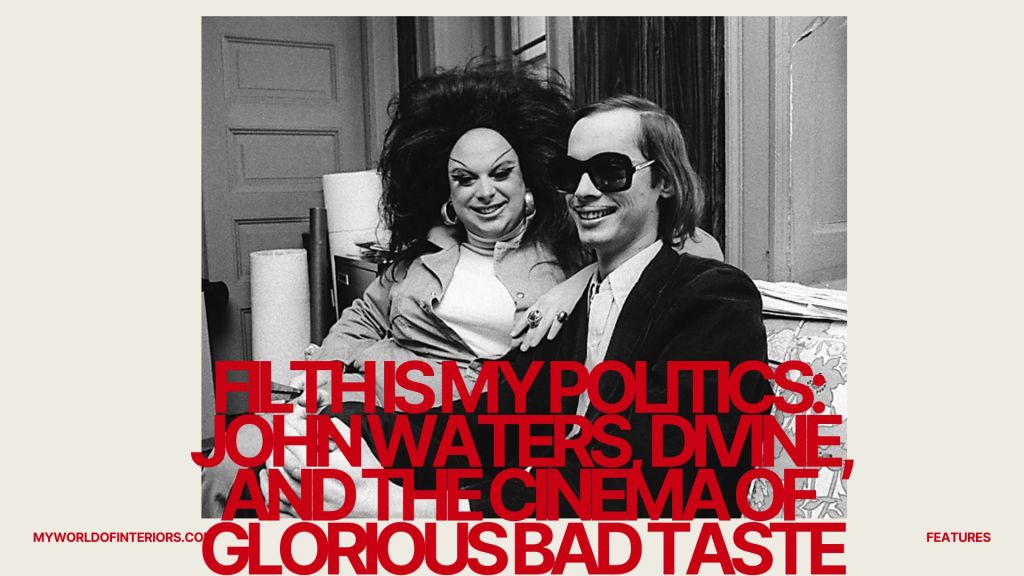
Filth Is My Politics: John Waters, Divine, and the Cinema of Glorious Bad Taste
For six decades, the Pope of Trash has been making films that Baltimore’s respectable classes would prefer not to exist. In doing so, he and his muse created something that outlasted respectability entirely — a body of work that is simultaneously the most offensive and the most loving in American cinema. By Bergotte There is…
-
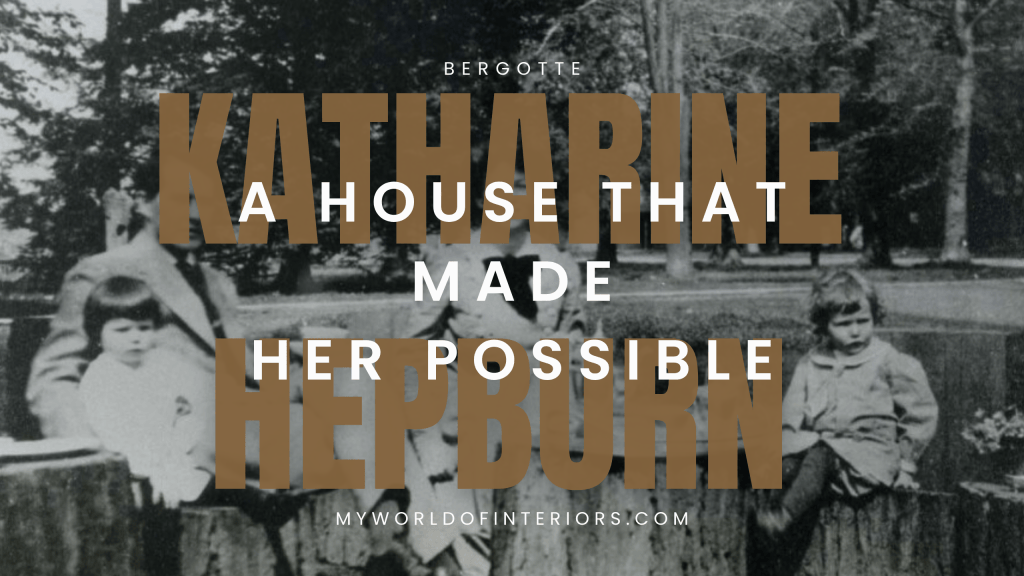
Katharine Hepburn
Essay · Arts & Lives A House That Made Her Possible Katharine Hepburn did not invent herself. She was manufactured — lovingly, rigorously, sometimes mercilessly — by two of the most unusual parents that Progressive Era New England ever produced, and she spent the rest of her life living out the experiment they designed. By…
-

Cher and the Art of Outlasting America
Cher has lasted so long, and in so many forms, that she can seem less like an entertainer than like a permanent feature of the culture itself. She belongs to that tiny class of figures who have ceased to be merely famous and become symbolic: instantly recognisable, endlessly referential, somehow both singular and omnipresent. Singer,…
-
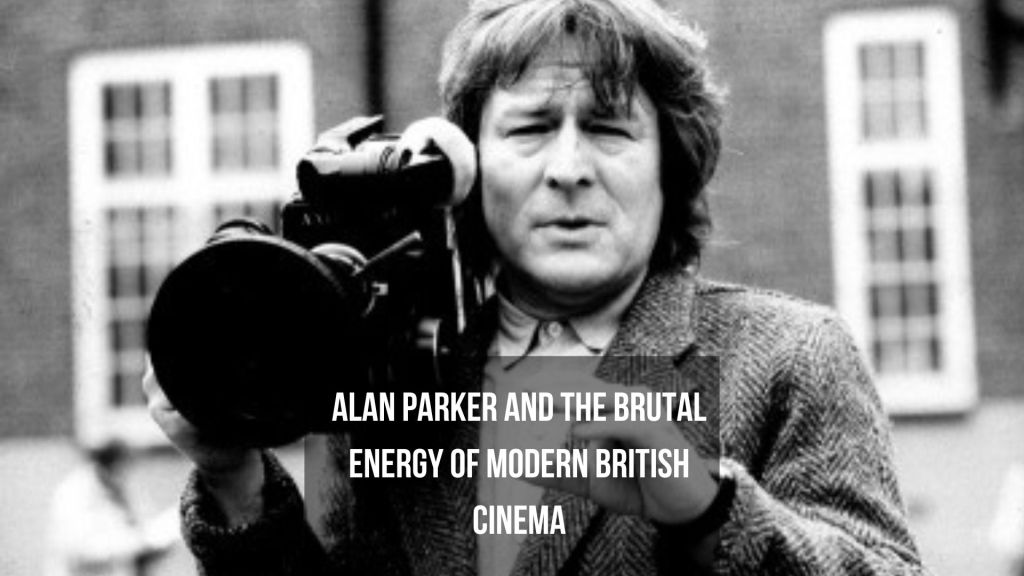
Alan Parker and the Brutal Energy of Modern British Cinema
Alan Parker belongs to that increasingly rare category of British director whose work was at once popular, ambitious and unmistakably personal. He was not a miniaturist, nor a specialist, nor a filmmaker content to remain within one tonal register. He moved restlessly between genres and scales: from the stylised bravado of Bugsy Malone to the…
-

The Little Man in the Big House: Hercule Poirot and the Strangeness of England
Agatha Christie gave the world’s most famous detective a moustache, a foreign accent, and a profound dislike of the English countryside. It was, in every sense, the point. By Bergotte There is a village in the English imagination that has never quite existed and has never stopped existing. It has a church with a Norman…
-
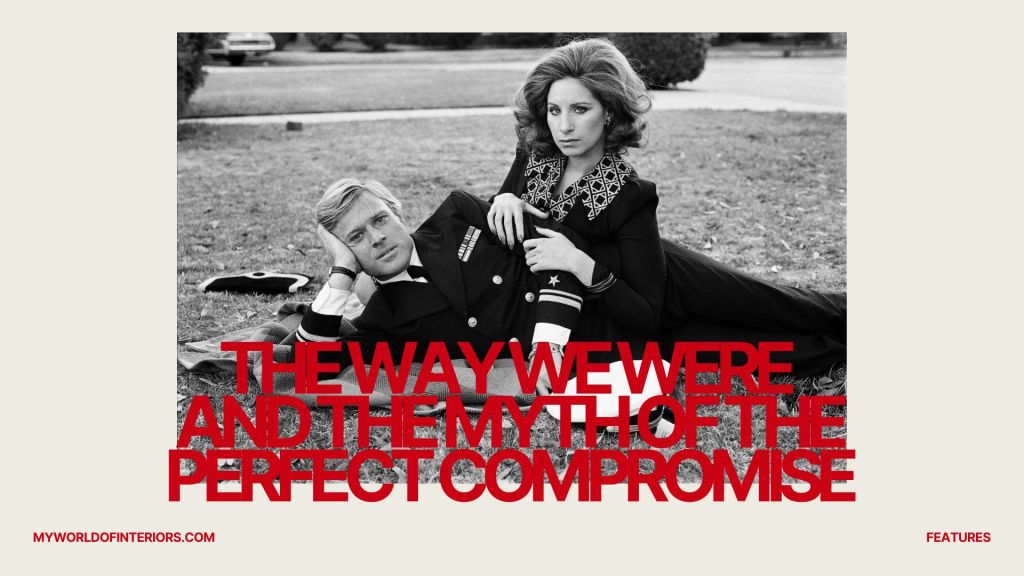
What We Lose When We Love: The Way We Were and the Myth of the Perfect Compromise
It was sold as a love story. It was actually an argument about America — about politics, memory, and the terrible cost of choosing comfort over conviction. By Bergotte There is a moment near the end of The Way We Were, Sydney Pollack’s 1973 film, that has lodged itself in the cultural memory with a…

