

Originally published in The New Yorker, a landmark investigation by Ronan Farrow and Andrew Marantz into Sam Altman and OpenAI raises questions that go far beyond Silicon Valley boardroom drama. Here is what the rest of us should be paying attention to. There is a particular kind of power that operates best in the gapContinue reading “The Man Behind the Curtain: What the Farrow-Marantz Investigation Tells Us About AI’s Dangerous Moment”
Category Archives: Blog
Gene Tierney: The Allure and the Abyss
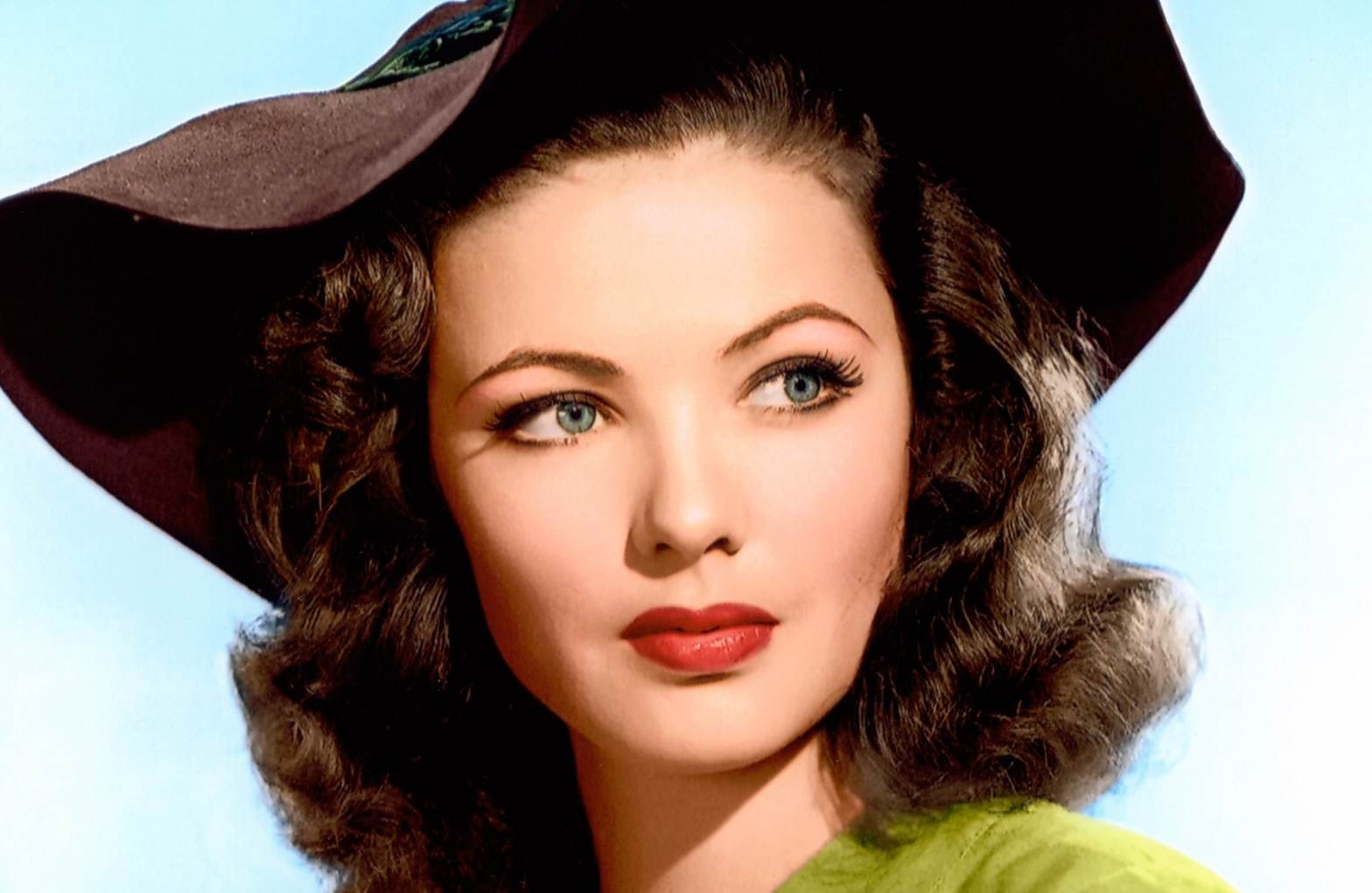
Gene Tierney had the kind of beauty that could silence a room. Tall, dark-haired, with cheekbones carved like marble and eyes the shade of a storm gathering over water, she seemed less like an actress than a vision conjured by a painter. Yet behind the immaculate surface of Hollywood’s most glamorous starlet of the 1940sContinue reading “Gene Tierney: The Allure and the Abyss”
Orson Welles: The Genius Who Reshaped Cinema
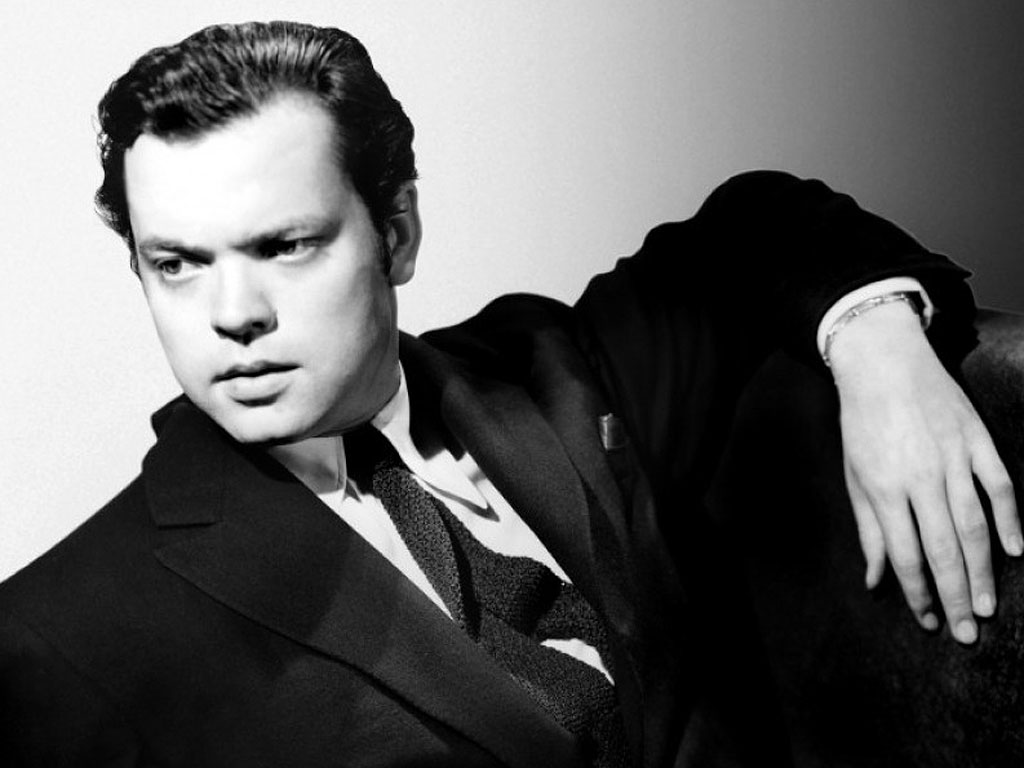
Orson Welles was only 25 when he altered the trajectory of modern filmmaking. His 1941 debut, Citizen Kane, arrived as a thunderclap—an audacious blend of narrative innovation, technical daring, and psychological depth. To understand Welles is to trace the restless genius of a man who straddled radio, theater, and film with equal authority, a prodigyContinue reading “Orson Welles: The Genius Who Reshaped Cinema”
Hearst Castle: California’s Dream Palace
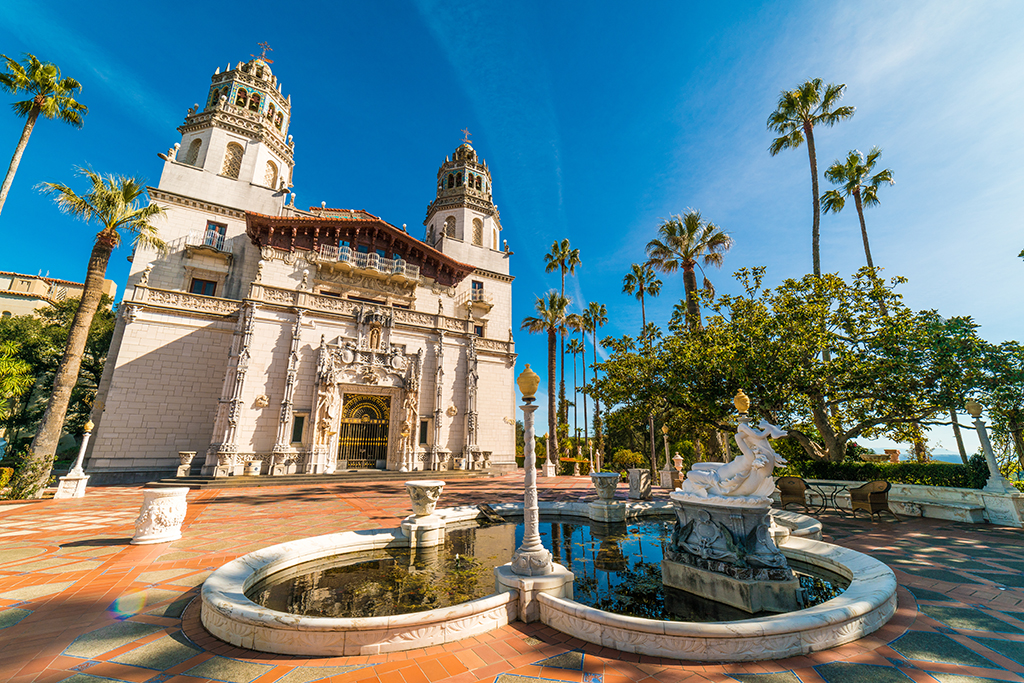
Perched high above the Pacific on the rolling hills of San Simeon, Hearst Castle is less a house than a vision. Built by publishing magnate William Randolph Hearst with architect Julia Morgan over nearly three decades (1919–1947), it stands as one of the most extravagant private residences in America — a gilded fantasy that fusesContinue reading “Hearst Castle: California’s Dream Palace”
The Two Alfreds: Eisenstaedt and Wertheimer
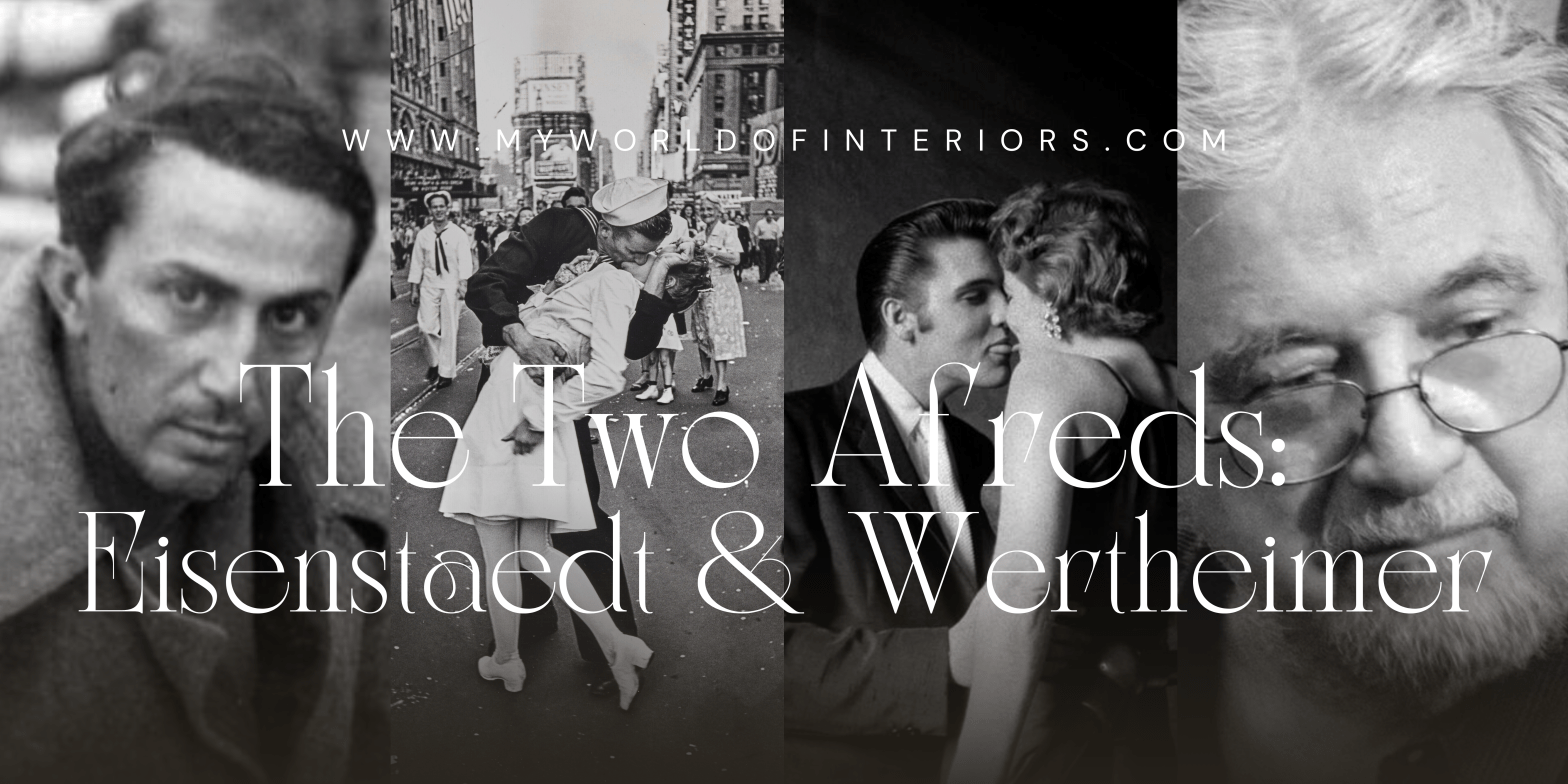
In the vast history of twentieth-century photography, two Alfreds stand out for the way they captured the essence of their time: Alfred Eisenstaedt, the German-born émigré whose elegant eye helped define Life magazine’s golden era, and Alfred Wertheimer, the Brooklyn-based photographer whose intimate portraits of a young Elvis Presley gave the world its first candidContinue reading “The Two Alfreds: Eisenstaedt and Wertheimer”
To Whom Little Is Not Enough: On Sufficiency, Excess, and the Self That Cannot Stop Wanting
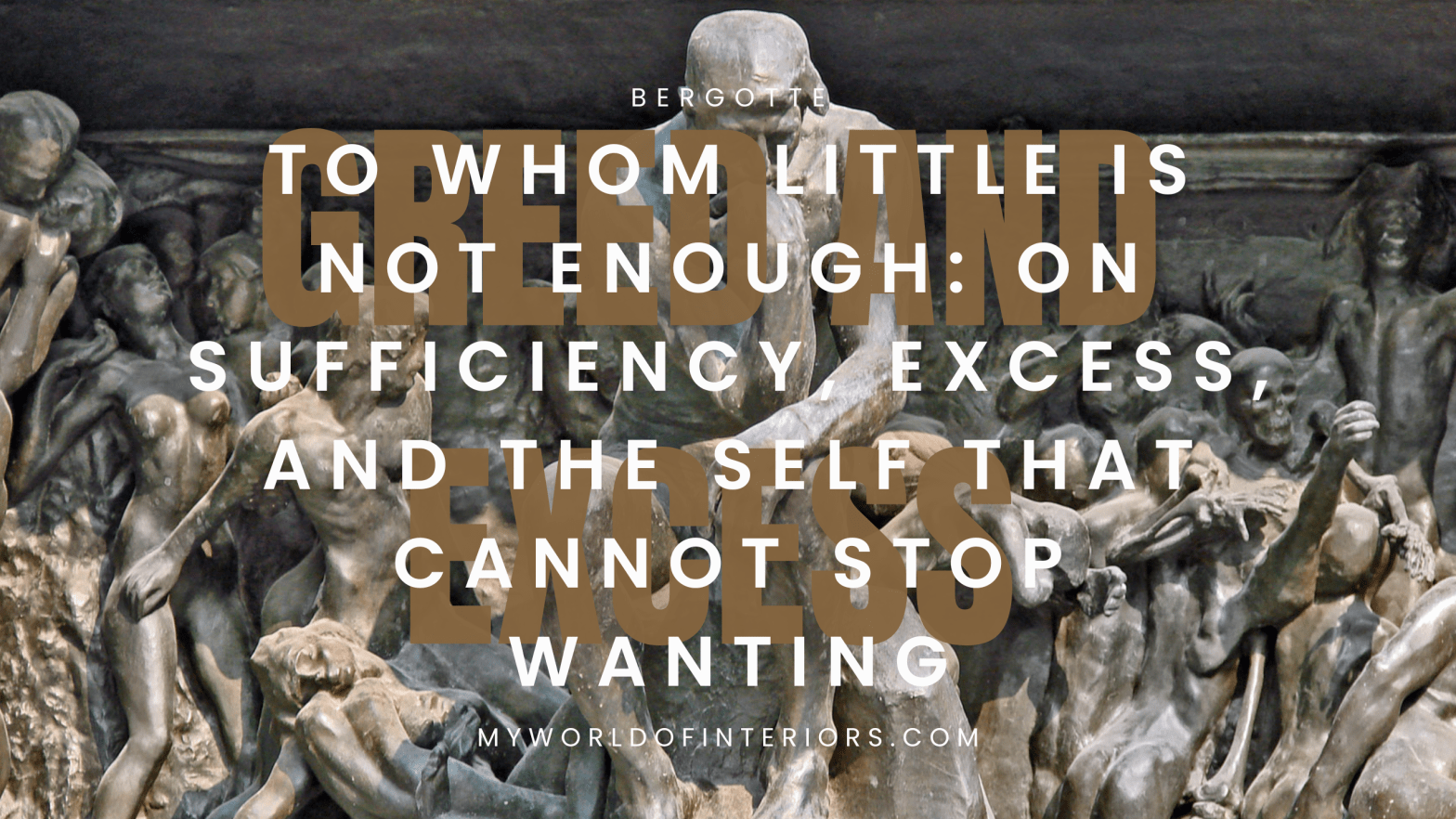
The Greeks had a precise diagnosis for the condition that defines our age. They called it pleonexia — the desire for more, the wanting that has no natural limit, the reaching that cannot stop because it does not know what it is reaching for. They considered it not merely a practical error but a moralContinue reading “To Whom Little Is Not Enough: On Sufficiency, Excess, and the Self That Cannot Stop Wanting”
Five Films with Incredible Style V
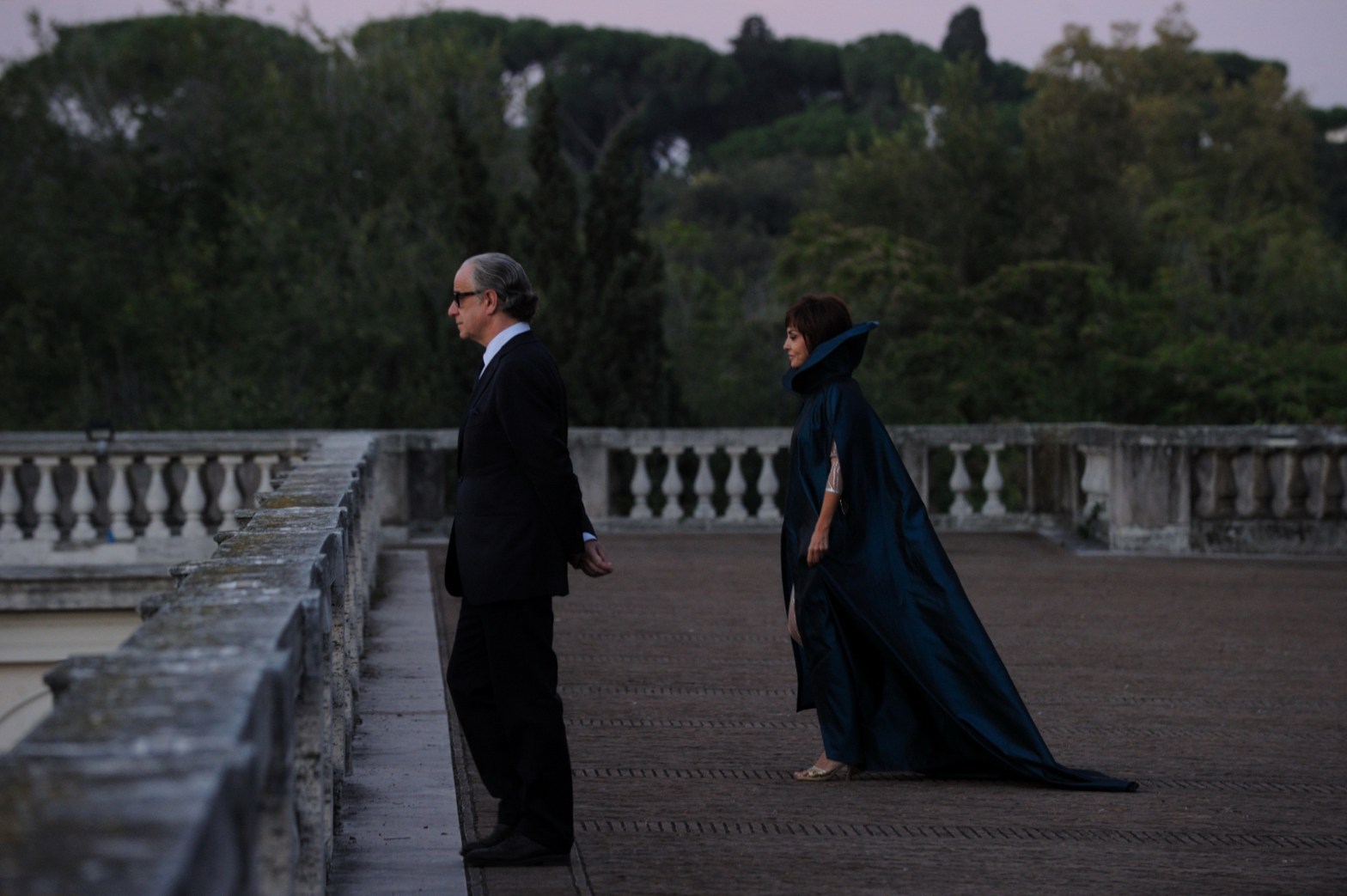
Cinema has long been a mirror for fashion and design. The most stylish films don’t just tell stories—they set moods, inspire wardrobes, and capture eras in a single frame. In this fifth installment, we spotlight five more films where style defines the atmosphere as much as plot or dialogue. A Streetcar Named Desire (1951) –Continue reading “Five Films with Incredible Style V”
Affordable Style: Inns and Guesthouses of the Alentejo
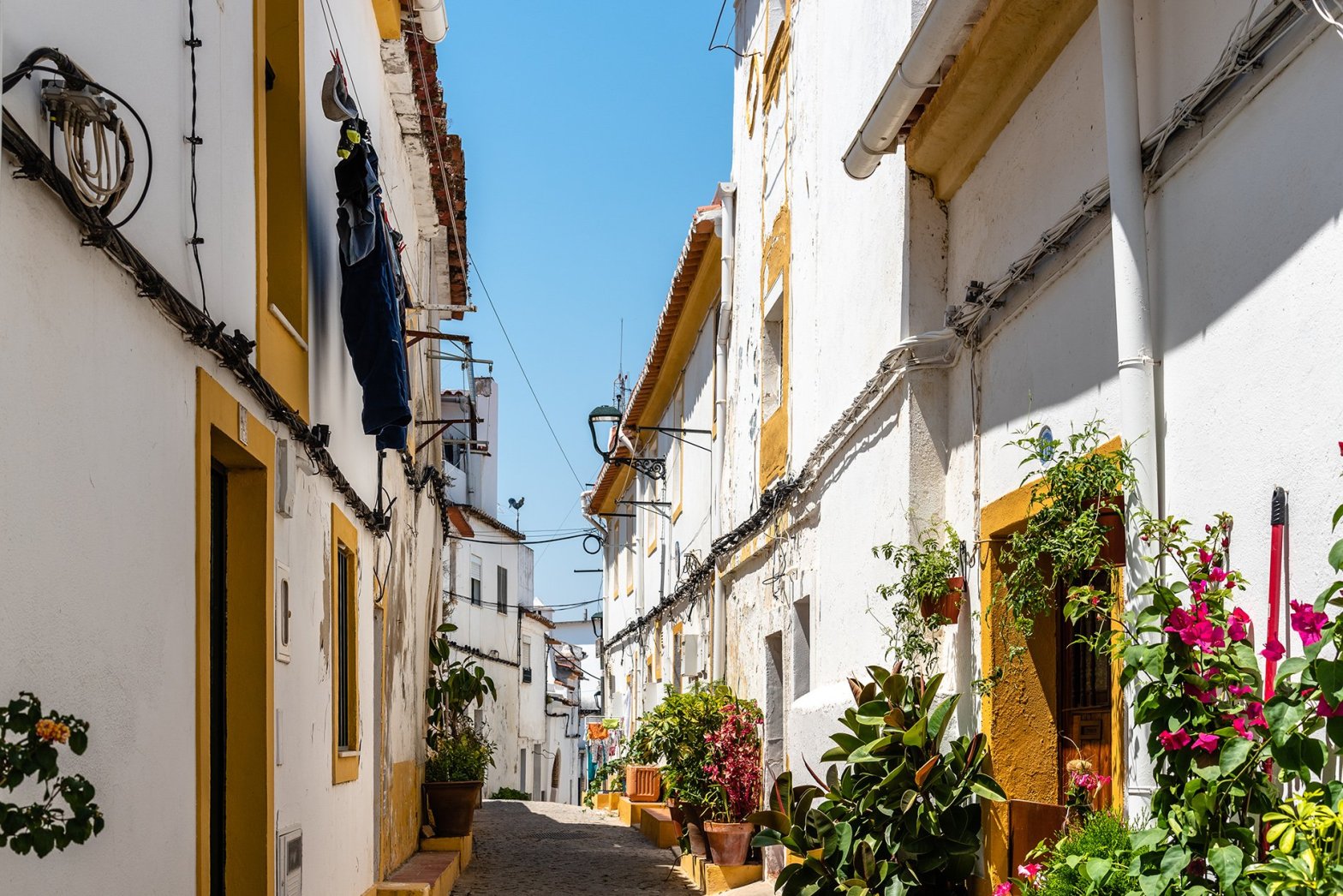
The Alentejo is Portugal at its most unhurried: a land of rolling plains, cork forests, whitewashed villages, and vineyard-dotted horizons. Unlike Lisbon or the Algarve, it remains refreshingly affordable — a region where rustic farmhouses, country inns, and family-run herdades open their doors to travellers seeking quiet authenticity. Here, affordable style means terracotta floors, limewashedContinue reading “Affordable Style: Inns and Guesthouses of the Alentejo”
Jackie Onassis & Beyond -III
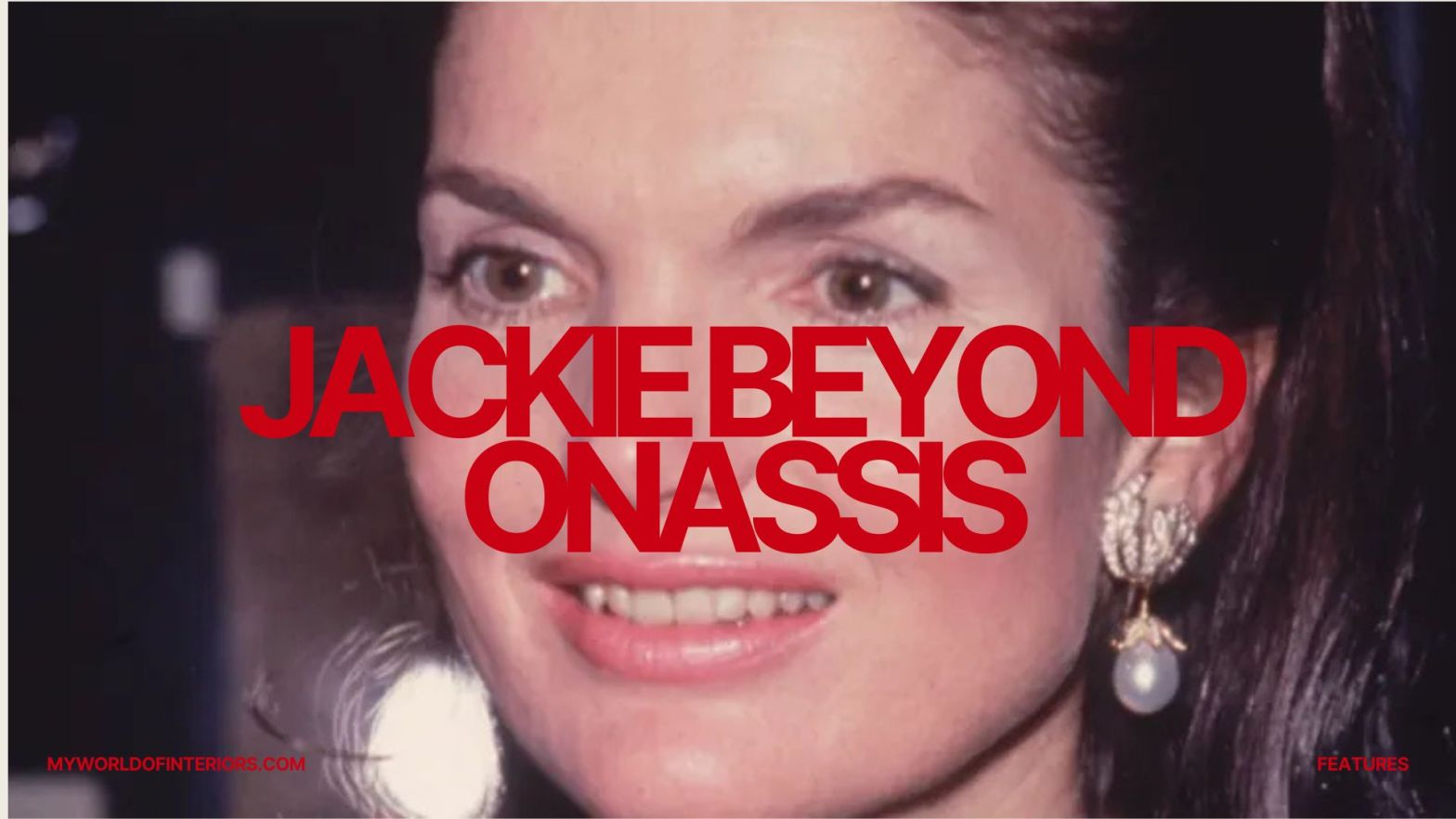
By the time Jacqueline Kennedy married Aristotle Onassis in 1968, she had already lived a lifetime of spectacle: debutante, First Lady, national widow. To some, her second marriage was betrayal — a retreat from Camelot into vulgar opulence. To others, it was pragmatic, even necessary: the most famous woman in the world seeking privacy andContinue reading “Jackie Onassis & Beyond -III”
Jackie the First Lady – II
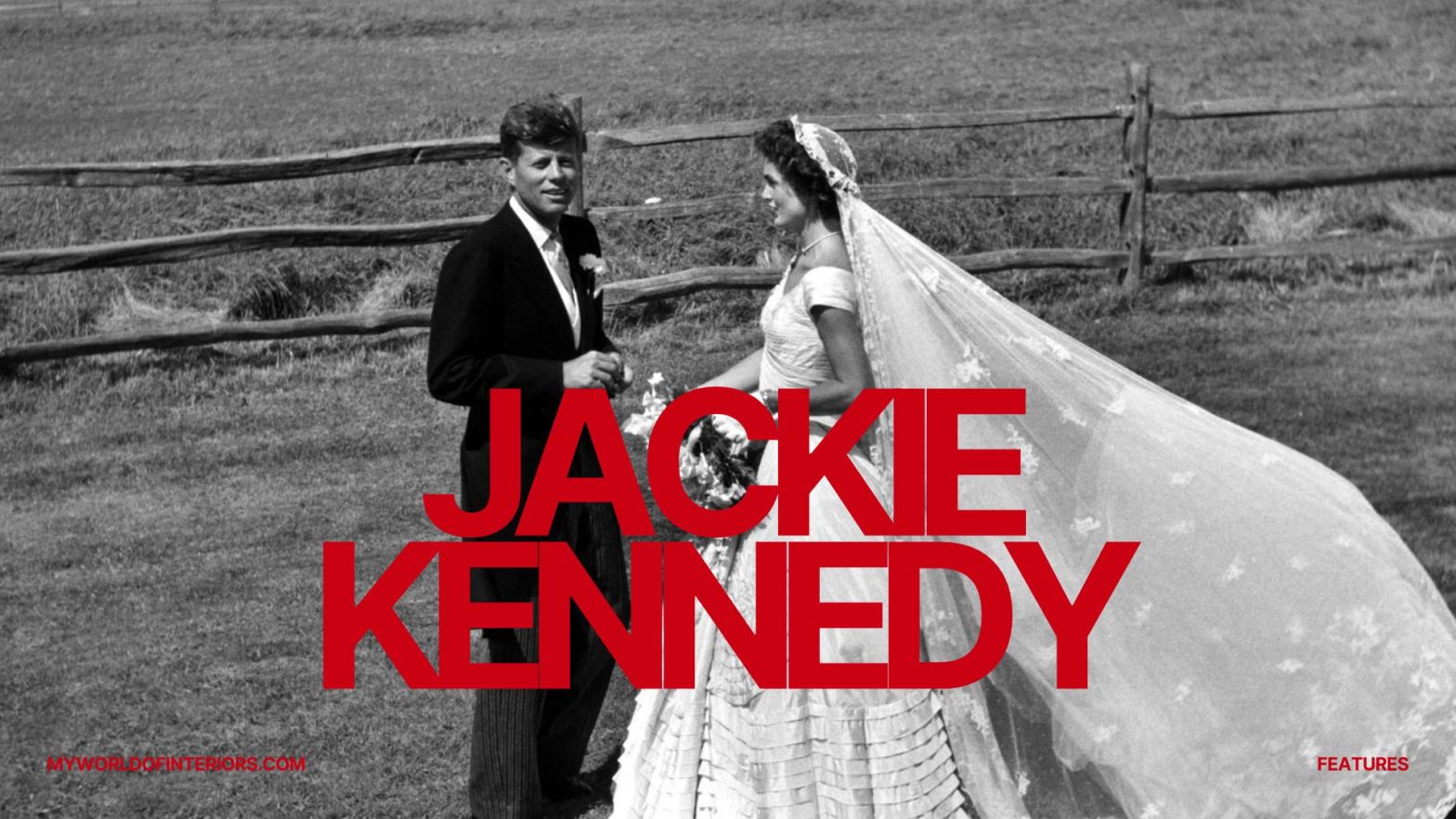
When Jacqueline Bouvier Kennedy stepped into the White House in January 1961, she was just 31 years old — the third youngest First Lady in American history. What followed during her thousand days as First Lady was not simply an exercise in style but a masterclass in image-making, cultural stewardship, and symbolic politics. To revisitContinue reading “Jackie the First Lady – II”
 My World of Interiors