Category: Architecture
-
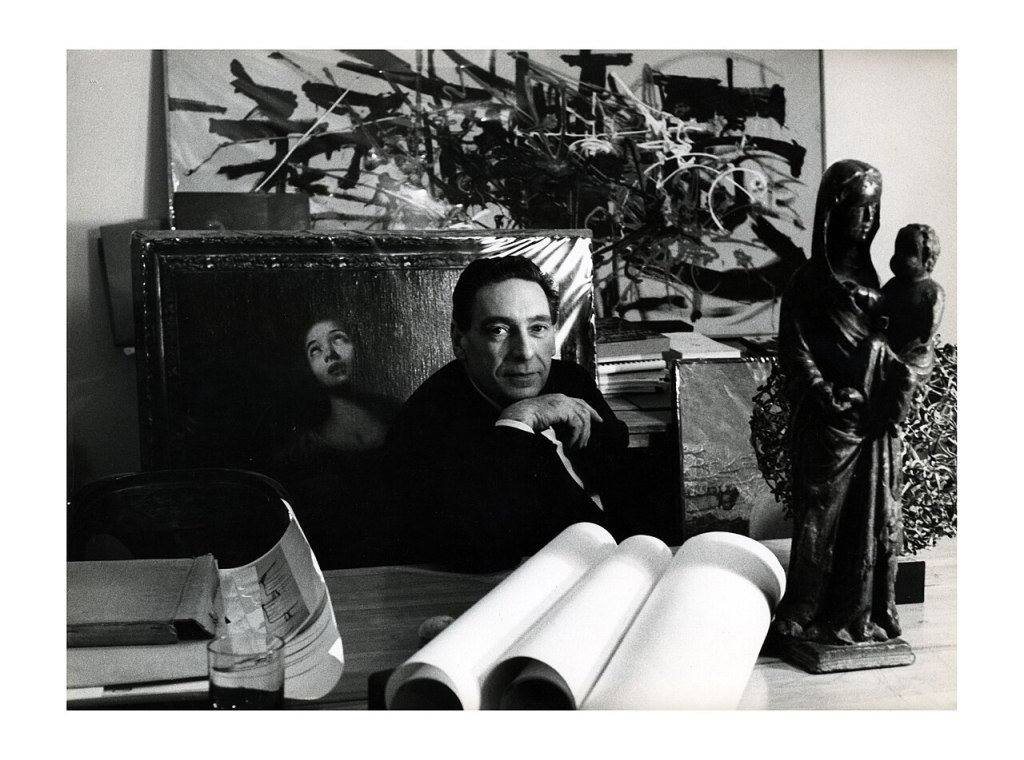
Luigi Moretti
Essay · Architecture & History The Architect Who Could Not Be Placed Luigi Moretti was a Fascist, a theorist, a sensualist, a fraudster, and one of the most formally inventive architects of the twentieth century. That these facts belong to the same man, the same career, the same restless and finally tragic intelligence, is the…
-
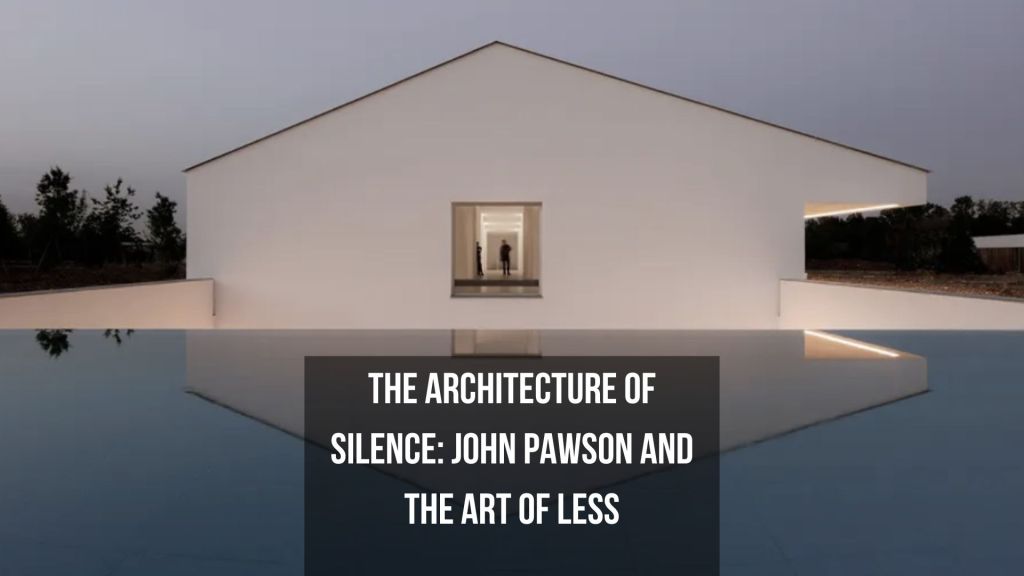
The Architecture of Silence: John Pawson and the Art of Less
He has built monasteries, fashion temples, and homes for the hyper-wealthy. But John Pawson’s real subject has always been the same: what happens when you take everything away. By Bergotte There is a room in the Czech countryside, an hour south of Prague, that has no decoration whatsoever. Its walls are limestone. Its floor is…
-
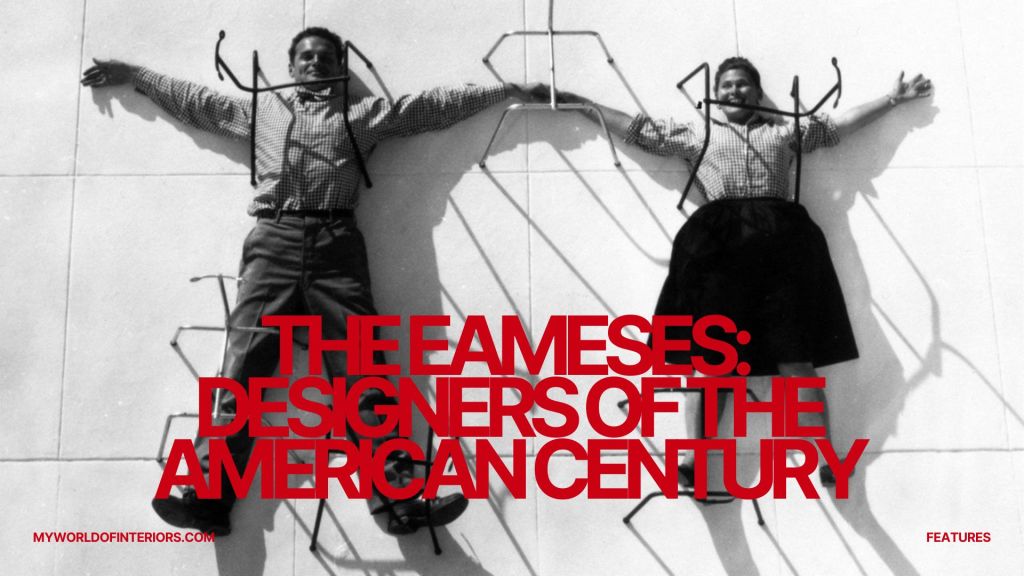
The Eameses: Designers of the American Century
In the light-filled hills above the Pacific, a glass-and-steel house stands as a manifesto. Inside, shelves of books and folk art mingle with modernist chairs in plywood and fiberglass. It is not simply a home, but a vision: how design could be democratic, playful, rigorous, and alive. This is the world of Charles and Ray…
-
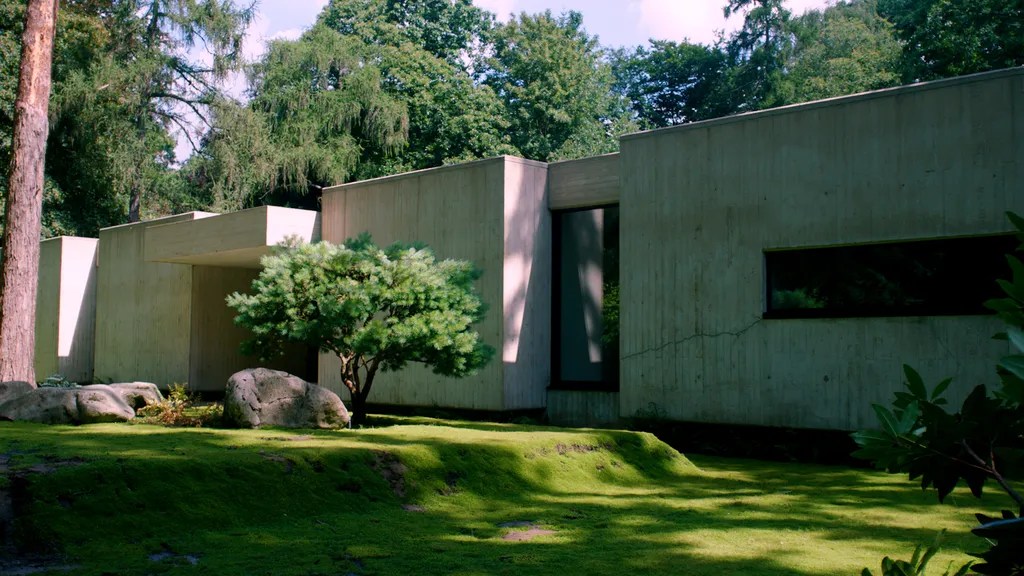
Living in Silence
Makers & Rooms Ivan Van Mossevelde built a house of raw concrete in the Flemish countryside in 1972 for an art collector who filled it with Judd and Sol LeWitt. Decades later, a young architect spotted it through the trees during a walk, was refused entry, and spent years waiting for it to come to…
-
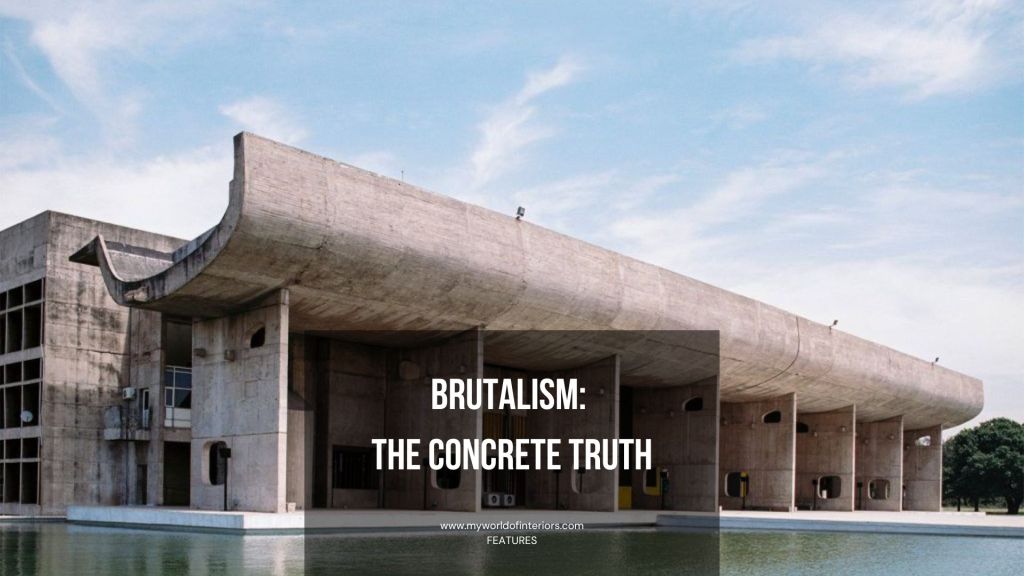
Brutalism: The Concrete Truth
Born in the mid-twentieth century, Brutalism’s structures rose in raw concrete, monumental and uncompromising, shaped by ideals as much as by materials. To its defenders, Brutalism represented honesty — a moral and aesthetic rejection of ornament in favor of truth-to-material. To its critics, it was a dystopian imposition of weight and severity. Few architectural styles…
-
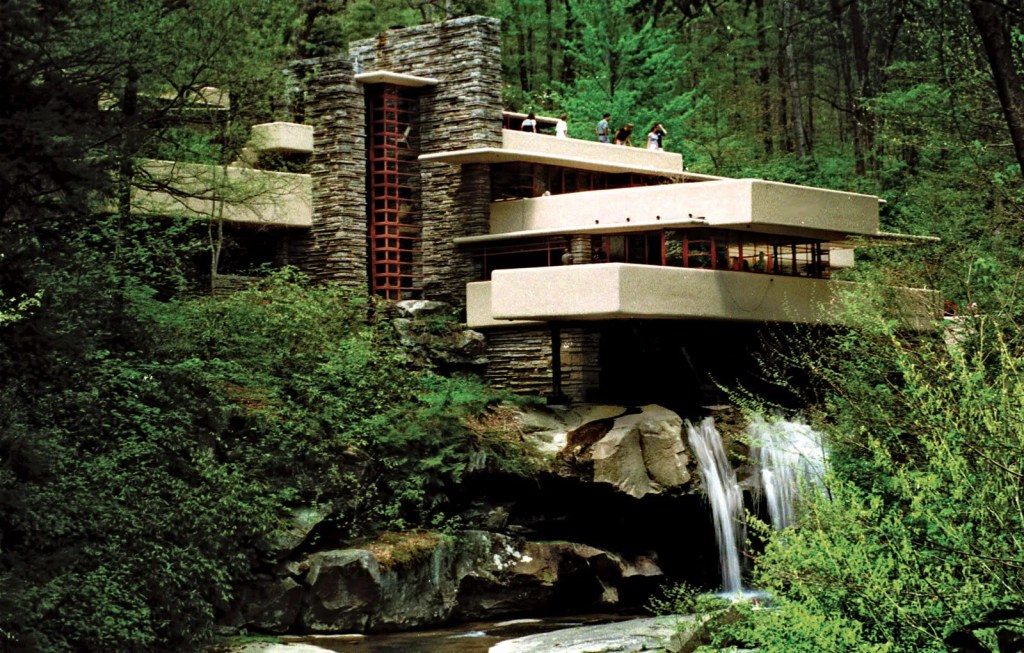
Fallingwater: Frank Lloyd Wright’s Masterpiece of Living with Nature
Among the landmarks of twentieth-century architecture, few possess the mythic aura of Fallingwater. Designed by Frank Lloyd Wright in 1935 for Pittsburgh department store magnate Edgar J. Kaufmann and his family, the house is a symphony of stone, concrete, glass, and water—an organic architecture that doesn’t simply sit in nature but fuses with it. Perched…
-
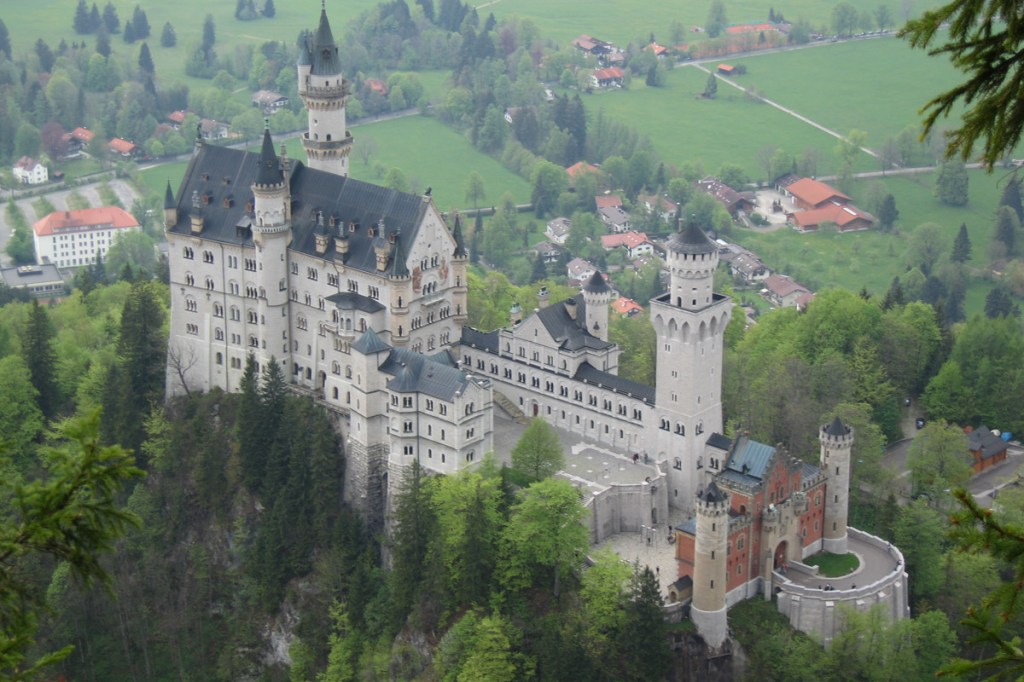
King Ludwig II and Neuschwanstein: The Dreamer King and His Fairy-Tale Fortress
King Ludwig II of Bavaria, often called the “Mad King,” remains one of Europe’s most enigmatic rulers. His legacy is not in conquests or laws but in architecture, above all in the soaring towers and mist-wreathed turrets of Neuschwanstein Castle — the embodiment of his inner world, a monument to imagination over politics. The Swan…
-
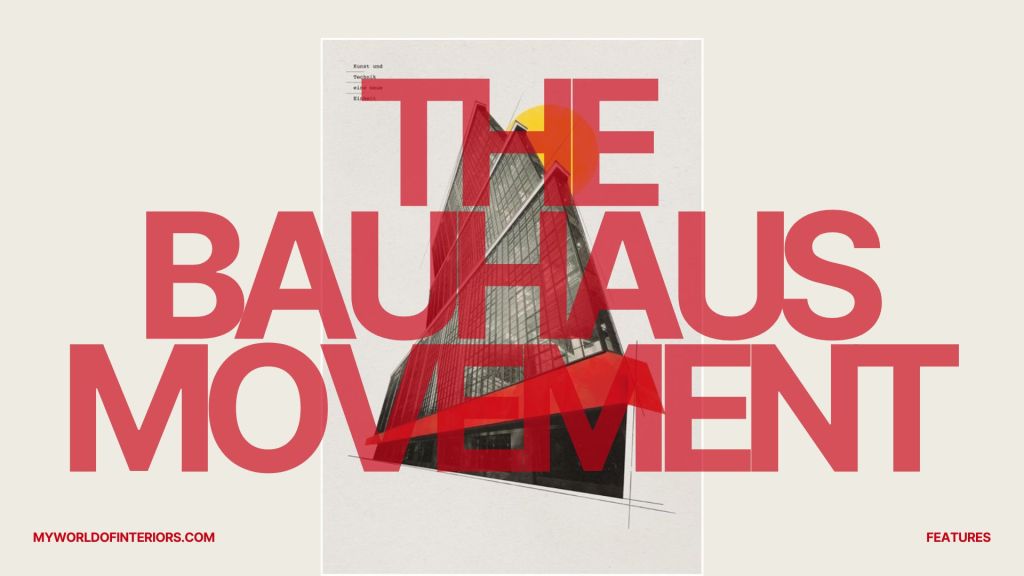
Bauhaus: The School That Changed Modern Life
No movement in modern design carries quite the resonance of the Bauhaus. More than a school, it was a revolution in how we think about art, architecture, craft, and everyday life. Founded in 1919 in Weimar, Germany, by architect Walter Gropius, the Bauhaus lasted only fourteen years before the Nazis closed it in 1933. Yet…
-
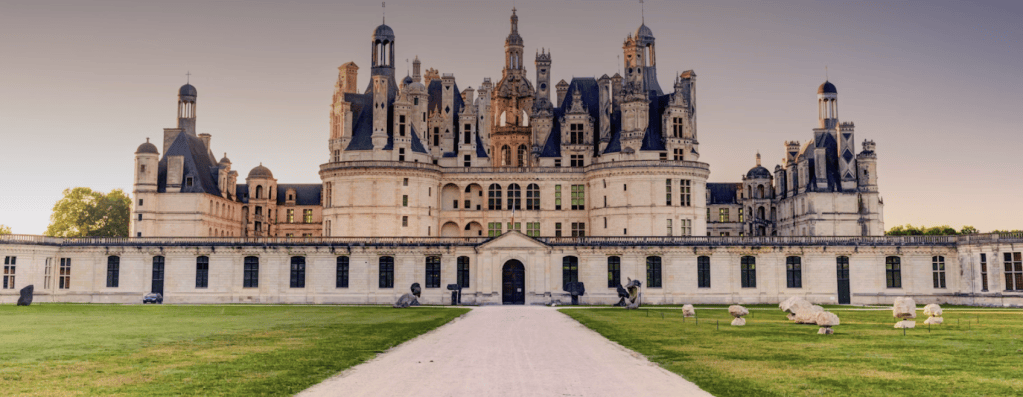
Château de Chambord: A Renaissance Fantasy in Film
In the heart of the Loire Valley rises one of France’s most extraordinary buildings: the Château de Chambord. Commissioned by François I in the sixteenth century and attributed in part to Leonardo da Vinci’s influence, Chambord is both palace and dreamscape. Its double-helix staircase, fantastical roofline, and forest of turrets and chimneys make it less…
-
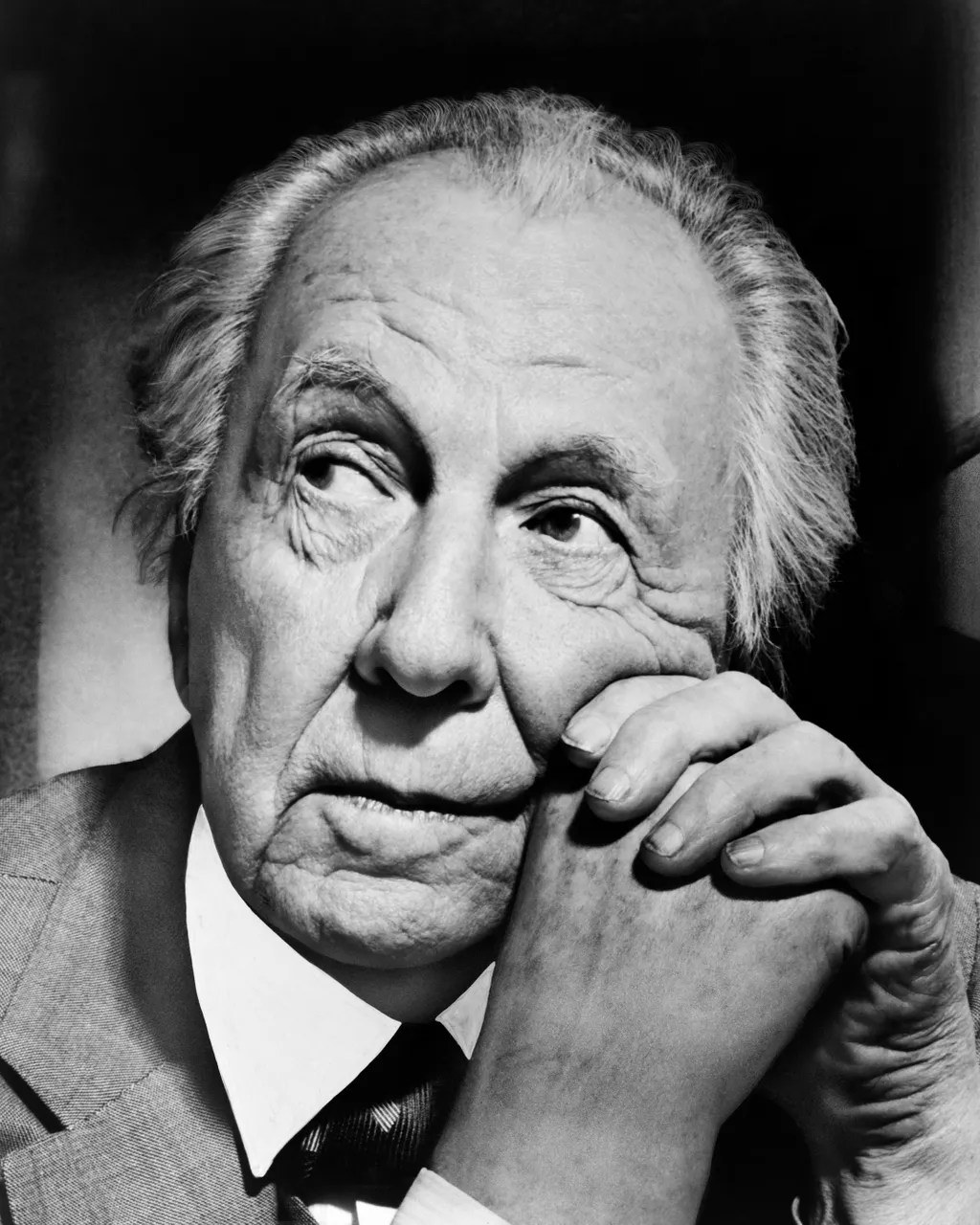
Frank Lloyd Wright: The Architect Who Bent Nature to His Will
Few figures in modern history embody both genius and scandal quite like Frank Lloyd Wright. To his admirers, he was the visionary who made buildings breathe with their surroundings, inventing a new American architecture rooted in landscape and democracy. To his detractors, he was an egotist, a man of tempestuous loves and public ruin. To…
