
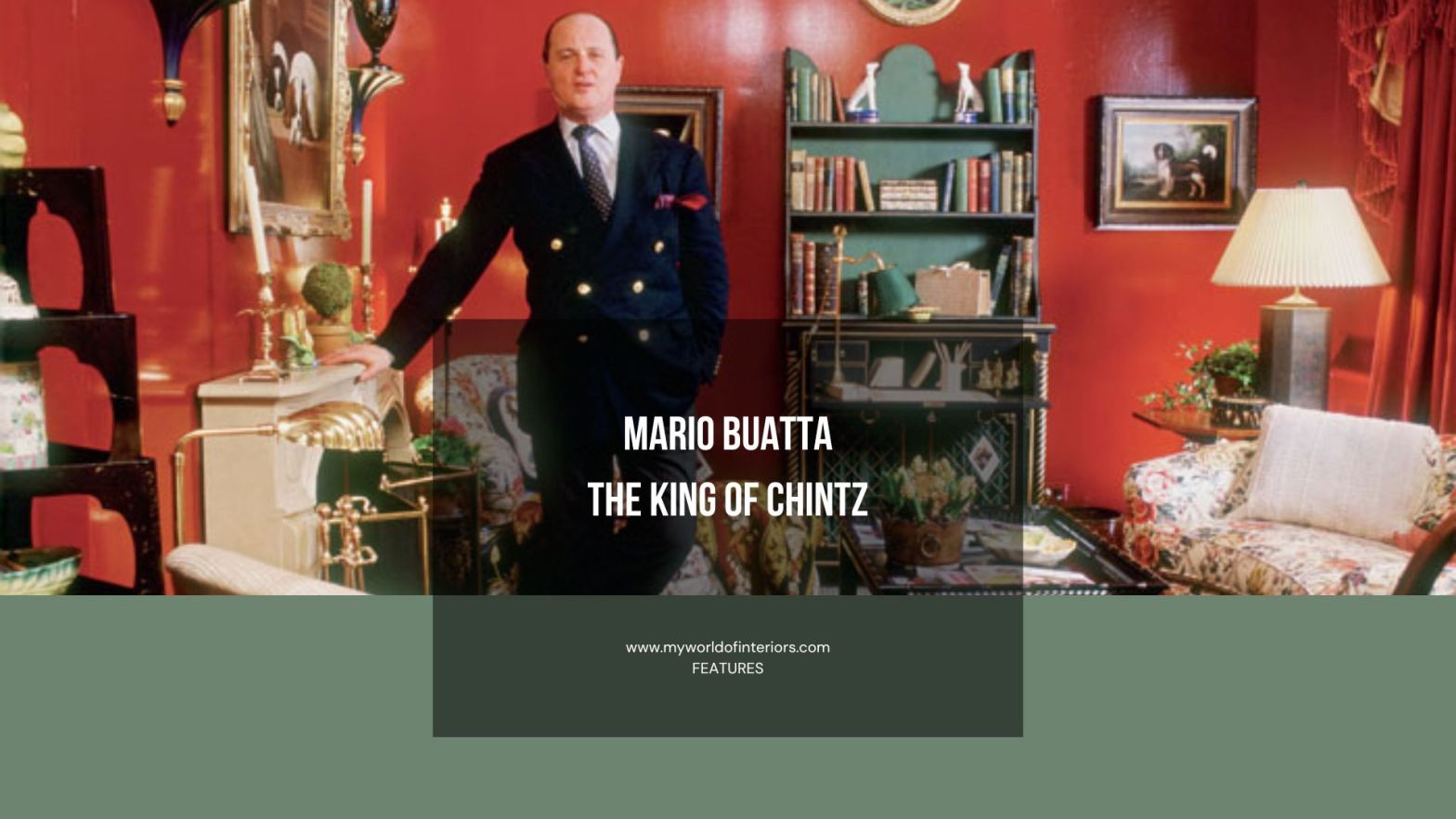
Interior design is often tugged between the poles of austerity and excess, minimalism and maximalism. Mario Buatta — the American decorator who rose to prominence in the 1970s and became one of the most recognizable figures in the field — leaned unapologetically toward the latter. Nicknamed “the Prince of Chintz” (a title he wore withContinue reading “Mario Buatta: The King of Chintz”
Category Archives: Aesthetics
Where to Start with Opera: An Introduction to the Grandest Art
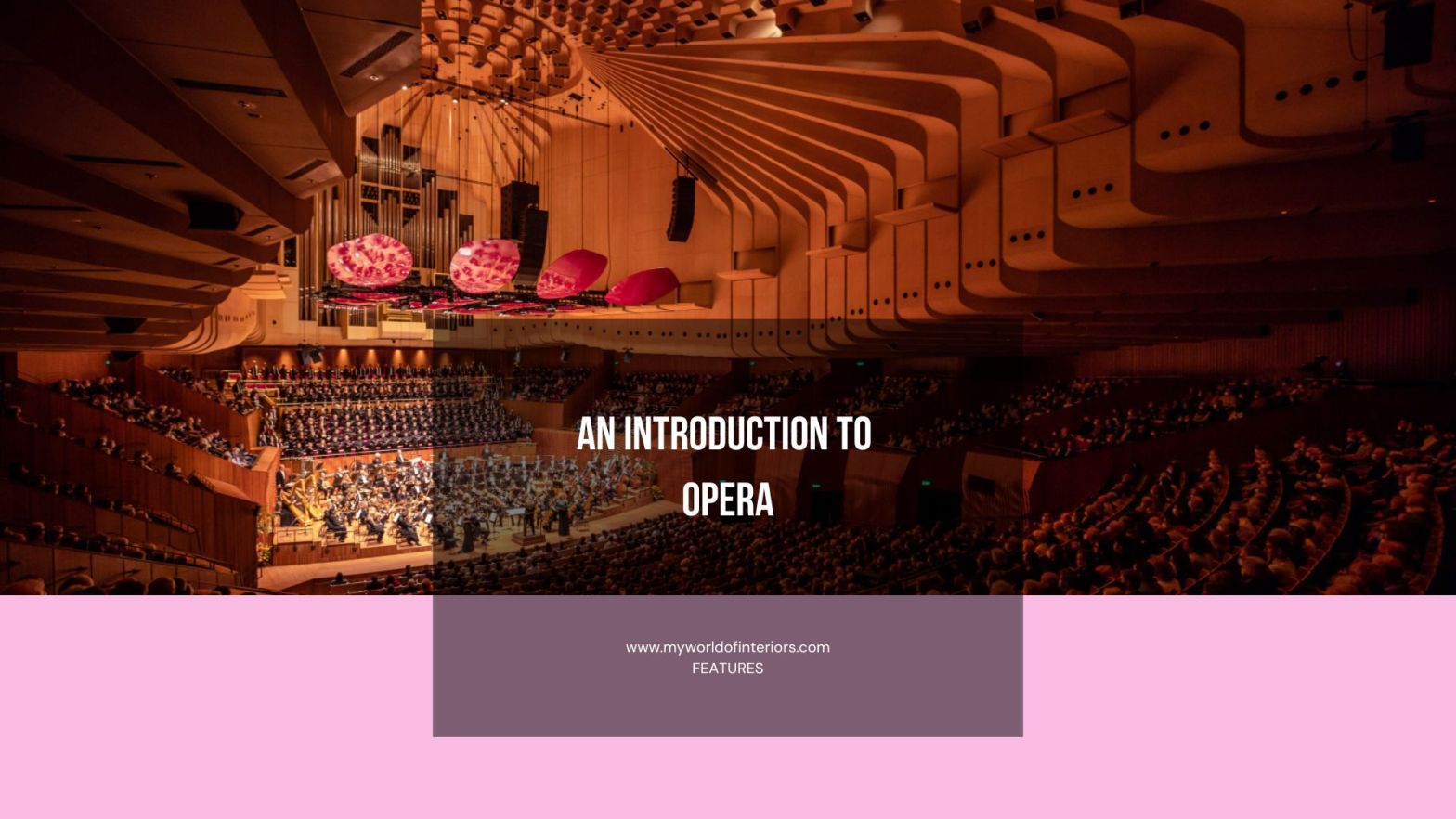
Opera has always carried an aura of mystery. For some, it is the pinnacle of artistic achievement — a union of music, theatre, architecture, and costume that overwhelms the senses. For others, it is intimidating: a world of long evenings, foreign languages, elaborate etiquette, and names that feel heavy with history. But to step intoContinue reading “Where to Start with Opera: An Introduction to the Grandest Art”
Eartha Kitt: Icon, Innovator, and Provocateur
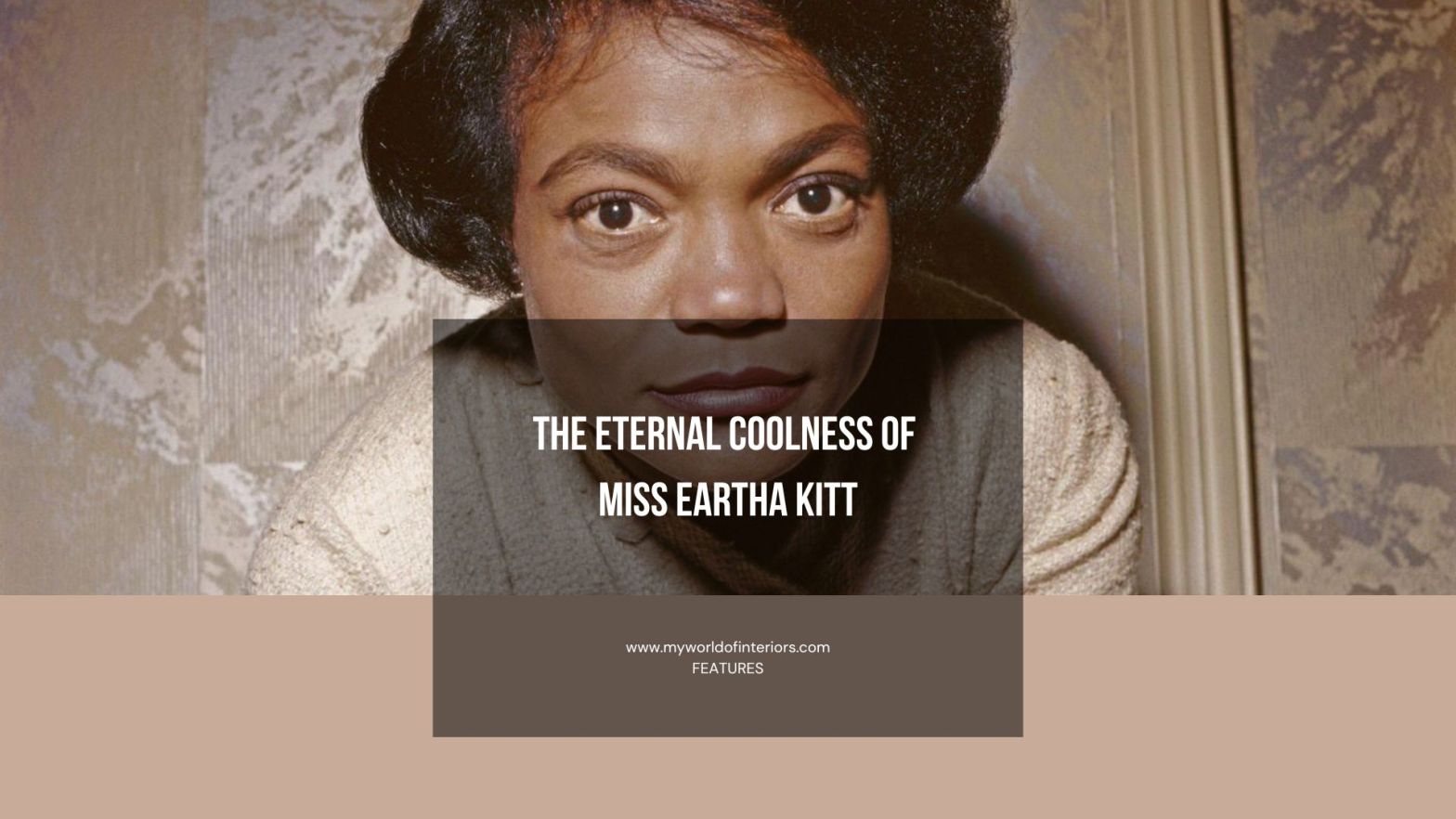
Eartha Kitt never fit into a category. She purred, she prowled, she sang, she danced, she acted, she provoked. To call her a singer, actress, or dancer is inadequate; she was an auteur of persona, a master of the stage who transformed each performance into a commentary on race, gender, and desire. Her genius layContinue reading “Eartha Kitt: Icon, Innovator, and Provocateur”
Anton Chekhov: The Drama of the Everyday
Anton Chekhov quietly yet radically redefined literature. His achievement lies not in flamboyant experimentation but in a subtler revolution: the elevation of the ordinary. In his plays and short stories, Chekhov dismantled the machinery of nineteenth-century drama and narrative, replacing melodrama with silence, event with atmosphere, and resolution with ambiguity. He made space for hesitation,Continue reading “Anton Chekhov: The Drama of the Everyday”
Futurism: The Art of Acceleration
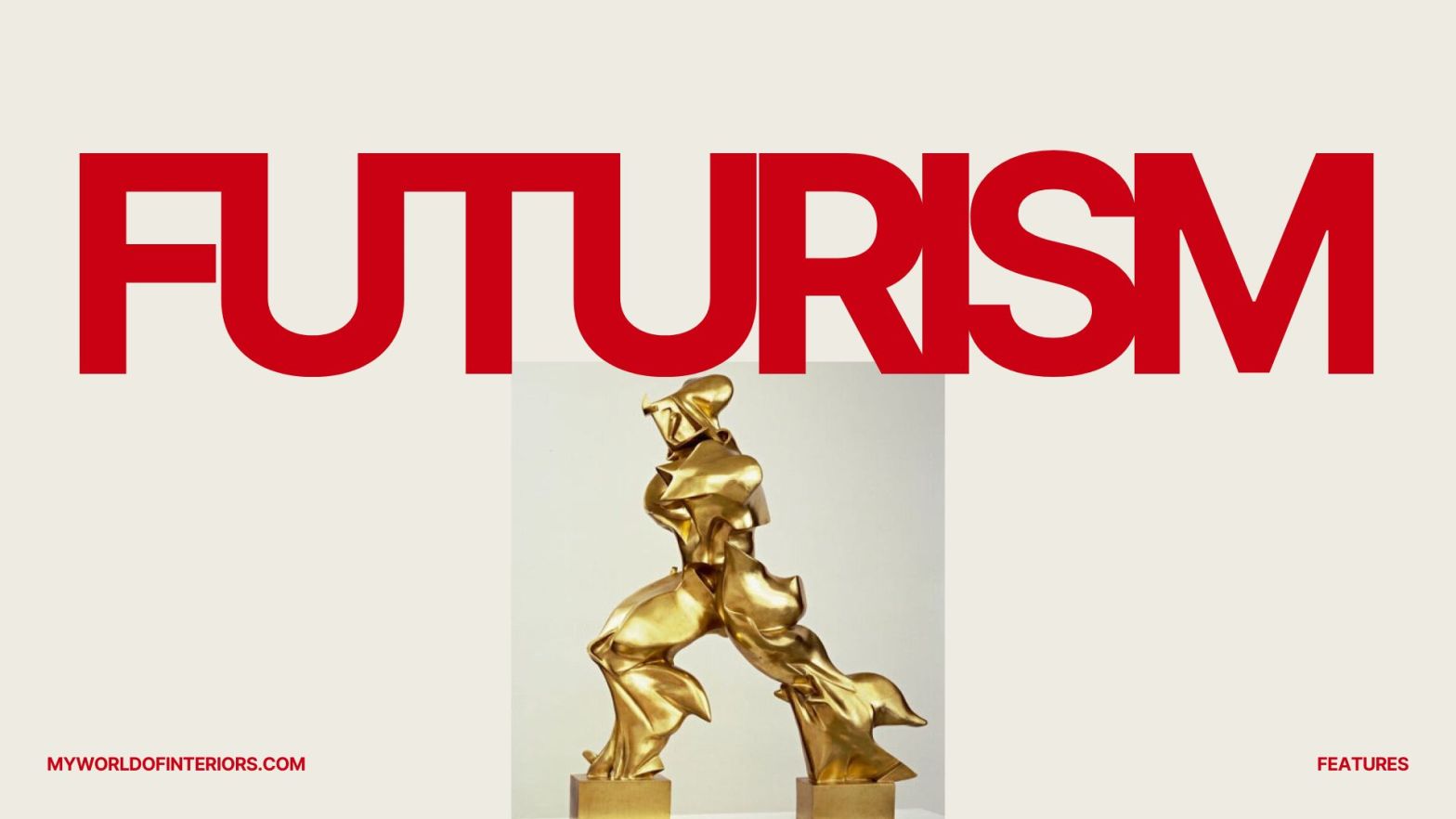
At the dawn of the twentieth century, a manifesto shook European culture like a thunderclap. Published in Le Figaro on February 20, 1909, Filippo Tommaso Marinetti’s Manifesto of Futurism declared war on the past and consecrated a new aesthetic: speed, violence, machinery, the beauty of the modern city, and the intoxicating promise of technology. “AContinue reading “Futurism: The Art of Acceleration”
Sunset Boulevard is Always Ready for a Close-Up
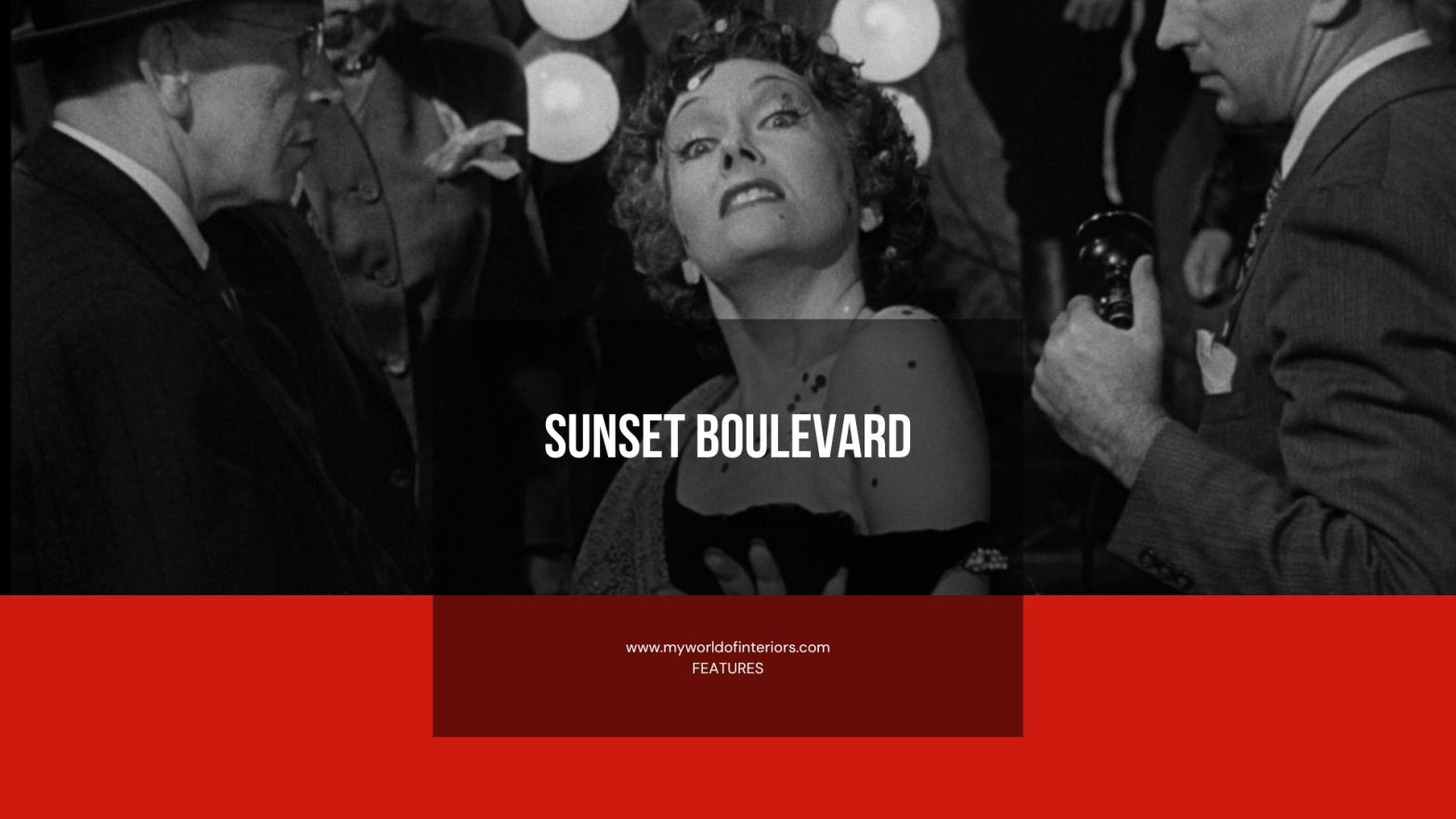
No other film has captured the pathology of Hollywood with the same precision and venom as Billy Wilder’s Sunset Boulevard (1950). At once noir, satire, and gothic melodrama, the film is less a portrait of one delusional actress than an x-ray of an entire industry addicted to spectacle and terrified of obsolescence. Its famous openingContinue reading “Sunset Boulevard is Always Ready for a Close-Up”
Dylan Thomas: The Music of Meaning
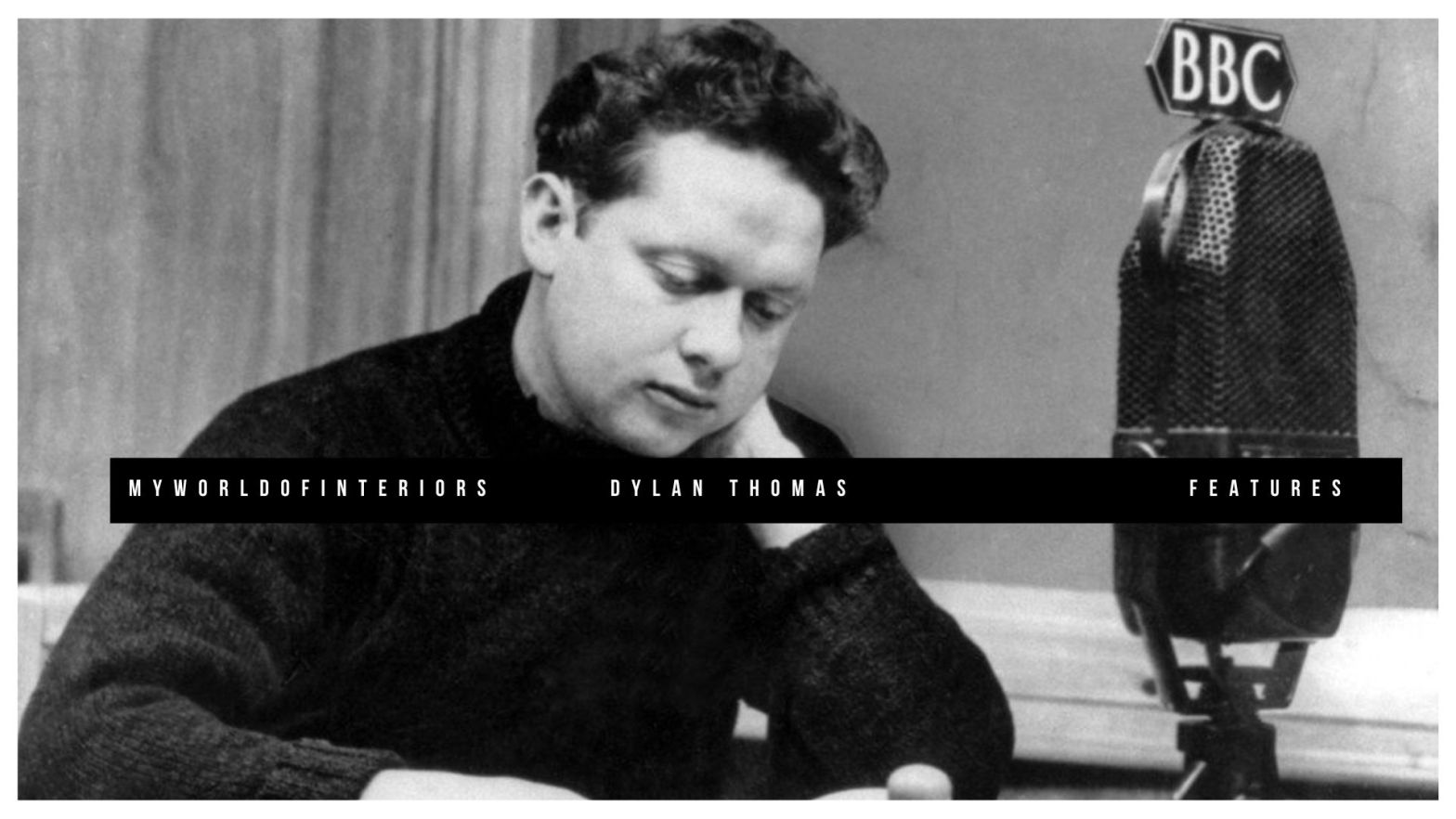
Dylan Thomas occupies a singular corner of twentieth-century poetry: a writer for whom sound was not ornament but ontology. He is, perhaps above all else, a poet of voice—of syllables struck like bells, of syntax uncoiling into chant, of images that are felt in the mouth before they settle in the mind. He is myContinue reading “Dylan Thomas: The Music of Meaning”
Great Are the Myths – Episode 5
Basquiat & Warhol: Collision, Collaboration, and the Making of Modern Myth
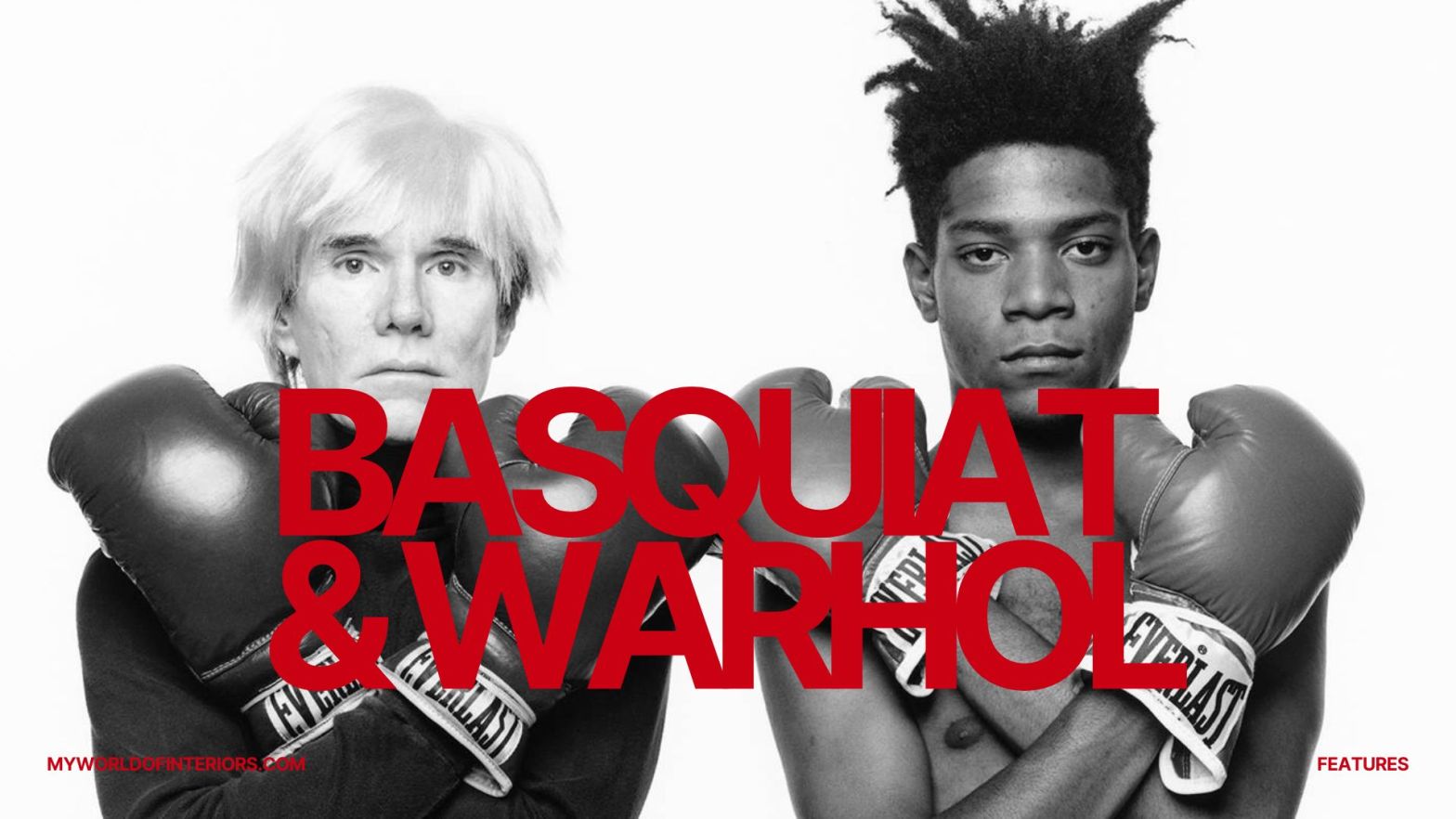
Art history is rich with encounters between generations, but few have provoked as much fascination, controversy, and enduring debate as the working friendship between Andy Warhol and Jean-Michel Basquiat. On one side stood Warhol, the established oracle of Pop, a man whose silkscreens of soup cans, celebrities, and consumer logos had redefined art’s relationship toContinue reading “Basquiat & Warhol: Collision, Collaboration, and the Making of Modern Myth”
The Examined Life: Wim Wenders and the Radical Ordinariness of Perfect Days

On toilets, cassette tapes, and the philosophical weight of a life lived well Forget about the Oscars, Perfect Days (2023) is all you need this week. There is a scene near the midpoint of Wim Wenders’s Perfect Days in which Hirayama, a cleaner of public lavatories in Tokyo, lies on his futon in the amberContinue reading “The Examined Life: Wim Wenders and the Radical Ordinariness of Perfect Days”
 My World of Interiors