
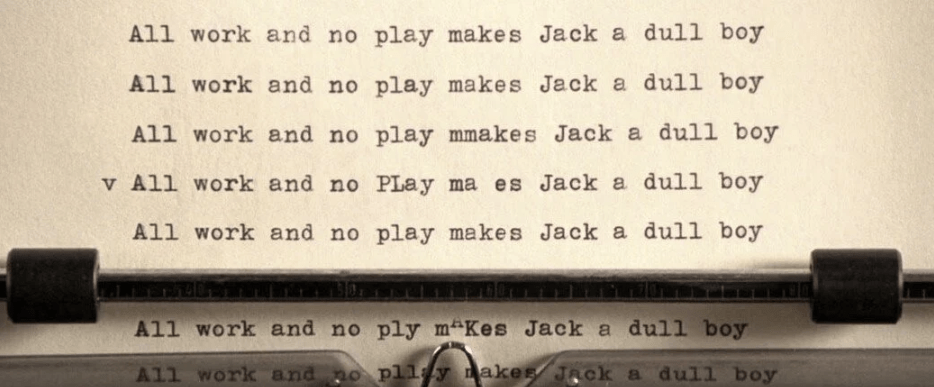
Stanley Kubrick’s The Shining (1980) is remembered for its haunting images — Jack Nicholson’s manic grin, Danny’s tricycle in the corridor, the tide of blood spilling from an elevator. But beneath the horror lies another, subtler masterpiece: the interiors of the Overlook Hotel. Designed with meticulous care, these spaces are not mere backdrops but charactersContinue reading “The Shining: Interiors of Unease”
Category Archives: Film
Marcello & Sophia: The Cinema of Chemistry
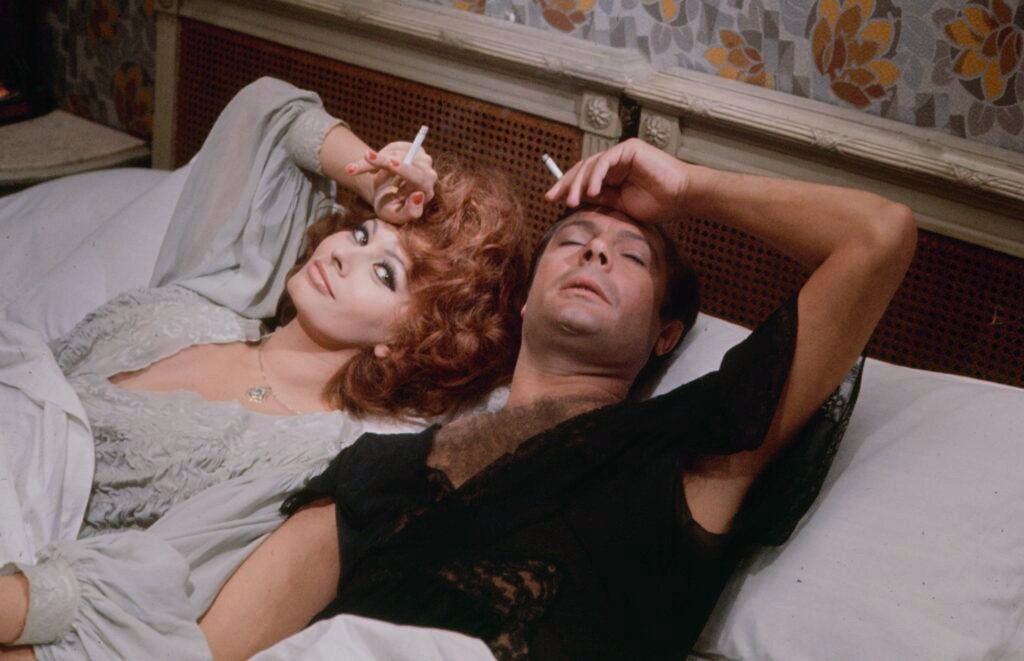
Few cinematic partnerships radiate as much charm, wit, and sensual electricity as Marcello Mastroianni and Sophia Loren. For more than three decades, they embodied the vitality of Italian cinema, appearing together in 14 films that spanned neorealism, romantic comedy, and social satire. Their on-screen chemistry was as natural as it was carefully crafted, turning themContinue reading “Marcello & Sophia: The Cinema of Chemistry”
Grace Kelly: The Princess of Style

Grace Kelly remains one of the rare figures whose image has never faded. Actress, princess, and style icon, she embodied a refinement that was at once modern and timeless. From Hollywood soundstages to the palace of Monaco, her elegance was defined not by excess, but by restraint: clean lines, neutral palettes, and the quiet confidenceContinue reading “Grace Kelly: The Princess of Style”
The Perfect Style of Cary Grant
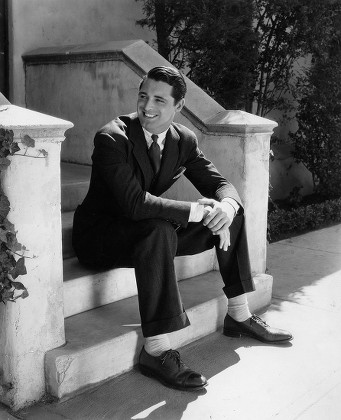
Some stars fade into nostalgia, tethered to their moment. Cary Grant is different. More than thirty years after his death, he remains the epitome of effortless style — a man whose presence on screen and off continues to define what it means to be well-dressed. His elegance was never just about clothes; it was aboutContinue reading “The Perfect Style of Cary Grant”
My Own Private Idaho: Drifting Through the American Dream
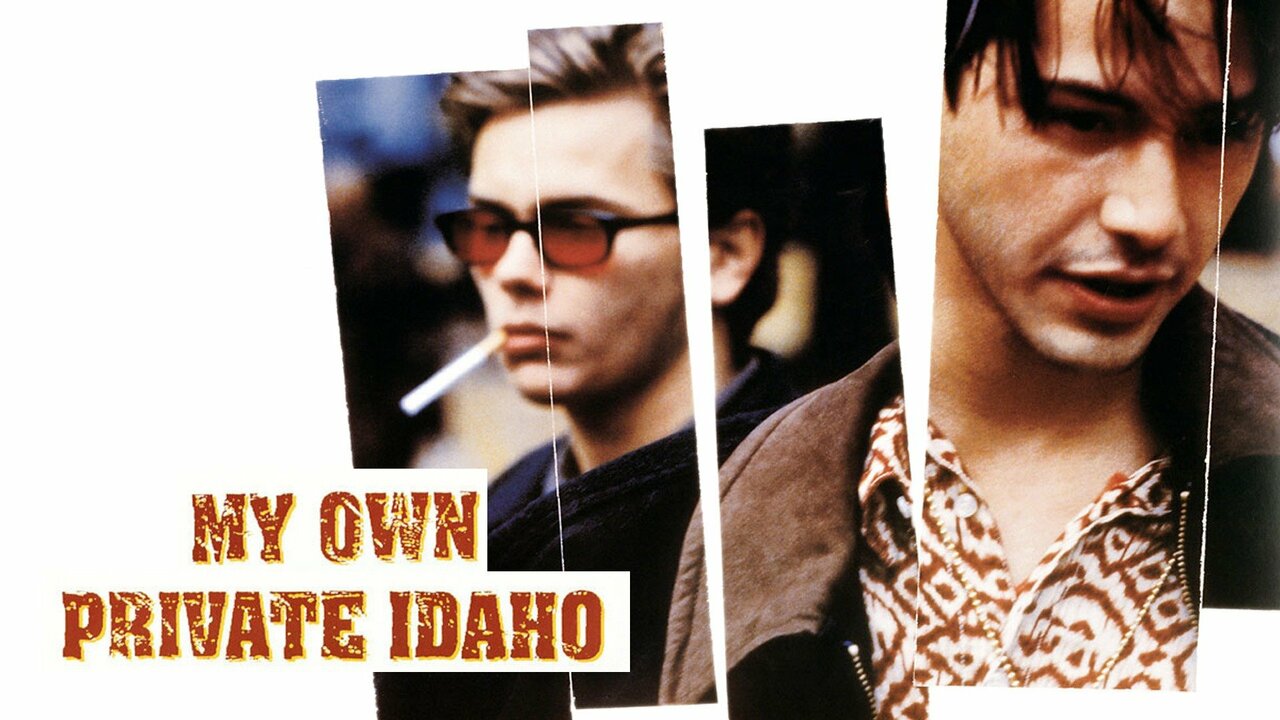
When Gus Van Sant released My Own Private Idaho in 1991, he gave American cinema one of its strangest and most poetic visions of alienation. The film is at once a road movie, a queer love story, and a fractured meditation on identity. Its images — a lone figure collapsing on an endless highway, streetContinue reading “My Own Private Idaho: Drifting Through the American Dream”
Three Cinematic Villas in Italy
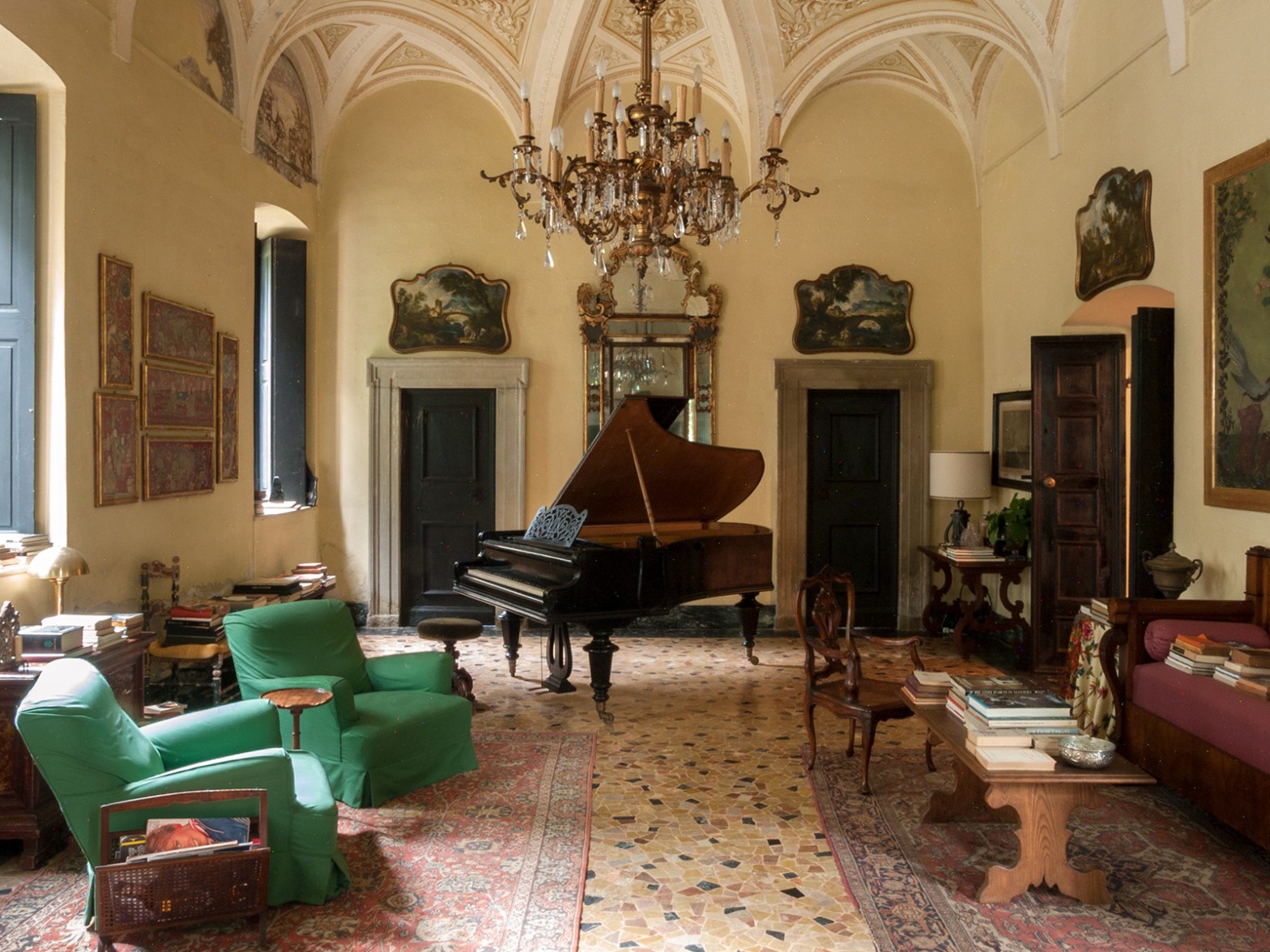
If Villa Malaparte is the most iconic villa on screen, it is not alone. Italy’s landscape of villas — patrician palaces, lakeside estates, country retreats — has long provided cinema with atmosphere and grandeur. 1. Villa Erba, Lake Como 2. Villa di Geggiano, Siena 3. Villa Albergoni, Lombardy TL;DRFrom Visconti’s Lake Como retreat to Bertolucci’sContinue reading “Three Cinematic Villas in Italy”
The Phantom Carriage: A Haunting New Year’s Tale
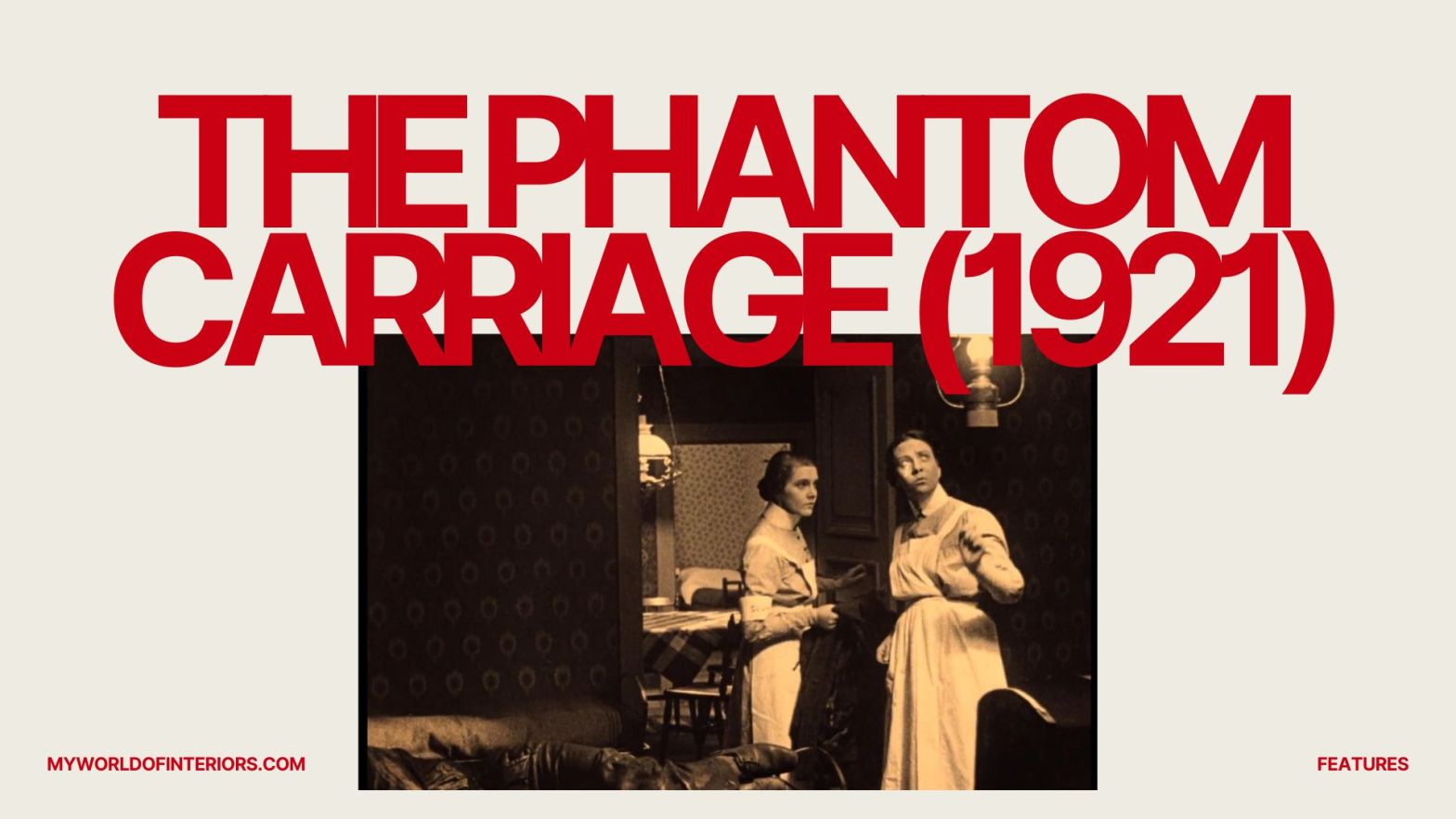
Among the treasures of silent cinema, few films are as haunting — or as seasonally apt — as Victor Sjöström’s The Phantom Carriage (1921). Set on New Year’s Eve, it spins a chilling legend: the last person to die before midnight must drive Death’s spectral carriage for the next year, collecting souls along the way.Continue reading “The Phantom Carriage: A Haunting New Year’s Tale”
Brigitte Bardot (1934–2025)
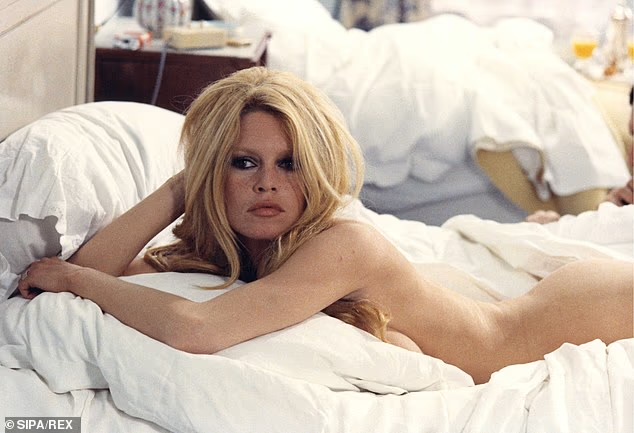
Brigitte Bardot, the French actress, model, singer, style icon, and influential animal-rights advocate, has died at the age of 91. Born Brigitte Anne-Marie Bardot on 28 September 1934 in Paris, she began her career as a dancer and model before moving into film in the early 1950s. Her breakthrough role in Roger Vadim’s And GodContinue reading “Brigitte Bardot (1934–2025)”
Robert Downey Sr. and the Anarchic Intelligence of American Cinema
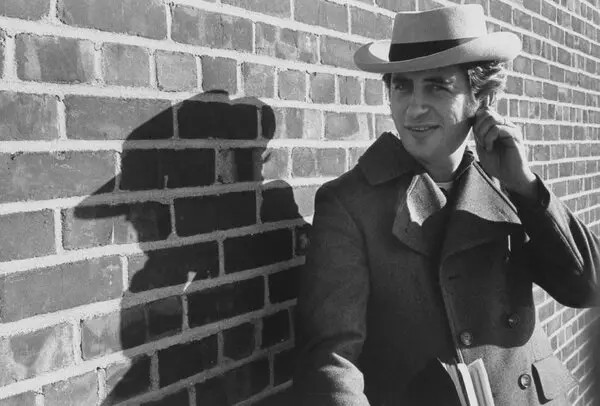
Robert Downey Sr. occupies a singular, unresolved position in American film history. Too unruly for canonisation, too intellectually rigorous for cult marginality, his work resists assimilation into the stabilising narratives of New Hollywood, experimental cinema, or political satire. Yet it is precisely this resistance—formal, ideological, and temperamental—that marks Downey Sr. as one of the mostContinue reading “Robert Downey Sr. and the Anarchic Intelligence of American Cinema”
A Cinematic Christmas
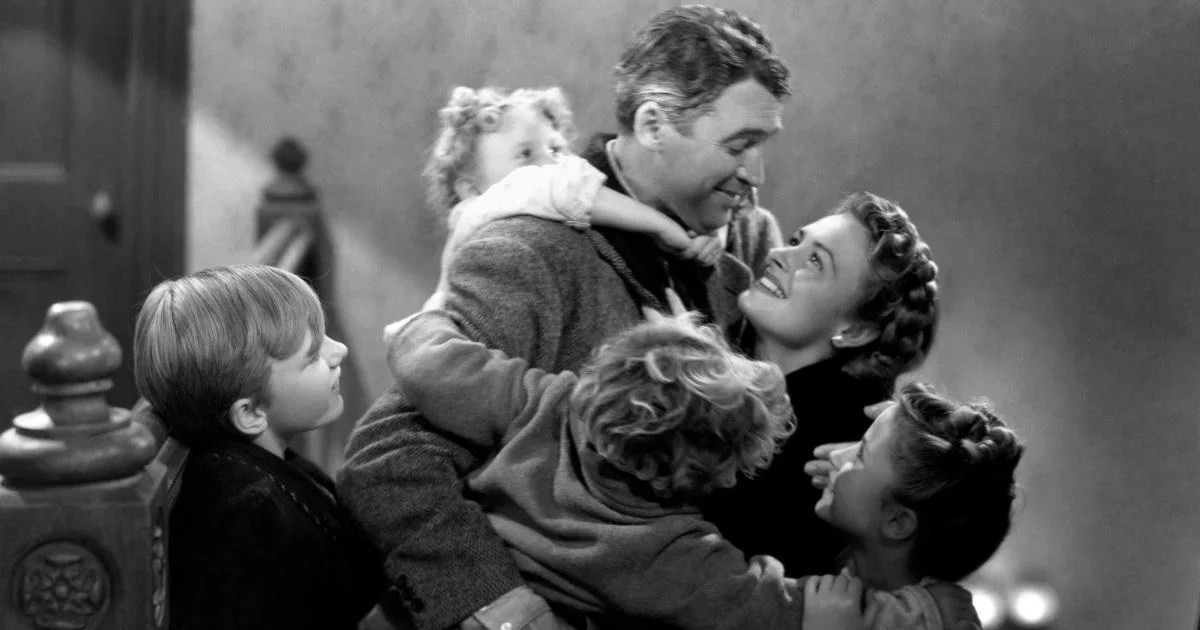
Christmas has always been a backdrop for cinema’s most enduring visions — snowy small towns, glowing windows, glittering ballrooms. Film doesn’t just show Christmas; it has helped define it. It’s a Wonderful Life (1946) Frank Capra’s classic gave Christmas its redemptive myth, with small-town America dusted in snow and angels whispering in the wings. ItsContinue reading “A Cinematic Christmas”
 My World of Interiors