
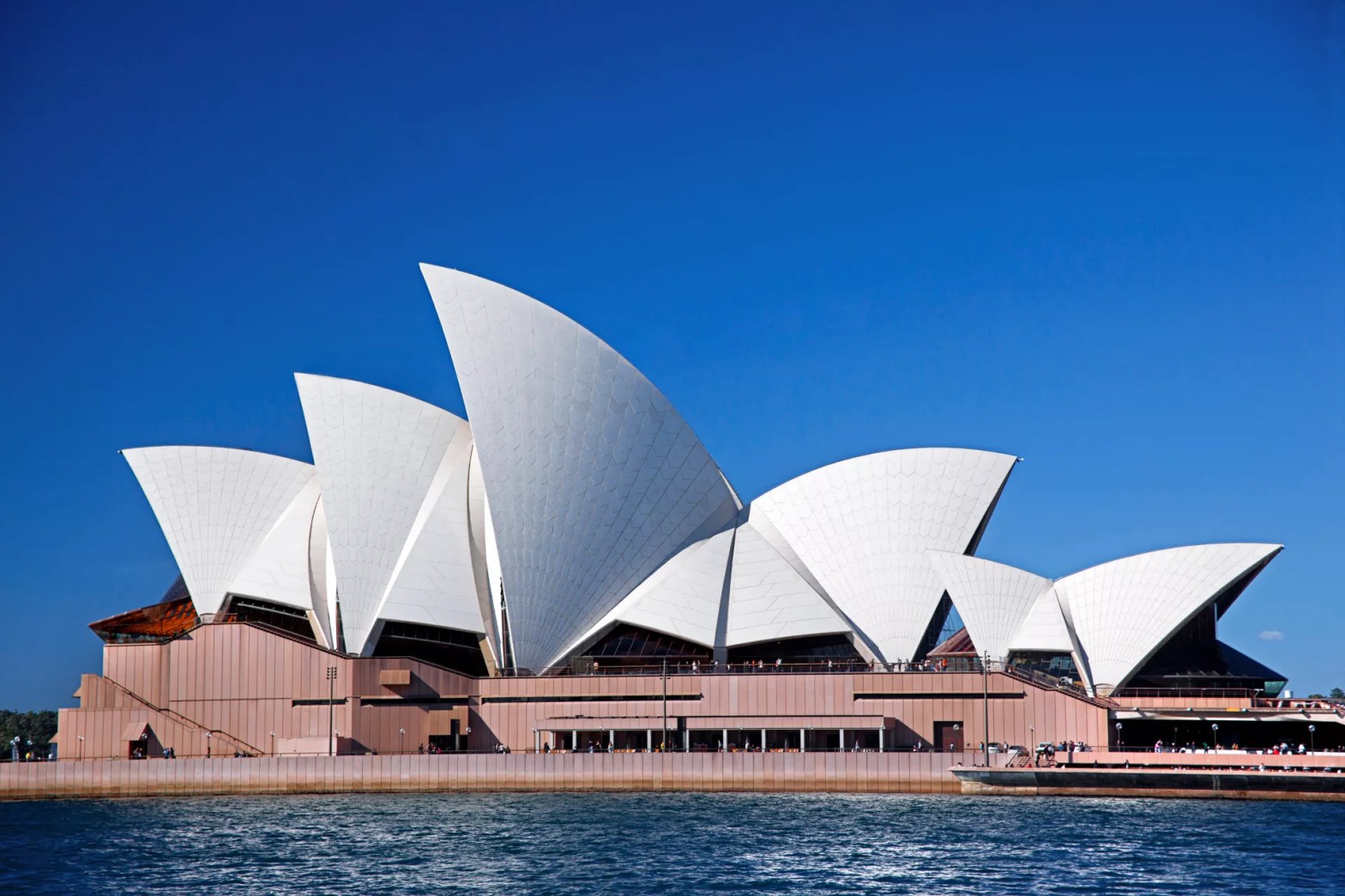
When the sails of the Sydney Opera House rise against the harbor sky, they look inevitable — as if they were always meant to be there. Yet their author, Jørn Utzon (1918–2008), was a quiet Dane who conceived one of the world’s most iconic buildings and then walked away before it was finished. His storyContinue reading “Jørn Utzon: The Architect Who Sailed Beyond the Horizon”
Category Archives: Architecture
Art Deco: The Geometry of Glamour

A Style for the Modern Age Few styles announce themselves with as much clarity as Art Deco. All it takes is a glance: a zigzag façade, a sunburst motif, lacquered furniture, a cocktail shaker with chrome lines sharp enough to slice air. Where Victorian excess whispered nostalgia and Modernism insisted on utility, Art Deco spokeContinue reading “Art Deco: The Geometry of Glamour”
Argentina by Design: A 10-Day Itinerary for Architecture, Interiors, Art & Industrial Design

Argentina is a country of bold gestures and layered histories: European classicism and Art Deco in Buenos Aires; Jesuit baroque and modernism in Córdoba; high-altitude Andean adobe and contemporary land art in the northwest; winery cathedrals of concrete and stone in Mendoza. This itinerary moves through those worlds with a designer’s eye—pairing great buildings withContinue reading “Argentina by Design: A 10-Day Itinerary for Architecture, Interiors, Art & Industrial Design”
The Louvre: Palatial Splendour & the World’s Greatest Art Museum
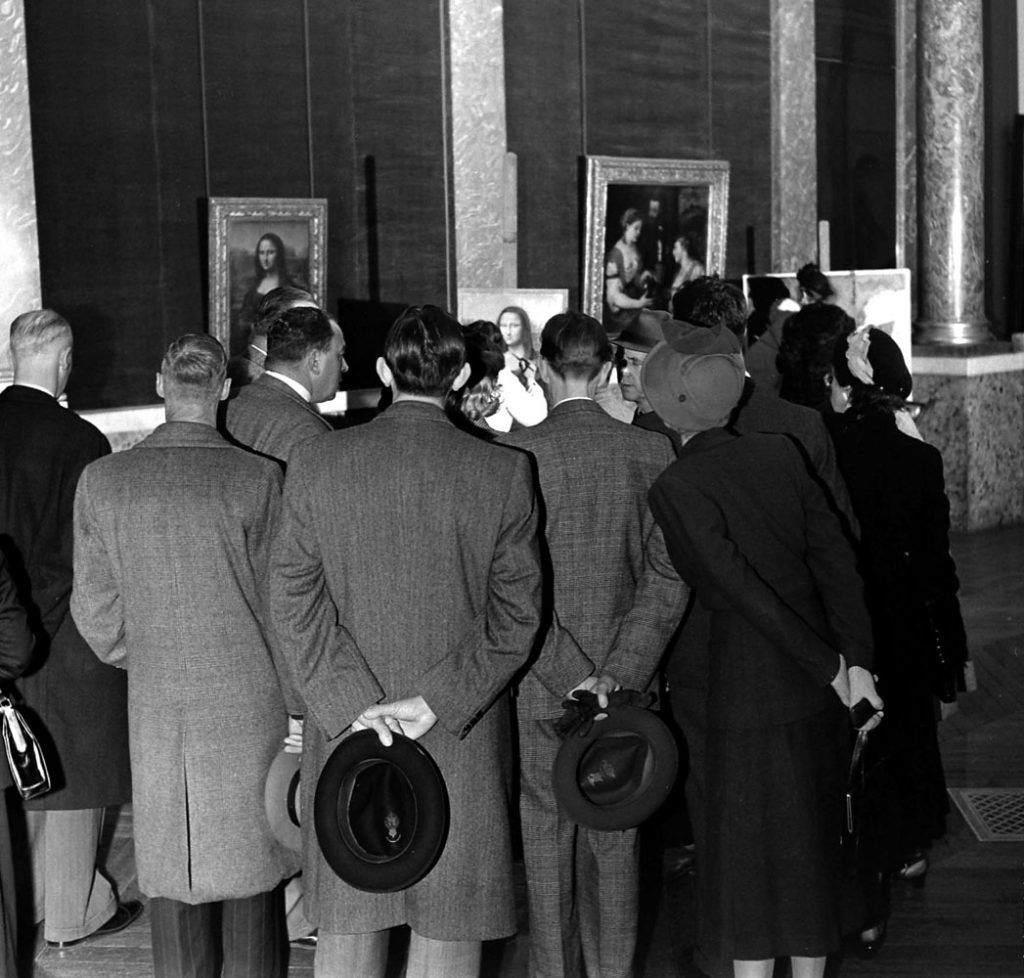
Standing at the heart of Paris, the Louvre is more than a museum — it is a living monument to power, beauty, and the human imagination. Once a medieval fortress, then a royal palace, today it is the most visited art museum in the world, where masterpieces such as Leonardo’s Mona Lisa and Delacroix’s LibertyContinue reading “The Louvre: Palatial Splendour & the World’s Greatest Art Museum”
Le Corbusier: The Architect of Modern Life
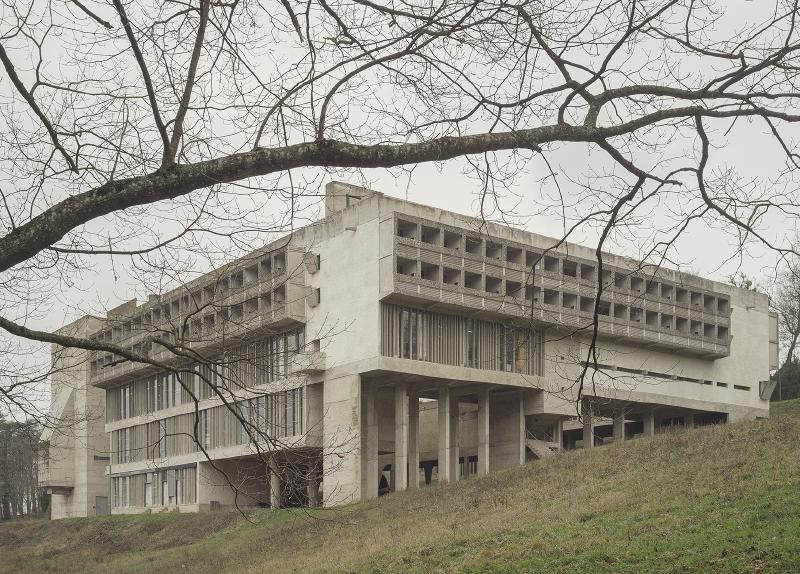
In the pantheon of twentieth-century design, few names carry the weight of Le Corbusier (1887–1965). Architect, urban planner, painter, and polemicist, he was as radical as he was pragmatic, as theoretical as he was tactile. Born Charles-Édouard Jeanneret in La Chaux-de-Fonds, Switzerland, he became known by the moniker Le Corbusier—a chosen identity that reflected hisContinue reading “Le Corbusier: The Architect of Modern Life”
Hugo Toro: Redefining the Language of Hotel Interiors
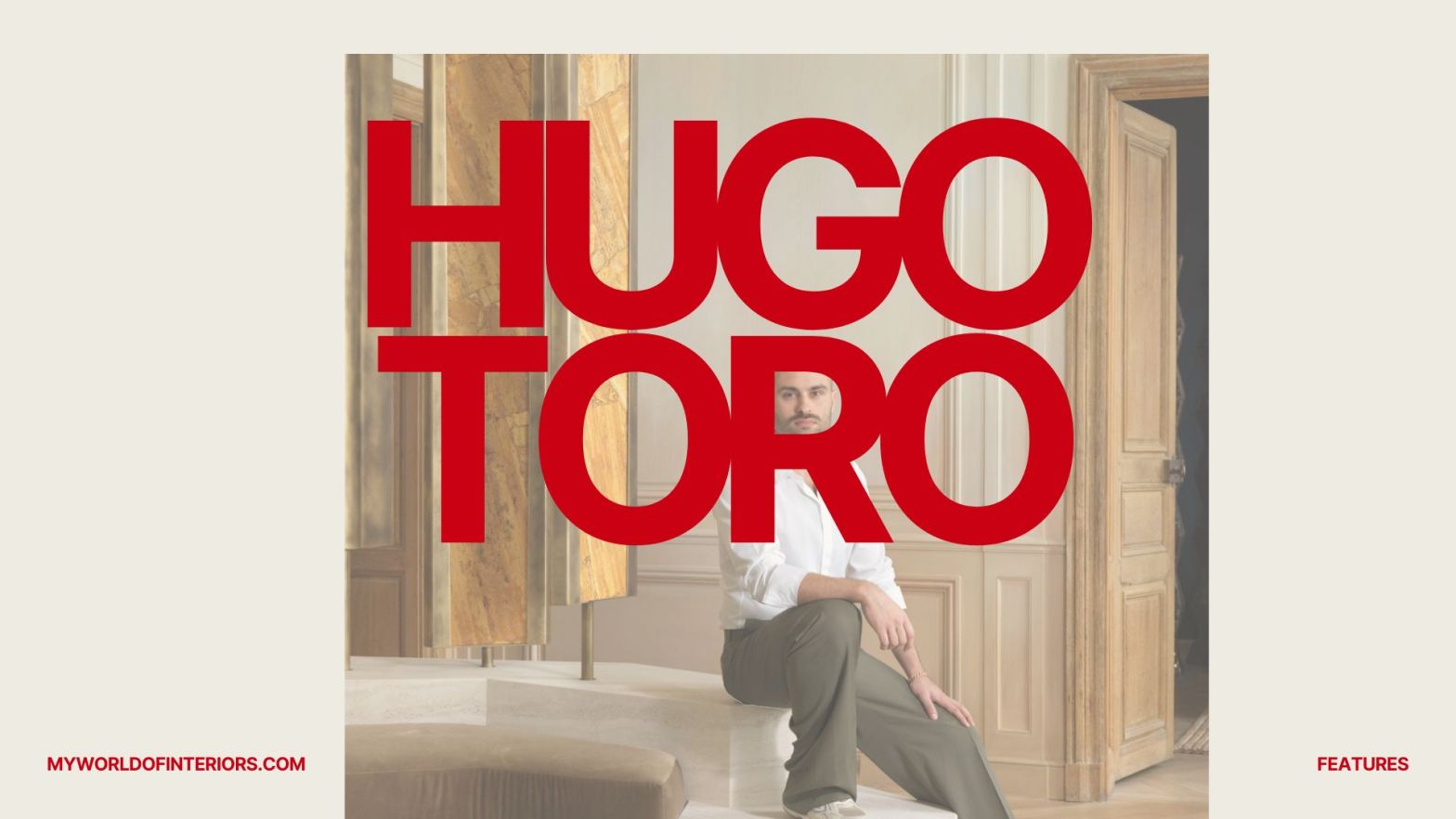
At just 35, Franco-Mexican designer Hugo Toro has emerged as one of the most compelling voices in contemporary hospitality and interior design. His projects—ranging from Provençal hotels to Roman palazzos—carry a singular blend of narrative, texture, and cultural depth. For Toro, interiors are not backdrops; they are stories waiting to be told. A Designer BetweenContinue reading “Hugo Toro: Redefining the Language of Hotel Interiors”
Peter Marino: The Dark Knight of Design
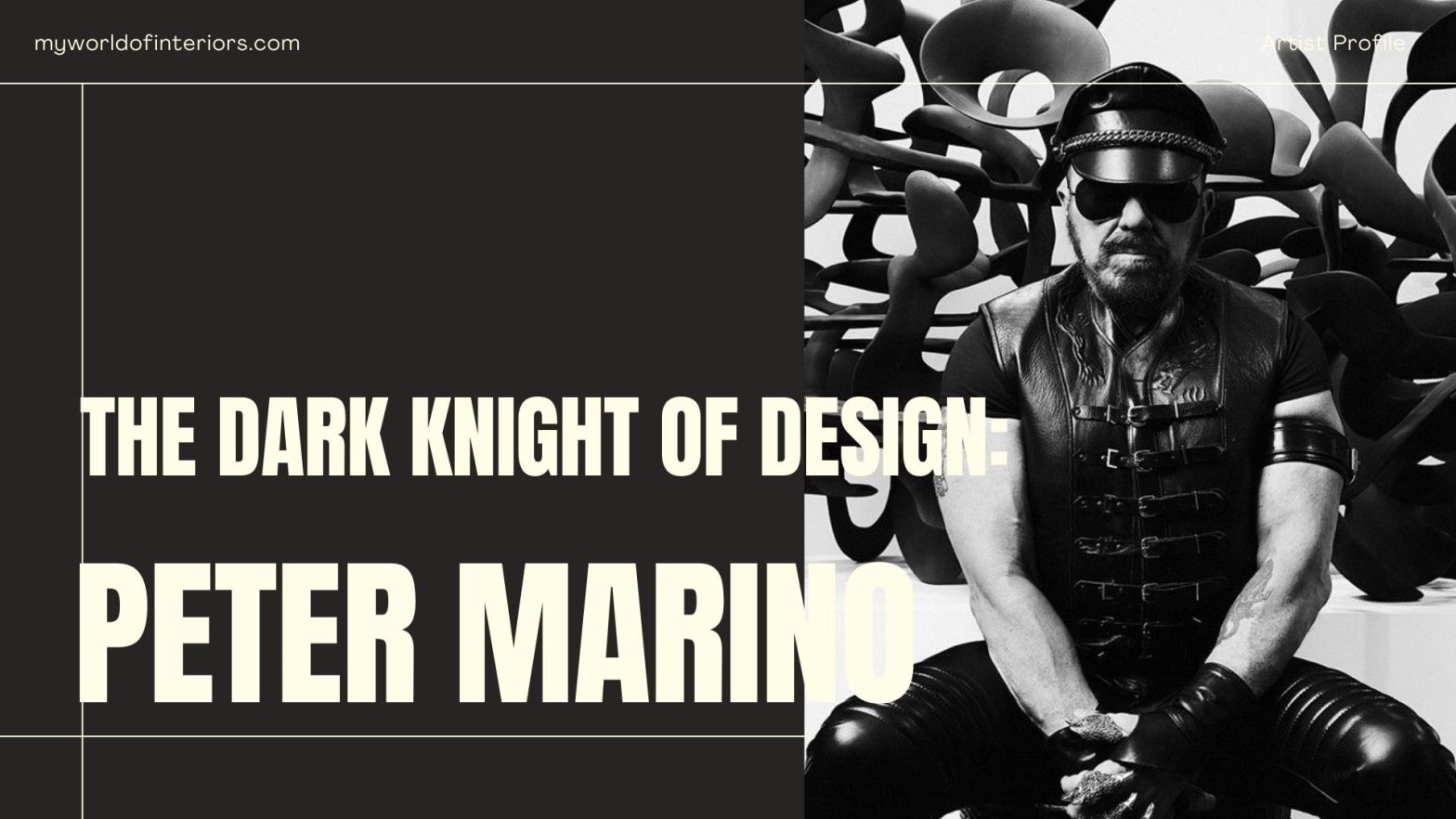
In the world of architecture and interiors, few figures are as instantly recognizable — or as fiercely debated — as Peter Marino. Dressed head-to-toe in black leather, with biker boots, sculptural chains, and tattooed arms, Marino has cultivated an image as a renegade. Yet behind the theatrical armor is one of the most influential architectsContinue reading “Peter Marino: The Dark Knight of Design”
The Evolution of the Private Swimming Pool
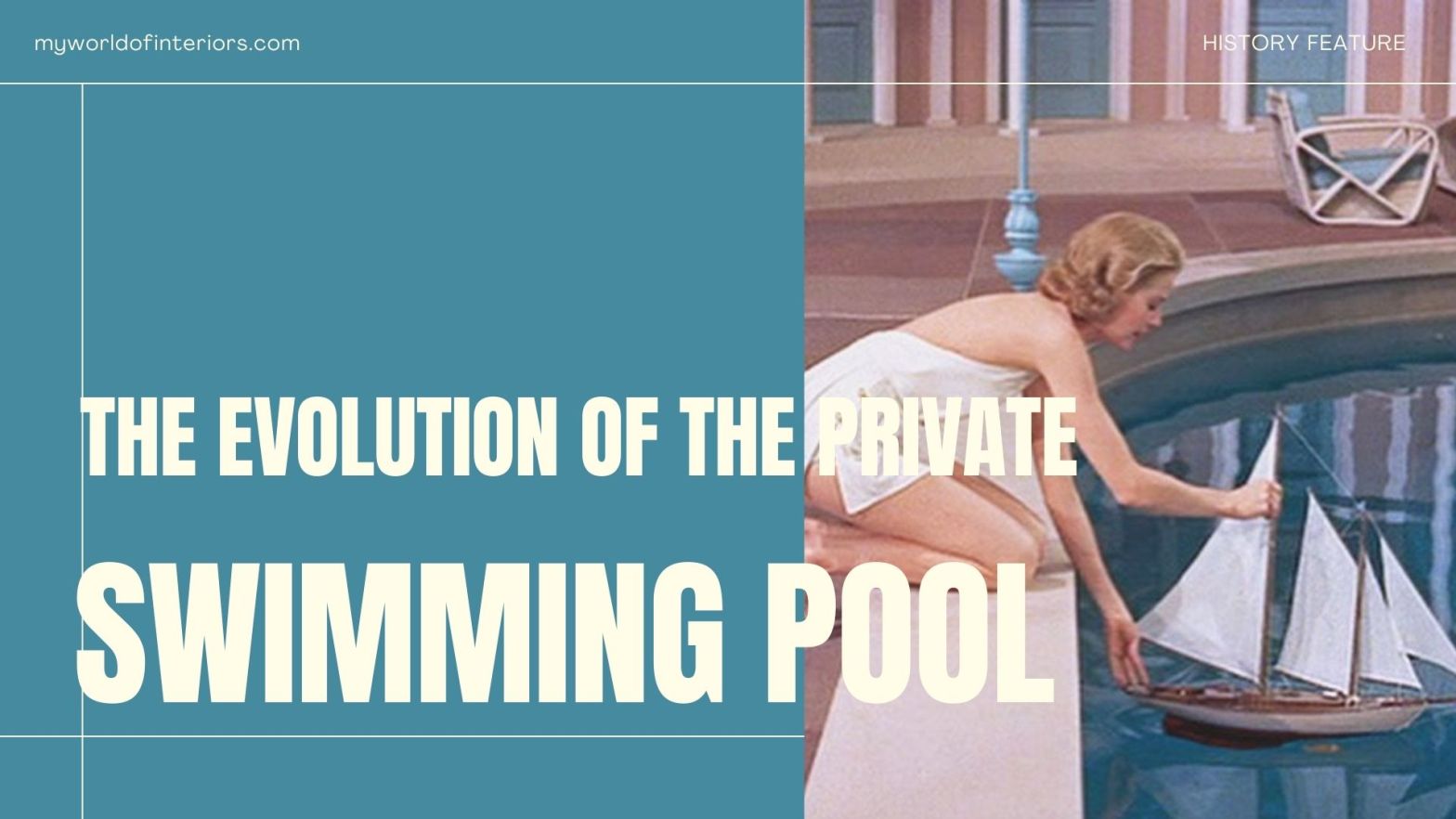
The swimming pool is more than a reservoir of water: it is an architectural statement, a cultural symbol, and a mirror of shifting ideals of leisure, health, and luxury. Its evolution—from ancient communal baths to mid-century suburban icons, from Riviera resorts to infinity-edge marvels—charts the trajectory of modern life itself. To trace the history ofContinue reading “The Evolution of the Private Swimming Pool”
A History of Hôtel du Cap-Eden-Roc
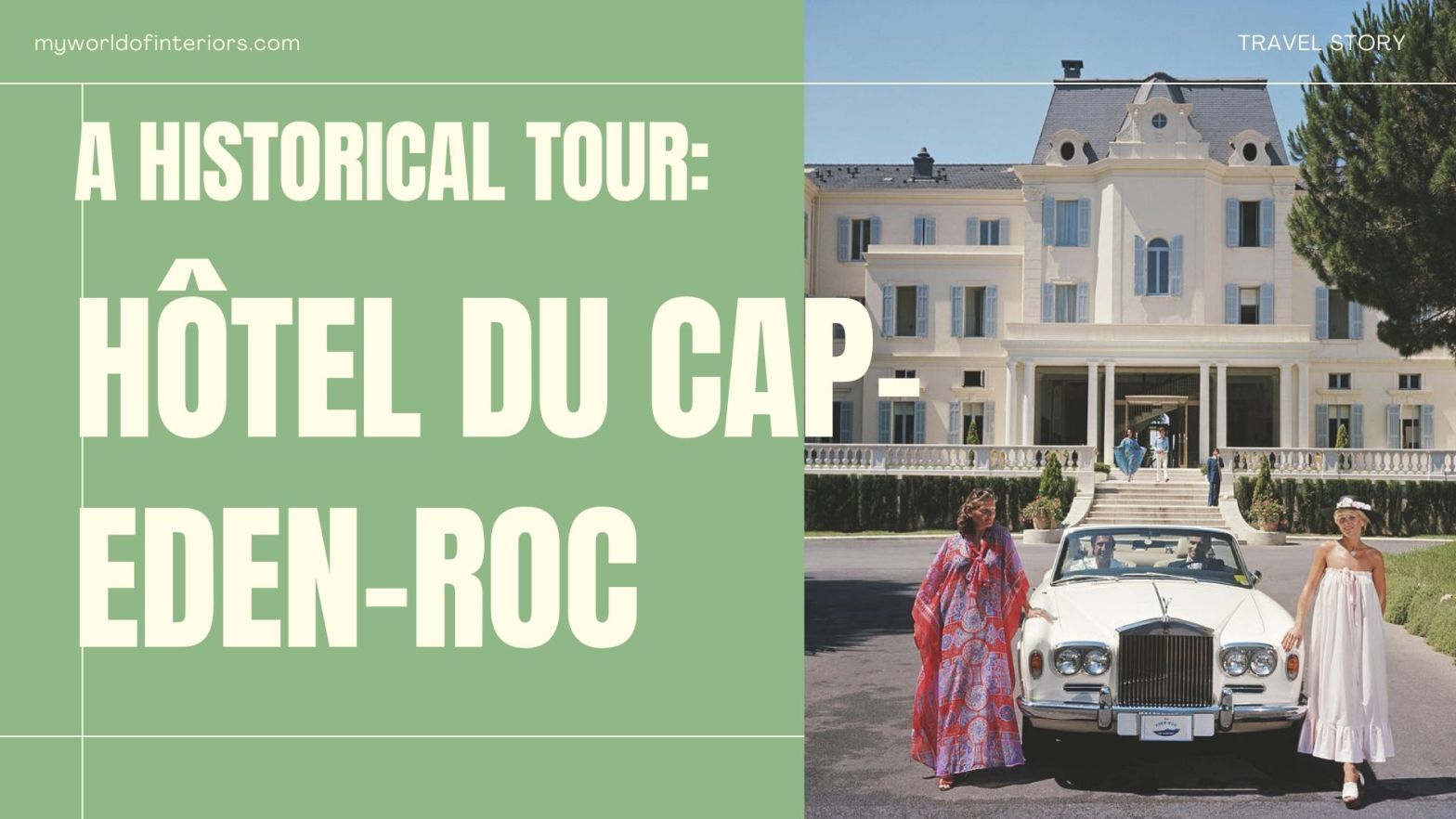
Origins & Literary LegacyIn 1869, Villa Soleil was built by Hippolyte de Villemessant, founder of Le Figaro, as a haven for writers seeking peace and inspiration. By 1870, it opened, Napoleon III–style, as a retreat for figures like Jules Verne and Anatole France. By 1889, under Italian hotelier Antoine Sella, it became the Grand HôtelContinue reading “A History of Hôtel du Cap-Eden-Roc”
Villa Borghese: Rome’s Most Cultivated Escape
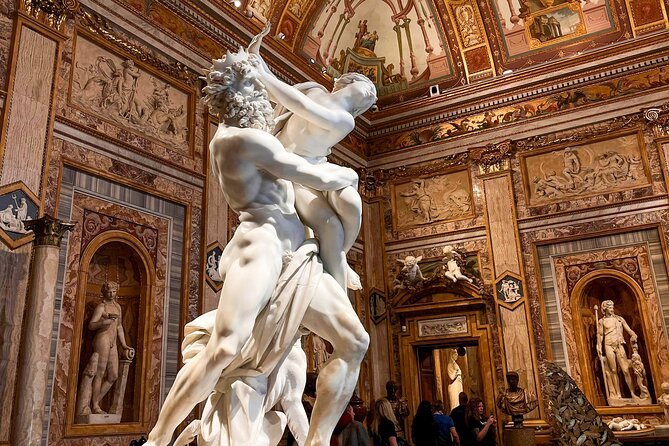
There are few places in Rome where history, art, and nature fuse with such elegance as the Villa Borghese and its surrounding park. More than a green lung in the heart of the city, this is a cultivated landscape — a place where cardinals once entertained, where artists found inspiration, and where today, Romans andContinue reading “Villa Borghese: Rome’s Most Cultivated Escape”
 My World of Interiors