
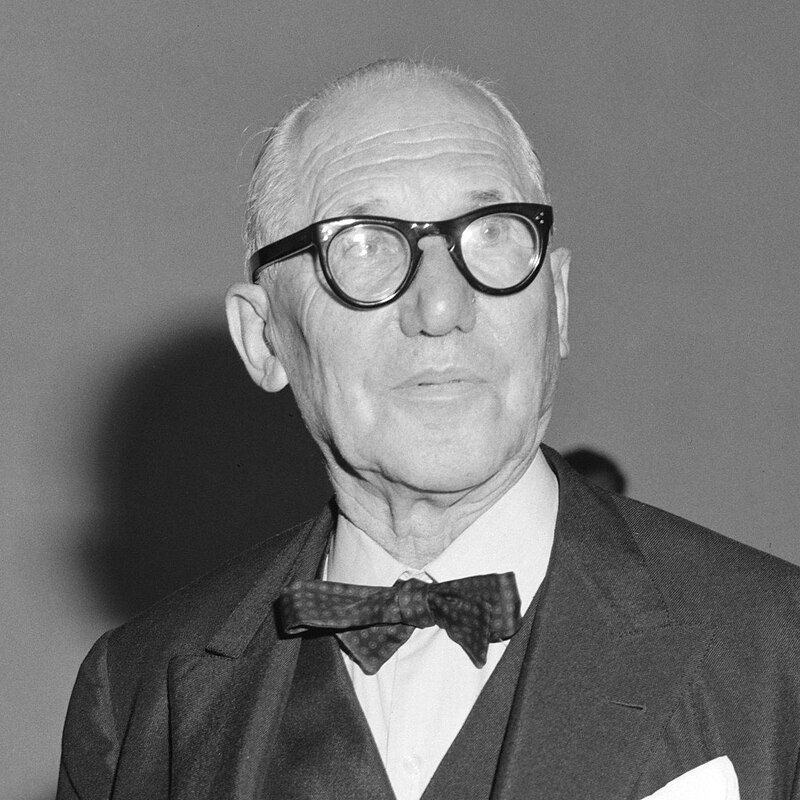
In the pantheon of twentieth-century design, few names carry the weight of Le Corbusier (1887–1965). Architect, urban planner, painter, and polemicist, he was as radical as he was pragmatic, as theoretical as he was tactile. Born Charles-Édouard Jeanneret in La Chaux-de-Fonds, Switzerland, he became known by the moniker Le Corbusier—a chosen identity that reflected his desire to reinvent not just architecture, but modern life itself.
A New Language of Form
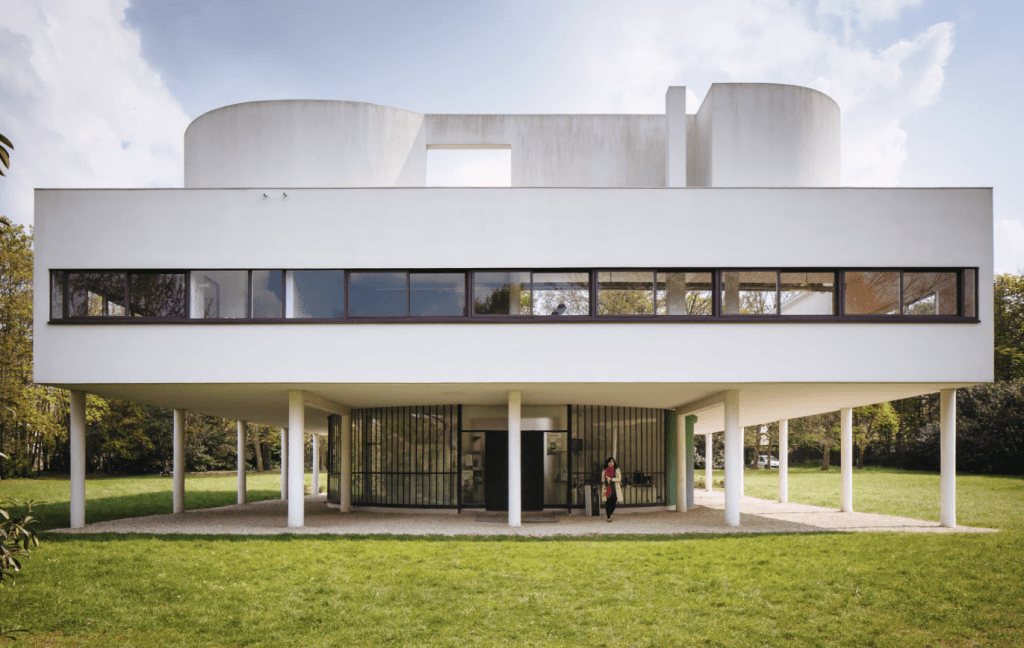
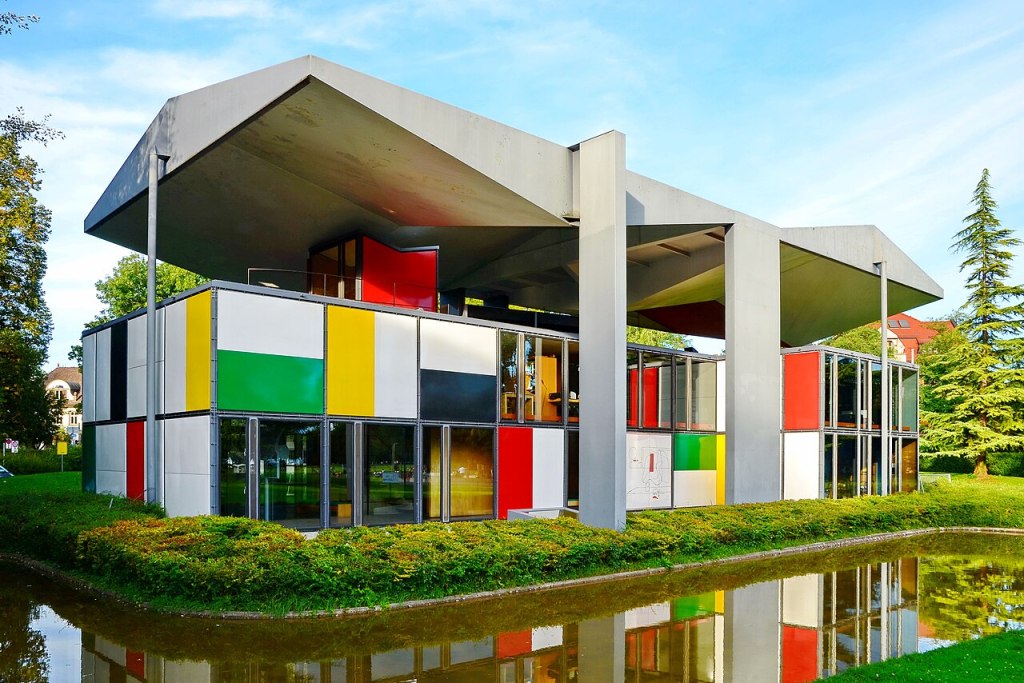
Le Corbusier’s vision was built on clarity: pure geometry, rational proportions, and a conviction that architecture must serve as “a machine for living.” His Five Points of Architecture—pilotis, roof gardens, open floor plans, horizontal windows, and free façades—formulated a grammar that still underpins contemporary design. Buildings like the Villa Savoye (1929–31) in Poissy remain emblematic of this ideal: white planes lifted above the earth, light and air coursing freely through unencumbered space.
- Explore the Villa Savoye architectural promenade
- Background: Villa Savoye, Wikipedia
- World Heritage entry: Villa Savoye et loge du jardinier
Urban Utopias
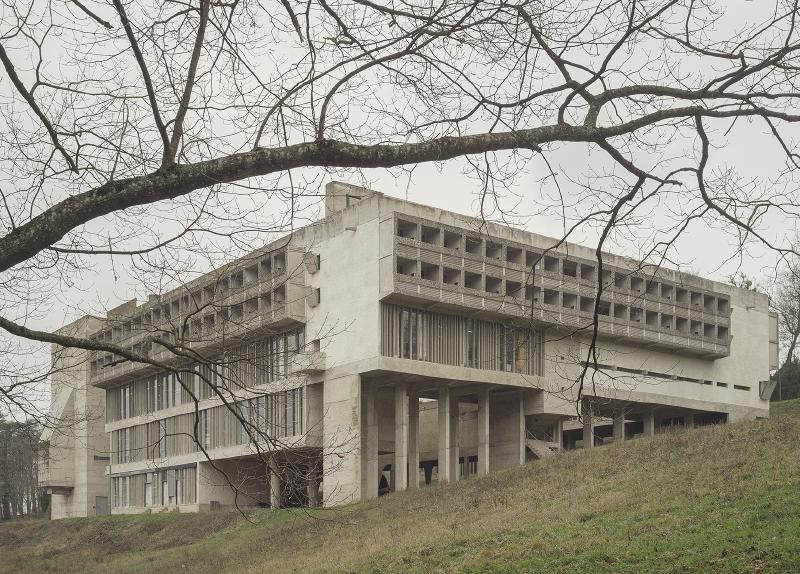
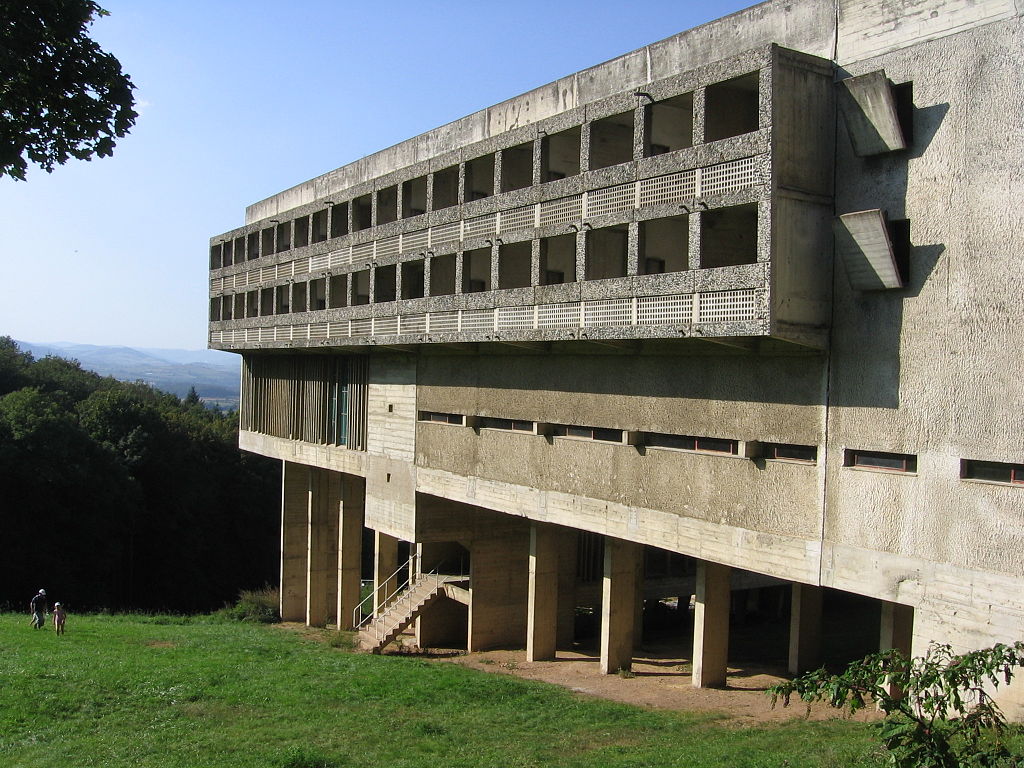
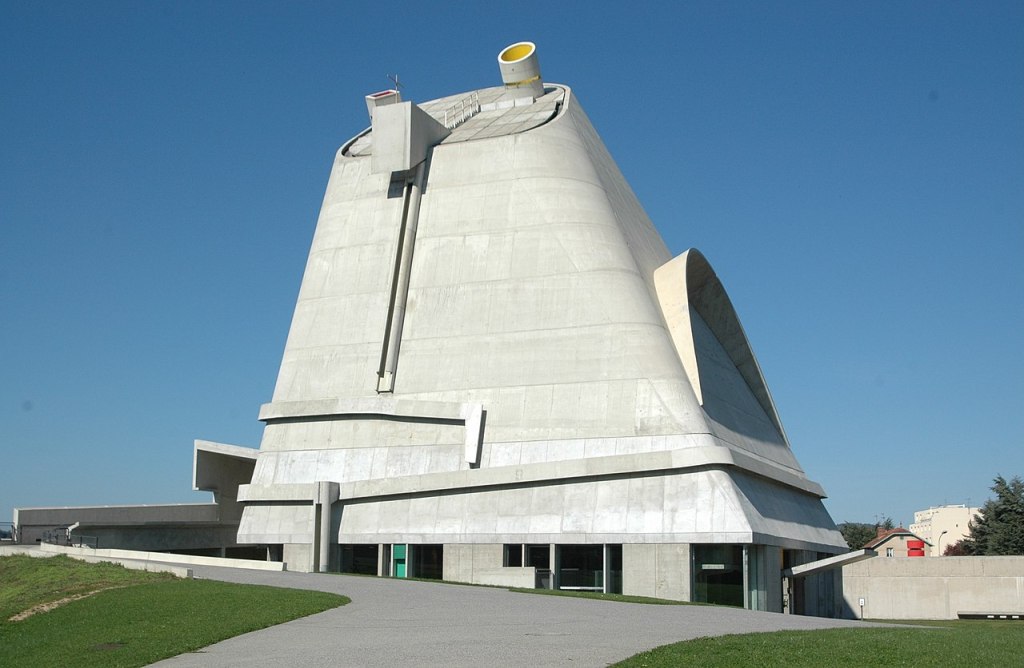
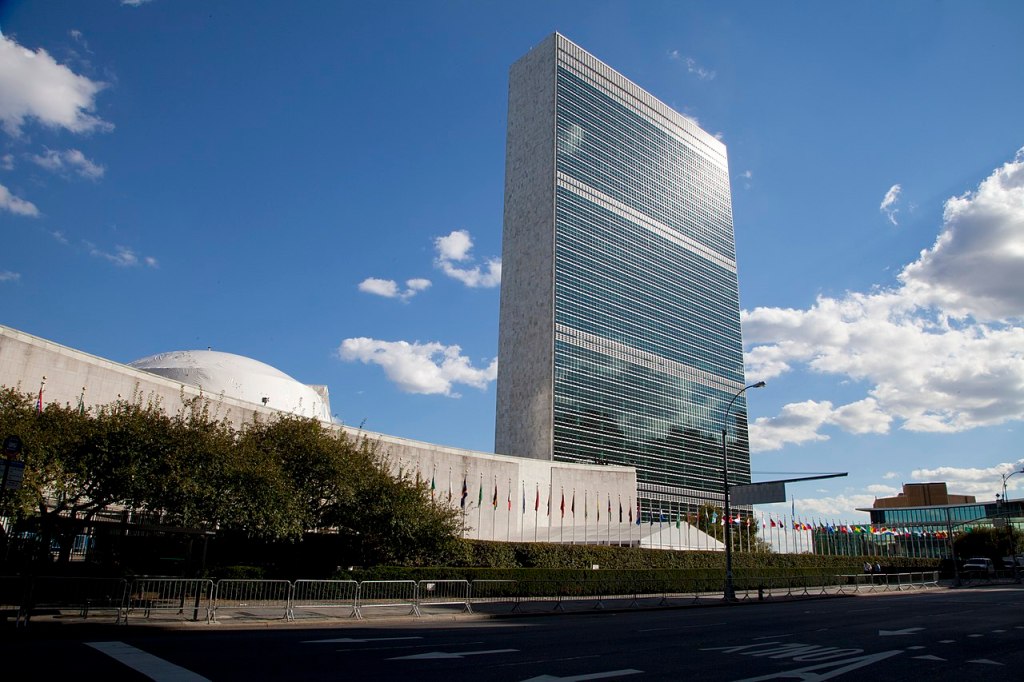
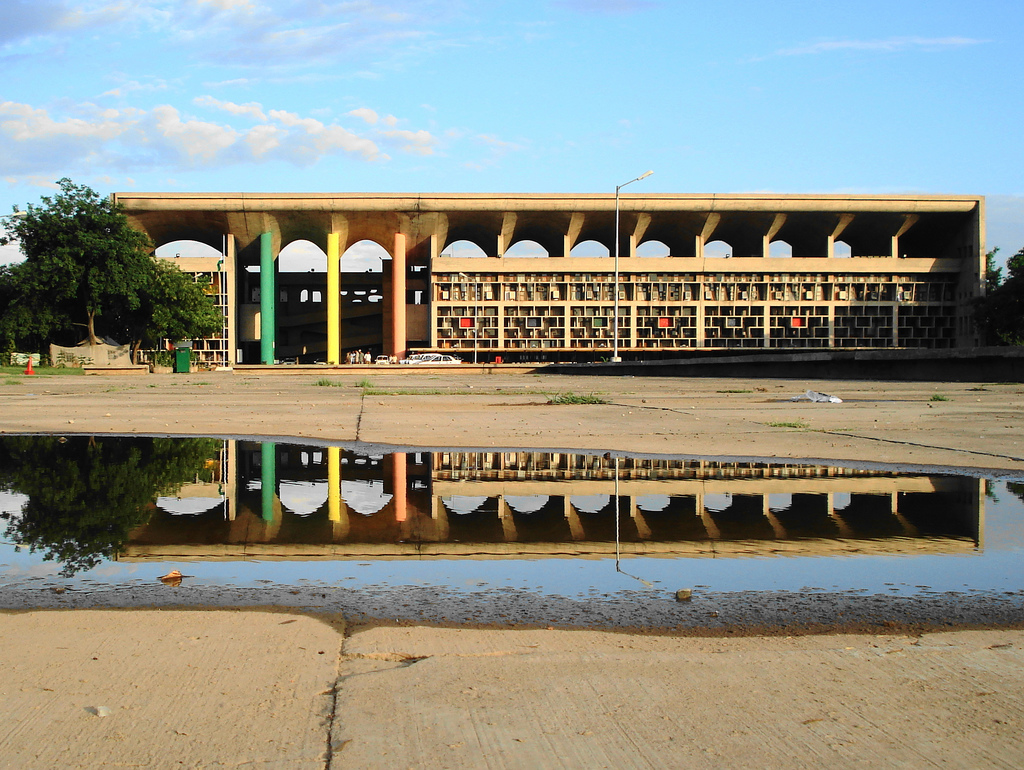
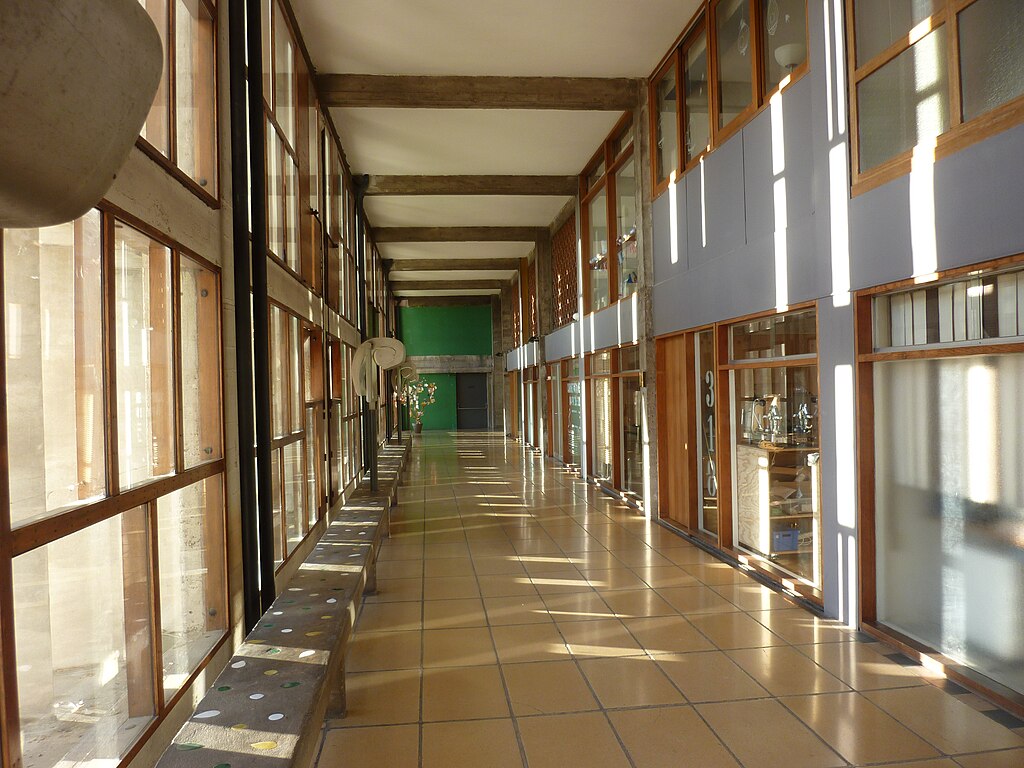
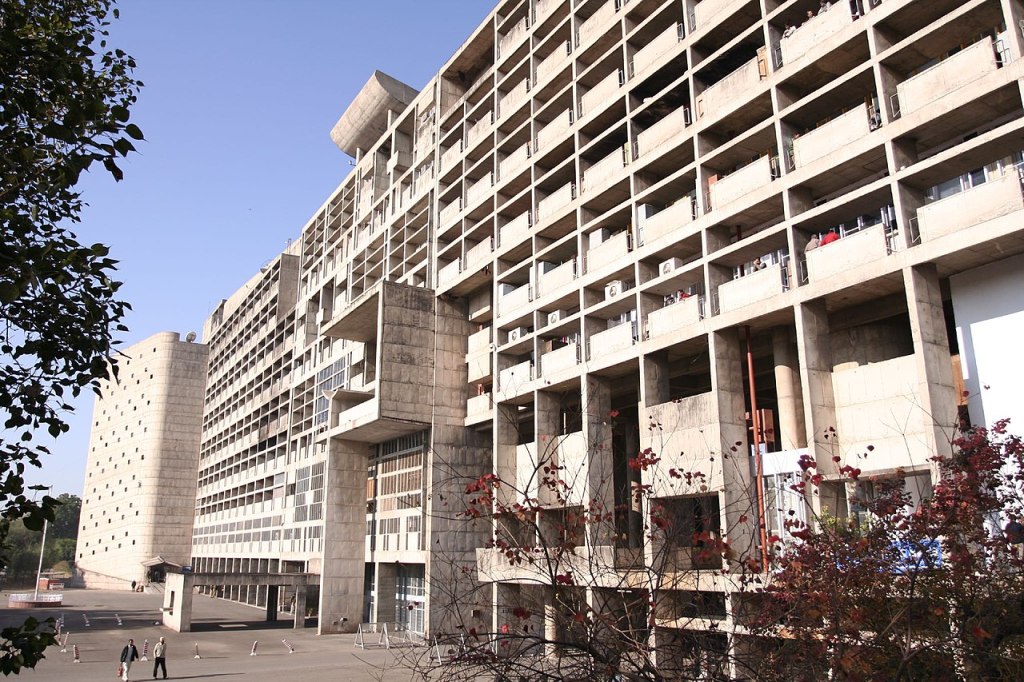
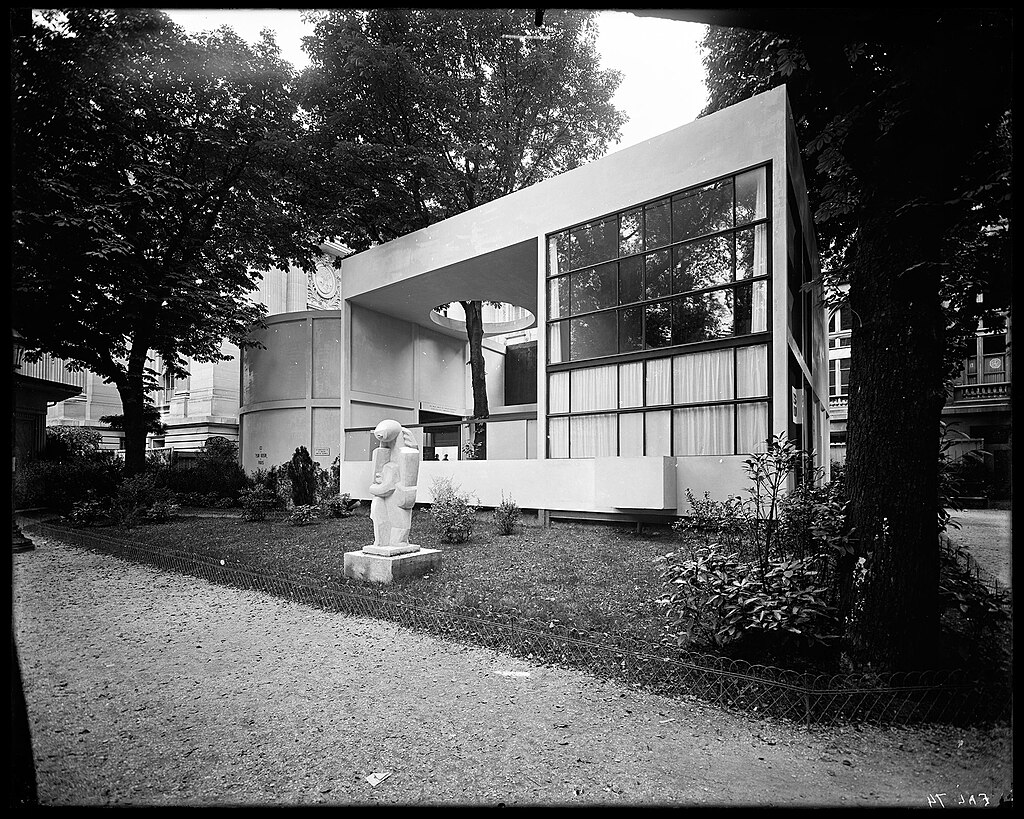
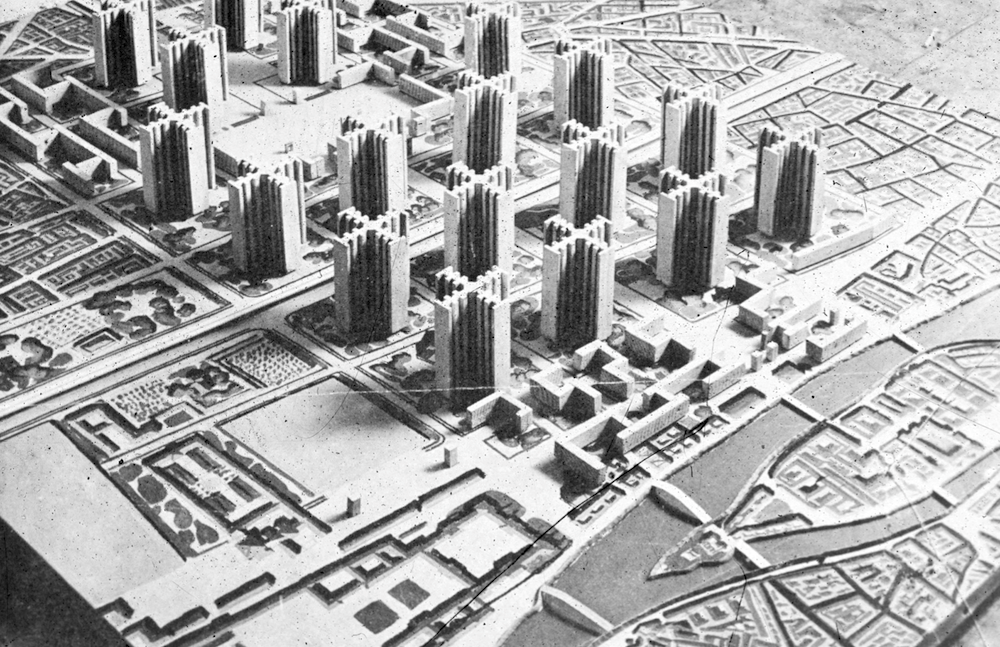
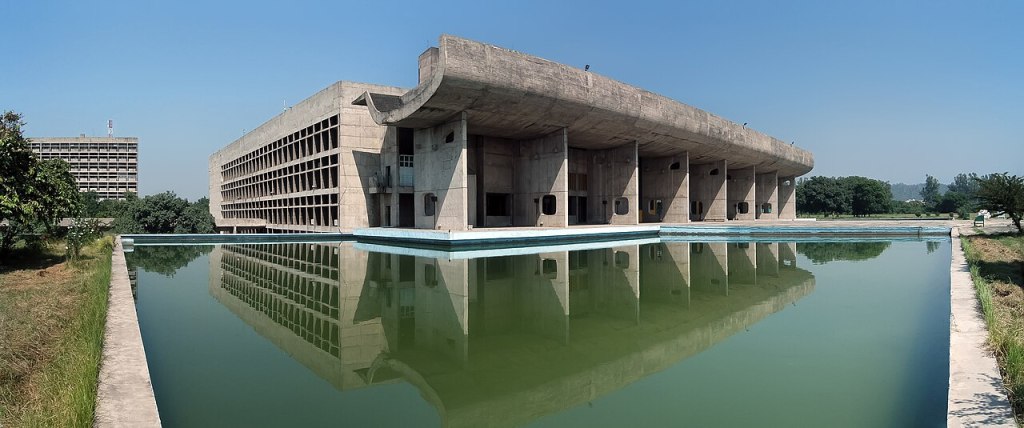
But Le Corbusier’s ambitions were not confined to villas for the elite. He sought to reorder the entire city. His Radiant City model envisioned towers in a park, rational grids of housing, and standardized modules of human life. While critics denounced these schemes as authoritarian, projects like the Unité d’Habitation in Marseille (1952) and the monumental governmental complexes of Chandigarh, India (1950s) reveal a paradox: at once austere and humane, monumental and communal.
Furniture as Architecture
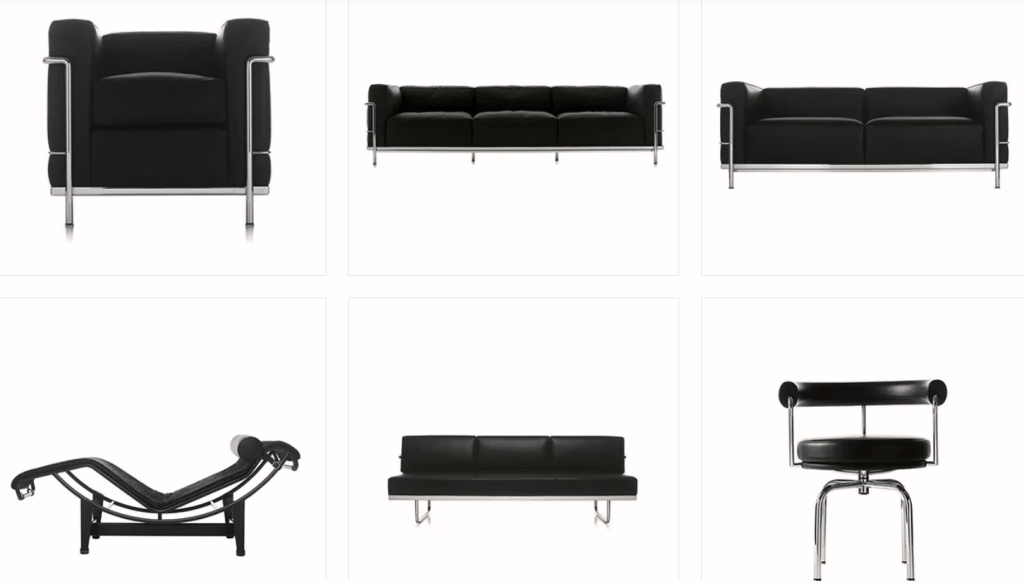
Le Corbusier also extended his philosophy to interiors. Collaborating with Charlotte Perriand and Pierre Jeanneret, he created some of the twentieth century’s most enduring furniture designs. The LC2 and LC3 armchairs, the LC4 Chaise Longue, and the Grand Confort sofas translated architectural rigor into steel, leather, and canvas. These pieces, still produced today, remain shorthand for modernist luxury: precise, minimal, and strikingly timeless.
- See the Fondation Le Corbusier furniture archive
- Explore the Cassina LC Collection
- Example: LC2 Grand Confort Sofa
A Contested Legacy
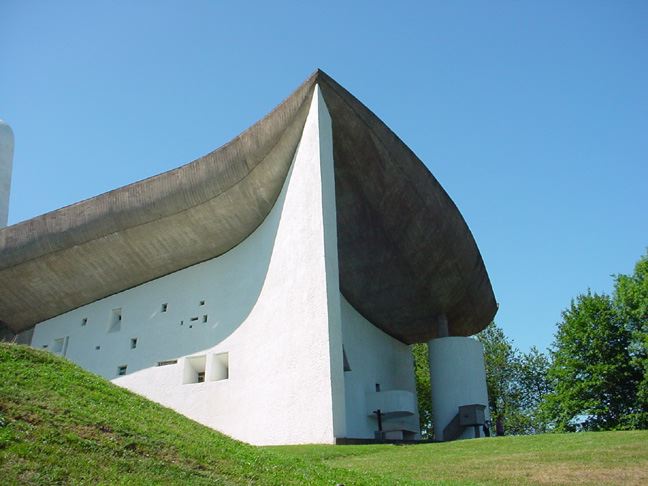
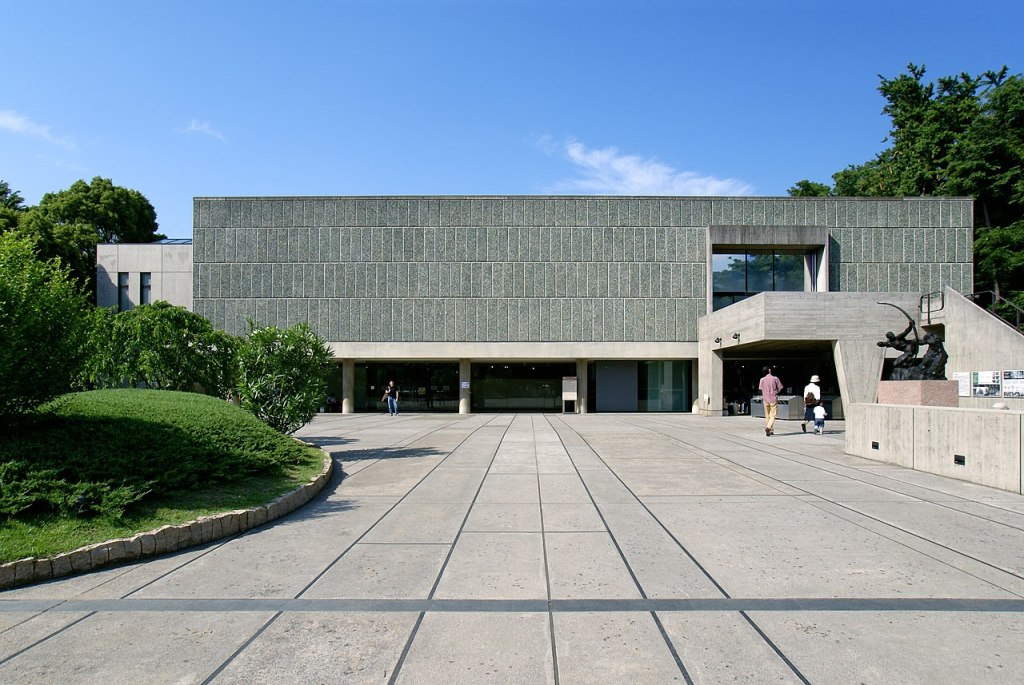
Le Corbusier’s influence is immense—shaping everything from postwar housing blocks to the glass towers of global cities. Yet his legacy is not without shadows. His political sympathies with authoritarian regimes and the sometimes inhuman scale of his urban visions have sparked debate for decades. What endures, however, is his relentless belief in architecture as a tool to reshape society, and his insistence that modernity could be both functional and poetic.
TL;DR
To step into a Le Corbusier building is to feel the presence of modernism’s radical promise. His spaces are austere yet generous, functional yet imbued with startling beauty. For designers, architects, and collectors, his work remains a touchstone: a reminder that architecture is not simply about shelter, but about shaping the very conditions of human life.
- Learn more at the Fondation Le Corbusier
Discover more from My World of Interiors
Subscribe to get the latest posts sent to your email.

