Tag: In Times of Dragons
-

Affordable Style: Inns and Guesthouses of the Austrian Alps
The Austrian Alps may be known for glamorous ski resorts like Kitzbühel or Lech, but the heart of Alpine hospitality lies in its Gasthäuser, chalets, and small family inns. Here, rustic timber architecture, balconies overflowing with geraniums, and hearty mountain cooking come together in stays that are warm, authentic — and affordable. Affordable style in…
-
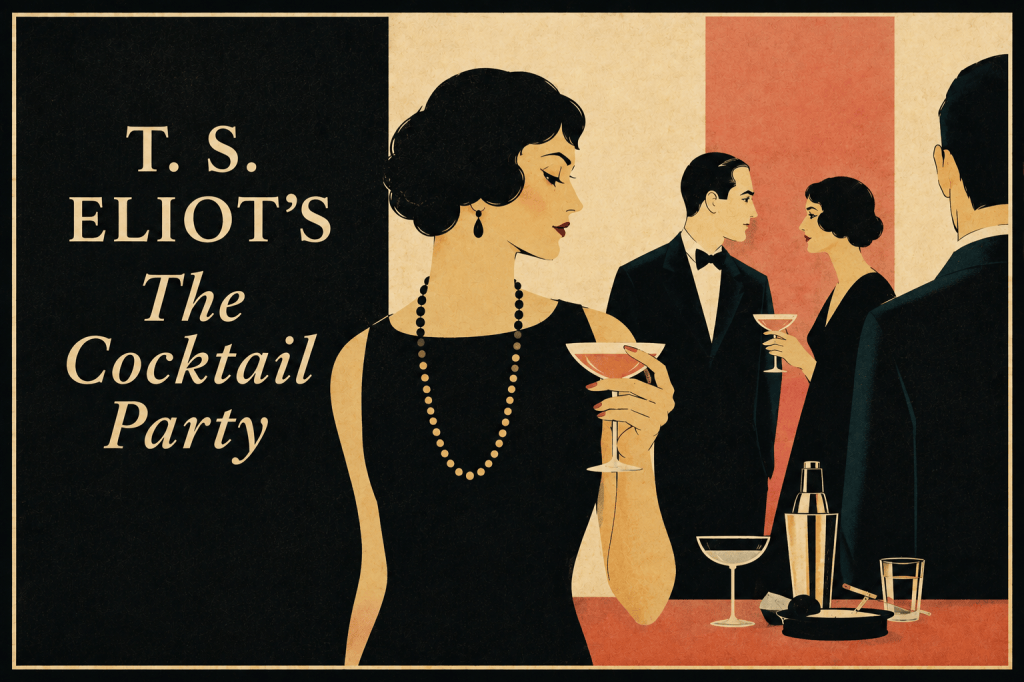
The Play Hiding Inside a Cocktail Party: T.S. Eliot’s Strangest Success
What This Play Is The Cocktail Party is a verse drama by T.S. Eliot, first performed at the Edinburgh Festival in 1949 before transferring to the West End and Broadway, where it won the 1950 Tony Award for Best Play. By the time he wrote it, Eliot was already the most famous poet writing in…
-
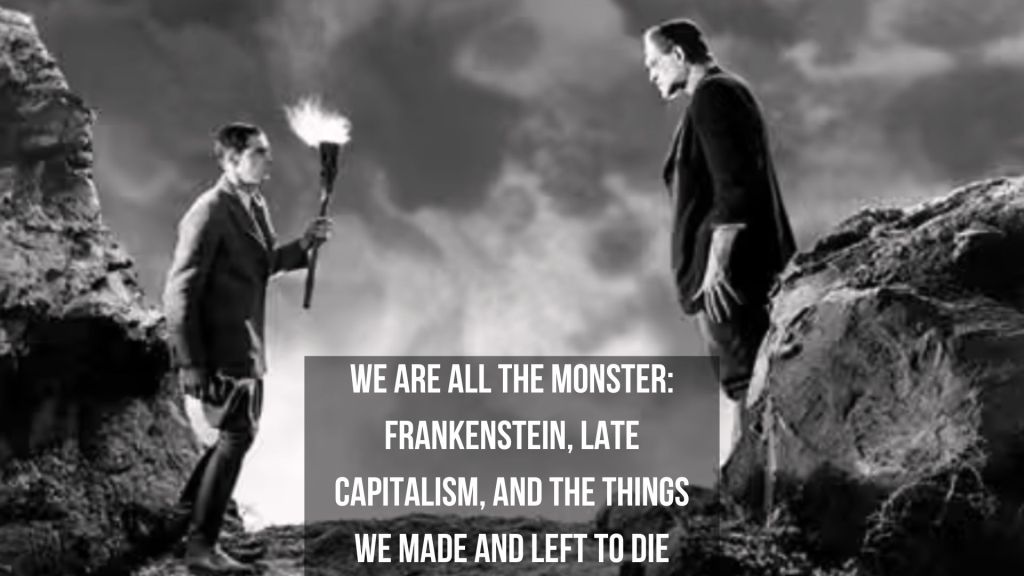
We Are All the Monster: Frankenstein, Late Capitalism, and the Things We Made and Left to Die
Mary Shelley was nineteen years old when she wrote the defining myth of the modern world. She probably did not know she was doing this. Two hundred years later, the novel she produced in a wet summer beside a Swiss lake reads less like a Gothic romance than like a diagnosis — precise, unflinching, and…
-

Anne Sexton
Essay · Poetry & Lives The Woman Who Made Death Speak in Stanzas Anne Sexton wrote about madness, abortion, adultery, menstruation, incest, and suicide with a directness that the literary establishment of the late 1950s had agreed, without quite stating it aloud, was not available to women. She made it available. The cost was everything…
-
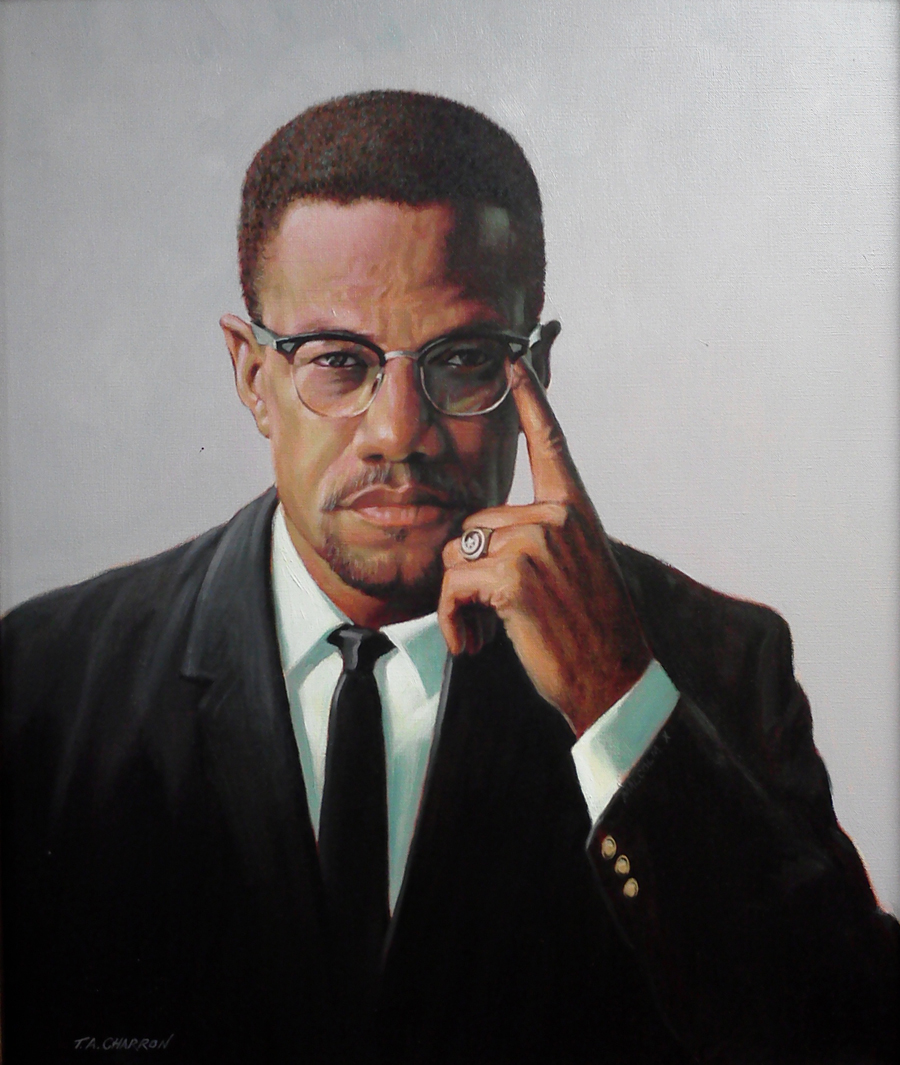
Malcolm X
Essay · History & Lives The Man Who Kept Becoming Someone Else Malcolm X is one of the most difficult subjects in American history to write about honestly, because the honest account requires holding simultaneously several versions of the same person — the street hustler, the Nation of Islam minister, the Black nationalist icon, the…
-

Sarah Vaughan
Essay · Music & Lives The Divine One and the Instrument She Was Given Sarah Vaughan possessed what may have been the single greatest natural voice in the history of American popular music — a contralto of three-octave range, extraordinary richness, and an improvisational intelligence so developed that it functioned less like singing and more…
-
The Human Condition According to Chekhov
By Bergotte After Homer’s wars, Ovid’s metamorphoses, Dante’s cosmology, Shakespeare’s kingdoms, and Dostoevsky’s metaphysical detonations, Anton Chekhov arrives with a doctor’s bag and a short story about a man who cannot sleep. The reduction in scale is not a diminishment. It is an argument. What Chekhov understood — and what makes him the most quietly…
-
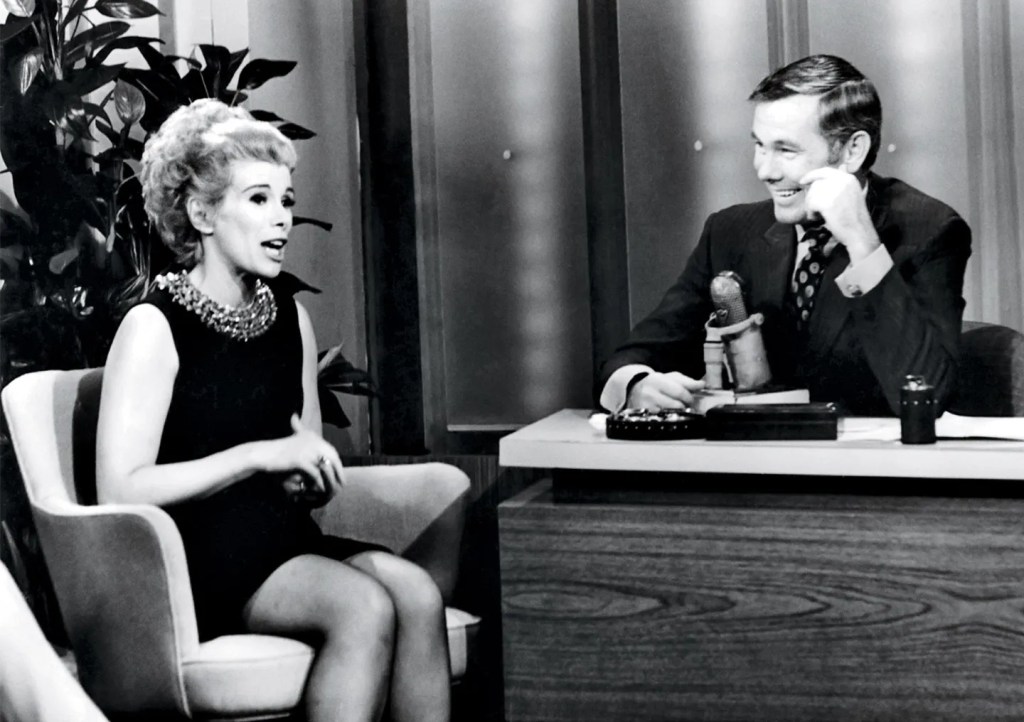
Joan Rivers
Essay · Comedy & Lives Can We Talk? Joan Rivers was the funniest woman in the history of American comedy, and the qualifications embedded in that sentence — the word woman, the word history — are themselves part of the argument she spent sixty years making: that the comedy establishment’s willingness to tolerate her existed…
-

Hans Christian Andersen: The Story of a Mother
Grief, Sacrifice, and the Limits of Maternal Love: Jørgen Vestergaard’s Historien om en moder (1977) By Bergotte The Story of a Mother Here is a film that is seared into my memory from childhood: Jørgen Vestergaard’s 1977 Danish stop-motion animated short Historien om en moder (The Story of a Mother) represents one of the most…
-
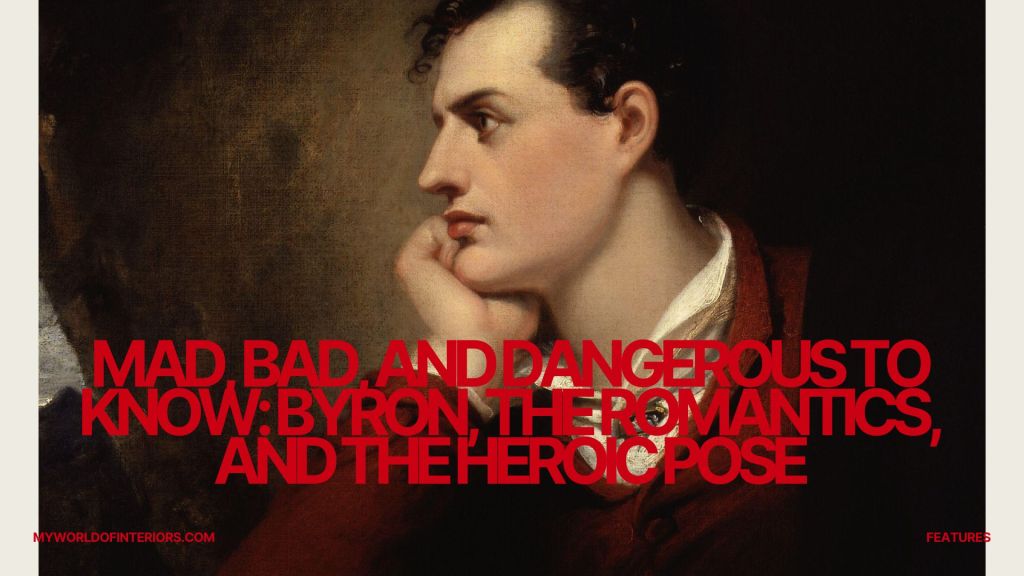
Mad, Bad, and Dangerous to Know: Byron, the Romantics, and the Heroic Pose
They were young, they were beautiful, they were consumed by their own myths and their own fevers before any of them reached forty. Byron, Shelley, and Keats between them invented the idea of the artist as hero — as outcast, visionary, martyr to beauty and freedom. The invention was magnificent and partly fraudulent and changed…
