

When Girls premiered on HBO in April 2012, it landed like a grenade in the cultural conversation. Created by Lena Dunham at just 25 years old, the series was messy, raw, self-absorbed, and startlingly honest. It followed four twenty-something women in Brooklyn — Hannah, Marnie, Jessa, and Shoshanna — as they stumbled through friendship, sex,Continue reading “Girls, 15 Years On: The Series That Rewrote Millennial Womanhood”
Category Archives: History
Mark Twain: The Wit Who Invented America
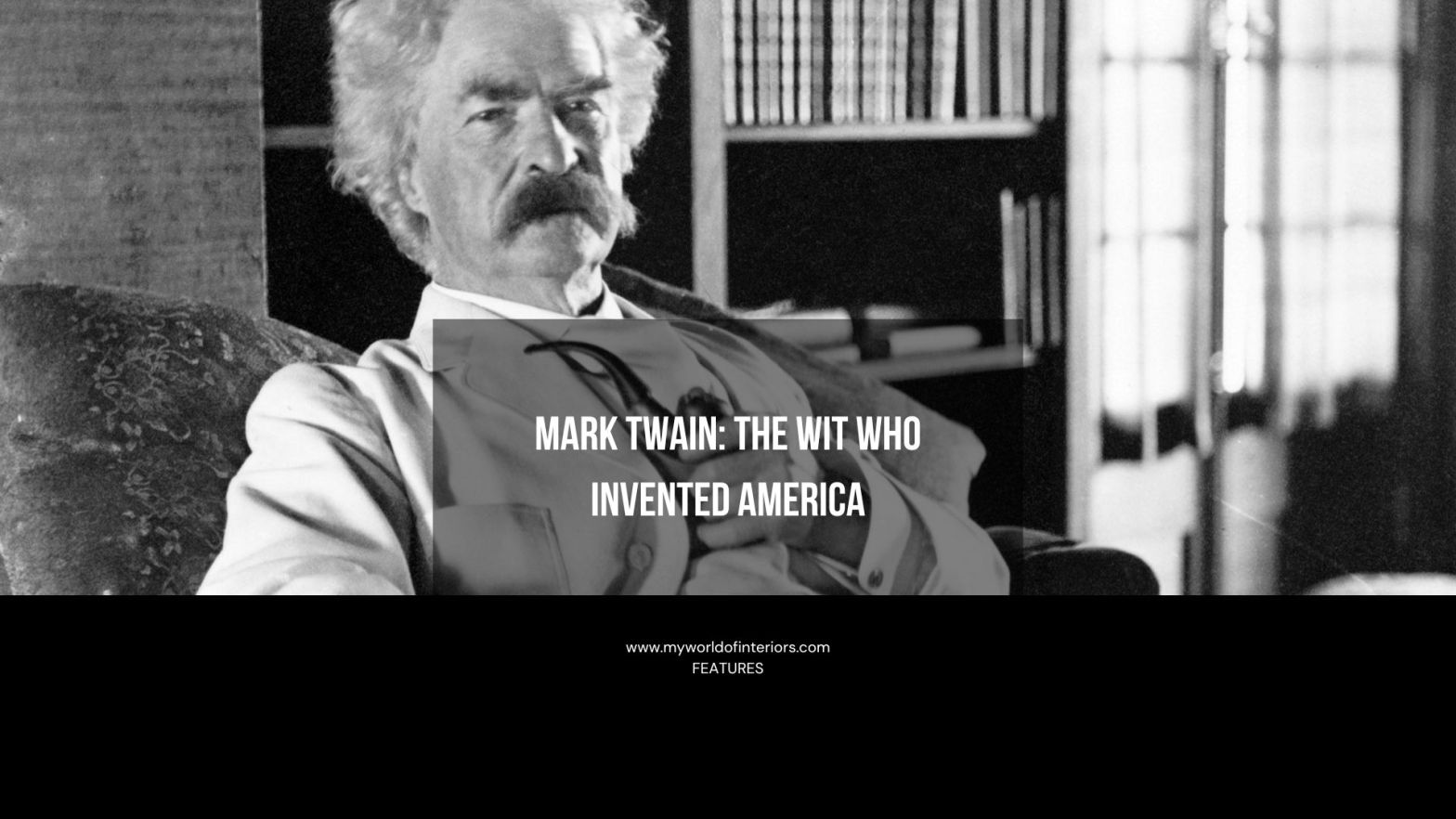
Mark Twain was not merely a writer; he was a voice so distinct, so irreverent, that it seemed to belong to America itself. Born Samuel Langhorne Clemens in 1835 on the banks of the Mississippi River, Twain became the first truly national humorist, a man who captured the cadences of ordinary speech, the hypocrisies ofContinue reading “Mark Twain: The Wit Who Invented America”
The Wit of Albert Einstein

Albert Einstein is remembered as the archetype of genius — the wild hair, the chalkboard equations, the Nobel Prize. But beyond the mythology of relativity lies a less formal legacy: his wit. Einstein’s humor was not incidental; it was constitutive of his worldview. It shaped his public persona, softened his icon, and revealed a mindContinue reading “The Wit of Albert Einstein”
Naples: The Soul of Southern Italy
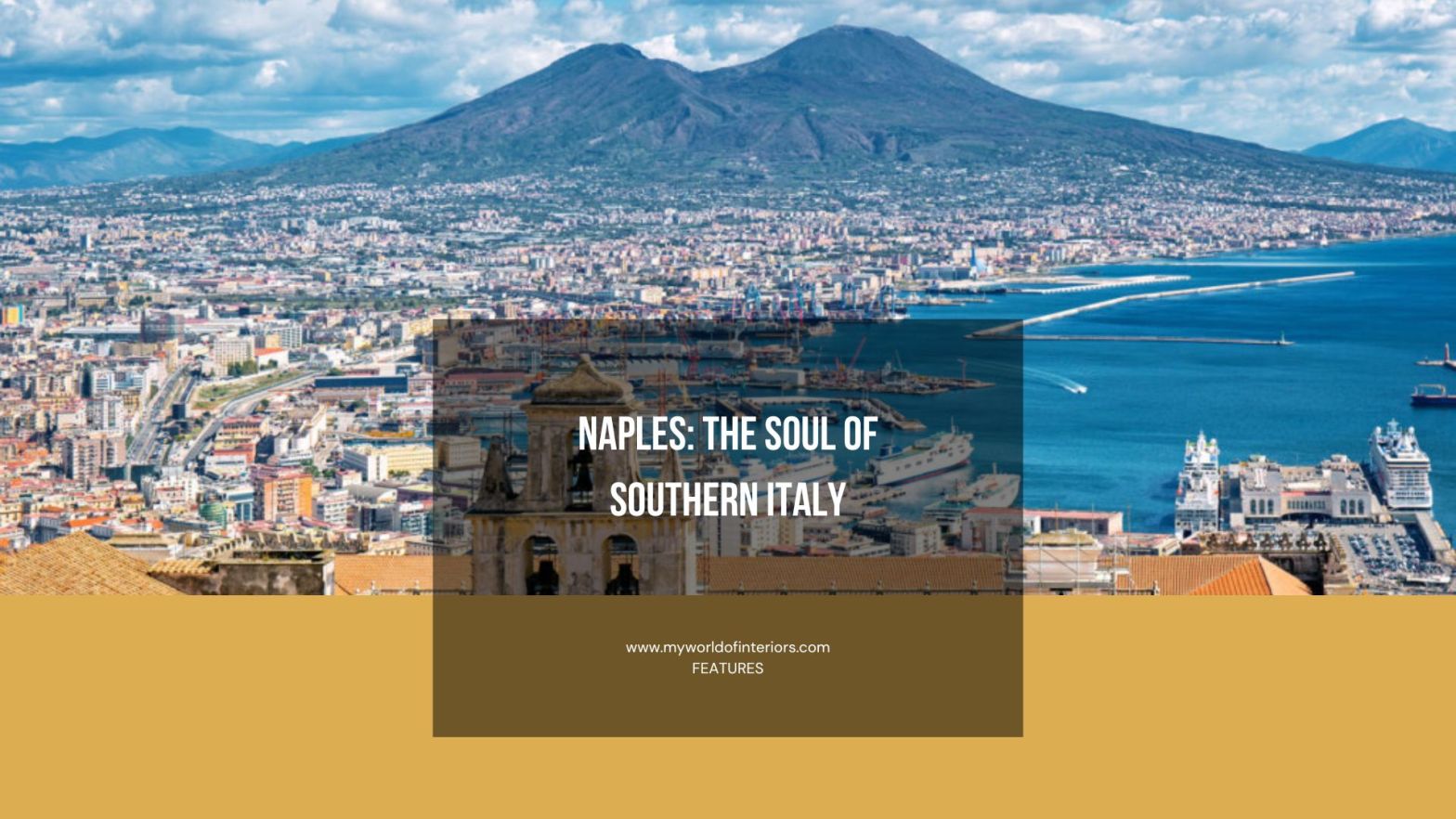
Naples is not a city that seduces quietly. It dazzles, confronts, overwhelms. Set between the shadow of Vesuvius and the glittering expanse of the Bay, it is a place where history collides with raw vitality — baroque churches next to crumbling palazzi, operatic gestures in markets, chaos harmonized into a kind of symphony. Naples isContinue reading “Naples: The Soul of Southern Italy”
The Great Divas: Maria Callas and Luciano Pavarotti
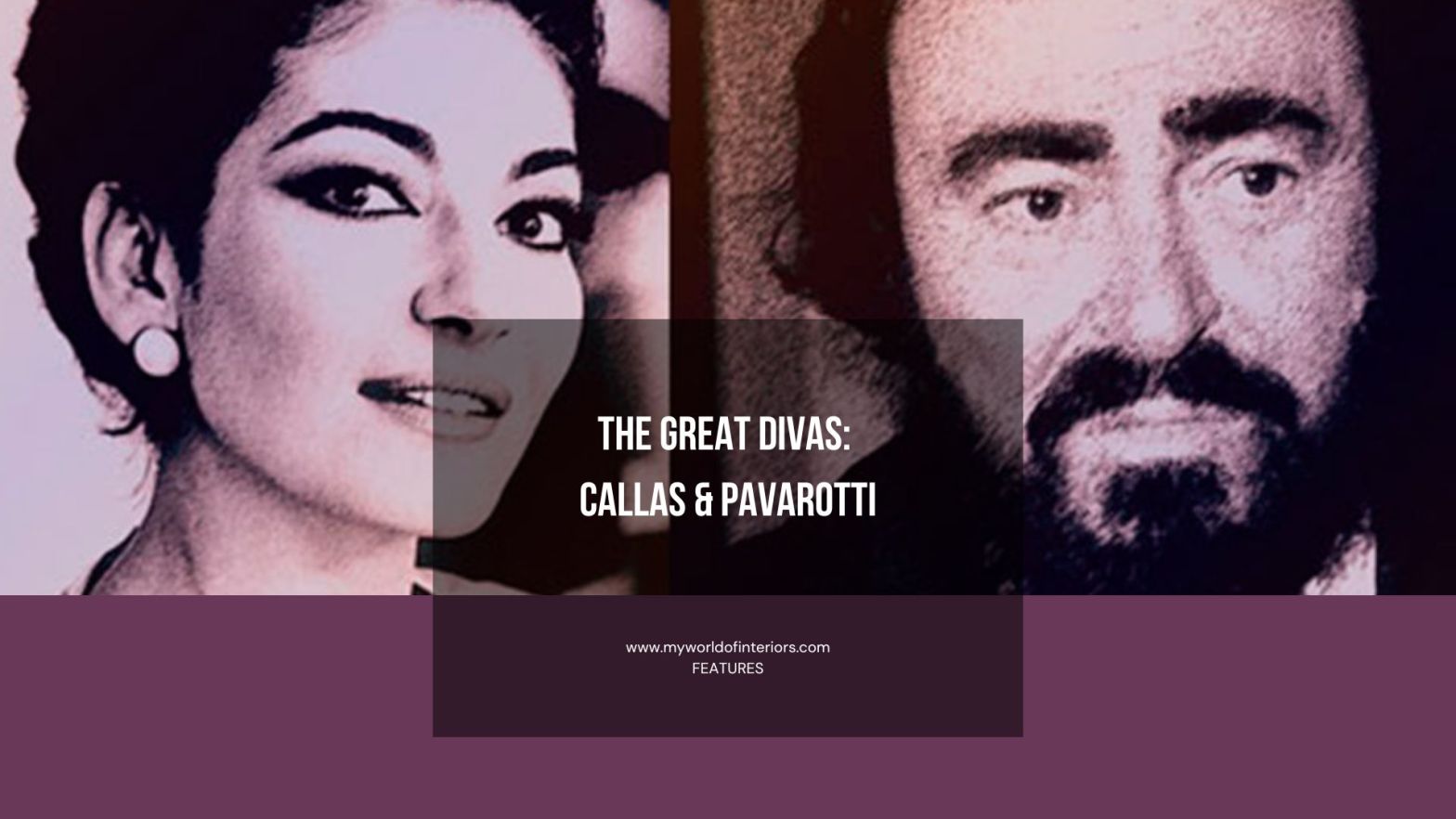
Opera, more than any other art form, thrives on the cult of personality. Its singers are not merely interpreters of music but embodiments of myth: voices that overwhelm, presences that dominate, temperaments that fascinate. To speak of opera’s “great divas” is to conjure not only vocal brilliance but also charisma, drama, and aura. In theContinue reading “The Great Divas: Maria Callas and Luciano Pavarotti”
Mario Buatta: The King of Chintz
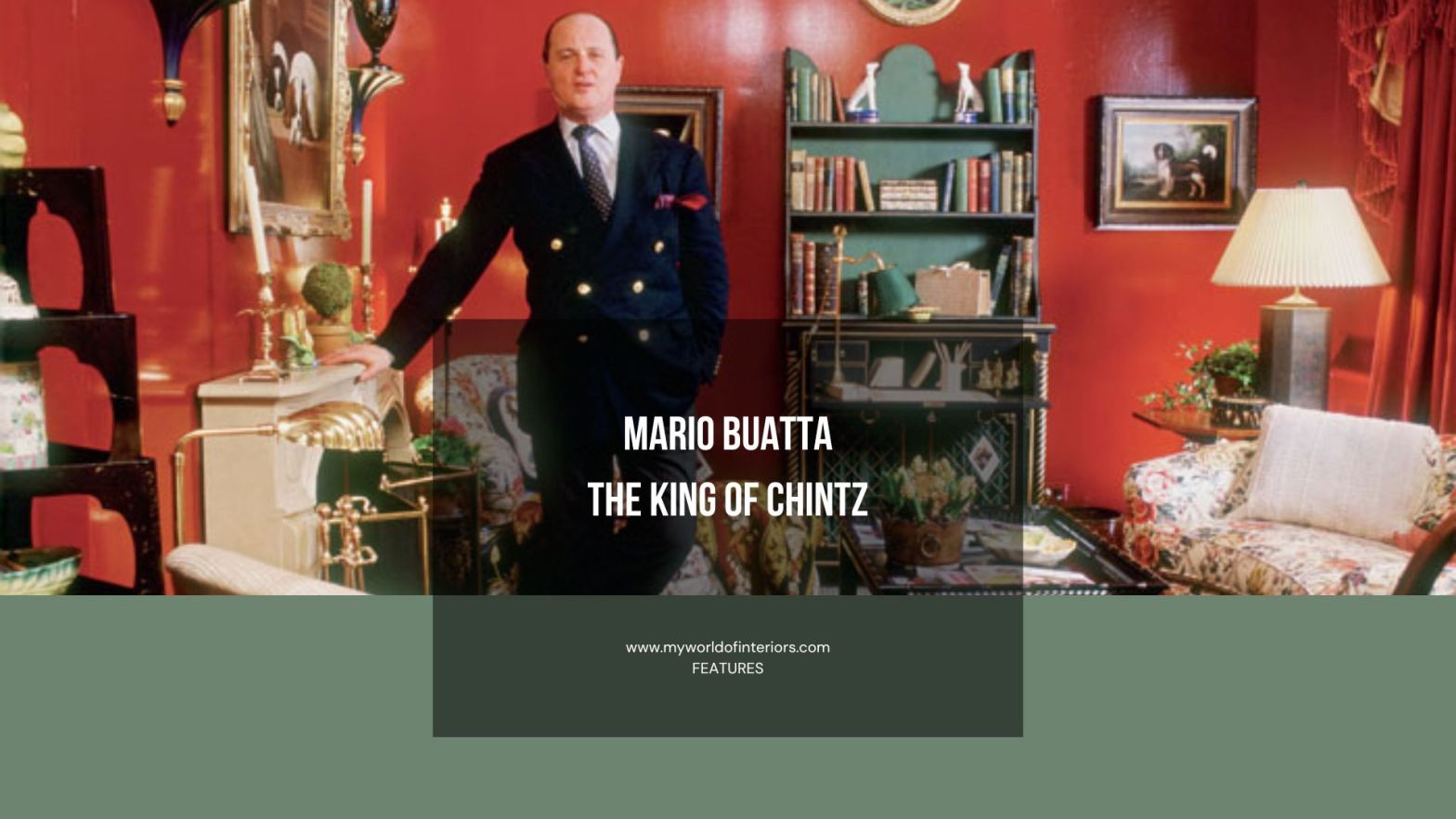
Interior design is often tugged between the poles of austerity and excess, minimalism and maximalism. Mario Buatta — the American decorator who rose to prominence in the 1970s and became one of the most recognizable figures in the field — leaned unapologetically toward the latter. Nicknamed “the Prince of Chintz” (a title he wore withContinue reading “Mario Buatta: The King of Chintz”
Where to Start with Opera: An Introduction to the Grandest Art
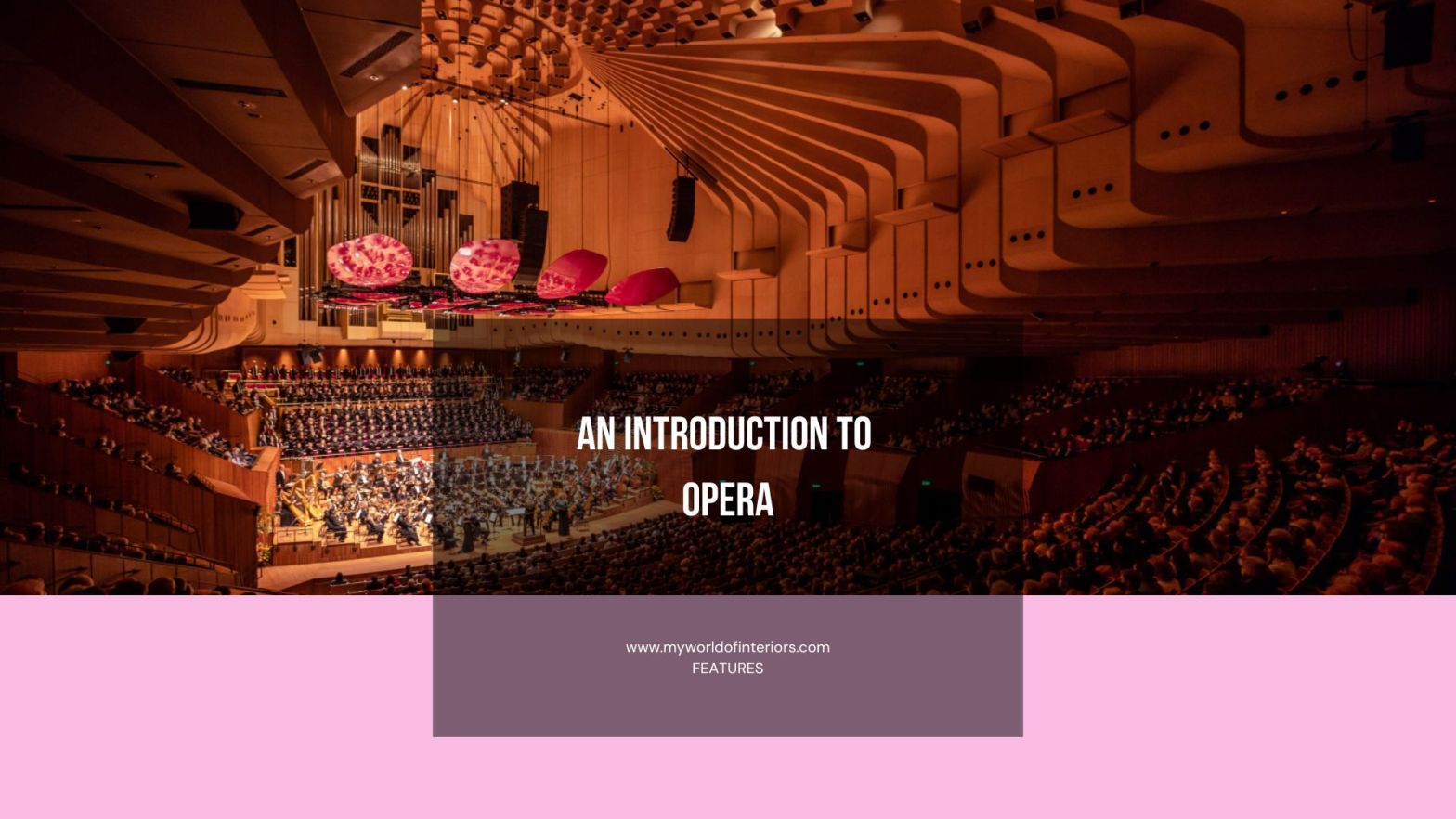
Opera has always carried an aura of mystery. For some, it is the pinnacle of artistic achievement — a union of music, theatre, architecture, and costume that overwhelms the senses. For others, it is intimidating: a world of long evenings, foreign languages, elaborate etiquette, and names that feel heavy with history. But to step intoContinue reading “Where to Start with Opera: An Introduction to the Grandest Art”
Eartha Kitt: Icon, Innovator, and Provocateur
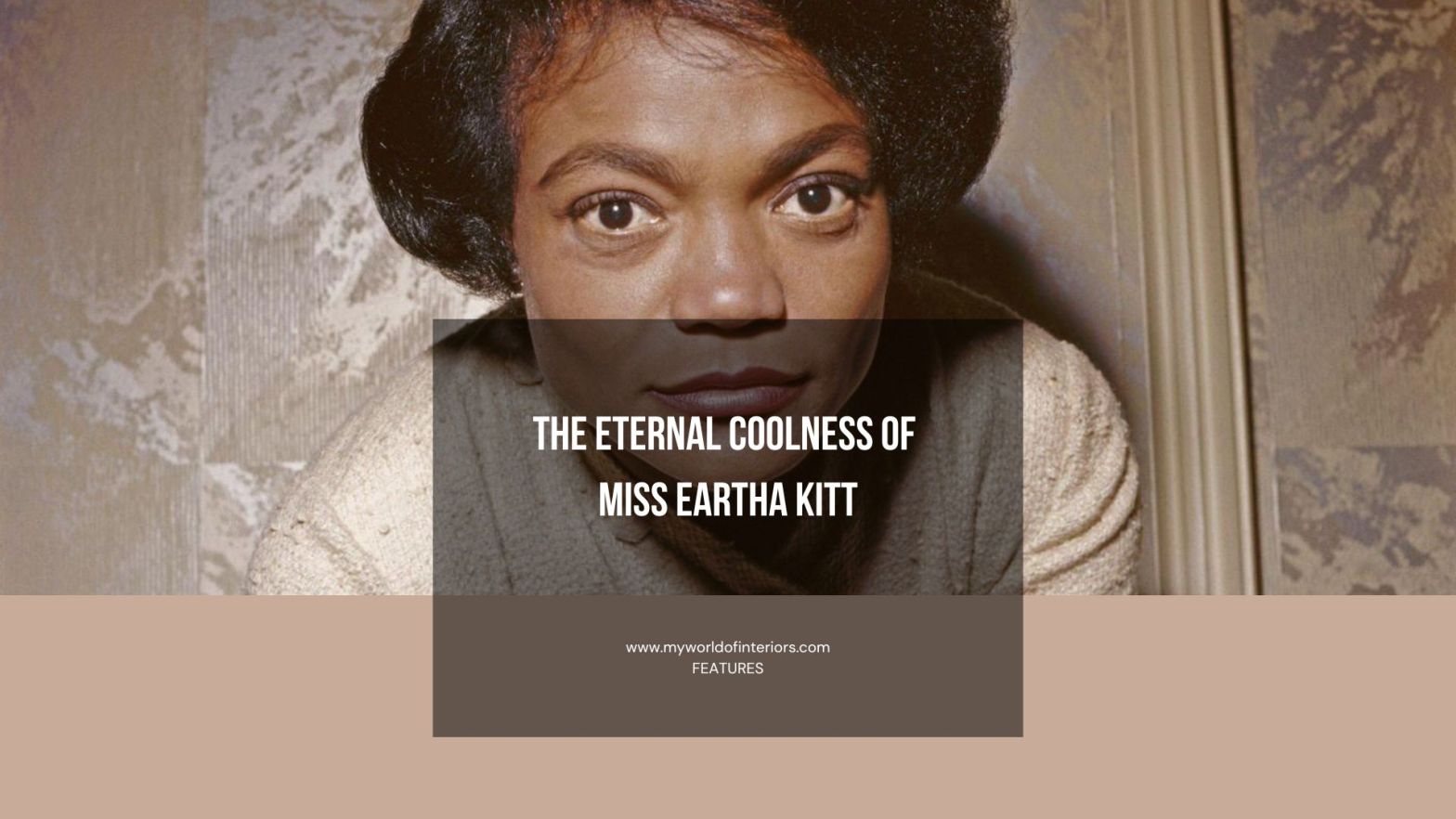
Eartha Kitt never fit into a category. She purred, she prowled, she sang, she danced, she acted, she provoked. To call her a singer, actress, or dancer is inadequate; she was an auteur of persona, a master of the stage who transformed each performance into a commentary on race, gender, and desire. Her genius layContinue reading “Eartha Kitt: Icon, Innovator, and Provocateur”
Anton Chekhov: The Drama of the Everyday
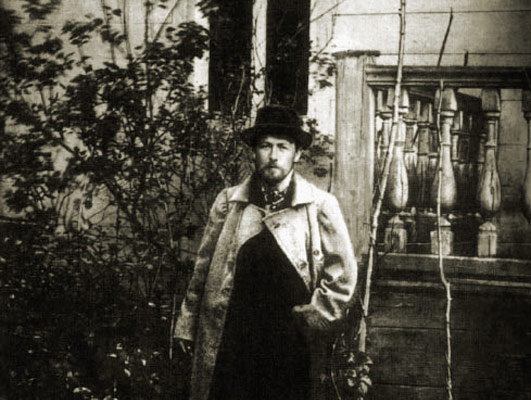
Anton Chekhov quietly yet radically redefined literature. His achievement lies not in flamboyant experimentation but in a subtler revolution: the elevation of the ordinary. In his plays and short stories, Chekhov dismantled the machinery of nineteenth-century drama and narrative, replacing melodrama with silence, event with atmosphere, and resolution with ambiguity. He made space for hesitation,Continue reading “Anton Chekhov: The Drama of the Everyday”
The Cornerstones of Moroccan Cuisine
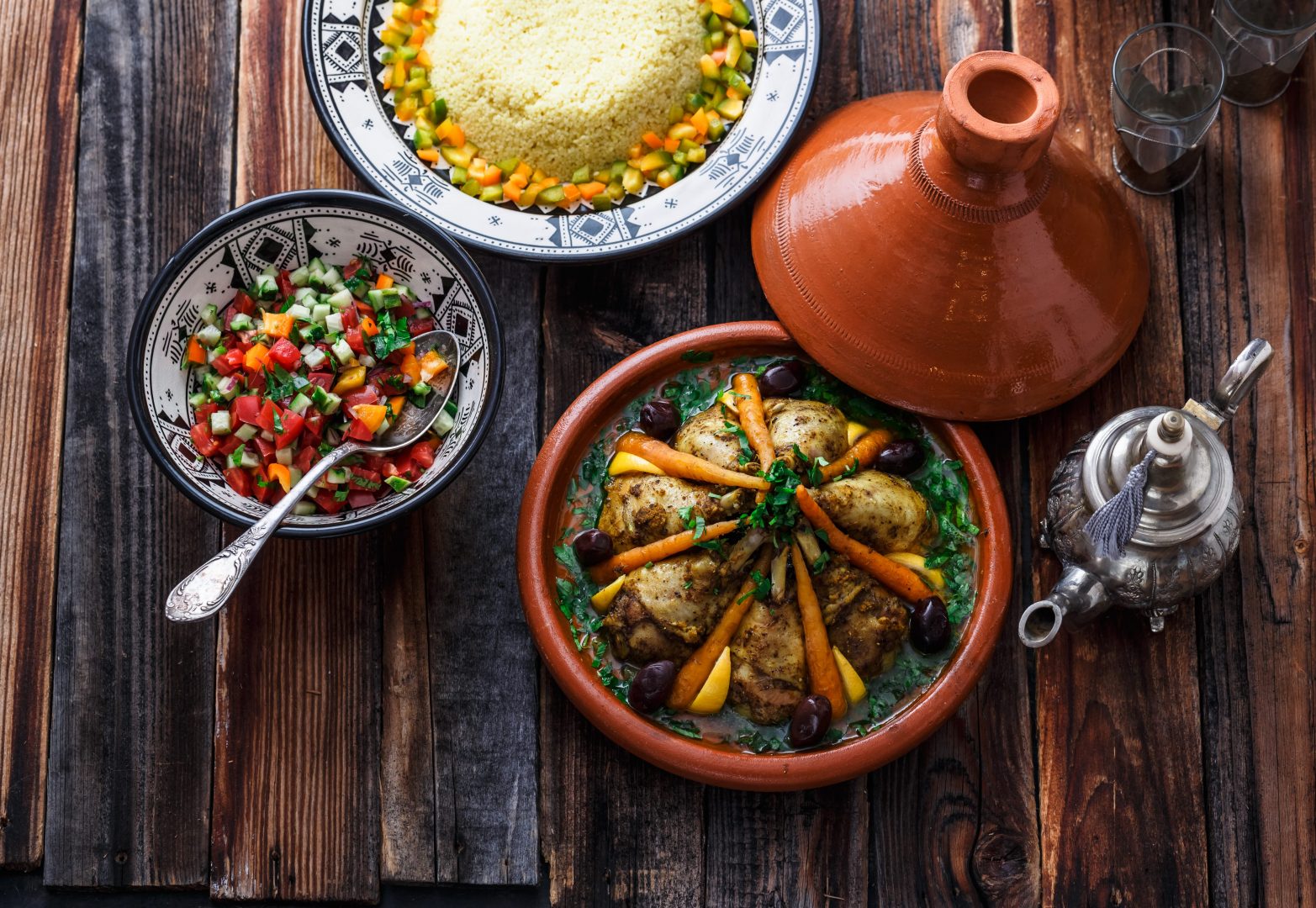
Moroccan cuisine is a mosaic of histories — Arab, Berber, Andalusian, Ottoman, and French — layered into one of the world’s most aromatic and visually striking culinary traditions. Defined by spice, ritual, and generosity, it balances sweet with savory, fire with fragrance, earth with light. To eat in Morocco is to be enveloped by hospitality,Continue reading “The Cornerstones of Moroccan Cuisine”
 My World of Interiors