
The Passenger is a weekly dispatch on travel — places, hotels, restaurants, the strange logistics of being elsewhere. It is written by Bergotte. Puglia in September, and why the heel of Italy is best when everyone else has left The thing about Puglia that no amount of photographs has ever managed to convey is theContinue reading “The Light Does Something Different Here”
Category Archives: Blog
See Something – Irving Penn 2026
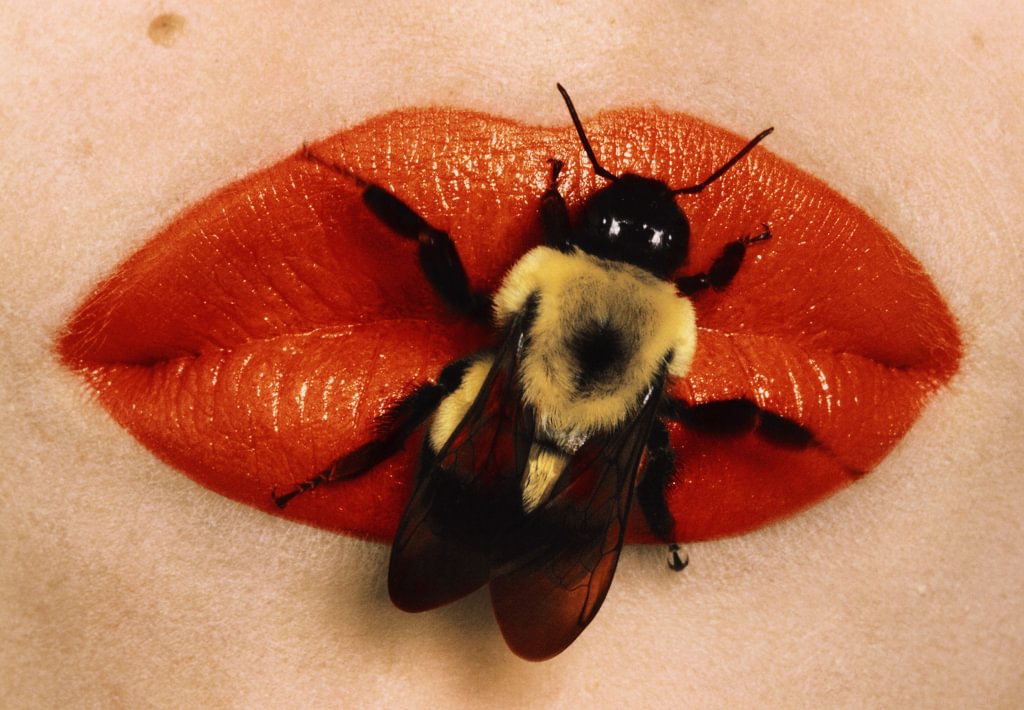
The Passenger is a weekly dispatch on travel — places, hotels, restaurants, the strange logistics of being elsewhere. See Something Irving Penn is everywhere in 2026. Three cities, three exhibitions, and the case for making a trip specifically to see him Irving Penn directed his models with two words. Not an expression — he wasContinue reading “See Something – Irving Penn 2026”
Gloria Steinem, 1934–2026: The Long Work of Freedom
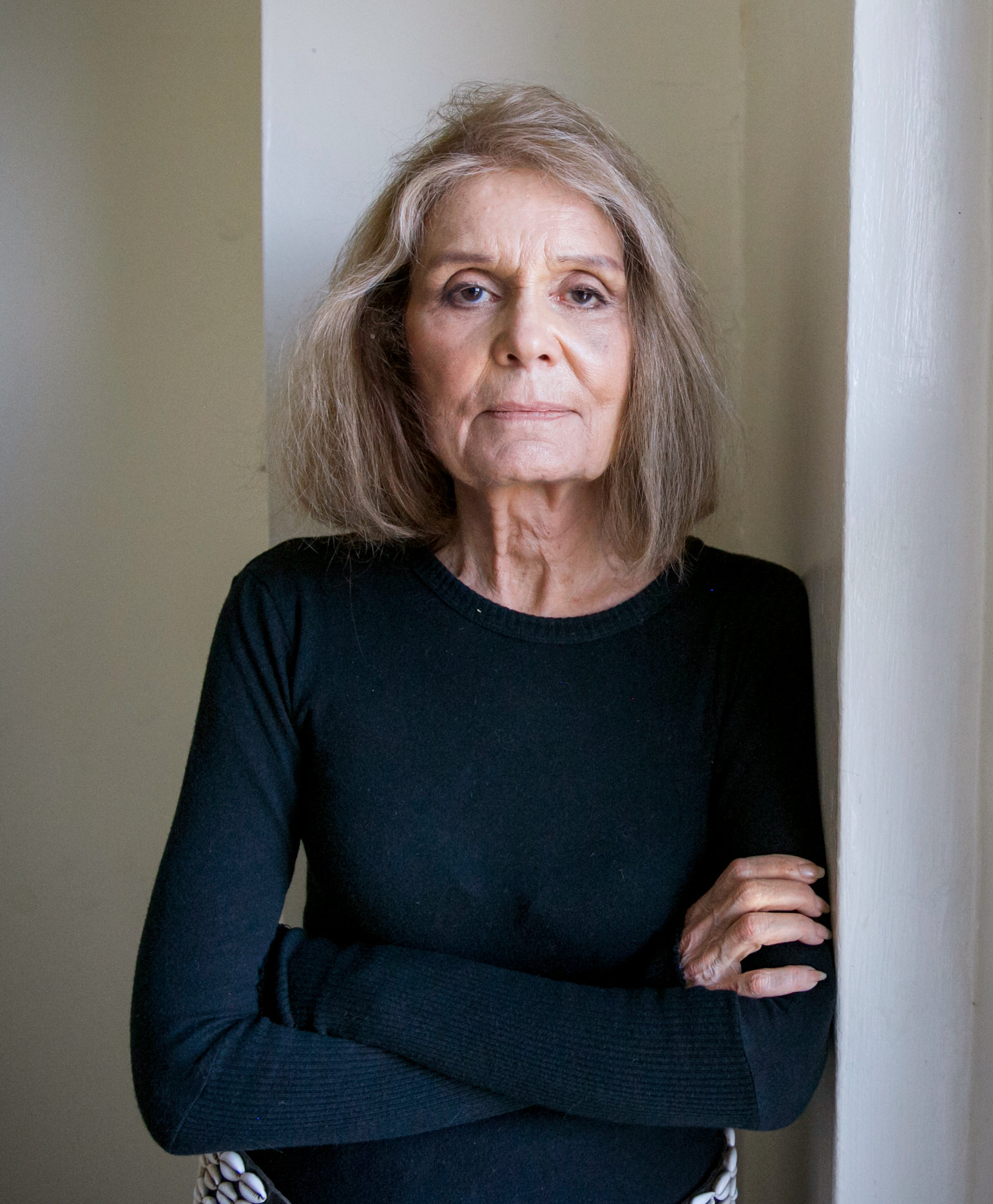
The journalist, organiser and public intellectual helped make women’s private lives legible as political facts—and equality a measure of civilisation itself.
The Reel Argument: John Cassavetes
By Bergotte Before John Cassavetes, American cinema had a settled understanding of what feelings were for: they were the fuel that drove stories toward resolution. After Cassavetes, a different possibility existed — the possibility that feeling itself was the subject, that the camera could be pointed at a human being in the grip of emotionContinue reading “The Reel Argument: John Cassavetes”
The Human Condition According to Turgenev
By Bergotte Ivan Turgenev is the poet of the moment that has already passed. His novels and stories are pervaded by a melancholy so precise and so gracefully carried that it takes time to recognise it as a philosophical position rather than a temperamental one. But it is a position: the claim that the humanContinue reading “The Human Condition According to Turgenev”
The Nerd Reich Review
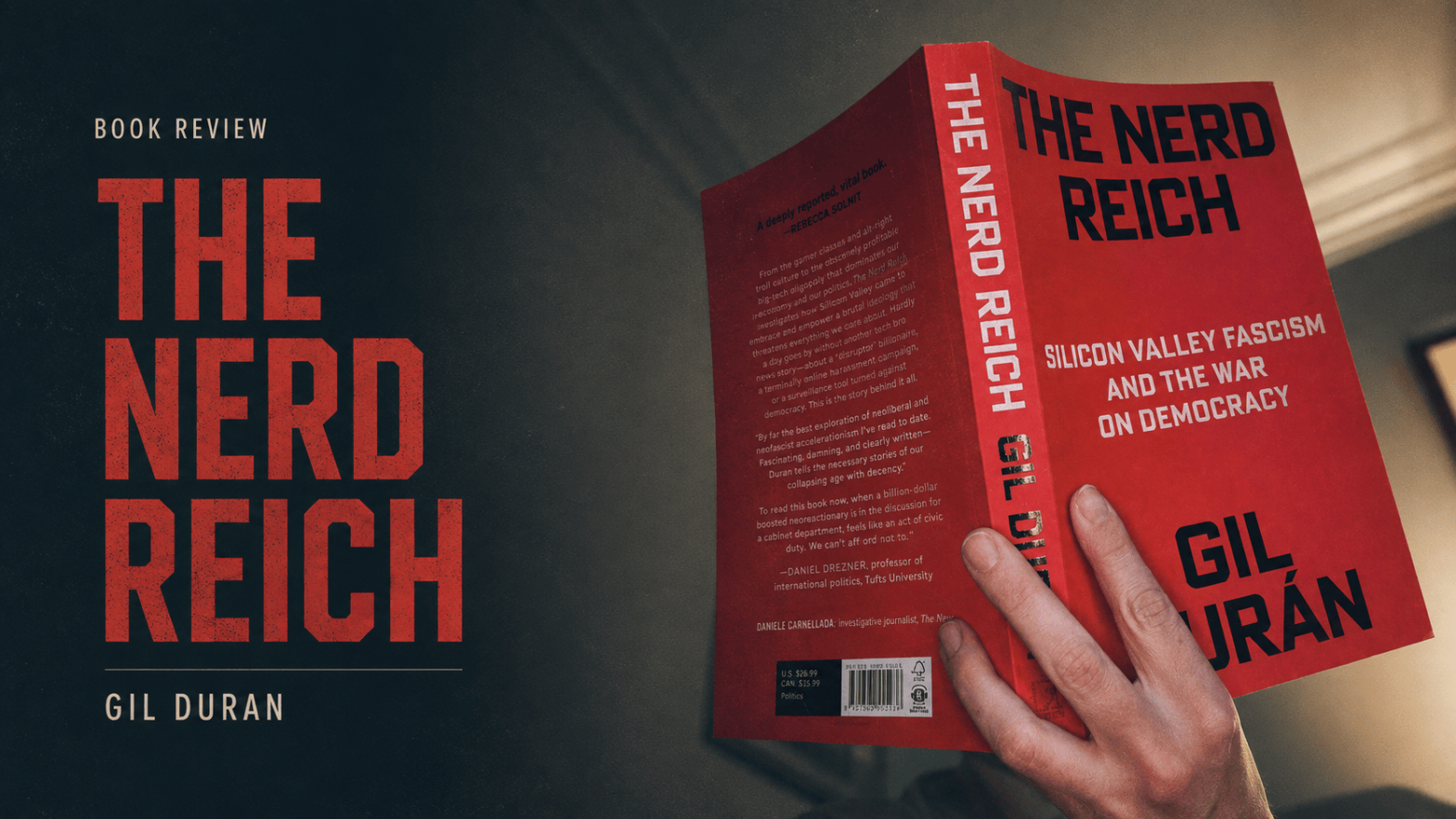
Book Review They Told Us What They Wanted Gil Durán exposes a Silicon Valley oligarchy that does not merely want to govern without us, but has begun to imagine most human beings as obstacles, dependants or waste By Bergotte Gil Durán, The Nerd Reich: Silicon Valley Fascism and the War on DemocracyAvid Reader Press /Continue reading “The Nerd Reich Review”
September Mood Board
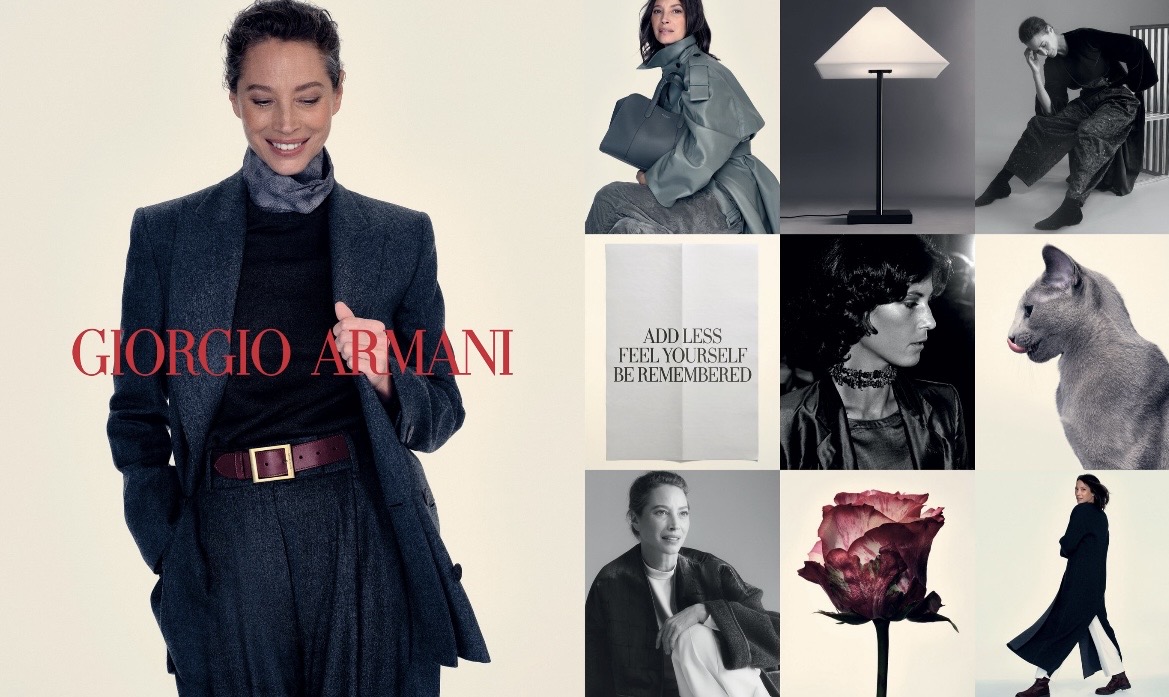
Here are the colours (plus colour combinations) and images we love right now. Including Christy Turlington’s new campaign for Giorgio Armani, which is just splendid.
Rei Kawakubo – Comme des Garçons
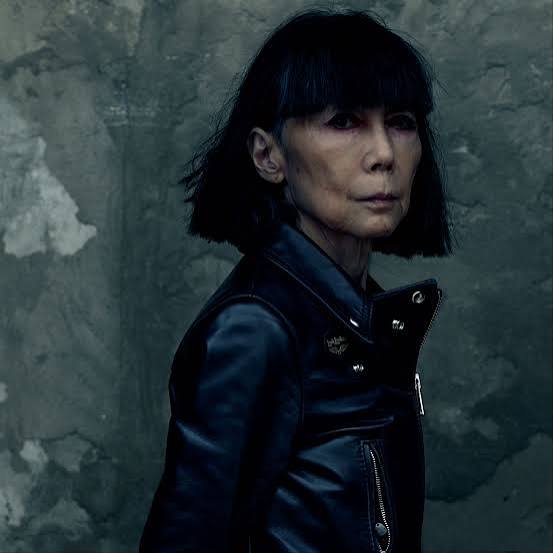
Rei Kawakubo did not arrive in Paris in 1981 to show clothes. She arrived to make an argument — about the body, about beauty, about what a woman was and was not obliged to be. The argument has not stopped since.
What’s So Special About Nick Drake
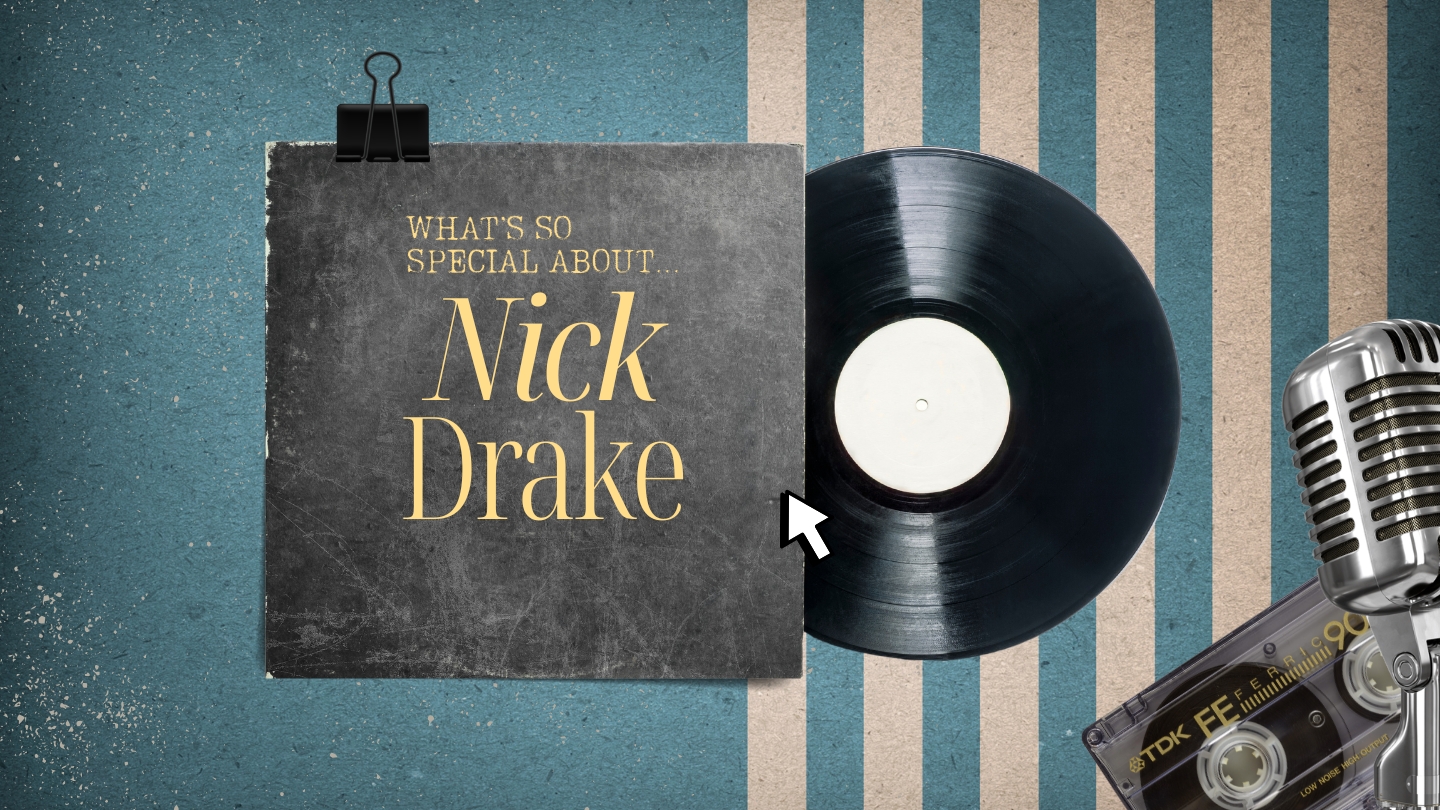
Nick Drake made three albums between 1969 and 1972, sold almost none of them, and died at twenty-six of an antidepressant overdose in the bedroom of his parents’ house in rural Warwickshire.
Would You Live It Again? Who We Are According to Friedrich Nietzsche
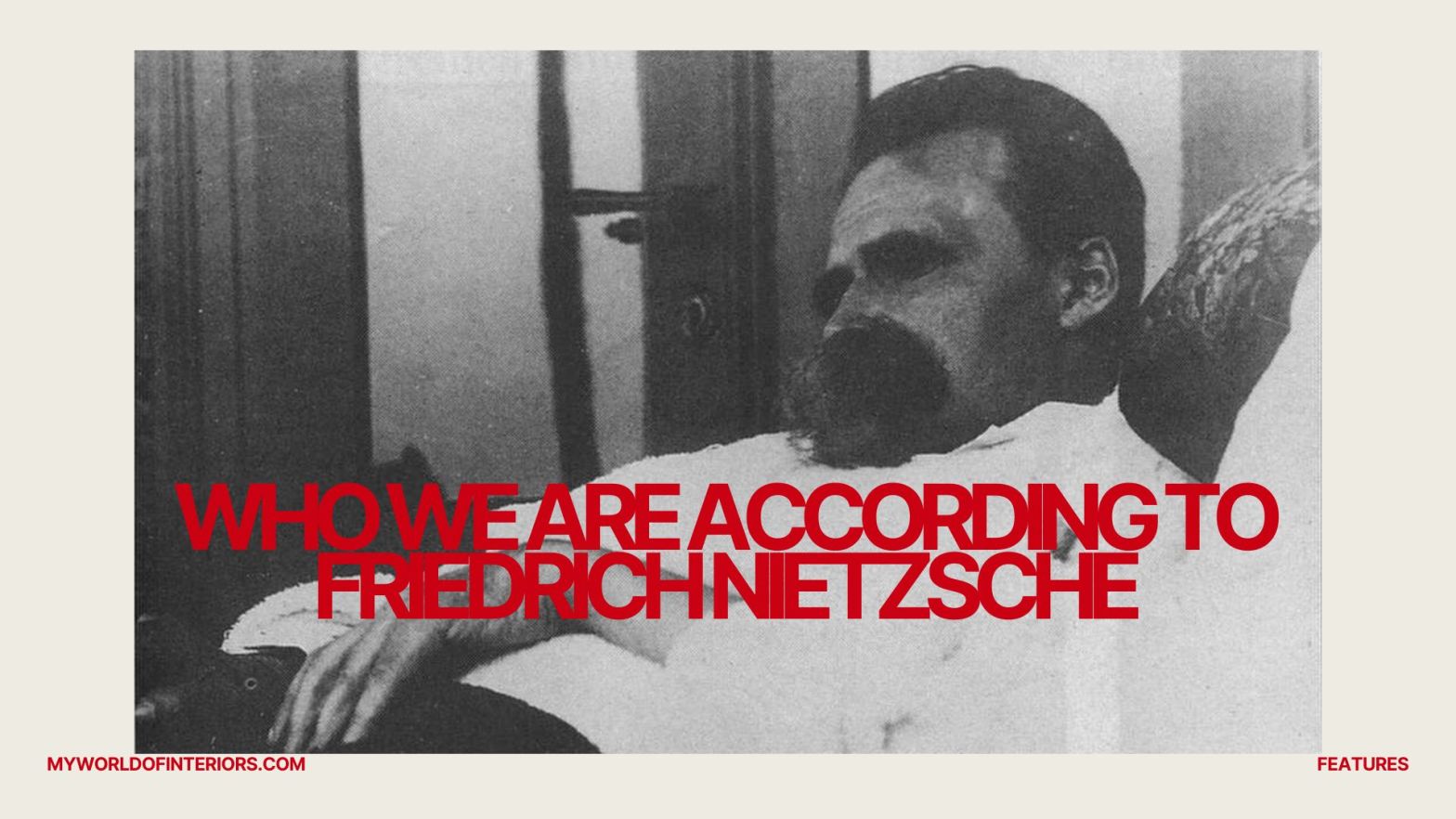
He has been claimed by fascists, by bodybuilders, by management consultants, and by every nineteen-year-old who has ever felt misunderstood. He would have been appalled by all of them. What Nietzsche actually said — about God, about values, about the self, and about whether you would choose your life again if you had to chooseContinue reading “Would You Live It Again? Who We Are According to Friedrich Nietzsche”

