

Mark Twain was not merely a writer; he was a voice so distinct, so irreverent, that it seemed to belong to America itself. Born Samuel Langhorne Clemens in 1835 on the banks of the Mississippi River, Twain became the first truly national humorist, a man who captured the cadences of ordinary speech, the hypocrisies ofContinue reading “Mark Twain: The Wit Who Invented America”
Category Archives: Literature
Anton Chekhov: The Drama of the Everyday
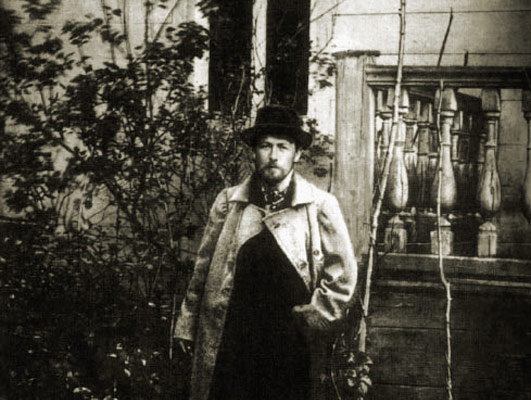
Anton Chekhov quietly yet radically redefined literature. His achievement lies not in flamboyant experimentation but in a subtler revolution: the elevation of the ordinary. In his plays and short stories, Chekhov dismantled the machinery of nineteenth-century drama and narrative, replacing melodrama with silence, event with atmosphere, and resolution with ambiguity. He made space for hesitation,Continue reading “Anton Chekhov: The Drama of the Everyday”
Dylan Thomas: The Music of Meaning
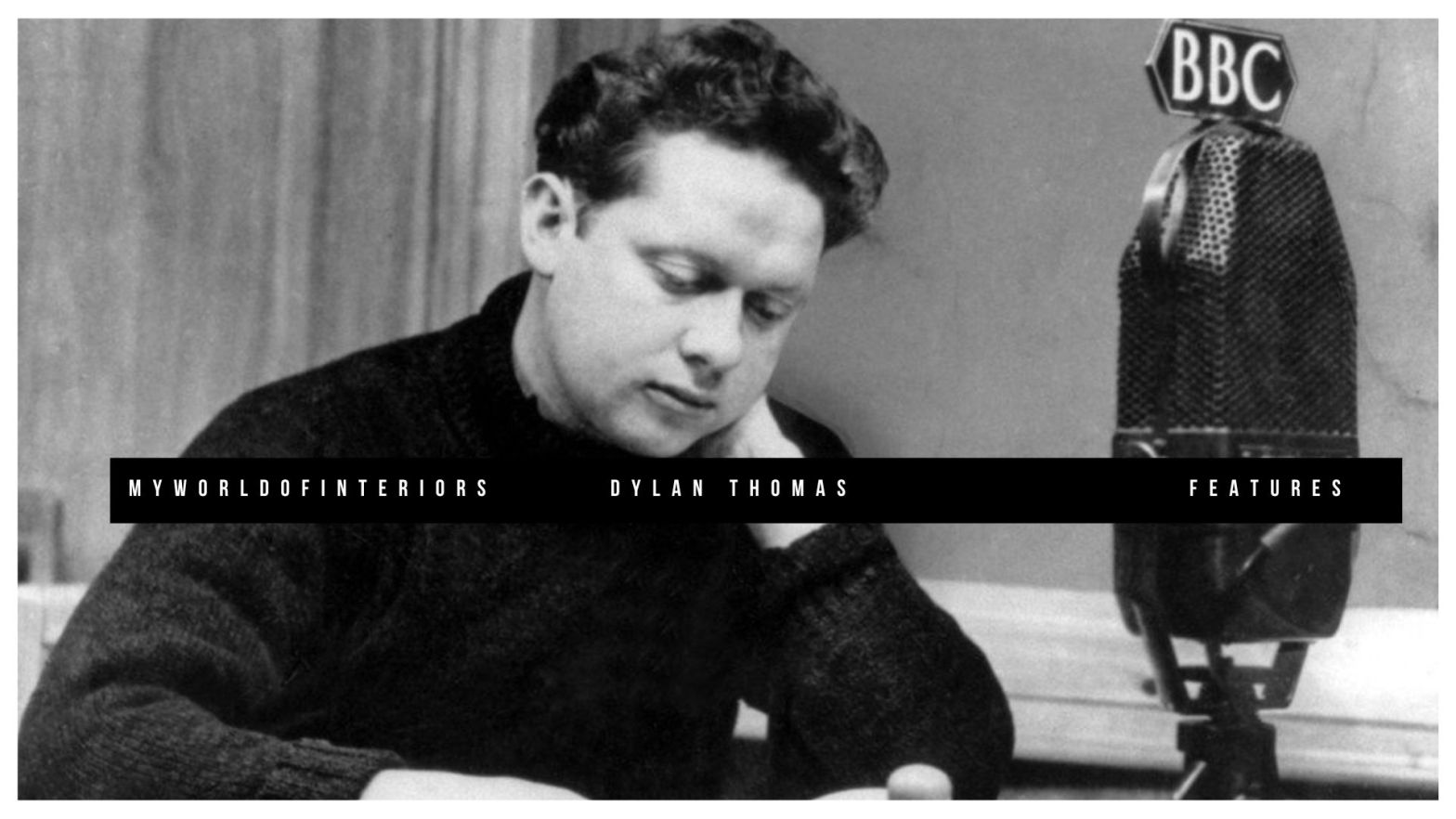
Dylan Thomas occupies a singular corner of twentieth-century poetry: a writer for whom sound was not ornament but ontology. He is, perhaps above all else, a poet of voice—of syllables struck like bells, of syntax uncoiling into chant, of images that are felt in the mouth before they settle in the mind. He is myContinue reading “Dylan Thomas: The Music of Meaning”
Great Are the Myths — Now Streaming

I’ve been quietly doing something I’ve wanted to try for a long time: turning my novel Great Are the Myths into a serialized audio reading. Instead of waiting for the traditional publishing route to unfold, I decided to release the book directly — chapter by chapter — as a podcast. It has been a surprisinglyContinue reading “Great Are the Myths — Now Streaming”
The Beauty Myth: How Naomi Wolf Changed the Conversation
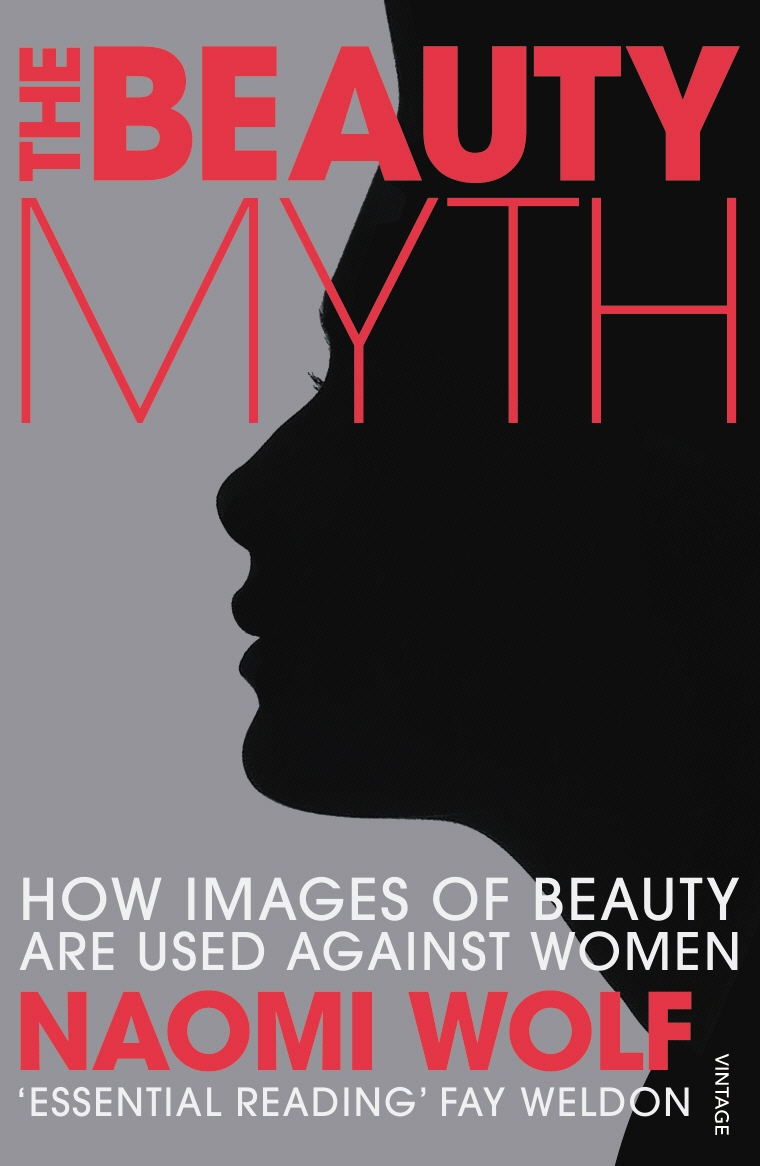
When The Beauty Myth appeared in 1990, it was like a flare shot into the cultural night sky. Naomi Wolf, then in her late twenties, took the vocabulary of feminism and applied it to the terrain of bodies, beauty, and image — the very spaces where women were told power could never exist. Her argumentContinue reading “The Beauty Myth: How Naomi Wolf Changed the Conversation”
All Time Best Beach Reads

There’s something ritualistic about buying a paperback before a holiday. The weight in your hand, the dog-eared cover by the pool, the sand caught between its pages — books travel differently when they are read on trains, beaches, or balconies with sea views. Unlike hardcovers, paperbacks forgive sunscreen stains and bending spines; they are meantContinue reading “All Time Best Beach Reads”
The Novel Rediscovery of Old Favourites
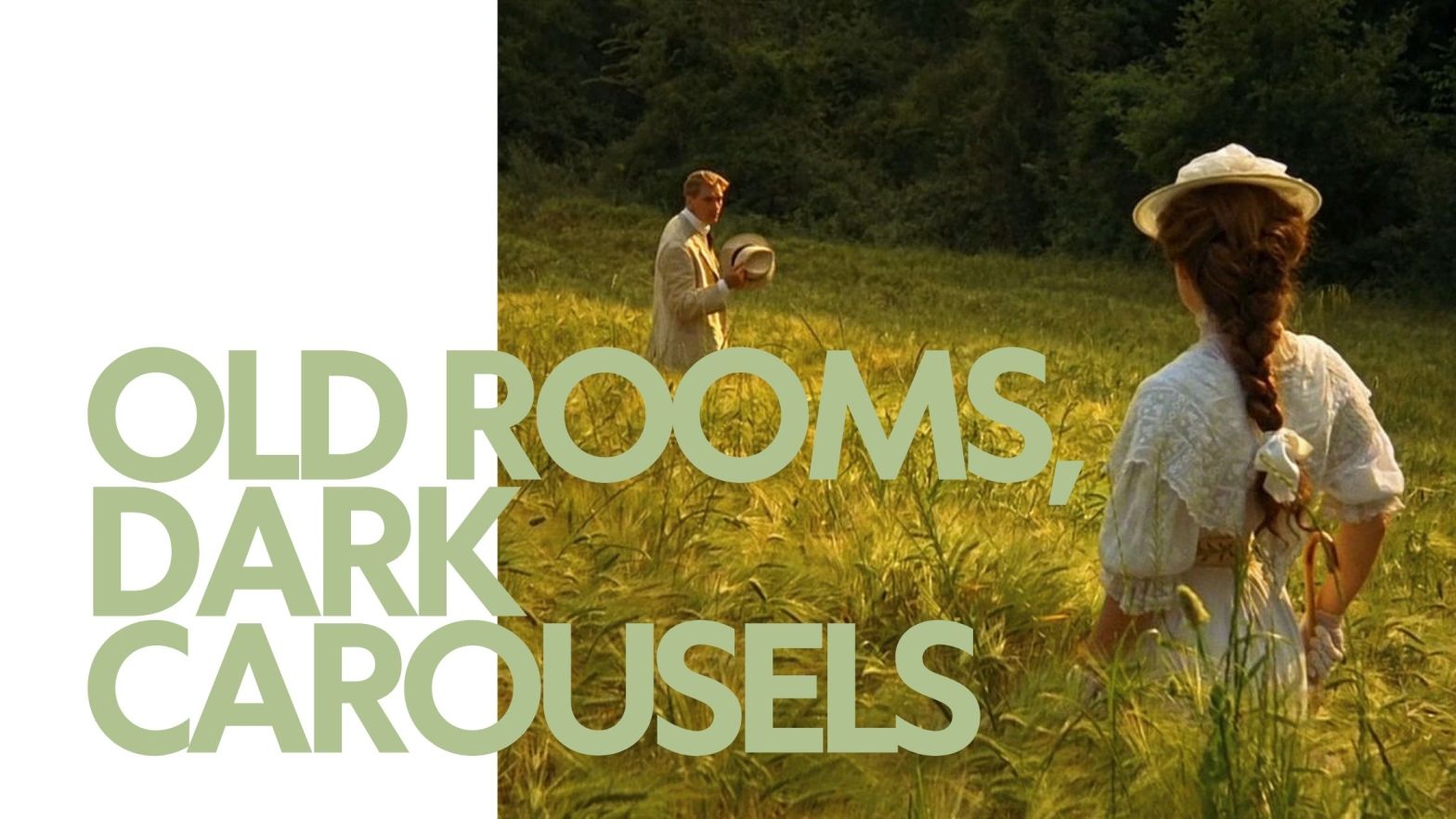
On returning to E.M. Forster’s A Room with a View and Ray Bradbury’s Something Wicked This Way Comes — two novels about the terrible and liberating cost of desire. There is a particular kind of reading that only happens the second time around. The first encounter with a great novel is, of necessity, an actContinue reading “The Novel Rediscovery of Old Favourites”
Patricia Highsmith: Style, Menace, and the Art of Disquiet

Patricia Highsmith’s novels unfold like slow exhalations. They do not shout; they insinuate. A cigarette burns down, a train car hums, a glass of Campari is poured at a café in Naples. Beneath these ordinary gestures lurks unease, a sense that the veneer of civility is about to crack. For Highsmith, menace was not somethingContinue reading “Patricia Highsmith: Style, Menace, and the Art of Disquiet”
Oscar Wilde: The Art of Living and the Cost of Being
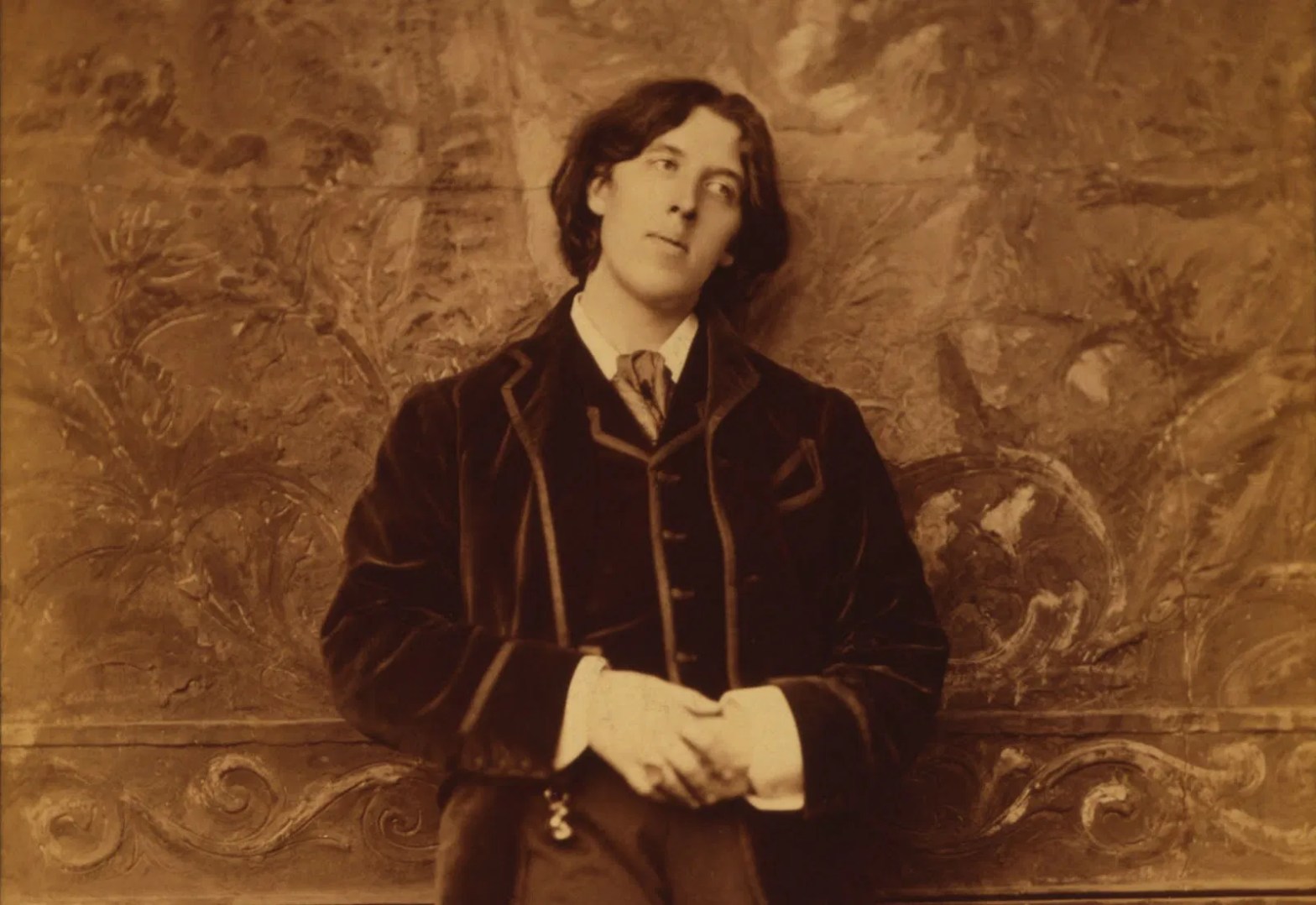
Oscar Wilde once wrote that “one should either be a work of art, or wear a work of art.” Few figures in modern literature have embodied that maxim as completely as he did. Dandy, dramatist, aesthete, wit, martyr: Wilde’s life was not merely lived but staged. He was at once a literary force, a culturalContinue reading “Oscar Wilde: The Art of Living and the Cost of Being”
The Bloomsbury Group: Rebels in Cambric Shirts
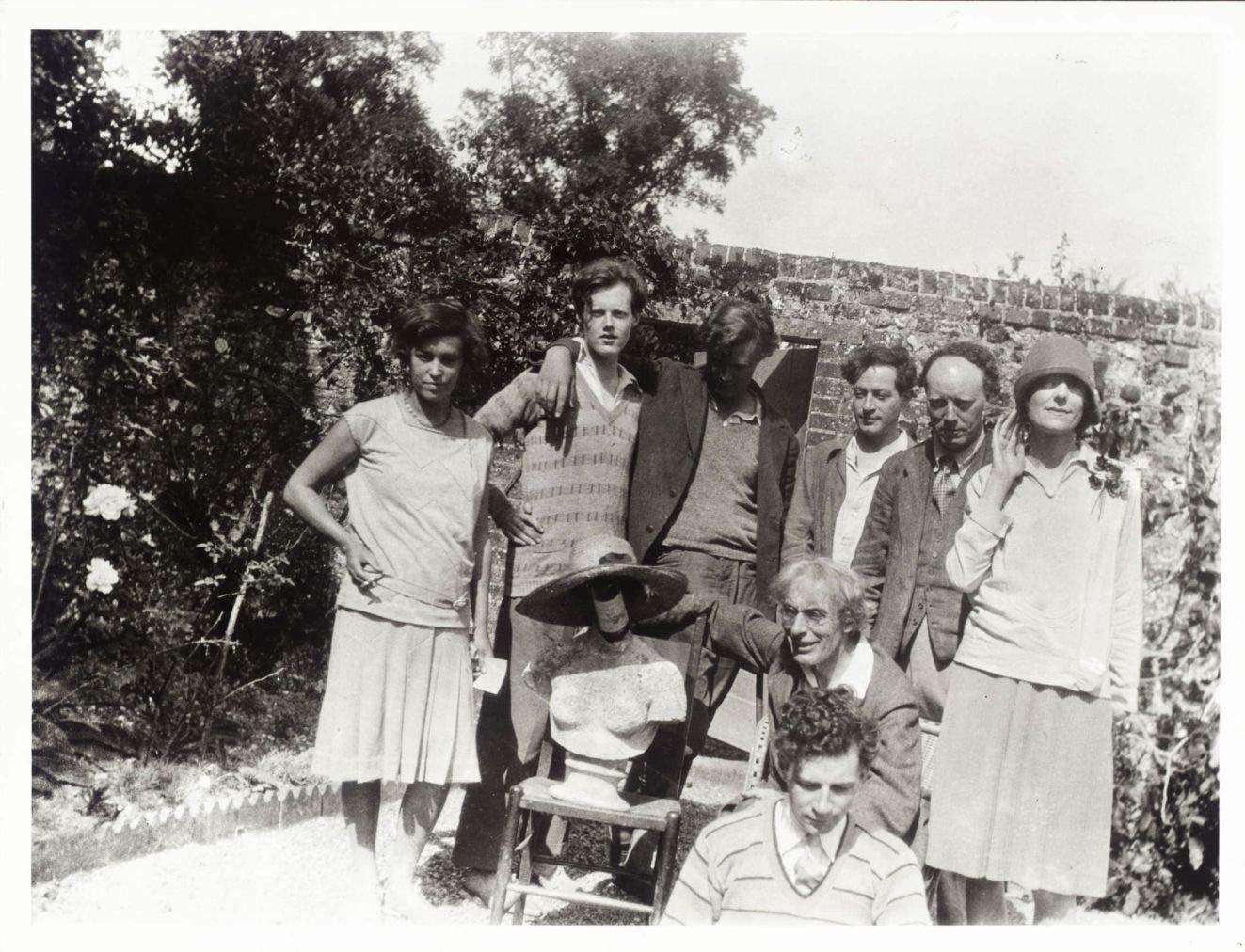
“They lived in squares, painted in circles, and loved in triangles.” In the genteel drawing rooms of early 20th-century London, respectability was still the reigning order. But in a cluster of shabby houses around Gordon Square in Bloomsbury, a group of young intellectuals tore down the rules. They questioned the empire, mocked Victorian morality, experimentedContinue reading “The Bloomsbury Group: Rebels in Cambric Shirts”
 My World of Interiors