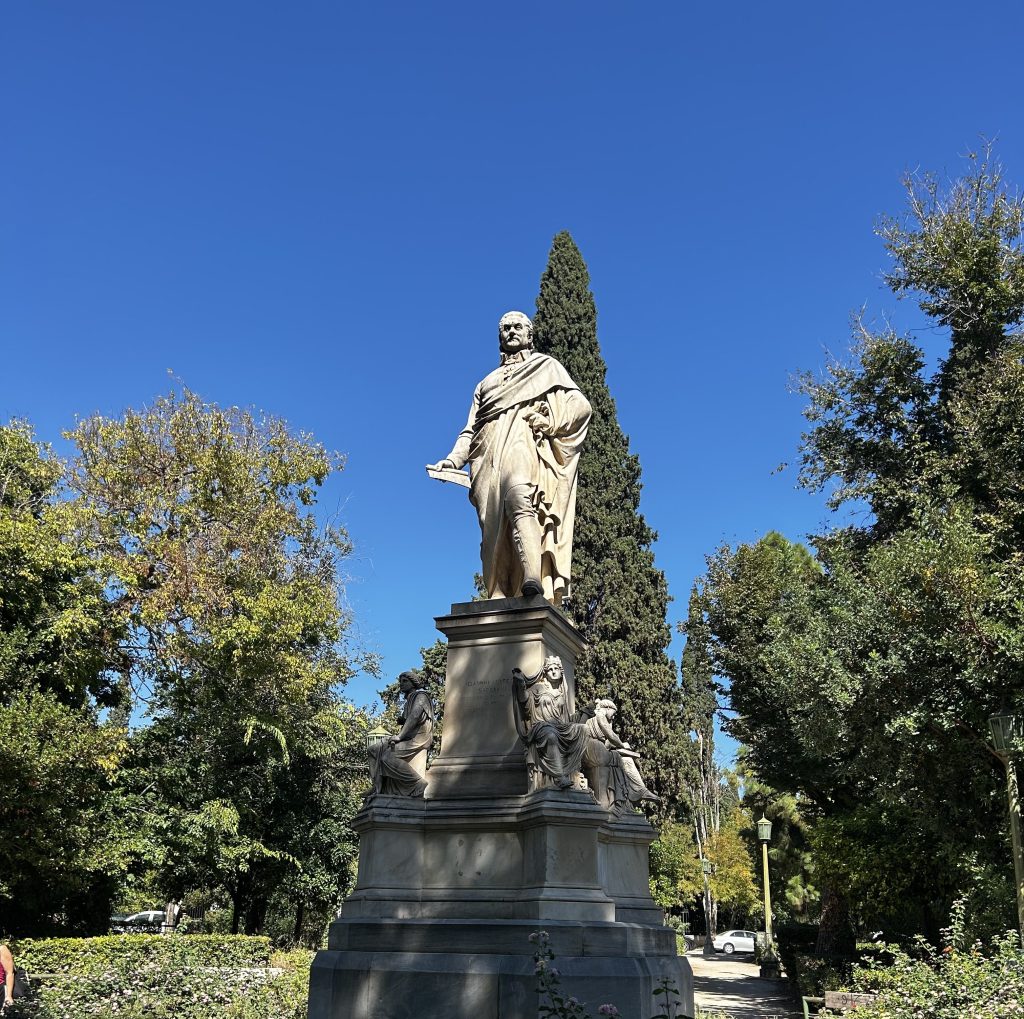
Behind the Greek Parliament, a nineteenth-century royal garden tells an unexpectedly rich story about landscape architecture, botanical ambition and the making of modern Athens.
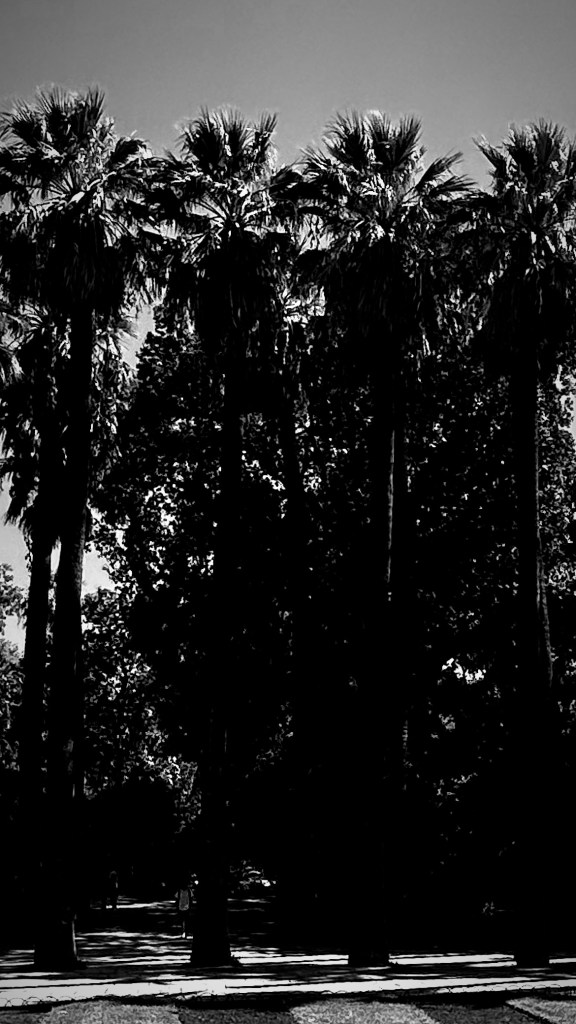
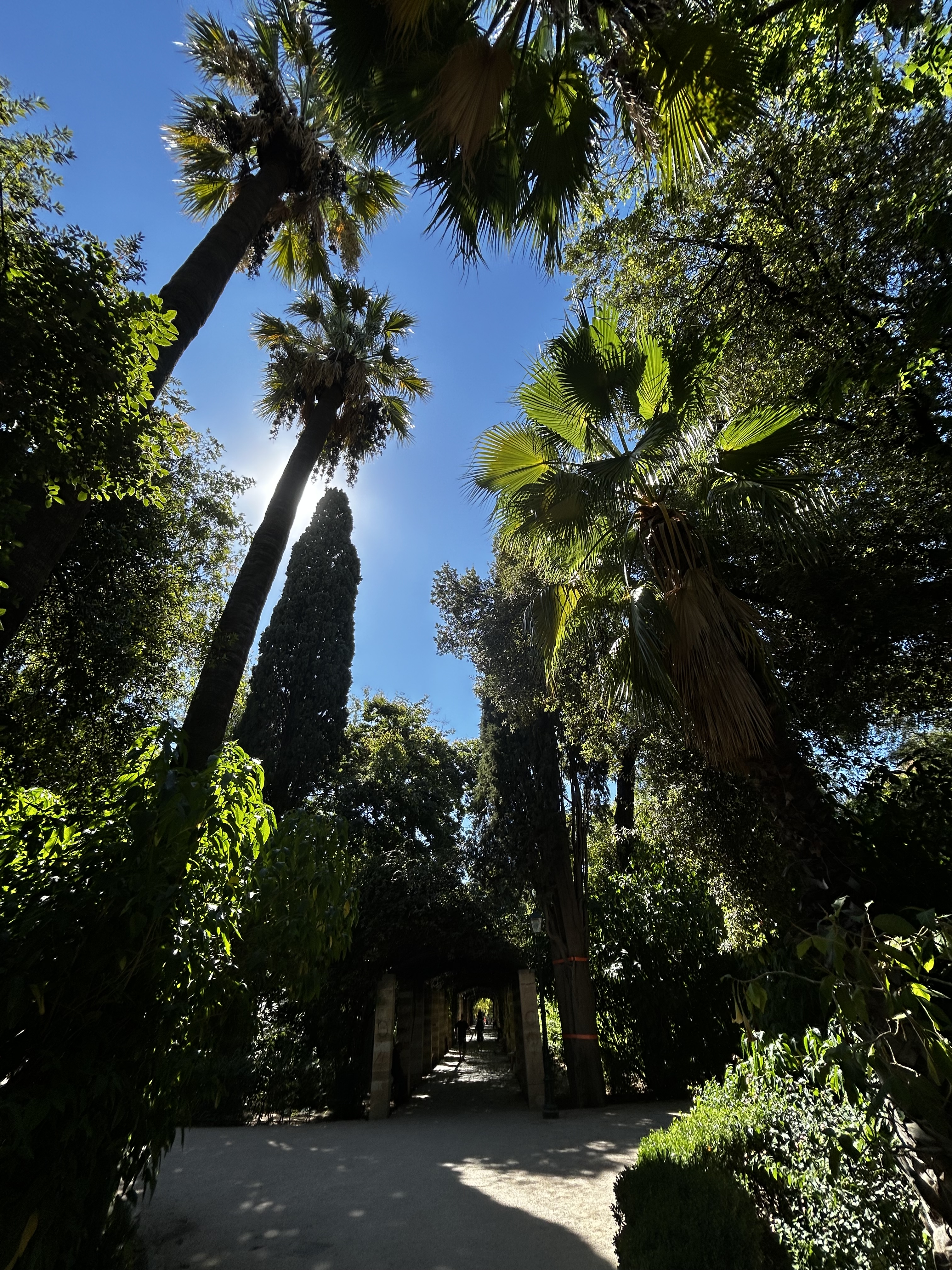
The avenue of towering palms at the entrance to Athens’ National Garden is among the most distinctive pieces of landscape design in the Greek capital. Their remarkably straight trunks rise above carefully arranged flowerbeds before the garden gives way to winding paths, dense vegetation and secluded pools. The contrast is deliberate, and its origins lie in an ambitious nineteenth-century experiment to introduce European landscape gardening to a city whose identity was overwhelmingly associated with antiquity.
The garden began in 1839 under the direction of Queen Amalia, the German-born wife of Greece’s first king, Otto. Athens had become the capital of the newly independent Greek state only five years earlier. Much of the modern city remained to be built, and the royal couple occupied an unusual position: foreign monarchs charged with representing a nation whose ancient civilisation had become central to European ideas about art, architecture and political freedom.
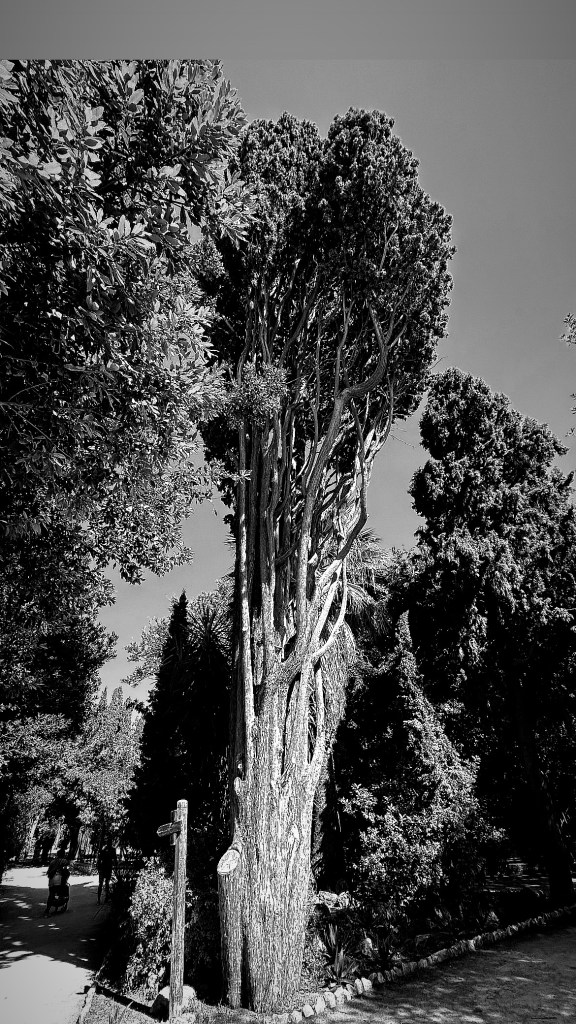
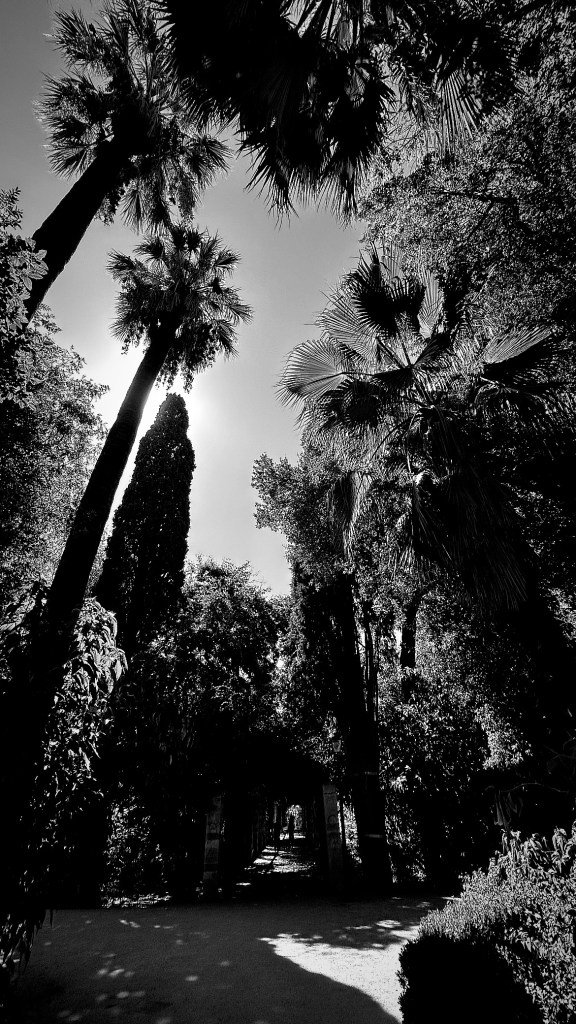
Their new palace, designed by the Bavarian architect Friedrich von Gärtner, was an imposing neoclassical building. Today it houses the Hellenic Parliament. Behind it, Amalia imagined something quite different from the formal geometry of the palace: a landscape of irregular paths, varied planting, shaded enclosures and carefully composed views.
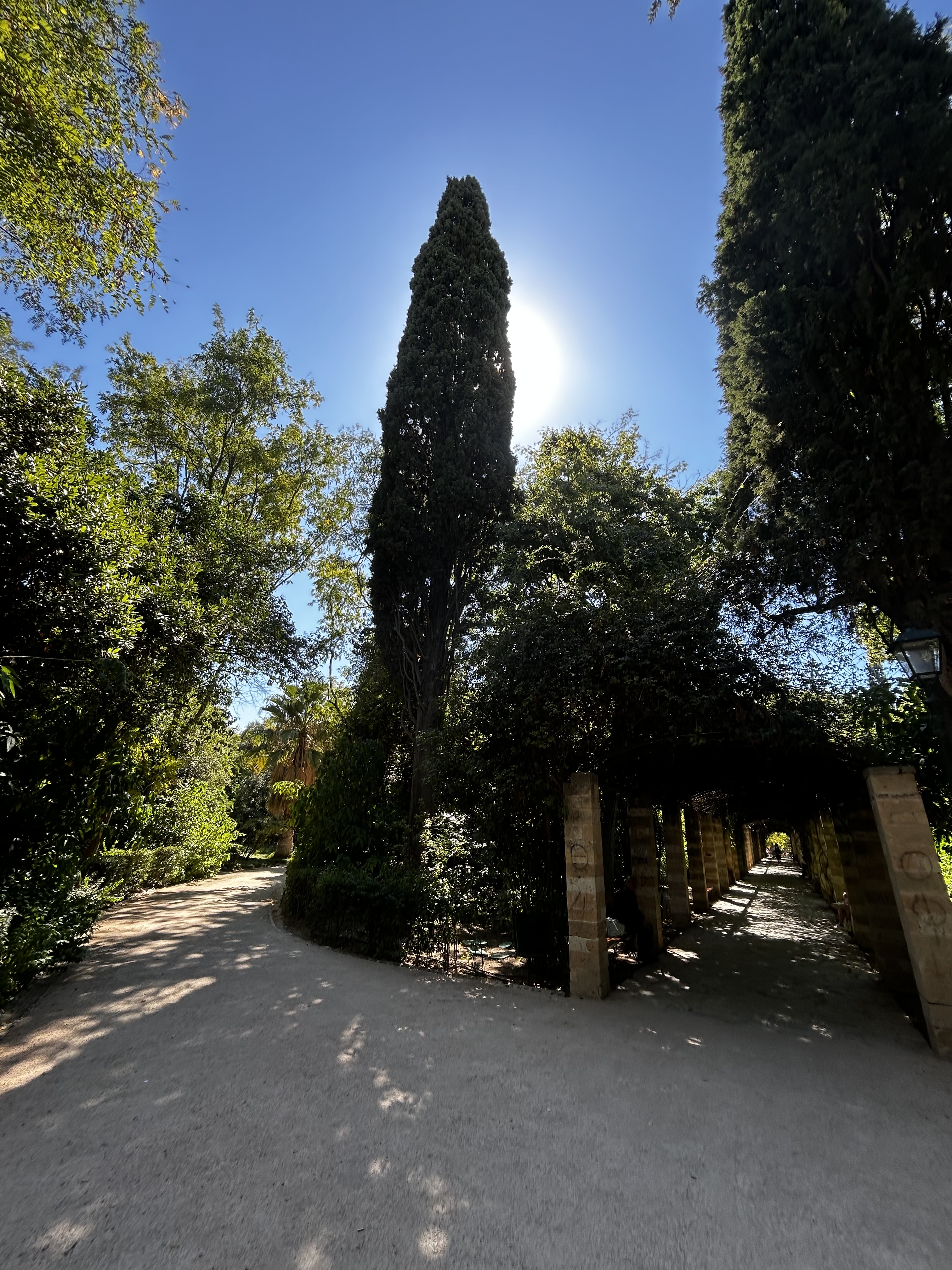
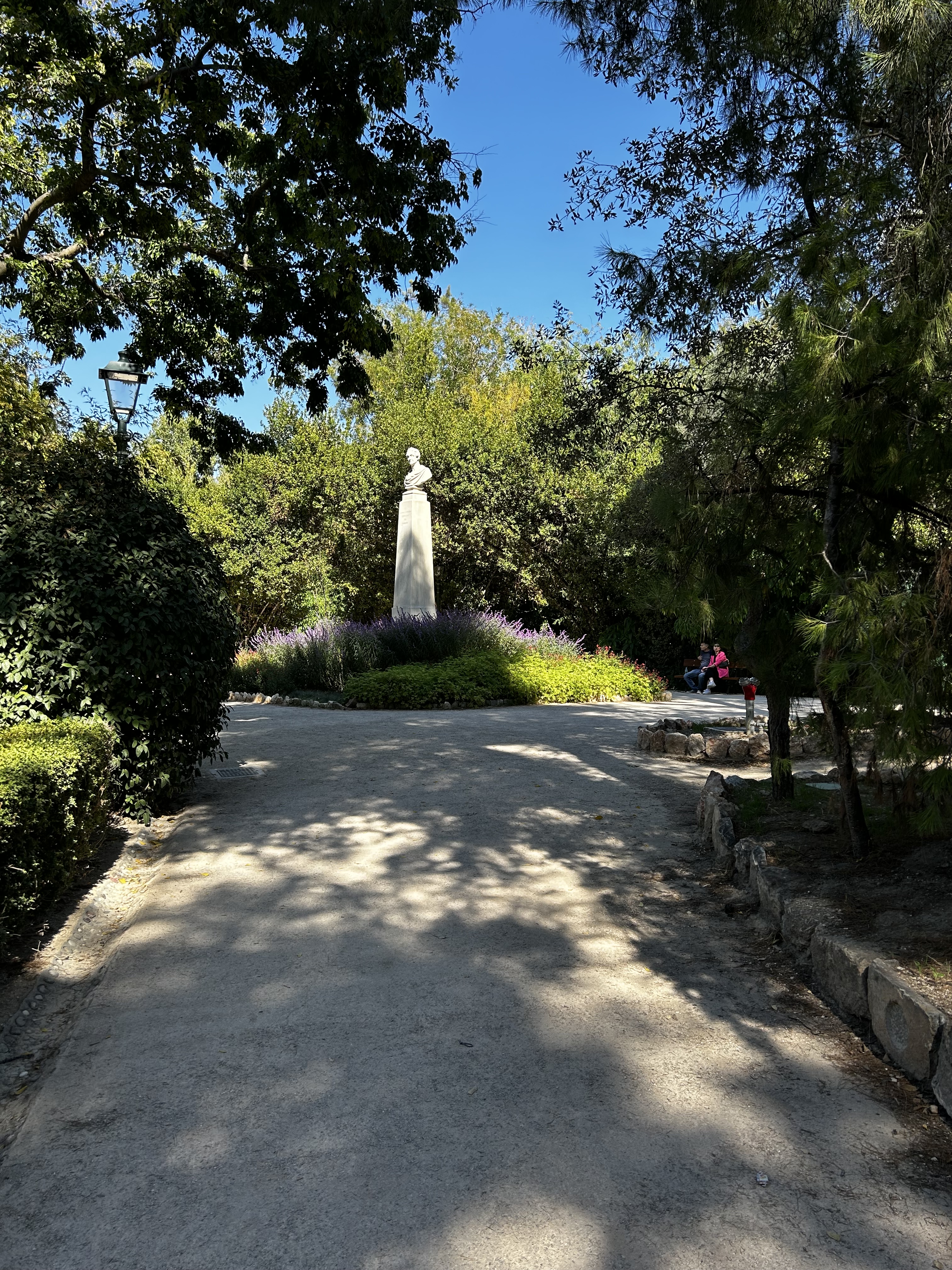
The project drew on the English picturesque tradition, already influential in the German states. Its apparent naturalness was highly calculated. Trees concealed and revealed particular views; paths curved rather than proceeding directly; water, bridges, pergolas and artificial grottoes introduced changes in atmosphere and scale. The garden offered an alternative to the rigid formality of earlier European court gardens, although it required equally careful planning.
Amalia’s personal commitment extended well beyond royal patronage. She took an active interest in horticulture and supervised the planting, supported by an international group of botanists, gardeners and landscape designers. Nikolaus Karl Fraas, a professor of botany, coordinated the acquisition of plants, while the Prussian gardener Friedrich Schmidt became one of the garden’s most important long-term custodians.
The scale of the enterprise was considerable. Some 15,000 ornamental plants were imported from Genoa during the early planting campaigns, while indigenous species arrived from places including Cape Sounion and Euboea. Pines, cypresses and plane trees were established alongside palms, ornamental trees and plants unfamiliar to the Greek landscape.
The palms became Amalia’s particular favourites. The imposing Washingtonias near the principal entrance are traditionally associated with her own planting efforts in the 1840s. Their vertical arrangement gives this part of the garden an almost architectural character, rather different from the enclosed and irregular spaces beyond.
In 1847, as the garden expanded, the French landscape designer François Louis Bareaud was entrusted with developing its pathways, water features and ornamental structures. His surviving plan, preserved in Germany, documents the precision behind a landscape intended to appear informal. By 1852, the garden had reached approximately 15.8 hectares.
Yet the introduction of such an ambitious botanical collection to Athens was hardly straightforward. Many imported plants struggled with the local climate, and a severe frost in 1850 destroyed much of the citrus planting. The history of the garden is therefore partly one of adaptation, replacement and experimentation. Its present vegetation records successive decisions about which species could survive and flourish in the city.
Water was an even greater challenge. Creating a densely planted landscape in Athens required irrigation on a scale that the surrounding terrain could not naturally provide. The solution eventually involved infrastructure considerably older than the royal project itself.
In 1860, work within the garden brought to light the ancient Peisistratean aqueduct, dating to the sixth century BCE. Its water subsequently became an essential source of irrigation, and the European Garden Heritage Network identifies the ancient system as a continuing element of the garden’s water supply. Channels and ponds distribute water through a landscape whose vegetation depends upon it.
The resulting relationship between ancient engineering and nineteenth-century horticulture is particularly intriguing. Athens is generally experienced through the visible remains of classical architecture, yet here an ancient water system has helped sustain a much later landscape. The garden’s history extends beneath its paths and planting beds.
Another discovery emerged in 1852, when workers uncovered a mosaic floor belonging to a late Roman residence. Preserved near the northern section of the garden, its geometric arrangements and decorative motifs offer an intimate glimpse of domestic architecture in an Athens rarely represented by its better-known monuments. The mosaic is a reminder that the city continued to develop long after the classical period, retaining its own domestic spaces, artistic practices and architectural traditions.
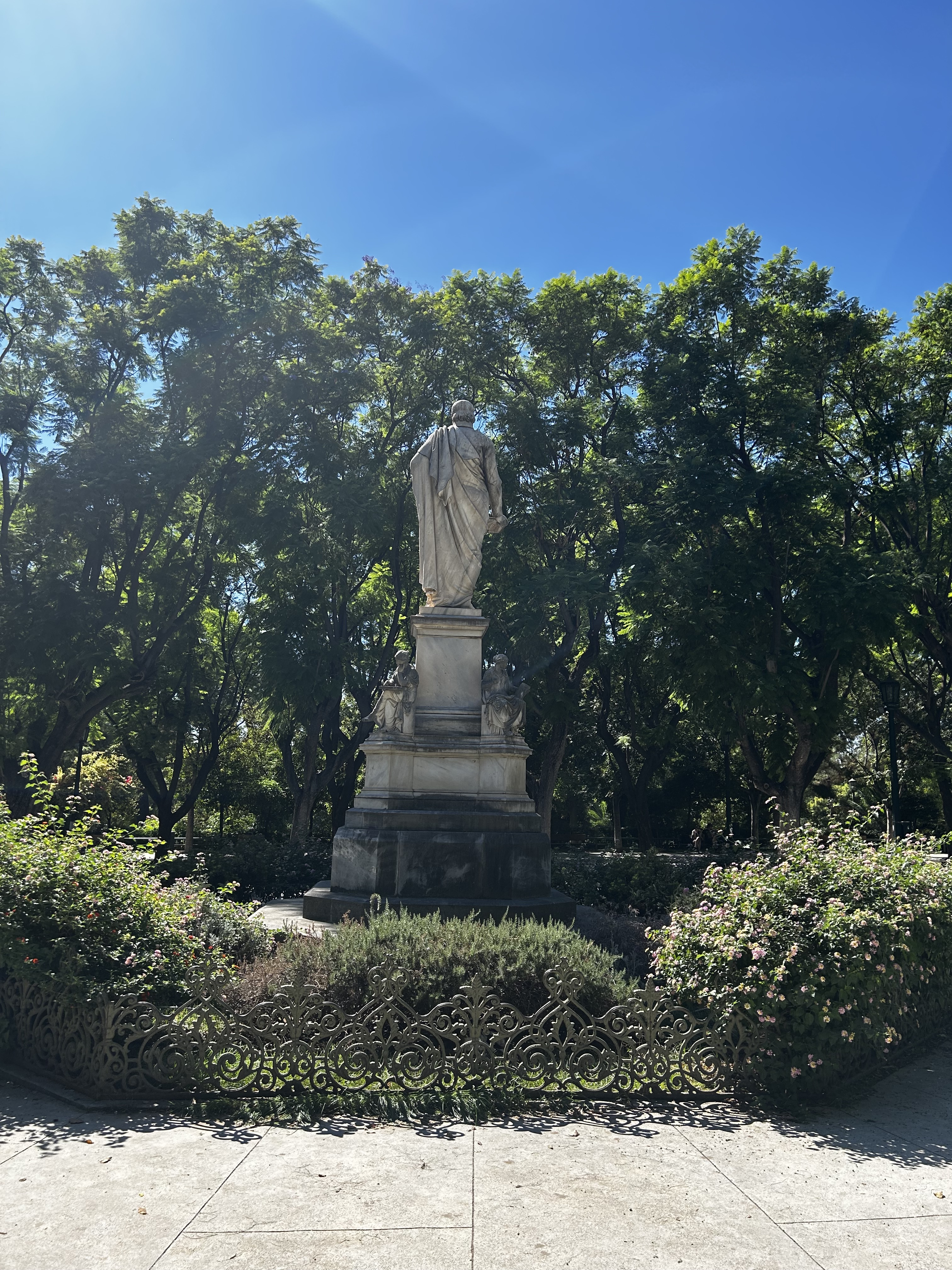
These archaeological survivals give the garden an unusual historical complexity, although its principal character remains nineteenth-century. The romantic grottos, pergolas, ornamental fountains and carefully distributed planting belong to the period when Athens was being reimagined as a modern European capital. The garden was simultaneously an expression of dynastic ambition and a serious experiment in adapting international horticultural knowledge to Mediterranean conditions.
Its political meaning changed considerably over the following century. Originally created for the royal household, the grounds became a state public garden in 1923 and received the name National Garden in 1927. Their transformation into a public landscape accompanied the wider reorganisation of Greek political life, while the former palace eventually became the country’s parliamentary building.
Today, the garden remains remarkably faithful to the broad principles of its original design. Despite periods of neglect, climatic damage and changing patterns of public use, its winding paths and dense plantings continue to offer a distinctive experience of central Athens. The garden was formally designated a historic site in 2011, and conservation work undertaken since 2022 has included repairs to pathways, irrigation systems, planting areas and ponds.
Its continuing importance extends beyond architectural conservation. In a densely built Mediterranean capital, the survival of mature trees and shaded public space has practical consequences for everyday urban life. The original picturesque design, with its closely planted groups of trees and enclosed passages, provides precisely the sort of shelter that modern cities increasingly struggle to maintain.
The National Garden is free to enter and opens daily from sunrise to sunset. Its principal entrance is on Vasilissis Amalias Avenue, immediately beside Parliament, with further access from the surrounding streets and the neighbouring Zappeion gardens. Visitors will find ponds, pergolas, a children’s library and the remains of the Roman mosaic among its many paths.
The garden is best understood on foot, without attempting to follow a prescribed route. Its irregular circulation was designed to allow successive changes of view, and that principle continues to shape the experience of moving through it. Between the palms planted under a nineteenth-century queen, the remains of Roman domestic life and the waterworks of ancient Athens, a relatively small public garden contains a remarkably extensive history of the city.
All images: Birgitte / My World of Interiors

