

On toilets, cassette tapes, and the philosophical weight of a life lived well Forget about the Oscars, Perfect Days (2023) is all you need this week. There is a scene near the midpoint of Wim Wenders’s Perfect Days in which Hirayama, a cleaner of public lavatories in Tokyo, lies on his futon in the amberContinue reading “The Examined Life: Wim Wenders and the Radical Ordinariness of Perfect Days”
Category Archives: Aesthetics
Great Are the Myths – Bonus 2

The Canopy Bed: A History of Privacy, Prestige, and Design
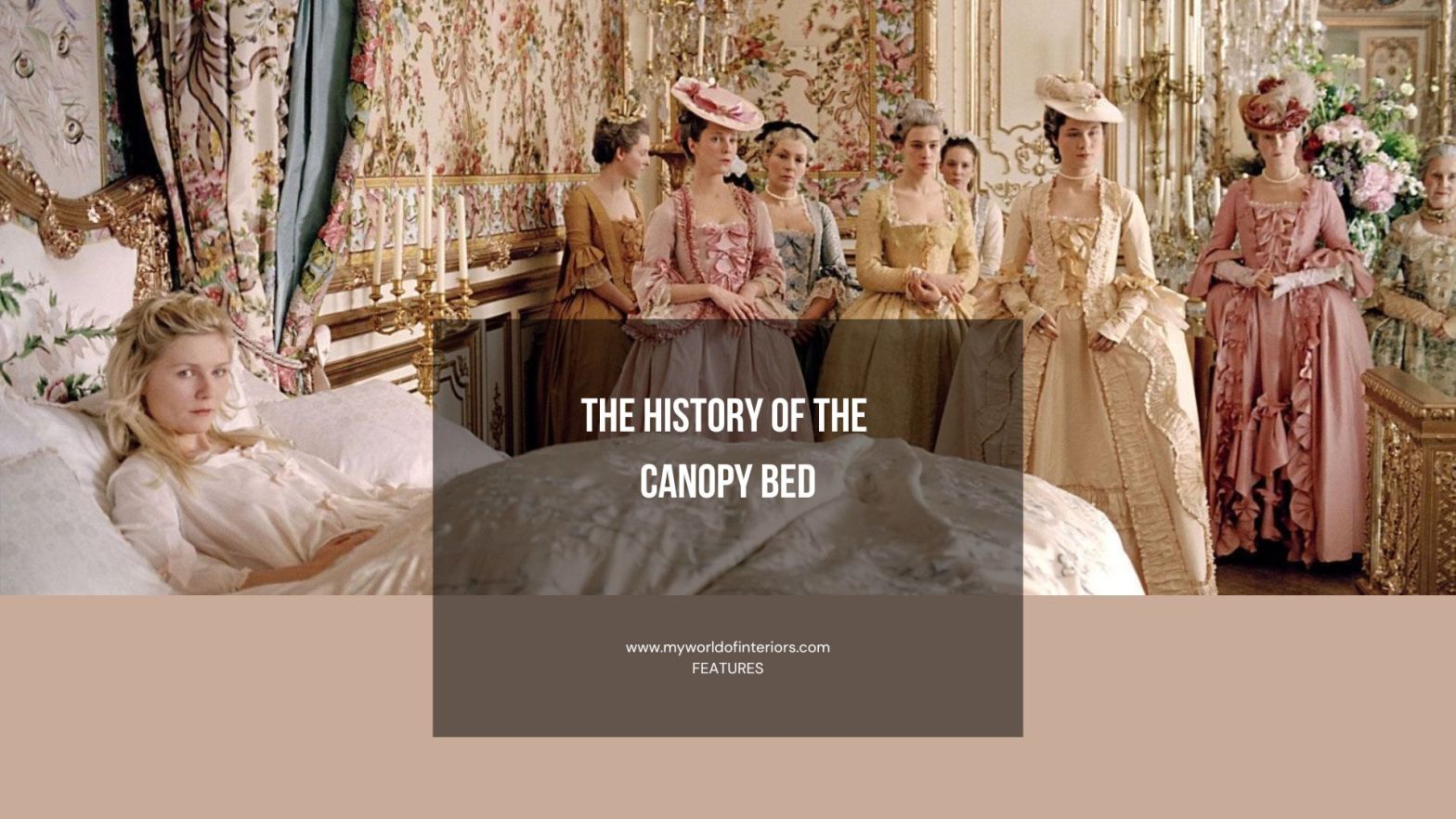
Few pieces of furniture have carried as much symbolic weight as the canopy bed. Known in Danish as the himmelseng — the “heaven bed” — it is at once functional and ceremonial, an object that has provided warmth, privacy, and authority across centuries. To trace its history is to follow the evolution of domestic lifeContinue reading “The Canopy Bed: A History of Privacy, Prestige, and Design”
Great Are the Myths – Episode 4
Bunny Mellon: The Quiet Architect of Taste
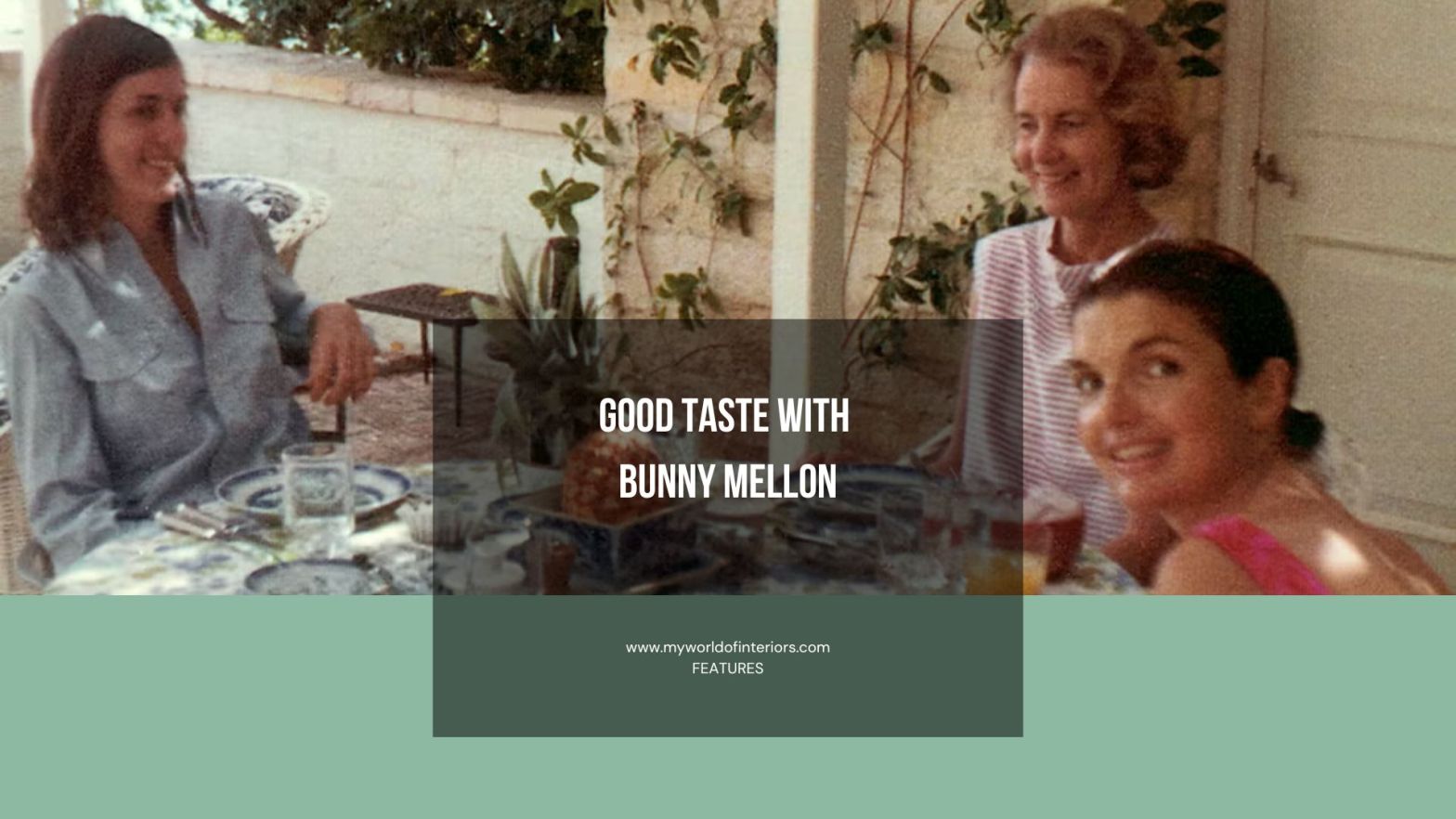
Some lives unfold in public, demanding attention with noise and spectacle. Others shape the world quietly, through gardens planted, rooms arranged, and the cultivated art of discretion. Rachel Lambert “Bunny” Mellon belonged firmly to the latter category. For decades, she remained a figure of mystery and allure: heiress, horticulturalist, collector, designer, and confidante to presidentsContinue reading “Bunny Mellon: The Quiet Architect of Taste”
Great Are the Myths – Episode 3
Alexander Payne: Satire, Sentiment, and the Tragedy of the Ordinary

Alexander Payne’s cinema is a study in the unspectacular. At a time when American film has been dominated by spectacle — superhero universes, hyper-stylised crime sagas, and CGI extravaganzas — Payne has built a career on the exact opposite. His films dwell on the ordinary: aging parents, disillusioned teachers, alcoholic writers, restless adolescents, and menContinue reading “Alexander Payne: Satire, Sentiment, and the Tragedy of the Ordinary”
Great Are the Myths – Bonus Material 1
Schumacher: A House Woven Into American Design

Origins: From Ladies’ Mile to the White House Schumacher’s story begins in boom-time New York. In 1889, Paris-born Frederic Schumacher opened his textile house on Manhattan’s Ladies’ Mile, supplying silks and damasks to the grand hotels and Gilded Age mansions that were inventing a new American glamour. Within a decade the firm was manufacturing domestically;Continue reading “Schumacher: A House Woven Into American Design”
 My World of Interiors