
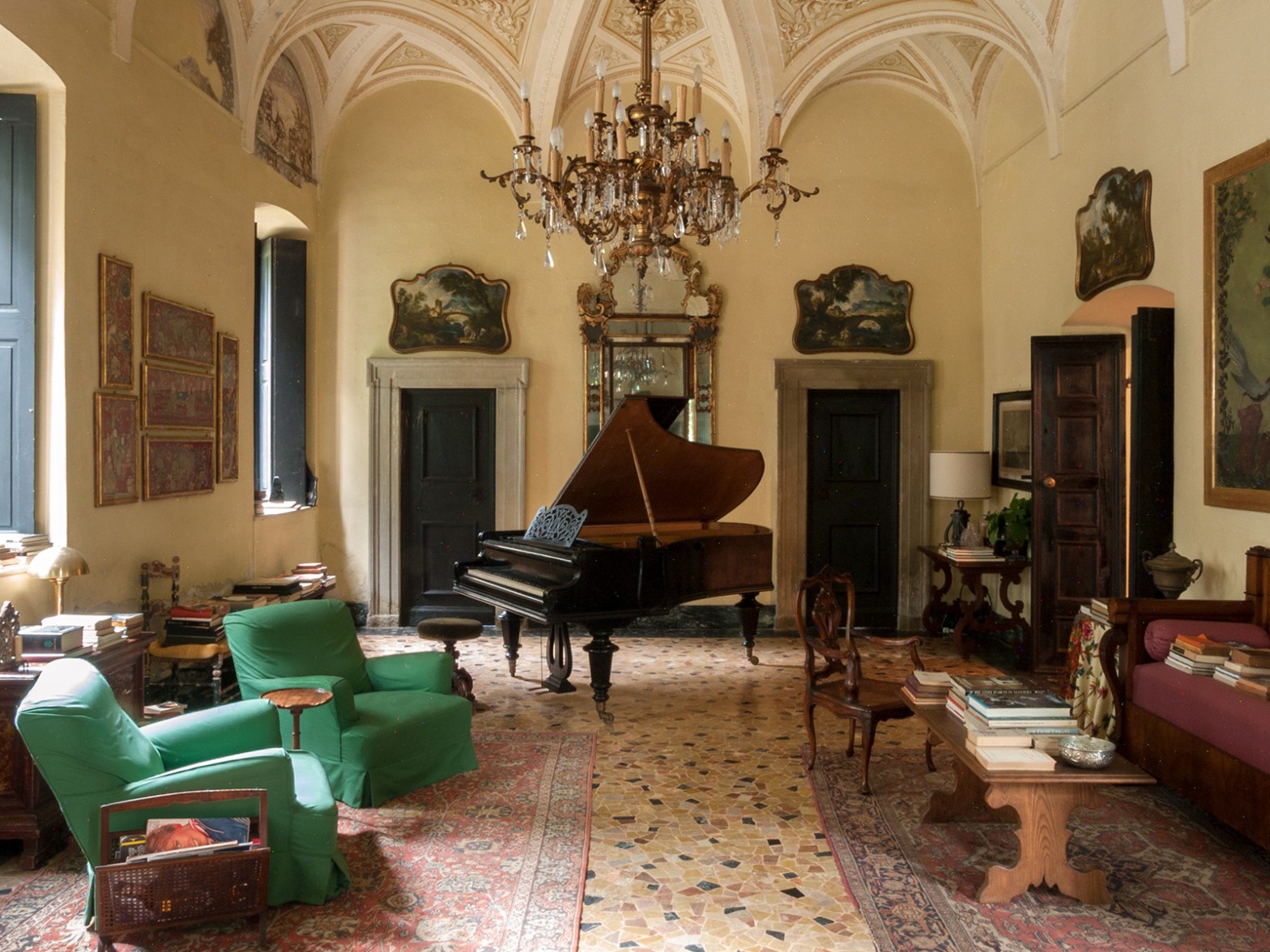
If Villa Malaparte is the most iconic villa on screen, it is not alone. Italy’s landscape of villas — patrician palaces, lakeside estates, country retreats — has long provided cinema with atmosphere and grandeur.
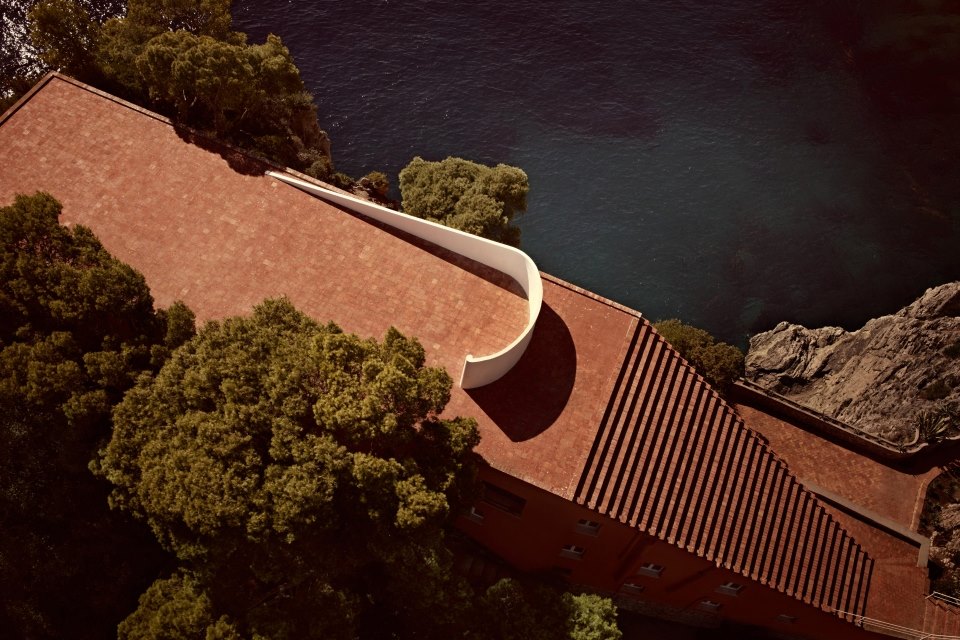
1. Villa Erba, Lake Como
- Film: Luchino Visconti’s family home; later featured in Ocean’s Twelve (2004).
- Why it matters: This 19th-century lakeside villa in Cernobbio was once the summer residence of the Visconti family. Its frescoed halls and lush gardens recall the aristocratic worlds depicted in Luchino Visconti’s films, making it both subject and setting. Today it serves as an exhibition space, but in cinema it embodies Lake Como’s unique blend of melancholy and opulence.
- More info: Villa Erba Official Site
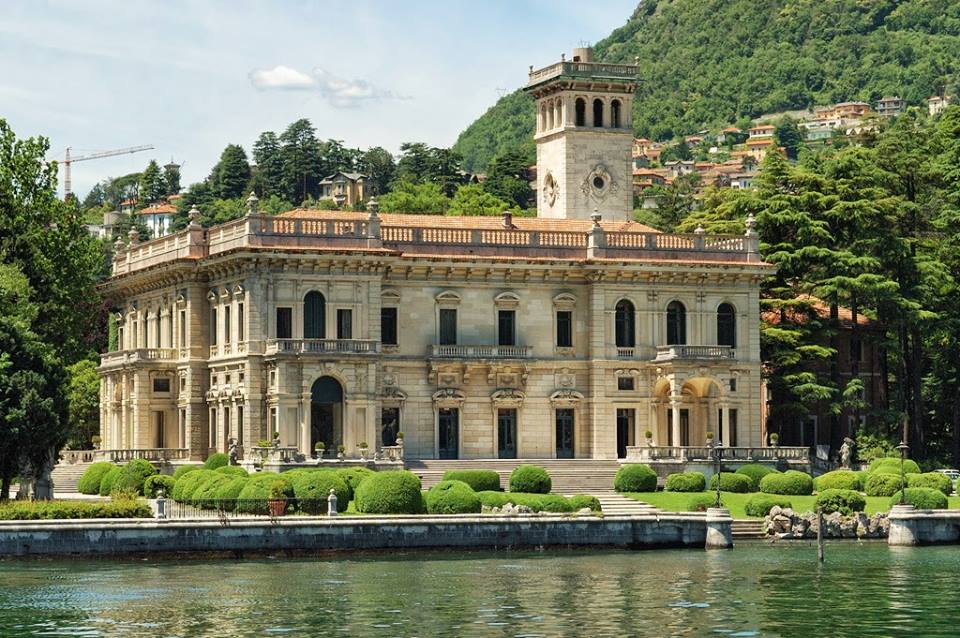
2. Villa di Geggiano, Siena
- Film: Bernardo Bertolucci’s Stealing Beauty (1996).
- Why it matters: Nestled in Tuscany’s rolling hills, this 18th-century villa provided the sun-dappled backdrop for Liv Tyler’s luminous coming-of-age role. Its frescoed interiors and sprawling gardens create a dreamlike setting that blurs reality with idyll — the Tuscan villa as both character and stage.
- More info: Villa di Geggiano
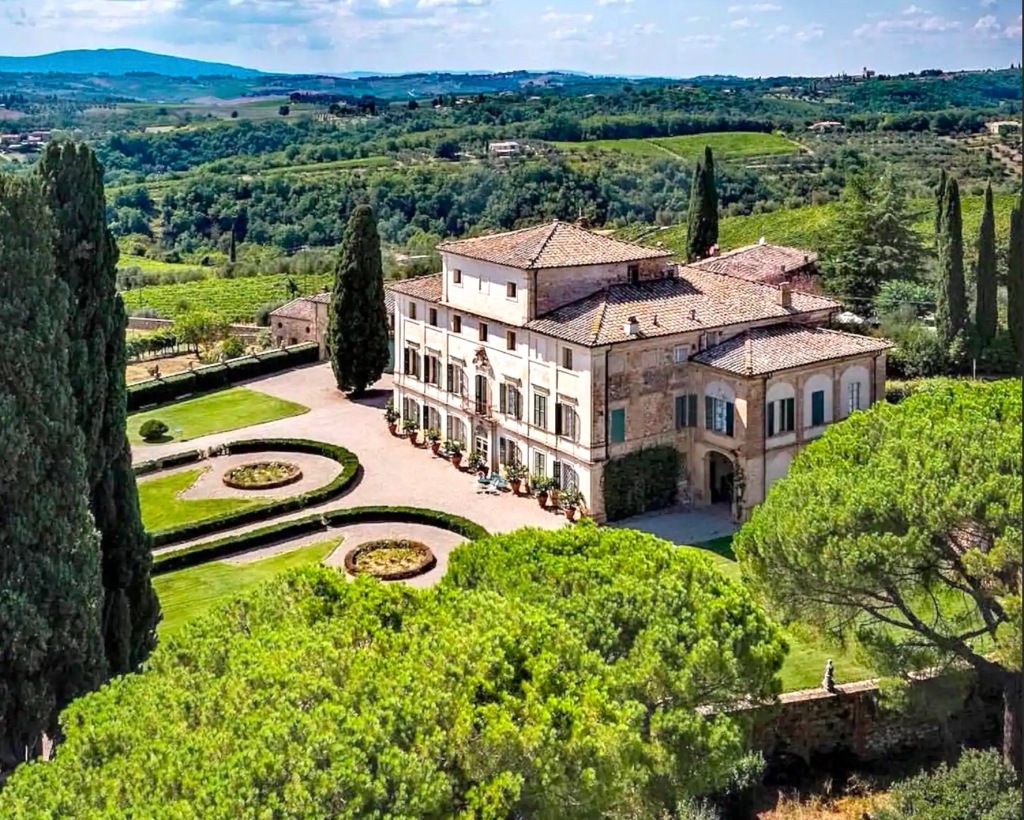
3. Villa Albergoni, Lombardy
- Film: Call Me By Your Name (2017).
- Why it matters: Luca Guadagnino’s film turned this decaying baroque villa near Crema into a global icon of longing and intimacy. Its peeling walls, shuttered windows, and overgrown gardens became metaphors for desire, time, and memory. Few films have captured the Italian summer so poignantly.
- More info: Call Me By Your Name Locations Guide
TL;DR
From Visconti’s Lake Como retreat to Bertolucci’s Tuscan dreamscapes and Guadagnino’s Lombard villa of desire, Italian villas on screen are more than settings — they are emotional landscapes. Like Villa Malaparte, they turn architecture into narrative, where walls, gardens, and terraces become part of the story itself.
 My World of Interiors