
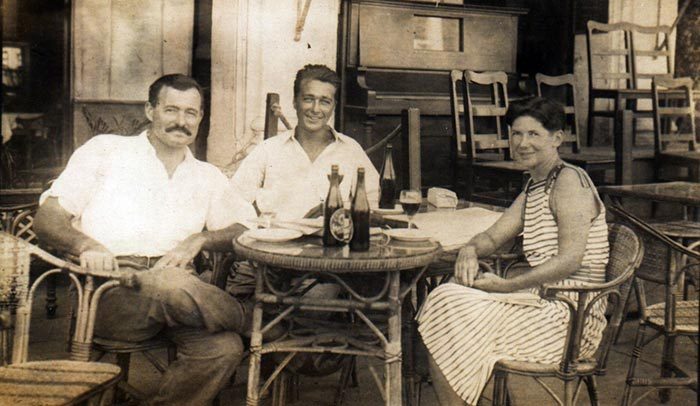
If Scott and Zelda Fitzgerald turned France into the stage for Jazz Age brilliance, then Ernest Hemingway made Spain his proving ground. From the sun-drenched bullrings of Pamplona to the smoky cafés of Madrid, Spain was not just a backdrop but a crucible: it shaped his art, his friendships, and his myth.
To follow Hemingway through Spain is to walk into The Sun Also Rises, to sip cold wine in shadowed taverns, to feel the thunder of hooves in a Pamplona street. And today, the same landscapes remain — still fierce, still intoxicating, still bound up with Hemingway’s restless spirit.
Pamplona: The Fiesta Lives On
The running of the bulls at the San Fermín Festival defined Hemingway’s Spain. He first came in 1923, then returned nearly a dozen times, turning the festival into the centerpiece of The Sun Also Rises. Pamplona remains the Hemingway pilgrimage par excellence.
- Stay: Gran Hotel La Perla, where Hemingway lodged overlooking Plaza del Castillo.
- Drink: Hemingway frequented Café Iruña (cafeiruna.com), still serving coffee and vermouth beneath its Belle Époque chandeliers.
- Eat: Try Baserriberri (baserriberri.com) for modern Navarra cuisine that keeps the spirit of fiesta alive.
- See: Book a seat at Plaza de Toros de Pamplona (plazatorospamplona.com), the bullring where Hemingway found beauty and brutality inseparable.

Madrid: Hemingway’s Heart of Spain
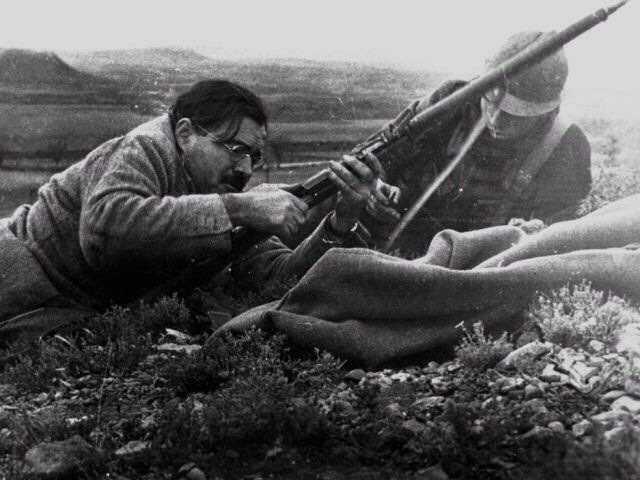
Madrid was Hemingway’s Spanish capital — a city of late-night bars, wartime camaraderie, and literary friendship. He lodged here during the Spanish Civil War, filing dispatches, haunting cafés, and celebrating bullfighters.
- Stay: Hotel Gran Meliá Fénix, a modern luxury choice near the literary district, echoing his old haunts.
- Drink: Museo Chicote (museodelchicote.com), a 1931 cocktail bar on Gran Vía, still vibrates with Art Deco glamour.
- Eat: Sobrino de Botín (botin.es), founded in 1725 and famously mentioned in The Sun Also Rises, still roasts suckling pig in wood-fired ovens.
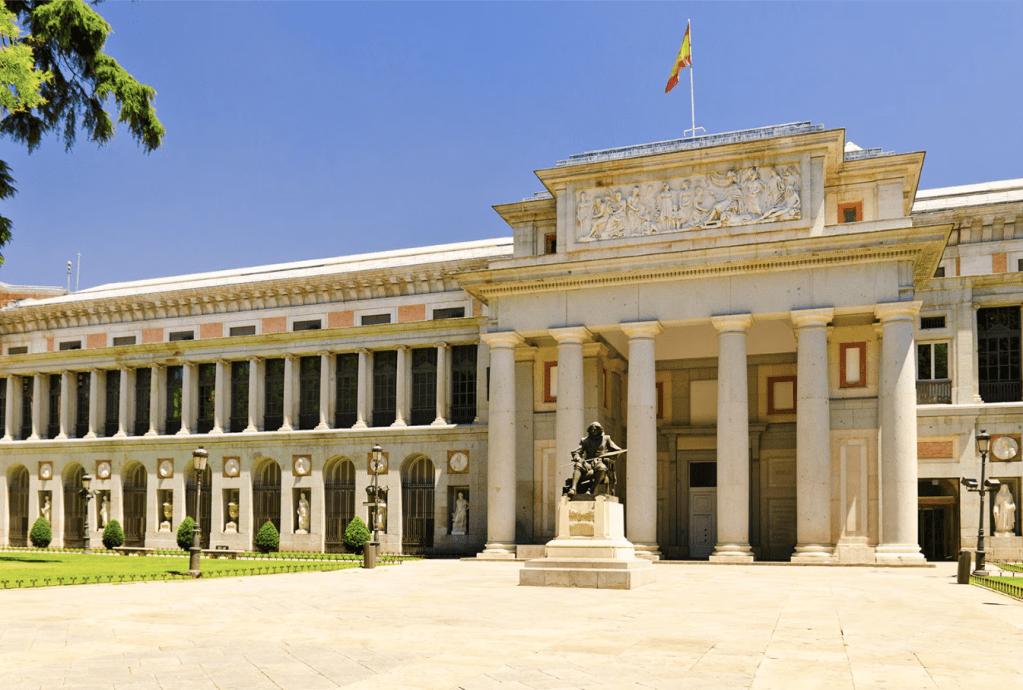
- See: The Museo del Prado (museodelprado.es) — where Hemingway sought Velázquez and Goya as spiritual companions.
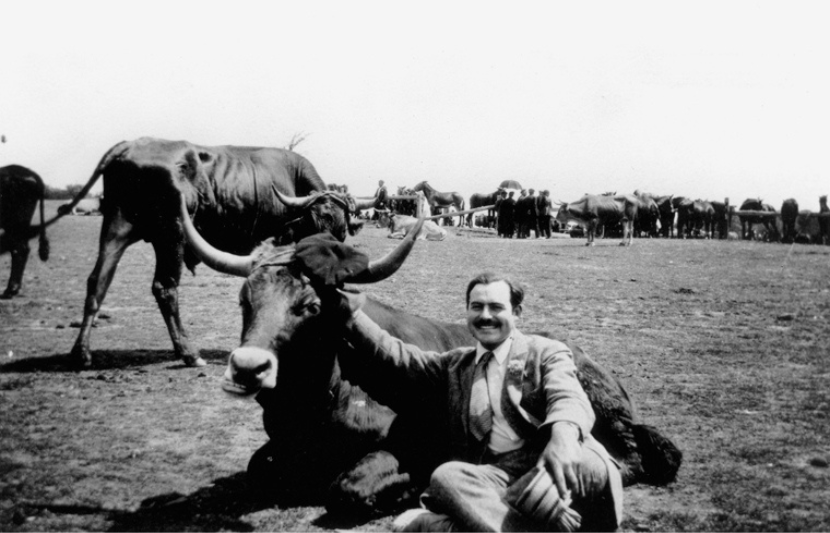
Hemingway revered Ronda for its dramatic bullfighting tradition and cliffside vistas. “The most romantic town in Spain,” he wrote. Here, bullrings and whitewashed walls stage a theater of passion and blood.
- Stay: Parador de Ronda, perched beside the Puente Nuevo with sweeping views of the gorge.
- Dine: Casa María (casamariaronda.com), serving Andalusian dishes in an intimate setting.
- See: The Plaza de Toros de Ronda (rondatoday.com), one of Spain’s oldest bullrings, where Hemingway studied the art of the matador.
San Sebastián: By the Sea
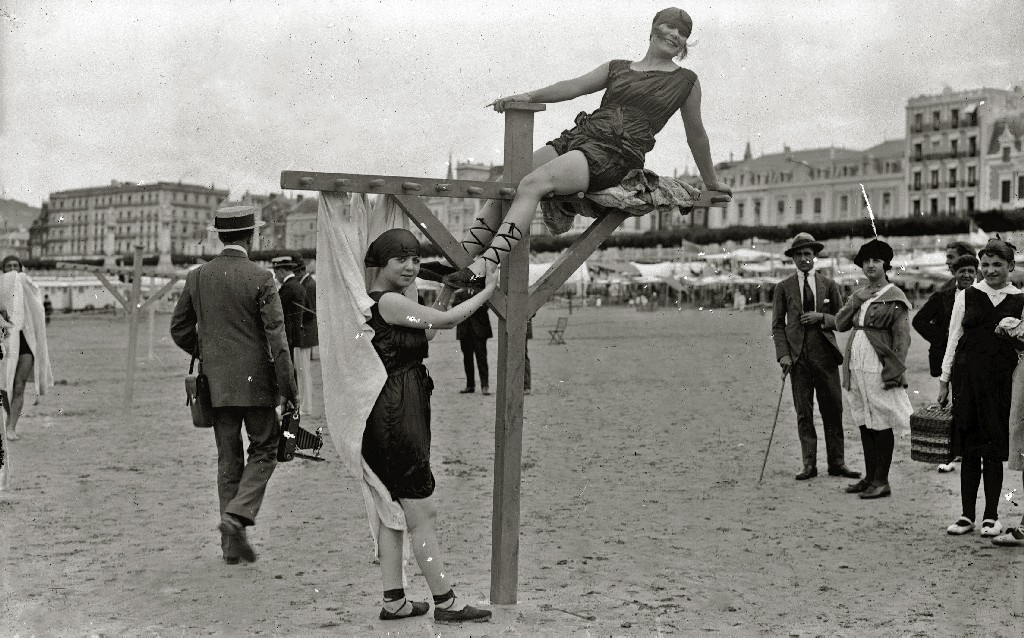
For respite, Hemingway went north. San Sebastián’s cool Atlantic light, its beaches and fishing ports, gave him calm between wars and novels.
- Stay: Hotel María Cristina, a Belle Époque jewel where Hemingway often lodged.
- Eat & Drink: Sample pintxos at Bar Nestor (no website; Calle Pescadería, 11), or tapas bars clustered in the Parte Vieja.
- See: Walk La Concha Beach, where Hemingway swam and sailed — one of Europe’s most elegant urban beaches.
Barcelona: War and Witness
In 1937, Hemingway came to Barcelona as a war correspondent. Here, he chronicled the Spanish Civil War, walking a city scarred but defiant.
- Stay: Hotel Majestic, a landmark on Passeig de Gràcia that would have suited Hemingway’s circle.
- Eat: Los Caracoles (loscaracoles.es), a historic restaurant near Las Ramblas that preserves a prewar atmosphere.
- See: The Fundació Joan Miró (fmirobcn.org) and Museu Nacional d’Art de Catalunya (mnac.cat) give modern echoes of the art world Hemingway intersected with.
To trace Hemingway’s Spain is to move between cities, festivals, and landscapes. Rent a car — ideally a vintage convertible through Rent A Classic Car — and take the roads between Pamplona, Madrid, and Ronda. Stop for roadside wine, as he did, and let the geography of his fiction unfold beneath the wheels.
A Living Spain
Hemingway’s Spain was about contrasts: sacred and profane, brutal and beautiful, ecstatic and tragic. Today, the country holds all of that still. To sit in a Pamplona café, to taste Rioja beneath Madrid’s night sky, to hear the ocean at San Sebastián, is to find the world as Hemingway once wrote it — “a movable feast,” but with the spirit of Spain as its fiercest chapter.

 My World of Interiors