
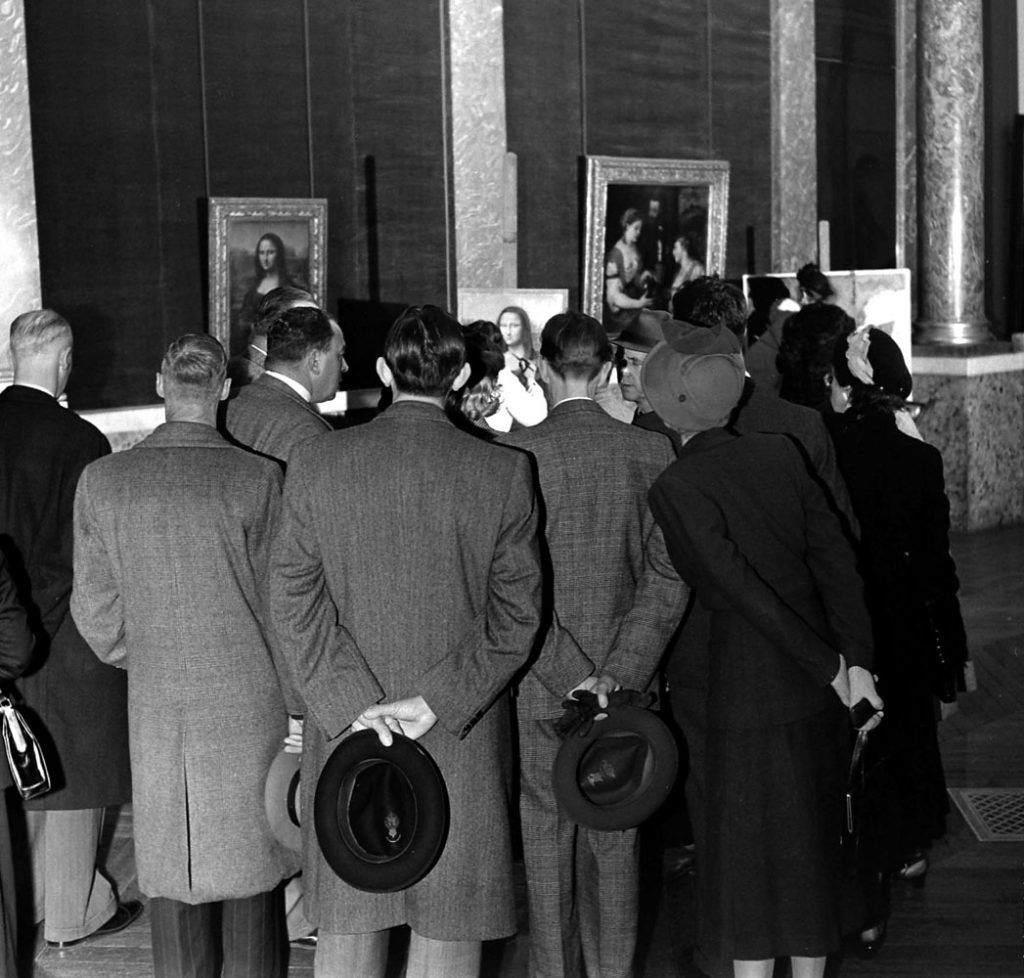
Standing at the heart of Paris, the Louvre is more than a museum — it is a living monument to power, beauty, and the human imagination. Once a medieval fortress, then a royal palace, today it is the most visited art museum in the world, where masterpieces such as Leonardo’s Mona Lisa and Delacroix’s Liberty Leading the People share space with Egyptian sarcophagi, Greco-Roman sculptures, and Islamic art.
Shop The Louvre companion pieces here.

History
The story of the Louvre stretches back to the late 12th century, when King Philippe Auguste built it as a fortress to protect Paris. Its defensive walls still survive in the lower levels. Over the centuries, monarchs transformed it into a palace, from François I’s Renaissance interventions to Louis XIV’s grand expansions before he moved his court to Versailles.
The French Revolution turned the palace into a public museum in 1793, democratizing access to royal collections. Since then, the Louvre has grown into a repository of global treasures, its collections enriched by acquisitions, gifts, and restitutions.
Architecture
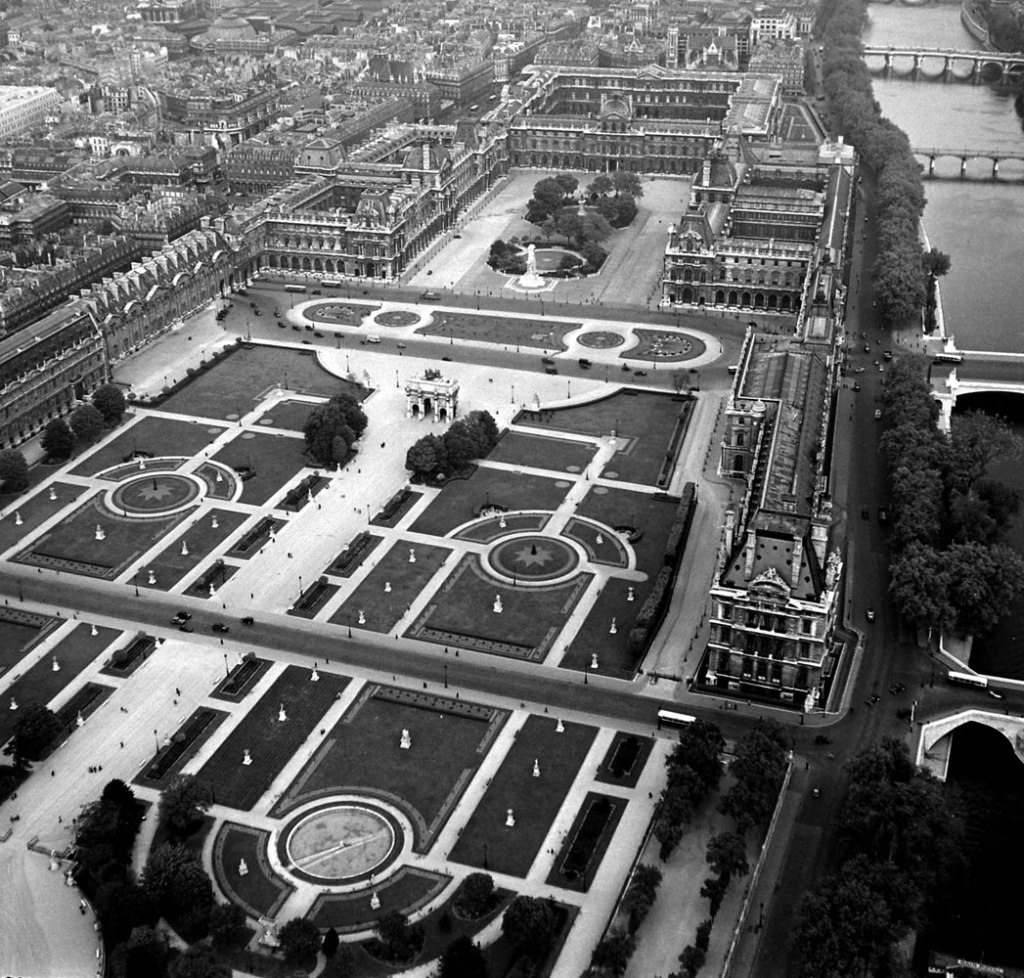
The Louvre is an architectural palimpsest, with layers that reveal France’s shifting styles and political eras.
- Medieval foundations: visible in the Sully Wing.
- Renaissance & Baroque expansions: the Lescot Wing and later grand façades.
- 19th century additions: Napoleon III’s expansions, including the lavish Richelieu Wing and ornate interiors.
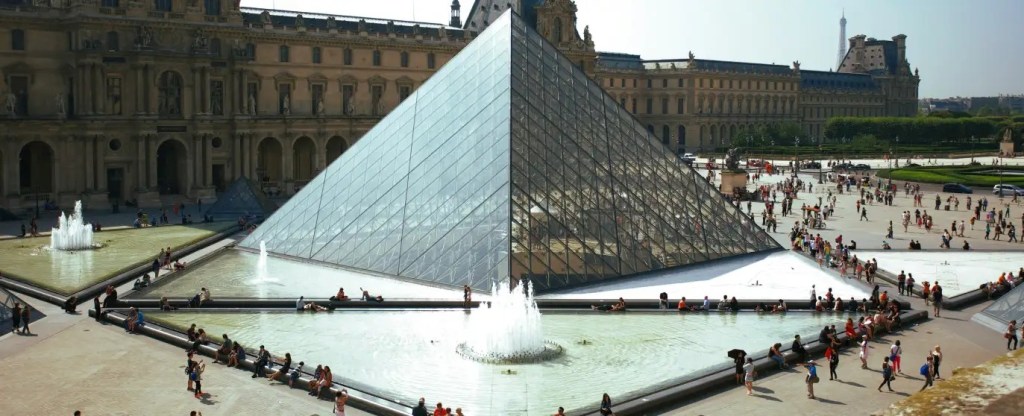
- Modern interventions: I.M. Pei’s glass pyramid (1989), a bold and controversial insertion, now an icon of Paris itself.
The Collection
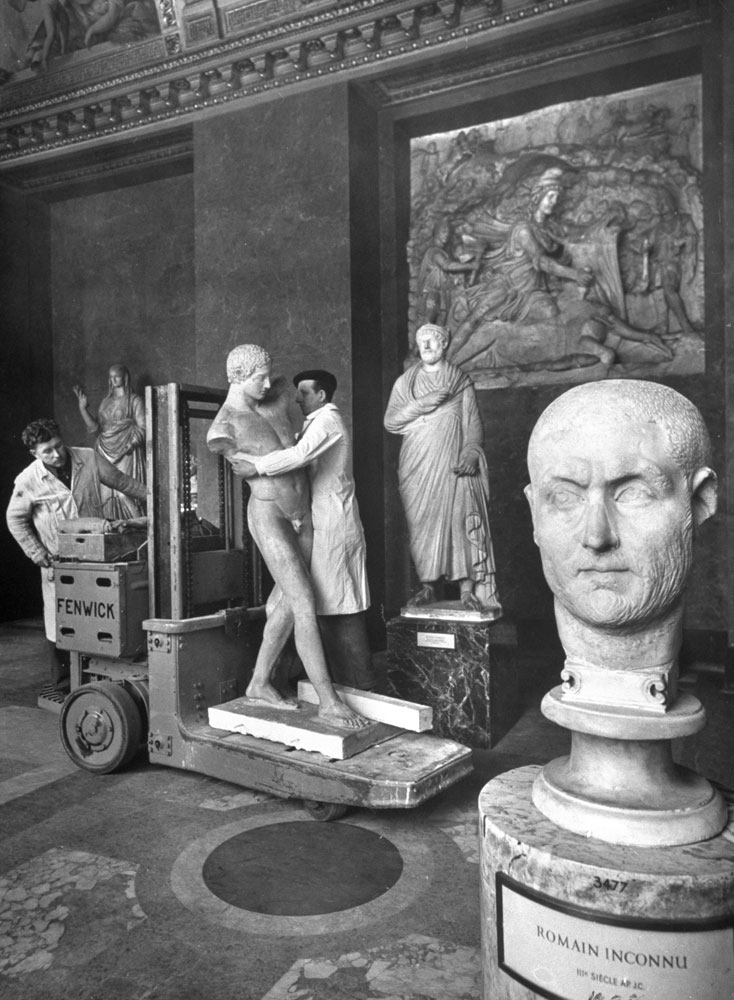
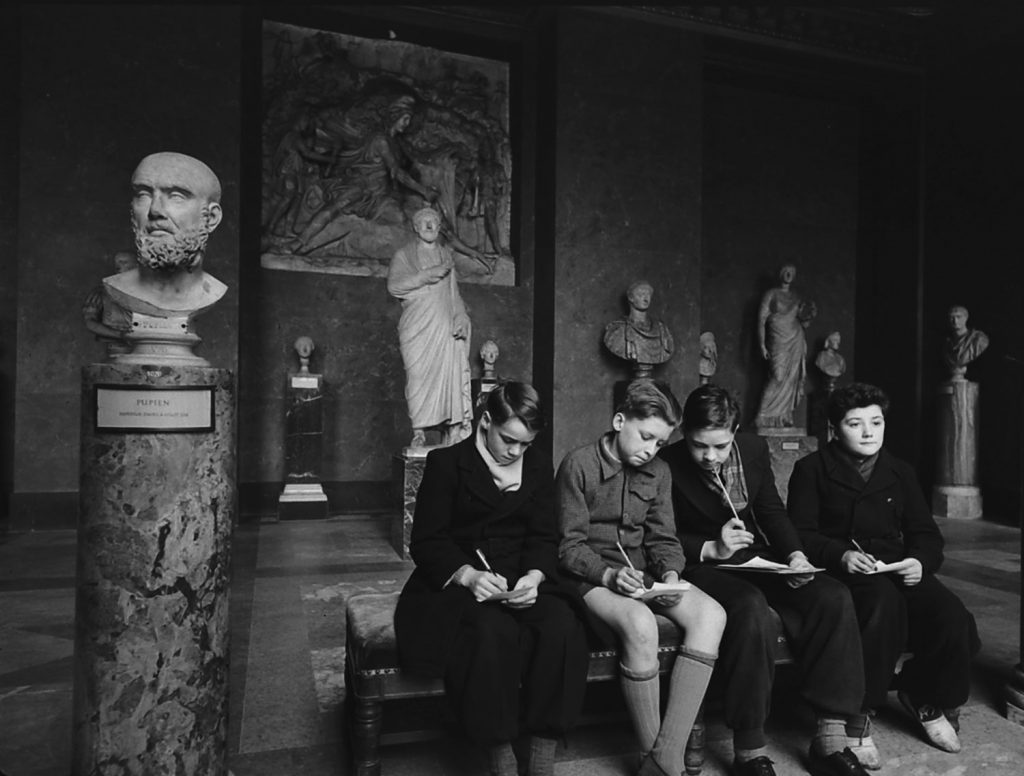
The Louvre’s collection spans over 9,000 years of history, from Mesopotamian artifacts to 19th-century French painting. It is organised into eight departments across the Denon, Sully, and Richelieu wings.
Highlights include:
- Mona Lisa by Leonardo da Vinci
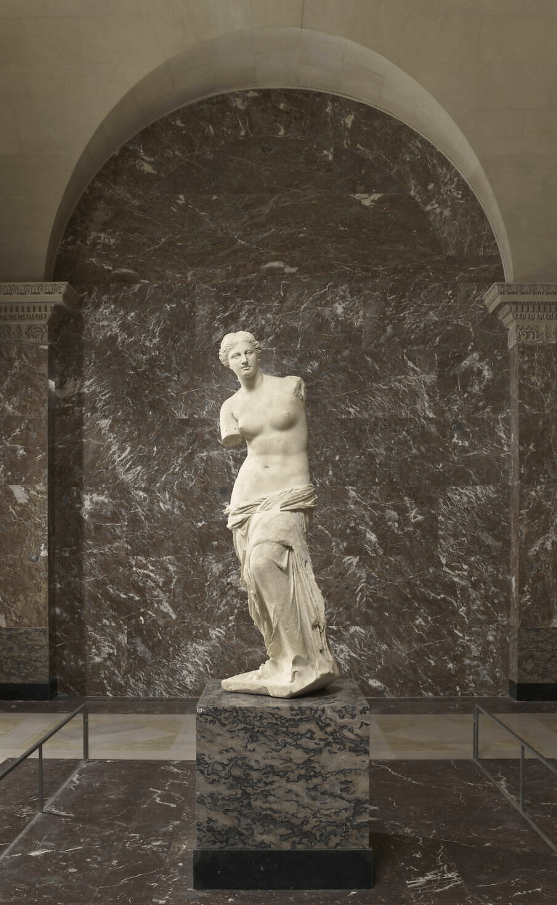
- Venus de Milo
- Winged Victory of Samothrace
- Liberty Leading the People by Eugène Delacroix
Beyond these icons, the Louvre rewards deeper exploration: Egyptian antiquities, Islamic art, decorative arts, prints and drawings, and entire period rooms transported into the museum.
Visiting
The Louvre can be overwhelming in scale, so strategy is key. Decide in advance whether to see the famous highlights or to wander a particular wing. Guided tours and audio guides enrich the experience, and even the courtyards and cafés invite moments of pause. Visiting on weekday mornings or late afternoons can help avoid the largest crowds.
Visitor Details:
| What | Details |
|---|---|
| Address | Musée du Louvre, Rue de Rivoli, 75001 Paris, France |
| Opening hours | 9:00 AM–6:00 PM Monday, Thursday, Saturday, Sunday; open until 9:00 PM on Wednesday & Friday; closed Tuesdays |
| Tickets | General admission €22; free for under-18s, and under-26 residents of the EEA; time-slot booking recommended |
| Entrances | Pyramid (main), Carrousel du Louvre, Porte des Lions, Passage Richelieu |
| Closed | Tuesdays; also 1 January, 1 May, 25 December |
| Amenities | Free WiFi, cloakrooms, cafés/restaurants, bookshops, accessibility for visitors with reduced mobility |
| Official site | louvre.fr |
TL;DR
The Louvre is not just a collection of art objects; it is Paris itself, layered in stone and paint. Its galleries reflect centuries of taste and power, its pyramid a reminder that modernity and tradition can coexist. To step into the Louvre is to step into a story still being written — where past and present meet beneath the glass and stone of one of the world’s greatest cultural landmarks.
 My World of Interiors