

Palm Springs is more than a desert escape; it is a cultural phenomenon. A place where Hollywood glamour collided with avant-garde architecture, where Sinatra and Monroe lounged beside turquoise pools, and where mid-century modernism found its spiritual home. Today, with its celebrated Modernism Week and thriving creative community, Palm Springs continues to reinvent itself — proof that this desert oasis is as timeless as it is trend-setting.
Palm Springs in our Amazon store
Origins: Healing Desert Air
The story begins with the Agua Caliente Band of Cahuilla Indians, who inhabited the area for thousands of years, making use of its hot mineral springs. In the late 19th and early 20th centuries, the dry desert air drew health seekers looking for cures to respiratory ailments. Modest sanatoriums and guesthouses appeared, foreshadowing Palm Springs’ later reputation as a wellness retreat.

Hollywood Arrives
By the 1920s, the town’s destiny shifted. Bound by studio contracts that kept them within 100 miles of Los Angeles, stars began flocking to Palm Springs for both privacy and proximity. Greta Garbo, Clark Gable, Carole Lombard, and Cary Grant all made the desert their playground. Palm Springs became synonymous with escape — a place where the silver screen elite could live their lives off camera.

Sinatra and the Rat Pack Era
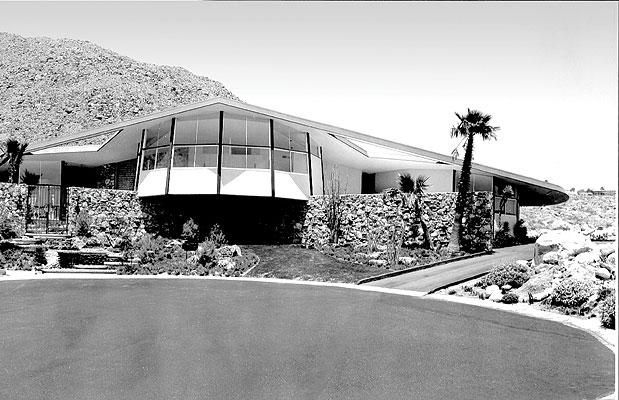
No single figure cemented Palm Springs’ golden age quite like Frank Sinatra. In 1947, he commissioned architect E. Stewart Williams to design Twin Palms, a low-slung modernist house with a piano-shaped pool. The home became the Rat Pack’s desert headquarters, where Sinatra, Dean Martin, and Sammy Davis Jr. entertained with the kind of charisma only Palm Springs could stage.

Elizabeth Taylor honeymooned here, Elvis and Priscilla Presley had their “Honeymoon Hideaway,” and Marilyn Monroe spent time in a now-legendary bungalow. For two decades, Palm Springs was Hollywood’s desert annex — equal parts glamour, secrecy, and spectacle.
The Rise of Mid-Century Modern
The 1940s through the 1970s were Palm Springs’ design zenith. Architects such as Richard Neutra, Albert Frey, Donald Wexler, William Krisel, and John Lautner transformed the desert into a laboratory for mid-century modernism.
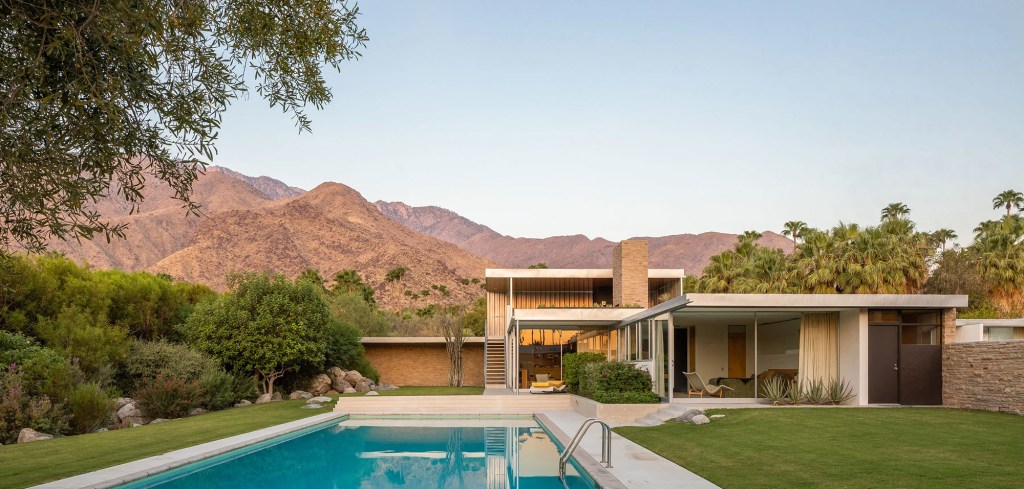
Glass walls dissolved boundaries between indoors and outdoors. Butterfly roofs, breeze block walls, and steel-frame construction redefined desert living. Iconic houses like the Kaufmann Desert House (Neutra, 1946) and mass-produced Alexander tract homes democratized design, while hotels such as the Del Marcos (Frey, 1947) embodied a new vision of leisure.
Palm Springs was no longer just a retreat — it was an aesthetic movement.

Decline and Renewal
By the 1970s and ’80s, tastes shifted. Some Hollywood royalty decamped elsewhere, tourism waned, and many modernist homes slipped into disrepair. Yet the desert had resilience in its bones.
From the 1990s onward, preservationists, designers, and a new wave of residents revived Palm Springs’ architectural treasures. Restored villas, boutique hotels, and design-conscious development breathed fresh life into the city. What had once been forgotten was rediscovered as treasure.

Palm Springs Today: Design Capital of the Desert
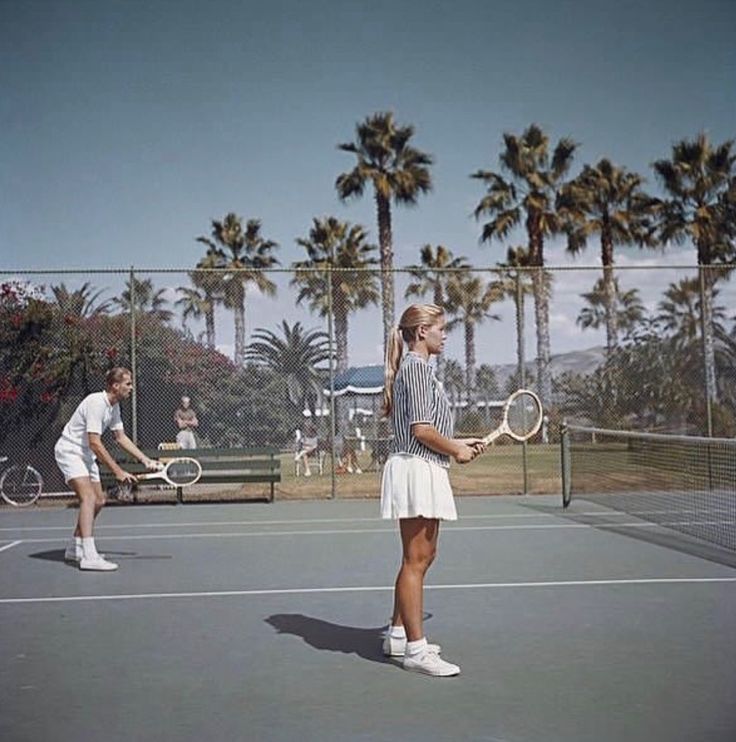
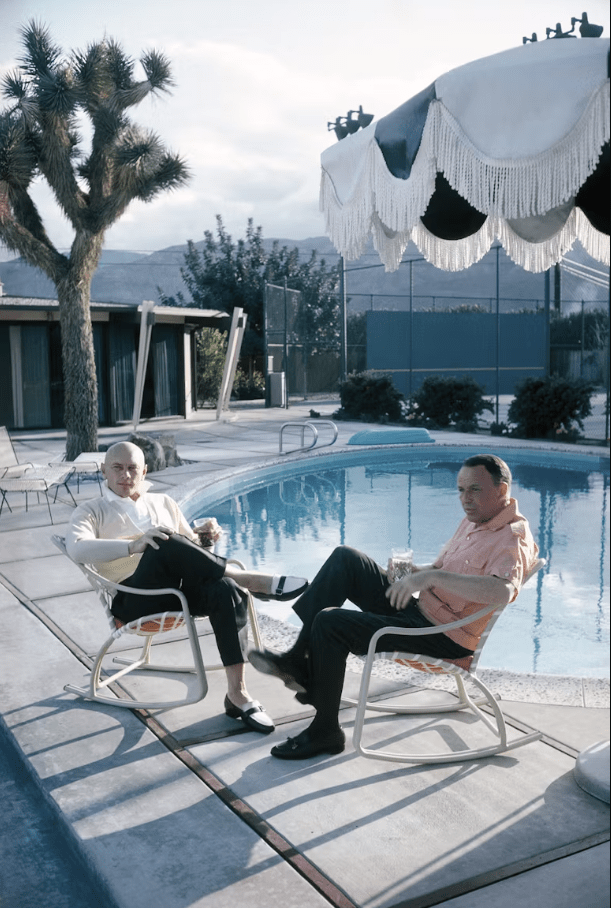
Today, Palm Springs is celebrated not just for its sunshine but as a global hub for design and culture. Its annual Modernism Week, held each February, draws thousands of architects, historians, and enthusiasts for home tours, lectures, and exhibitions. Slim Aarons’ glamorous poolside photographs find new life in Instagram feeds, while interiors by Jonathan Adler and other designers nod to the city’s playful, colorful aesthetic.
Beyond design, Palm Springs thrives with art galleries, music festivals, film events, and wellness retreats, proving its ability to constantly reinvent itself without ever losing its desert magic.
Palm Springs Timeline: From Springs to Style
- Pre-colonial era: Agua Caliente Band of Cahuilla Indians inhabit the region, revered for its hot mineral springs.
- 1880s–1910s: Health seekers arrive; sanatoriums and guesthouses appear.
- 1920s–30s: Hollywood stars discover Palm Springs; it becomes a glamorous desert retreat.
- 1946: Richard Neutra designs the Kaufmann Desert House, a landmark of modernist architecture.
- 1947: Frank Sinatra’s Twin Palms is completed, ushering in the Rat Pack era.
- 1950s–60s: Boom years for mid-century modern homes, Alexander tract developments, and stylish hotels.
- 1970s–80s: Tourism declines; many modernist properties fall into neglect.
- 1990s–2000s: Preservation efforts spark a revival; boutique hotels and restorations attract new visitors.
- 2006–present: Modernism Week becomes an annual fixture, securing Palm Springs’ status as an international design destination.
If You Go: Palm Springs Essentials
Stay
- The Parker Palm Springs – Jonathan Adler’s playful interiors, retro-chic gardens, and desert glamour at its best.
- L’Horizon Resort & Spa – A restored 1952 William Cody masterpiece, perfect for design purists.
- Korakia Pensione – A bohemian, Moroccan-inspired retreat tucked into the desert landscape.
See
- Kaufmann Desert House (by Richard Neutra) – Tours during Modernism Week; an icon of desert modernism.
- Sunnylands Estate – Former home of Walter and Leonore Annenberg; a modernist masterpiece with public gardens and guided tours.
- Palm Springs Art Museum Architecture & Design Center – Exhibits on desert modernism housed in a mid-century bank building.
Do
- Modernism Week – House tours, lectures, exhibitions, and parties celebrating mid-century architecture.
- Palm Springs International Film Festival – Hollywood glamour returns to the desert.
- VillageFest – Night market downtown with food, art, and local culture.
Eat & Drink
- Melvyn’s at Ingleside Inn – A Rat Pack hangout still serving cocktails in vintage style.
- Workshop Kitchen + Bar – Industrial-chic dining in a 1926 movie theater.
- Cheeky’s – Brunch with a design-savvy crowd.
A City That Always Reinvents Itself
Palm Springs has lived many lives: indigenous homeland, wellness refuge, Hollywood hideaway, Rat Pack playground, modernist capital, and, today, a global design mecca. Its story is written in stucco villas, glass façades, turquoise pools, and desert mountains that frame every view.
What makes Palm Springs extraordinary is not just its history but its ability to continually adapt — to remain glamorous, relevant, and utterly unique. Whether you come for the sunshine, the architecture, or the legacy of Sinatra and Monroe, Palm Springs is still what it has always been: the desert’s most enduring stage.
Books on Palm Springs:
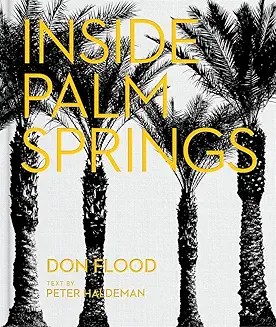
Inside Palm Springs Hardcover – 11 Nov. 2025
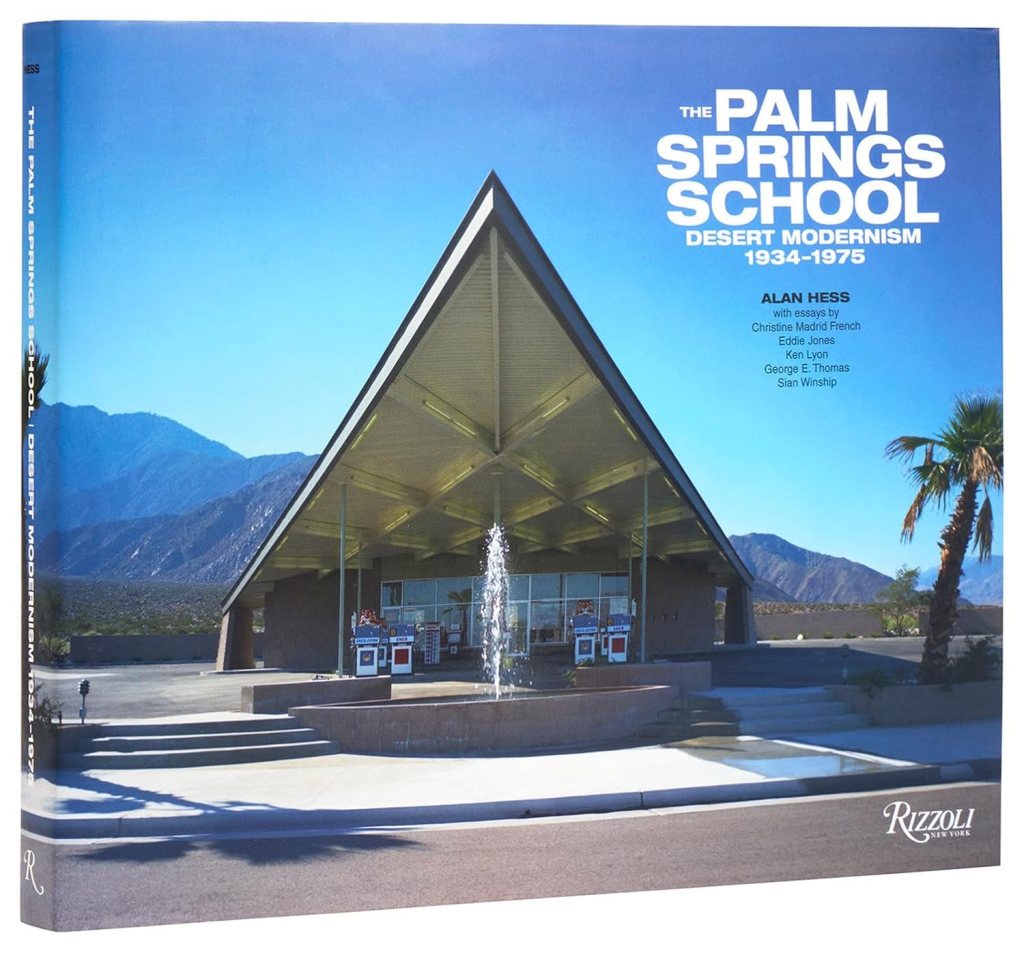
The Palm Springs School: Desert Modernism 1934-1975 Hardcover – 11 Feb. 2025
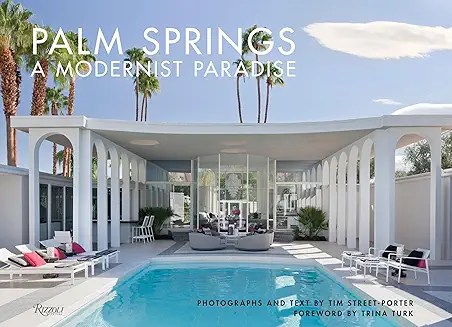
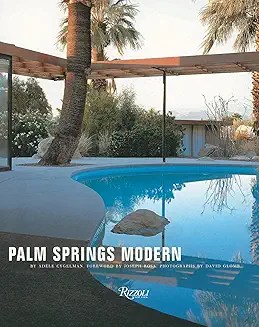
Palm Springs: A Modernist Paradise Hardcover – Illustrated, 6 Feb. 2018
 My World of Interiors