
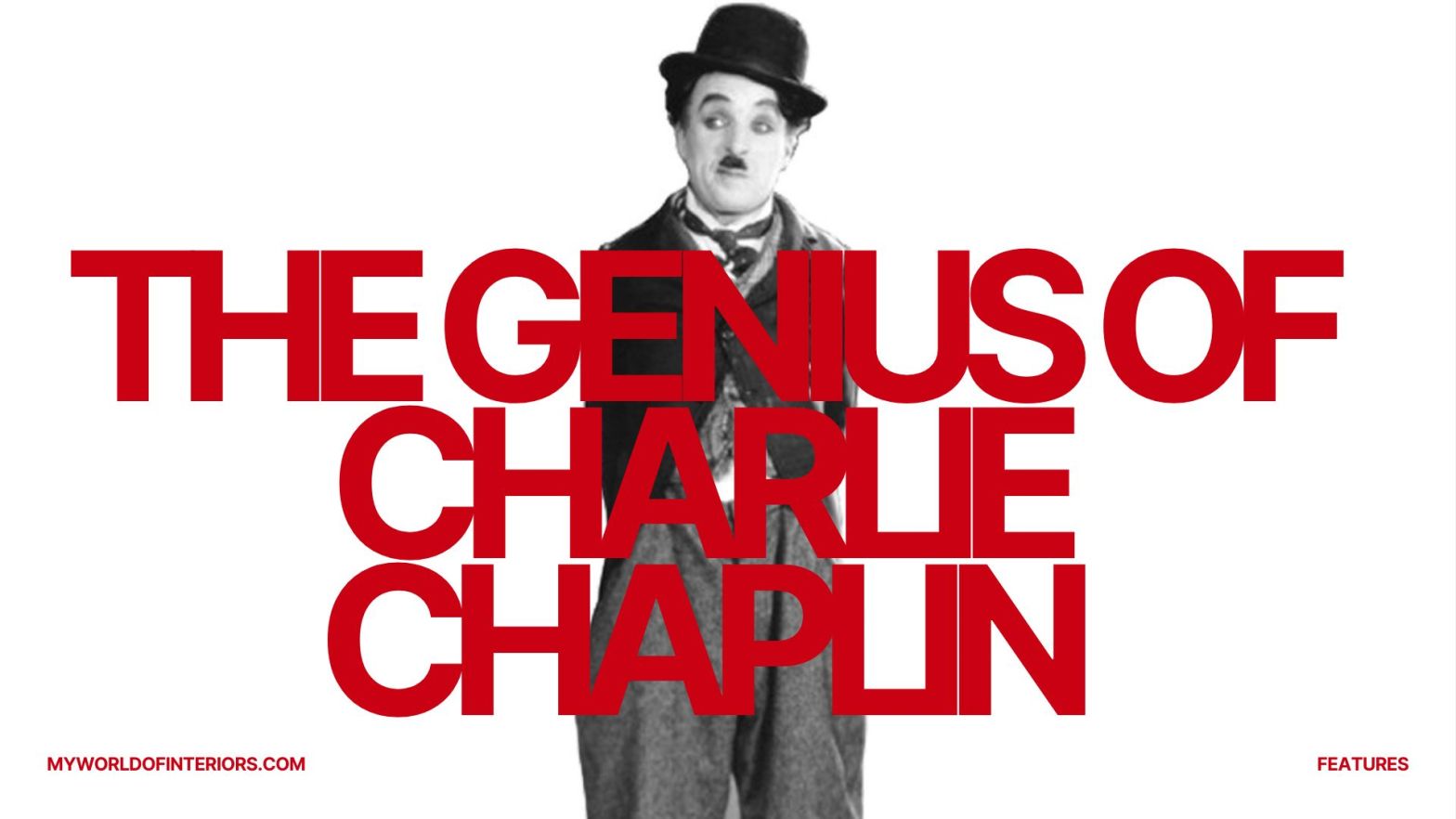
Charlie Chaplin was more than the most famous face of the silent era; he was the cinema’s first moralist. Through his alter ego, the Tramp — bowler hat, cane, and shuffle — Chaplin created not just a comic archetype but a lens through which the 20th century learned to look at itself. His films, with their blend of slapstick and sentiment, laughter and indignation, insist that humor and morality are inseparable.
The Birth of the Tramp
Born in London in 1889 to struggling music-hall performers, Chaplin grew up in poverty, often spending time in workhouses when his mother was institutionalized. That Dickensian childhood — deprivation, precarity, resilience — became the foundation of his art. When he joined Mack Sennett’s Keystone Studios in 1913, he quickly fashioned a character unlike any other: the Tramp.
At once ridiculous and dignified, shabby yet gallant, the Tramp became Chaplin’s vessel for exploring social inequities. The cane was a prop for pratfalls, but it was also a sword of justice; the bowler hat marked him as a gentleman in aspiration, if not in fact.
Comedy as Moral Inquiry
Chaplin’s genius was to embed a moral code inside the machinery of comedy. In The Kid (1921), the Tramp cares for an abandoned child, elevating slapstick into melodrama and insisting on the dignity of the marginalized. City Lights (1931) is one of cinema’s purest fables of love and sacrifice: the Tramp, impoverished, endures humiliation and hardship to help a blind flower girl regain her sight.
These films embody a radical ethic: compassion for the vulnerable, skepticism of power, and faith in the resilience of the outsider. Chaplin never sermonized; instead, he showed morality in action, disguised as comedy.
Satire and Resistance
In the 1930s, Chaplin turned explicitly to social critique. Modern Times (1936) lampooned industrial capitalism — the Tramp trapped in assembly lines, swallowed by machines, unable to keep pace with mechanization. Released during the Depression, it was a moral allegory about dignity in the face of dehumanization.
The Great Dictator (1940) was even bolder: a direct satire of Adolf Hitler, released before the United States had entered World War II. Chaplin, who bore a physical resemblance to the dictator, played both a Jewish barber and the tyrant Adenoid Hynkel. The film’s final speech — Chaplin dropping character to deliver a plea for peace, democracy, and human solidarity — remains one of cinema’s most explicit moral appeals.
Life and Controversy
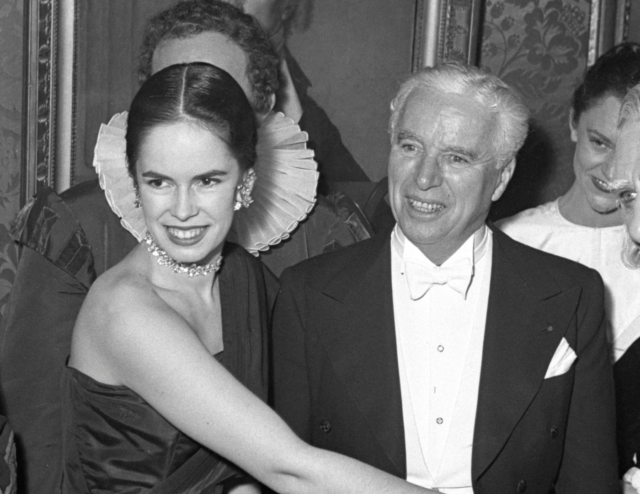
Chaplin’s own life complicated his image as moralist. He was accused of hypocrisy: the champion of the downtrodden living in extraordinary wealth; the humanist dogged by accusations of arrogance, womanizing, and scandal. His politics — unapologetically leftist, outspoken against fascism — led to persecution during the McCarthy era. In 1952, while traveling to Europe, Chaplin was barred from re-entering the United States. He settled in Switzerland, effectively exiled until 1972, when he returned to receive an honorary Oscar.
Legacy and Influence
Chaplin’s films endure not only for their technical brilliance but for their ethical clarity. He proved that cinema could be a moral art without being didactic, that comedy could bear the weight of conscience. His influence is visible in the pathos of Jacques Tati, the satire of Mel Brooks, the humanism of Roberto Benigni, even the physical comedy of Rowan Atkinson’s Mr. Bean.
More profoundly, Chaplin helped define the moral imagination of film itself. The Tramp remains a universal figure: poor but proud, foolish but wise, powerless but dignified. He embodies the conviction that laughter is a weapon against despair, and that compassion is the highest form of courage.
10 Essential Chaplin Films
A guide to Chaplin’s enduring moral and comic universe:
1. The Kid (1921)
A blend of slapstick and sentiment, where the Tramp raises an abandoned child. Cinema’s first great tragicomedy.
📖 Watch on Criterion Channel
2. The Gold Rush (1925)
Chaplin’s most famous silent feature: hunger, love, and resilience in the Klondike, including the iconic “bread roll dance.”
📖 Watch on Criterion Channel
3. The Circus (1928)
The Tramp, mistaken for a clown, finds work in a circus — a meditation on performance and love’s disappointments.
📖 Watch on Criterion Channel
4. City Lights (1931)
A masterpiece of silent cinema released in the sound era, where love for a blind flower girl transcends humiliation and poverty.
📖 Watch on Criterion Channel
5. Modern Times (1936)
A critique of industrialization, where the Tramp is swallowed by machines. Political satire disguised as slapstick.
📖 Watch on Criterion Channel
6. The Great Dictator (1940)
Chaplin’s first talking film: a fearless satire of fascism and an unforgettable plea for peace.
📖 Watch on Criterion Channel
7. Monsieur Verdoux (1947)
A darkly comic tale of a man who marries and murders women for their money — Chaplin’s moral critique of capitalism itself.
📖 Watch on Criterion Channel
8. Limelight (1952)
Chaplin’s late-career meditation on fame and failure, with Buster Keaton in a rare co-starring role.
📖 Watch on Criterion Channel
9. A Woman of Paris (1923)
Chaplin’s atypical drama (he does not star), showcasing his range as director. Subtle, sophisticated, and overlooked.
📖 Watch on Criterion Channel
10. A King in New York (1957)
Chaplin’s satirical response to McCarthyism, filmed in exile — both bitter and sharp.
📖 Watch on Criterion Channel
Chaplin’s Code
What moral code did Chaplin write into cinema? That the poor are not to be pitied but respected. That power must always be mocked. That love, however fragile, redeems suffering. And that comedy, at its deepest, is a form of justice.
Nearly a century after The Kid or City Lights, Chaplin’s films still move audiences to both laughter and tears. In an age where spectacle often drowns sincerity, his work reminds us that cinema’s greatest role may be to hold a mirror to the world — not simply to reflect it, but to insist on its capacity for kindness.
 My World of Interiors