

A pair of Levi’s jeans has travelled from the gold mines of California to the catwalks of Paris, worn by miners, rebels, movie stars, and presidents alike. Levi’s is not just a brand—it is a cultural shorthand, a symbol of rugged Americana and global style, both practical and aspirational at once.
Origins in the Gold Rush
The story begins in 1853, when Bavarian immigrant Levi Strauss arrived in San Francisco during the Gold Rush. He founded a dry goods business supplying fabric and clothing to miners and settlers. In 1873, working with tailor Jacob Davis, Strauss patented a pair of riveted denim trousers, designed to withstand the hard labour of prospectors.
These first “waist overalls” were made of sturdy canvas and later blue denim, reinforced with copper rivets at points of strain. They were not fashion but function: clothes to survive work, dirt, and time. Yet in their simplicity lay the seed of an icon.
The 501 and the Birth of a Classic
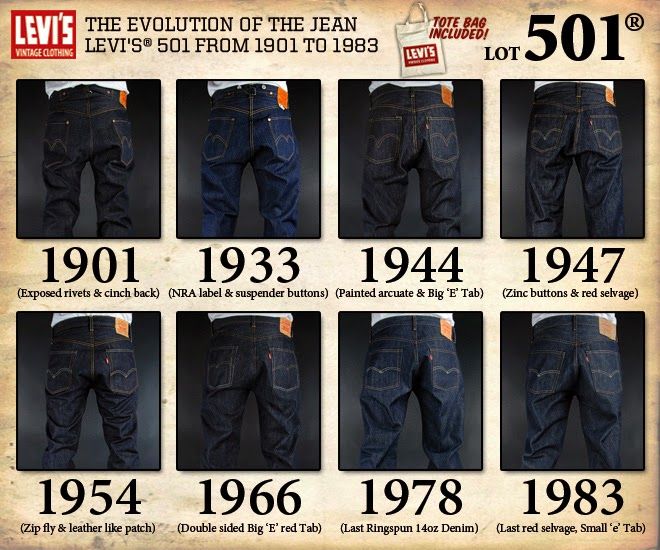
The most famous of all Levi’s designs is the 501, first produced in the late 19th century and evolving into the blueprint of modern jeans. With its button fly, straight leg, and signature leather patch, the 501 became a kind of democratic uniform.
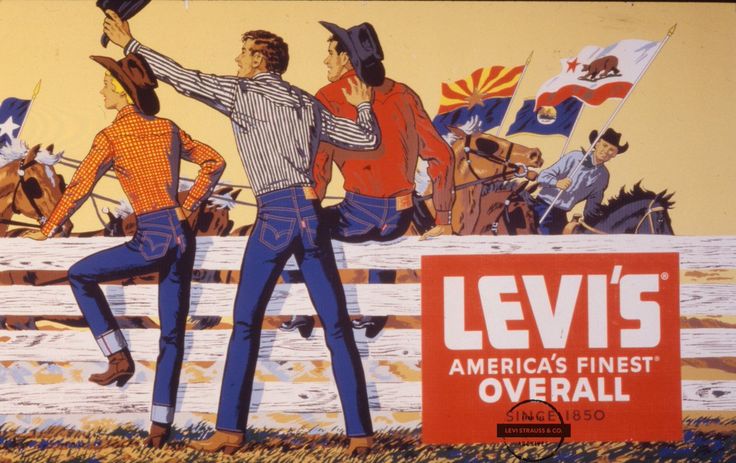
By the 1920s and 30s, cowboys, farmers, and labourers across America wore Levi’s. Hollywood Westerns of the 1940s—starring John Wayne and Gary Cooper—glamourised denim as part of the frontier myth. Levi’s had become more than workwear; they were Americana stitched into fabric.
From Rebels to Rock Stars
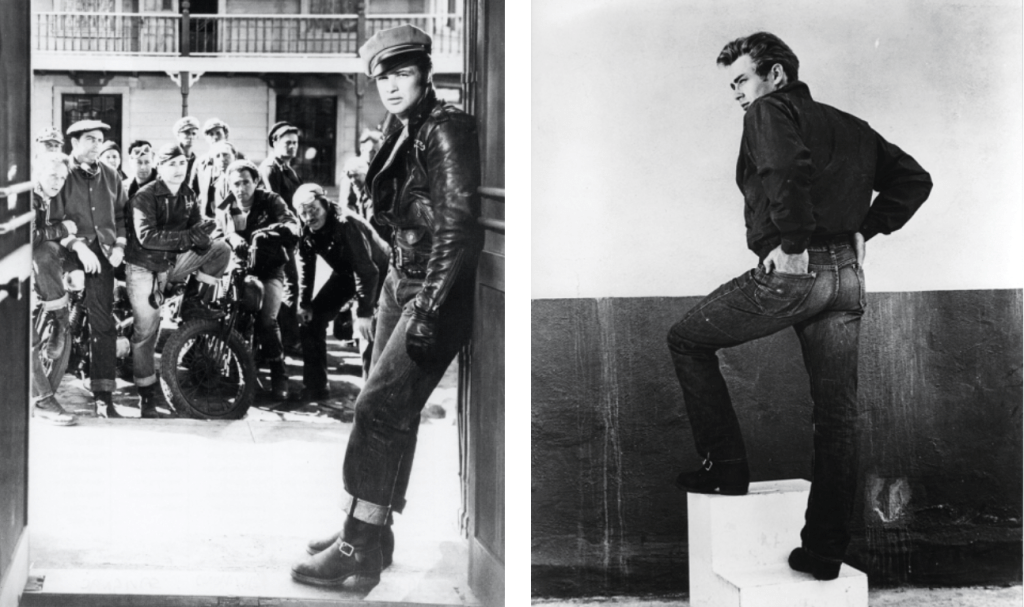
The postwar decades transformed Levi’s from utility to symbol. James Dean in Rebel Without a Cause (1955) wore jeans as the costume of teenage rebellion. Marlon Brando, Brigitte Bardot, Marilyn Monroe: each lent Levi’s an aura of sex appeal and subversion.
By the 1960s and 70s, Levi’s were on the streets with protesters, students, and counterculture movements. Faded, frayed, patched and personalised, a pair of jeans became a canvas for identity. Musicians from Bob Dylan to The Rolling Stones turned them into the unofficial uniform of rock and roll.
Global Style and Designer Influence
As Levi’s spread globally, their identity shifted again. In Europe, the jeans became aspirational—a symbol of American freedom. In the Soviet Union, they were smuggled and sold on the black market at exorbitant prices.
By the 1980s and 90s, Levi’s had become both mass-market staple and fashion darling. Designers such as Calvin Klein and Versace borrowed the silhouette, while Levi’s itself collaborated with figures in music and style. Iconic advertising campaigns—from Nick Kamen stripping in a laundrette to black-and-white shots of rugged Americana—cemented the brand’s place in pop culture memory.
Reinvention and Sustainability
Today, Levi’s is both heritage and innovation. The 501 remains its beating heart, celebrated through anniversary editions and collaborations, but the brand has expanded into new fits and sustainable materials. Levi’s has invested heavily in water-saving techniques, recycled fibres, and eco-friendly production to secure its place in a more conscious fashion industry.
At the same time, the brand continues to trade on its mythology: Americana reimagined for a global audience, denim that is both timeless and adaptable. A pair of Levi’s is still the great equaliser—worn by all, claimed by all, endlessly reinvented.
The Symbol of Democracy in Style
Levi’s jeans embody a paradox: a humble work garment that became a universal symbol of rebellion, freedom, and cool. They have been worn to work, to war, to Woodstock, to Paris runways. They carry the patina of history but remain evergreen, forever associated with youth, effortlessness, and authenticity.
If Lacoste’s polo is shorthand for elegance on the court, Levi’s jeans are shorthand for democracy in style. Slip into a pair and you step into 150 years of history—one that continues to shape the way the world dresses today.
 My World of Interiors