
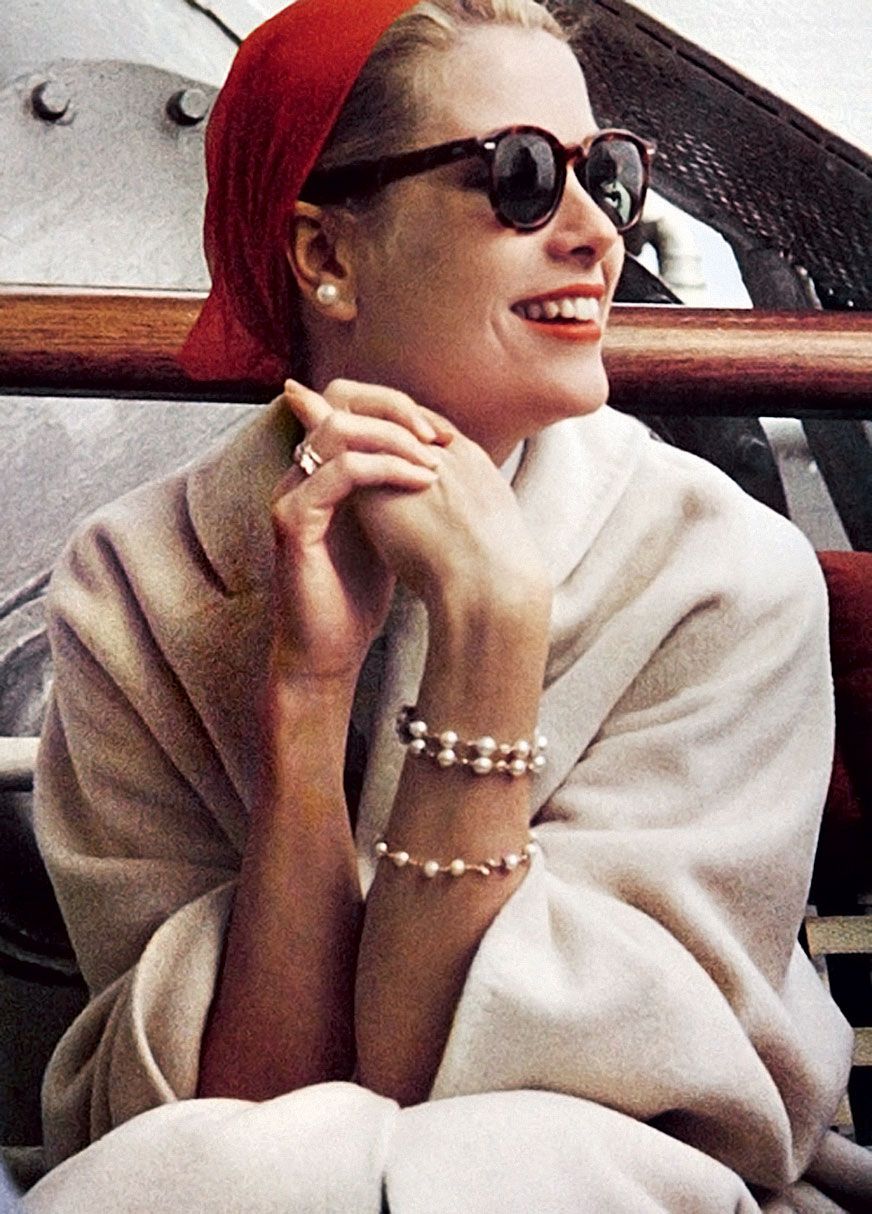
Grace Kelly remains one of the rare figures whose image has never faded. Actress, princess, and style icon, she embodied a refinement that was at once modern and timeless. From Hollywood soundstages to the palace of Monaco, her elegance was defined not by excess, but by restraint: clean lines, neutral palettes, and the quiet confidence of a woman who understood that simplicity is the highest form of glamour.
From Philadelphia to Hollywood
Born in 1929 into a wealthy Philadelphia family, Kelly was educated at convent schools before pursuing acting in New York. Her beauty was clear, but her ambition was matched by discipline. By 1951, she had signed with MGM, and within four years she had won an Academy Award for The Country Girl (1954).
Her screen persona was shaped by Alfred Hitchcock, who cast her in Dial M for Murder (1954), Rear Window (1954), and To Catch a Thief (1955). Hitchcock saw in her what few directors had: a paradox of ice and fire — the cool exterior of a blonde goddess concealing passion, wit, and intelligence.
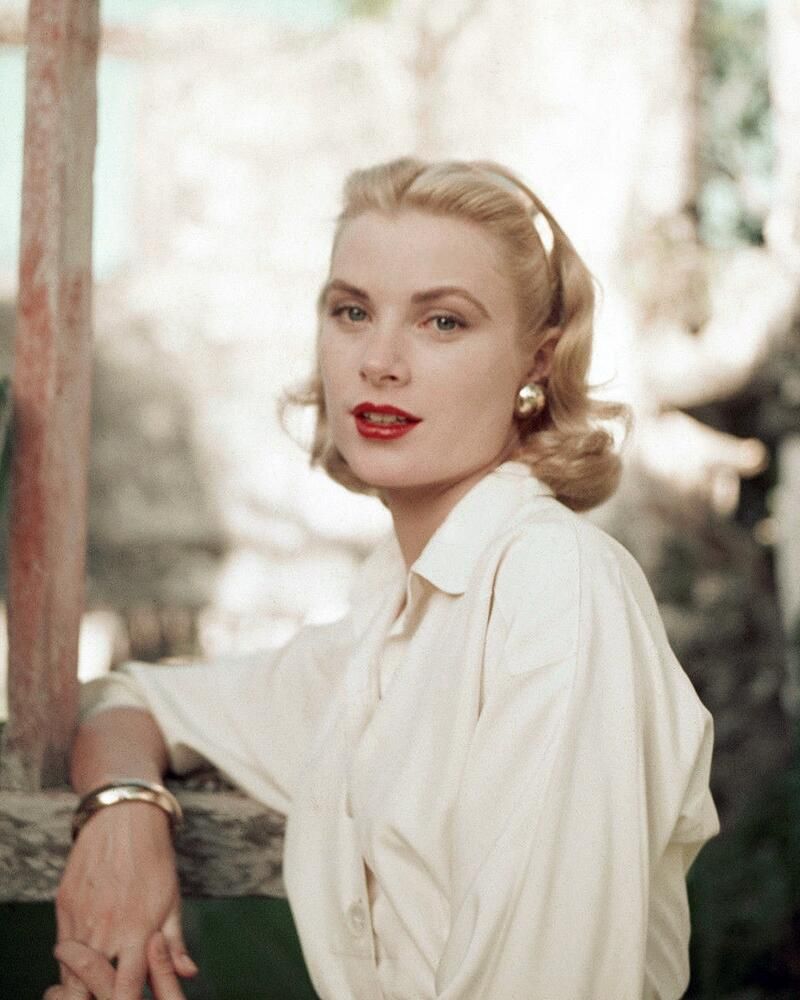
The Kelly Style
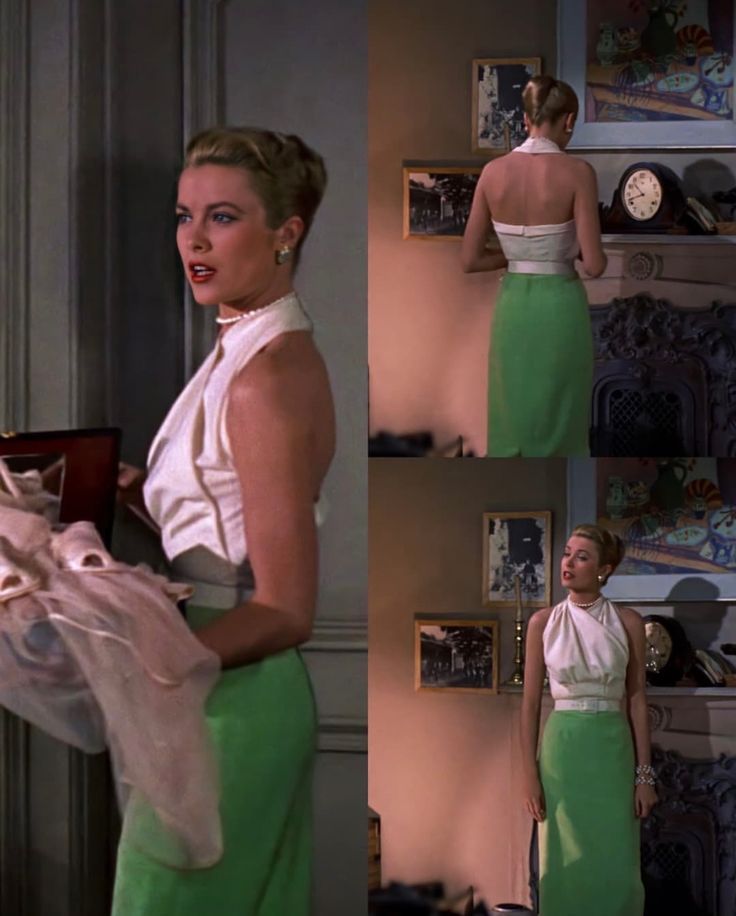
Grace Kelly’s wardrobe was the embodiment of American chic. She favoured tailored suits, crisp blouses, and dresses that skimmed rather than clung. She avoided frills, choosing instead geometric cuts, neutral colours, and simple accessories. She made pearls iconic, carried Hermès bags so consistently that the house renamed its Sac à dépêches the Kelly bag, and championed white gloves long after others abandoned them.
Her style was deliberate but never fussy, embodying an ideal of understated femininity that has remained influential for decades.
Princess of Monaco
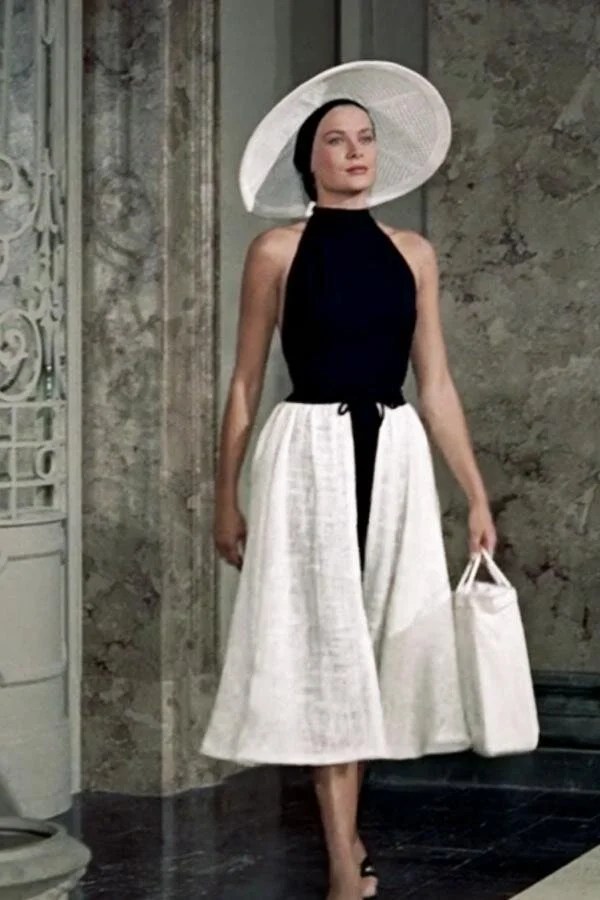
In 1956, Kelly married Prince Rainier III of Monaco, leaving Hollywood at the height of her career. The wedding — broadcast to millions — was itself a fashion event. Designed by MGM’s Helen Rose, her gown of silk taffeta, lace, and pearls remains one of the most imitated bridal dresses in history.
As Princess Grace, she redefined royal style, blending American practicality with European formality. She wore Dior, Balenciaga, and Givenchy with the same ease as she once wore Hitchcock’s costumes. Her public appearances balanced diplomacy with glamour, turning her into a global ambassador for both Monaco and style itself.
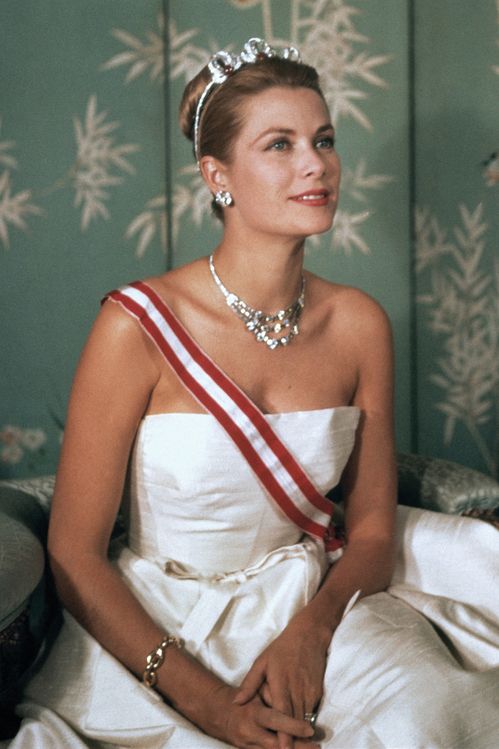
The Eternal Feminine
What makes Grace Kelly’s style enduring is its restraint. In an age of both Hollywood extravagance and postwar experimentation, she offered clarity. Her clothes never overshadowed her; they framed her. Designers from Hubert de Givenchy to Ralph Lauren, and later Carolina Herrera, have all cited her as a muse. In today’s culture of excess, her discipline reads as radical.
Legacy of Elegance
Grace Kelly died tragically in 1982 after a car accident in Monaco, but her image remains one of the most powerful in twentieth-century iconography. Photographs of her in crisp shirtdresses, silk scarves, or evening gowns still circulate as style touchstones. More than a princess, more than an actress, she remains the embodiment of elegance as an ethos: to be polished, poised, and precise in all things.

Five Style Principles of Grace Kelly
- The Kelly Bag
– Hermès renamed its structured leather handbag after her, cementing it as one of fashion’s most enduring accessories. - Pearls and Gloves
– Simple pearl necklaces and pristine gloves defined her accessories: timeless, minimal, ladylike. - Tailored Simplicity
– From fitted suits to clean-cut dresses, her wardrobe emphasised geometry over frill. - Bridal Influence
– Her 1956 wedding gown remains a global reference for bridal fashion: demure, intricate, yet regal. - Neutral Elegance
– Beige, white, navy, and pale pastels defined her palette, ensuring her clothes never aged with trends.
Five Films to Watch for Grace Kelly’s Style
- To Catch a Thief (1955)
– Riviera glamour in flowing gowns by Edith Head; her pale blue Grecian dress remains iconic. - Rear Window (1954)
– The perfect portrait of chic: cocktail dresses, casual daywear, and an aura of restrained sensuality. - Dial M for Murder (1954)
– Cool sophistication in tailored suits and elegant evening gowns. - High Society (1956)
– A final Hollywood performance: gowns, leisurewear, and bridal references foreshadowing her royal future. - The Country Girl (1954)
– A stripped-down performance and wardrobe that won her the Academy Award, proving her range extended beyond glamour.
Museums & Foundations
- The Princess Grace Foundation – Supports emerging artists in her name.
- Palais Princier de Monaco – Monaco’s royal residence, associated with her life as princess.
Books
- Grace: A Memoir – Personal reflections.
- Grace Kelly: Hollywood Dream Girl – Photographic survey of her style and career.
Design Legacy
- Hermès Kelly Bag – Still produced, still one of the most desired handbags in the world.
- Cartier Pearls – Jewellery that echoes her timeless aesthetic.
TL;DR
Grace Kelly’s elegance was not about extravagance but discipline: clean lines, pearls, Hermès bags, and Hitchcock-framed glamour. From Hollywood to Monaco, she embodied a style that remains eternal — poised, precise, and forever modern.
Check the story out on our newly launched YouTube channel too:
 My World of Interiors