

A country that keeps rebuilding its culture before it finishes rebuilding anything else There is a version of Beirut that exists mostly in retrospect — golden light, café terraces, a cosmopolitan capital briefly nicknamed the Switzerland of the Middle East. That version keeps reappearing in the culture discussed below, not as nostalgia exactly, but asContinue reading “The Culture Now: Lebanon”
Author Archives: My World of Interiors
Chapter 40: There’s Always Me

The boy doesn’t pick me up at the airport, Red West does, driving the boy’s new car. I giggle when I see it: a lavender Lincoln Premiere, similar to my old Cadillac. “He wanted to be here,” Red tells me. “But it’s mayhem around him these days.”I pretend to understand. “Well,” I say, “it’s goodContinue reading “Chapter 40: There’s Always Me”
The Fire This Time: John Coltrane and the Music That Changed Everything

He played saxophone with the intensity of a man trying to resolve, through sound alone, questions that language could not reach. He was thirty years old before anyone noticed. He was forty when he died. In between, he remade jazz so completely that the music has never fully recovered — or needed to. There isContinue reading “The Fire This Time: John Coltrane and the Music That Changed Everything”
The Culture Now: Iran
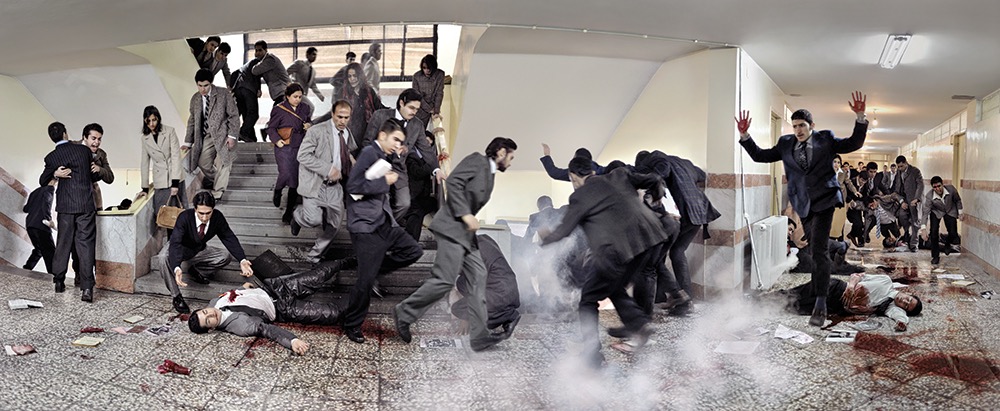
In a country reshaped by war, censorship and exile, art has become the nearest thing to a free press There is a particular kind of vertigo that comes from trying to describe a culture at the exact moment it is happening. The historian has the comfort of distance; the critic reviewing a single film orContinue reading “The Culture Now: Iran”
A House in the Trees: Kristen Wiig’s Modernist Pasadena Retreat
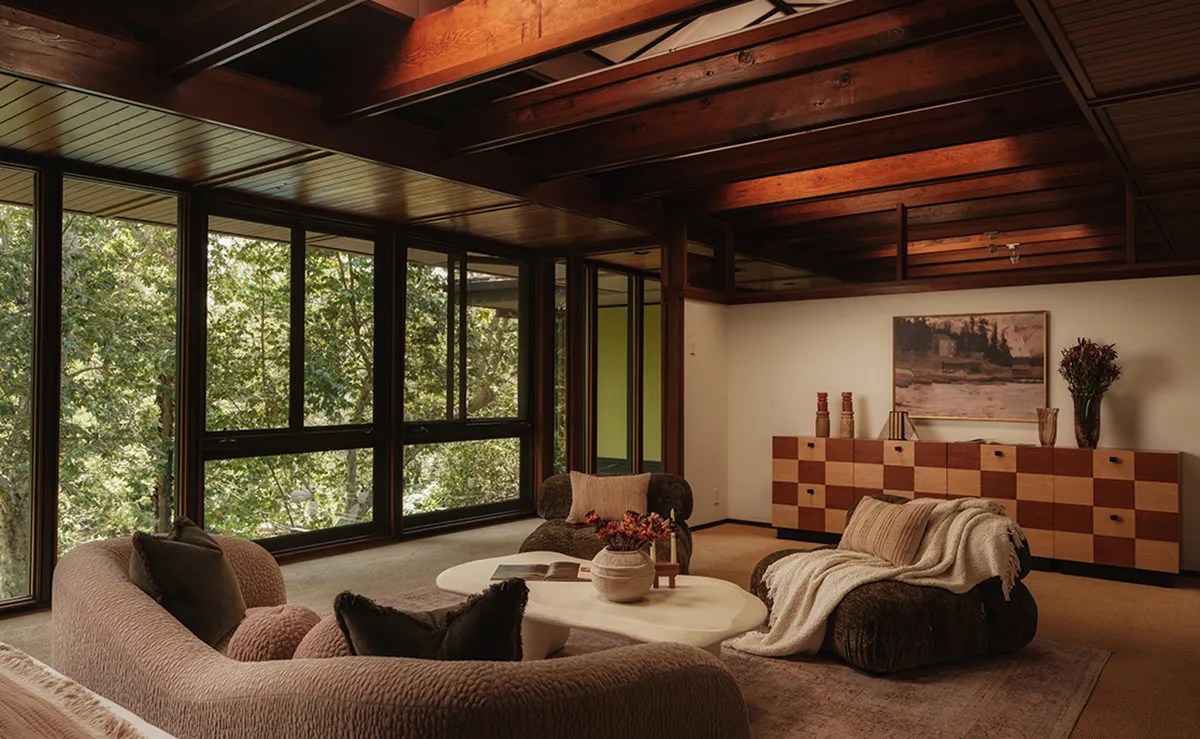
954 Hillside Terrace, Pasadena, California There are houses that impress by arriving loudly, and others that seem to have grown into their site by degrees. The house at 954 Hillside Terrace in Pasadena belongs to the latter category: a 1965 mid-century residence folded into the trees of the San Rafael neighbourhood, where architecture, landscape andContinue reading “A House in the Trees: Kristen Wiig’s Modernist Pasadena Retreat”
Chapter 39: Summertime

The coursework is getting harder, so I’m being kept busy, and I can’t wait for summer to arrive. There are highlights, too. I go up to see Topper at Harvard when I can, and I visit Cornelia at Radcliffe as well. She’s found herself a boyfriend, a cute, scatterbrained boy with a soft heart andContinue reading “Chapter 39: Summertime”
Difficult Men: The Heroes of the Brontë Novels and What We Have Made of Them
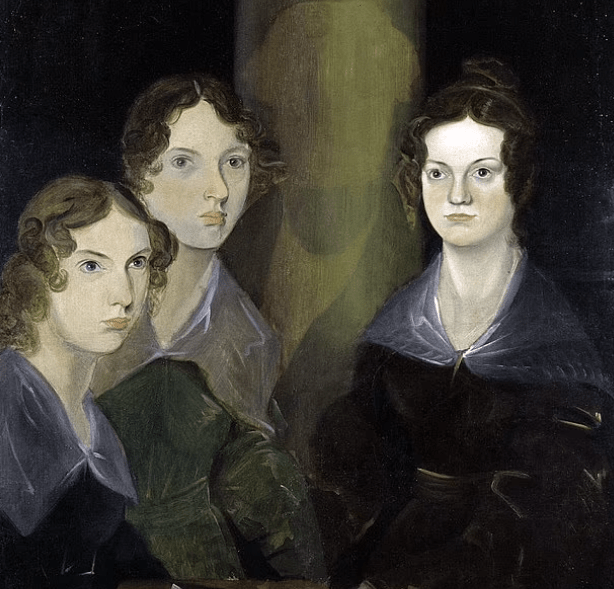
Rochester broods. Heathcliff rages. Huntingdon drinks. The men of the Brontë novels have been romanticised for nearly two centuries. It may be time to look at them more carefully. By Bergotte There is a moment in Jane Eyre that readers have been arguing about since 1847. Edward Rochester, master of Thornfield Hall, has just revealedContinue reading “Difficult Men: The Heroes of the Brontë Novels and What We Have Made of Them”
Chapter 38: Trying to Get to You

Texas, 10 April 1956 Dear Birdsong, I’m flying around the country for personal appearances. I can’t begin to tell you about it, so I won’t! But I can promise you one thing: if you’re back with Miss Mary for your birthday this year, I will be too. I miss you, but you don’t seem toContinue reading “Chapter 38: Trying to Get to You”
The Human Condition According to Homer
By Bergotte There is a moment in the twenty-fourth book of the Iliad that has no real parallel in world literature. Priam, the aged king of Troy, has crossed enemy lines in the dark, slipped past the Greek sentinels, and entered the tent of Achilles — the man who killed his son, who dragged thatContinue reading “The Human Condition According to Homer”
Chapter 37: Rowan Oak
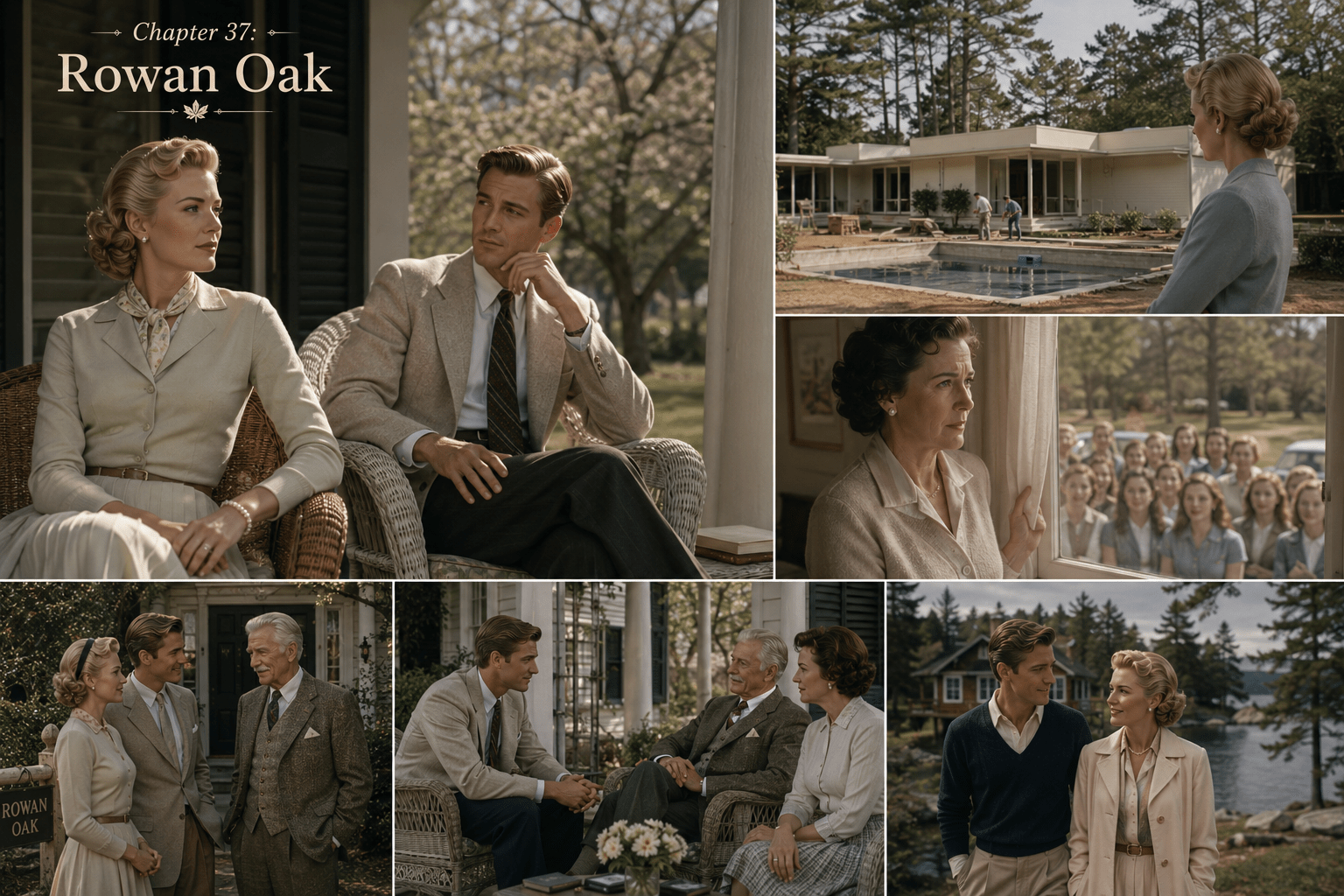
I bring Topper to the South for Easter in 1956. The boy is in Los Angeles, so we don’t see him. It feels strangely empty to be back home without him here. On Easter Sunday, he’s in San Diego for the Milton Berle Show. I drive over to visit his parents and see their newContinue reading “Chapter 37: Rowan Oak”

