
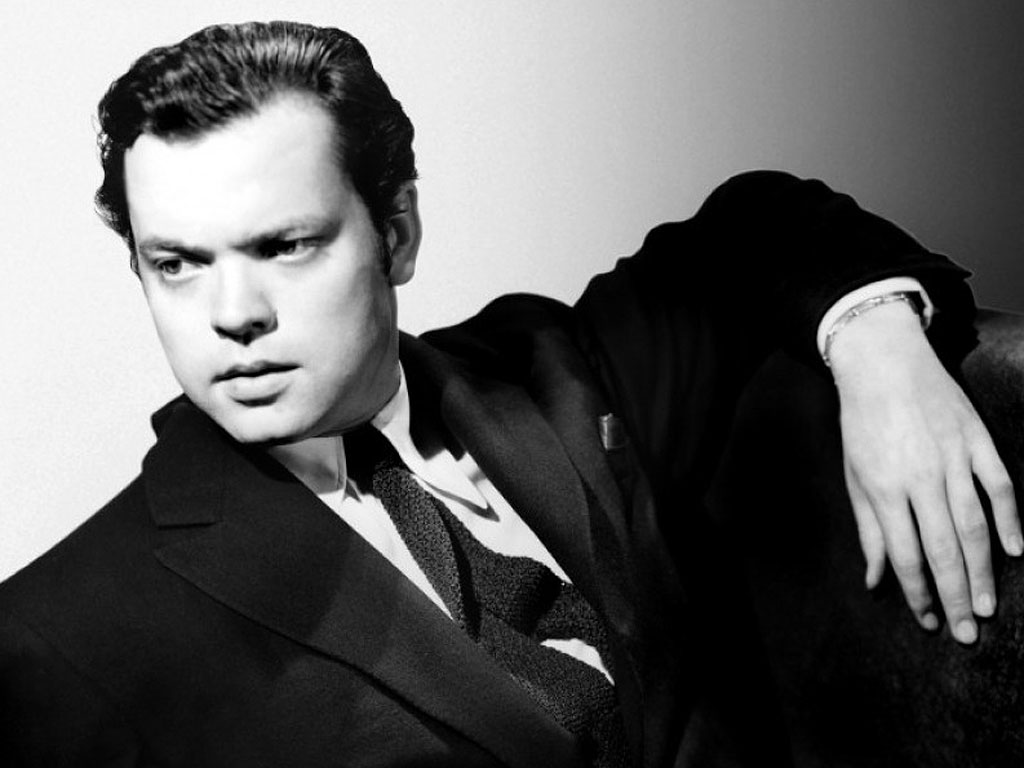
Orson Welles was only 25 when he altered the trajectory of modern filmmaking. His 1941 debut, Citizen Kane, arrived as a thunderclap—an audacious blend of narrative innovation, technical daring, and psychological depth. To understand Welles is to trace the restless genius of a man who straddled radio, theater, and film with equal authority, a prodigy who refused to be constrained by convention.
Welles’s genius lay not merely in his imagination, but in his ability to make imagination tangible. He approached cinema as a total art form, folding sound, light, and narrative into an architectural whole. The bravado of his early years—staging Macbeth with an all-Black cast in Harlem at 20, terrifying America with his War of the Worlds broadcast at 23—spilled into his films, which treated the screen as a laboratory of possibility.
Yet genius often courts paradox. Welles was lionized for his originality, but punished for his independence. Hollywood never forgave his refusal to play by its rules. After Citizen Kane, studio executives routinely recut his films, diminishing his output but never his stature. He became, in the public imagination, both the boy wonder and the tragic exile: a man whose brilliance was undeniable, yet whose battles with commerce left him perpetually unfinished.
His legacy is perhaps best understood through two of his defining works—one he directed, one he starred in—that reveal both the breadth of his artistry and the contradictions of his career.
Citizen Kane: The Thunderclap
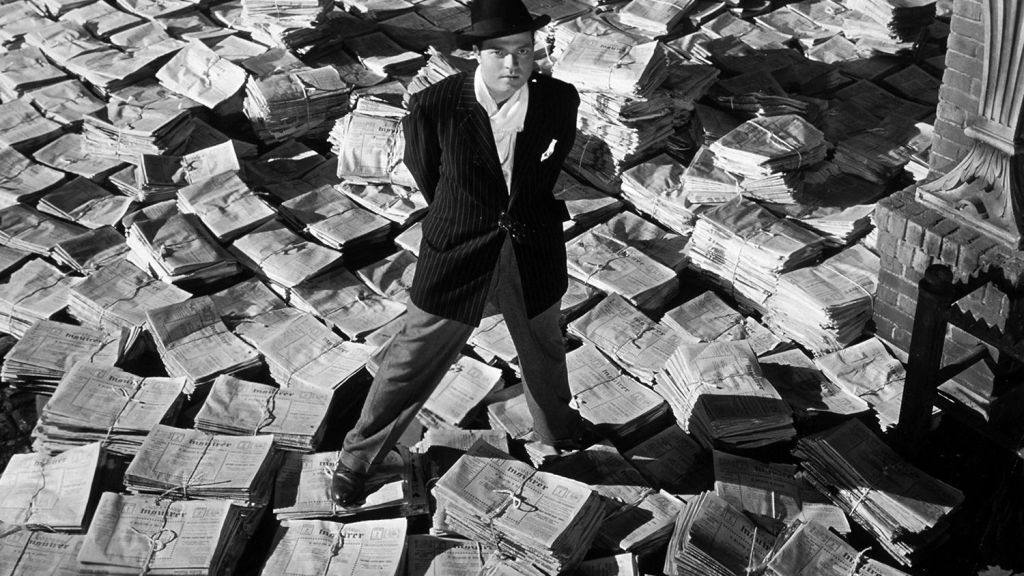
When Citizen Kane premiered in 1941, critics recognized at once that cinema had been transformed. Welles and cinematographer Gregg Toland deployed deep focus, chiaroscuro lighting, and dizzying camera angles to tell the story of Charles Foster Kane, a titan modeled after William Randolph Hearst. The film’s structure—fragmented, shifting through multiple unreliable narrators—was revolutionary. It asked not what Kane was, but how memory and perspective refract truth.
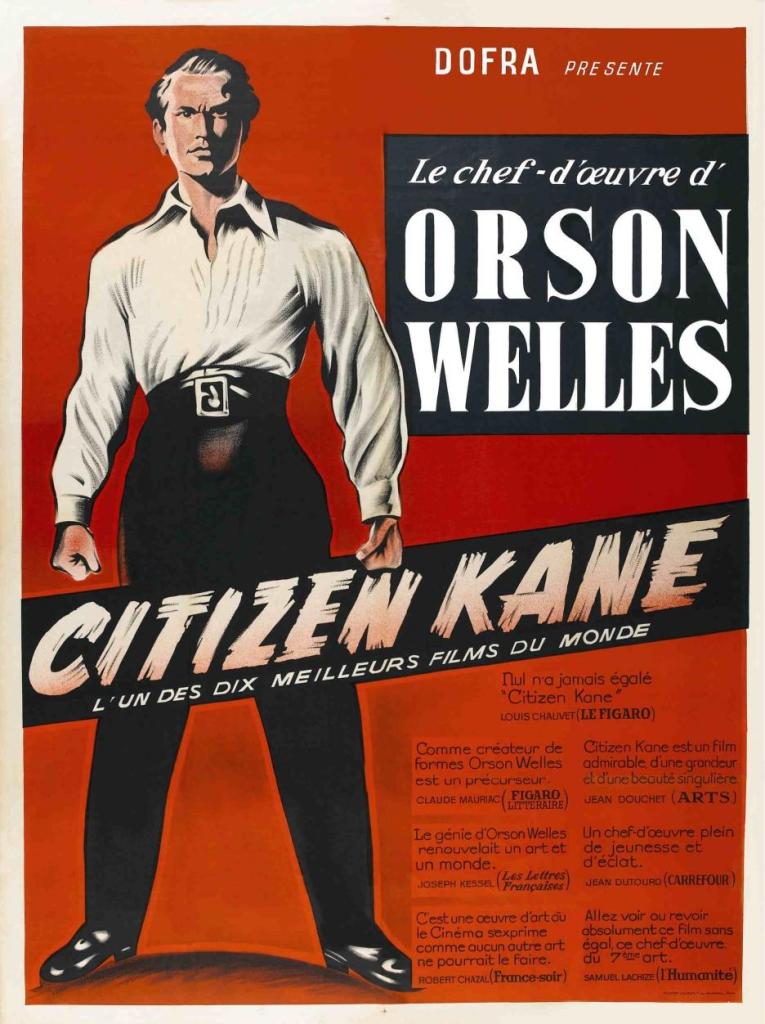
What astonishes, still, is the audacity. Welles, with no prior filmmaking experience, staged ceilings on sets to force low-angle shots, pioneered overlapping dialogue, and dared to fracture chronology. The film became both a technical manual for modern cinema and a philosophical inquiry into power, loneliness, and the limits of legacy.
Its commercial reception was muted, partly because Hearst suppressed it, but its afterlife has been monumental. Generations of filmmakers—from François Truffaut to Martin Scorsese—cite it as the single most influential film ever made. Citizen Kane remains a Rosetta Stone for cinema: endlessly studied, never exhausted.
The Third Man: The Actor in the Shadows
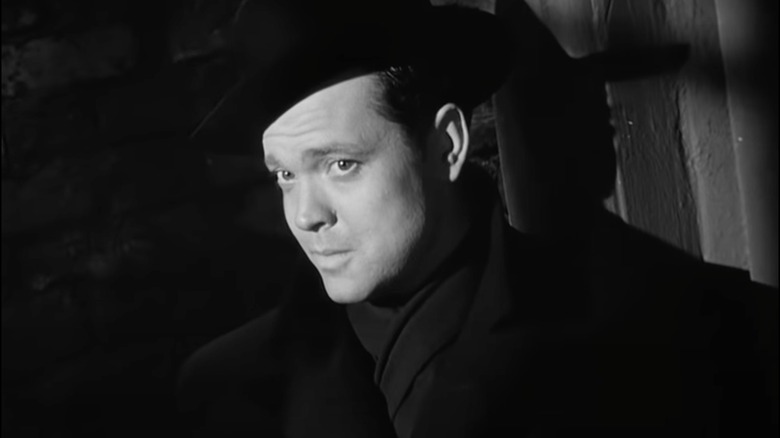
If Citizen Kane made Welles a director’s legend, The Third Man (1949) cemented him as an actor whose presence could eclipse a film even in limited screen time. Directed by Carol Reed and written by Graham Greene, the postwar noir unfurls in a Vienna of shadows, betrayal, and moral ambiguity. Welles plays Harry Lime, a charismatic racketeer whose black-market penicillin trade leaves children maimed and dying.
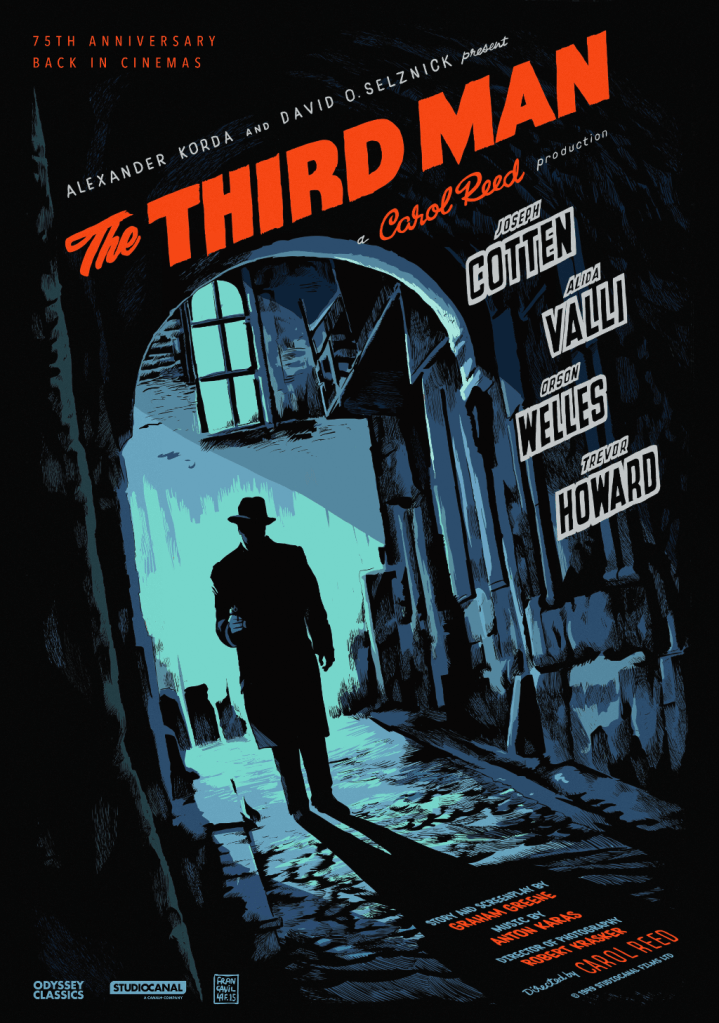
Lime appears only briefly, but his entrance—emerging from a doorway as a cat brushes against his feet, revealed in a sudden shaft of light—remains one of cinema’s great reveals. With his sly charm, quicksilver grin, and eventual monologue atop the Ferris wheel (“In Italy for thirty years under the Borgias… they produced Michelangelo, Leonardo da Vinci and the Renaissance. In Switzerland they had brotherly love… and they produced the cuckoo clock.”), Welles transformed villainy into something magnetic, almost seductive.
As with Kane, Welles redefined expectations. Here, he distilled moral complexity into a single figure, embodying the collision of charm and corruption in a ruined world. The Third Man survives not only as a noir classic, but as a testament to Welles’s power to command the screen even when he wasn’t in the director’s chair.
The Unfinished Giant
Orson Welles’s later years were marked by unrealized projects and fragmented triumphs—Othello (1951), Chimes at Midnight (1965), the long-gestating The Other Side of the Wind, finally completed posthumously in 2018. His reputation swung between neglect and veneration, exile and rediscovery.
And yet, through the smoke of frustration and myth, his genius is clear. He remade cinema into a medium of infinite possibility. He showed that film could mirror memory, capture moral ambiguity, and bend time itself.
Welles remains cinema’s great paradox: a man both destroyed by and immortalized within the system he defied. His legacy is not only in the films he made, but in the generations of filmmakers who dared, like him, to reinvent the medium.
 My World of Interiors