
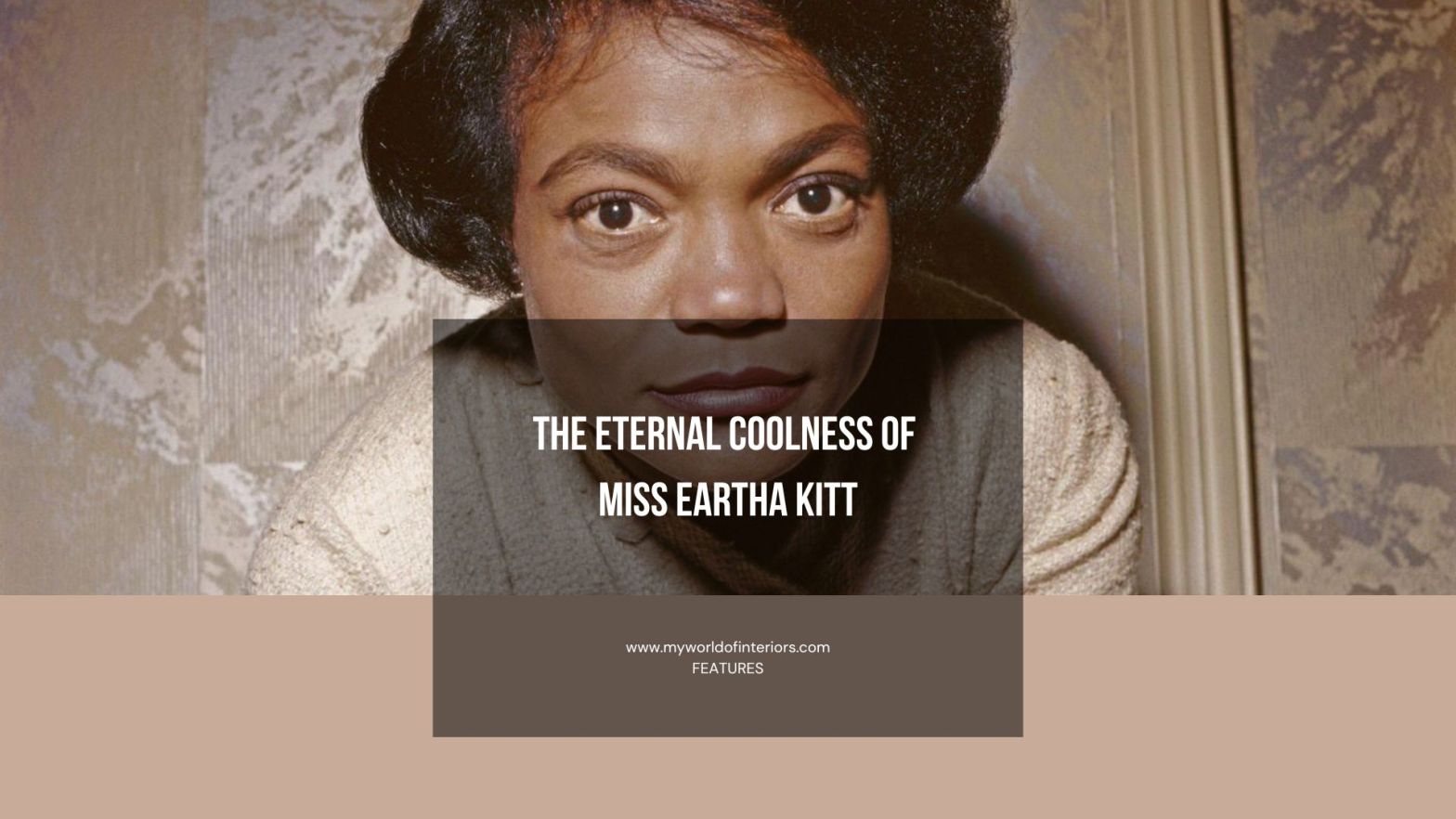
Eartha Kitt never fit into a category. She purred, she prowled, she sang, she danced, she acted, she provoked. To call her a singer, actress, or dancer is inadequate; she was an auteur of persona, a master of the stage who transformed each performance into a commentary on race, gender, and desire. Her genius lay not only in her voice — sharp, feline, inimitable — but in her ability to craft an identity that unsettled the norms of mid-20th-century America and Europe.
She was an outsider who made outsiderness glamorous. Born into poverty in South Carolina in 1927, of mixed Black and Cherokee heritage, Kitt endured abandonment, abuse, and hardship. Yet she turned vulnerability into voltage. From the cabarets of Paris to the stages of Broadway, from Catwoman in Batman to her unforgettable anti-Vietnam speech at the White House, Kitt remained defiant. What she offered audiences was not simply entertainment but a performance of resistance — masked in glitter, delivered with wit, wrapped in an unmistakable voice that could shift from silken seduction to searing satire.
From Cotton Fields to Cabaret
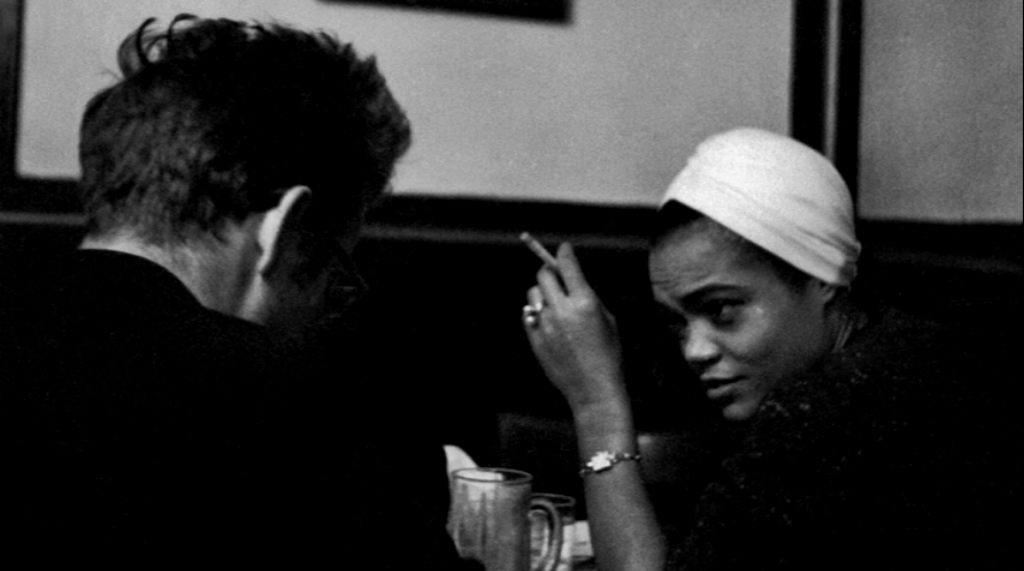
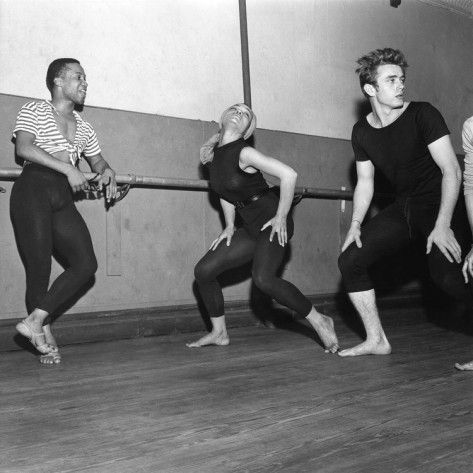
Kitt’s life was a testament to reinvention. She began in poverty so severe that she picked cotton as a child, lived with relatives who treated her cruelly, and ran away to New York as a teenager. Her break came when she joined Katherine Dunham’s dance troupe in the 1940s, touring the world and discovering Paris — a city that would become her sanctuary.
In Parisian cabarets she learned to command an audience with her eyes, her phrasing, her stillness. Unlike singers who relied on vocal pyrotechnics, Kitt wielded precision: a pause, a half-smile, a sudden growl. She could turn “C’est Si Bon” or “I Want to Be Evil” into ironic arias, songs that mocked as much as they seduced. In a Europe fascinated by American jazz and exotica, she became an overnight sensation, a woman who embodied both sophistication and danger.
The Voice: Playful, Dangerous, Unmistakable
Kitt’s genius as a performer resided in her voice. She did not have the range of an Ella Fitzgerald or the power of a Mahalia Jackson, but she had something rarer: an instantly recognizable timbre. Her sound was feline — the famous “purr” — yet it was also edged with mockery, a refusal to play sincerity straight.
In songs like “Santa Baby” (1953), she twisted the conventions of the holiday tune into something sly and transactional, her tone suggesting both satire and seduction. Audiences were never quite sure whether she was serious, and that uncertainty was her weapon. Kitt invented a vocal persona that was not passive but active, not an object of desire but its instigator.
Catwoman and the Politics of Desire
For many Americans, Kitt is indelibly remembered as Catwoman in the 1960s television series Batman. At a time when representation of Black women in mainstream media was narrow and often demeaning, Kitt’s Catwoman was unapologetically powerful, seductive, and in control. She was not a supporting character but a rival to Batman himself — a woman who wielded sexuality as strategy and play.
This role was radical. It gave audiences an image of Black femininity that was neither subservient nor peripheral. Catwoman was glamorous, witty, and fully aware of her own allure. In embodying her, Kitt turned a comic-book archetype into a cultural symbol of independence and defiance.
Outspokenness and Exile
Kitt’s refusal to play by the rules extended beyond the stage. In 1968, invited to a White House luncheon hosted by Lady Bird Johnson, she openly criticized the Vietnam War, declaring that American youth were rebelling because of the violence they faced at home and abroad. The comment shocked the establishment. President Johnson reportedly stormed out, and Kitt was unofficially blacklisted in the United States.
For nearly a decade, she performed primarily in Europe and Asia, her American career stifled. Yet exile only sharpened her legend. She became emblematic of the artist as truth-teller, someone who would risk livelihood rather than mute conviction. When she eventually returned to the American stage in the 1970s, audiences greeted her as both a survivor and a provocateur.
Later Years: Reinvention and Resilience
Far from fading, Kitt reinvented herself repeatedly. She recorded disco tracks in the 1980s, including the hit “Where Is My Man,” that introduced her to new generations. She performed one-woman shows well into her seventies, her voice still a whip of irony and fire. For younger audiences, she became a cult figure: a gay icon, a feminist muse, a performer whose refusal to soften her edges made her timeless.
Her late career also included voice acting — most memorably as the villain Yzma in Disney’s The Emperor’s New Groove (2000), where her comic timing and vocal eccentricities delighted a new generation. Even children who had never heard “Santa Baby” came to know that unmistakable sound.
Five Essential Eartha Kitt Moments
1. “Santa Baby” (1953)
Kitt’s satirical holiday hit, delivered with sly wit and playful irony, cemented her as a star with a sound like no other.
2. White House Speech (1968)
Her fearless critique of the Vietnam War cost her a career in the U.S. but defined her as an artist unafraid of truth.
3. Catwoman in Batman (1967–68)
An iconic role that challenged stereotypes of race and gender, giving mainstream television one of its first Black female anti-heroes.
4. Disco Comeback (1983)
Songs like “Where Is My Man” brought her to the dance floor, reintroducing her to a new generation as a queer and feminist icon.
5. Yzma in The Emperor’s New Groove (2000)
Her unforgettable vocal performance as Disney’s comic villain proved her relevance to yet another audience and highlighted her genius for reinvention.
The Genius of Eartha Kitt
Eartha Kitt’s genius lay not only in her artistry but in her capacity for reinvention. She was simultaneously cabaret chanteuse, Broadway star, film actress, political dissenter, gay icon, and cultural provocateur. Her work cut across genres and decades, but her identity was consistent: fiercely independent, resistant to definition, and unwilling to conform.
She embodied contradictions. She was playful yet political, glamorous yet grounded, seductive yet subversive. Her voice — teasing, dangerous, unforgettable — was not only her instrument but her philosophy: never straightforward, always layered with irony and wit.
The Rebel Siren
Eartha Kitt died in 2008, on Christmas Day, at the age of 81. But her legacy is inexhaustible. She remains a touchstone for performers who refuse to compromise, for women and men who recognize that genius can be mischievous as well as profound.
In a career that spanned continents and decades, Kitt proved that performance could be resistance, that glamour could be critique, and that the outsider’s voice could become the sound of freedom itself.
She was, in her own words, “the original material girl” — but more than that, she was a genius of persona, a woman who turned every stage she touched into a site of both pleasure and provocation.
Eartha Kitt never merely entertained. She unsettled, she enchanted, and she reminded the world that the most radical thing an artist can do is to remain defiantly, unapologetically themselves.
 My World of Interiors