
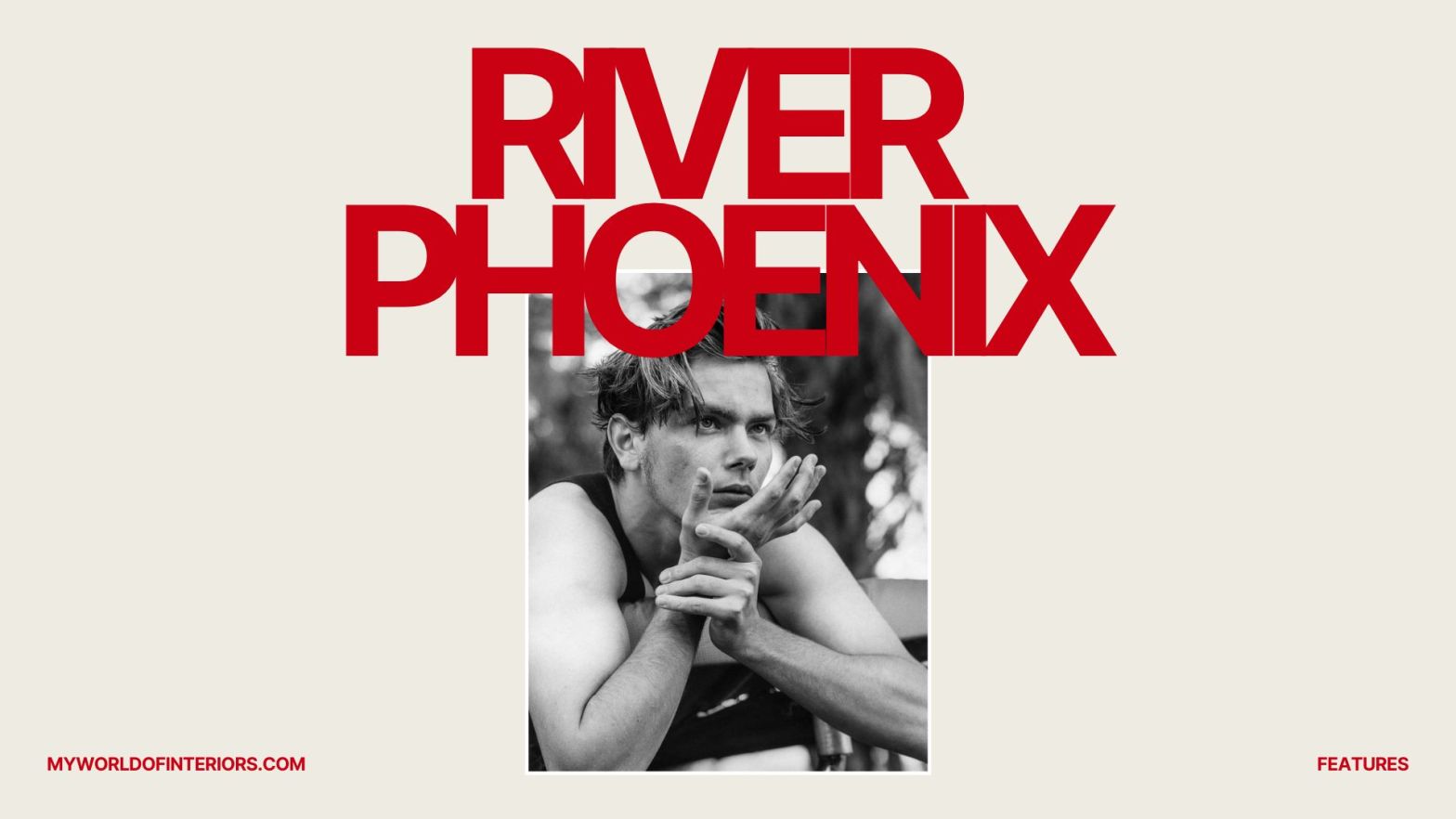
In the constellation of Hollywood icons, River Phoenix burns with a singular intensity. Born in 1970 and gone by 1993, he left behind a body of work that feels both complete and painfully unfinished. In just over a decade, he carved a reputation as one of the most gifted actors of his generation — a performer whose vulnerability, beauty, and authenticity made him stand out in an industry often driven by artifice.
River Phoenix was not simply a star; he was a moral compass for his generation. His choices — both onscreen and off — embodied an alternative vision of Hollywood: environmental activism, animal rights, and a refusal to play by studio rules. His legacy is not only the films he left but also the ethos he carried: a sense that art and integrity could coexist.
Early Life: A Childhood on the Margins
Born River Jude Phoenix in Madras, Oregon, to parents involved with the controversial religious group the Children of God, his early childhood was peripatetic and unconventional, including years in Venezuela and Puerto Rico. When the family returned to the United States, they changed their name to Phoenix — symbolizing rebirth.
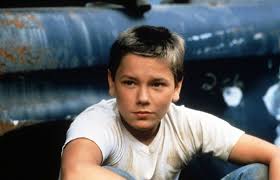
River and his siblings (Rain, Joaquin, Liberty, and Summer) were ushered into performance early, busking with guitars and harmonies in Los Angeles. Talent scouts noticed River’s charisma, and by his teens he was on television. His breakout film came at just 15: Rob Reiner’s Stand by Me (1986), a nostalgic coming-of-age tale where Phoenix played Chris Chambers, the soulful, troubled boy who carried the film’s moral center.
Stardom on His Own Terms
Hollywood recognized Phoenix as a prodigy. He received an Academy Award nomination for Running on Empty (1988) at just 18, playing the son of political fugitives with aching precision. Critics compared him to James Dean and Montgomery Clift — actors whose intensity transcended screen presence into cultural myth.
But unlike many of his contemporaries, Phoenix resisted commercial paths. He favored complex, offbeat projects that emphasized character over spectacle. He was fiercely private, disdainful of celebrity culture, and outspoken about environmentalism and veganism long before either were fashionable.

The Best Films of River Phoenix
1. Stand by Me (1986)
Phoenix’s Chris Chambers, both tough and tender, remains one of cinema’s most poignant portrayals of adolescence. A performance that turned him from child actor to Hollywood’s brightest young star.
🎥 Watch on Amazon Prime Video
2. Running on Empty (1988)
Directed by Sidney Lumet, this film earned Phoenix an Oscar nomination. As Danny Pope, the son of radicals forced to live under false identities, he captured the pain of a young man torn between loyalty and independence.
🎥 Watch on Apple TV
3. My Own Private Idaho (1991)
Gus Van Sant’s masterpiece of New Queer Cinema features Phoenix as Mike, a narcoleptic street hustler searching for love and home. His performance — raw, heartbreaking, and deeply humane — is regarded as his greatest.
🎥 Watch on Criterion Channel
4. The Mosquito Coast (1986)
Opposite Harrison Ford and Helen Mirren, Phoenix played Charlie, the conflicted son of an idealist father dragging his family into the Honduran jungle. A film about obsession and disillusionment, anchored by Phoenix’s quiet intensity.
🎥 Watch on Amazon Prime Video
5. Sneakers (1992)
A rare ensemble caper film with Robert Redford, Dan Aykroyd, and Sidney Poitier. Phoenix brought charm and humor to the role of a young computer hacker, showing his versatility.
🎥 Watch on Apple TV
6. Dogfight (1991)
Opposite Lili Taylor, Phoenix played Eddie Birdlace, a Marine on the eve of shipping out to Vietnam. What begins as a cruel prank becomes a tender romance, showcasing Phoenix’s ability to elevate small, intimate stories.
🎥 Watch on Amazon Prime Video
7. Indiana Jones and the Last Crusade (1989)
As young Indiana Jones in the film’s prologue, Phoenix gave audiences a glimpse of how Harrison Ford’s archaeologist-hero was shaped. His charisma and physicality stole the sequence.
🎥 Watch on Disney+
Activism and Identity
Offscreen, Phoenix was equally compelling. A committed vegan and environmental activist, he used his fame to champion causes far outside Hollywood’s mainstream. He spoke about animal rights, funded environmental groups, and insisted on sustainable choices in his own life.
He was also a musician, forming the band Aleka’s Attic with his sister Rain. Music, for him, was a parallel channel of expression — intimate, communal, and authentic.
A Tragic Ending
On October 31, 1993, Phoenix collapsed outside the Viper Room nightclub in Los Angeles after a drug overdose. He was 23. His death shocked the industry, not least because Phoenix had seemed almost morally immune to Hollywood’s darker currents. Overnight, he became legend — frozen in youthful beauty, a reminder of fragility beneath brilliance.
Legacy: The Star Who Remains
Three decades later, River Phoenix endures not just as a “lost star” but as a model of integrity. His performances, suffused with honesty, remain timeless; his activism feels prophetic; his influence resonates in the careers of his younger brother Joaquin Phoenix and actors like Leonardo DiCaprio and Timothée Chalamet, who cite him as inspiration.
River Phoenix’s life was short, but it was incandescent. His best films still carry his presence: open, wounded, searching, hopeful. Watching him today is to be reminded that cinema, at its most powerful, is not about celebrity but about truth — and that truth can outlive even the briefest flame.
 My World of Interiors