
Style in cinema is not only about costumes—it’s the interplay of clothes, interiors, colour palettes, and mood. The most stylish films create whole atmospheres that become part of cultural memory. In this fourth installment, we look at five more films where style is inseparable from story.
The Conformist (1970) – Bernardo Bertolucci
Vittorio Storaro’s cinematography and Ferdinando Scarfiotti’s production design created one of the most visually striking films of all time. Marcello Clerici’s sharp 1930s suits, paired with Fascist Rome’s monumental architecture and Art Deco interiors, embody a world of repression and allure. The film is studied as much for its style as for its politics.
Cléo from 5 to 7 (1962) – Agnès Varda
Varda captured Parisian chic at street level: Cléo’s mod dresses, bold eyeliner, and platinum hair reflect both 1960s fashion and existential unease. The cafés, boulevards, and shop windows become part of her costume. Few films show the rhythm of a city and its style so vividly.
Purple Noon (1960) – René Clément
Before The Talented Mr. Ripley, there was Alain Delon as Tom Ripley on the Mediterranean coast. His sun-kissed looks—linen shirts, slim trousers, sunglasses—set the template for Riviera style. The film’s cool, minimal elegance still inspires summer fashion editorials today.
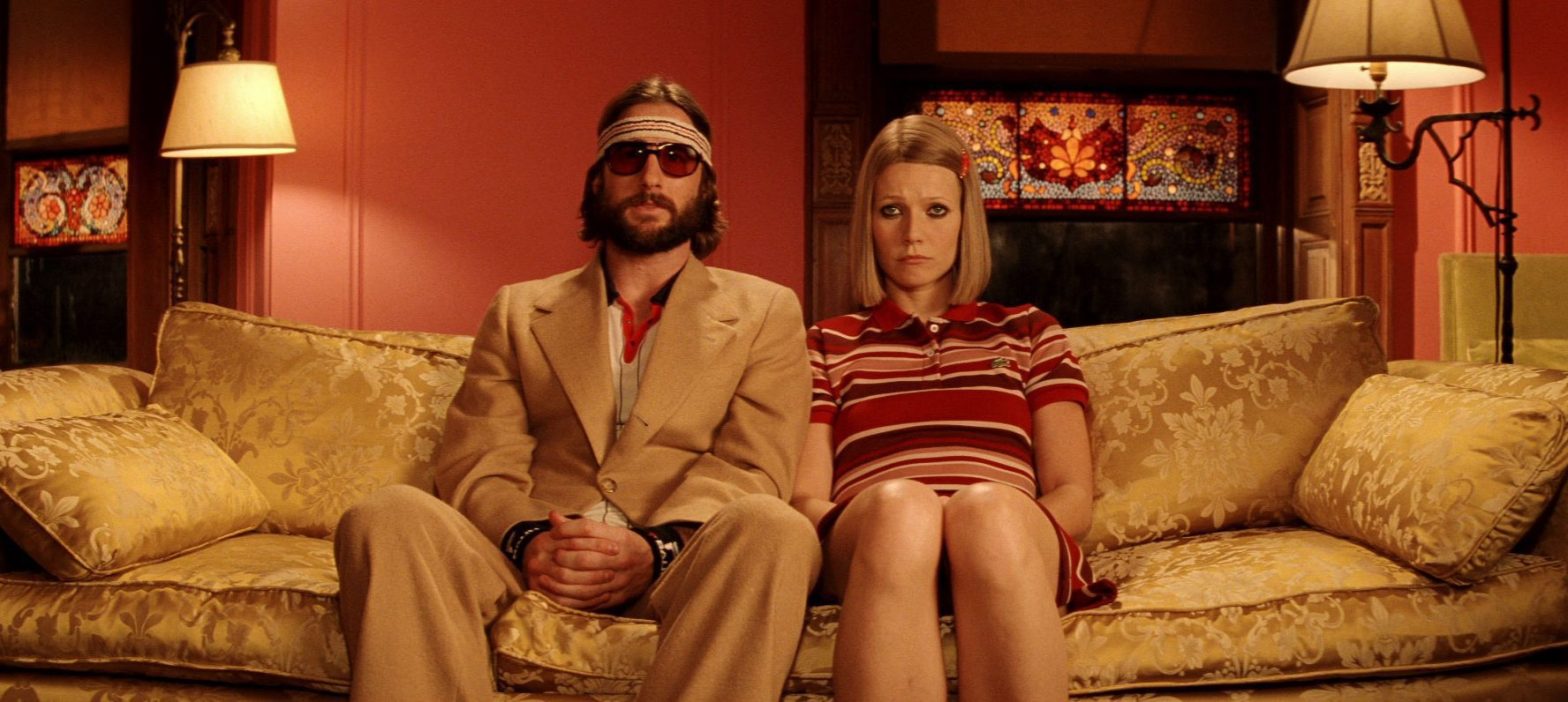
The Royal Tenenbaums (2001) – Wes Anderson
Anderson’s precise world-building turned eccentric wardrobes into pop culture phenomena. Gwyneth Paltrow’s Lacoste dresses and fur coat, Ben Stiller’s Adidas tracksuits, Gene Hackman’s camel hair coat—each look has become iconic. Combined with Anderson’s saturated colour palettes and vintage interiors, the film is a style universe unto itself.
Carol (2015) – Todd Haynes
Cate Blanchett’s fur collars, perfectly coiffed hair, and jewel-toned dresses; Rooney Mara’s modest sweaters and plaid skirts: together they recreate 1950s New York with aching beauty. Costume designer Sandy Powell used silhouette and fabric to chart desire and repression. The result is a film where style is inseparable from emotion.
Cinema as Style Language
From Delon’s Riviera linen to Blanchett’s mink coats, from Varda’s Paris streets to Anderson’s meticulous sets, these films show how style speaks its own cinematic language. They remind us that film is not just seen, but felt—through fabric, light, colour, and atmosphere.
 My World of Interiors