
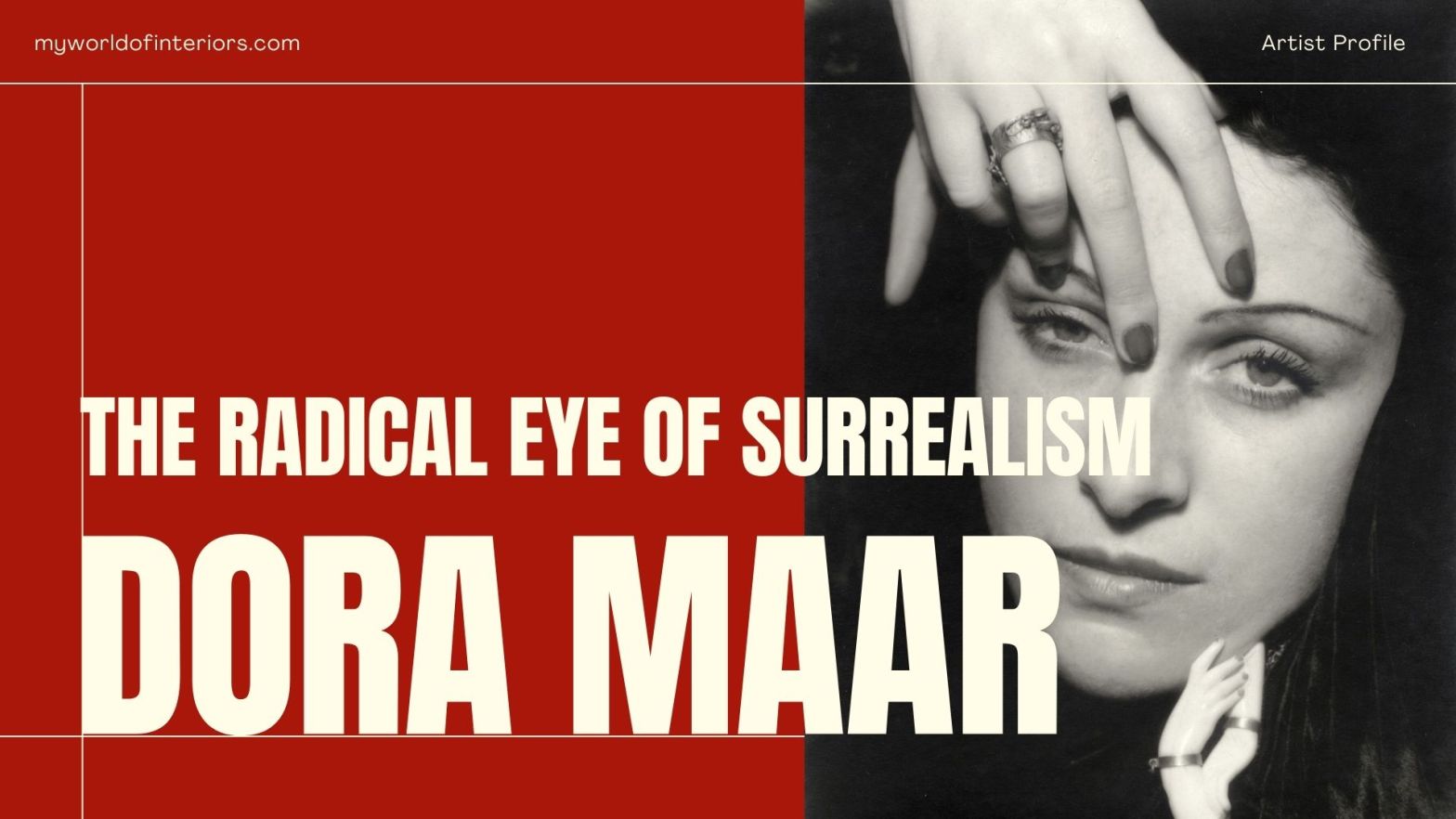
In the pantheon of 20th-century modernism, few figures are as enigmatic as Dora Maar. For decades she was remembered primarily as Pablo Picasso’s lover — immortalized in fractured portraits of weeping women, her anguish refracted through the painter’s cubist lens. But Dora Maar was far more than a subject in someone else’s story. She was a photographer, painter, intellectual, and political witness whose work spoke with a voice of radical experimentation. Only in recent years has the art world begun to reckon with her true legacy.
A Radical Beginning
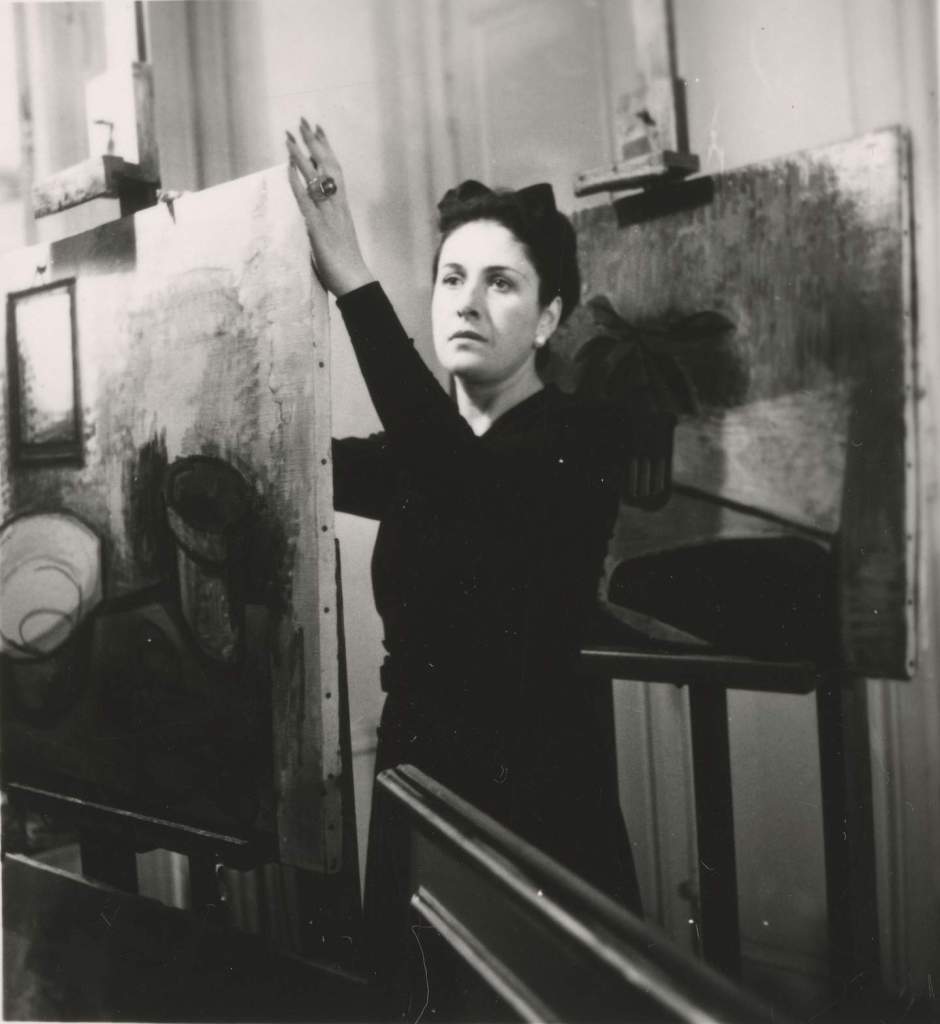
Born Henriette Theodora Markovitch in Paris in 1907, Dora Maar spent her early years in Buenos Aires before returning to France as a teenager. Fluent in multiple languages and gifted with a restless intelligence, she pursued painting at the École des Beaux-Arts and photography at the École de Photographie. By the early 1930s she had adopted the professional pseudonym Dora Maar and immersed herself in the avant-garde currents of Paris.
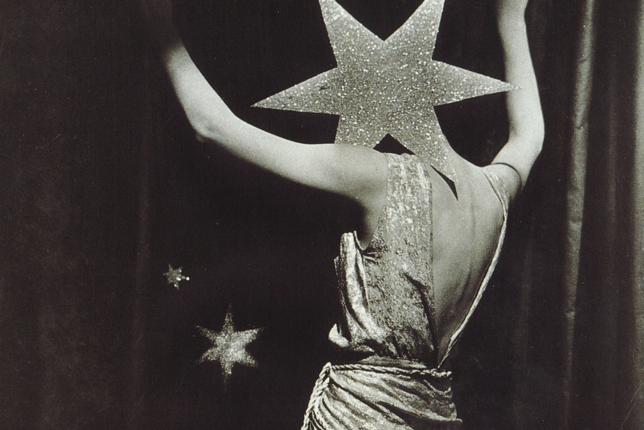
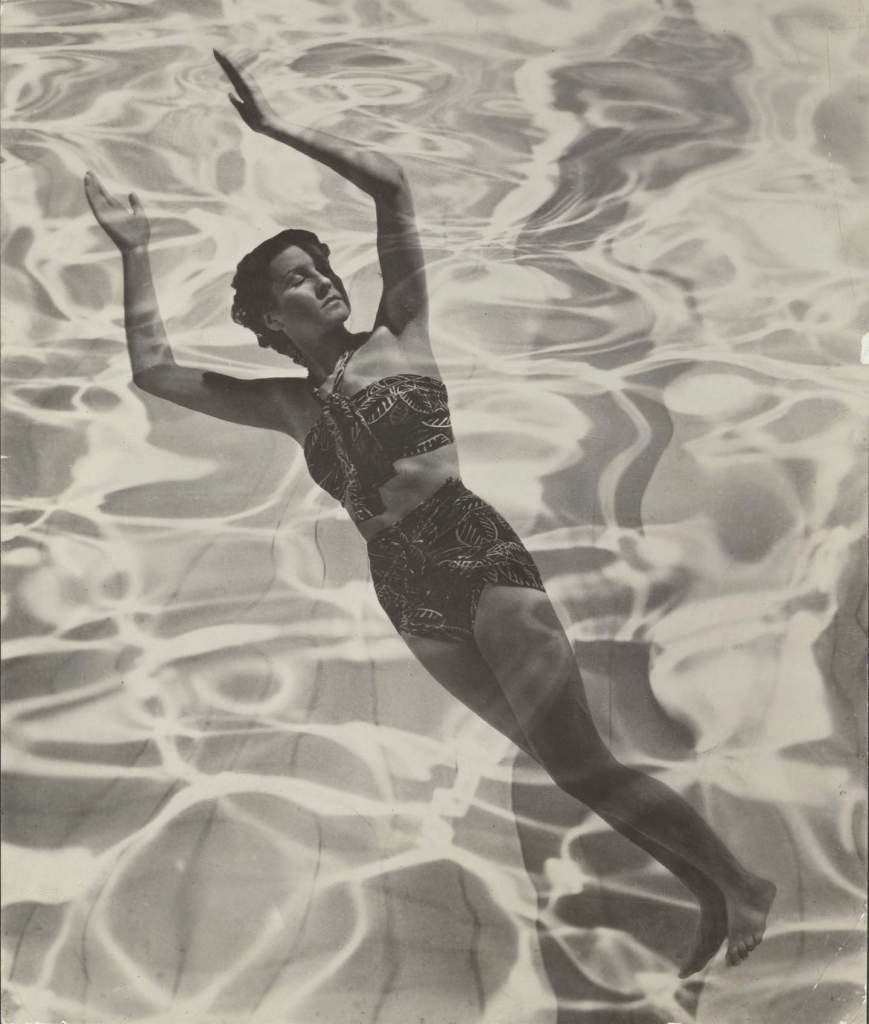
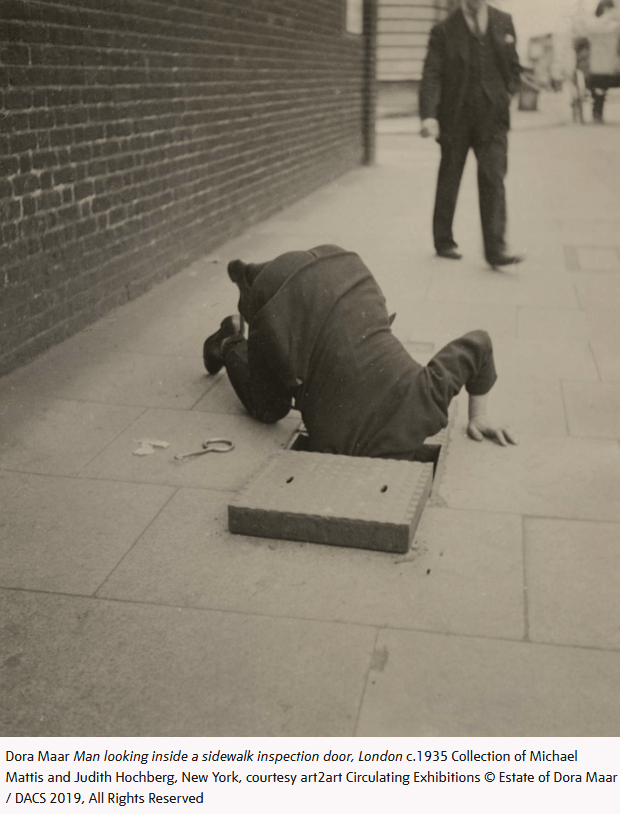
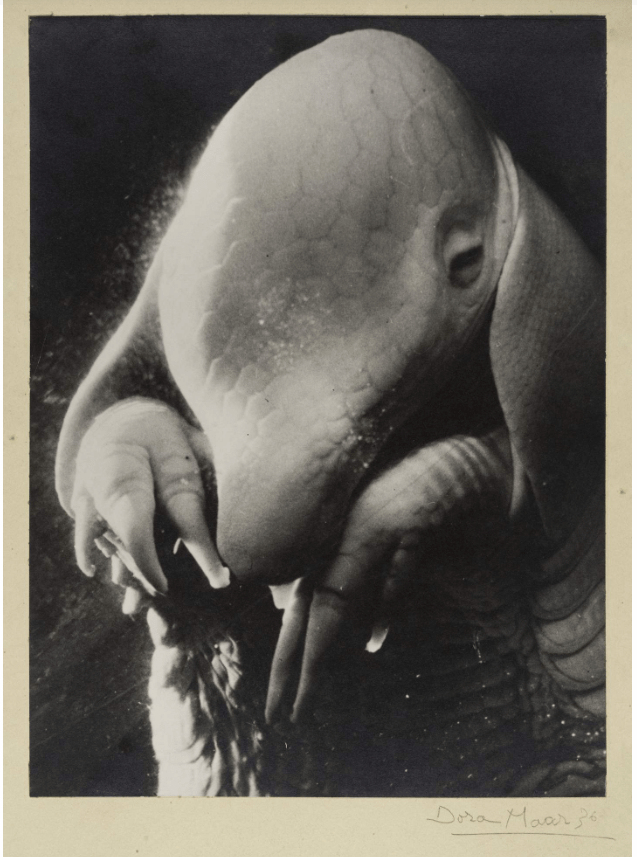
Her photography was fearless. She captured the social margins — the blind, the poor, the disinherited — with an unsentimental gaze that balanced compassion with formal daring. She also moved easily into commercial work, producing fashion photographs and advertising campaigns with an eye for surrealist disjunctions: gloves that seemed to float, objects placed against starkly irrational backgrounds. Her circle included André Breton, Paul Éluard, and Georges Bataille; her work appeared in surrealist journals and exhibitions alongside Man Ray and Brassaï.
The Encounter with Picasso
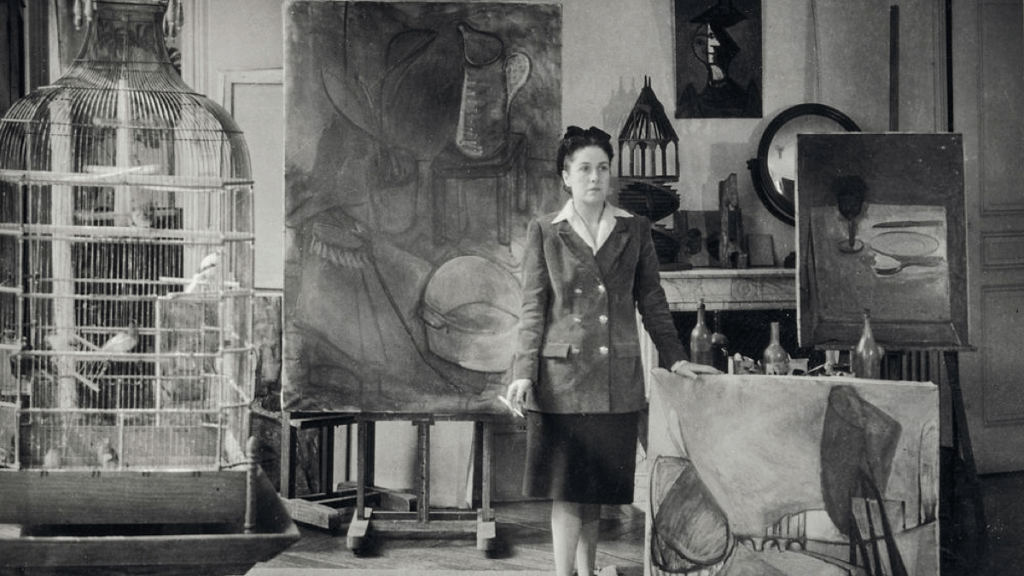
In 1936, Maar met Picasso in Paris. Their first encounter was as much a contest as a courtship: she sat in a café, jabbing a knife between her gloved fingers in a dangerous game, blood welling as she missed her mark. Picasso was entranced. The affair that followed lasted nearly a decade, through the Spanish Civil War and the German occupation.
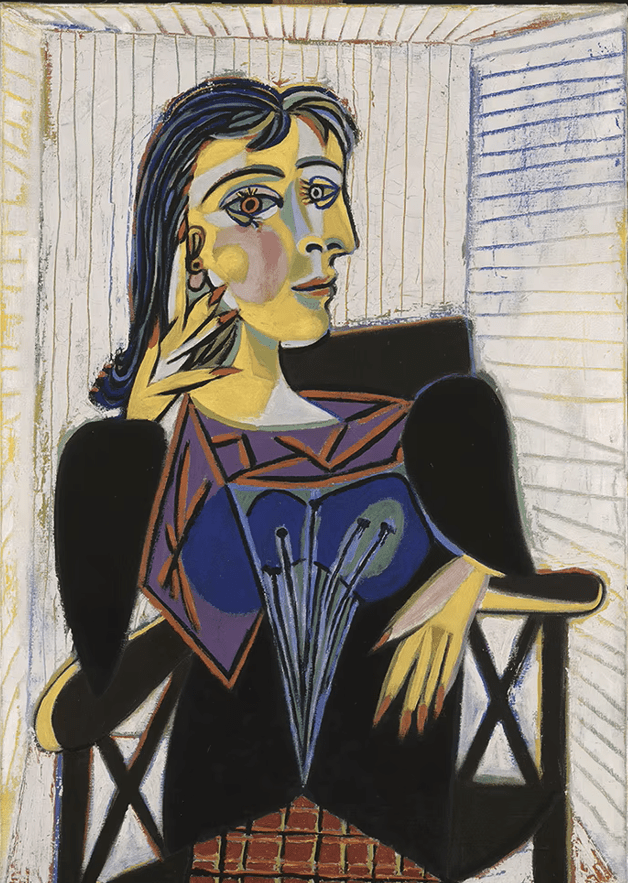
Maar documented the creation of Guernica in 1937, her photographs of the work in progress now invaluable to historians. She became both witness and participant in Picasso’s artistic process. But she was also subsumed by his world. His portraits of her — the “Weeping Woman” series — turned her into an archetype of female suffering. Their relationship was marked by passion, cruelty, and volatility; after their separation, Maar suffered a mental collapse, entering a long period of withdrawal from public life.
Beyond the Myth of the Muse
For decades after her death in 1997, Dora Maar’s name was tethered to Picasso’s. But in the last twenty years, exhibitions and scholarship have reclaimed her as an artist in her own right.
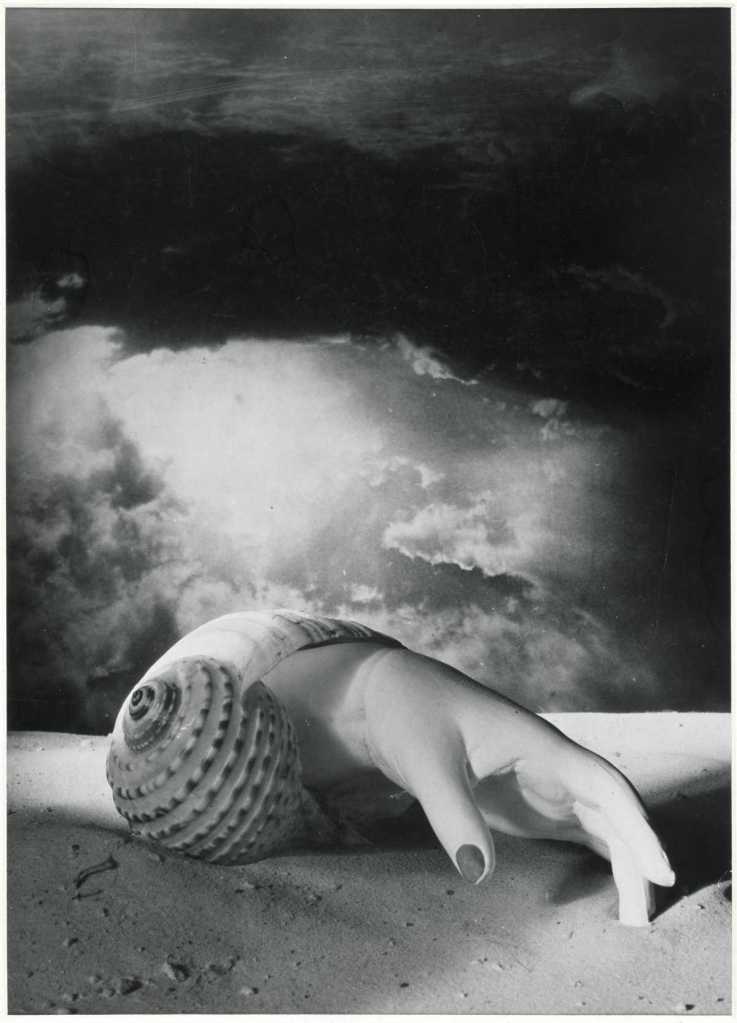
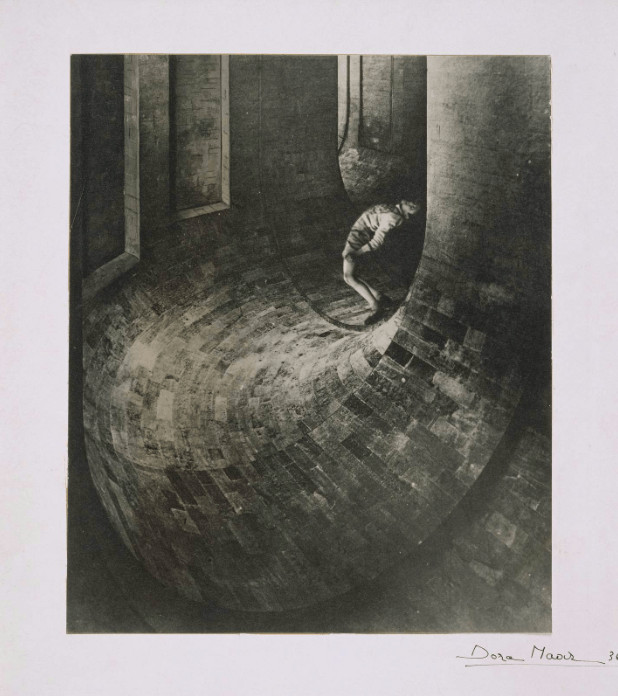
Her surrealist photographs from the 1930s reveal a mind fascinated by the uncanny: photomontages that juxtapose nudes with architectural fragments, dreamscapes that dissolve the line between the real and the hallucinatory. Her street photography, particularly from London and Barcelona, captured the stark realities of Depression-era poverty. Later, after her break with Picasso, she turned to painting, producing lyrical abstractions marked by solitude and introspection.
If her career seems fractured — photography, then painting; public recognition, then seclusion — it is perhaps because her life was lived at the fault lines of modernism: between commerce and art, politics and aesthetics, individuality and the suffocating myth of genius embodied by Picasso.
The Politics of Vision
Maar’s legacy is also political. Her early works were attuned to social injustice; her surrealist experiments challenged the rationalist order of interwar Europe; her photographs of Guernica placed her inside one of modernism’s most politically charged masterpieces. To remember her only as a muse is to erase the radical gaze she directed at her own world.
Rediscovery and Legacy
The reevaluation of Dora Maar culminated in major retrospectives — notably at the Centre Pompidou in Paris and Tate Modern in London — which positioned her not as an appendage to Picasso but as a central figure in surrealist and modernist photography. Critics have come to see her oeuvre as emblematic of women’s contributions to a movement often narrated through male names.
Her story also resonates with contemporary conversations about gender, authorship, and the politics of artistic credit. To look at Maar’s work today is to recognize the cost of being cast as muse — and the resilience of reclaiming authorship.
A Life Reframed
Dora Maar’s life contains contradictions: brilliance and breakdown, collaboration and erasure, seclusion and belated recognition. But perhaps those contradictions are precisely what make her legacy compelling. She reminds us that modernism was never just a gallery of male geniuses, but a crowded field of women whose work was often hidden in shadow.
To see Dora Maar clearly is to restore not only an artist but a perspective. Her photographs, collages, and paintings reveal a mind that turned the world into a stage for estrangement — and for vision. She was never just Picasso’s weeping woman. She was, and remains, Dora Maar: the radical eye of Surrealism.
 My World of Interiors