
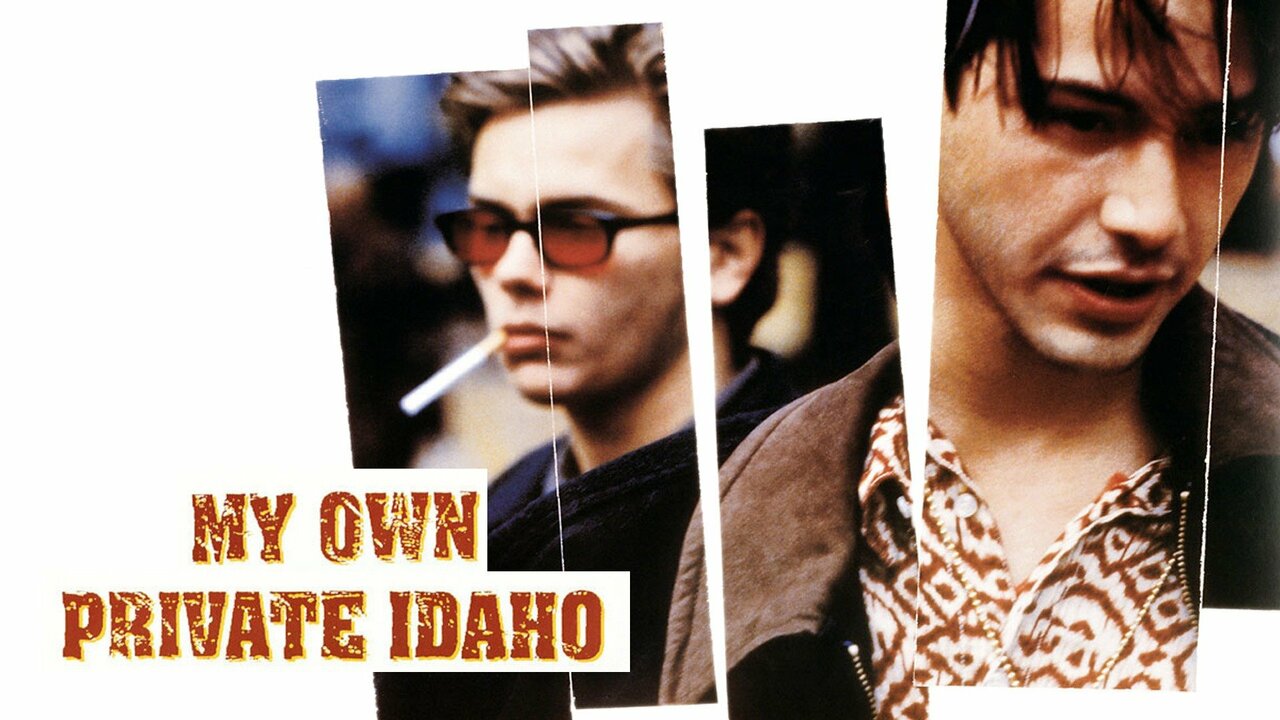
When Gus Van Sant released My Own Private Idaho in 1991, he gave American cinema one of its strangest and most poetic visions of alienation. The film is at once a road movie, a queer love story, and a fractured meditation on identity. Its images — a lone figure collapsing on an endless highway, street hustlers posing in frozen Renaissance-like tableaux, the burnt skies of the American West — continue to haunt decades later.
Shakespeare on the Streets
The story follows two hustlers in Portland: Mike Waters (River Phoenix), a drifter with narcolepsy and a history of abandonment, and Scott Favor (Keanu Reeves), the privileged son of the city’s mayor who slums among the homeless until he inherits his fortune. Van Sant stitches their lives into a modern reworking of Shakespeare’s Henry IV, with Scott as a contemporary Prince Hal and the Portland hustlers standing in for Falstaff’s band of rogues. The high language of Shakespeare collides with street slang, producing a strange theatre of survival.
River Phoenix’s Performance
At the film’s center is River Phoenix’s heartbreaking turn as Mike. Vulnerable and searching, Mike collapses into narcoleptic dreams whenever life overwhelms him. Phoenix improvised the film’s most unforgettable moment — Mike’s campfire confession of love to Scott — turning it into a raw, halting monologue that still resonates as one of the most honest depictions of queer longing in cinema. His performance remains luminous, haunted all the more by Phoenix’s own early death just two years later.
The Aesthetics of Drift
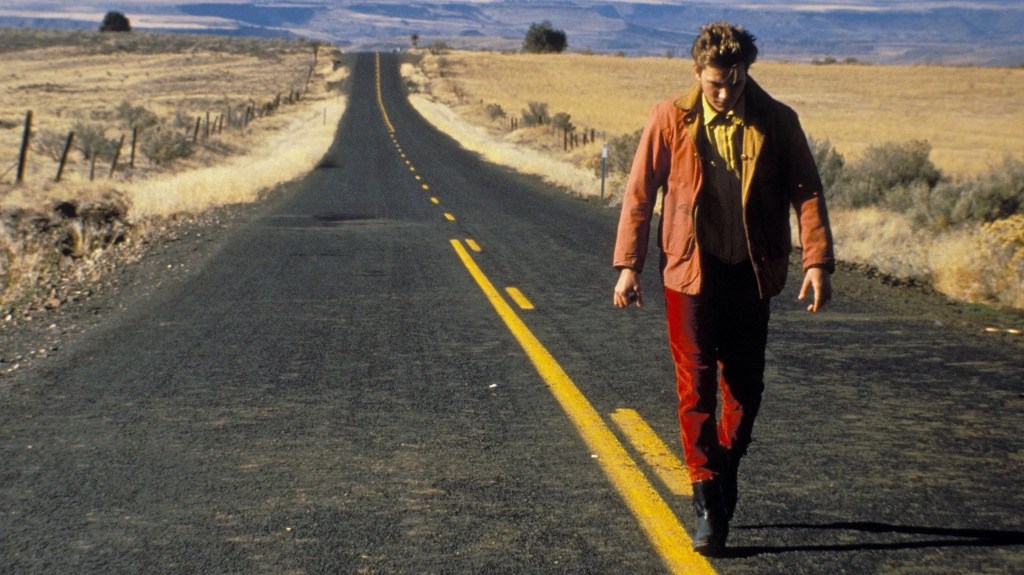
Van Sant frames landscapes as metaphors for longing. The highways of Idaho stretch out like promises that never arrive. The ruins of barns and motels stand as monuments to lives already forgotten. In contrast, Rome’s baroque interiors feel decadent yet alien, as if no geography can provide Mike with the home he seeks. The road here is not liberation, as in classic American myth, but drift — movement without destination.
New Queer Cinema and Beyond
Premiering at the dawn of the 1990s, the film became a cornerstone of New Queer Cinema, a movement that challenged sanitized Hollywood portrayals of sexuality. Van Sant offers no easy moral: hustling is work, desire is complicated, and intimacy is fleeting. Yet the film is suffused with tenderness. It refuses to condemn or romanticize; instead, it insists on the dignity of lives lived outside convention.
The Legacy of Idaho
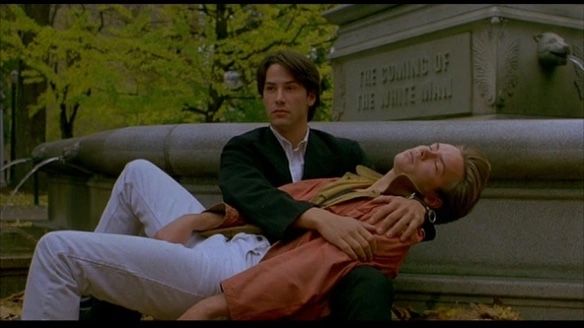
My Own Private Idaho is inseparable from River Phoenix’s mythology, but it is more than a memorial. Its experimental structure — drifting between Shakespearean theatre, dream sequences, and cinéma vérité — anticipated the fluid boundaries of independent film that followed. Its influence can be traced in queer cinema, art photography, and the aesthetics of road-trip Americana.
An Unfinished Search
The film offers no resolution. Scott inherits wealth and abandons his friends; Mike collapses once more on a deserted highway, anonymous cars passing him by. What remains is not closure but an atmosphere of longing — the sense that identity, love, and home are always just out of reach. In that endless search lies the film’s enduring power.
Lifestyle Notes
Where to Watch
- Criterion Channel – Restored version with essays and interviews.
- IMDb – Full cast and production notes.
Further Reading
- B. Ruby Rich, New Queer Cinema: The Director’s Cut – Situates Van Sant’s film in its cultural moment.
- James Franco, My Own Private River – Experimental essay-film revisiting River Phoenix’s outtakes.
Filming Locations
- Portland, Oregon – Bridges, motels, and corners still visible today.
- Idaho Plains – The iconic highways where Mike repeatedly collapses.
- Rome, Italy – Surreal baroque interiors underscoring the film’s dreamlike quality.
TL;DR
Gus Van Sant’s My Own Private Idaho is a film of drift: queer desire, Shakespearean echoes, American highways, and the longing for home. River Phoenix delivers one of cinema’s most vulnerable performances, while Van Sant transforms the road movie into a dream of alienation. It remains a masterpiece not of resolution, but of searching.
 My World of Interiors