

In the theatre of late twentieth-century fashion, no figure was as magnetic, or as tragic, as Isabella Blow (1958–2007). A style editor, talent scout, and muse, she was a woman who blurred the line between the backstage and the spotlight. To know Isabella Blow was to witness fashion as performance, risk, and revelation. To lose her was to glimpse the fragility beneath the feathers.
Aristocratic Origins, Outsider Spirit
Born into an old English family in 1958, Isabella Delves Broughton grew up in Gloucestershire amid country houses and fractured family life. Her childhood was shadowed by her mother’s abandonment and her father’s aloofness — traumas she later channelled into her style, wearing eccentricity as both armour and expression.
Vogue and Beyond
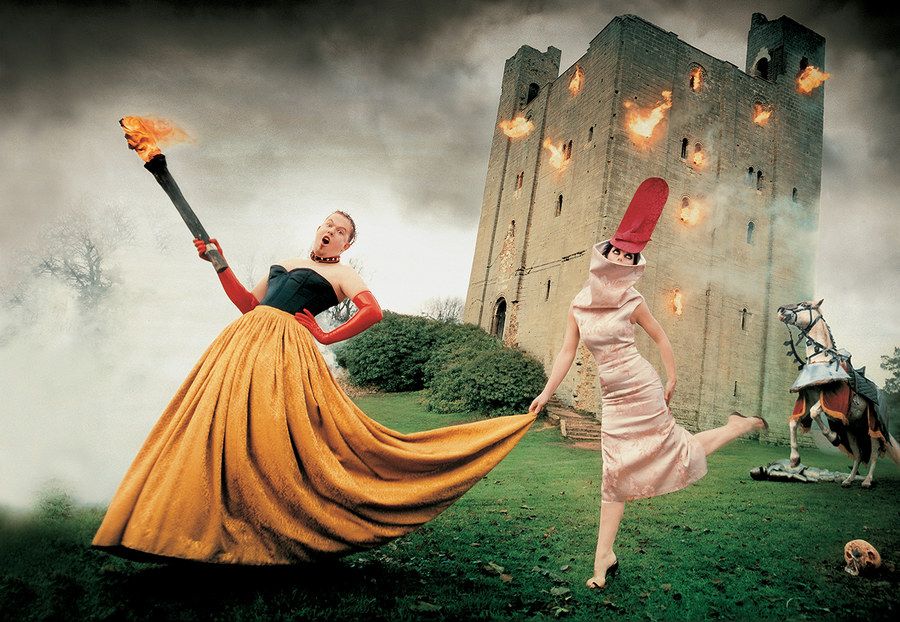
After studying in New York and working for Anna Wintour at Vogue, Blow returned to London in the 1980s. Her talent was unmistakable: she could spot raw genius and nurture it into legend. She championed Philip Treacy, buying his entire first collection of hats and wearing them like sculptures on her head. Later, she discovered Alexander McQueen, purchasing his entire Central Saint Martins graduate collection in 1992. Her faith in these designers was not speculative — it was instinctual, aesthetic, deeply personal.
The Art of Persona
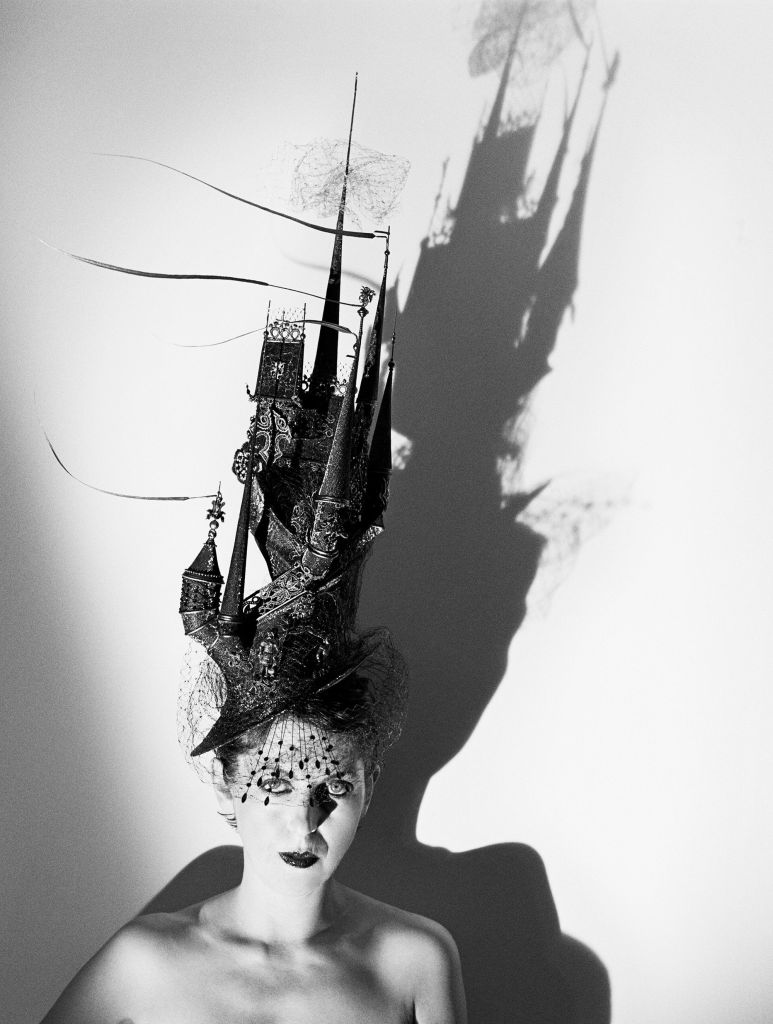
Blow’s own style was inseparable from her legacy. She was rarely seen without a Treacy hat, often fantastical creations that obscured, revealed, or transformed her face into theatre. She wore fashion not as clothing but as narrative: couture gowns at breakfast, lipstick drawn in sharp, surrealist strokes. Her presence at shows was as iconic as the designs she promoted.
Mentor and Muse
Blow’s genius lay in her eye — she understood not just garments but the people who made them. She became muse to McQueen, Treacy, and countless others, embodying the aesthetic she championed. Yet her influence was often overshadowed by the fame of those she discovered. She was not a designer, nor a conventional editor; she was something rarer: a conduit, a catalyst, the force that allowed others to shine.
The Darkness Beneath
Behind the flamboyance, Blow struggled with depression, illness, and a sense of being undervalued in the industry she helped shape. She attempted suicide multiple times before her death in 2007 at the age of 48. Her passing shocked the fashion world, a reminder that the glamour she projected was both armour and mask.
Legacy in Feathers
Today, Isabella Blow is remembered as a patron saint of British fashion’s wildest creativity. Exhibitions like Isabella Blow: Fashion Galore! at Somerset House (2013) have reframed her not as a footnote but as an icon in her own right. Without Blow, there might not have been McQueen as we know him, or Treacy’s millinery as legend. Her life, at once theatrical and tragic, reminds us that fashion’s brilliance often burns brightest at the edges of fragility.
Lifestyle Notes
Museums & Exhibitions
- Isabella Blow: Fashion Galore! (Somerset House Archive) – Landmark 2013 exhibition of her wardrobe and influence.
- Victoria and Albert Museum – Holds McQueen and Treacy pieces linked to her story.
Designers She Discovered
- Alexander McQueen – Blow bought his graduate collection, launching his career.
- Philip Treacy – Her signature milliner, whose hats defined her persona.
Further Reading
- Lauren Goldstein Crowe, Isabella Blow: A Life in Fashion – Biography tracing her eccentric life and tragic end.
- Alexander McQueen: Savage Beauty (Met Museum Catalogue) – Includes her role in shaping his career.
TL;DR
Isabella Blow was more than a fashion eccentric; she was fashion’s fearless muse. She discovered McQueen and Treacy, turned millinery into theatre, and embodied the creative risk at fashion’s core. Her life was a collision of brilliance and tragedy — proof that the most daring visions often emerge from the most fragile souls.
 My World of Interiors