
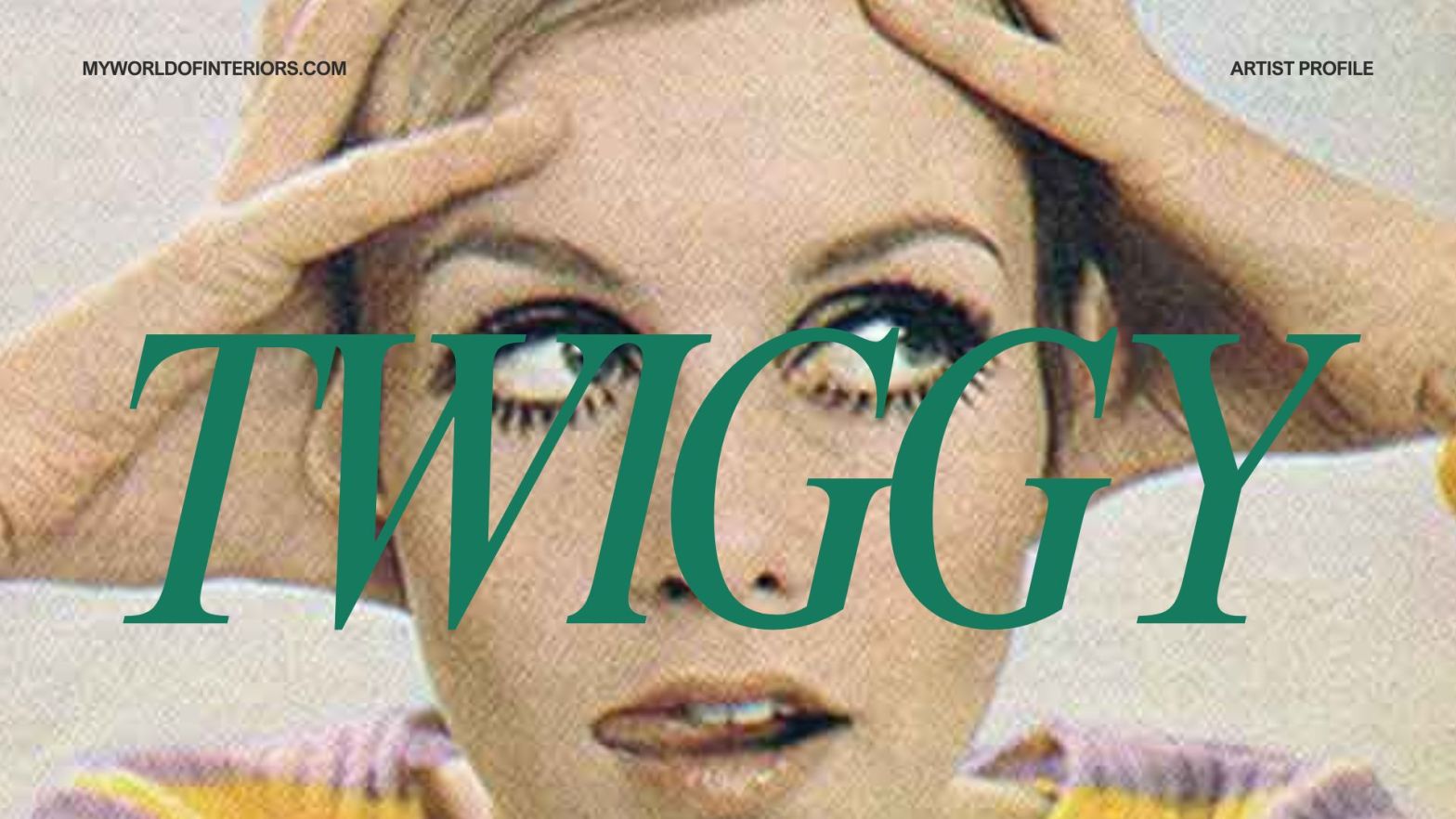
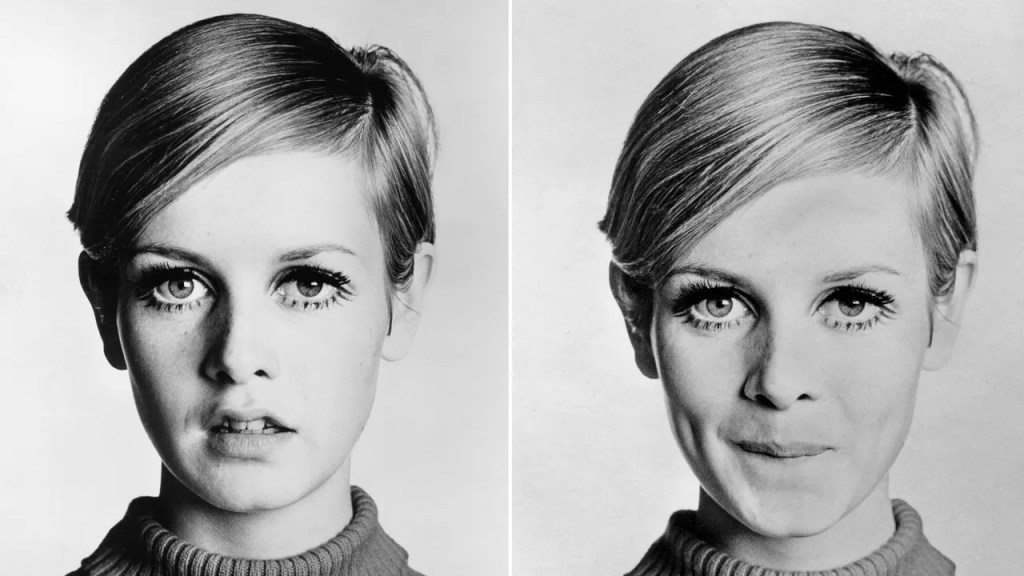
In 1966, Britain had a new monarch. Not one of crown and throne, but of hair, eyes, and attitude. Lesley Hornby—nicknamed Twiggy for her reed-slender frame—was just sixteen when she became “The Face of ’66.” In a single season, she transformed from a hairdresser’s assistant in Neasden into the international emblem of Swinging London.
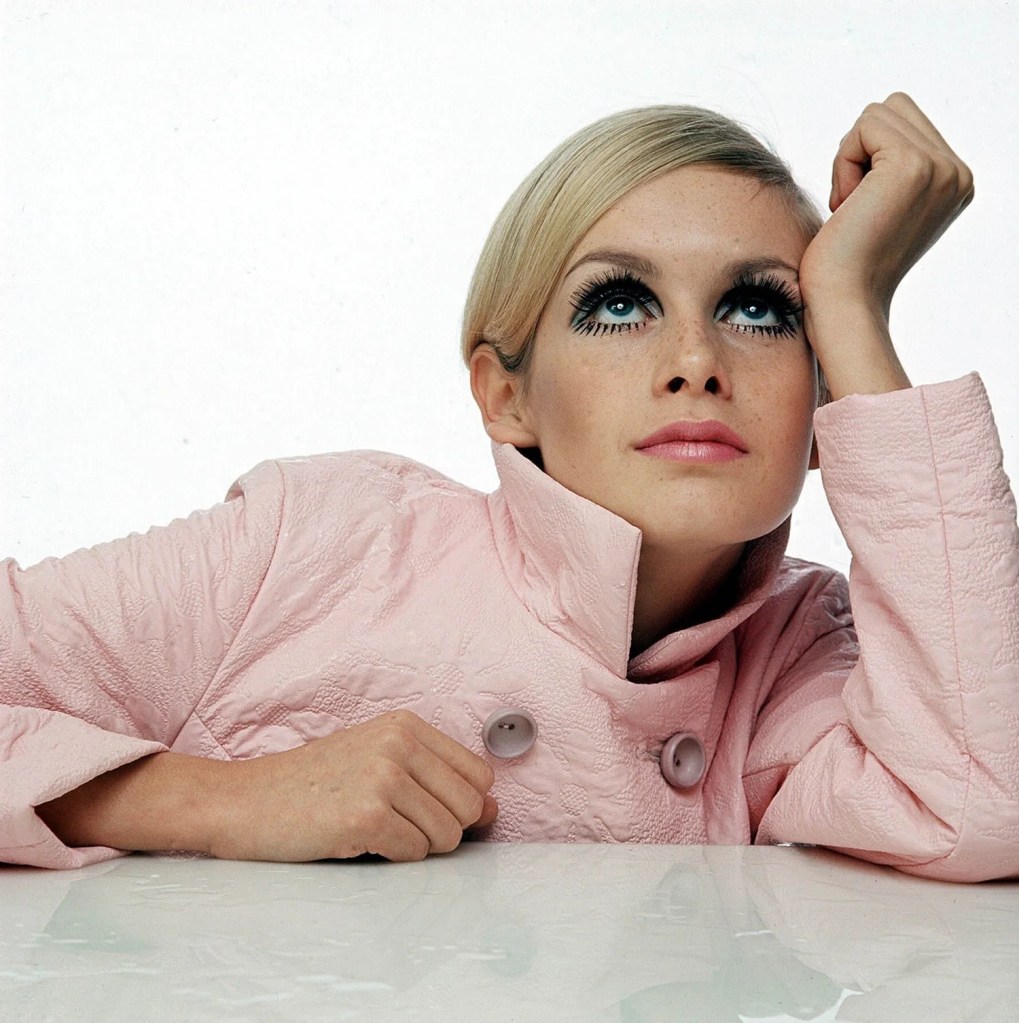
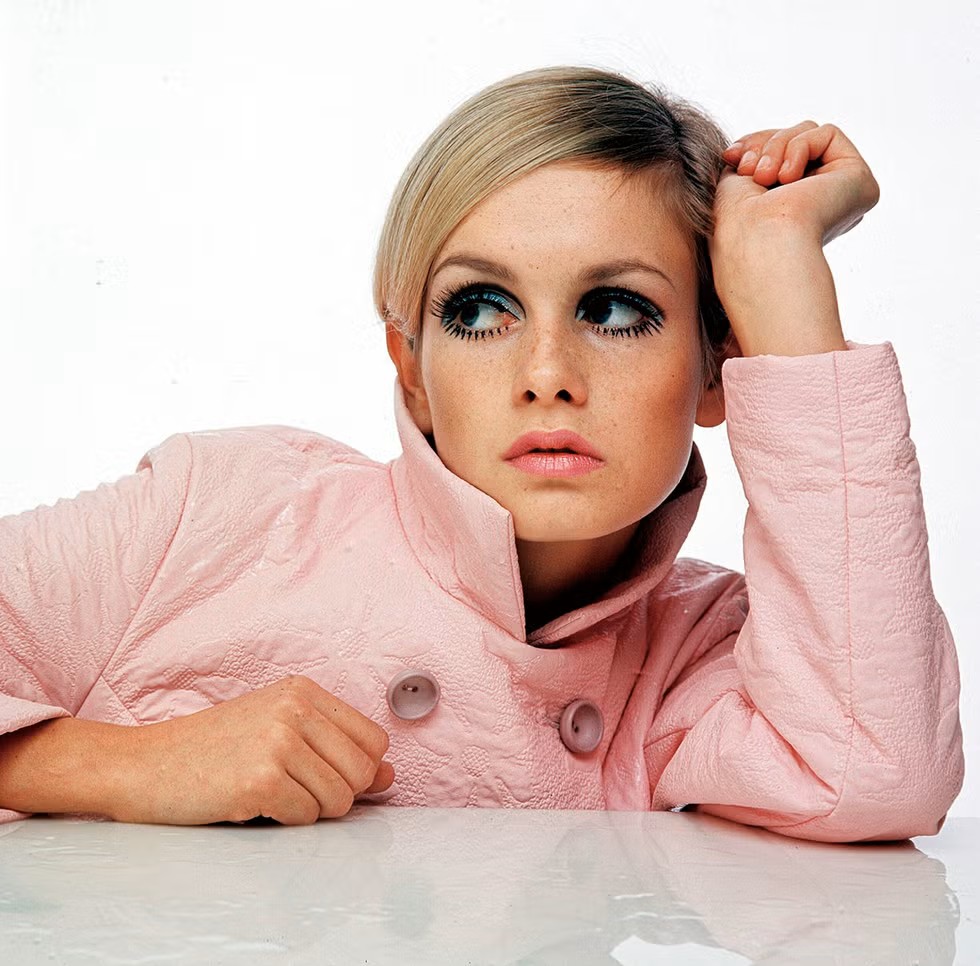
With her doe-like eyes, long painted lashes, boyish figure, and pixie crop cut by Leonard of Mayfair, Twiggy embodied a revolution in style. She was the antidote to the voluptuous glamour of Sophia Loren, Brigitte Bardot, and Elizabeth Taylor. Youth itself had become the luxury commodity of the age, and Twiggy was its incarnation.

The Face That Changed Fashion
Fashion in the early 1960s had already begun to shift. Mary Quant’s miniskirts were challenging conventions of modesty and femininity; designers like André Courrèges and Pierre Cardin were sketching the future in stark whites and metallic silvers. But it was Twiggy’s image—printed in magazines, splashed across billboards, and televised globally—that crystallized the new aesthetic.
She was not just wearing clothes; she was the mood board of a generation. Photographers such as Cecil Beaton, Bert Stern, and Richard Avedon found in her a subject both alien and familiar, simultaneously fragile and mischievous. She became a transatlantic sensation, walking in Paris and New York, photographed for Vogue, Harper’s Bazaar, and Seventeen. For a few incandescent years, Twiggy was not merely a model—she was modernity itself.
From Catwalk to Cinema
Unlike many of her contemporaries, Twiggy understood the risks of being frozen in a single look. By the late 1960s, she deliberately stepped away from modelling, reinventing herself as a performer. Her acting debut came in Ken Russell’s The Boy Friend (1971), a lavish homage to 1920s musicals. To widespread surprise, Twiggy not only held her own but charmed critics, winning two Golden Globe awards.
She went on to star in films such as W (1974) and the cult classic The Blues Brothers (1980), where she made a brief but memorable appearance as a chic stewardess. Her stage presence also flourished: she appeared on Broadway in My One and Only opposite Tommy Tune, earning a Tony nomination.
The Singing Years
Parallel to her acting, Twiggy pursued music. Her debut album, Twiggy (1976), revealed a gentle, melodic voice well-suited to folk and cabaret. She sang standards, contemporary ballads, and even dipped into pop. Though she never rivaled the chart dominance of Dusty Springfield or Sandie Shaw, her recordings added another layer to her multifaceted career and reinforced her ability to evade the limits of the “model-turned-something-else” cliché.
Television and Reinvention
As decades passed, Twiggy continued to reinvent herself. She became a fixture on British and American television, from variety shows to fashion documentaries. In the 2000s, she found a new audience as a judge on America’s Next Top Model, where she served as both mentor and cultural reference point for a generation unfamiliar with Swinging London.
She also returned, briefly, to modelling. In her fifties and sixties, Twiggy fronted campaigns for Marks & Spencer, celebrating not just her own longevity but a new conversation about age and style.
A Life Beyond the Spotlight
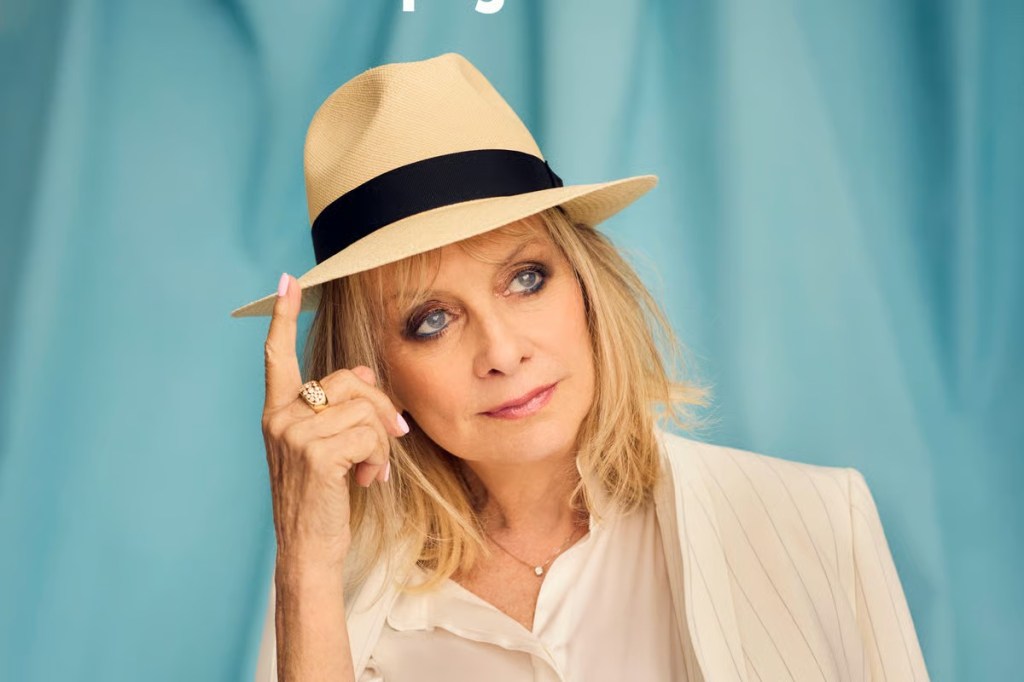
Today, Dame Lesley Lawson—Twiggy was made a Dame Commander of the Order of the British Empire in 2019 for her services to fashion, the arts, and charity—lives a life that blends public recognition with private contentment. She is a devoted mother and grandmother, an active supporter of breast cancer awareness and animal welfare causes, and the host of Tea with Twiggy, a podcast in which she interviews friends and figures from the worlds of fashion, film, and music.
Her presence in contemporary culture is less about ubiquity than resonance. Twiggy no longer defines an era—she represents continuity across them. From miniskirts to streaming, from the West End to podcasting, she has demonstrated a rare ability to move with the times while never losing her essential self.
The Legacy of a Look
What is Twiggy’s legacy? Partly, it is aesthetic: the painted lashes, the mod silhouette, the unapologetic embrace of androgyny. Partly, it is cultural: she helped democratize fashion, proving that beauty could be discovered on an ordinary London street and made international overnight. But more profoundly, Twiggy represents reinvention. She showed that a model could be more than a mannequin—that she could act, sing, host, create, and endure.
In a world that churns through icons at the speed of Instagram, Twiggy’s career stands as a reminder: fashion may be about the new, but true style is about survival.
 My World of Interiors