
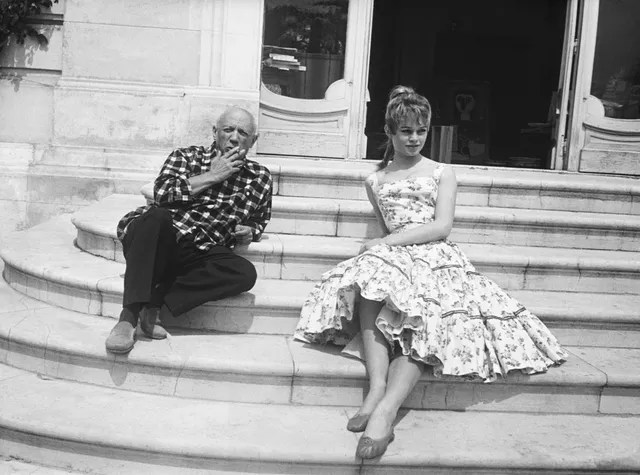
Few figures in 20th-century culture reshaped the visual language of femininity as powerfully as Brigitte Bardot. More than a film star, she became a style phenomenon — a woman whose clothes, gestures, hair, and posture seemed to crystallise a new mood in post-war Europe: sensual, insouciant, and utterly modern.
Bardot did not merely wear fashion; she transformed it. Her image moved fluidly between innocence and rebellion, Riviera ease and Parisian provocation, creating a vocabulary of silhouettes and attitudes that continues to echo through contemporary design.
Today, her style reads not as nostalgia, but as a blueprint — a reminder of how simplicity, confidence, and instinct can build a legend.
The Birth of a New Femininity
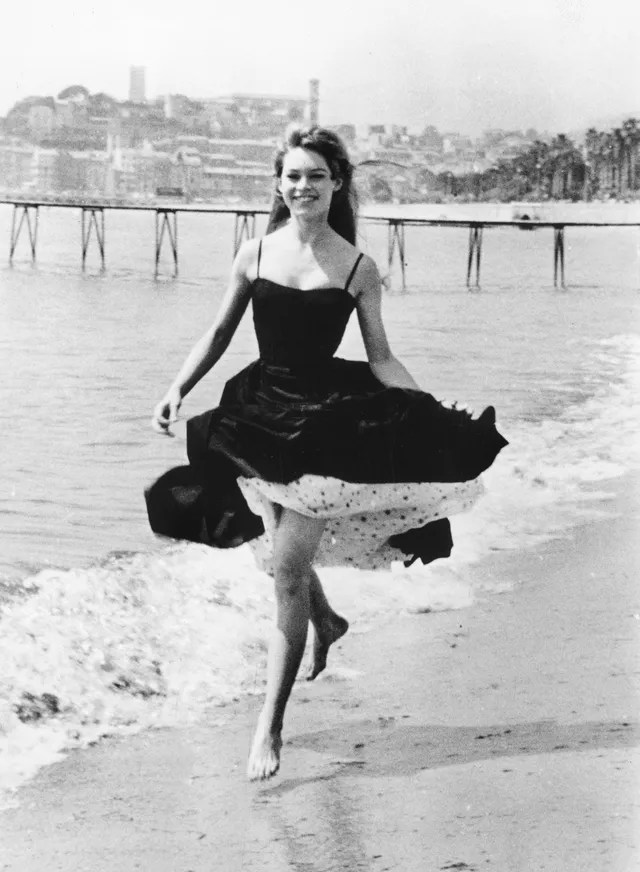
Emerging from the conservatism of the 1950s, Bardot’s style felt radically free.
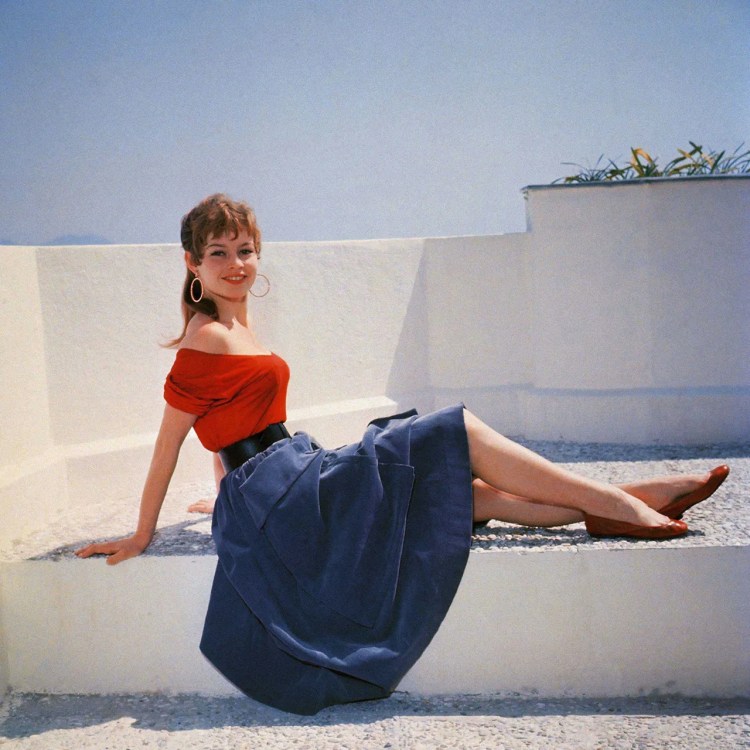
Where the decade had favoured sculpted waists and immaculate polish, Bardot introduced something looser, more lived-in — clothes that looked worn for oneself, not for society’s approval.
Bare shoulders slipped out of dresses. Ballet flats grounded evening looks. Hair fell in unstructured waves rather than lacquered helmets.
Her wardrobe captured a subtle rebellion:
- unpretentious knits instead of couture formality
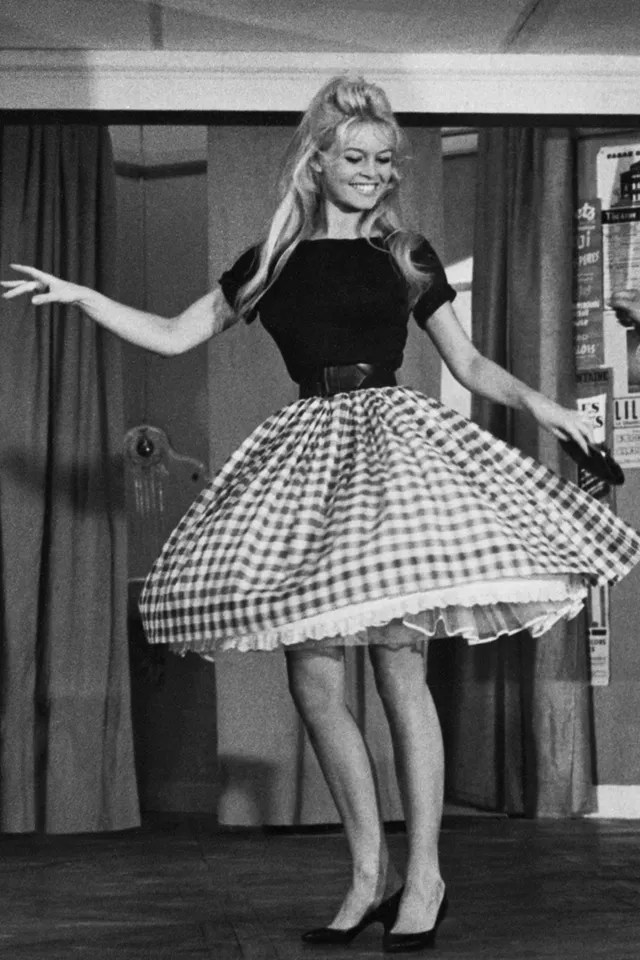
- gingham paired with eyeliner and attitude
- sweaters shrugged off the shoulder like a casual afterthought
It was not provocation for spectacle — it was autonomy through aesthetic ease.
The Bardot Uniform: Simplicity as Statement
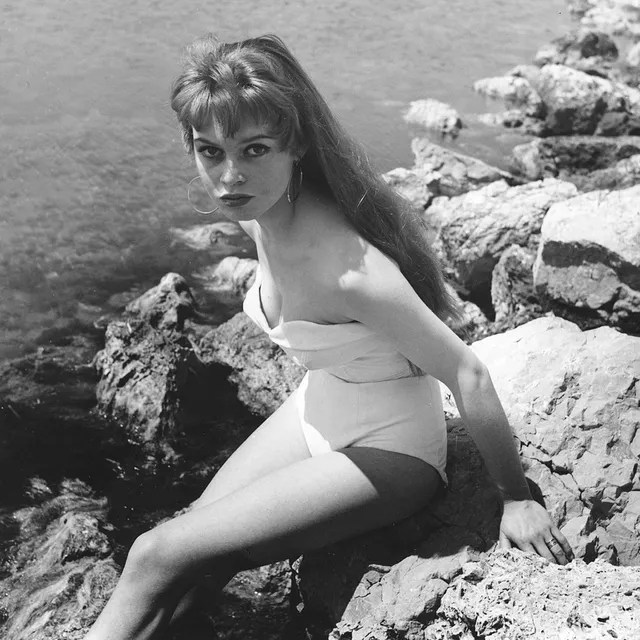
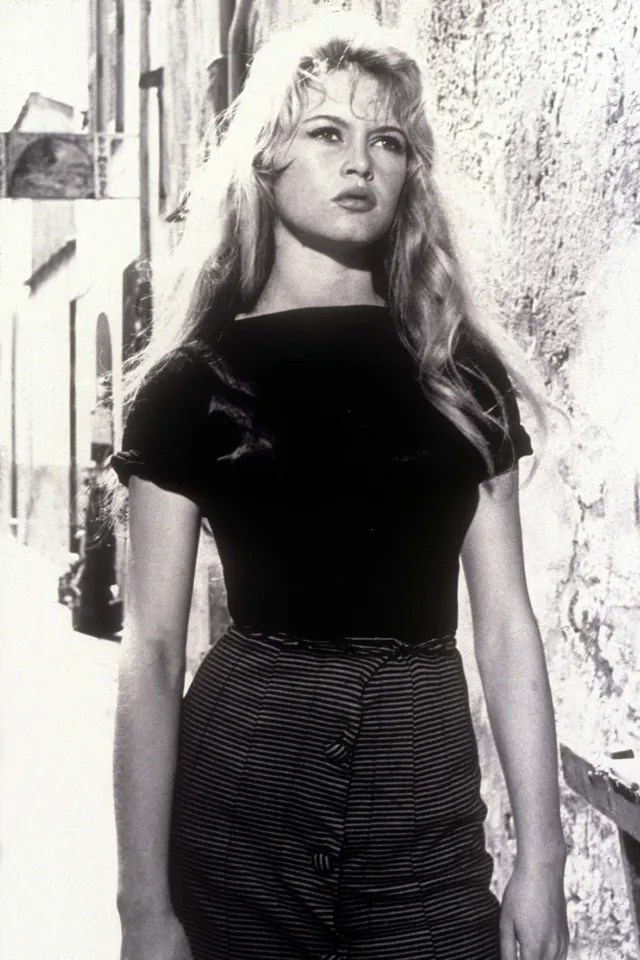
Certain elements defined her visual signature and later became design archetypes in their own right.
The boat-neck sweater
Soft, slightly slouched, exposing the collarbone — sensual through restraint rather than excess.
The Bardot neckline
That now-canonical off-the-shoulder cut, simultaneously coquettish and architectural.
The ballet flat
Practical, feminine, and quietly assertive — a departure from stilettos and ornamental glamour.
Gingham as couture
Most famously her pink gingham wedding dress, elevating a humble fabric into an emblem of youthful nonchalance.
Tousled, “undone” hair
A poetic contradiction: artfully unpolished, signalling freedom rather than formality.
These were not costumes — they felt lived, inhabited, and deeply personal.

Riviera Chic as Cultural Mythology
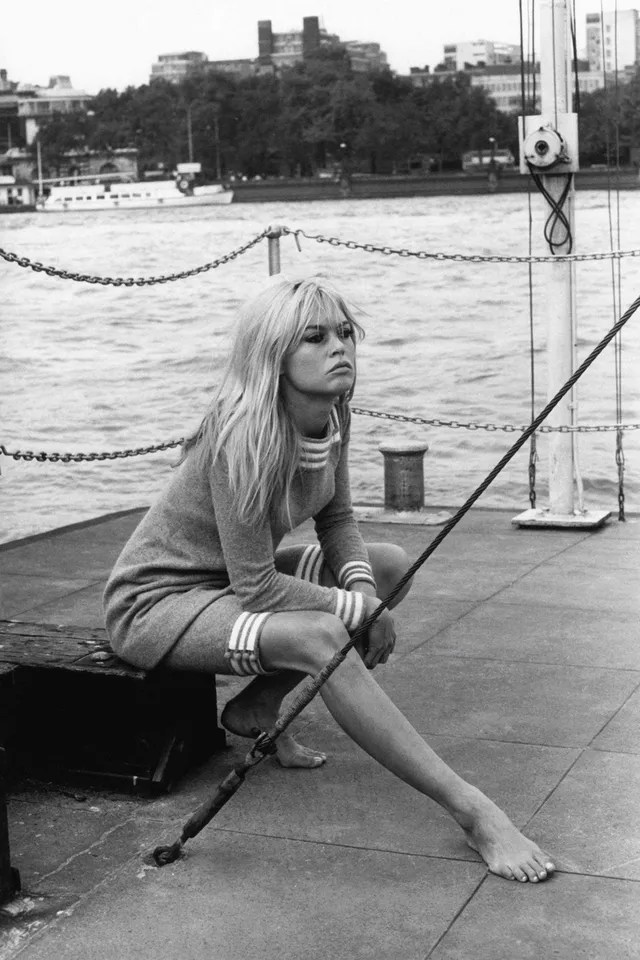
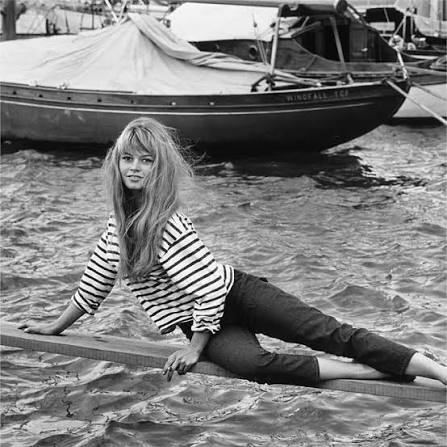
Bardot’s association with Saint-Tropez permanently rewrote the style codes of seaside leisure.
Sun-bleached terraces, wicker chairs, bare feet on tiled floors — her surroundings became part of the aesthetic narrative. The Riviera, through Bardot’s lens, was not luxury by display but luxury by liberation.
Her holiday wardrobe introduced:
- cropped trousers
- tied-front shirts
- striped Breton tops
- wide sun hats and dark glasses
It was relaxed yet cinematic — the architecture of everyday life elevated into iconography.
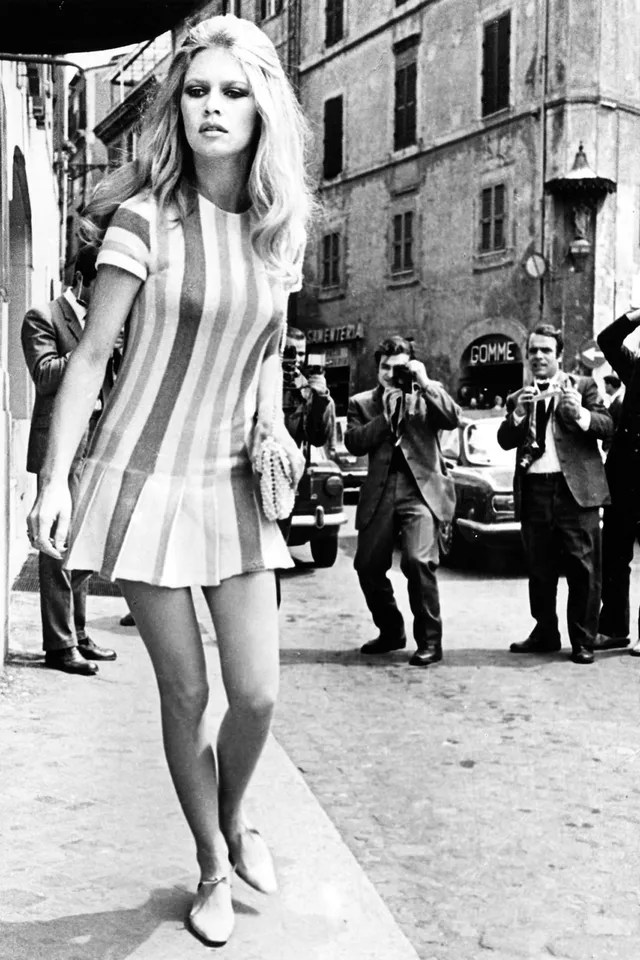
A Style That Outlived Stardom
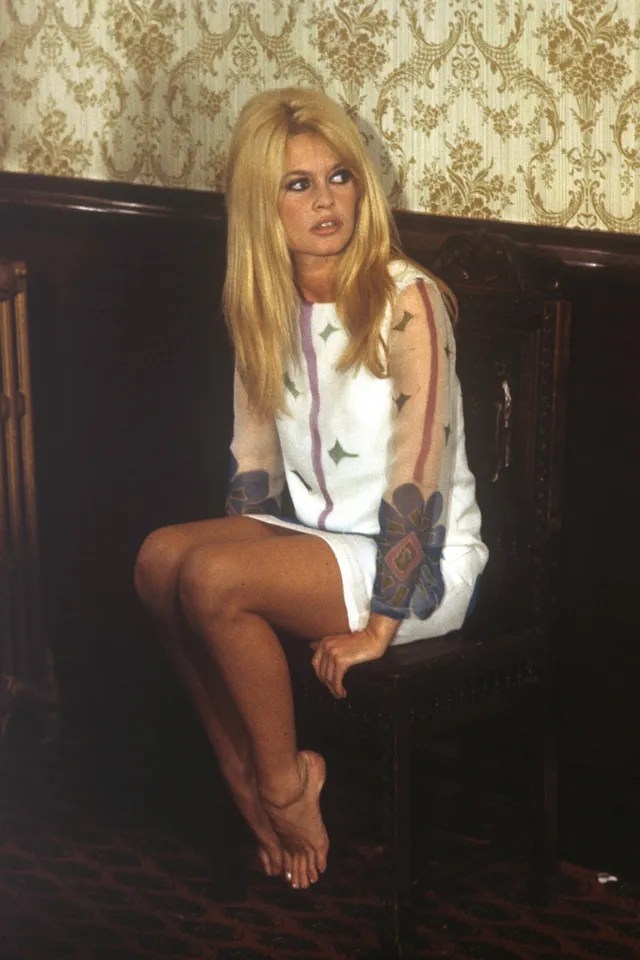
When Bardot left cinema in the early 1970s, her style did not retreat with her. Designers continued — and continue — to revisit her language of:
- emphasised natural beauty
- quiet sensuality
- ease over ornament
From runway reinterpretations to editorial homages, the Bardot silhouette remains embedded in fashion’s collective memory.
Her influence is less about replication than attitude: the courage to dress instinctively, without apology.

Why Bardot Still Matters
In an era saturated with curated image-making, Bardot’s authenticity feels startlingly fresh. Her wardrobe did not strive for perfection — it embraced imperfection as character.
Her style endures because it speaks to larger ideas:
- the body as a personal space
- femininity as self-defined
- elegance as comfort, not constraint
She showed that style becomes iconic not through spectacle — but through consistency of spirit.
 My World of Interiors