
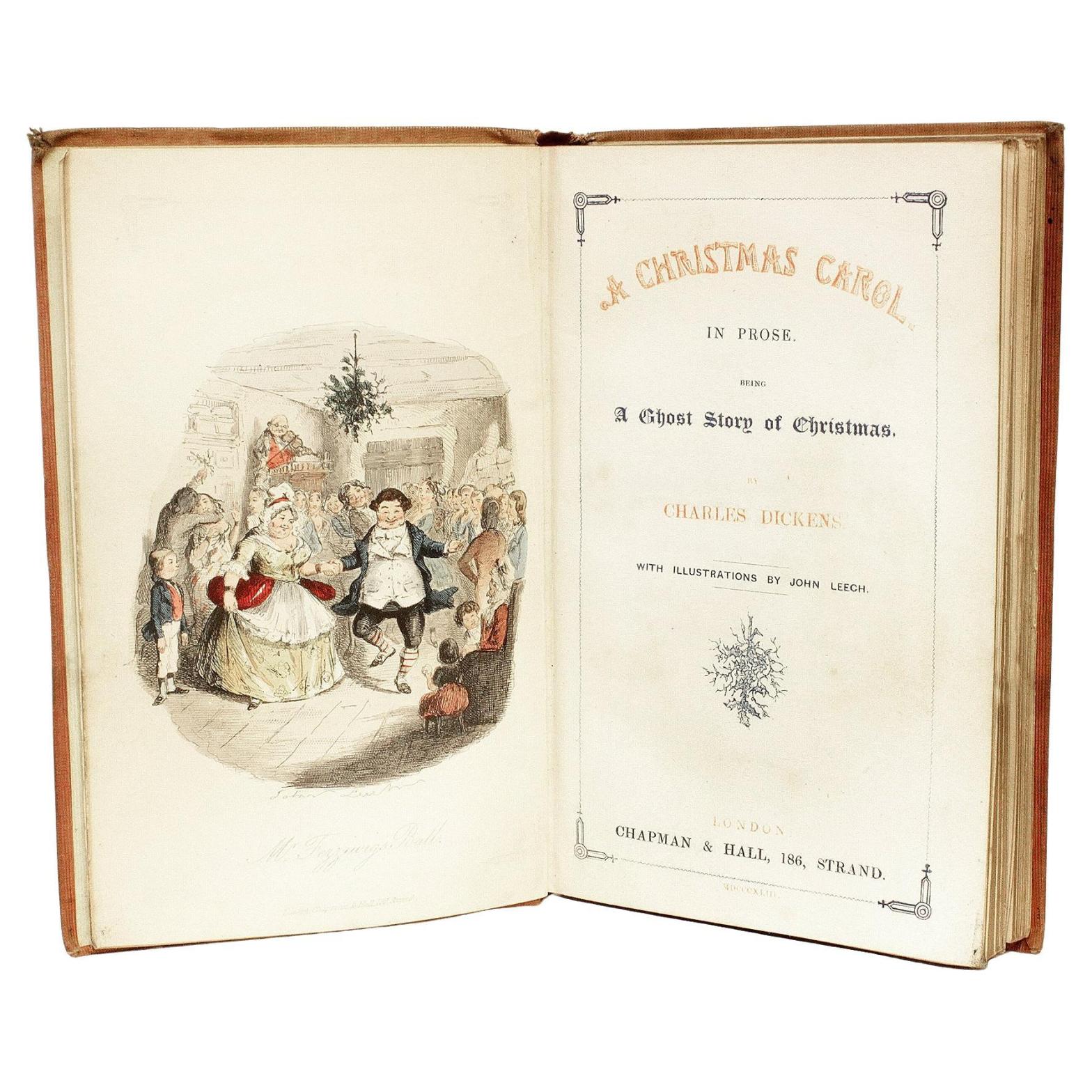
Some of our strongest images of Christmas do not come from memory or ritual, but from books. From the glowing hearths of Dickensian London to the snowy Welsh villages of Dylan Thomas, writers have long used Christmas as both backdrop and metaphor. On the page, the season becomes not just a holiday, but a prism for joy, nostalgia, generosity — and sometimes melancholy.
Dickens and the Invention of Christmas
If Christmas today feels inseparable from roaring fires, plum pudding, and a spirit of goodwill, much of that is owed to Charles Dickens. His A Christmas Carol (1843) crystallised the Victorian vision of the holiday: family gathered, charity renewed, a reminder that the season could transform even the hardest of hearts. Dickens did not invent Christmas, but he reimagined it for a modern age — and in doing so, set its cultural tone for generations.
Snow and Memory: Dylan Thomas
A century later, the Welsh poet Dylan Thomas captured another side of Christmas in A Child’s Christmas in Wales (1952). His prose poem is less about festivity than memory: snowball fights, candlelit parlours, uncles napping after dinner. Thomas gave us a Christmas of texture and sound — a lyrical meditation on childhood, nostalgia, and the passage of time.
American Vignettes: Capote and O’Henry
In America, writers like Truman Capote in A Christmas Memory (1956) and O. Henry in The Gift of the Magi (1905) used the season to tell intimate stories of love, sacrifice, and friendship. Their Christmases are not grand banquets, but kitchens scented with fruitcake, or small rooms where simple gifts carry immeasurable meaning.
Northern Winters: Tove Jansson
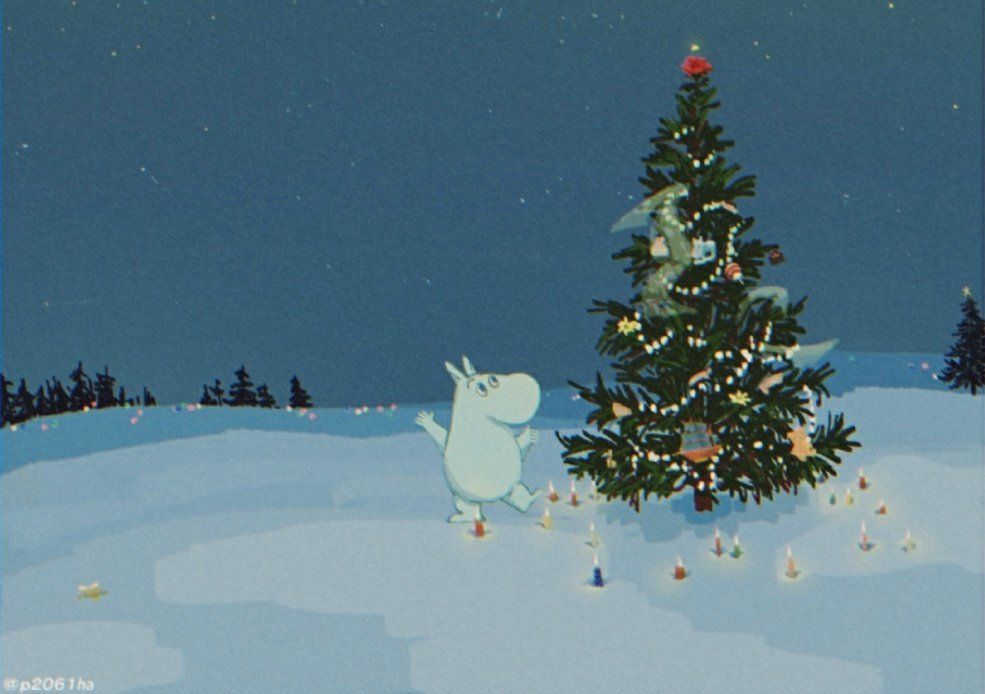
From Scandinavia, Tove Jansson’s Moomin tales gave Christmas a sense of wonder tinged with existential quiet. In The Fir Tree, the Moomins wake from hibernation to encounter a holiday they do not understand — a reflection on human rituals, the strangeness of custom, and the possibility of seeing Christmas anew.
The Season as Metaphor
For many writers, Christmas is less a setting than a symbol: of rebirth, community, or fleeting beauty. Whether in Chekhov’s Russian winters or James Joyce’s snow at the close of The Dead, Christmas crystallises the paradox of warmth and cold, of togetherness and solitude.
December Picks:
Where to Read
- British Library – Holds early editions of Dickens’ A Christmas Carol.
- New Directions Publishing – American press that reissued A Child’s Christmas in Wales.
- Everyman’s Library – Beautiful hardback editions of Christmas classics.
Inspired Editions
- Folio Society – Illustrated collector’s editions of Dickens and Capote.
- Penguin Clothbound Classics – Affordable yet elegant editions perfect for gifting.
- Persephone Books – Publishes overlooked works, including mid-century Christmas short stories.
TL;DR
Christmas in literature is less about tinsel than timelessness. From Dickens’ redemption to Thomas’ nostalgia, from Capote’s fruitcake kitchens to Jansson’s philosophical fir trees, the season on the page reflects both joy and longing. To read these works is to rediscover Christmas not as commerce, but as story — an enduring ritual of words, memory, and meaning.
 My World of Interiors