
Introduction
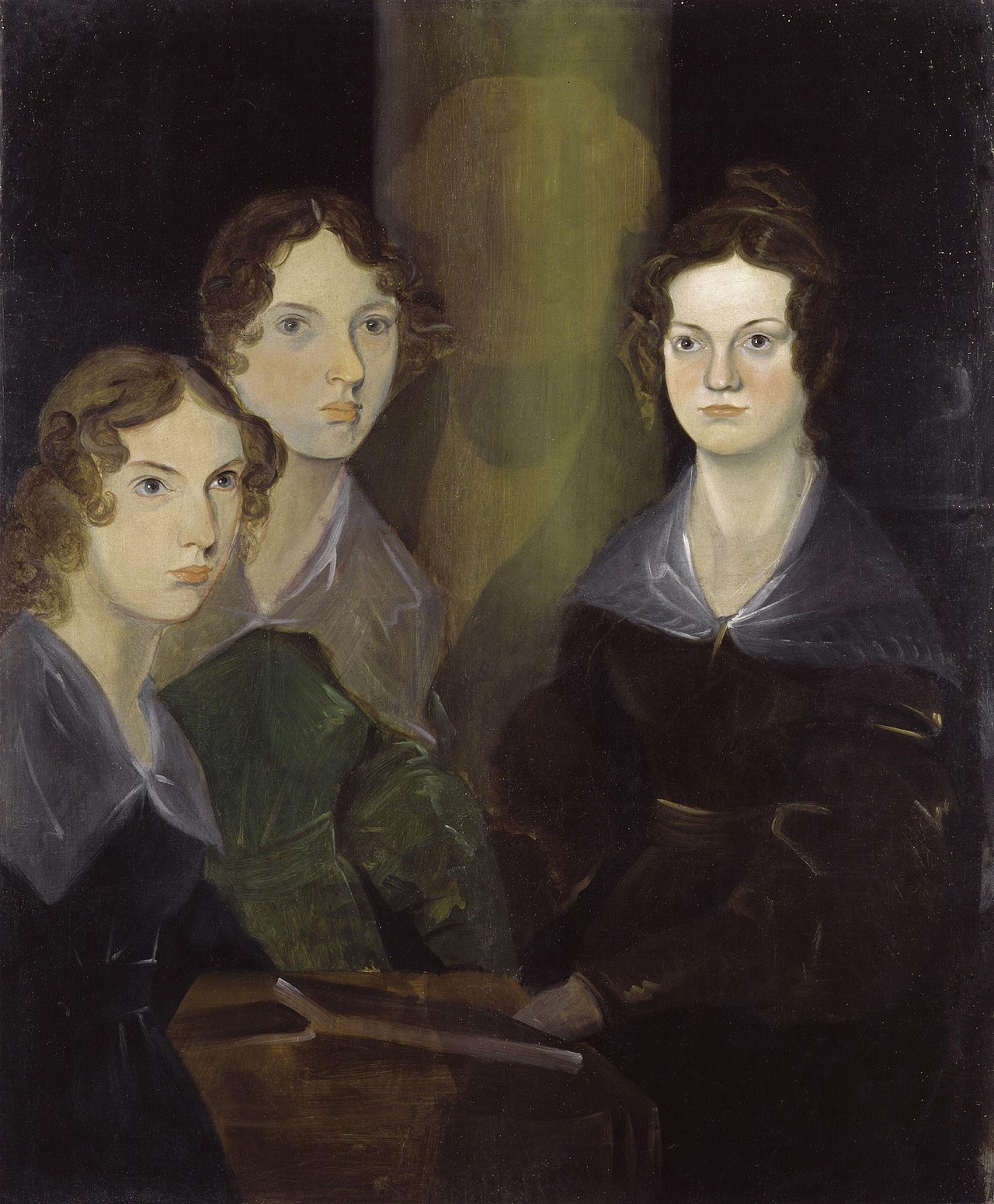
There are literary families, and then there are the Brontës—six children raised in a remote parsonage on the Yorkshire moors, who transformed personal grief, imaginative play, and strict Victorian constraints into novels that altered the course of English literature. Their story is not simply about genius blooming in isolation; it is about a family ecosystem so intense, so self-contained, that it produced an entire mythology of creativity.
The Brontë Family: A Furnace of Genius on the Yorkshire Moors
Few literary families have captured the world’s imagination like the Brontës. Their novels—Jane Eyre, Wuthering Heights, The Tenant of Wildfell Hall, Villette—feel elemental, as if cut directly from the moors that surrounded them. But behind this constellation of masterpieces lies a far more complex, intimate, and often tragic story: a household shaped by intellectual hunger, creative obsession, illness, isolation, and fierce sibling devotion.
This is the story of the Brontës—not as remote icons, but as a family, a fragile ecosystem of parents and children whose private universe produced some of the most enduring works in English literature.
Origins: Patrick and Maria Brontë
Patrick Brontë, born Patrick Brunty in County Down, Ireland, rose from poverty to Cambridge-educated clergyman—a striking social ascent in the early 19th century. Reserved but intensely principled, Patrick possessed a stern work ethic and a deep belief in education, qualities he would instill in his children.
Maria Branwell, from Penzance in Cornwall, provided the household’s warmth, spirituality, and emotional gentleness. She was well-read, deeply religious, and imaginative—a quiet counterpoint to Patrick’s more rigid persona. Their marriage was affectionate but short-lived: Maria died of cancer when her youngest child, Anne, was just a year old.
Her sister, Elizabeth Branwell, moved from Cornwall to Haworth to raise the six surviving children, giving up a comfortable life and bringing structure, discipline, and dutiful love to the household.
Childhood in Haworth: A Small Parsonage, A Vast Imaginary World
The Haworth Parsonage, set at the edge of the graveyard and facing the sweeping moors, was both a home and an imaginative crucible.
The Brontë siblings—Maria, Elizabeth, Charlotte, Branwell, Emily, and Anne—created elaborate miniature worlds from an extraordinarily young age. After receiving a set of wooden soldiers, they invented the imaginary kingdom of Angria (Charlotte and Branwell) and Gondal (Emily and Anne), complete with political intrigue, epic wars, romances, betrayals, and complex maps.
These early story-cycles weren’t childish scribblings; they were fully realized narrative universes. Their handmade books—some barely larger than a matchbox—contained:
- densely written prose in microscopic handwriting
- detailed geography, character lists, dynasties
- complex emotional and political narratives
These imaginary kingdoms became the training ground for their mature fiction.
Loss and Hardship: The Formative Tragedies
The two eldest daughters, Maria and Elizabeth, were sent with Charlotte to the Clergy Daughters’ School at Cowan Bridge—a place that would later inspire the bleak Lowood School in Jane Eyre. The conditions were harsh: poor food, cold, strict religious discipline, and illness. Tuberculosis tore through the school; Maria and Elizabeth died shortly after returning home.
Charlotte never recovered from the trauma. It hardened her sense of injustice and sharpened her moral vision—qualities that would later animate her heroines.
Afterwards, Patrick brought the remaining children home and insisted they be educated at the parsonage, where their intellectual lives flourished under his unconventional encouragement.
The Children: Four Extraordinary Lives
Charlotte Brontë (1816–1855): The Determined Visionary
Charlotte, the third child, became the de facto leader of the siblings. Intense, ambitious, and fiercely intelligent, she felt the burden of responsibility early on. Her works—Jane Eyre, Shirley, Villette—are marked by:
- emotional precision
- psychological depth
- a fierce negotiation between duty and desire
- an insistence on women’s autonomy
Charlotte was the one who first pushed the siblings toward publication, gathering her sisters’ poems into a small volume under the pseudonyms Currer, Ellis, and Acton Bell. The book sold poorly but ignited a literary revolution.
Branwell Brontë (1817–1848): The Wasted Prodigy
The only son, Branwell, was expected to be the family’s great hope. A charismatic polymath—painter, writer, musician—he seemed destined for success. Yet he lacked the discipline that shaped his sisters’ achievements.
Though gifted, Branwell spiraled into alcoholism and opiate addiction, his artistic ambitions dissolving into self-destruction. His decline devastated the household. His death at 31 from tuberculosis, worsened by addiction, marked the beginning of the tragic cascade that followed.
Emily Brontë (1818–1848): The Fierce Genius of the Moors
Emily is the most enigmatic of the siblings. Intensely private and spiritually attuned to nature, she possessed a poetic imagination unlike anything in English literature.
Her only novel, Wuthering Heights, defies genre. Dark, metaphysical, violent, structurally innovative, it was far ahead of its time. Emily wrote not to please but to express a raw interior truth. She died from tuberculosis at 30, refusing medical treatment almost until the end, maintaining her fierce autonomy to her last breath.
Anne Brontë (1820–1849): The Quiet Radical
Often overshadowed by her sisters, Anne was the moral realist of the family. Her novels—Agnes Grey and The Tenant of Wildfell Hall—are sharp critiques of social injustice, women’s legal vulnerability, and abusive marriage.
The Tenant of Wildfell Hall, with its depiction of alcoholism, marital cruelty, and a woman’s escape from her husband, was revolutionary. Some critics consider it one of the first truly feminist novels in English literature. Anne died at 29, the last of the siblings to succumb to tuberculosis.
The Parsonage as Ecosystem: How a Family Created a Literary Legacy
The conditions that shaped this extraordinary creative output were a unique combination of:
1. Isolation
Haworth was remote, socially limited, emotionally intense. The moors served as landscape, refuge, and metaphor.
2. Education
Patrick believed in intellectual independence. His daughters read Shakespeare, Milton, newspapers, theology, and history—rare for girls of their class.
3. Mutual Influence
The siblings fed each other’s imaginations. Their tiny books and epic sagas formed a shared narrative language.
4. Repression and Desire
Victorian women had sharply limited freedoms. That constraint produced enormous internal pressure. Writing became the release.
5. Grief
Loss permeated the household. Death was a daily reality. It sharpened their emotional perception and deepened their art.

Legacy: From a Parsonage to the World
Patrick Brontë outlived all his children. He protected their manuscripts, championed their publication, and preserved the parsonage as a place of memory. Today it’s a literary pilgrimage site.
The siblings’ influence is immense:
- Jane Eyre revolutionized the psychological novel
- Wuthering Heights reshaped narrative possibility
- The Tenant of Wildfell Hall pioneered feminist fiction
Their work endures because it is rooted in emotional honesty, intellectual daring, and the intense intimacy of a family united by imagination.
Conclusion: A Family Shaped by Wind and Word
The Brontës’ story is often told as a tragedy. But it is equally a story of creative triumph—of children who turned isolation into imagination, grief into vision, constraint into revolution. Their novels endure because they were born of lives lived intensely, bravely, and with a fierce belief in the power of storytelling.
From the small parsonage on the windswept moors, the Brontës gave the world not only great literature, but a testament to what can emerge when imagination survives against the odds.
QUICK FACTS ON THE BRONTË FAMILY
Born: 1814–1820
Home: Haworth Parsonage, Yorkshire
Parents: Rev. Patrick Brontë & Maria Branwell Brontë
Aunt: Elizabeth Branwell (household matriarch after 1821)
The Siblings
Charlotte (1816–1855) — Author of Jane Eyre, Villette
Branwell (1817–1848) — Painter, poet; struggled with addiction
Emily (1818–1848) — Author of Wuthering Heights
Anne (1820–1849) — Author of Agnes Grey, The Tenant of Wildfell Hall
Themes That Defined Their Work
- isolation on the moors
- women’s autonomy
- psychological interiority
- grief and mortality
- imagination as survival
Why They Matter
Together, they reshaped the English novel, pioneering psychological depth, narrative innovation, and honest portrayals of female experience.
 My World of Interiors