

Truman Capote was one of the most indelible voices of 20th-century literature. His name evokes both glittering soirées and devastating solitude, but beyond the gossip and social whirl, he was above all a craftsman: a master stylist whose sentences could shimmer with lightness or cut with precision. His legacy is not the scandals that dogged his later life, but the body of work he left behind — stories, novels, reportage — that continue to shape how we think about voice, narrative, and the very possibilities of prose.
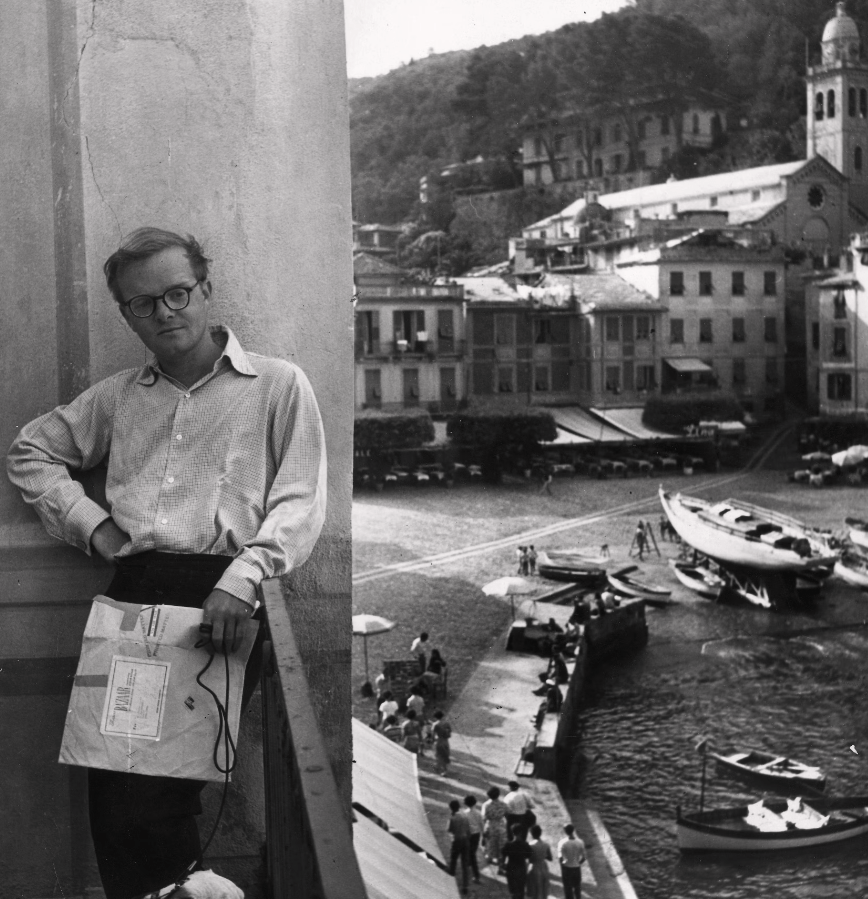
The Alchemy of Style
Capote’s early stories, collected in Other Voices, Other Rooms (1948) and later in Breakfast at Tiffany’s (1958), revealed his distinctive gift: a prose style at once lyrical and exact, dreamy and disciplined. He could render Southern childhood with a delicacy bordering on myth, or New York sophistication with a sharpness that sparkled.
In an age when American literature leaned toward the muscular and the masculine, Capote’s writing was unapologetically aesthetic — ornamental, precise, painterly. Every word felt chosen, every rhythm deliberate. His gift was to elevate style into substance.
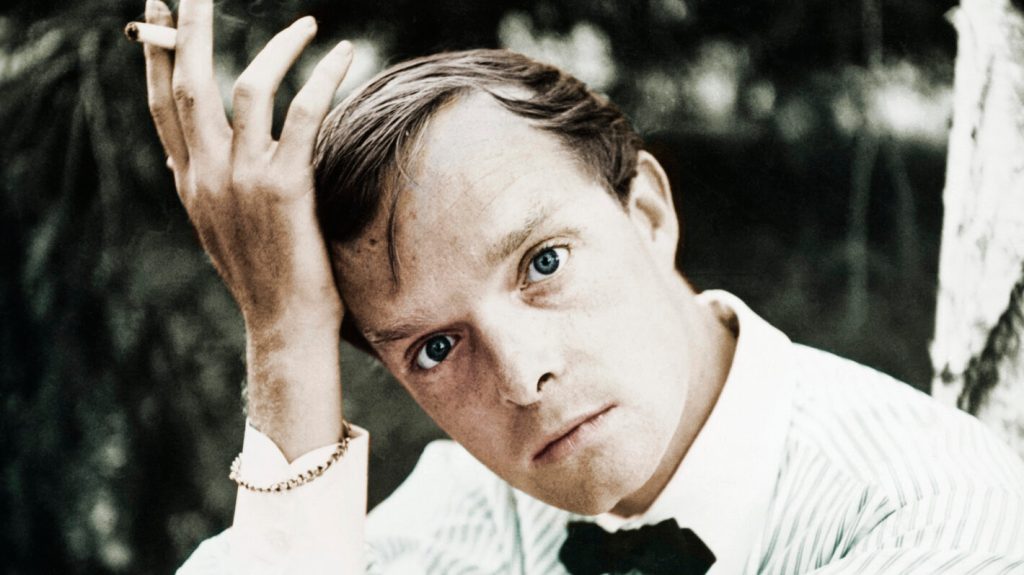
The Invention of True Crime Literature
Capote’s most celebrated work, In Cold Blood (1966), was revolutionary. A meticulous reconstruction of the murder of the Clutter family in Kansas, it combined journalistic detail with the pacing and atmosphere of a novel. Capote called it a “nonfiction novel,” and in doing so created a new literary form.
The book’s power lay not just in its chilling narrative but in its empathy: Capote portrayed killers Perry Smith and Richard Hickock not as monsters, but as broken men. In an era before “true crime” became a genre, he offered a template that would inspire writers, filmmakers, and podcasters for decades.
An Eye for Character
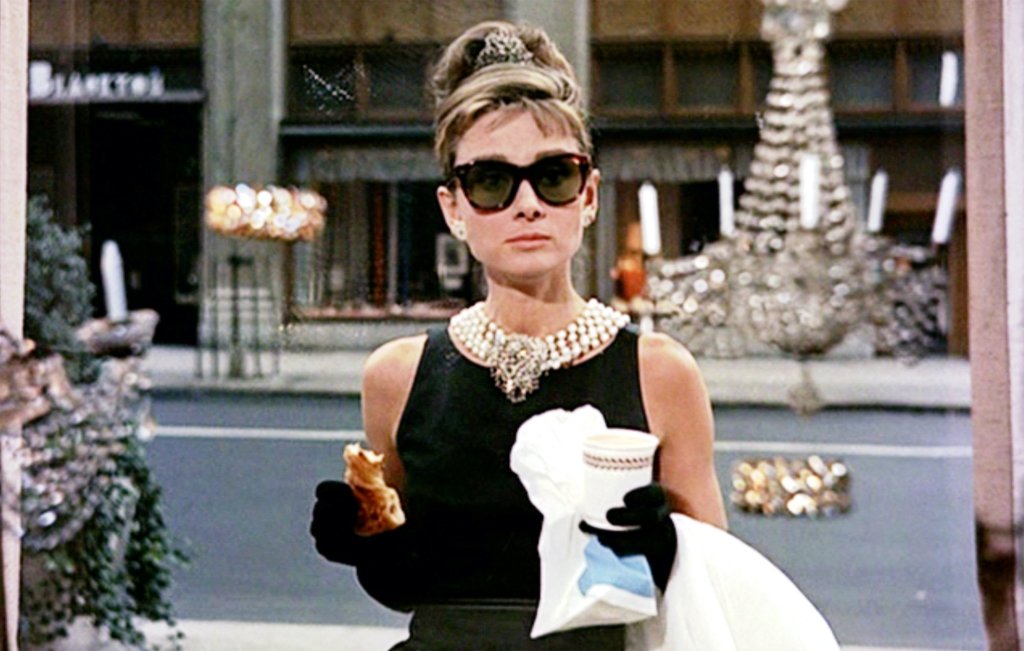
Capote’s characters — whether invented or observed — were unforgettable. Holly Golightly, the flighty yet poignant heroine of Breakfast at Tiffany’s, remains one of literature’s most enduring creations: a symbol of freedom, fragility, and longing. His portraits of friends, from the eccentricities of New York socialites to the intimacy of childhood companions in Alabama, revealed his gift for empathy and his ability to turn lives into luminous narrative.
Beyond the Persona
Capote’s social life — his friendships with Babe Paley, Lee Radziwill, and the glitterati of New York — has often overshadowed his literary contributions. Yet it is worth remembering that his place at the center of high society was also a writer’s experiment: he observed, recorded, and dramatized the world around him.
While his later years were marked by decline and unfinished projects (Answered Prayers most famously left incomplete), his core body of work remains remarkably intact. His gift was singular, and his masterpieces continue to be read with admiration.
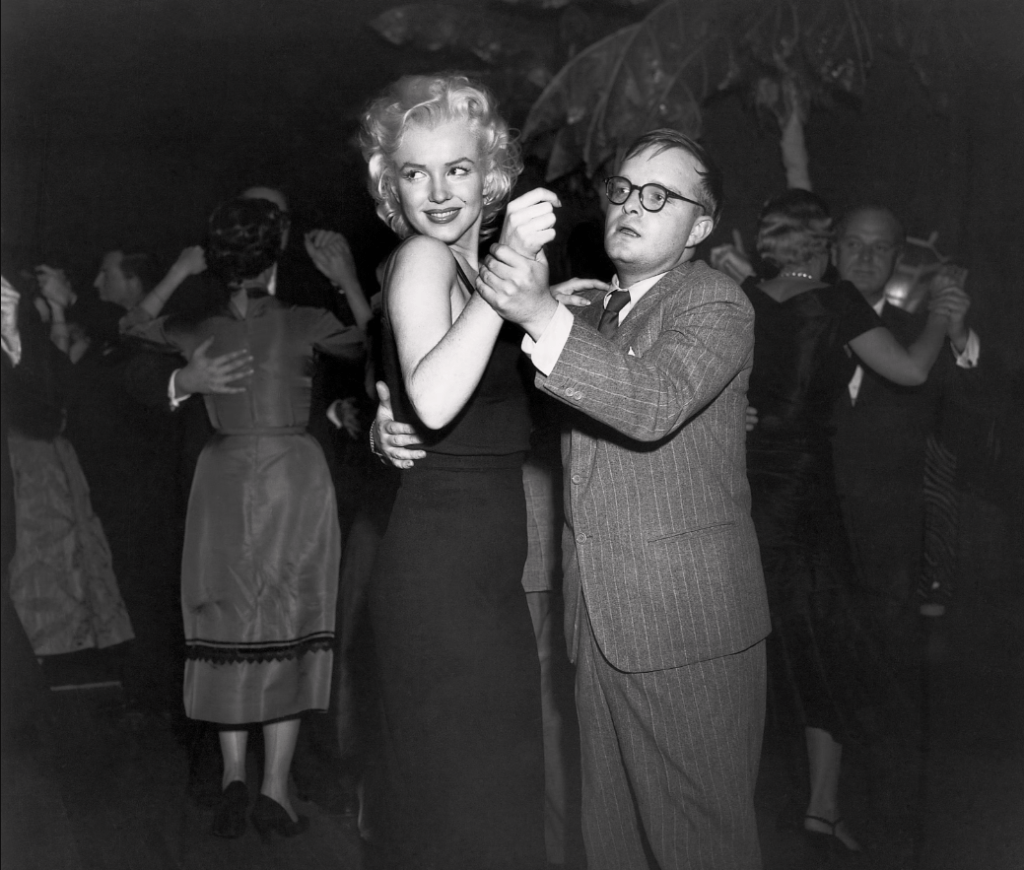
Capote Capsule: A Reading Guide
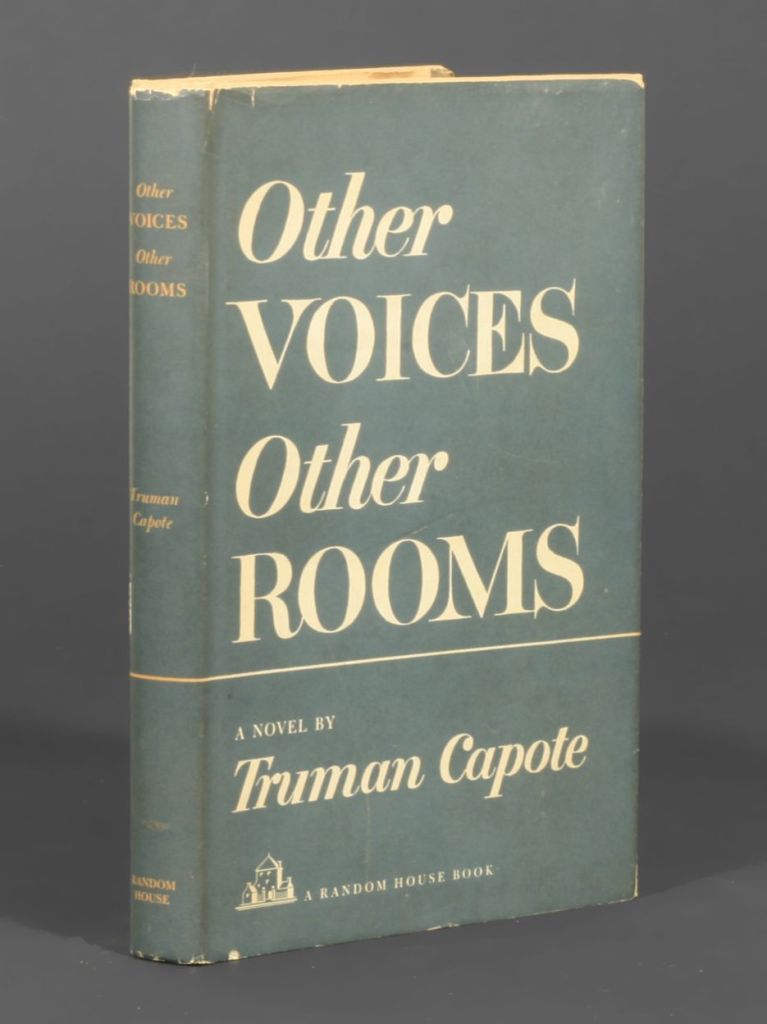
- Other Voices, Other Rooms (1948)
Capote’s debut, a Southern Gothic novel filled with atmosphere and self-discovery. A haunting exploration of childhood and identity. - Breakfast at Tiffany’s (1958)
The novella that introduced Holly Golightly. A portrait of mid-century New York that sparkles with charm while shadowed by loneliness. - In Cold Blood (1966)
Capote’s landmark “nonfiction novel.” Meticulous, devastating, and empathetic, it transformed reportage into literature. - A Christmas Memory (1956)
Perhaps his most tender work: an autobiographical short story about childhood, friendship, and loss. Quiet, luminous, unforgettable. - Music for Chameleons (1980)
A late collection of short works and reportage, showcasing Capote’s wit and stylistic control even as his life grew turbulent.
Capote on Screen: Adaptations and Afterlives
- Breakfast at Tiffany’s (1961) – Blake Edwards’s adaptation, starring Audrey Hepburn, softened Capote’s novella but enshrined Holly Golightly as a cultural icon.
- In Cold Blood (1967) – Richard Brooks’s stark adaptation remains one of cinema’s most faithful translations of literature to film.
- Capote (2005) – Philip Seymour Hoffman’s Oscar-winning performance captured both the brilliance and torment of writing In Cold Blood.
- Infamous (2006) – Toby Jones offered a different take on Capote’s entanglement with the Clutter case and his fraught relationship with Perry Smith.
- The Capote Tapes (2019) – A documentary using rare recordings and interviews to revisit his unfinished Answered Prayers and his exile from high society.
TL;DR
Truman Capote’s life may have been filled with contradictions, but his literary legacy is clear: he was one of the 20th century’s great stylists, a writer who could shift from Gothic reverie to journalistic rigor without losing his voice. His works endure not because of the parties or the scandals, but because of the sentences — sentences that could capture the ineffable, and in doing so, make it unforgettable.
In the end, Truman Capote reminds us that writing at its highest level is both art and alchemy: a way of shaping the world into something permanent, precise, and profoundly human.

 My World of Interiors